REVIEW · TOKYO
Private 2-Day Tour: Mt Fuji Hakone & Kamakura + Onsen Ryokan
Book on GetYourGuide →Operated by Miramar Co,.Ltd. · Bookable on GetYourGuide
One clear morning can change your whole Japan trip. This private Mount Fuji + Hakone + Kamakura tour strings together the best photo points, steam-and-sulfur views, and a real onsen ryokan stay so you don’t spend your time just “getting there.” What I like most is the way you see Fuji from multiple spots (Lake Kawaguchi, shrines, and Hakone viewpoints) and that overnight ryokan includes dinner and breakfast, not just a bed. The only real catch is that the route moves fast, and Mt. Fuji visibility depends on weather.
I also like how “private” here actually means private. Your driver guides you using a comfortable vehicle (Toyota Alphard or Hiace) and handles the timing between stops, plus you get an English-speaking driver (Keith is specifically mentioned in one review) who answers questions and helps you maximize each window.
One more consideration: this is a packed 2 days with walking at scenic viewpoints (shrines, Owakudani, castle grounds). If you’re hoping for lots of slow downtime, you may feel the schedule squeezing it.
In This Review
- Key highlights worth planning for
- A Private Fuji–Hakone–Kamakura Plan That Actually Feels Manageable
- Lake Kawaguchi: Oishi Park and the Morning Fuji Advantage
- Arakura Sengen Shrine to Kitaguchi Hongu Fuji Sengen: Two Shrines, Two Kinds of Meaning
- Oshino Hakkai and Houtou Lunch: Soft, Scenic Break From the Speed
- Hakone Ryokan Onsen and Kaiseki Dinner: The Best Reason to Stay Overnight
- Lake Ashi Cruise and Owakudani Volcanic Valley: Sulfur, Views, and That Black Egg Moment
- Odawara Castle and Kamakura Daibutsu: From Samurai Grounds to the Great Buddha
- Price and Logistics: Does $838 Per Person Make Sense?
- Who This Tour Suits Best (and When You Might Rethink It)
- Should You Book This Private 2-Day Fuji–Hakone–Kamakura Tour?
- FAQ
- Where is pickup and drop-off included?
- Is this tour private?
- What vehicle do you use?
- What meals are included during the 2 days?
- Does the tour include an onsen ryokan stay?
- Is the Lake Ashi cruise included?
- Are entrance fees included?
- What language will the driver speak?
- What should I bring for the tour?
Key highlights worth planning for
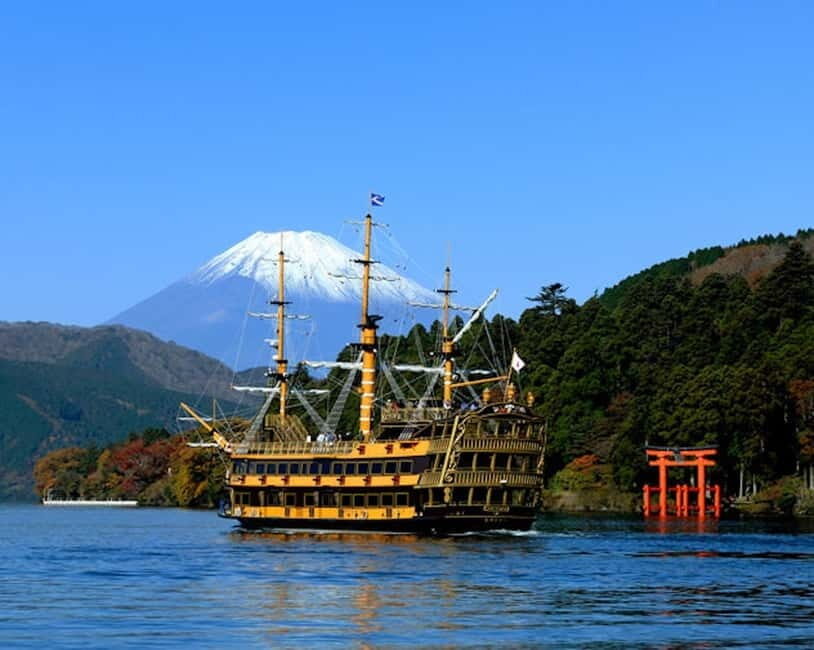
- Lake Kawaguchi + Oishi Park: morning photo stop with Fuji in the frame
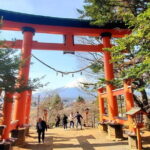
- Arakura Sengen Shrine: the iconic five-story pagoda view
- Ushino Hakkai (Oshino Hakkai): calm springs and easy strolling near Fuji
- Tōnosawa Ichinoyu Honkan ryokan onsen: warm soak time after a full day
- Lake Ashi cruise + Owakudani sulfur valley: volcano views and boiled black eggs
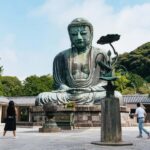
- Kamakura Daibutsu: one of Japan’s most recognizable Great Buddha statues
A Private Fuji–Hakone–Kamakura Plan That Actually Feels Manageable
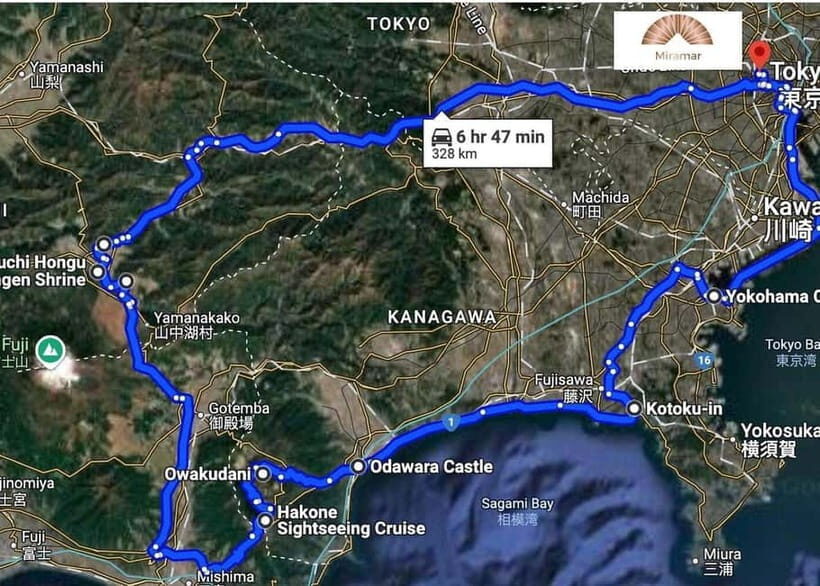
Two days around Mt. Fuji can get stressful fast if you’re relying on buses and trains while also trying to hit famous sights. The big value here is private transportation plus a driver who stays with you from Tokyo pickup to Tokyo drop-off (in the Tokyo 23 wards). You don’t have to solve transfers, route changes, or timing between Lake Kawaguchi, Hakone, Odawara, and Kamakura.
The vehicle matters too. You travel in a spacious Toyota Alphard or Hiace, which helps when you’re coming in warm layers and then need to stow them quickly as weather shifts. Even better, this tour includes entrance fees to the listed sites and covers a solid amount of sight time each day (10 hours per day is stated), so you’re not constantly deciding whether a stop is “worth paying for.”
One of the more practical details: pickup is at your hotel within Tokyo’s 23 wards, and the driver meets you directly. If you’re unsure of the exact location, you’ll confirm in advance. Also, you’re asked to be ready about 10 minutes before the scheduled departure time, which keeps the day from slipping.
More Mt Fuji & Hakone tours we've reviewed
Lake Kawaguchi: Oishi Park and the Morning Fuji Advantage
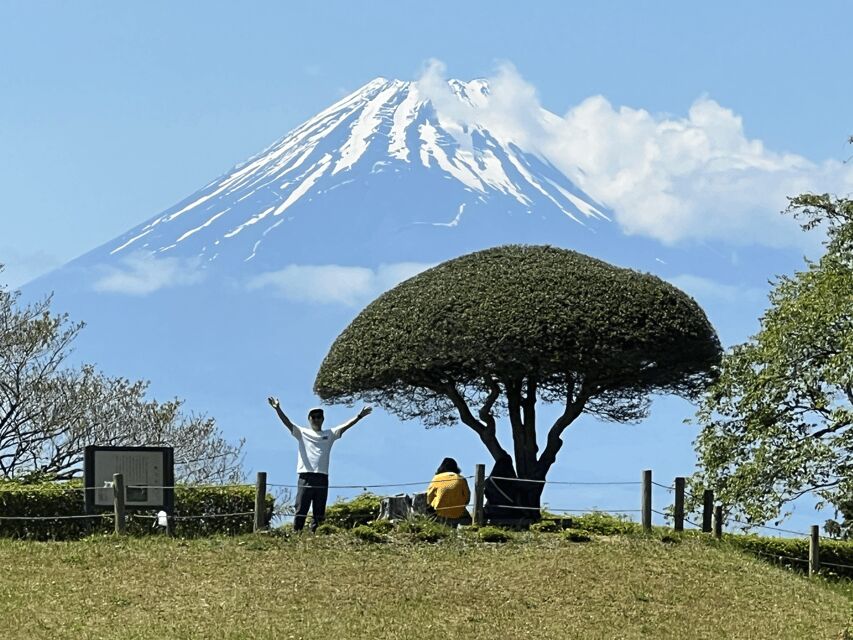
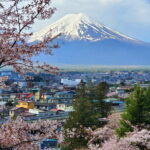
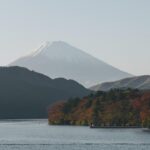
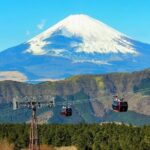
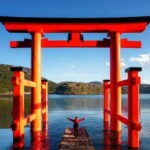
Day 1 begins with the Mt. Fuji region and an early hit at Lake Kawaguchi. You’ll stop at Oishi Park for photos and then get free time for sightseeing (around 30 minutes). This is one of the best ways to start, because Lake Kawaguchi is famous for giving you a relatively clear, postcard-friendly view of Fuji when the sky cooperates.
What I like about this moment is the flexibility: you’re not forced to rush through a checklist. You can step out, find a good angle, and take your time lining up Fuji with the lake and shoreline. If visibility is good, it’s a fast way to get that “this is why I came” feeling.
If visibility is limited (clouds, haze), don’t panic. This tour notes that the itinerary may adjust depending on Fuji visibility, and you’ll be offered alternatives if needed. The key is to treat the day like a living plan: you want to enjoy the stops you have, not grieve the ones you don’t see perfectly.
Arakura Sengen Shrine to Kitaguchi Hongu Fuji Sengen: Two Shrines, Two Kinds of Meaning
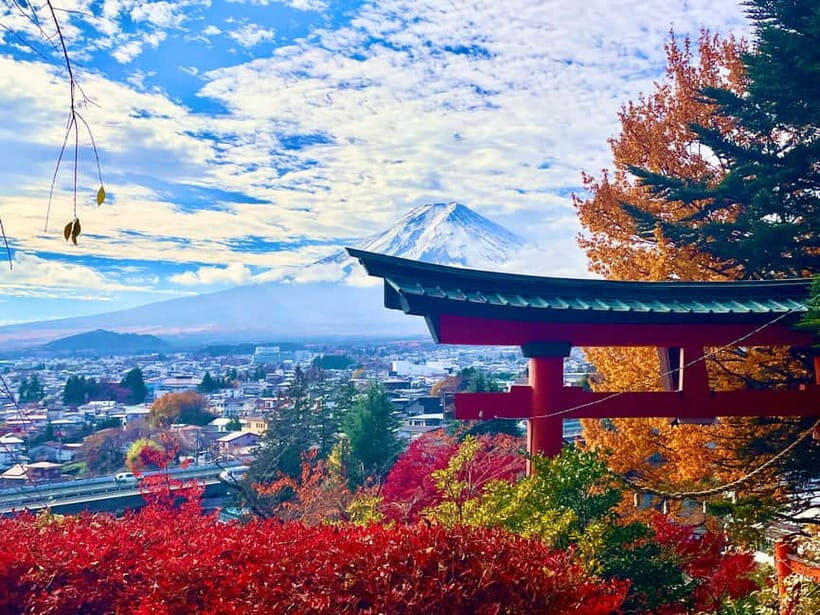
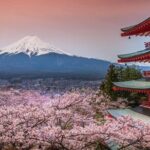
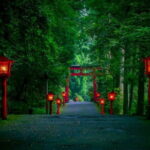
After Lake Kawaguchi, you head to Arakura Sengen Shrine for a photo stop and a walk (about 1 hour total). This is where the iconic five-story pagoda comes into play, with Mt. Fuji towering behind it when conditions align. The view is the star here, but the small walk helps you get positioned rather than just snapping photos from one spot.
Next comes Kitaguchi-hongu Fuji Sengen Shrine, also connected to Fuji worship and on a key pilgrimage route to Fuji-san. You get another photo stop plus a visit and sightseeing (around 30 minutes). I like having this second shrine right after Arakura because it adds depth to the experience. It’s not just the picture moment; you also get the sense of why people kept returning to this mountain long before modern travel made it easy.
In practical terms, bring warm layers. Shrines often mean exposed stairs and open air, and Fuji weather can shift quickly. Comfortable walking shoes also matter because these stops aren’t “just stand there” sightseeing.
Oshino Hakkai and Houtou Lunch: Soft, Scenic Break From the Speed
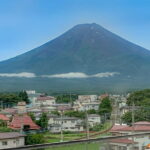
Then the tour slows slightly with Oshino Hakkai (often paired with Ushino Springs). You’ll have about an hour for photo stops, visits, shopping, and walking. This area is known for its calm, clear springs, and it gives you a break from the more structured “viewpoint” rhythm.
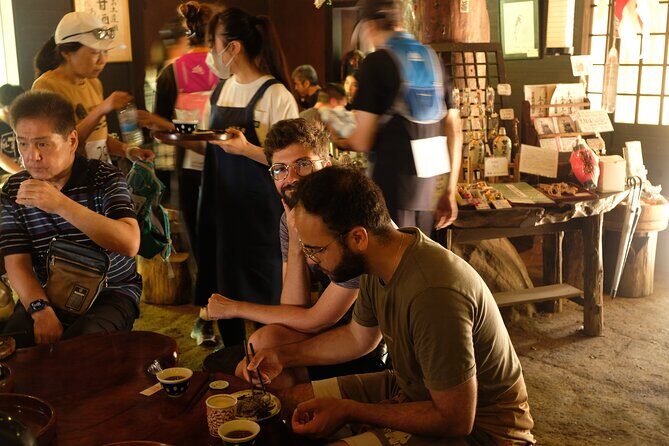
You’ll also have lunch in Yamanashi: houtou, a traditional noodle dish from the region. This matters more than it sounds. Houtou is a local choice that feels connected to the Fuji area, not just another generic stop. After shrine steps and lake views, a warm noodle lunch helps reset your energy for Hakone.
If you’re the type who likes slow moments, Oshino Hakkai is a good place to take them. If you’re the type who only wants the best photo angles, you can still focus on the springs and keep it moving.
Hakone Ryokan Onsen and Kaiseki Dinner: The Best Reason to Stay Overnight
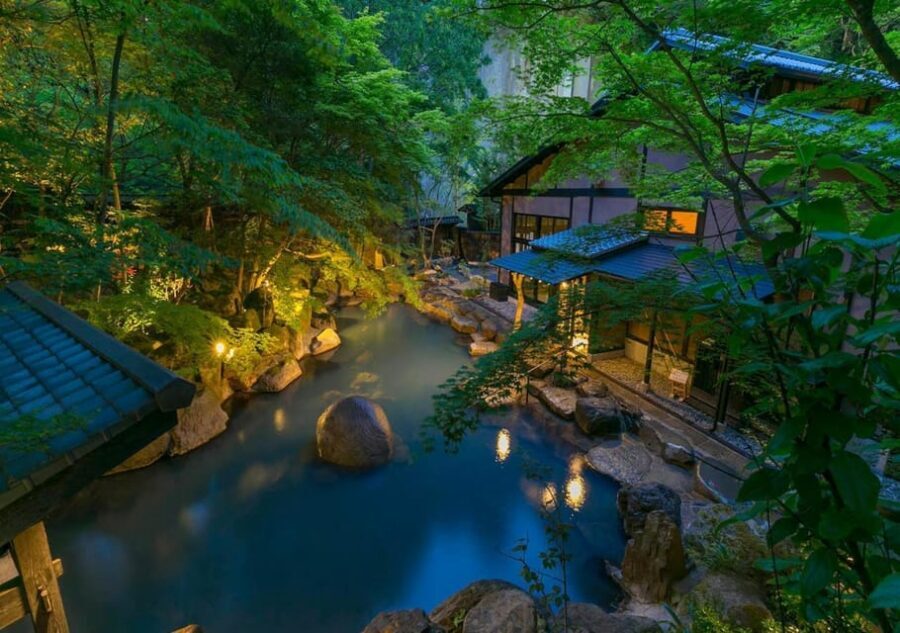
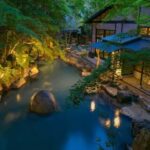
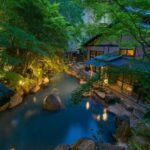
Staying overnight in a traditional ryokan is one of the strongest parts of this tour. You arrive in Hakone and check into the ryokan for an onsen experience for a few hours. The tour specifically includes Tōnosawa Ichinoyu Honkan, and that’s helpful because it’s not a vague “some ryokan.” You’ll know you’re getting a real onsen night, not just a hotel with a spa sign.
The payoff here is simple: after two full days of driving and sightseeing, your body wants heat and downtime. The onsen time gives you that reset. One review highlights the ryokan and private onsen as unforgettable, and I agree with the logic—when a tour bundles the onsen into the schedule, it’s easier to actually enjoy it rather than squeezing it in later.
Dinner is kaiseki, a multi-course Japanese meal using seasonal ingredients and fresh seafood. Kaiseki isn’t just “food,” it’s pacing. You slow down for the meal, and the setting helps you wind down for the night. Breakfast the next day is traditional too—fresh fish, rice, pickles, and miso soup—so you start Day 2 fueled rather than chasing breakfast on the go.
Bring a change of clothes (it’s specifically listed). You’ll appreciate having clean basics after onsen time.
Other onsen and ryokan stays in Hakone
Lake Ashi Cruise and Owakudani Volcanic Valley: Sulfur, Views, and That Black Egg Moment
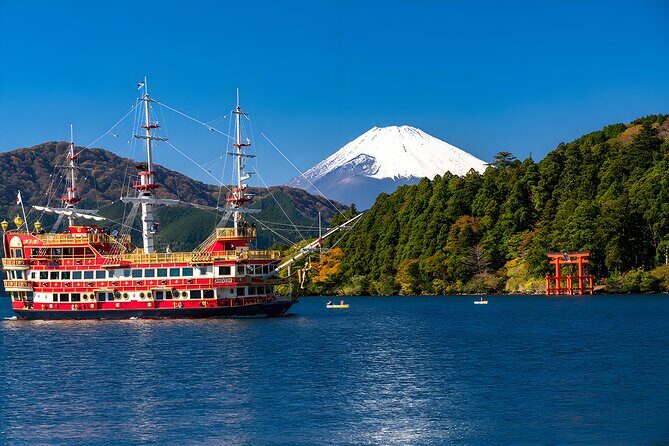
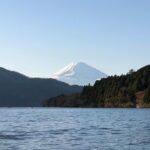
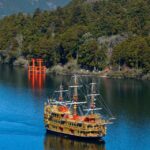
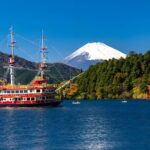
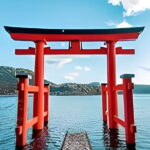
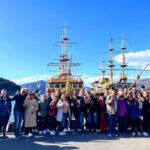
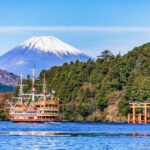
Day 2 moves quickly but keeps the best visuals lined up. First is a Lake Ashi boat ride. The boat departs at 9:30 AM and takes about 45 minutes, ending at Togendai Port. You’ll likely catch Fuji glimpses from the water on clear days, plus you get that wide-angle feeling of Hakone’s hills and lake.
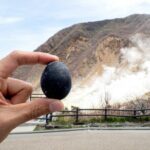
Then comes Owakudani, the volcanic valley famous for hot springs, sulfur vents, and the chance to try the black eggs that are boiled in the sulfuric hot springs. This area is one of Japan’s most unmistakably “active Earth” experiences. Even if you don’t obsess over the geology, the smell and the steam do the teaching for you.
In practical terms, this is where weather matters most. Cold wind and rain can make walking feel tougher, and the tour notes it runs rain or shine except in extreme conditions. Dress warm, and plan for short, steady movement rather than big leaps of walking distance.
You’ll then have a photo stop plus time to walk and explore (about 45 minutes total at Owakudani). If you want more time, you may have it depending on your driver and current conditions, but the schedule is designed to keep you moving toward Odawara and then Kamakura.
Odawara Castle and Kamakura Daibutsu: From Samurai Grounds to the Great Buddha
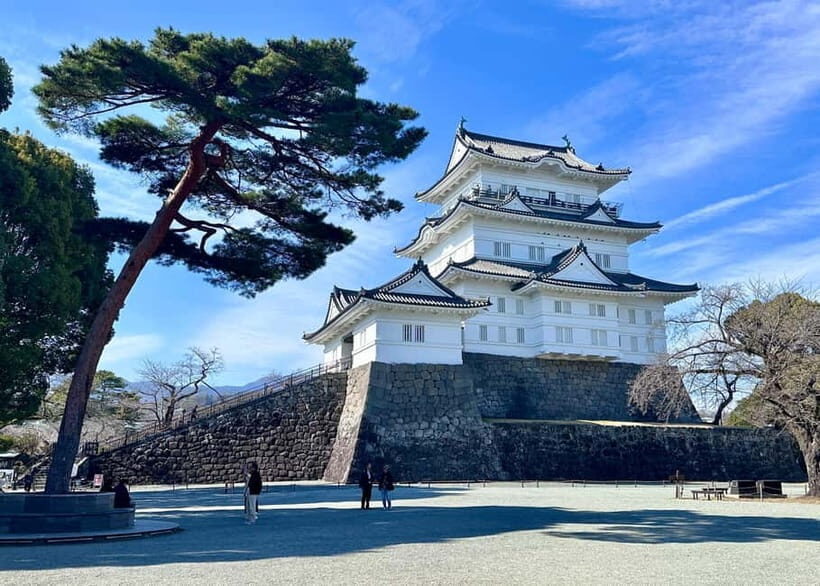
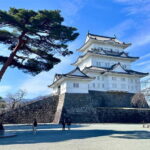
After Hakone, you go to Odawara Castle. You get a photo stop, then time to visit and walk through the castle area and grounds (about 45 minutes), including gardens and a museum. This is a good counterweight to volcano and steam—you get greenery and history-focused walking without feeling like you’re stuck in a single exhibit room.
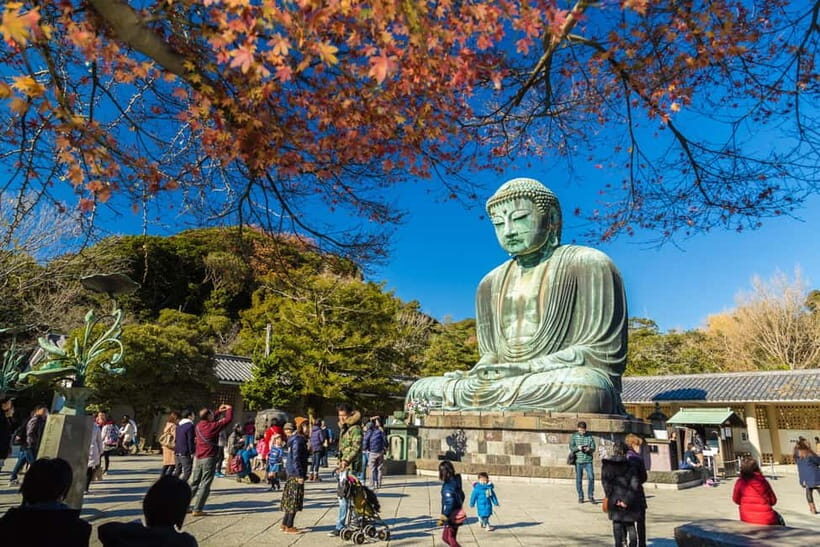
Then it’s Kamakura and Kamakura Daibutsu (the Great Buddha). You’ll have around 30 minutes for photo stop, visit, and sightseeing. The statue is massive—over 13 meters tall—and that size is the whole story. It’s not just a landmark you pass by; it’s one of those sights that makes you stop and look up even if you’ve seen pictures before.
If you’re trying to manage expectations: this portion is timed. You’ll want to decide what matters most—photos, the immediate viewing area, or a brief stroll—so you don’t waste time circling.
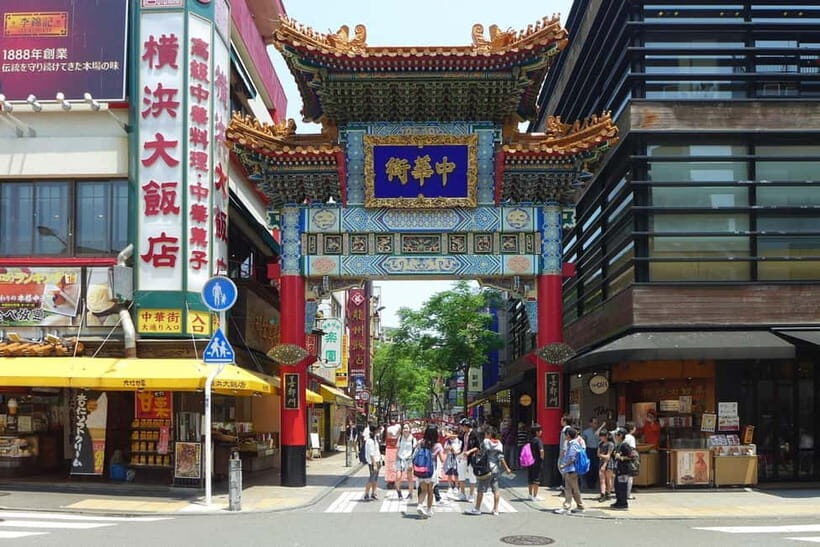
If time allows, there’s also an optional stop at Yokohama Chinatown, one of the world’s larger and more active Chinatowns, before heading back to Tokyo.
Price and Logistics: Does $838 Per Person Make Sense?
Let’s talk money. $838 per person is not cheap for a two-day tour, so you should measure value by what’s included and what it replaces.
Included basics that matter for cost:
- Private car/driver (Toyota Alphard or Hiace) with pickup/drop-off in Tokyo’s 23 wards
- Entrance fees to the listed sites
- Lunch on Day 1 (houtou)
- Hakone overnight in a traditional ryokan with onsen experience
- Kaiseki dinner and traditional breakfast
- Lake Ashi boat ride
If you were to plan this on your own, you’d pay for transport, multiple entry fees, and the ryokan package. The private driver is what most strongly affects the overall value because it removes planning friction and reduces the chance of wasting hours fighting timing and transfers.
The main cost-related drawback is that it’s intensive. You’re paying for efficiency and a guided flow, not for lots of long independent wandering. If you want to roam freely and control every pace yourself, you might prefer a DIY route. If you want the famous highlights plus a proper onsen night without the headache, the price starts to feel more reasonable.
Who This Tour Suits Best (and When You Might Rethink It)
This tour fits best if you:
- Want first-time-friendly coverage of Mt. Fuji viewpoints, Hakone volcanic sights, and Kamakura’s Great Buddha
- Like the idea of a private driver (less waiting, fewer transfers, more time at each stop)
- Appreciate a full onsen ryokan stay with kaiseki dinner and breakfast included
- Travel with family members who benefit from a calmer ride and clear timing
You might rethink it if:
- You’re hoping for a slow vacation pace with long free time each day
- You dislike moderate walking at viewpoints and scenic areas (shrines, Owakudani, castle grounds)
- You’re very budget-focused and would rather spend time arranging transport yourself
Also, the schedule explicitly depends on weather—especially Mt. Fuji visibility—so don’t plan your entire trip around one perfect “Fuji photo” outcome.
Should You Book This Private 2-Day Fuji–Hakone–Kamakura Tour?
I’d book this if your priority is hitting the big, meaningful stops efficiently while still getting a genuine Japan experience overnight. The combination of Lake Kawaguchi views, two Fuji shrines, Oshino Hakkai springs, Hakone onsen ryokan, and Owakudani’s volcanic vibe is a strong “best-of” arc for a short trip.
If you want a practical decision shortcut, use this rule: if you’d rather pay for less stress than spend days coordinating transport, this tour matches your style. If you love DIY planning and want maximum flexibility, you can do it cheaper—but you’ll spend more time in the logistics grind.
Finally, aim to dress smart for changing weather and keep your expectations flexible. With that mindset, this is the kind of trip where the overnight onsen night makes the whole thing feel like more than sightseeing.
FAQ
Where is pickup and drop-off included?
Pickup and drop-off are included at your hotel inside the Tokyo 23 wards, and the driver meets you directly at the requested location.
Is this tour private?
Yes. It’s a private group tour, with private transportation for your group.
What vehicle do you use?
The tour uses a comfortable Toyota Alphard or Hiace.
What meals are included during the 2 days?
Day 1 includes lunch (houtou) and dinner at the hotel (kaiseki). Day 2 includes a traditional Japanese breakfast.
Does the tour include an onsen ryokan stay?
Yes. You stay overnight in a traditional Japanese ryokan with an onsen experience.
Is the Lake Ashi cruise included?
Yes. A Lake Ashi boat ride is included (about 45 minutes) and departs at 9:30 AM.
Are entrance fees included?
Yes. Entrance fees to all mentioned sites are included.
What language will the driver speak?
The driver speaks English and Chinese.
What should I bring for the tour?
Bring a passport or ID card, warm clothing, and a change of clothes. Comfortable walking shoes are also a good idea due to walking at several stops.