REVIEW · TOKYO
Hakone Private Two Day Tour from Tokyo with Overnight Stay in Ryokan
Book on Viator →Operated by Japan Awaits · Bookable on Viator
Hakone without the stress is the goal. This private two-day plan strings together Tokyo-to-Hakone rail, a Hakone Free Pass, and a guided first day so you can focus on the sights instead of ticket math and route puzzles. You’ll also get a real overnight stay in a traditional ryokan setting, not just a day-trip sprint.
I especially like the value of having transportation and key admissions handled. You’re covered with guide fees and transport inside Hakone, plus the Hakone-side combo of bus, mountain train, and cable car access through the pass.
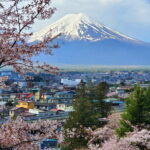
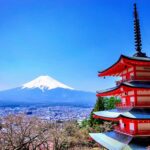
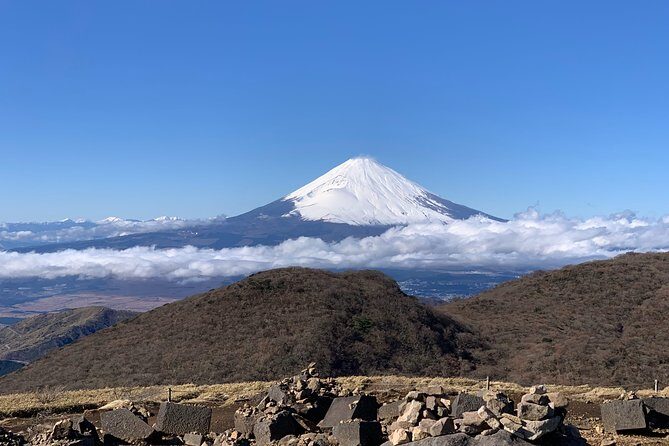
One thing to watch: several of the best views depend on weather. The included Owakudani ropeway and the Lake Ashi cruise with Mount Fuji views are only listed for good weather, so plan for possible clouds and bring layers.
In This Review
- Key things I’d plan around
- Entering Hakone Fast: Shinkansen, Passes, and Transfers
- Day 1 with a Guide: Lake Ashi, Ropeway Zones, and Big Views
- Lake Ashinoko / Lake Ashi
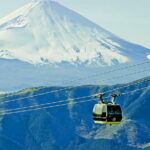
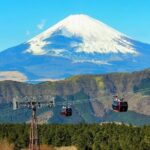
- Hakone Komagatake Ropeway (optional costing can apply)
- Hakone Open-Air Museum (watch for optional entry)
- Hakone Shrine (Hakone Gongen)
- Hakone Sekisho checkpoint and Old Tokaido Road feel
- Gora Park: slow-down time with garden views
- Ryokan Overnight: What It Means for Your Comfort
- Day 2 Self-Guided Time: Tea-House Gardens and Easy Pace
- What You Get (and Don’t) from the Included Plan
- Included highlights worth leaning on
- Optional upgrades that can change your day
- Price and Value: Is $486.47 Worth It?
- Who This Tour Fits Best
- Should You Book This Hakone Private Two Day Ryokan Tour?
- FAQ
- How long is the Hakone Private Two Day Tour?
- Where do we meet, and what time does the tour start?
- Is pickup offered?
- What’s included in the price besides the guide?
- What Hakone activities are included in good weather?
- What should I expect from the ryokan overnight?
- What optional add-ons cost extra?
- Can I cancel or change the tour after booking?
Key things I’d plan around
- Shinjuku start at 7:30 am keeps the day moving and limits the time you lose to transfers
- Hakone Free Pass + round-trip shinkansen reduces the usual hassle of budgeting and timing
- One night ryokan with breakfast is the big comfort upgrade versus day-only tours
- Guided day one, self-guided day two gives you structure and then room to breathe
- Weather matters for Mount Fuji views on Owakudani and the Lake Ashi cruise
- Old-school stops like Hakone Sekisho add variety beyond temples and ropeways
Entering Hakone Fast: Shinkansen, Passes, and Transfers
This tour is built for an efficient first taste of Hakone. You start at Shinjuku Station (3-chōme-38-1) at 7:30 am, then you’re set up with the ride from Tokyo to Hakone via shinkansen round-trip (Odawara Station). That matters because Hakone can be slow if you’re DIY-ing: trains, buses, and viewpoints all have their own rhythm.
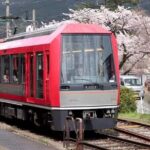
Once you reach the Hakone side, the included Hakone Free Pass is the big system that keeps things simple. It covers Hakone bus fares and rides on the mountain train and cable cars that connect the main zones. In plain terms: you can spend your attention on where you are, not on whether you’re buying the right ticket every hour.
Pickup is offered, and the guide can talk through a drop-off location change with you (your hotel or another train station). That flexibility is handy if you want to minimize the “one last transfer” headache after your ryokan night.
Other Hakone day trips from Tokyo we've reviewed
Day 1 with a Guide: Lake Ashi, Ropeway Zones, and Big Views
Day one is where the tour earns its keep. You’ll cover the major Hakone pillars in an organized order, with a guide to help you move efficiently and understand what you’re seeing.
Lake Ashinoko / Lake Ashi
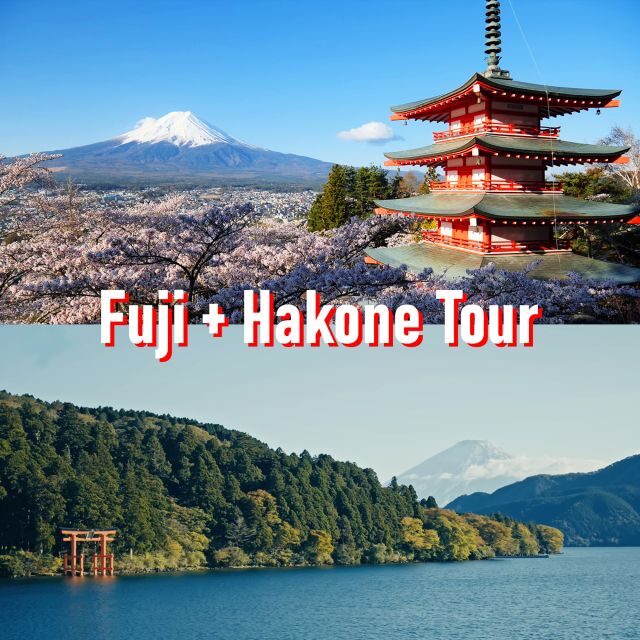
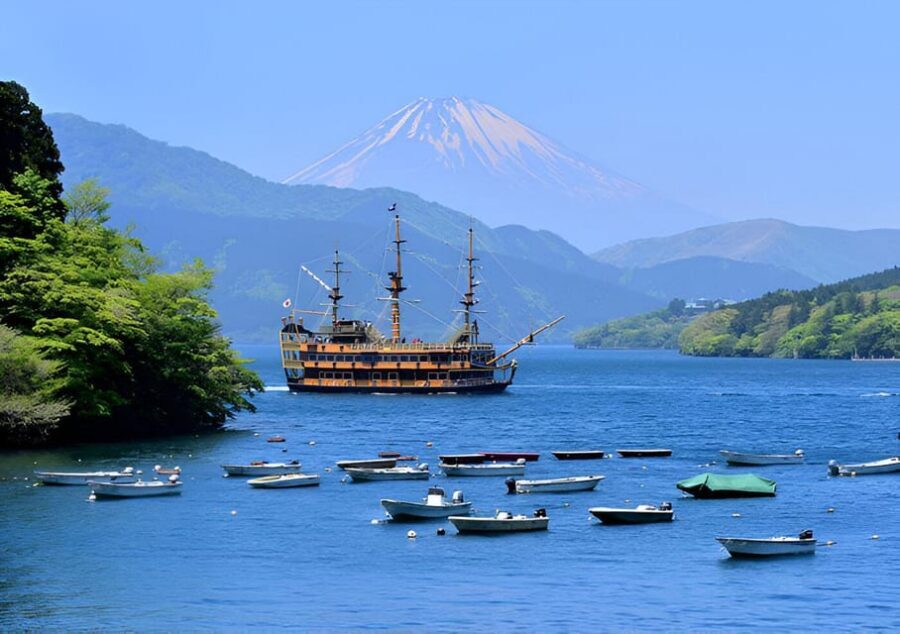
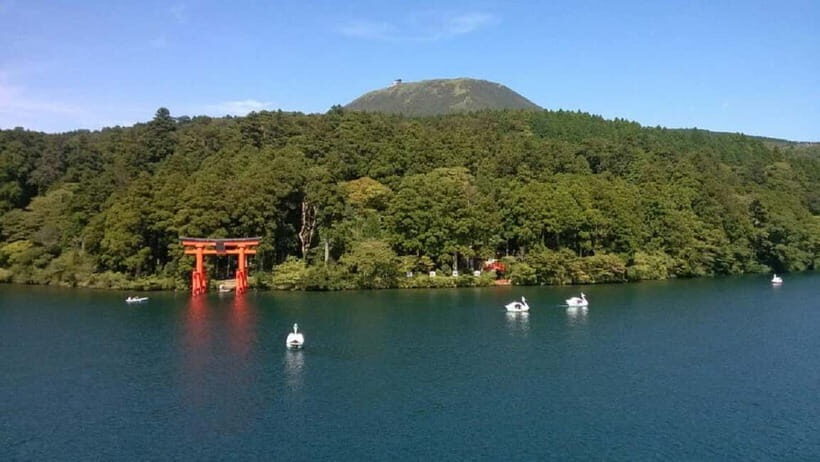
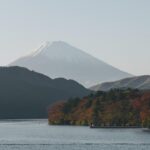
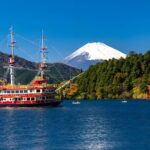
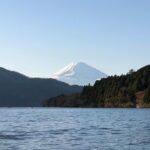
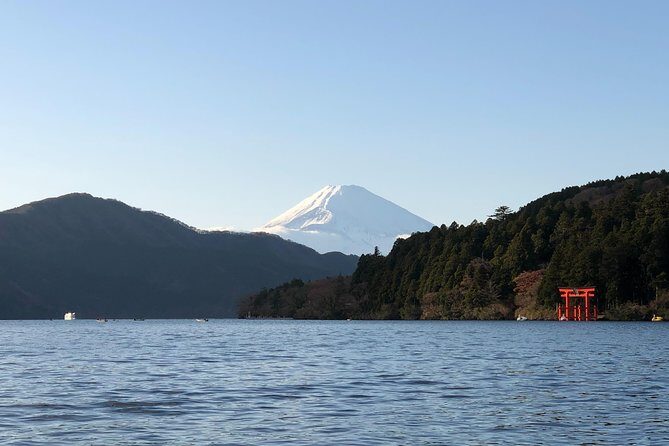
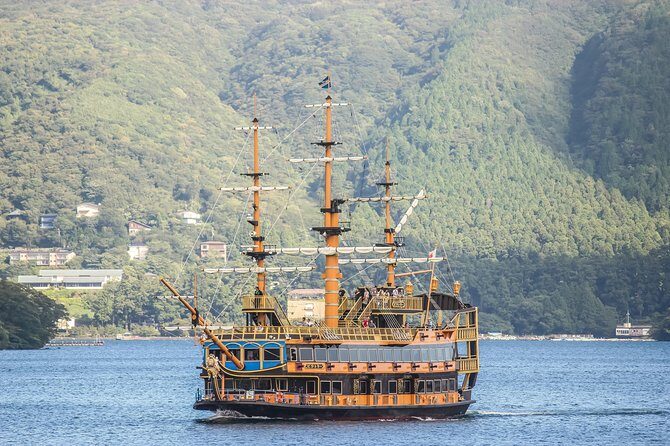
Your first stop is Lake Ashinoko (Lake Ashi). Expect a scenic crater-lake setting where the boats and shoreline viewpoints make it easy to understand why Mount Fuji photographers love this area. The tour notes a Lake Ashi cruise as included in good weather, with a pirate-ship style vessel and the possibility of seeing Mount Fuji.
Practical note: even when weather isn’t perfect, Lake Ashi still works because the water and shoreline viewpoints are part of the experience.
Hakone Komagatake Ropeway (optional costing can apply)
The itinerary lists Hakone Komagatake Ropeway on day one. But the details also say that specific ropeway upgrades can be an optional add-on. Translation: you’ll want to confirm what’s already included for your exact day and what’s payable on-site. Either way, this is the kind of stop that gives you a higher perspective over the Hakone region.
Hakone Open-Air Museum (watch for optional entry)
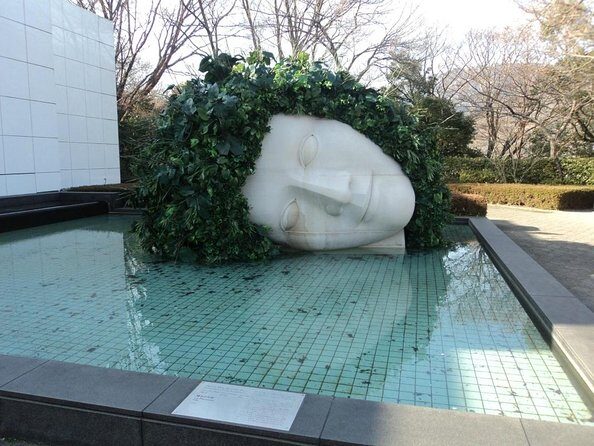
The route also includes Hakone Open-Air Museum. The pass covers plenty, but the tour details say the Picasso Gallery is optional. If art museums are your thing, it can be worth it. If you prefer views and fewer ticketed interiors, you may choose to skip the optional gallery portion and still have a great outdoor stroll.
A good strategy here is to decide once you arrive: do you want the indoor art, or do you want more time outside?
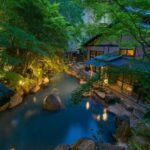
Other onsen and ryokan stays in Hakone
Hakone Shrine (Hakone Gongen)
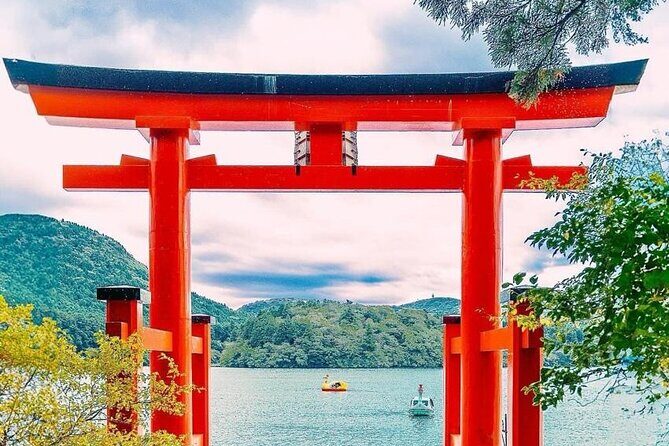
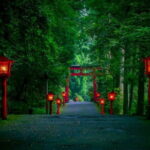
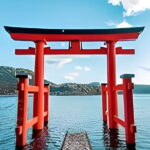
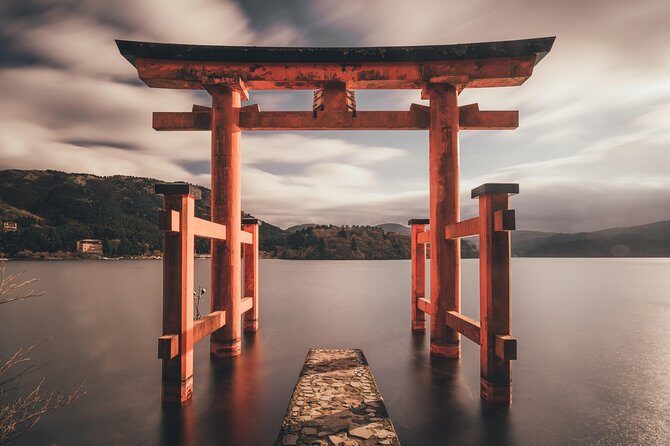
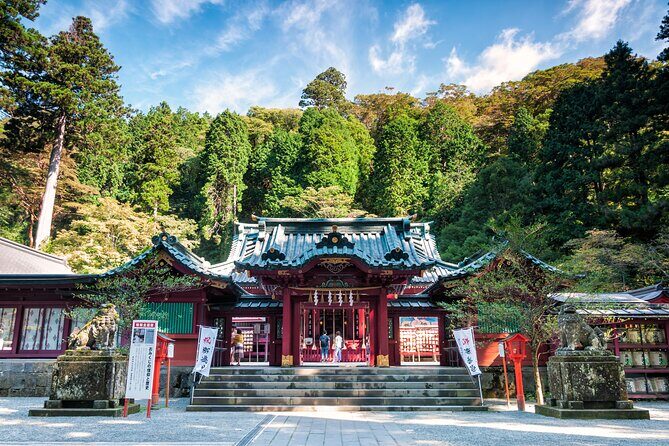
You’ll also stop at Hakone Shrine, the one on the lakeshore known as Hakone Gongen. This is a nice change of pace from rides and gondolas. It’s free, so it’s low-risk, and it also helps connect the spiritual side of Hakone to the landscape around Lake Ashi.
Hakone Sekisho checkpoint and Old Tokaido Road feel
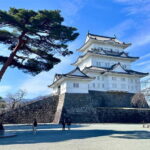
Later in day one, the itinerary includes Hakone Sekisho and Hakone Sekisho Museum. “Sekisho” checkpoints are one of the best ways to get a different slice of Japan beyond modern sightseeing. You get a structured look at how travel was controlled and what the old road network looked like in practice—very relevant to the tour’s mention of the Old Tokaido Road theme.
A plus: this stop gives your legs a more varied walking rhythm compared to ropeway stepping and bus rides.
Gora Park: slow-down time with garden views
You’ll end day one’s sightseeing loop with Hakone Gora Park, a French-styled landscaped garden with a fountain and roses. This is a strong fit for people who like a breather after more kinetic stops. The tea house is tied to an optional tea ceremony add-on, so you can keep it casual or make it more formal.
If the weather is fine, you’ll likely enjoy simply sitting and watching how the Hakone area looks from the hillside.
Ryokan Overnight: What It Means for Your Comfort
The overnight is the signature part of why this tour feels more like a trip than a schedule. Your one night stay is in a traditional ryokan with hotel breakfast included.
Rooms are described as 3 stars, with tatami floors and futon bedding. That’s the classic style: you sleep on futons laid out on the tatami. If you’re new to this, plan on a slightly different feel than a Western mattress. The rooms are also non-smoking, with designated outdoor smoking areas.
One more detail that helps: optional kaiseki dinner is offered on the first night at 15,000 JPY per person. You can choose to add it if you want the full ryokan meal experience. If you skip it, you’re still set with breakfast, so you won’t be forced into a single option.
And yes, this overnight changes the tempo. Instead of returning to Tokyo at night, you’ll wake up closer to the views and sights that Hakone is famous for.
Day 2 Self-Guided Time: Tea-House Gardens and Easy Pace
Day two shifts from guided structure to independent exploring. The listed stop for day two is a Western-style hillside botanical garden with a tea house and greenhouses—a perfect second-day match because it doesn’t demand the same ropeway-to-ropeway energy.
If day one included checkpoints, shrines, and moving parts, day two gives you the chance to slow down without losing the “Hakone” feeling. This stop also connects to the optional tea ceremony add-on, which is listed as 500 JPY. You can do this like a treat, not a requirement.
A small but useful mindset for self-guided time: if you love photos, give yourself extra minutes at the viewpoint edges. If you prefer less standing around, focus on the garden paths and tea area and keep it simple.
What You Get (and Don’t) from the Included Plan
This tour is pretty clear about what’s covered versus what’s optional. Here’s the practical way to think about it.
Included highlights worth leaning on
- Guide fees and transport within Hakone
- Hakone bus fares and rides on mountain train and cable cars via the pass
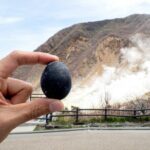
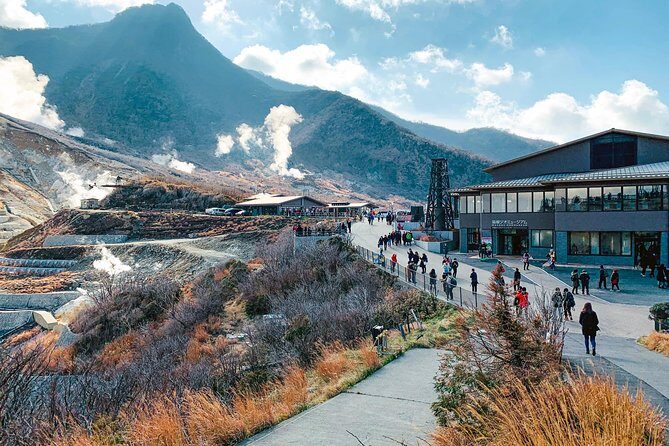
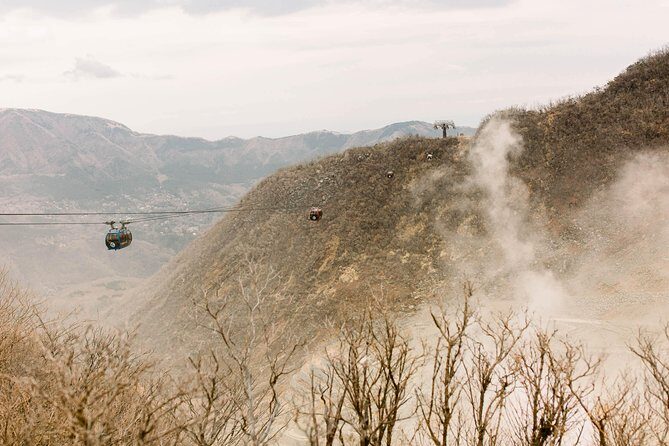
- Good-weather inclusions for Owakudani Ropeway (Boiling Valley area and volcanic activity views) and a Lake Ashi cruise with a possible Mount Fuji view
- One night ryokan plus breakfast
- Hakone Free Pass + shinkansen round-trip from Tokyo to Odawara
Optional upgrades that can change your day
Optional items are where costs can creep up, so I like to plan these as choices, not surprises. The tour lists extras like:
- Optional Mt. Komagatake Ropeway (1300 JPY)
- Hakone Gora Park tea ceremony (500 JPY)
- Hakone Open-Air Museum Picasso Gallery (1600 JPY)
- Optional cruise upgrade options (including a modern two-deck ship and a ropeway connection to the top of Mt. Koma for a combined fee)
- Narukawa Art Museum with a Mount Fuji view (1200 JPY)
- Public hot bath at Hakone Yumoto (1800 JPY) or a private indoor bath upgrade (+1000 JPY)
- Optional kaiseki dinner at the hotel (15,000 JPY per person)
My advice: decide based on your travel style. If you’re the type who loves one big “main activity” each day, you’ll probably keep options to a minimum. If you’re art-and-view heavy, you’ll enjoy stacking a couple of these.
Price and Value: Is $486.47 Worth It?
At $486.47 per person, this tour isn’t cheap. But you’re not paying only for sightseeing. You’re paying for orchestration that can be exhausting when you DIY Hakone.
Here’s what makes the price feel more justified:
- Shinkansen round-trip from Tokyo to Hakone (Odawara) is a major cost and major time saver.
- Inside Hakone, you’re covered with Hakone Free Pass transport that includes buses and multiple rail/cable connections.
- You also get a guide for the first day, so you aren’t stuck trying to figure out the best order.
- The ryokan overnight with breakfast is a big “value lever.” A day tour can be cheaper, but it doesn’t give you that onsen-inn rhythm.
The trade-off is that parts of the plan are conditional on weather for the best Mount Fuji view moments. And certain premium add-ons are extra. If you show up hoping for a specific view at every stop, Hakone can still surprise you with cloud cover.
Who This Tour Fits Best
This works especially well if you want:
- A structured first day with a guide to reduce uncertainty
- A true ryokan overnight instead of commuting back to Tokyo
- A mix of big-name Hakone sites (Lake Ashi, ropeway areas, museum/park/shrine zones) plus a checkpoint stop tied to older road culture
It may not be ideal if you:
- Hate optional fees and want everything included with no decisions
- Need a rigid schedule with zero weather risk
- Are looking for a deep art-focused itinerary with every museum included (since some museum features are optional)
Still, for most first-timers to Hakone, this is a very practical way to see the essentials without feeling rushed.
Should You Book This Hakone Private Two Day Ryokan Tour?
I’d book it if you value ease and comfort over DIY control. The combination of shinkansen + Hakone Free Pass + guided day one + ryokan night is exactly the formula that turns Hakone from a logistics project into a real vacation.
I’d think twice if your trip dates are in a period where you expect lots of clouds and you’re chasing Mount Fuji views above all else. The tour itself builds in good-weather inclusions, but weather isn’t something you can control.
If you’re flexible, enjoy short scenic walks, and like the idea of waking up near Hakone instead of sprinting back to Tokyo, this is a strong pick.
FAQ
How long is the Hakone Private Two Day Tour?
The duration is listed as approximately 2 days.
Where do we meet, and what time does the tour start?
The meeting point is Shinjuku Station (3-chōme-38-1), and the start time is 7:30 am. The end point is also Shinjuku Station.
Is pickup offered?
Pickup is offered. The guide can also discuss a drop-off point change with you, based on your hotel or train station.
What’s included in the price besides the guide?
You get all guide fees, transportation within Hakone, Hakone bus fares, mountain train and cable cars, a one-night ryokan stay with breakfast, fuel surcharge, the Hakone Free Pass, and shinkansen round-trip from Tokyo to Hakone (Odawara Station).
What Hakone activities are included in good weather?
In good weather, the tour includes the Owakudani Ropeway with views of volcanic activity at the Boiling Valley and Mt Fuji, plus a Lake Ashi cruise with a pirate ship and a possible Mt Fuji view.
What should I expect from the ryokan overnight?
The ryokan is described as 3 stars, non-smoking, with tatami floors and futon bedding. Breakfast is included, and you sleep on futons laid on the tatami.
What optional add-ons cost extra?
Optional items listed include the Mt. Komagatake Ropeway (1300 JPY), a tea ceremony in the Japanese garden (500 JPY), the Hakone Open Air Museum Picasso Gallery (1600 JPY), upgraded cruise options (with a combined fee listed), Narukawa Art Museum (1200 JPY), and bath options at Hakone Yumoto (1800 JPY public, or +1000 JPY for a private indoor bath). Kaiseki dinner is listed at 15,000 JPY per person.
Can I cancel or change the tour after booking?
No. The experience is non-refundable and cannot be changed for any reason.