REVIEW · TOKYO
4 Day Tour – Mount. Fuji, Tokyo, Hakone, Kamakura and Yokohama
Book on Viator →Operated by Sluzeb Tours · Bookable on Viator
Your Japan days can be stress-free. This private 4-day loop stitches together Tokyo, Mt. Fuji views, Hakone, Kamakura, and Yokohama with an English-speaking driver and an air-conditioned ride that keeps you moving without the train maze.
I like the private car because you get door-to-door efficiency and smoother pacing than hopping lines all day. I also like how customizable it is, so the plan works for your interests instead of forcing you into someone else’s pace.
One thing to consider: accommodation is not included, and some major stops have tickets that aren’t included in the tour price (like Skytree and some Hakone/Fuji transport).
In This Review
- Key things I’d circle before you book
- Why This Private Tokyo-to-Fuji Loop Works When Time Is Tight
- Price and Logistics: What $3,000 Per Group Really Buys
- Day 1 in Tokyo: From Tsukiji to Asakusa, Then Harajuku and Beyond
- Day 2: Kamakura Temples, Komachidori Street, Then Yokohama Chinatown
- Day 3: Oshino Hakkai and Chureito Pagoda to Kawaguchiko and the Fuji 5th Station
- Day 4: Hakone Shrine, Lake Ashi, Ropeway, Owakudani, and Open-Air Art
- How the English-Speaking Driver Improves the Day
- Should You Book This Tour?
- FAQ
- Is accommodation included in the tour price?
- How many people are in a group?
- What time does the tour start?
- What transport do you use during the tour?
- Are the ticket costs included for all attractions?
- Is the tour fully guided?
- Do you get pickup?
- Are mobile tickets provided?
- What happens if the weather is bad for Mt. Fuji?
- Can you cancel for free?
Key things I’d circle before you book
- Private, air-conditioned car: less commuting stress, especially on long cross-town days
- English-speaking driver + customizable route: you can shape the day around what you care about most
- Big-name sights, but with smart sequencing: Tokyo icons first, then coastal temples, then Fuji viewpoints, then volcanic Hakone
- Admission mix (some free, some paid): you’ll likely budget for a few paid attractions
- Weather matters for Mt. Fuji days: clear skies change everything in the Fuji portion
Why This Private Tokyo-to-Fuji Loop Works When Time Is Tight
This tour is built for one main goal: seeing a lot of the Tokyo region without turning your trip into a full-time transit job. You travel in a comfortable air-conditioned private car, so you’re not juggling station transfers, schedules, and crowding. The day still moves fast, but it feels far more manageable.
You also get personalized attention because it’s a private tour for just your group (up to 5). The plan is described as customizable, and that matters. In Japan, small choices can make or break the day: skipping a long line, swapping a viewpoint for better timing, or simply moving at the pace your knees can handle.
Expect about 10 hours total per day including commuting time, with a start time of 8:00 am. That’s a real day-trip pace. If you like slow travel, plan your hotel mornings carefully and keep evening plans flexible.
More Mt Fuji & Hakone tours we've reviewed
Price and Logistics: What $3,000 Per Group Really Buys
The price is $3,000 per group (up to 5). That sounds steep until you do the math the way Japan actually charges you for comfort and time. For a group of 3–5, you’re basically pooling the cost of private transport and an English-speaking driver across people, instead of paying separately for individual rides and tickets every leg of the journey.
A few logistics details help you judge value:
- Accommodation isn’t included. You’ll pick your own hotel each stop, which can be good (more control) or annoying (more planning).
- The itinerary includes attractions with free admission and others marked admission not included. You’ll want to budget for paid entries and any transport add-ons that aren’t bundled.
- You can get pickup offered, and the tour uses mobile tickets.
- This company gets booked far ahead on average (so if your dates are fixed, don’t wait).
Also note what the tour is and isn’t. It’s described as not a guided tour, but it can be arranged on request at an added cost. That can be perfect if you want an efficient route with explanations from your driver, and it can feel limiting if you want museum-level narration all day. If you’re the type who loves deep historical context, ask about adding a guide before you finalize.
Day 1 in Tokyo: From Tsukiji to Asakusa, Then Harajuku and Beyond
Day 1 is a “Tokyo greatest hits” day, packed but structured. You start with Tsukiji Fish Market for a quick look at one of the world’s biggest fish markets. It’s listed as about 45 minutes, and it works best if you treat it like a sensory stop: what you smell, the pace, the energy, and the fact that it’s still a real market vibe rather than a set-piece.
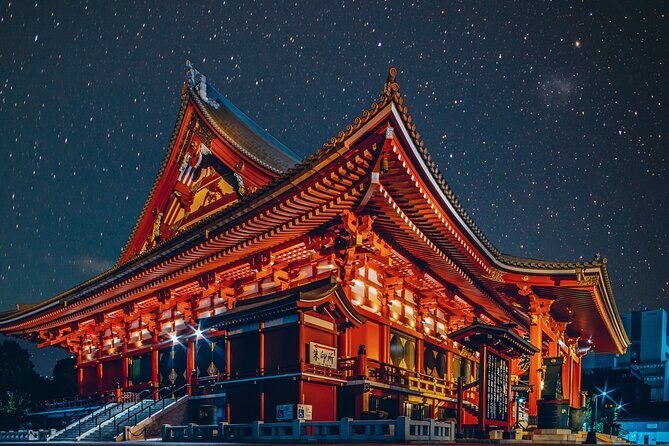
Next comes Senso-ji Temple in Asakusa (about 1 hour). This is Tokyo’s oldest religious building, and it’s one of the easiest places to understand the city’s mix of tradition and tourism pressure. Admission is free, so the main cost is time and walking.
Then you climb into skyline mode with Tokyo Skytree (about 1 hour). The observation deck time is there, but the admission isn’t included. Skytree is one of those places where the payoff depends on weather and visibility, so keep an eye on the forecast and don’t plan it if skies look like thick soup.
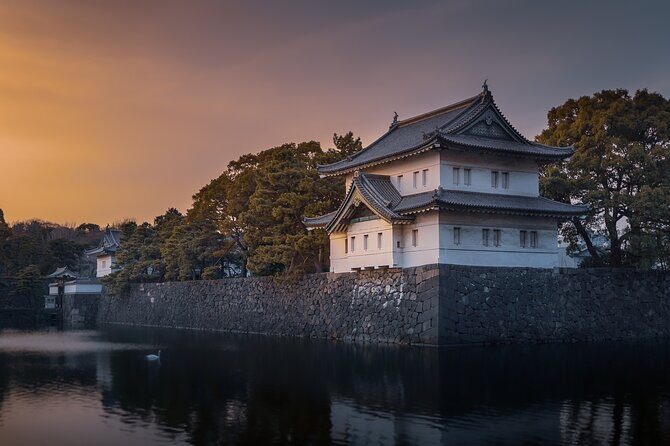
From there, you visit the Imperial Palace East Garden (about 45 minutes). The key point here is that prior booking is required, so build that into your planning mindset. Admission is listed as free, but don’t assume you can just show up and walk in.
The afternoon shifts into modern Tokyo energy:
- Akihabara (about 30 minutes): electronics and pop culture shops, especially anime/manga/videogame world.
- Meiji Jingu Shrine (about 30 minutes): a calm forest setting inside the city, dedicated to Emperor Meiji and Empress Shōken.
- Takeshita Street in Harajuku (about 1 hour): youth fashion and sweet snack stops.
- Shibuya Crossing (about 20 minutes): the famous scramble intersection, and you don’t need more time than that.
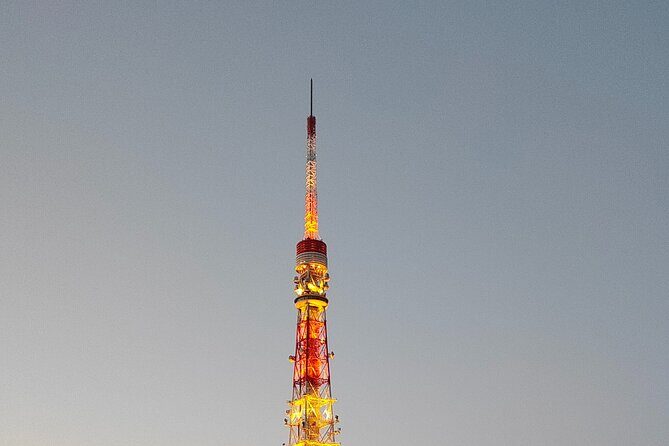
- Tokyo Tower (about 10 minutes): a quick photo and orientation stop.
Two optional add-ons are included depending on your timing:
- teamLab Planets TOKYO (30 minutes; admission not included)
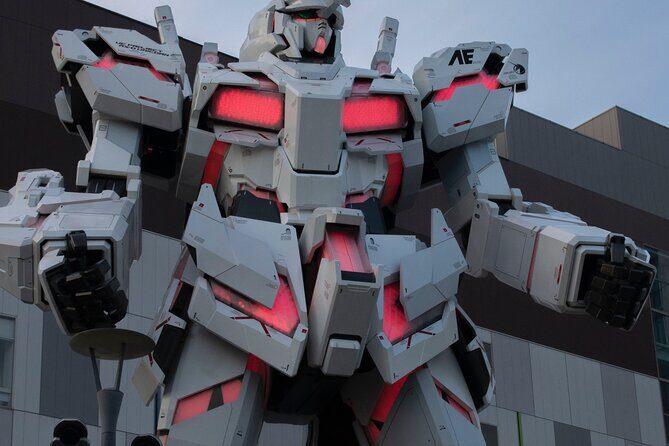
- Statue of Liberty replica by Rainbow Bridge in Odaiba (30 minutes; admission listed free)
My practical advice for Day 1: wear shoes you can sprint in. Tokyo sight-hopping is short-distance walking plus quick transitions, and your comfort level will decide whether the day feels fun or exhausting. Also, if you care most about photos, ask your driver to position you at good angles at each skyline stop—parking and quick exits matter a lot in Tokyo.
Day 2: Kamakura Temples, Komachidori Street, Then Yokohama Chinatown
Day 2 shifts out of the main Tokyo rhythm and heads to Kamakura, a great choice because temples and sea-adjacent culture feel different from Tokyo skyscrapers.
You start with Hokoku-ji (Bamboo Temple) (about 1 hour), known for its bamboo garden. It’s a slower-feeling stop that gives your eyes a break from city density.
Then it’s Hasedera Temple (about 45 minutes) for the massive wooden statue of Kannon. After Bamboo Temple, this offers a clear contrast: same region, different mood.
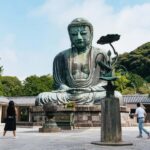
Next, you see Kotoku-in (Great Buddha of Kamakura) (about 30 minutes). It’s short on time, so treat it as a landmark stop—get your photos, take a moment, and move on.
Tsurugaoka Hachimangu Shrine (about 1 hour) adds a cultural center feel. The description points to two ponds representing the Taira and Minamoto clans, and that clan symbolism is part of why this site matters.
Then you hit Kamakura Komachidori (about 1.5 hours), a long shopping and snack street. This is where you slow down in an appropriate way: you can browse, grab a snack, and buy small souvenirs without feeling like you’re sacrificing a “real” sight.
After Kamakura, you head to Yokohama:
- Yokohama Chinatown (about 1 hour, admission free): about 160 years old.
- Sankeien Gardens (about 1 hour, admission not included): traditional Japanese-style garden opened in 1906.
- Minatomirai (about 30 minutes, admission free if time permits): futuristic waterfront views near Landmark Tower/Plaza.
Drawback to plan for: some of the most meaningful stops are labeled admission not included, so you’ll need to budget for entry fees as you go. The upside is that your driver can sequence them efficiently so you don’t spend half the day waiting around.
Day 3: Oshino Hakkai and Chureito Pagoda to Kawaguchiko and the Fuji 5th Station
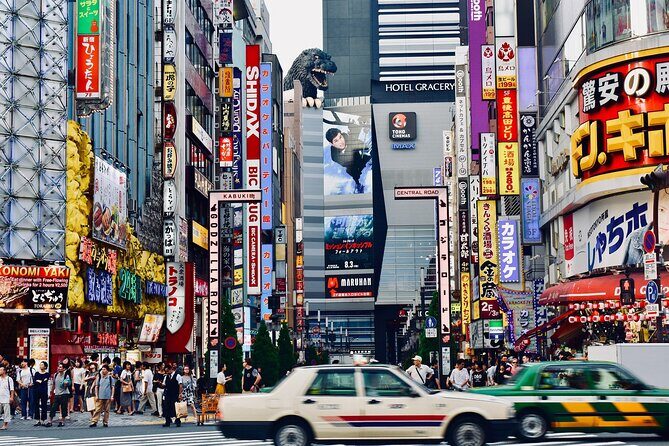
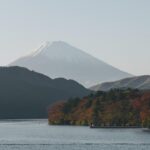
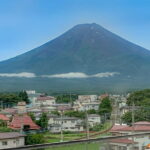
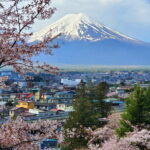
Day 3 is the big Mt. Fuji day, and you’ll feel why it needs good weather. The itinerary is packed with Fuji-view viewpoints and classic postcard spots, and the difference between clear skies and cloud cover is massive.
You begin with Oshino Hakkai (about 30 minutes, free). These are eight springs fed by Mount Fuji’s aquifer water. It’s listed as a natural monument, and the main value is that it feels “water-real,” not just scenic.
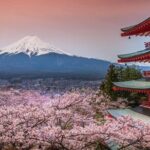
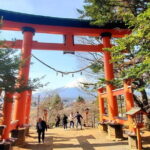
Then comes Chureito Pagoda (about 30 minutes, free). This is part of one of Japan’s best-known Fuji compositions. The time window is short, so come prepared to work fast: photos, quick walk, then move.
Next is Lake Kawaguchiko (about 30 minutes, free). It’s described as the most easily accessible of the Fuji Five Lakes, with direct bus connections and train access to Tokyo. That accessibility matters because it means you’ll likely keep the day flowing rather than losing hours to transit.
After that, you visit Mt. Fuji Panoramic Ropeway (about 1 hour; admission not included). This is one of the places where transport is part of the experience, not just a way to get somewhere.
Oishi Park (about 30 minutes, free) is another view stop, noted for having Mt. Fuji in the background, the lake in the mid ground, and lavender in the foreground. You can treat it as a “palette” stop—your photos will look more layered here than at flat parking-lot viewpoints.
Then you go to Saiko Iyashi no Sato Nemba (about 30 minutes; admission not included). It’s described as a replica old Japanese village with thatched-roof buildings. Even if you’re not into recreations, it’s a good break from the pure viewpoint grind because it gives you a different kind of immersion: village layout, architecture, and strolling.
Next is Arakura Fuji Sengen Shrine (about 30 minutes, free). This has another panoramic view set on the mountainside, and it’s also known for cherry blossoms in spring. Even if you’re not traveling then, the location gives you a fresh angle.
Finally, you reach Mt. Fuji 5th station (about 2 hours; admission not included). The note here is about the atmosphere and the fact it’s where many climbers begin. Even if you don’t hike, it’s a strong “you are here” moment—cooler air, more altitude-feel, and the sense of pilgrimage.
You close with Gotemba Premium Outlets (about 2 hours, free to enter; shopping is obviously optional). It’s a practical ending because it gives you flexibility. If you want to hunt for deals, you have time. If you’d rather just sit and reset, you can do that too.
My advice for Day 3: bring layers even if it feels warm in Tokyo. Viewpoints and higher areas can feel cooler, and you’ll stand outside longer than you expect when Fuji is doing its best photo-show.
Other multi-day Tokyo + Hakone itineraries
Day 4: Hakone Shrine, Lake Ashi, Ropeway, Owakudani, and Open-Air Art
Day 4 takes you into Hakone’s volcanic character and classic scenic route around Lake Ashinoko.
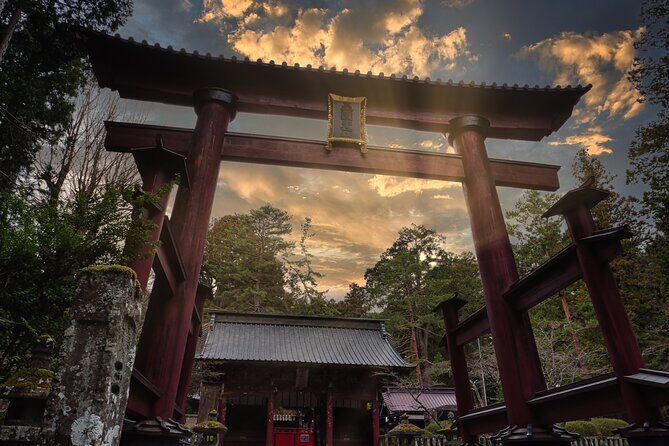
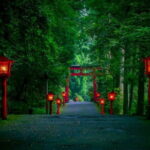
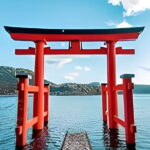
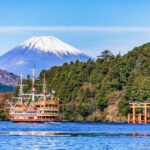
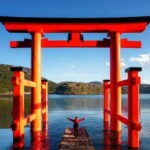
You start with Hakone Shrine / Kuzuryu Shrine (about 1 hour; admission not included). It’s at the foot of Mount Hakone along the shores of Lake Ashi, and the buildings are described as hidden in dense forest. That matters because you’re not just looking at an altar—you’re entering a space that feels tucked away.
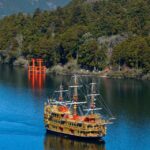
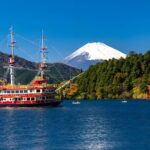
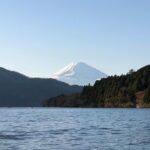
Next is Lake Ashinoko (about 1 hour; admission not included). It’s described as a crater lake formed after the volcano’s last eruption thousands of years ago. This is a good day for “nature plus human place,” where the scenery isn’t just views—it’s the geological story behind them.
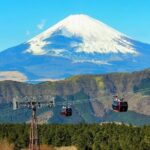
Then comes Hakone Ropeway (about 1 hour; admission not included). The funitel line links Sounzan and Togendai via Owakudani. The value here is the ride itself and the transfer between perspectives: you go from lake settings to volcanic zone.
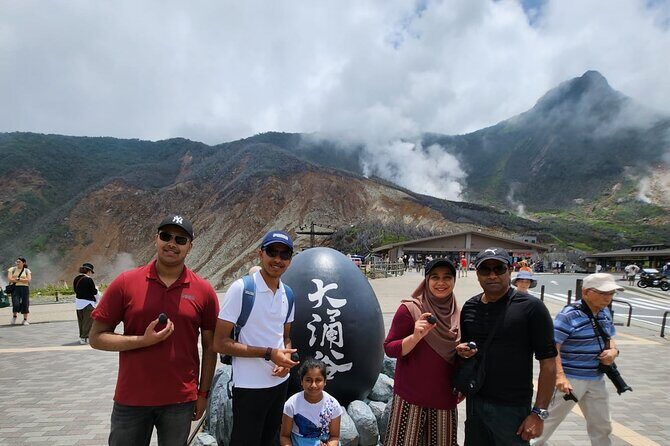
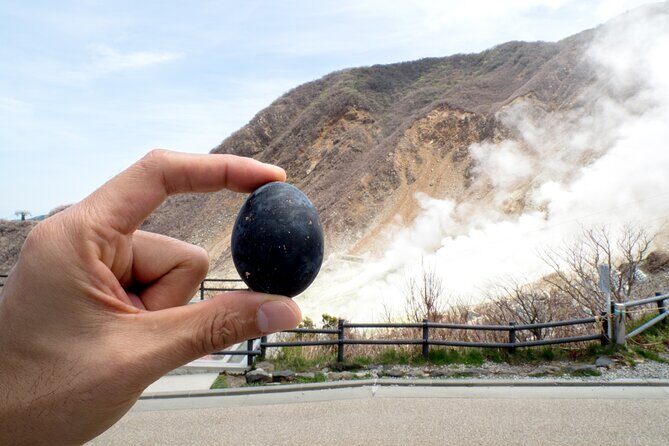
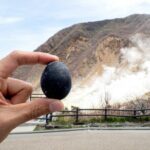
Owakudani is the star. You visit Owakudani Valley (about 1 hour, free) and it’s described as a volcanic area with sulfur springs and Kuro Tamago (Black Eggs). This is a great stop if you like the “science-y” side of travel—what sulfur does, why the place looks the way it does, and why people come for those eggs.
From there, you can add:
- Gora Park (about 30 minutes; admission not included): a western-style hillside garden with tea house, greenhouses, and a central fountain.
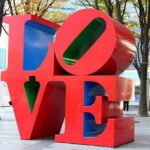
- Hakone Open-Air Museum (about 1 hour; admission not included): outdoor sculpture gallery across 70,000 square meters with views around the area.
Hakone tips: don’t overpack your expectations. The day is split between viewpoints and transit, so you want to move efficiently and take breaks when offered. Also, since admissions aren’t included for multiple stops, check ahead what you expect to pay so nothing feels like a surprise.
How the English-Speaking Driver Improves the Day
This tour’s real advantage isn’t only the route. It’s the fact that your driver is handling the “friction layer” that usually ruins multi-stop plans.
You’re traveling in a comfortable private car, which means you’re not dealing with the small delays that snowball: missed connections, navigating station entrances, or guessing which bus stop the crowd is already sprinting toward. You also get personalized attention. If you want a photo at a specific angle, or you need a quick reset, you can ask.
The feedback also highlights how guides can be more than a map holder. Some named guides such as Armad and David have been praised for caring for the group, taking photos, and parking in convenient locations. That kind of practical help can make Tokyo and Hakone feel far less hectic.
One more point: the tour is described as not a guided tour, but a guide can be arranged on request at an extra cost. If you love commentary and want deeper context for temple sites and historical stops, that add-on may be worth it for you.
Should You Book This Tour?
Book it if:
- You have only a few days and want a Tokyo + Fuji + Hakone + Kamakura + Yokohama sweep without living on trains.
- You like the comfort of a private air-conditioned car and a driver who can adjust sequencing to your group.
- You’re okay planning your own lodging, and you don’t mind that some attractions require separate tickets.
Skip it (or ask more questions) if:
- You want fully guided museum-style explanations every step. This is primarily driver-led, not a full guided tour unless you add a guide.
- You’re traveling only when Mt. Fuji is guaranteed to be clear. The experience notes good weather matters, and if conditions are poor, plans can change.
- Your group hates long days. With around 10 hours including commuting, this is a structured, active itinerary.
If you’re the kind of traveler who wants efficient days with room for real moments—temples, Fuji viewpoints, volcanic stops, then a port city stroll—this route makes a lot of sense.
FAQ
Is accommodation included in the tour price?
No. Accommodation isn’t included, so you’ll choose where to stay in each area based on your preferences.
How many people are in a group?
The tour is priced per group of up to 5 people. A group larger than 5 can be facilitated for an additional cost.
What time does the tour start?
The start time is 8:00 am.
What transport do you use during the tour?
You travel in a comfortable, air-conditioned private car with an English-speaking driver.
Are the ticket costs included for all attractions?
Admission is listed as free for some stops and not included for others. For example, Tokyo Skytree and certain attractions in the itinerary are listed as admission not included.
Is the tour fully guided?
This is not described as a guided tour, though a guide can be arranged on request for an additional cost.
Do you get pickup?
Pickup is offered.
Are mobile tickets provided?
Yes, the tour uses mobile tickets.
What happens if the weather is bad for Mt. Fuji?
The experience requires good weather. If it’s canceled due to poor weather, you’ll be offered a different date or a full refund.
Can you cancel for free?
Free cancellation is available up to 24 hours in advance for a full refund.