REVIEW · TOKYO
Exciting Hakone – One Day Tour from Tokyo
Book on Viator →Operated by Fulfilling Inc. · Bookable on Viator
Hakone in one day is a real treat. This tour strings together hotel pickup with Japan’s biggest name sight stops, from the volcanic steam of Owakudani to the Lake Ashi cruise. I also like how the day is built around multiple ride types, so you’re not just sightseeing on foot.
The main thing to watch is the weather. Mt. Fuji views depend heavily on the season, and the ropeway or boat can be paused when strong wind or hazards are forecast.
In This Review
- Key highlights to know before you go
- Why This Hakone One-Day Route Works So Well From Tokyo
- Price and What You Still Pay for
- The 8:30 Start: Pickup, Shinkansen to Odawara, and Fast Momentum
- Hakone Yumoto to Gora: Mountain Train Views and Hydrangea Season
- Gora to Owakudani by Ropeway: Volcanic Steam and the Black Egg Moment
- Owakudani to Lake Ashi and the Cruise: Views, Shrine Stroll, and Timing
- Weather Reality Check: When the Ropeway or Boat Can Change
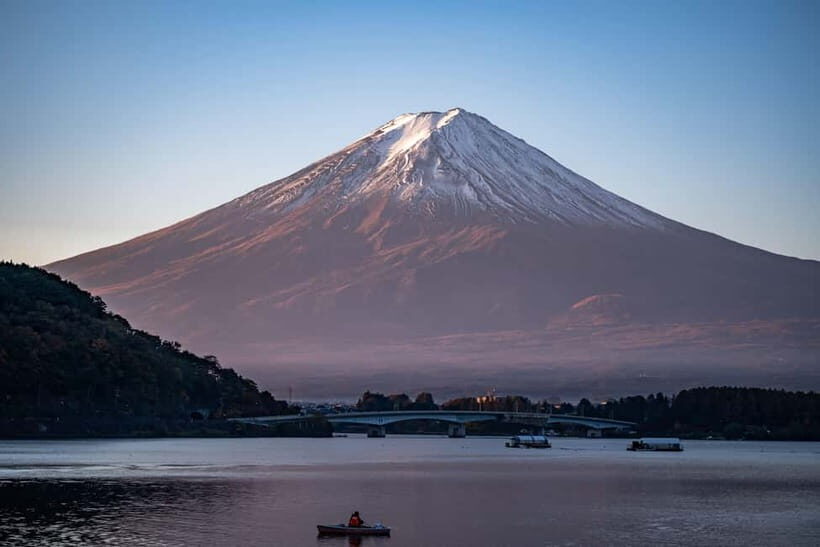
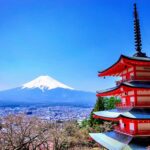
- Mt. Fuji Chances: Seasonal Odds You Can Actually Plan Around
- The Guide Factor: Akira, Hideaki/Hideiki, and Yumiko’s Help
- Timing and Walking: What 10 Hours Really Feels Like
- Who This Tour Suits Best (and Who Might Not Love It)
- Should You Book This Hakone One-Day Tour?
- FAQ
- How long is the Hakone one-day tour from Tokyo?
- What time does the tour start, and where do I meet?
- Is there pickup and drop-off included?
- What transport is part of the experience?
- Is Mt. Fuji guaranteed?
- What happens if the ropeway or Lake Ashi cruise can’t operate?
- How big is the group?
Key highlights to know before you go
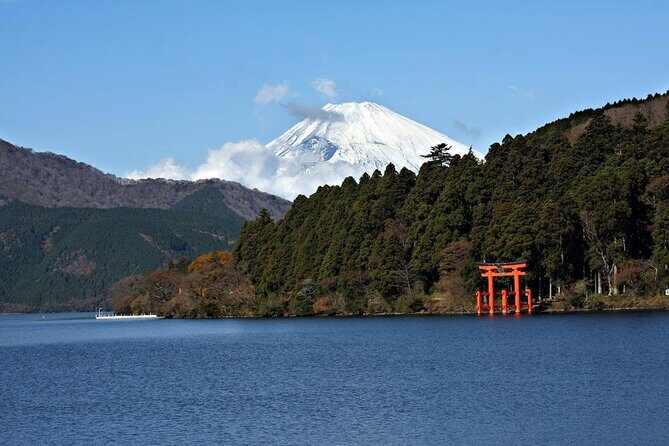
- Hotel pickup and drop-off: starts at 8:30 from your hotel lobby in Tokyo’s 23 wards, and you get back at night.
- Big transportation mix: shinkansen, a valley mountain train, ropeways, and a Lake Ashi cruise.
- Owakudani’s volcanic show: real activity plus the famous black eggs boiled in hot spring steam.
- Seasonal scenery: hydrangeas along the train line from mid-June to mid-July.
- Mt. Fuji is a bonus, not a promise: it’s more likely in winter than summer.
Why This Hakone One-Day Route Works So Well From Tokyo
Hakone can feel like a whole trip on its own, but this plan turns it into a focused day. You get a ready-made route with a guide, so you’re not juggling trains, transfers, and timing while trying to enjoy the views.
The “value” here is less about saving money and more about saving brainpower. You’re paying for a tight schedule (about 10 hours) plus a professional guide who handles the flow of the day, including the commentary that helps you understand what you’re looking at.
You’ll also appreciate the small group setup. The maximum group size is 5, and it’s private for just your group, which makes it easier to ask questions and move at a human pace rather than a herd.
Other Hakone day trips from Tokyo we've reviewed
Price and What You Still Pay for
The tour price is $208.49 per person, and that covers your guide plus the private experience setup. It’s also built around convenient pickup and drop-off, which is where most “cheap” day tours fall apart.
What’s not included is important for budgeting:
- Shinkansen transport: a 2-way discount ticket is listed at 6,560 JPY per person.
- Hakone Free Pass: listed at 6,000 JPY per person.
- Admissions and lunch: both are not included.
So the way I’d think about it is simple: you’re paying to remove planning stress and keep the day moving smoothly, while you still cover your own transport tickets and meals. If you’re the type who likes to control every step yourself, you may find the add-on cost less satisfying. If you want the easy button, this is the easy button.
The 8:30 Start: Pickup, Shinkansen to Odawara, and Fast Momentum
Your day begins at 8:30am with meeting at your hotel lobby (Tokyo 23 wards). After that, you’ll travel by train toward either Tokyo or Shinagawa, then hop onto the shinkansen.
The route is timed with a departure at 9:26 from Tokyo or Shinagawa to Odawara. This is not described as the absolute fastest shinkansen service, but it still runs at about 260 km/hr, which is plenty quick for comfort and timing. You reach Odawara at 10:13, then continue by local train.
For first-time Hakone visitors, this part is where you win. You avoid the “which line do I take” moment and start the countryside day with confidence.
Hakone Yumoto to Gora: Mountain Train Views and Hydrangea Season
From Odawara, you reach Hakone Yumoto, then take the mountain train to Gora. The ride is about 40 minutes, and it’s specifically noted as running through valleys.
This is one of the quieter, scenic stretches of the day. You get countryside views without needing to hike for them, which matters because the overall tour includes a moderate amount of walking later.
If your trip falls between mid-June and mid-July, you’re in the hydrangea sweet spot. The tour notes that hydrangeas along the line become stunning in that window, so it’s a good reason to plan Hakone around the season instead of treating it as an interchangeable day trip.
Gora to Owakudani by Ropeway: Volcanic Steam and the Black Egg Moment
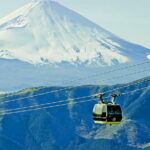
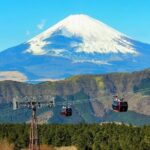
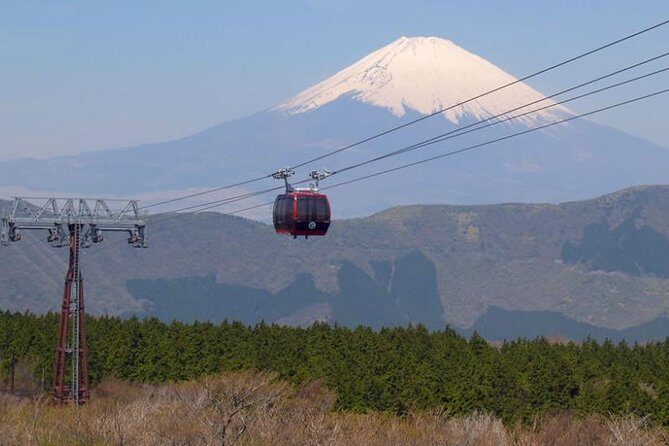
Next comes the ropeway time: from Gora to Owakudani for about 20 minutes. On a clear day, the ride can offer beautiful Mt. Fuji views, so it’s worth being ready with a camera during the ascent and descent.
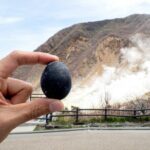
Once you arrive at Owakudani, you spend about one hour strolling. This is the heart of the volcanic experience: you’ll see real volcanic activity and the area is famous for black eggs boiled in the hot spring waters.
Here’s how I’d set expectations so you enjoy it: Owakudani is not a quiet garden stop. It’s dramatic, active, and strongly tied to geothermal energy. You’ll likely smell the sulfur in the air, and the ground and steam visuals can be intense in a good way.
A few more Tokyo tours and experiences worth a look
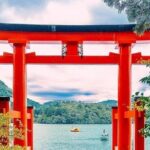
Owakudani to Lake Ashi and the Cruise: Views, Shrine Stroll, and Timing
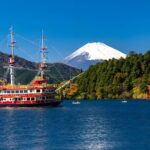
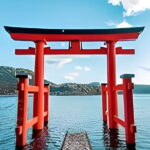
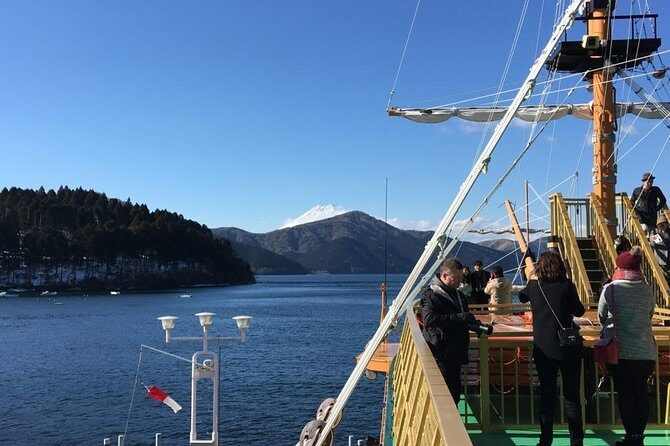
After Owakudani, you take the ropeway from there to Lake Ashi for about 20 minutes. Then it’s onto a cruise on the lake for about 30 minutes.
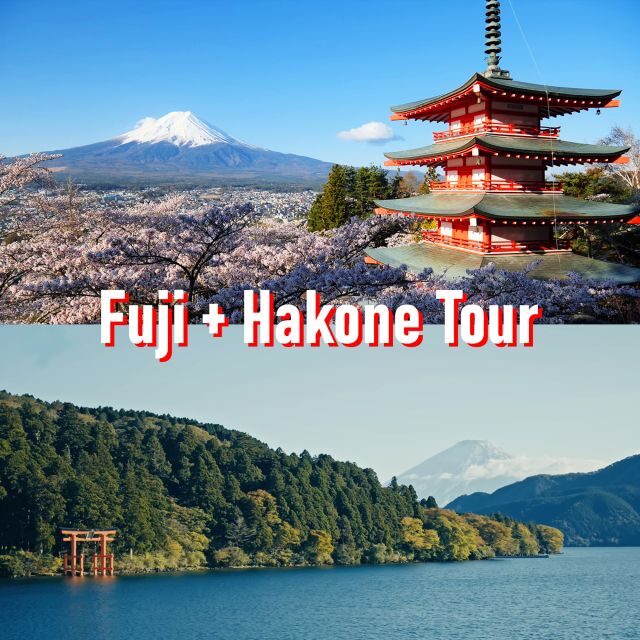
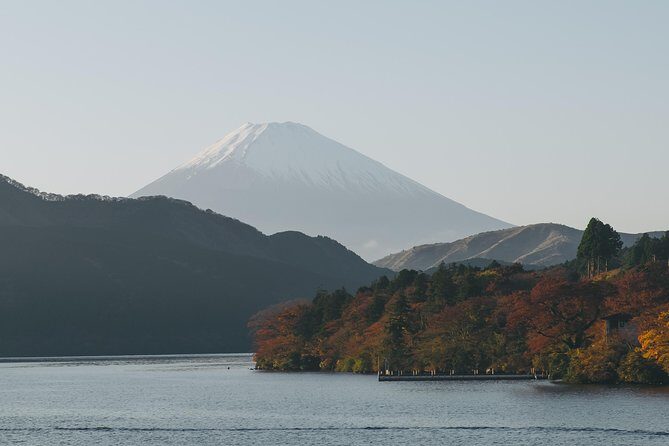
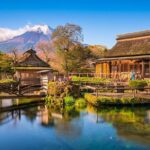
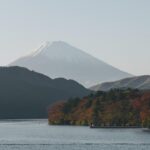
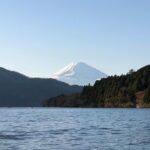
Lake Ashi is popular because it feels like a nature pause inside a busy Japan itinerary. On clear days, you’re also in the zone where Mt. Fuji reflections can happen. The tour doesn’t guarantee Fuji, but it sets you up for the best chance by routing you through viewing opportunities.
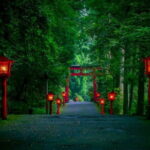
You’ll also stroll Hakone shrine during the day. It’s a short but worthwhile cultural moment, especially after the volcanic focus of Owakudani. It helps break the day into two different flavors: geology, then lakeside tradition.
Weather Reality Check: When the Ropeway or Boat Can Change
Here’s the honest part: the ropeway and the Lake Ashi cruising can be suspended or unable to operate if snow, strong winds, or natural hazards are forecast.
I like that the tour is built with this reality in mind. In past trips, guides have adjusted the day when weather shut down parts of the route. For example, one guide named Hideaki rearranged activities when cable car and boat access weren’t possible. Another guide, Yumiko, helped keep the day moving smoothly, even when the conditions weren’t ideal.
What this means for you: pack for quick changes and keep your expectations flexible. If you treat Fuji and specific ride segments as optional bonuses, you’ll enjoy the day more even when the weather doesn’t cooperate.
Mt. Fuji Chances: Seasonal Odds You Can Actually Plan Around
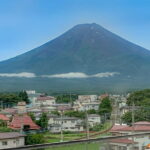
The tour gives a useful way to think about visibility. Based on weather records for Fuji city, the possibility of viewing Mt. Fuji depends on the season:
- About 80% in winter
- Less than 30% in summer
This is the kind of number that helps you stop hoping for a miracle every day. If Fuji is your top priority, winter is statistically your best bet. If you’re going in summer, plan for a day that still feels complete even if Fuji stays hidden.
Also remember: even when the mountain is visible, it might be visible at one stop and not another. That’s why this multi-mode route matters—you’re not putting all your eggs in one scenic frame.
The Guide Factor: Akira, Hideaki/Hideiki, and Yumiko’s Help
This is a guide-led tour, and the guide’s role shows up in the details. The experience includes professional commentary about Hakone’s top sights, so you’ll understand what you’re seeing instead of just checking boxes.
Names from the guides you might meet include:
- Akira, who helped lead the group through trains, cable car/ropeway, gondolas, and the boat segment, and kept everything on track.
- Hideiki/Hideaki, known for making the full day feel seamless and for adjusting the plan when weather affected the route.
- Yumiko (including Yumiko Sano), praised for English fluency, attentiveness, and even helping explain how to purchase shinkansen tickets.
That ticket-help detail matters more than people think. Even if you’re capable with transit, a guide who reduces stress around purchasing and timing makes the day feel easier. And with a maximum group size of 5, you’re more likely to get personal guidance instead of being left behind in the crowd.
Timing and Walking: What 10 Hours Really Feels Like
The full tour is approximately 10 hours. Your day runs from 8:30 pickup until you return around 18:16 to Tokyo or Shinagawa, and then you’ll be sent back to your hotel area.
Walking is described as moderate. That usually means you’re comfortable if you can handle paved paths, stair steps around viewpoints, and a decent stroll at Owakudani and the shrine area.
The practical move: wear supportive shoes and plan for outdoors time in cold or warm weather depending on the season. Bring a layer for the ropeway and open-air lake areas—those spots can feel cooler than you’d expect.
Also, since lunch isn’t included, budget for a meal stop on your own. A tour day moves fast, so having snack flexibility helps if a segment runs a little ahead or behind.
Who This Tour Suits Best (and Who Might Not Love It)
This works best if you want a first solid Hakone day without doing DIY logistics. It’s also a smart choice if you like variety: shinkansen, a mountain train, ropeways, and a lake cruise in one pass.
You’ll probably enjoy it if:
- You’re short on time and want the top sights in a single day.
- You prefer a small group and clear guidance.
- You like scenic riding as much as stops on foot.
You might consider a different style of trip if:
- You want a long, independent hike. The tour is structured, with only limited strolling.
- You’re very sensitive to outdoor weather. Ropeway and boat can change with conditions.
- You’re traveling with a child—children are allowed only when accompanied by an adult, so plan around that setup.
Should You Book This Hakone One-Day Tour?
Book it if you want Hakone without the stress of planning every leg of the journey. The combination of hotel pickup, a guide who keeps the flow tight, and the volcanic-to-lake route makes for a day that feels efficient and satisfying.
Skip it (or compare with another option) if your budget is tight and you’d rather purchase transit and tickets yourself. Also skip it if you only care about one specific moment like Mt. Fuji views, since visibility is seasonal and weather can shift parts of the route.
My practical final take: this tour is best for travelers who value ease and variety. If that sounds like you, it’s a strong way to spend a day outside Tokyo.
FAQ
How long is the Hakone one-day tour from Tokyo?
It runs for about 10 hours.
What time does the tour start, and where do I meet?
You meet at 8:30am in your hotel lobby in Tokyo’s 23 wards.
Is there pickup and drop-off included?
Yes. Hotel pickup and drop-off are included.
What transport is part of the experience?
You’ll use multiple modes during the day, including a shinkansen (bullet train), a mountain train, ropeways/cable car time, and a cruise on Lake Ashi.
Is Mt. Fuji guaranteed?
No. Viewing chances depend on the season: about 80% in winter and less than 30% in summer.
What happens if the ropeway or Lake Ashi cruise can’t operate?
The ropeway and cruising may be suspended or unable to operate due to hazards like snow or strong winds, and the schedule may need to adjust.
How big is the group?
The maximum group size is 5 people, and it’s private for your group only.