REVIEW · TOKYO
Tokyo Hakone : Mt.Fuji, Owakudani, Open Air Museum, Hakone Shrine
Book on Viator →Operated by TOURSTORY · Bookable on Viator
Mt. Fuji in a single day is real. This Hakone tour strings together the Open-Air Museum, Owakudani, and Lake Ashi so you get big scenery plus famous cultural stops without spending your whole trip organizing train changes.
I especially like the Open-Air Museum because it’s art with fresh mountain air—Henry Moore, Joan Miró, and even a dedicated Picasso gallery, all framed by the gardens and dramatic setting. I also love the Owakudani stop because you’re not just looking at steam—you’re walking around active volcanic sights and trying the infamous black eggs (Kuro-Tamago) boiled in hot spring water.
One thing to plan for: this day is weather-dependent. If skies aren’t clear, Mt. Fuji views can be hit-or-miss, and optional add-ons like the Ropeway or Pirate Ship may swap out or not run, based on local conditions.
In This Review
- Key highlights to notice before you go
- A One-Day Hakone Circuit from Tokyo: What You’ll Actually See
- Hakone Open-Air Museum and Its Giant-Scale Artists
- Owakudani Volcanic Valley: Steam, Sulfur, and Kuro-Tamago
- Ropeway and Pirate Ship Options at Togendai and Sounzan
- Lake Ashi and Hakone Shrine: Torii of Peace at the Waterline
- Mt. Fuji Views: How to Maximize Your Odds (Without Stressing)
- Price and Value: What You’re Paying For (and What You’re Not)
- Tour Staff, Group Energy, and Why It Matters
- Who This Tour Fits Best
- Tips Before You Go (Small Stuff That Makes the Day Easier)
- Should You Book This Tokyo to Hakone Day Tour?
- FAQ
- What is the duration of the Tokyo to Hakone tour?
- Is Mt. Fuji guaranteed to be visible?
- What’s included in the ticket price?
- Are meals included?
- Are the Ropeway and Pirate Ship included?
- Does the tour run if the weather is bad?
- Can I bring a stroller?
- What is the cancellation policy?
Key highlights to notice before you go
- Modern sculptures in open air at Hakone Open-Air Museum, including Henry Moore and Picasso-focused displays
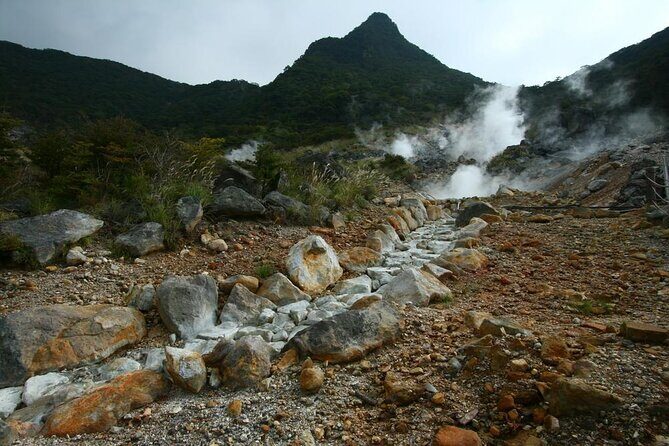
- Volcanic drama at Owakudani: sulfur vents, steaming trails, and panoramic Mt. Fuji views on clear days
- Kuro-Tamago black eggs boiled in natural hot spring water, part sightseeing snack, part legend
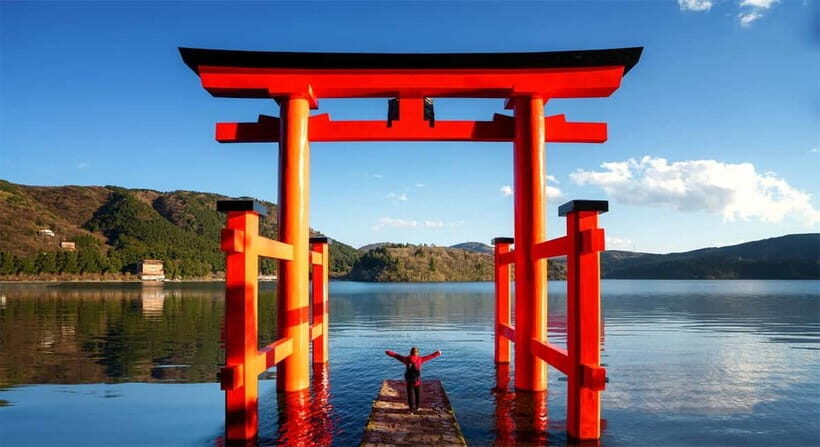
- Lake Ashi + Hakone Shrine with the famous Torii of Peace right by the water
- Optional Ropeway and Pirate Ship help you shape the day if weather cooperates
- Small-group feel with a max of 60 travelers, plus staff support in English and Korean
A One-Day Hakone Circuit from Tokyo: What You’ll Actually See
This is a straight-through Hakone day (about 10 to 11 hours), built around efficient routing and timed stops. You’ll move by transportation included in the price, with English and Korean speaking staff on hand and a mobile ticket for smoother check-in.
The heart of the itinerary is simple: art first, volcano second, shrine and lake last. That order matters. You start fresh at the museum (less “heat fatigue”), then get the more intense sulfur-and-steam part at Owakudani, and finish with calmer lake vibes at Hakone Shrine and Lake Ashi.
There’s also a practical reality baked in. Vehicles can’t run more than 10 hours, so the guide may adjust timing based on conditions. In peak season, heavy traffic can also flip the order of the day, so keep a flexible mindset.
More Mt Fuji & Hakone tours we've reviewed
Hakone Open-Air Museum and Its Giant-Scale Artists
The day starts at the Hakone Open-Air Museum, and it’s a clever opener. Instead of spending your first hours in a crowded indoor ticket line, you’re out among sculptural works with views of surrounding greenery and mountains.
The museum is known for placing famous artists’ works outdoors, so your photos look like art meets the landscape (literal setting, not a slogan). You’ll walk landscaped gardens and see big-name sculpture makers like Henry Moore and Joan Miró. There’s also a dedicated Picasso gallery, plus a glass-walled entrance that’s excellent for quick photos when the light is right.
What I like about this stop is how it gives you variety right away. It’s not just statues in a field. The museum layout encourages you to stroll at your own pace, and the setting helps you slow down for a minute instead of rushing straight to the next “must-see.”
How long should you plan to spend here? The tour allocates about 2 hours, and that’s usually enough time to see the main highlights, pause for photos, and still arrive on time for the volcanic portion.
Owakudani Volcanic Valley: Steam, Sulfur, and Kuro-Tamago
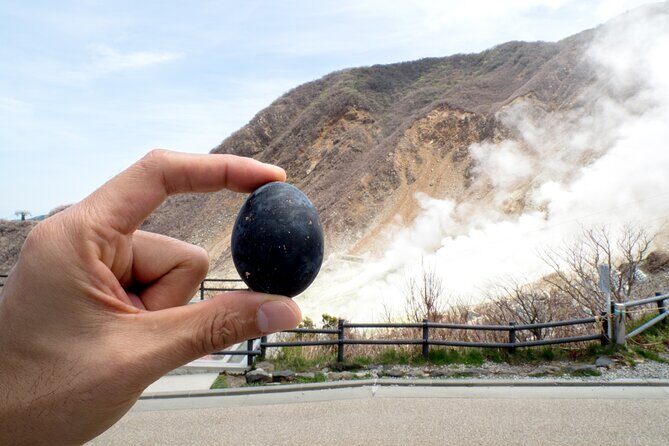
Owakudani is where Hakone turns from scenic to dramatic. This volcanic valley is filled with steaming trails, sulfur vents, and that unmistakable geothermal air that makes you feel like you’re standing right next to the Earth’s engine.
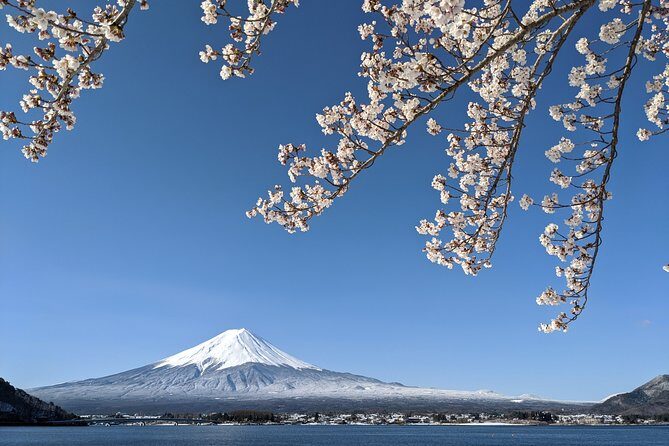
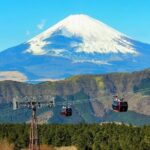
The big payoff is the combination of texture and views. On clear days, you can catch panoramic Mt. Fuji views from the area. That’s why this stop feels like the centerpiece of many Hakone days—the volcano is the main character, and Mt. Fuji is the bonus if the sky cooperates.
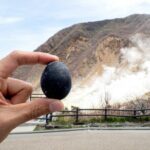
Then comes the famous snack: black eggs, also called Kuro-Tamago. They’re boiled in natural hot spring water, and the local belief is that eating them adds years to your life (often described as seven years in many versions of the story). Even if you treat the legend lightly, it’s still a fun, very “Hakone” experience—hot, earthy, and a little weird in a good way.
The tour gives you about 1.5 hours here, including time to walk the steaming areas and take in views. Wear shoes you don’t mind getting a bit steamy-wet, because this is active volcanic terrain, not a polished walking mall.
Ropeway and Pirate Ship Options at Togendai and Sounzan
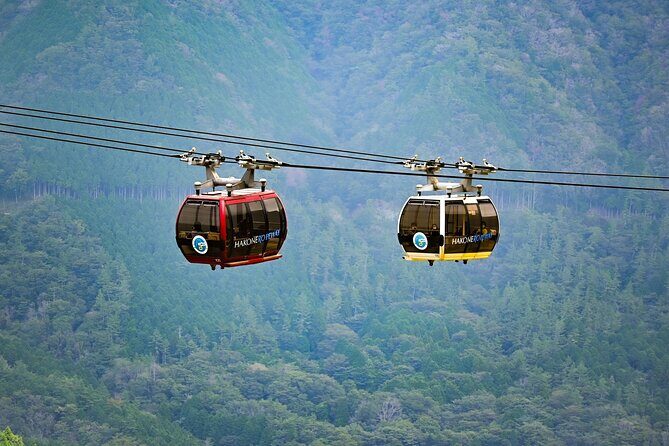
You may see the Hakone Ropeway or the Pirate Ship added depending on the day’s weather and local conditions. Neither is included in the base price, but your guide will help you join if they’re operating normally.
Hakone Ropeway (optional): This runs along the route from Sounzan to Owakudani and takes about 30 minutes. It’s a good choice if you want a different viewpoint on the valley—especially if you’re okay spending extra money for that lift-and-view change of perspective.
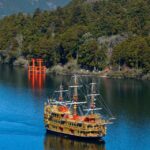
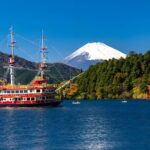
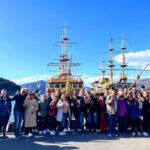
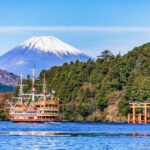
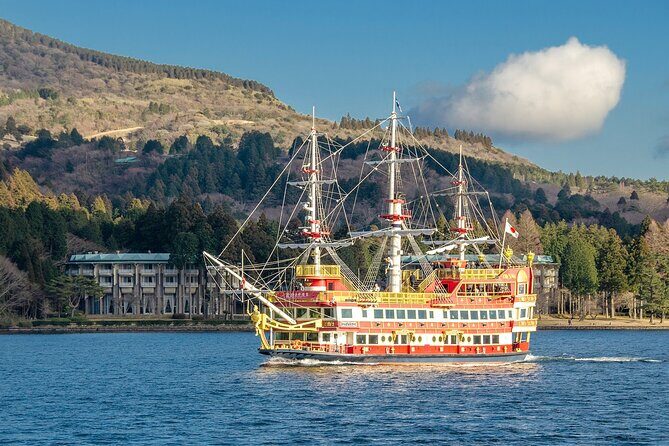
Hakone Pirate Ship (optional): The ship typically runs from Togendai Port to Moto-Hakone Port and lasts around 25 to 40 minutes. From the lake, the scenery feels very different from the volcanic valley—more open, more calm, and more “Hakone postcard” when visibility is good. The ship also includes pirate-themed 3D art and attractions, so it can be a nice mental break for families or anyone who wants something lighter after steam and sulfur.
Timing tip: your guide adjusts the itinerary based on real-time traffic and weather. So if you’re planning to add both optional activities, be ready for the possibility that you’ll do one and not the other.
Lake Ashi and Hakone Shrine: Torii of Peace at the Waterline
After Owakudani, the day softens. You head to Hakone’s water-and-forest section, and this is where the photos become red-gate-and-lake serious.
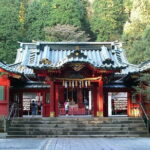
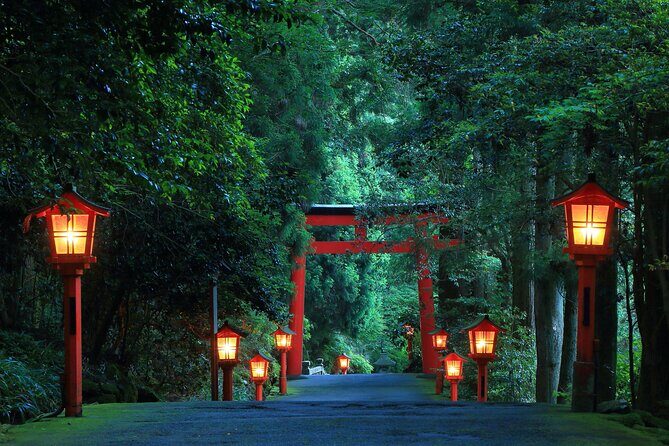
Hakone Shrine is on the shores of Lake Ashi and is said to have a history of over 1,200 years. The tour includes about 30 minutes at the shrine itself, and you’ll enjoy lunch there at your own expense. If you’re used to “we eat on the bus” tours, this one is more like a real stop—you’ll need to plan for your food, snacks, or a light meal.
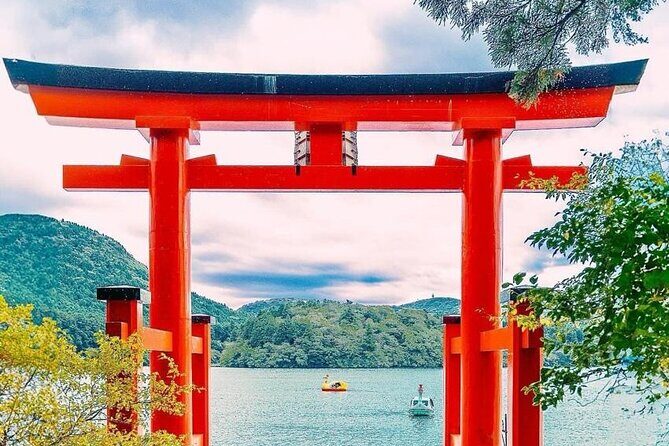
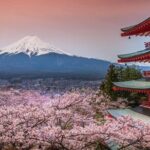
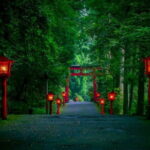
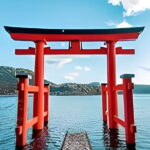
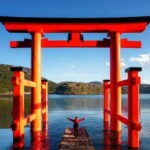
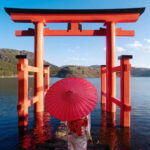
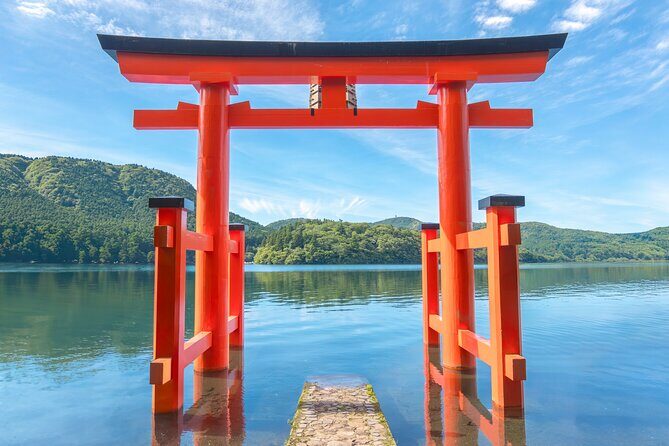
One highlight you should actively look for is the Torii of Peace. It’s part of Hakone Shrine and one of the most photographed spots on the lake. You’ll find the vivid red gate standing right at the waterline, where it creates strong contrast against the lake and sky. It’s also a symbolic place—meant for spiritual protection and harmony—so it’s not just a photo op.
Then you get time at Lake Ashinoko (Lake Ashi) itself, about 20 minutes. The lake is a volcanic crater lake formed after eruptions thousands of years ago, and it’s famous for viewing Mt. Fuji on clear days. Even when Fuji isn’t visible, the lake still feels like a reset button after the steam.
Other Owakudani tours we've reviewed
Mt. Fuji Views: How to Maximize Your Odds (Without Stressing)
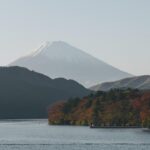
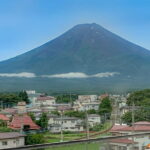
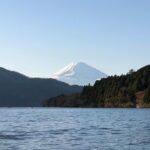
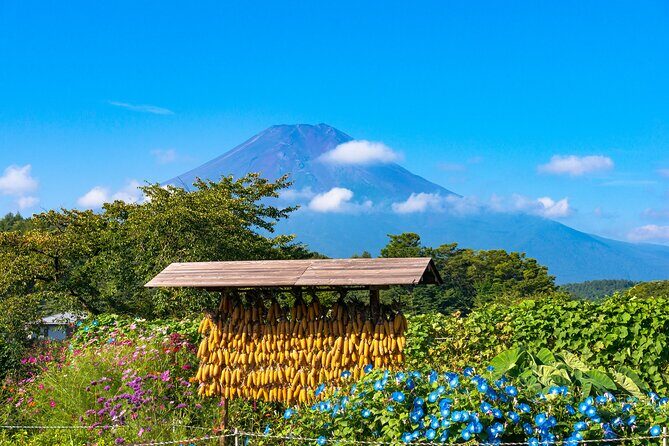
Mt. Fuji is the headline, but it’s also the most weather-sensitive part of the day. The tour explicitly notes that Mt. Fuji views are best on clear days, and you’ll get chances in more than one place—especially around the volcanic valley and from the lake region.
Here’s how you maximize your odds without turning the whole trip into a weather vigil:
- Keep your schedule flexible. The guide may adjust the order in peak traffic, and that can change where you see the best light.
- Pack for temperature changes. You’ll start with walking outdoors at the museum, then shift to steam and geothermal air, then end by the lake. Comfort matters.
- Be ready for quick photo windows. Fuji can show up for a moment and then hide again.
This also connects to the best review experiences: on a clear day, Mt. Fuji isn’t just visible—it looks like it’s framed by Hakone from multiple angles. One review specifically praised how blue sky made the mountain look stunning from different parts of the day, which is exactly what you’re hoping for.
Price and Value: What You’re Paying For (and What You’re Not)
At $75.80 per person, this tour sits in the “good value for a full Hakone day” category because key pieces are included:
- transportation
- English & Korean speaking staff
- admission tickets
Those admissions matter, because the day isn’t just driving past sights. You’re paying to actually enter and spend time at the Open-Air Museum, plus you’re included for Owakudani and the shrine access areas.
What’s not included:
- meals
- travel insurance
- optional add-ons like the Ropeway and Pirate Ship
So you’re basically buying time, routing, and a guided flow. That’s worth it if you want to see Hakone in one day without playing transit chess. It’s less of a deal if you already enjoy complicated DIY planning and you’re comfortable picking up tickets and timing everything yourself.
Also pay attention to group size: the tour caps at 60 travelers. That usually means you’re not squeezed into a tiny bus-only situation, but it’s still organized enough that you won’t feel lost.
Tour Staff, Group Energy, and Why It Matters
This kind of day moves fast. The guide’s job isn’t only directions—it’s keeping you on track so you don’t waste time searching for the next stop.
The reviews include real praise for guide personality and attentiveness. One person highlighted a guide named Patrick as so nice and a pleasure, and another review praised Gilbert as very attentive, with the day’s clear weather making Mt. Fuji look especially great from multiple angles. That combination matters: good guidance helps you enjoy the day instead of worrying about what’s next.
There’s also the social side. With up to 60 people, you get a small-group feel on a big itinerary. Even if you don’t chase conversation, it’s easier to share tips or just feel less alone when schedules shift due to traffic or weather.
Who This Tour Fits Best
This is a strong fit if you:
- want a one-day Hakone plan that hits Open-Air Museum, Owakudani, and Hakone Shrine/Lake Ashi
- prefer guided timing over DIY transit
- like seeing both art and geology in the same day
It’s also decent if you’re traveling with kids who can enjoy the optional pirate-style ship (when available). Just note that optional activities depend on weather and local operations.
It may be less ideal if you:
- are allergic to steam/sulfur smells and want a slower, less geothermal pace
- plan to spend a long time at every photo spot without any “move on” structure
- only care about Mt. Fuji and feel disappointed if it’s obscured
Tips Before You Go (Small Stuff That Makes the Day Easier)
The tour suggests bringing snacks or a light lunch. I agree with that approach. You’re visiting multiple spots where food options can mean waiting, paying more, or simply not matching your appetite.
Also, think about what you’ll wear:
- Comfortable walking shoes for Owakudani trails
- Layers for changing temperature between outdoors museum walking, steam areas, and lake air
- A light rain option, since weather can decide how smooth the day is
If you’re bringing a stroller, the tour asks you to inform them. That’s one of those details that makes a difference for how your day is managed.
Finally, keep a flexible attitude about the exact order of the day. In peak season, the route can reverse due to heavy traffic, and the guide may adjust to stay within driving time limits.
Should You Book This Tokyo to Hakone Day Tour?
Yes, I’d book it if your goal is a well-paced, guided Hakone sampler that includes the big-name hits: Hakone Open-Air Museum, volcanic Owakudani, Lake Ashi, and Hakone Shrine with the Torii of Peace. The price makes sense because admissions and transportation are wrapped in, and the guide support reduces the stress of getting the day right.
I’d hesitate only if you’re extremely weather-locked on Mt. Fuji. Since views depend on clear conditions, the mountain is the star—but not guaranteed. Still, even when Fuji hides, the volcano and the lake shrine area are worth the trip on their own.
If you do book, do yourself a favor: bring snacks, wear real walking shoes, and give the guide a chance to keep the day flowing. Guides like Patrick and Gilbert (based on the feedback you shared) are exactly the kind of people who turn a “list of sights” into a smoother day.
FAQ
What is the duration of the Tokyo to Hakone tour?
The tour lasts about 10 to 11 hours.
Is Mt. Fuji guaranteed to be visible?
No. The tour notes that panoramic Mt. Fuji views are available on clear days.
What’s included in the ticket price?
Included items are transportation, English & Korean speaking staff, and admission tickets.
Are meals included?
No. Lunch is not included, and you’ll have lunch at your own expense at Hakone Shrine.
Are the Ropeway and Pirate Ship included?
No. The Hakone Ropeway and Hakone Pirate Ship are optional on-site experiences, and their tickets are not included.
Does the tour run if the weather is bad?
The itinerary can be adjusted based on real-time traffic and weather conditions, and optional activities depend on local conditions.
Can I bring a stroller?
If you’re bringing a baby stroller, you should inform the tour operator in advance.
What is the cancellation policy?
You can cancel for free up to 24 hours in advance of the experience start time for a full refund.