REVIEW · TOKYO
From Tokyo: Mt. Fuji & Hakone Tour w/ Return by Bullet Train
Book on GetYourGuide →Operated by H.I.S. Co Ltd(TIC) · Bookable on GetYourGuide
Fuji and Hakone in one tight day. This 11-hour tour packs Mt. Fuji’s 5th Station (around 2300 m) with Hakone’s volcanic sights and a Lake Ashi cruise, then caps it off with a fast return on Japan’s Shinkansen.
I love two parts for different reasons: first, the push up to the highest reachable Mt. Fuji access point when conditions allow. Second, the way the day flows from the Owakudani sulfur area to the water views at Lake Ashi, and then to the adrenaline of riding the non-reserved Shinkansen back toward Tokyo.
The big consideration is the weather. Fog and clouds can hide Mt. Fuji, and the tour keeps moving on Plan B even if the mountain peak is elusive.
In This Review
- Key things I’d circle before you go
- From Shinjuku to Mt. Fuji: the day’s pacing and why it works
- Meeting point at Nishi Shinjuku: don’t let this be your first stress
- Mt. Fuji 5th Station: what “highest point possible” really means
- How to think about photos at the Fuji stop
- Lunch: hot pot + half buffet, and how to handle food preferences
- Hakone Owakudani by ropeway: sulfur drama up close
- Lake Ashi cruise: when Fuji shows up, it’s magic
- The Shinkansen return from Odawara: fast, simple, and slightly on your own
- Price and value: why $117 can make sense for an 11-hour day
- Who this tour fits best (and who should skip it)
- A quick booking checklist before you go
- Should you book this Mt. Fuji & Hakone tour with Shinkansen return?
- FAQ
- Where is the meeting point for this tour?
- How long is the full day trip, and where does it start?
- How high do you go on Mt. Fuji?
- What happens if the tour can’t reach Mt. Fuji 5th Station?
- Is lunch included?
- How does the Shinkansen return work?
- Is the tour wheelchair accessible?
Key things I’d circle before you go
- Mt. Fuji 5th Station access (about 2300 m) with the chance to spot the peak when clouds move fast
- Owakudani by ropeway and its dramatic sulfur activity, plus optional black eggs (extra fee)
- Lake Ashi cruise for wide, calm views when visibility is good
- Lunch built around hot pot + half buffet (if you choose the lunch option)
- Shinkansen return from Odawara in non-reserved seats, with the guide not riding on the train
- Weather-related route changes if the ropeway or Mt. Fuji access isn’t possible
From Shinjuku to Mt. Fuji: the day’s pacing and why it works
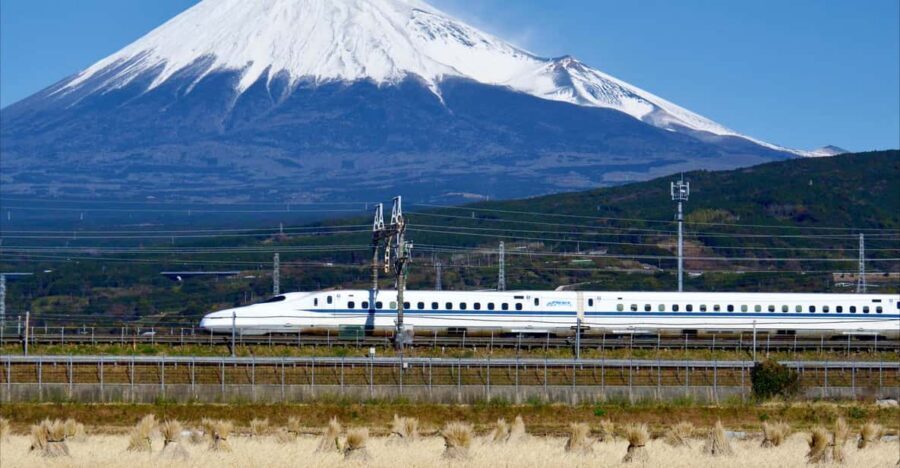
This is the kind of tour that saves you from the hardest part of a Fuji/Hakone day: logistics. You start in central Tokyo and hand off navigation to a guide and bus driver, which matters because the roads and planning around Fuji can get messy fast.
The trade-off is that the day is scheduled. You’ll be on the bus for a lot of it. In exchange, you get multiple key stops without needing to figure out train transfers or timed connections on your own. The itinerary is built for people who want a lot of “Tokyo-to-the-mountains” payoff in one day.
I also like that the guide role isn’t just talking at you. Many guides are praised for keeping the group on track without turning the day into a lecture hall. Names that show up in feedback include guides like Happy and Yumi, who are described as upbeat and helpful while still keeping the day moving.
More Mt Fuji & Hakone tours we've reviewed
Meeting point at Nishi Shinjuku: don’t let this be your first stress
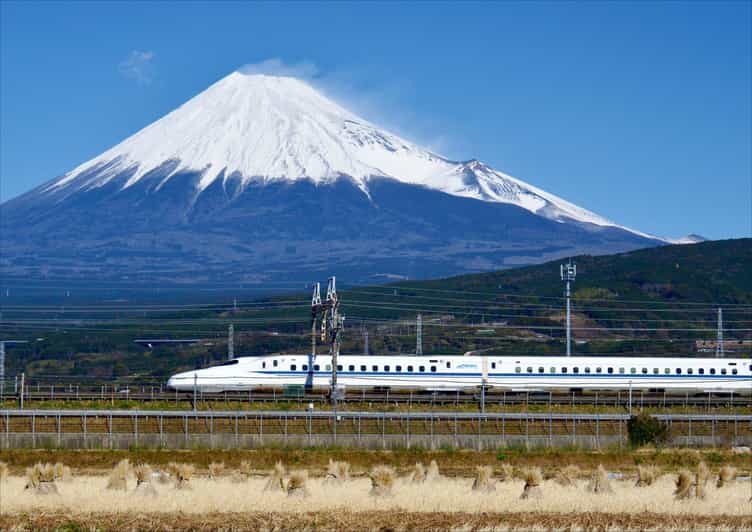
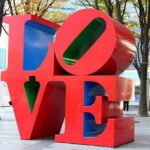
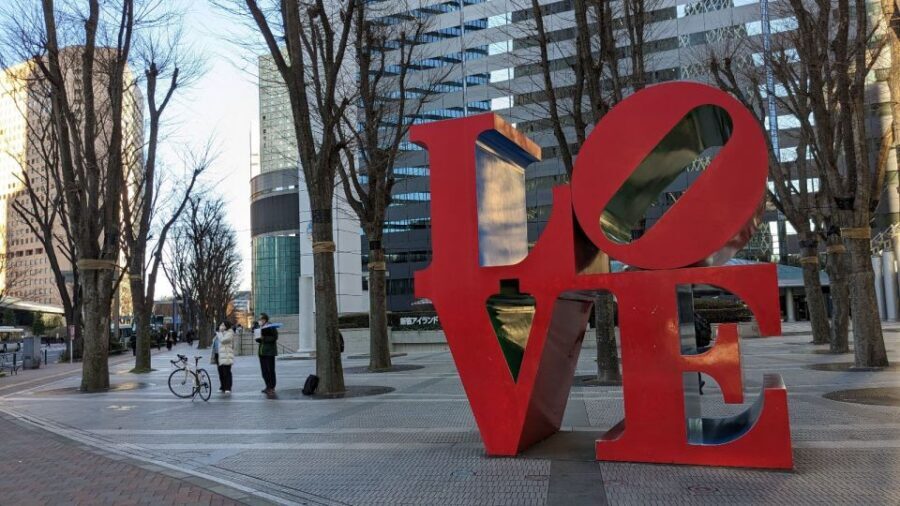
You meet your guide at the Nishi Shinjuku LOVE sculpture outside the Shinjuku i-Land building. It’s a clear landmark, but that area can have multiple tour groups. Give yourself buffer time so you’re not sprinting while the tour clock is ticking.
A practical tip from a real-world snag: if you feel unsure, double-check you’re with the correct group before you walk too far. Getting to the right bus at the right time matters because the tour can’t loop back if you arrive late.
Comfort matters here. Wear shoes you can stand in. Most stops are short, and you’ll do a mix of walking and waiting for everyone to regroup.
Mt. Fuji 5th Station: what “highest point possible” really means
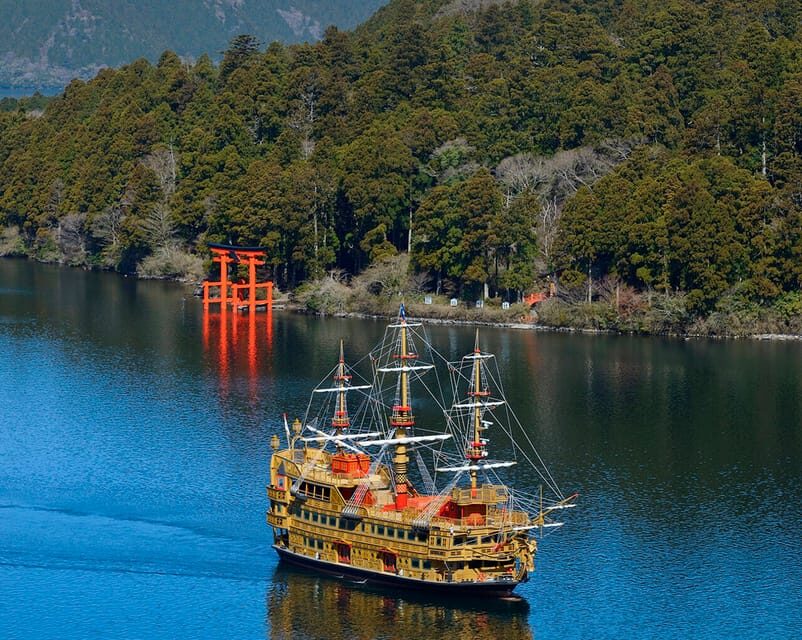
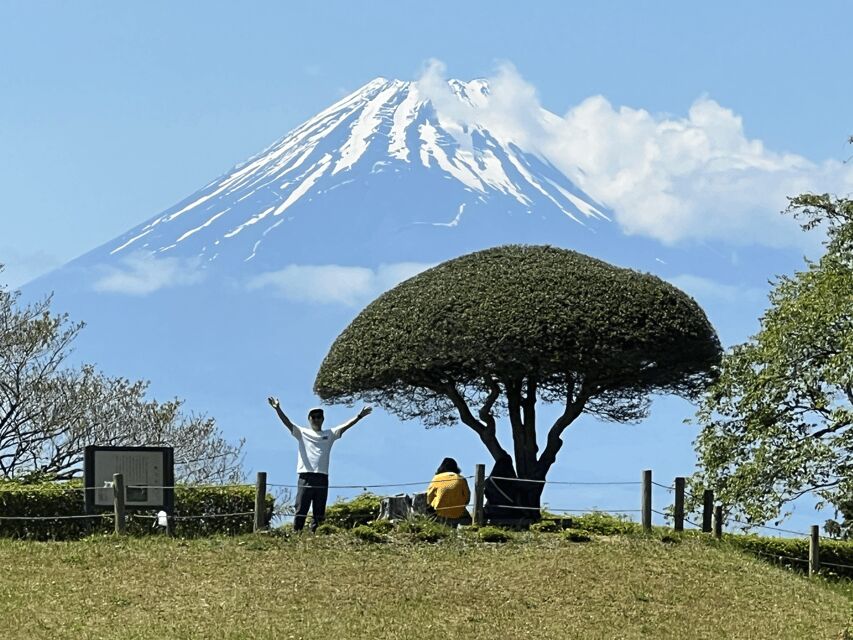
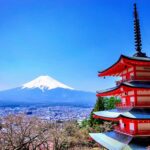
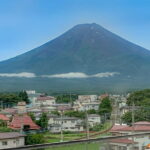
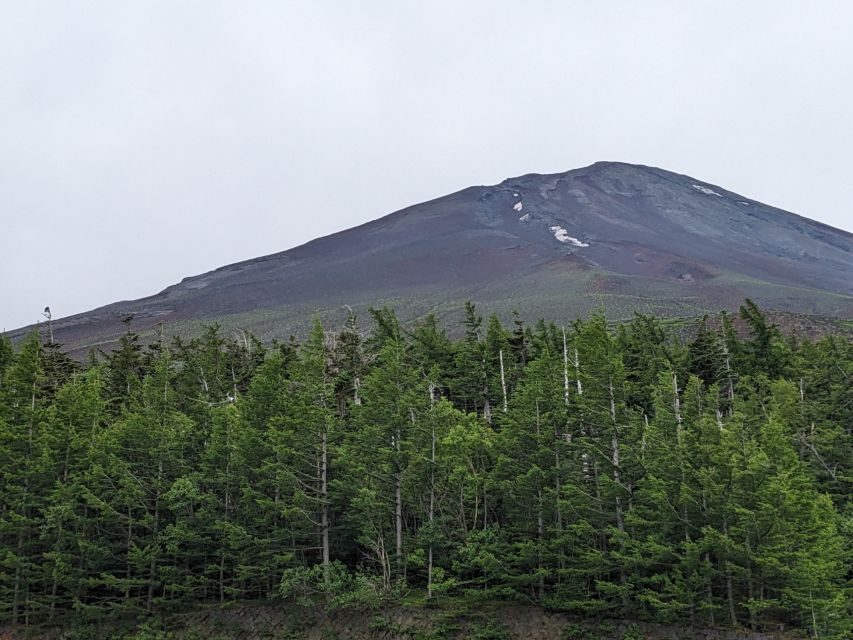
Your main Fuji moment is Mt. Fuji 5th Station, around 2300 m. You drive there via the Subaru Line and then reach the station where the air feels different and the views can be dramatic—if the clouds cooperate.
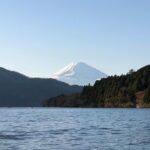
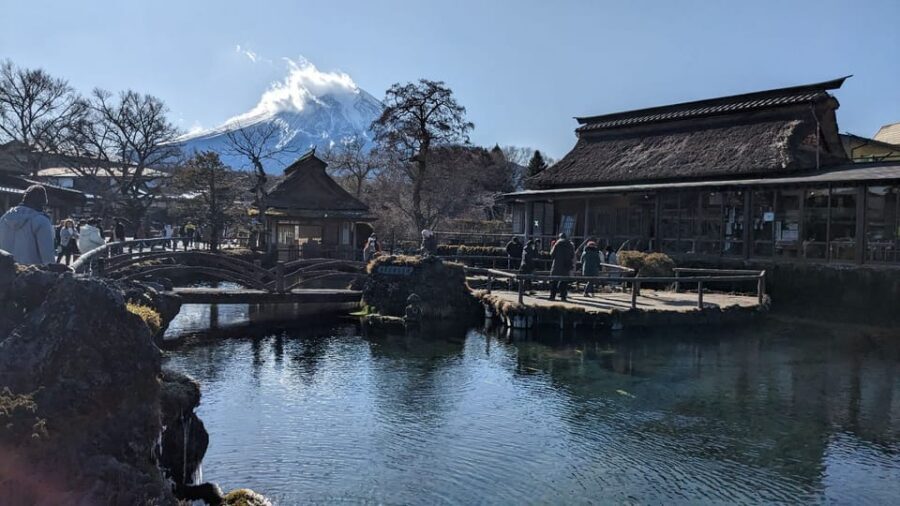
The key detail: clouds move fast. You don’t just arrive and hope. You keep your eyes up and watch the horizon. When the weather clears even for a short window, you’ll see why people plan their entire Japan trip around this mountain.
If Mt. Fuji 5th Station isn’t reachable due to bad weather or a road accident, the tour switches to the highest point possible instead. In that case, you still get the altitude feel and a better chance of clear views than staying at sea level—just without the exact 5th Station stop.
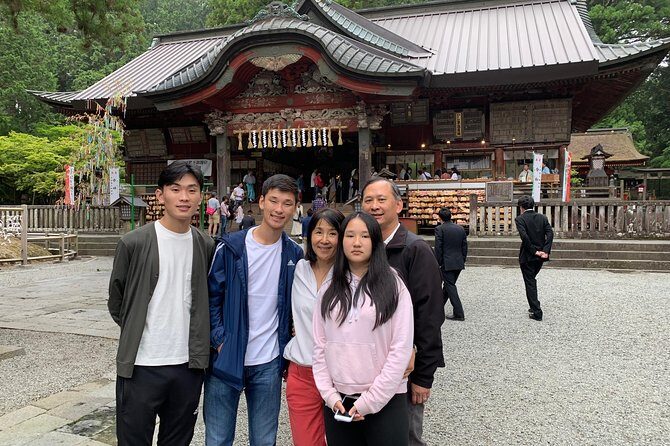
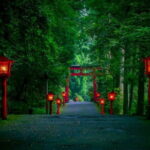
You’ll also have time for souvenirs and a cultural add-on: Komitake Shrine is mentioned as part of the Fuji-side plan. It’s not a big museum visit; it’s more of a quick, meaningful stop that helps the area feel more than a photo platform.
How to think about photos at the Fuji stop
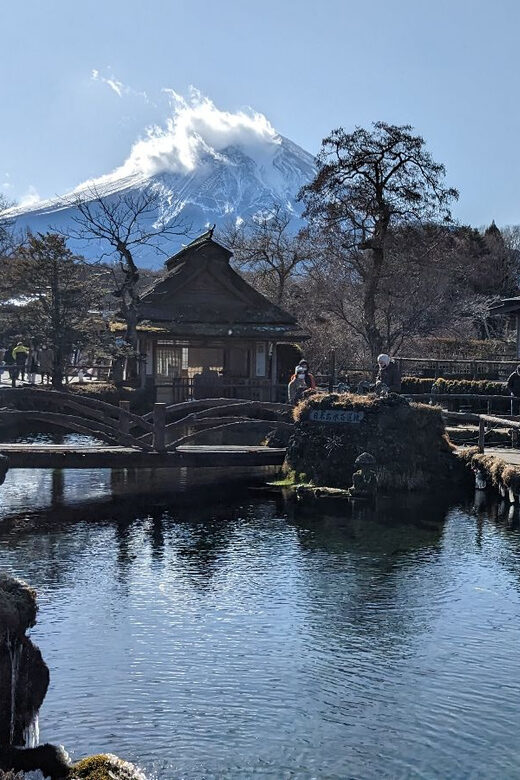
This is where expectations help. The stop time isn’t designed for a long, slow hike. It’s more about getting you to a high vantage point and giving you the chance to catch the peak when visibility opens.
So I’d treat it like photo windows, not one permanent view. Keep your camera ready when you first arrive, but also know that the clouds can shift quickly after you settle in.
Also: dress for temperature swings. At altitude, it can feel colder than you expect, especially in winter. You’ll be happier if you’re not stuck holding your jacket all day.
Lunch: hot pot + half buffet, and how to handle food preferences
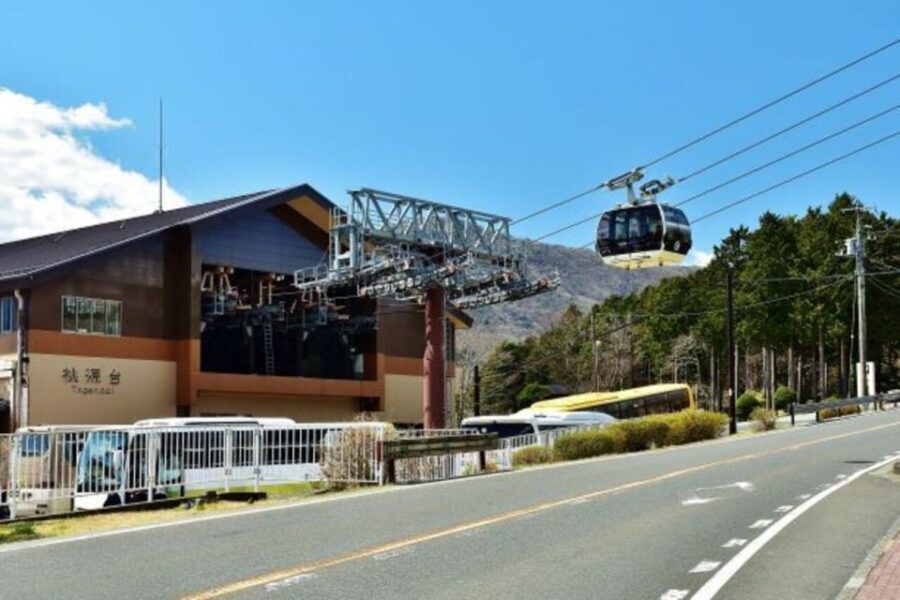
Lunch runs about 45 to 60 minutes and is described as Japanese-style with hot pot and a half buffet. That’s a strong deal in a day trip, because you’re not paying restaurant prices and searching for a place that fits your schedule.
That said, it’s still hot pot. Some people love it; some don’t. Feedback includes someone who was able to get satisfying alternatives like rice and fried chicken when the hot pot options weren’t their favorite. The best approach is simple: if you have restrictions or dislikes, let the tour team know ahead of time so they can plan within the lunch format.
One more practical point: drinks aren’t included. If you want soft drinks or extras, budget a little. Water is mentioned as available, but the add-ons cost extra.
Other Tokyo + Mt Fuji + Hakone combo tours we've reviewed
Hakone Owakudani by ropeway: sulfur drama up close
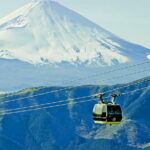
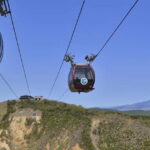
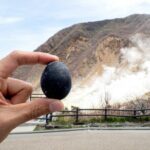
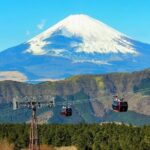
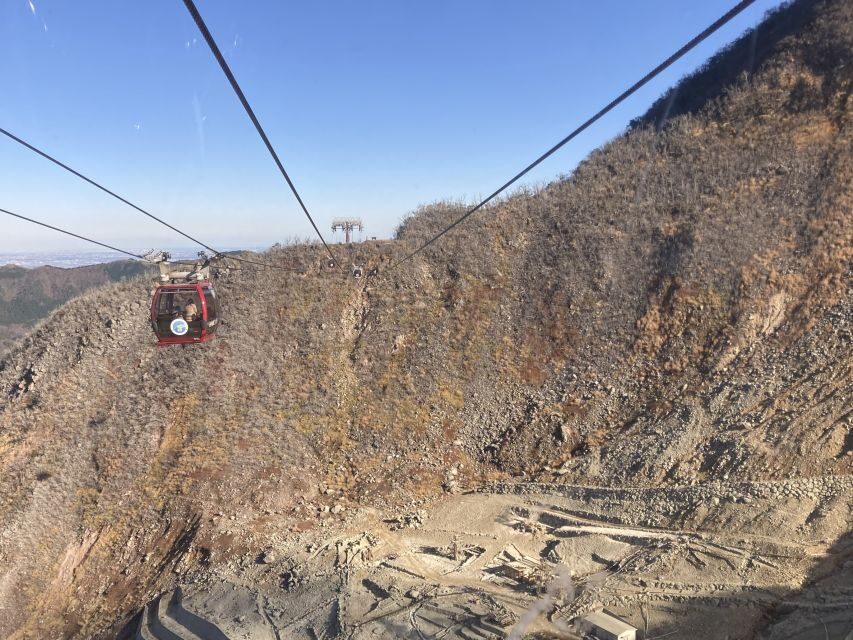
Next comes Hakone’s volcanic zone: Owakudani, reached by the ropeway (also called gondola/cable car in different descriptions). This is one of the most memorable parts of the day because you get visual proof that this is a living volcanic system.
What you’re looking for:
- shifting views and elevation as you move up and down
- the active, sulfur-related atmosphere described by visitors as unique and impressive
- quick shopping time for souvenirs tied to the volcano
The famous item here is optional: you can buy the black eggs boiled in sulfuric water. The fee is not included, so treat it as a bonus purchase rather than part of the core value.
This is also where you should think about comfort. Ropeways are exciting, but they can be a surprise if heights make you nervous. One visitor noted that the ropeway ride was shocking for a partner with height issues—though they still ended up enjoying it once on board. If you know you’re sensitive, keep that in mind before you step into the cable car.
Lake Ashi cruise: when Fuji shows up, it’s magic
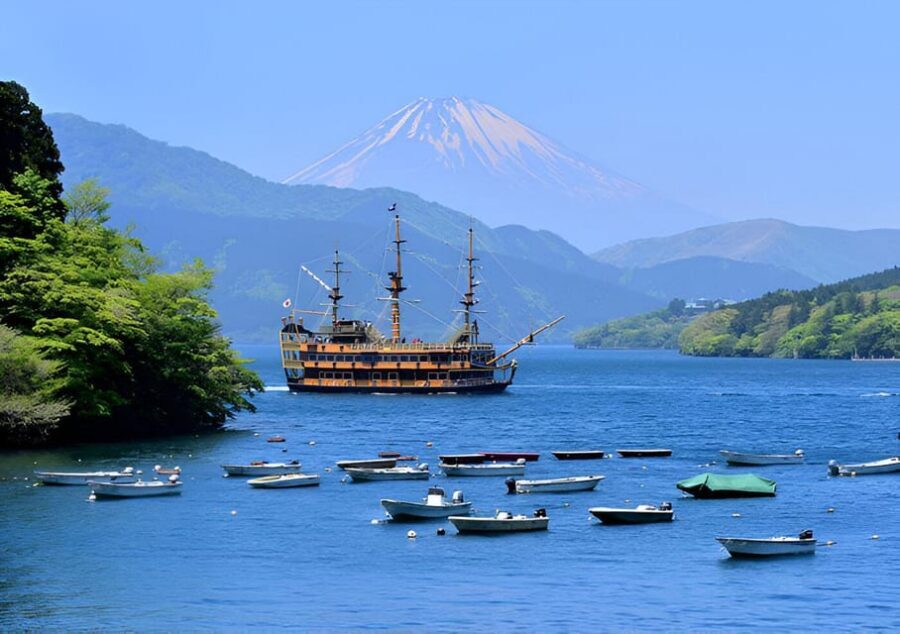
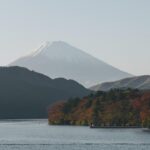
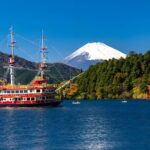
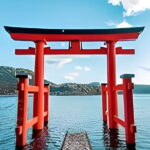
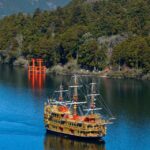
After Owakudani, you shift from geothermal chaos to calm water. The tour includes a cruise on Lake Ashi, where you can catch views of Mt. Fuji from the deck when it’s clear.
This is one of those “weather-dependent” moments, but that doesn’t make it useless. Even when Fuji isn’t visible, the water + mountains combo still gives you a break from road travel and a slower pace to the day.
There’s also an important operational note: if certain services aren’t running—like the pirate ship option—then you may be redirected to alternatives. The tour data lists backups such as Komagatake Ropeway, Mt. Fuji Panoramic Ropeway, Mishima Skywalk, Narukawa Art Museum, Hakone Checkpoint, or Hakone Shrine, with Lake Ashi cruise still potentially part of the replacement plan. So you’re not stuck with nothing to do; you’re more likely to see a different version of the same region.
The Shinkansen return from Odawara: fast, simple, and slightly on your own
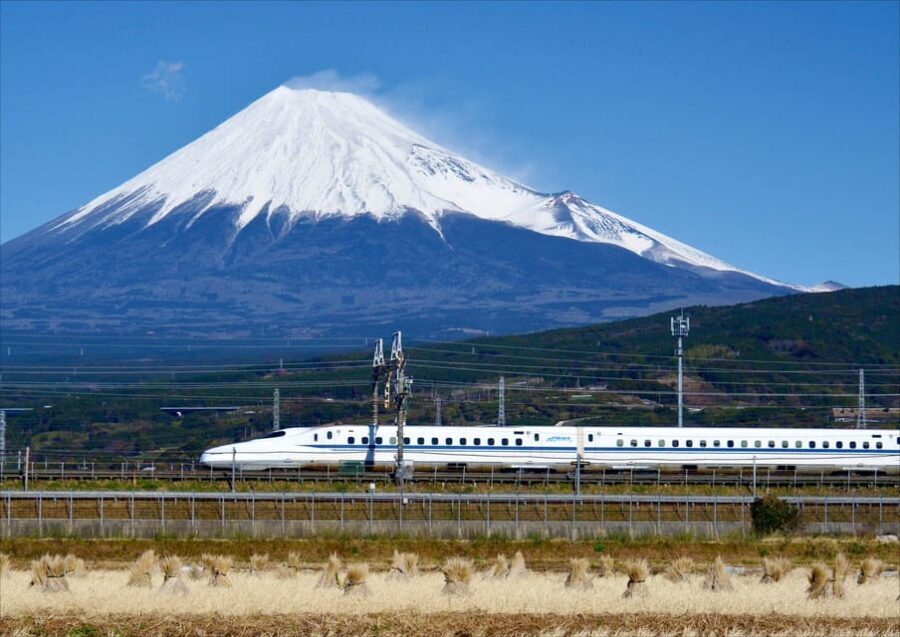
The big finale is the bullet train back to Tokyo. You ride the Shinkansen from Odawara Station, and the typical travel time is about 34 minutes. During this segment, the guide does not ride with you, so you’re responsible for getting on the right train.
Seats are non-reserved, which means you’ll want to move efficiently when the train situation is posted. There are typically two trains per hour from Odawara to Tokyo, and you can take a non-reserved coach on either option.
A helpful detail: if you don’t mind a slightly different route, you can get off at Shinagawa (one stop before Tokyo) and transfer to the Yamanote Line using the same Shinkansen ticket to reach Shinjuku and other Yamanote Line areas.
One practical tip from a real-world suggestion: don’t rush to board the first train that leaves. Sometimes it’s fun (and smarter for your nerves) to watch trains pull in and out first, then hop on once you’re ready. It keeps the process from feeling like a mad dash.
Also, once your time at the Odawara end starts, your tour day effectively ends there. The tour data is explicit: you return to Tokyo on your own from that point.
Price and value: why $117 can make sense for an 11-hour day
At about $117 per person for an 11-hour loop, the value comes from the bundle:
- an air-conditioned bus for the long Tokyo-to-mountain distances
- admission-style inclusions like the Hakone ropeway ticket and Lake Ashi cruise ticket
- a guide for the day’s flow
- a Shinkansen ticket for the return
- lunch if you select the lunch option
If you tried to piece all of that together yourself—especially transport plus time-sensitive connections—you’d likely spend more time managing tickets and less time actually seeing the places. The tour’s real strength is that it reduces mental load.
The one catch is that you’re paying for organization, not guaranteed mountain weather. If Fuji is hidden, you still get the region’s core highlights, but the emotional payoff is lower. That’s the nature of the deal, and you should treat it as part of the cost of chasing Fuji.
Who this tour fits best (and who should skip it)
This tour is a good fit if:
- you want a high-altitude Mt. Fuji stop without wrestling with transfers
- you like a packed day and don’t mind shorter stop times
- you want both Hakone volcano scenery and a Lake Ashi viewpoint day
- you’d enjoy the thrill of riding the Shinkansen on a pre-planned schedule
It might not fit if:
- you’re pregnant, because the tour is listed as not suitable for pregnant women
- you hate short stops and prefer slow travel
- ropeways and cable cars make you nervous
A quick booking checklist before you go
Here’s what I’d lock in mentally before booking:
- Bring comfortable shoes. You’ll be up and down and moving on and off transportation fast.
- Plan for weather uncertainty. Even in winter, clouds can roll in and change everything.
- If you care about lunch style, decide ahead of time whether hot pot fits you. You can still eat if it’s not your favorite, but it helps to communicate needs.
- If you’re arriving at the meeting point late, know that joining mid-tour isn’t possible due to schedule constraints.
- If you want souvenirs tied to volcanic culture, remember the black eggs are an optional paid add-on.
Should you book this Mt. Fuji & Hakone tour with Shinkansen return?
If you want the highest-chance Fuji day from Tokyo plus Hakone’s volcano-to-lake sequence in one go, I think this is an easy yes—especially if you’re new to Japan or short on time. The structure is strong: bus to Fuji, altitude stop, hot Japanese lunch, Owakudani ropeway, Lake Ashi cruise, then Shinkansen back.
Book with the right expectation: Mt. Fuji visibility can be hit-or-miss. If you’re flexible enough to enjoy the region even when the peak hides, this tour is a smart way to spend your day and not burn half of it planning transit.
FAQ
Where is the meeting point for this tour?
You meet the guide by the Nishi Shinjuku LOVE sculpture outside the Shinjuku i-Land building.
How long is the full day trip, and where does it start?
The duration is 11 hours, and it starts from the Shinjuku area near the meeting point before heading toward the Mt. Fuji area.
How high do you go on Mt. Fuji?
The tour is designed to reach Mt. Fuji’s 5th Station, which is about 2300 meters above sea level when the route allows it.
What happens if the tour can’t reach Mt. Fuji 5th Station?
If bad weather or an accident prevents reaching the 5th Station, the tour visits the highest point possible instead.
Is lunch included?
Lunch is included only if you select the lunch option. The lunch is described as a Japanese-style hot pot meal with a half buffet.
How does the Shinkansen return work?
The return Shinkansen ticket is non-reserved. After the tour ends at Odawara Station, you take the Shinkansen to Tokyo by yourself. The guide does not ride the train with you.
Is the tour wheelchair accessible?
All sightseeing spots are wheelchair-accessible, but the standard tour buses are not equipped with wheelchair lifts or ramps. Folding wheelchairs can generally be stored in the luggage compartment. Electric wheelchairs may be difficult due to size and weight limits, so you should inform the provider at booking.