REVIEW · TOKYO
Tokyo: Mt. Fuji & Hakone Private Custom Tour English Driver
Book on GetYourGuide →Operated by Mount Fuji Discoveries · Bookable on GetYourGuide
Fuji looks different when you control the stops. I love the custom itinerary that lets you slow down for photos or skip what’s not working, and I love the photo-ready guidance from guides such as Vicky and Malik. It turns a long day of driving into a guided route with stops that actually match your energy level.
The main trade-off is simple: Mt. Fuji visibility and access are weather-dependent. The 5th Station can be closed in rain or bad conditions, and Fuji views depend on the day’s sky, plus Tokyo traffic can push timing back.
If you want one smooth, private day that mixes iconic Fuji lookouts with Hakone’s steam, shrines, and viewpoint hopping, this tour is built for exactly that kind of trip.
In This Review
- Key points I’d prioritize
- Why this Tokyo-to-Fuji-and-Hakone tour costs $322 per group (and when it’s a good deal)
- The 10-hour reality: how the day actually works from Tokyo
- Arakurayama area: Chureito Pagoda and the Fuji viewpoint circuit
- Mount Fuji 5th Station: the iconic high-altitude stop (when weather allows)
- Oshino Hakkai: clear-water ponds and an easy place to stretch your legs
- Kitaguchi-hongu Fuji Sengen Shrine plus a cable car ride
- Lake Kawaguchiko, Oishi Park, and the “Fuji reflection” mood
- Saiko Iyashi-no-Sato Nenba and Lake Yamanaka: traditional atmosphere with breathing room
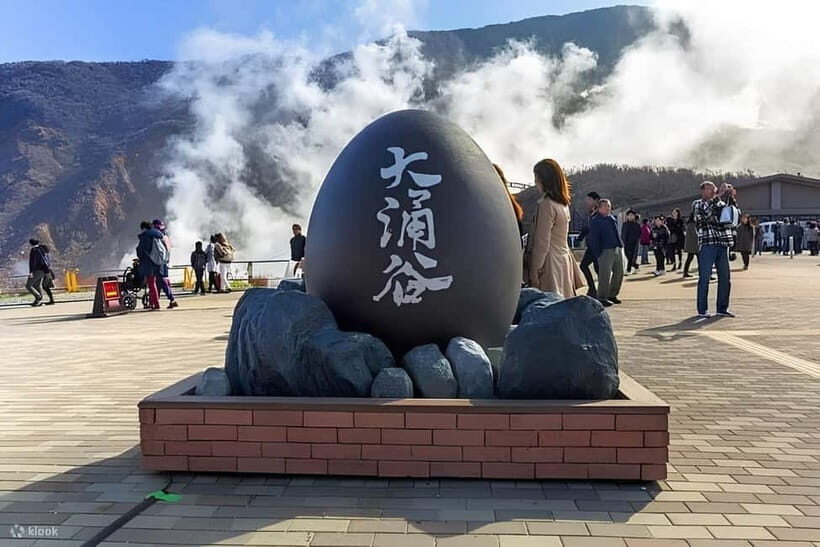
- Hakone ropeway, steam vents, and the volcanic scenery switch
- Lake Ashi: cruise mood (and a ticket you’ll want to plan for)
- Hakone Open-Air Museum and the “walkable culture” hour
- Fugaku Wind Cave and Niihashisengen Shrine: finishing touches with photos
- Your driver makes the difference: names worth watching for, and what they do well
- Food and breaks: you’ll manage it, and that’s okay
- How to make this tour truly custom (without losing time)
- Tips that will save your day (and your feet)
- Should you book the Tokyo Mt. Fuji and Hakone Private Custom Tour?
- FAQ
- What’s the group size for this private tour?
- How long is the tour?
- Where do pick-ups happen?
- What languages can the driver provide?
- What’s included in the price?
- What isn’t included?
- Is Mount Fuji 5th Station guaranteed?
- Do I get time for breaks and photos?
- What should I bring and wear?
Key points I’d prioritize
- Private transport for up to 6 keeps the day comfortable and flexible
- English-Hindi driver (plus other language options) helps with guidance and practical decisions
- Fuji viewpoints early on often matter more than you think for crowds and clarity
- Hakone ropeway and Open-Air Museum time add variety beyond just scenery
- Ropeway and motorboat tickets not included, so plan for small extras
- 5th Station is weather-permitting, so your guide may adjust on the fly
Why this Tokyo-to-Fuji-and-Hakone tour costs $322 per group (and when it’s a good deal)
At $322 per group for up to 6 people, the value here comes from doing two big regions in one day with one private driver and car. You’re not buying individual attraction tickets for the “driving part.” You’re paying for comfort, local routing, and someone who can manage timing so you’re not stuck waiting around.
This tour also has a strong advantage for groups who want flexibility. A private setup makes it realistic to:
- Spend extra minutes at the photo spot that finally shows clear Fuji
- Skip a stop that feels like too much walking for your group
- Adjust around traffic, weather, or your kids’ patience
One practical detail: it’s not the kind of tour where food is included, and some transport experiences (like ropeway and a motorboat for Lake Ashi) cost extra. Still, the base price can feel like good value if you’re splitting it among family or friends.
More Mt Fuji & Hakone tours we've reviewed
The 10-hour reality: how the day actually works from Tokyo
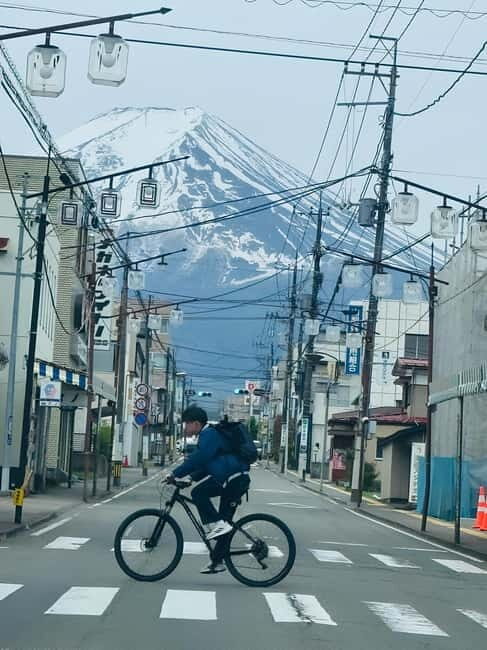
This is a long day by design: you’re leaving Tokyo, driving through countryside areas, and stacking multiple scenic stops. The biggest make-or-break factors aren’t the attractions themselves. They’re timing and weather.
Here’s what you’ll want to plan for:
- On weekends and in flower season, highway traffic worsens, so an early start is recommended
- Visibility for Fuji isn’t guaranteed, so your guide may shift viewpoints when clouds move in
- Your pickup requires you to be ready about 10 minutes before the scheduled time
- The driver can wait up to 60 minutes after pickup time, but traffic can still create delays
Also, the tour length is set for about 10 hours, but your day can flex with road conditions and force majeure events. The best part? The tour is built to handle changes without turning your day into chaos.
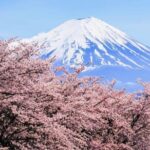
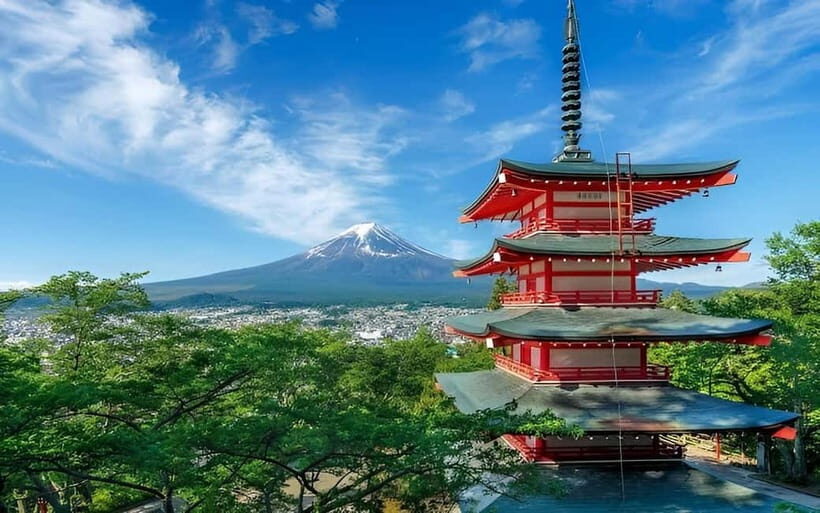
Arakurayama area: Chureito Pagoda and the Fuji viewpoint circuit
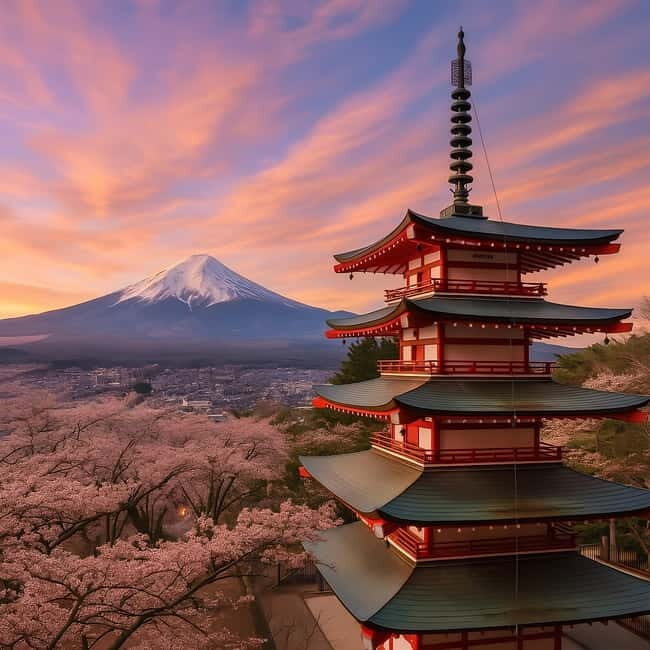
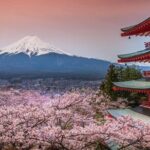
The day’s Fuji section starts with a classic photo cluster in the Arakurayama area: Chureito Pagoda, Arakurayama Sengen Park, and the Arakura Fuji Sengen Shrine. You’ll spend roughly 45 minutes at Chureito and about 30 minutes each at the park and shrine stops.
What I like about this cluster:
- It’s designed for walking at a comfortable sightseeing pace. You get short blocks of time to wander, not a marathon hike.
- You’re in the right “viewing rhythm.” You see one viewpoint, then nearby areas that often give you slightly different angles and sightlines.
What to watch out for:
- This is one of the most crowded zones on a good day. If you’re aiming for less stress, ask your driver to time these stops early when possible.
- Your “best view” can depend on the sky. If Fuji is faint, your guide can help you pick a better angle or swap to another viewpoint option later.
Bring comfortable shoes. Even if each stop is “only” half an hour, you’ll be moving more than you think because these areas are built for viewpoints.
Mount Fuji 5th Station: the iconic high-altitude stop (when weather allows)
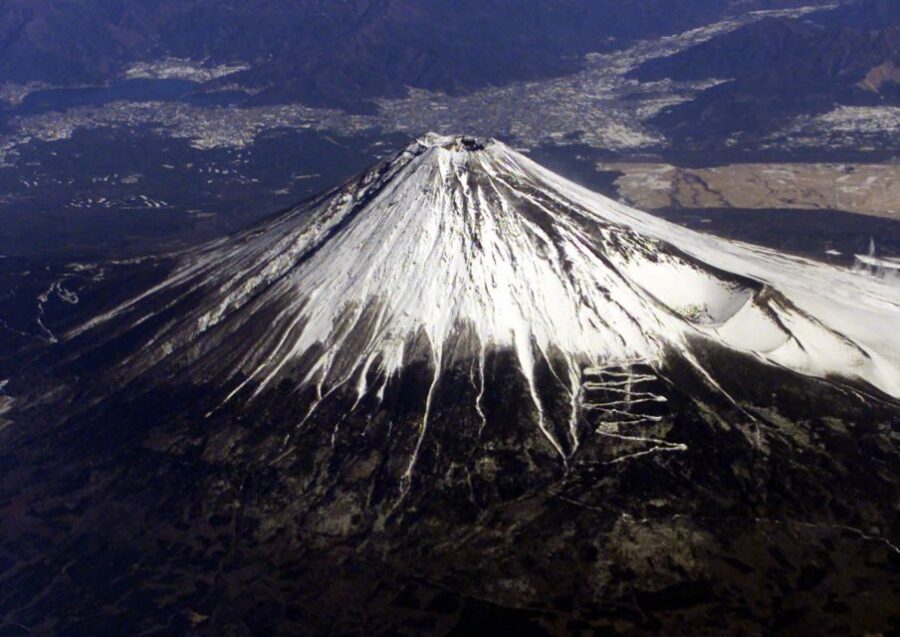
Then you head toward the Mount Fuji 5th Station, a major “wow” moment because it sits about 2,300 meters above sea level. The stop is around 30 minutes, with time to walk, break, and take in panoramic views when conditions are right.
Two honest takeaways:
- When the weather cooperates, the views feel different from the lakeside viewpoints. At this altitude, Fuji looks more present and dominant.
- When conditions are rough, the 5th Station may be closed or inaccessible. The tour explicitly notes it depends on weather.
Because of that, I like treating this as a “try for the highlight” stop, not a guarantee. Your guide can help you keep the day strong even if the mountain is hiding.
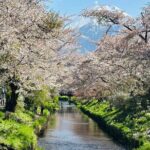
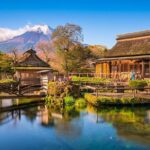
Oshino Hakkai: clear-water ponds and an easy place to stretch your legs
Next comes Oshino Hakkai, with about 45 minutes. You’ll have time for sightseeing and there’s a safety briefing before you explore.
What’s special here, in plain terms:
- It’s a break from constant climbing viewpoints. You get calmer wandering time.
- The area is known for sparkling ponds and clear water around Fuji’s spring sources, so it’s a strong contrast to the high-altitude stop.
If you’re juggling a family or mixed ages, Oshino Hakkai can be a smart mid-day option because it’s less “up hill” than some other Fuji areas.
Other Tokyo + Mt Fuji + Hakone combo tours we've reviewed
Kitaguchi-hongu Fuji Sengen Shrine plus a cable car ride
After Oshino, you’ll reach the Kitaguchi-hongu Fuji Sengen Shrine area and you’ll have about 40 minutes total. Part of this time includes a cable car ride, photo time, and scenic views on the way.
This stop tends to work well if you want:
- Another angle on Fuji without only relying on the lake viewpoints
- A mix of short walking and scenic transport time
The drawback? Cable car and viewpoint timing can be sensitive to weather and lineups. It’s not a “set it and forget it” moment, so give your driver flexibility. If clouds roll in, you’ll appreciate a guide who can help you decide where the next best view is.
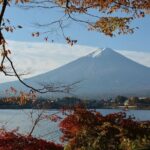
Lake Kawaguchiko, Oishi Park, and the “Fuji reflection” mood
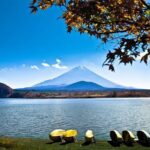
Your day then moves to Lake Kawaguchi (often written as Kawaguchiko) for a longer stop of about 105 minutes, plus a planned visit to Oishi Park for about 30 minutes.
This is where the tour’s Fuji style shifts from “mountain dominance” to “calm water views.” The goal is that classic feel of Fuji with lake scenery. The tour also includes safety briefing time, which helps keep you from wandering too far too fast when you’re sightseeing in unfamiliar terrain.
Oishi Park is a good add-on because it’s built for photos and short walks. If your Fuji view is good, you can linger. If clouds take over, your guide can steer you toward the most promising angles available that day.
Saiko Iyashi-no-Sato Nenba and Lake Yamanaka: traditional atmosphere with breathing room
Later, you’ll visit Saiko Iyashi-no-Sato Nenba, around 1 hour, which is set up for a self-guided style walk through a traditional village atmosphere. After that, you’ll have Lake Yamanaka time for about 30 minutes.
I like this portion because it slows the pace without turning the day boring:
- You get a human-scale stop—streets, village vibes, and time that doesn’t revolve only around skyline photos.
- Lake Yamanaka can feel like a breather before the Hakone “active sights” section.
A practical note: since this is self-guided time, set expectations with your driver beforehand. If you have specific interests (easy walking, tea break, photo time), say it early so the time here is purposeful.
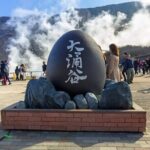
Hakone ropeway, steam vents, and the volcanic scenery switch
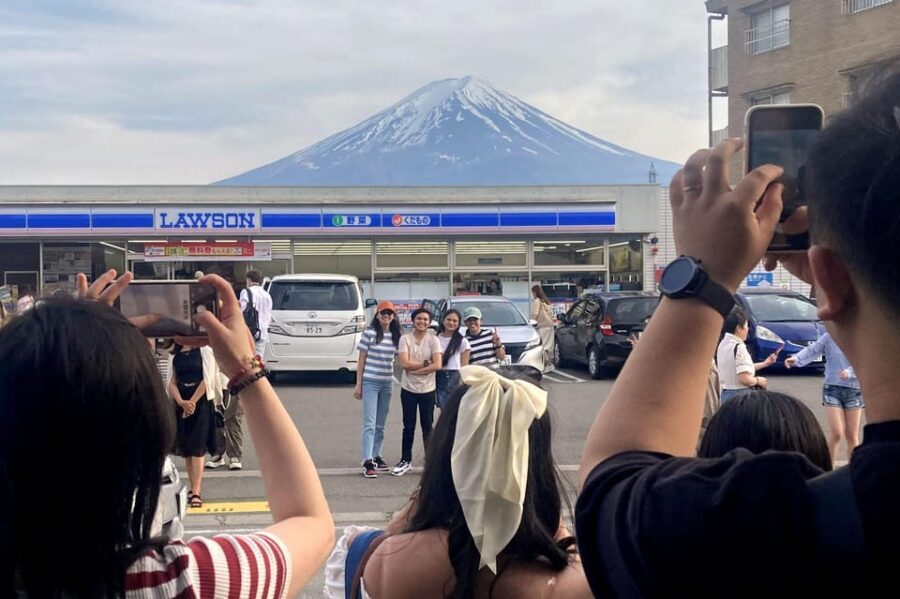
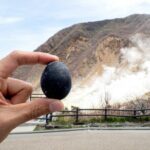
Once you’re in the Hakone region, the tour pivots from Fuji lookouts to volcanic and hot-spring style scenery.
You’ll have time around:
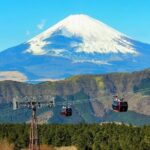
- Mt. Kachi Kachi Ropeway (about 45 minutes) for panoramic views
- Aokigahara forest pass-by for scenic roadside views
- Hakone Ropeway for a very brief stop (listed around 1 minute)
About that short Hakone Ropeway moment: it’s a reminder that this day is about stacking highlights. Don’t assume every sight will be long and relaxed. If ropeway time is important to you, you’ll be happy to have a driver willing to adjust the schedule within the 10-hour window.
Lake Ashi: cruise mood (and a ticket you’ll want to plan for)
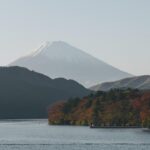
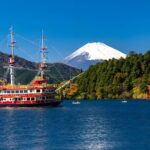
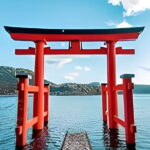
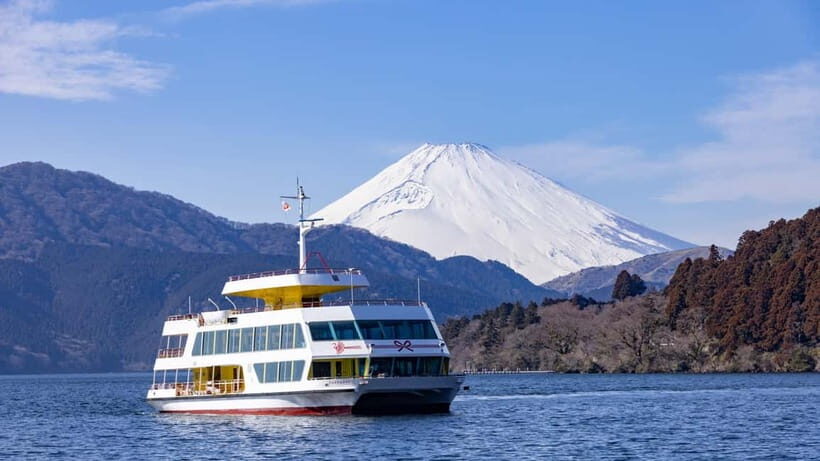
Lake Ashi is on the schedule for about 30 minutes, with sightseeing and walking. The highlights also call out a Lake Ashi Cruise option.
Here’s the key detail: ropeway or motorboat tickets are not included. That means you should plan for small extra costs if you want the cruise portion. The upside is that this is one of the most relaxing transitions in the entire day. Sitting on the water for a bit can also make a huge difference if you’ve been on your feet for Fuji viewpoints.
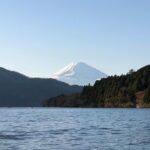
If the weather is clear, you’ll get that classic Fuji-over-water feeling. If it’s cloudy, the cruise still gives you a change of pace and a calmer “Hakone mood” compared with more crowded viewpoint areas.
Hakone Open-Air Museum and the “walkable culture” hour
Then you’ll hit the Hakone Open-Air Museum for about 1 hour, with walking and sightseeing time.
What I like about this stop is variety. You’re not only seeing mountains and lakes today. You also get a calmer cultural break in open air, and it can help prevent “Fuji fatigue” when you’ve seen multiple viewpoints back-to-back.
If your group loves photos, this stop gives you space to walk and explore at your own pace without forcing every minute to be a skyline shot.
Fugaku Wind Cave and Niihashisengen Shrine: finishing touches with photos
The late-day portion includes Fugaku Wind Cave (about 30 minutes, with break time and free time) and then Niihashisengen Shrine (about 45 minutes, with photo stop, visit, and walking).
These are the kind of add-on sights that keep the day from feeling like a straight line of view platforms. They also help balance the day’s energy: cave time is different from lake time, and shrine time is different from museum time.
Just remember: since the tour is timed, these aren’t “all afternoon” activities. Treat them as satisfying finishers that round out the Hakone experience.
Your driver makes the difference: names worth watching for, and what they do well
This tour is private, so the driver-guide role matters a lot. The tour provides an English-Hindi speaking driver (with other languages listed, including Arabic and Russian). In practice, the best days tend to be the ones where your driver can do three things well:
- Adjust your plan based on weather and visibility
- Suggest better routes to reduce time loss in traffic
- Take (or help you take) great photos at the right moments
From the names that come up often, I’d keep an eye out for drivers like Vicky, Hadi, Malik, Sunny/Suni, Syed, and Saim. Many of the strongest comments focus on their photo help, patience with pacing, and willingness to answer stop-request questions like snacks or restroom breaks.
Even if you’re not asking for “hidden” stops, these guides tend to make routine moments feel smoother. That matters when you’re managing a 10-hour loop.
Food and breaks: you’ll manage it, and that’s okay
Food isn’t included, so you’ll plan meals on your own. The good news is the structure gives you multiple stops with free time and break time.
A helpful strategy:
- Pick one “food goal” for the day (something local, something quick, or a sit-down lunch)
- Tell your driver your preference early
- Keep a snack plan, especially if Fuji is clear early and you don’t want to waste time later
Some guides also recommend lunch spots and help you fit them into the schedule without derailing the rest of the day.
How to make this tour truly custom (without losing time)
The customization here isn’t just marketing language. Your guide can help you choose where to stop during the day, and you can extend time at your favorites.
If you want a custom day that still runs on time, use this simple rule:
- Choose 2 must-do stops and 2 flexible stops
For example:
- Must-do: Chureito Pagoda area and Lake Ashi (cruise mood)
- Flexible: Oshino Hakkai vs. the shrine/cable car section, depending on weather and energy
This is also where the “secret stop” concept can work. If your guide knows the area well, they can suggest a less crowded viewpoint or a quicker angle when Fuji is peeking through clouds.
Tips that will save your day (and your feet)
A few practical moves make a real difference on this kind of full-day route:
- Wear comfortable shoes. You’ll walk at most stops, even when the time blocks are short.
- Bring a daypack for water, snacks, and a light layer. Weather changes fast in mountain regions.
- Go early when possible. Weekend and flower-season crowds are real, and early timing helps.
- Accept that Fuji clarity isn’t guaranteed. If visibility is weak at one viewpoint, you’ll benefit from being willing to adjust.
- Plan on weather rules. The 5th Station depends on conditions and may close in rain or bad weather.
One more logistics note: pickups are within Tokyo 23 wards from hotels or locations, and the tour notes that pickup isn’t available from airports, ports, and stations.
Should you book the Tokyo Mt. Fuji and Hakone Private Custom Tour?
Book it if:
- You want a private car for one full day instead of juggling trains and transfers
- Your group includes kids, older adults, or anyone who wants pacing without rushing
- You care about photos and like the idea of a driver helping you find better angles when clouds move in
Skip it (or go in with eyes open) if:
- You only want one specific view at one specific stop and you’d hate adjusting when weather changes
- Your priority is low-effort sightseeing with no caveat about Fuji visibility and 5th Station access
For most people, the decision comes down to flexibility. If you like the idea of a guided, custom-feeling day with comfortable transport, this tour is a strong choice for seeing Mount Fuji and Hakone in one go.
FAQ
What’s the group size for this private tour?
It’s a private group for up to 6 people, with pricing given per group.
How long is the tour?
The duration is about 10 hours.
Where do pick-ups happen?
Pickup is included from your hotel or other locations within Tokyo’s 23 wards.
What languages can the driver provide?
The driver can speak English, Hindi, Arabic, and Russian (based on the tour info).
What’s included in the price?
Hotel pickup and drop-off, the driver, and air-conditioned transportation are included.
What isn’t included?
Mt. Fuji 5th Station entry ticket isn’t included, and ropeway or motorboat tickets (for experiences like ropeways and Lake Ashi cruising) are not included. Food and drinks also aren’t included.
Is Mount Fuji 5th Station guaranteed?
No. Going to the 5th Station depends on weather conditions, and it might be closed in rain or bad weather.
Do I get time for breaks and photos?
Yes. The schedule includes walk time, scenic viewing time, photo stops, and multiple break/free-time blocks.
What should I bring and wear?
Bring comfortable shoes and comfortable clothes, plus a daypack.