REVIEW · TOKYO
Tokyo: Mt. Fuji Tour, Hakone Ropeway, Owakudani, Lake Ashi
Book on GetYourGuide →Operated by TAIHOU CO,LTD · Bookable on GetYourGuide
Fuji day trips are a gamble, but fun. This 10-hour Hakone and Fuji loop delivers the Heiwa no Torii on Lake Ashi and the steam-breathing black eggs of Owakudani, with guides like Captain Jack and Wanting keeping the bus-to-ropeway rhythm clear.
I like that the route mixes classic Mt. Fuji scenery with real geothermal stuff, not just pretty lookouts. The pacing also gives you a couple of breathing spots to actually take photos instead of sprinting nonstop.
The only catch is Mt. Fuji visibility is not guaranteed, and weather can change what you see and how long you stay at each stop. If you’re planning this as your one-and-only Fuji shot, build in patience and don’t schedule anything tight right after the tour.
In This Review
- Key highlights I’d prioritize
- Why this Hakone + Fuji loop feels efficient from Tokyo
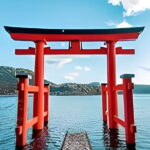
- From Tokyo to Heiwa no Torii: the first big photo moment
- Lake Ashi pirate ship cruise (optional): when to spend the extra yen
- Hakone Ropeway: the views can be stunning, but weather runs the show
- Owakudani volcanic valley and the black egg moment you shouldn’t skip
- Lunch planning: you’ll need snacks because lunch isn’t included
- Lake Yamanaka Swan Lake Shore: a calmer reset with Fuji odds
- Oshino Hakkai ponds: the Fuji reflections stop that feels different
- Price and what you really get for $54
- Touring reality: queues, timing, and why the guide matters
- Who this tour suits (and who should skip it)
- Should you book this Mt. Fuji + Hakone day trip?
Key highlights I’d prioritize
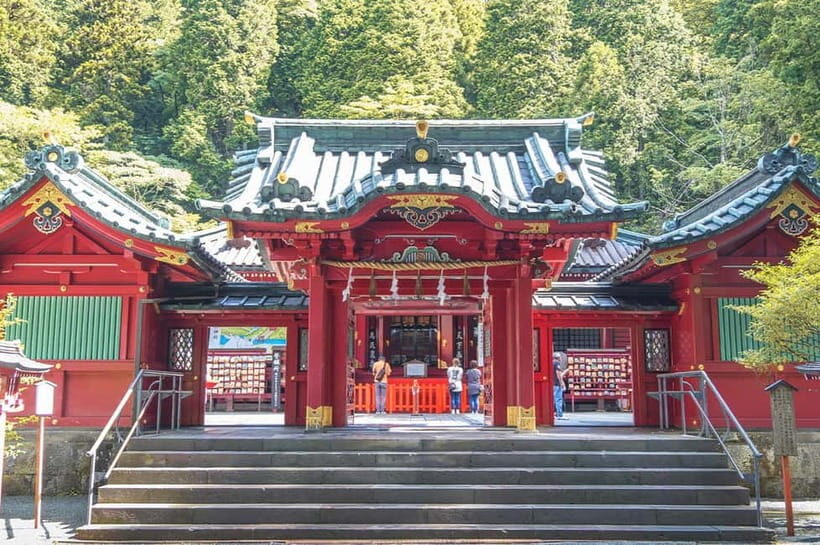
- Heiwa no Torii photo stop on Lake Ashi: iconic red gate views, plus a calm shrine setting nearby.
- Pirate ship cruise across Lake Ashi (optional): great extra angles on the torii and Fuji when skies cooperate.
- Hakone Ropeway panoramic ride: built for wide, higher-up views of Lake Ashi and Mt. Fuji.
- Owakudani geothermal valley: volcanic sulfur steam, plus the famous black eggs boiled in volcanic water.
- Lake Yamanaka swan-shore photo stop: a scenic reset point with swans and Fuji in the background if you’re lucky.
- Oshino Hakkai ponds fed by snowmelt: eight clear ponds that mirror Mt. Fuji’s presence when it’s visible.
Why this Hakone + Fuji loop feels efficient from Tokyo
This is one long day, but it’s built to solve a common problem: Mt. Fuji is worth seeing, yet getting to the best viewpoints takes planning. This tour turns that headache into one organized day trip. You get an early start, an air-conditioned bus ride from Tokyo (pickup at Tokyo Station or Shinjuku, depending on what you booked), and a guide who keeps everything moving.
What I like is the mix. You’re not only chasing one view. You’re pairing:
- a lakeside shrine with the famous torii,
- a mountain-adjacent ropeway viewpoint,
- a living volcanic zone at Owakudani,
- then a quieter pond circuit at Oshino Hakkai.
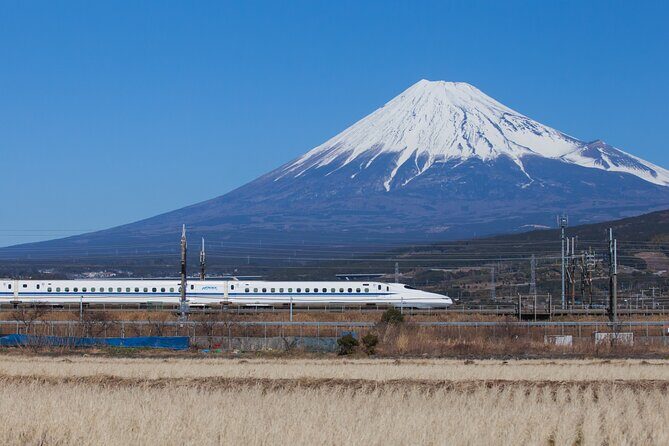
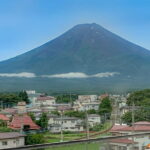
And if Mt. Fuji is out in full force, it can show up again and again from different angles. If it’s cloudy, at least you still get a full day of Hakone sights and atmosphere.
More Mt Fuji & Hakone tours we've reviewed
From Tokyo to Heiwa no Torii: the first big photo moment
You’ll meet your guide at one of two starting points in Tokyo—either Tokyo Station or Shinjuku—and then settle into a comfortable bus for about two hours toward Hakone.
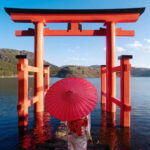
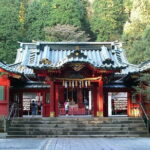
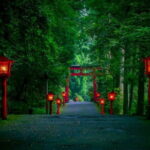
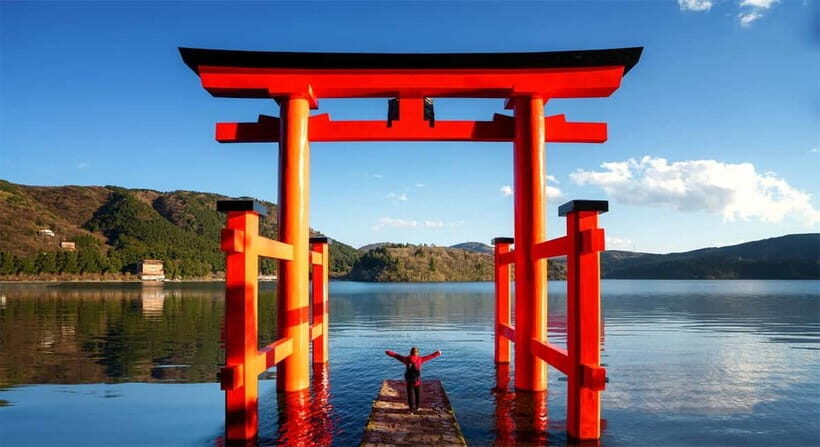
The first stop is at Heiwa no Torii. This is where you’re aiming for the Lake Ashi backdrop with that iconic red gate. Even if you’ve seen photos online, the scale here hits differently. The gate sits in a classic lakeside setting, so your photos don’t feel like they were taken from behind a railing and a crowd.
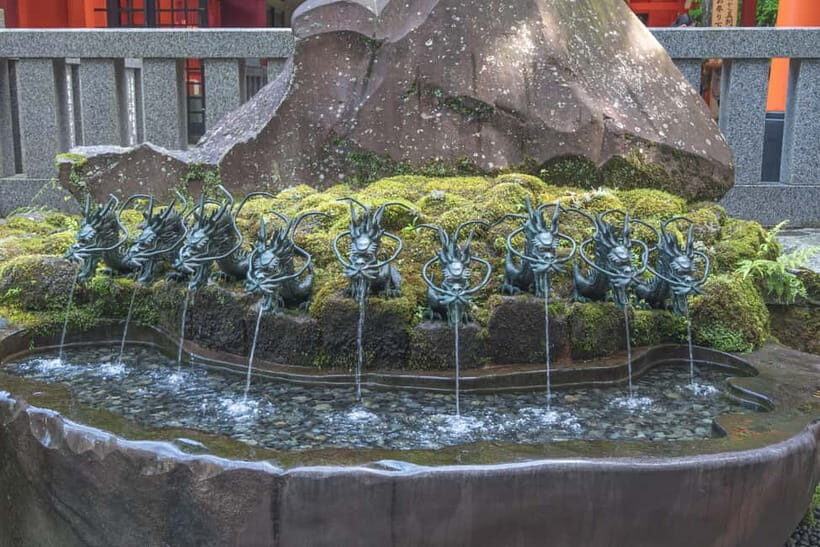
From there, you visit the Hakone Shrine area for a bit of history and a slower pace. The shrine is traditionally dated to 757, so it’s not just an aesthetic stop—it’s part of why Hakone became a major pilgrimage and hot spring destination.
Practical note: the torii gate will be closed from Dec 28 to Feb 10, 2026. If your dates fall inside that window, expect the stop to be different or more limited than the usual torii photo moment.
Lake Ashi pirate ship cruise (optional): when to spend the extra yen
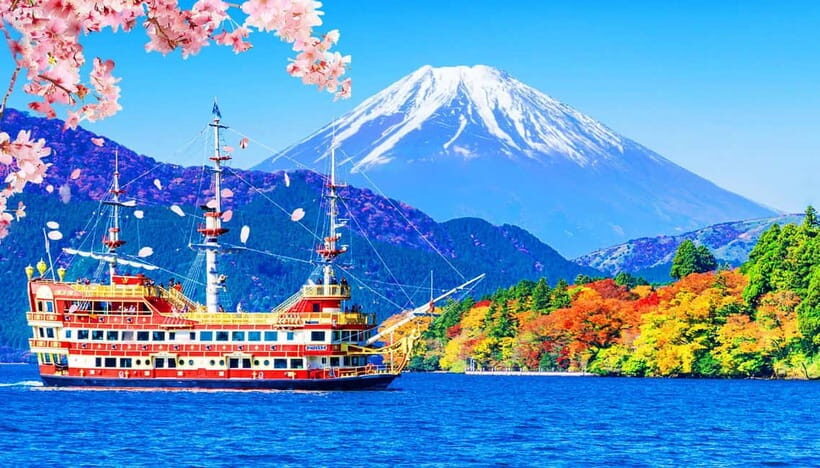
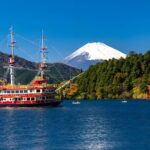
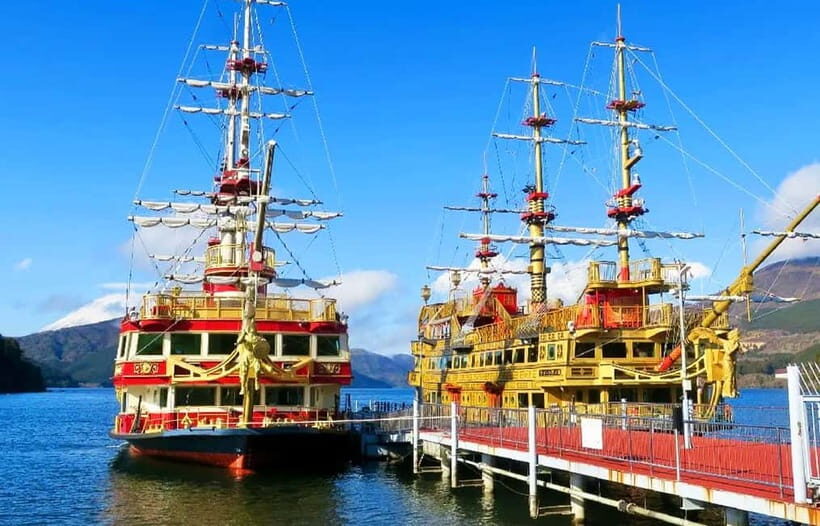
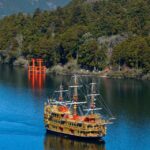
After the shrine/torii time, you have an optional pirate ship cruise on Lake Ashi. It’s self-paid, and it can add a real “this is why I came” feeling to the day because it changes your perspective.
You’ll be able to choose among themed ships—Royal II, Victory, and Queen Ashinoko—and the cruise time is about 25 minutes. What matters here isn’t just the ride. It’s the sequence: you can see the torii and lake stretches from the water, which is hard to replicate from shore.
Is it worth paying extra? Usually, yes, if:
- you care about photography from multiple angles,
- you get even partial visibility of Mt. Fuji,
- you don’t mind waiting in line if the cruise is busy.
But be realistic: if the weather is poor, the cruise can feel like sightseeing without the main event. In that case, you’re paying for time on the water, not a guarantee of a Fuji postcard.
If you choose not to cruise, you’ll still continue by ground connection to the ropeway area.
Hakone Ropeway: the views can be stunning, but weather runs the show
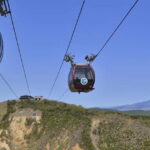
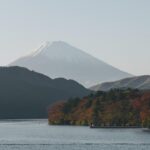
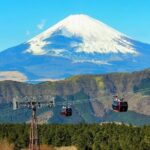
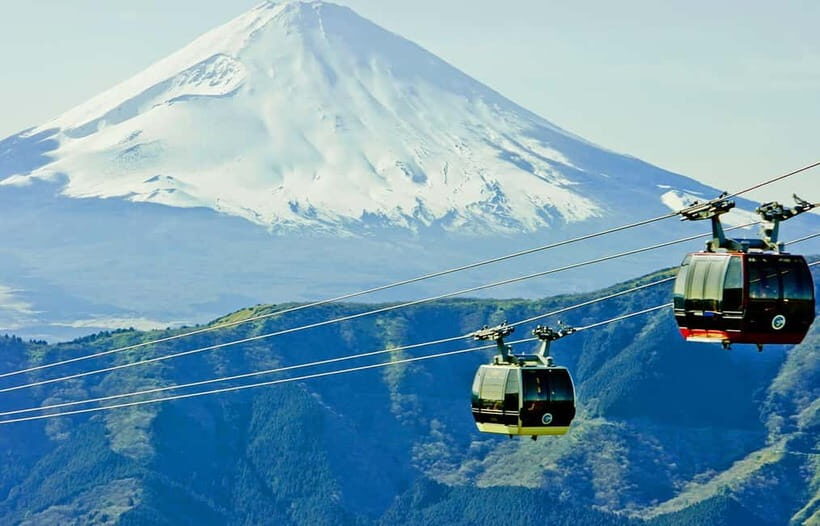
Next comes the Hakone Ropeway ride. This is one of the best sections for pure scenery because you gain elevation quickly and get broader sightlines over Lake Ashi and toward Mt. Fuji, when it’s visible.
The ropeway segment is about 30 minutes of sightseeing and cable car time. The key point: this part of the day is weather-dependent. The tour information explicitly warns that the ropeway may close due to bad weather or maintenance, and there’s a ticket refund of 1000 JPY per person if it happens (you’d contact the company by email for that adjustment).
So how should you plan your expectations? Think of the ropeway as a “view attempt,” not a promise. When visibility is good, the ride can be a highlight. When it’s foggy or rainy, you might still enjoy the ride and the geothermal town vibes, but the Mt. Fuji moment can fade.
One more tip that saves stress: wear shoes you trust. Ropeway stations can involve short walks, stairs, and queueing.
Owakudani volcanic valley and the black egg moment you shouldn’t skip
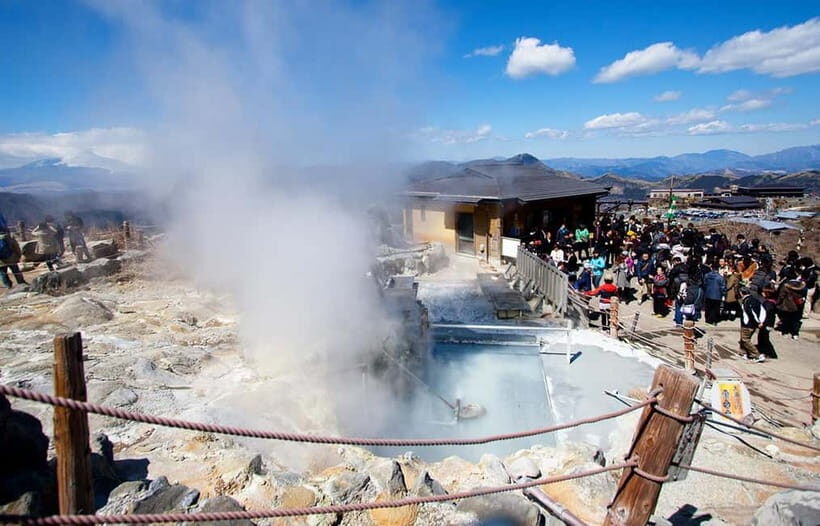
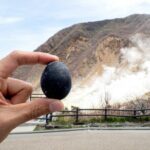
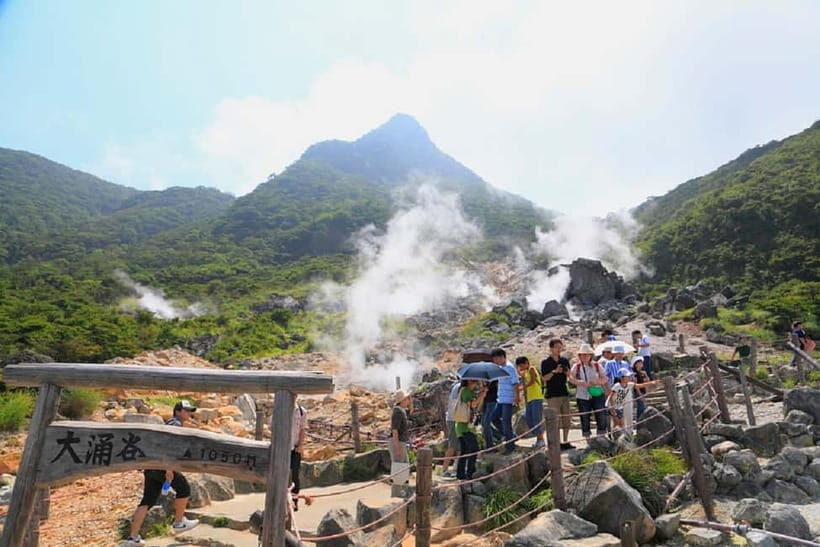
Then you reach Owakudani, the famous geothermal valley created after eruptions connected to the Mt. Hakone volcanic system long ago. Today, it’s active enough that you’ll feel like you’re standing next to a living weather system—steam, sulfur smell, and dramatic terrain.
Your guided time here is about 50 minutes, which is just enough to:
- walk through key sections,
- take photos,
- and try the signature snack.
That snack is the famous black eggs, boiled in volcanic spring water. They’re a simple experience, but it’s one of those food-and-place pairings Japan does well: the egg is not random. It’s a direct link to the geothermal environment you’re seeing. Even if you’re not usually adventurous with food, this is a low-risk item to try once.
If you have a sensitive sense of smell, you’ll still want to bring a quick breath strategy. The area is naturally pungent from volcanic gases. Short stops help.
Other Tokyo + Mt Fuji + Hakone combo tours we've reviewed
Lunch planning: you’ll need snacks because lunch isn’t included
This tour does not include lunch. You’ll have a scheduled break at a local restaurant (about 40 minutes), but you should plan your day so hunger doesn’t hijack the timing.
Two big facts make this important:
- Food isn’t allowed in the vehicle, so you can’t snack your way out of a long transit day.
- You might not eat until later than you expect, depending on traffic and queues.
So I’d treat breakfast as mandatory and bring backup snacks anyway. Pack water too. It’s one of the simplest “value upgrades” you can do—because it keeps you from feeling rushed when you finally do get food.
Lake Yamanaka Swan Lake Shore: a calmer reset with Fuji odds
After Owakudani, the day continues to Lake Yamanaka for a photo stop at Swan Lake Shore. This is where you shift from volcanic drama to a quieter lakeside setting.
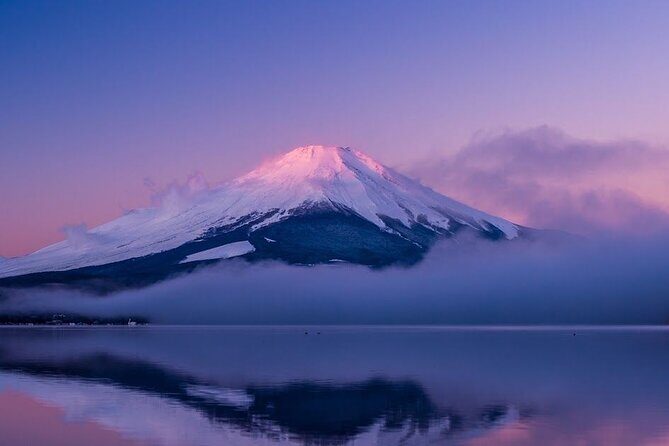
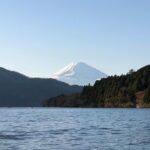
You’ll get free time here (around 20 minutes). It’s known for swans, and when Mt. Fuji is visible, you can try for photos with swans in the foreground and Fuji behind them.
Even if you’re not chasing the perfect shot, the value here is pacing. It’s a moment where you can slow down, look out over the lake, and reset before Oshino Hakkai.
Oshino Hakkai ponds: the Fuji reflections stop that feels different
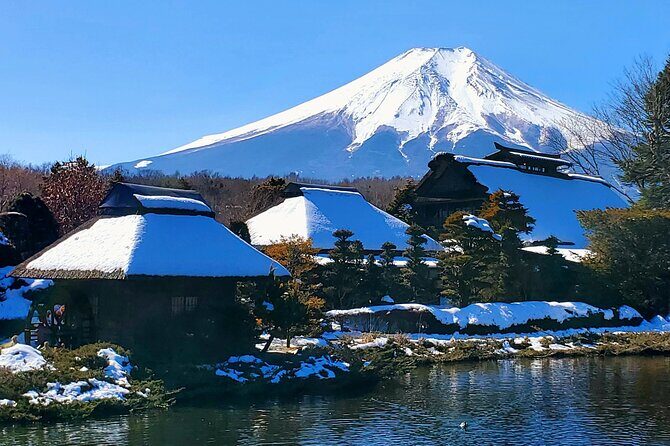
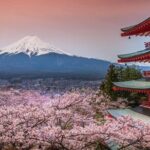
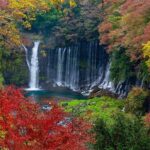
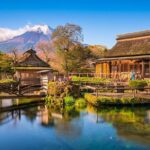
The final sightseeing block is Oshino Hakkai, a set of ponds fed by Mt. Fuji’s snowmelt. There are eight crystal-clear ponds, and the vibe is more serene and visual than the hustle of major viewpoints.
You’ll spend about 40 minutes here, mostly for photos and wandering. This is a great “endcap” stop because it looks like the source of the water system—Fuji snowmelt feeding springs and ponds down the line.
One small realism check: clear reflections depend on water conditions and visibility of Mt. Fuji. If Fuji is hiding, the ponds can still be attractive and cooling, but don’t expect every photo to look like a brochure.
Hakone handled, the capital deserves a structured day too: the one-day Tokyo bus tour is the city-side equivalent of a ropeway day, Asakusa to the bay with zero navigation burden.
Price and what you really get for $54
At around $54 per person, this tour can feel like good value if you compare it to the cost of getting to Hakone on your own and piecing together transport plus key activities.
Here’s what’s included:
- Hakone Ropeway fare
- Pickup and drop-off at two designated points
- Air-conditioned vehicle transportation
- A live multilingual guide (English, Japanese, Chinese, and Korean are listed)
- Parking fee
What’s not included:
- Food and drinks
- Pirate ship cruise fare (optional, about 1700 JPY)
So the “math” comes down to this: you’re paying for a guided circuit that hits several major Fuji/Hakone areas in one day, including the ropeway. You’re also saving time versus navigating transfers yourself, which matters when queues and weather can force changes.
If you’re the kind of traveler who likes a structured day and wants the planning handled, this price can be fair. If you love staying flexible and making your own route, you might find cheaper options—just know you’ll be doing more legwork and potentially missing the timed flow that keeps the tour efficient.
Touring reality: queues, timing, and why the guide matters
This is a shared tour. That means you’re part of a group with other visitors and you’ll move on a schedule. The upside is efficiency. The downside is that you can’t wander off too far.
In the field, what tends to make or break the day is the guide’s sense of timing and communication. Guides listed in service examples—like Captain Jack, Kousei, Tom, Sato, Leonard, Andrew, and Wanting—are repeatedly associated with clear instructions and smooth logistics. That’s exactly what you want when you’re juggling multiple stops, potential ropeway delays, and photo hotspots that can get crowded.
Your best move: arrive early. The staff will be at the meeting point (wearing a yellow vest), and you should aim to be there at least 15 minutes early. It reduces the stress of matching your group in a Tokyo meeting area where lots of tours converge.
Who this tour suits (and who should skip it)
This day trip is a strong fit if you:
- want a structured Mt. Fuji and Hakone introduction,
- like guided context at stops (shrine background, volcanic details),
- want multiple Fuji-adjacent viewpoints in one day,
- don’t mind that Mt. Fuji visibility is weather-driven.
It may not suit you if:
- you have mobility impairments (not suitable per the tour info),
- you have respiratory issues (also not suitable per the tour info), especially given the geothermal environment at Owakudani.
Also, it’s a long day. Comfortable shoes and patience are not optional.
Should you book this Mt. Fuji + Hakone day trip?
Book it if you want one organized, high-yield day out of Tokyo that hits the big hitters: Lake Ashi torii, ropeway views, Owakudani black eggs, and the calm ending at Oshino Hakkai. The included ropeway fare and transportation help justify the cost, and the route design is built for maximizing your chances of seeing Fuji from multiple angles.
Skip it or rethink timing if Mt. Fuji is your only priority and you’re hoping for a guarantee. The tour is explicit: visibility depends on weather. You can still enjoy Hakone even on a cloudy day, but if you need a perfect clear-sky Fuji, you’ll be taking a gamble.
If you do book, I’d plan like this: eat breakfast, bring snacks and water, wear good shoes, and keep the rest of your day free after the tour so timing changes don’t mess up your schedule.