REVIEW · YOKOHAMA
Private Daikoku Parking Area, Hakone turn Pike, Umihotaru Tours
Book on Viator →Operated by Fast Freds Private Car Tours · Bookable on Viator
Private tours make Japan feel less like a schedule. This one strings together three big hits: custom cars at Daikoku PA, ocean views at Umihotaru, and (weather permitting) Mount Fuji from the Hakone Turnpike side. It’s also built for convenience, with a private vehicle and a simple one-price setup for your group.
My favorite part is the private format up to 4 people under one price, so you’re not doing math per person just to get a good day out. I also love that your guide, Frederick (goes by Fred in the group), speaks English well and can explain what you’re seeing at the car stop in a way that makes it click fast. The main drawback to plan around is visibility, since the Hakone Turnpike Fuji views depend on weather and can be cloudy on some days.
In This Review
- Key Things You’ll Notice Before You Go
- A Private Daikoku Night-Scene, Without the Hassle
- Daikoku Parking Area: How to Get More Out of the Car Show Feel
- Umihotaru: The Ocean-Island Ride and a Real View Break
- Hakone Turnpike and Daikanyama: The Mount Fuji View Depends on the Sky
- Price and Value: How $130.64 per Group Really Plays Out
- What the Private Car Format Changes for You
- Timing, Duration, and Choosing the Right Length
- Who This Tour Fits Best (and Who Might Prefer Something Else)
- Should You Book This Daikoku + Umihotaru + Hakone Route?
- FAQ
- How much does the tour cost?
- How long is the experience?
- What attractions are included during the tour?
- Are tickets included?
- What’s included in the price besides transportation?
- Where does the tour start and end?
- Is this a private tour?
- Will I get a mobile ticket?
- Is there a weather requirement or cancellation option?
Key Things You’ll Notice Before You Go

- One price for up to 4: all four seats are included in the group cost.
- Daikoku PA car-culture stop: iconic customized Japanese cars are the whole reason to take this tour.
- Umihotaru ocean-island viewpoints: you’ll pass through a bridge or tunnel-under-the-sea style route.
- Hakone Turnpike drive + Fuji lookout: you’re trading certainty for payoff when skies cooperate.
- Frederick’s timing helps: he aims to show you the best moments for the Daikoku stop.
A Private Daikoku Night-Scene, Without the Hassle
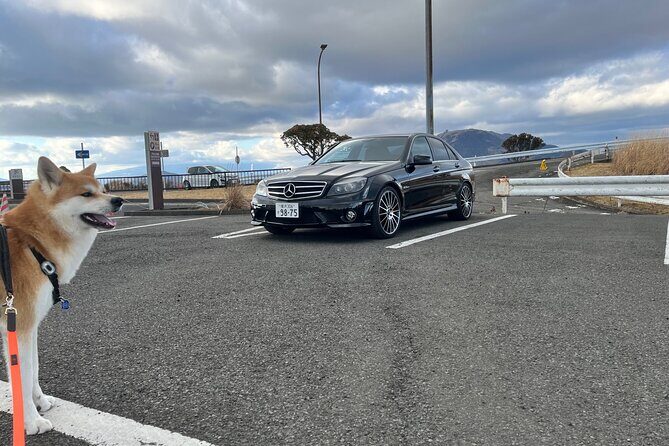
Daikoku Parking Area is famous for a reason. It’s one of those places where car fans can watch trends, styles, and build choices that you won’t easily see anywhere else, all in one spot. The trick is making the trip part easy enough that you can actually focus on the cars, not logistics.
What makes this tour practical is the private door-to-door style. You start and finish back at the meeting point in Yokohama, and you keep the same group for the whole outing. That matters because Daikoku PA experience is time-sensitive in a way that public transport doesn’t always make simple.
The other reason it’s worth your attention is the “car culture + scenery” mix. You’re not stuck doing one stop for hours. You get the famous car viewing, then a man-made island ocean viewpoint at Umihotaru, then a twisty-drive perspective toward Hakone Turnpike lookout areas when conditions allow.
Other JDM and sports car tours to Hakone
Daikoku Parking Area: How to Get More Out of the Car Show Feel
Daikoku PA is the headline stop. You’ll spend about 2 hours there, and admission is listed as free. The experience is basically visual storytelling: customized Japanese cars, different vibes in the parking area, and plenty to compare if you have even a passing interest in cars.
The big value of going with Frederick is context. In the feedback, he comes across as a guide with real passion for the local car scene, and that makes a difference if you’re trying to understand what you’re seeing rather than just taking photos and leaving. He also helps you move through the area in a way that feels calm, not rushed, which is key when a parking spot is busy.
Timing is another hidden advantage. People specifically praised that Frederick knows when to go to Daikoku so you catch a good feel for the scene. In practical terms, that means you’re less likely to show up at a slow moment and more likely to have time where you can actually enjoy the vibe.
One thing to keep in mind: Daikoku is an outside stop with a car-culture atmosphere. That’s not a museum setting. If you hate crowds or you’re not into cars at all, you might find it a bit repetitive. But if you’re even curious, it’s the kind of place where the details reward your attention.
Umihotaru: The Ocean-Island Ride and a Real View Break
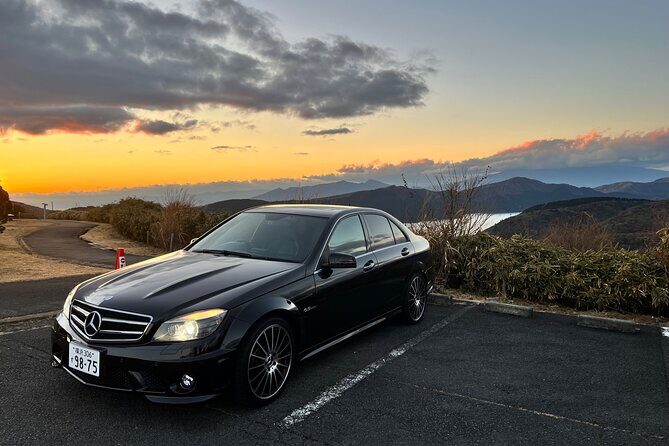
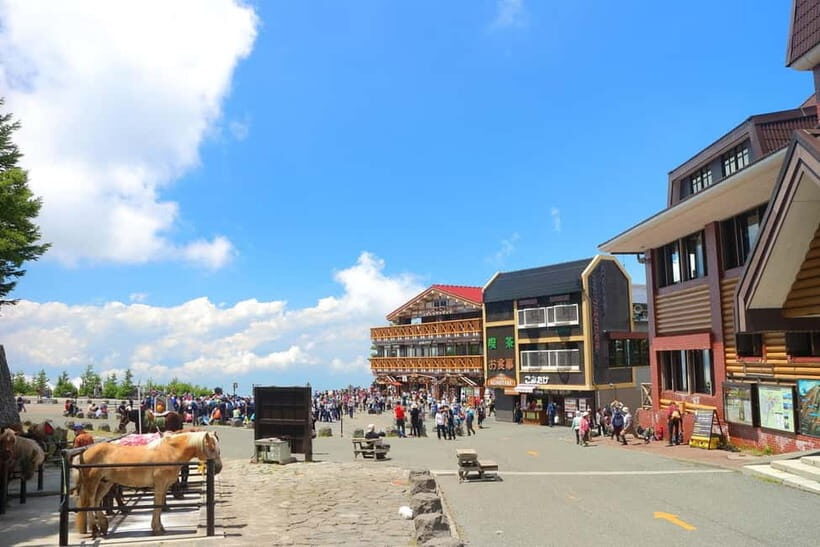
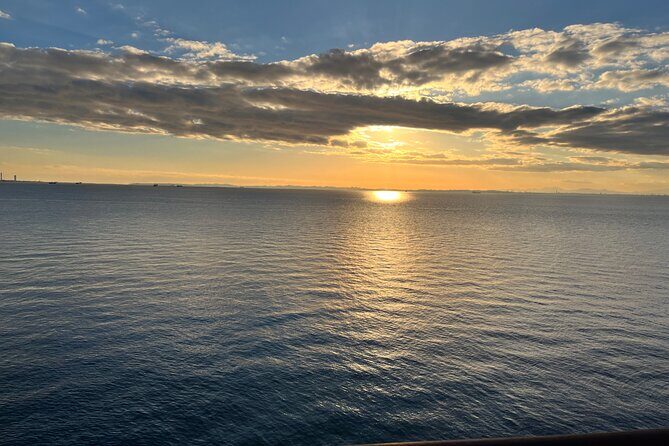
After Daikoku, the tour shifts from parking-area car culture to ocean perspective at Umihotaru. This stop is about 2 hours, and admission is included. Umihotaru is a man-made island that you can reach by a bridge or through a tunnel that runs underneath the ocean, which turns the ride itself into part of the experience.
Why I like this stop for your itinerary: it gives your eyes a break. After looking closely at cars, you get distance and horizon views. The island also works well if you want an easy meal or drink during the outing, since there are restaurants and places to grab food and beverages on-site.
A realistic note: the tour data doesn’t spell out exactly what’s open or where you’ll eat, so treat this as a flexible time block. If you’re hungry, use Umihotaru as your chance to handle it. If you’d rather keep it simple, just plan on using it for the views and a relaxed reset.
Hakone Turnpike and Daikanyama: The Mount Fuji View Depends on the Sky
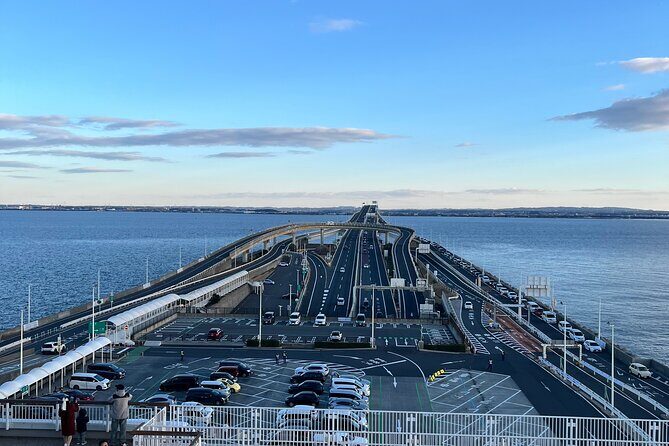
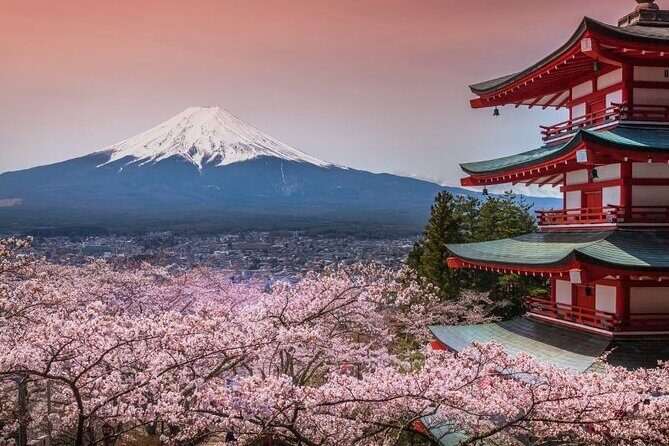
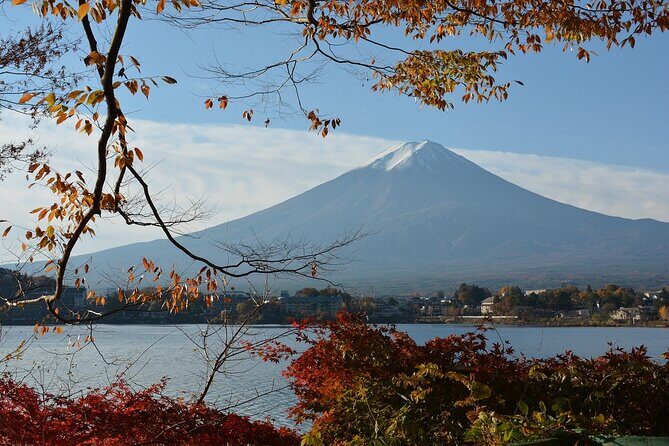
The third stop leans into one of Japan’s classic rewards: a mountain view. You’ll drive the twisty roads to a Hakone Turnpike parking lot area called Daikanyama, and you’ll have about 2 hours here. Admission is included for this stop too.
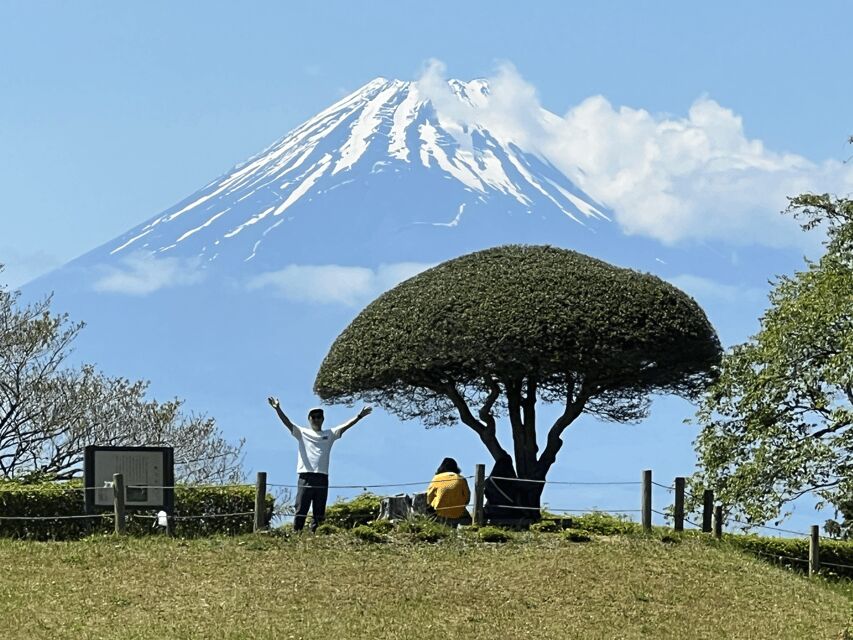
The payoff is a potential view of Mount Fuji, weather permitting. The tour description is direct about the downside: some days will be cloudy with low visibility. That means you’re not buying guaranteed Fuji, you’re buying a drive and a lookout attempt done in the right place.
Still, there’s value even when Fuji is muted. A turnpike drive gives you a sense of elevation and curvature that you don’t get on flat city streets. And if you’re traveling on a day when skies are clear, this is exactly the sort of viewpoint where Fuji turns a normal photo into something memorable.
A practical tip for your day: if you care most about seeing Fuji, don’t treat the lookout time as casual. Use the full time block, watch how clouds move, and be patient. When visibility improves, it can happen fast, especially in coastal-to-mountain weather shifts.
Price and Value: How $130.64 per Group Really Plays Out
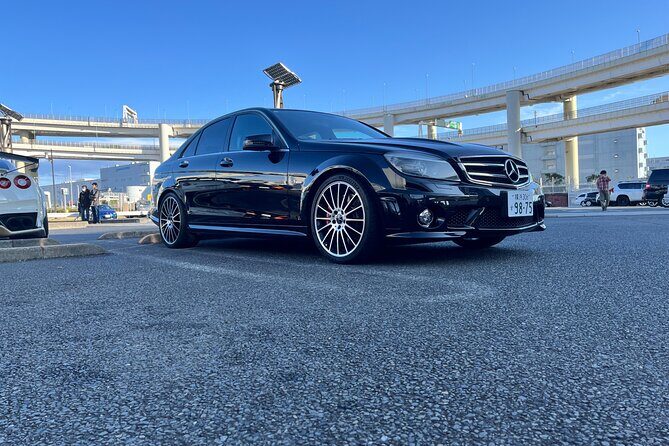
At $130.64 per group (up to 4), this pricing model is built for shared transportation. You’re not paying per person, and you’re not paying extra for the other seats within the group size. For small groups, that’s often the difference between a “nice idea” and a “why didn’t I do this earlier” moment.
To judge value, think about two things:
- You’re paying for private car time plus included admission components at Umihotaru and the Hakone Turnpike lookout stop.
- You’re also paying for a guide who can help you understand what Daikoku PA is about and how to experience it well.
The tour includes bottled water, but it doesn’t include lunch, dinner, snacks, or alcohol. That’s not a dealbreaker, but it means you should budget for food on your own. If you plan to eat during the day, build it into Umihotaru’s time window since it’s the most explicitly built-in meal opportunity.
When the price is especially good value: if you have 3 or 4 people, or if you want the flexibility of a private outing rather than piecing together train lines, buses, and timed transfers. When it might be less compelling: if you’re traveling solo and you don’t care much about a guide’s role beyond simple transport.
What the Private Car Format Changes for You
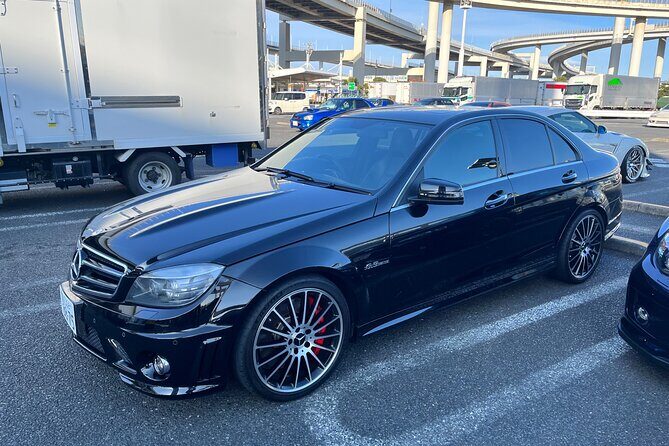
A private tour changes the emotional feel of a day trip. You don’t have that constant background stress of “Are we missing our connection?” or “Will we have enough time to do everything?” Instead, your schedule is centered on the stops, and your guide can adjust the flow so the car culture time doesn’t feel rushed.
From the feedback, Frederick also makes the experience comfortable by letting you take your time. That matters at Daikoku PA, where the best experience is a slow wander with stops for photos and comparisons. People also appreciated that he gives tips on how the night usually goes, which can help you calibrate your expectations if you’re there later in the day.
One more practical point: you receive a mobile ticket. That keeps things simple and reduces the chance of last-minute paperwork issues. The tour also ends back at the original meeting point, so you’re not piecing together a return.
Timing, Duration, and Choosing the Right Length
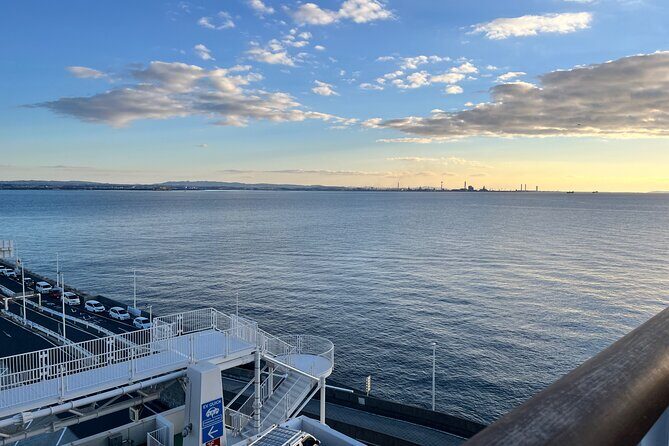
The tour duration is listed as 2 to 6 hours (approx.). That range is important because it suggests you might not always do every stop in one sitting, depending on the specific option you select. In practice, you should expect each major segment—Daikoku, Umihotaru, and the Hakone Turnpike lookout—to run on the longer side (around 2 hours each) when included.
Your best move is to think about what you care about most:
- If you’re here mainly for cars, prioritize the Daikoku time and don’t overpack your day with extra plans afterward.
- If ocean views and a break from the city matter to you, keep Umihotaru in the mix.
- If Fuji is your top goal, plan for the reality that weather can spoil it, but still make the drive attempt worthwhile.
The meeting point is in Yokohama at the address in Nishi Ward (Minamisaiwai, Foodies Port area). That’s convenient if you’re already staying in or near central Yokohama, and it keeps the trip from feeling like a full-day commute ordeal.
Who This Tour Fits Best (and Who Might Prefer Something Else)
This is a strong match if you:
- Love Japanese car culture or just want to see Daikoku PA with a guide who can explain what you’re looking at.
- Want a private outing for up to 4 people with a single group cost.
- Appreciate a route that mixes car viewing with scenic breaks and a possible Fuji viewpoint.
It’s less ideal if:
- You only want guaranteed views of Mount Fuji no matter what the sky does, since the tour explicitly notes cloud and low visibility can happen.
- You’re not interested in cars at all, because Daikoku PA is the core of the experience.
If you’re a small group of friends, this setup often feels tailor-made. Frederick’s English communication also helps a lot if you’d rather understand the scene than just watch it pass by.
Should You Book This Daikoku + Umihotaru + Hakone Route?
I’d book it if your idea of a great Japan day includes iconic car culture plus a scenic road-and-view element. The private price model is especially attractive when you’re traveling with friends or family and you don’t want to manage transport on your own.
Make your decision with one honest question: how much do you care about the possibility of Fuji? If you’re okay with clouds being a real risk, the Hakone portion still gives you a memorable drive and a proper lookout time window.
If you want a car-focused highlight done well, Frederick timing and guidance seem to be a big part of why people rate this so highly. For $130.64 per group up to four people, with bottled water included and admission built into key stops, it’s a solid value way to experience Daikoku PA without turning your day into a logistics project.
FAQ
How much does the tour cost?
It costs $130.64 per group, up to 4 passengers.
How long is the experience?
The duration is listed as approximately 2 to 6 hours.
What attractions are included during the tour?
The plan includes a stop at Daikoku Parking Area, plus Umihotaru, and then the Hakone Turnpike Daikanyama parking lot for views of Mount Fuji when weather allows.
Are tickets included?
Admission is free for the Daikoku Parking Area stop. Admission is included for Umihotaru and for the Hakone Turnpike Daikanyama parking lot stop.
What’s included in the price besides transportation?
Bottled water is included.
Where does the tour start and end?
It starts at the Foodies Port meeting point in Nishi Ward, Yokohama, and ends back at the same meeting point.
Is this a private tour?
Yes. It’s a private tour/activity, and only your group participates.
Will I get a mobile ticket?
Yes, the tour uses a mobile ticket.
Is there a weather requirement or cancellation option?
The experience requires good weather. If it’s canceled due to poor weather, you’ll be offered a different date or a full refund. You can also cancel up to 24 hours in advance for a full refund.