REVIEW · ODAWARA
Odawara: Guided Ninja & Samurai Tour of Odawara Castle
Book on GetYourGuide →Operated by Odawara Tourism Association · Bookable on GetYourGuide
Ninja training in a real castle town sounds like fantasy, but it’s practical fun. This Odawara experience mixes a guided walk with authentic armor sightings and a hands-on ninja workshop that runs after regular hours.
I especially like how the history is grounded in what you can see at the Samurai Museum and how the classroom part is led by named instructors, including Shidou for the ninja training. I also like that the guides keep it friendly and question-friendly, so you’re not stuck just listening.
One consideration: there’s no food or drinks included, and you’ll be moving for about 150 minutes, so plan snacks and water if you need them.
In This Review
- Key things I’d mark on your mental map
- Why Odawara Castle works so well for ninja stories
- Meeting at 小田原城NINJA館 and getting your bearings fast
- Samurai Museum time: helmets, armor, and the real feel of weapon culture
- Tokiwa Kimon Samurai Center: a quick guided stop that keeps momentum
- Odawara Castle Park walk: Hojo-era stories you can picture
- The core experience: Ninja Museum hands-on training after regular hours
- Weapon practice and ninja skills: shuriken, darts, and “becoming” a ninja
- Guide quality and the role of English instruction
- Price and value: what $116 buys you in 150 minutes
- Who should book this ninja and samurai tour
- What to bring and how to get the most out of the class
- Should you book this Odawara ninja and samurai tour?
- FAQ
- How long is the Odawara guided ninja and samurai tour?
- Where do I meet the guide?
- Is the tour available in English?
- What’s included in the price?
- Are food and drinks included?
- Can I get a refund if I cancel?
Key things I’d mark on your mental map
- Start at the 小田原城NINJA館 (Ninja Museum area) so the day stays focused on ninja energy from minute one
- Samurai Museum + Tokiwa Kimon Samurai Center add short, guided stops beyond the main castle grounds
- Odawara Castle Park walk connects the sites to stories about samurai and ninjas, plus seasonal blossom vibes
- After-hours access to the Ninja Museum turns it into a real workshop, not just a photo stop
- Practical training includes breathing, meditation, movement, and tools like shuriken and sword
- Kids and mixed groups seem to get activities that match different ages, not just one rigid script
Why Odawara Castle works so well for ninja stories
Odawara sits just south of Tokyo, tucked between the Pacific and the Hakone mountains. It’s an easy day trip base, but it also has the kind of setting that makes feudal Japan feel close. You’re not bouncing around random neighborhoods. You’re in a castle park area where the stories match the terrain.
What I like about this tour format is that it gives you two different lenses. First, you get the visible stuff: armor, helmets, swords, and the built environment of Odawara Castle. Then you get the bodily stuff: breathing, focus, movement, and weapon practice in a structured training session. That mix helps the ninja/samurai theme make sense, instead of staying stuck in costumes and movie clichés.
Timing matters, too. The main walk portion is designed to keep energy up, and the most memorable part shifts into an interactive workshop later in the day when the Ninja Museum experience can feel more like an event than a quick visit.
Meeting at 小田原城NINJA館 and getting your bearings fast

The tour’s meeting point is at the Ninja Museum area, listed as 小田原城NINJA館. Starting there makes the theme feel consistent: you’re not spending the first hour commuting to “the ninja part.” You start where the training is anchored.
Another practical plus is the “skip the ticket line” note. That’s not a small thing in Japan when you’re balancing limited time and a schedule that includes a walking tour plus a class. It helps you stay on pace, especially if you’re doing this as a Tokyo day trip.
Finally, it’s an English-led experience with a live guide. The wording is clear that you’ll have English support throughout the tour, so you’re not stuck translating your way through museum labels and historical context.
Samurai Museum time: helmets, armor, and the real feel of weapon culture
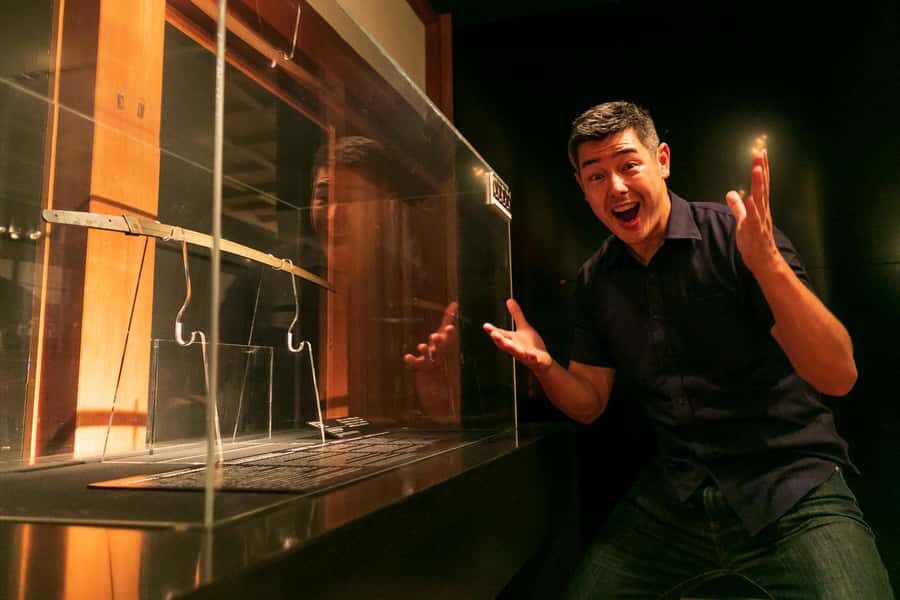
The tour includes entry to the Samurai Museum, and that’s a major value piece. Instead of relying on vague descriptions, you get to see authentic samurai artifacts up close. The experience is guided, so you’re not just standing in front of glass wondering what you’re looking at.
This part matters for two reasons. One, armor and helmets are easier to understand when someone connects them to roles and symbolism in feudal culture. Two, the visual details make the later ninja training feel less like pure entertainment and more like a look at a linked world of tactics and discipline.
The tour is also built around short guided stops that keep the day moving. You’ll spend time inside, but it won’t become a slow crawl.
Tokiwa Kimon Samurai Center: a quick guided stop that keeps momentum
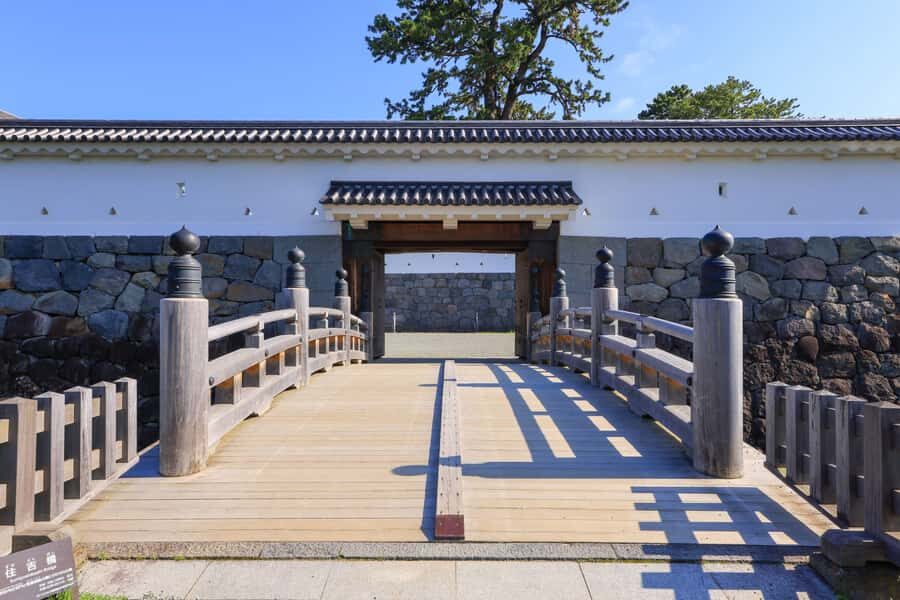
You also visit Tokiwa Kimon Samurai Center for about 20 minutes with guided time included. This is a smaller segment compared with the castle grounds and the ninja workshop, but it helps fill in context without dragging the schedule.
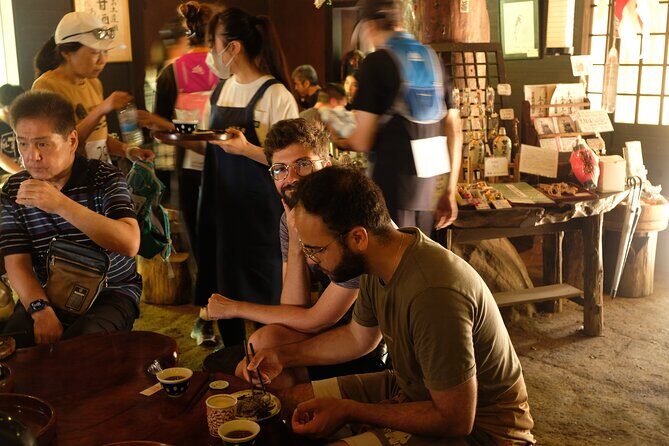
Why I like it: it acts like a “pause with purpose.” After walking outdoors and before the hands-on training, you get another guided look at samurai-themed materials and ideas. That kind of pacing is ideal if you’re traveling with kids, or if you want the day to feel like a sequence rather than two separate attractions stapled together.
Odawara Castle Park walk: Hojo-era stories you can picture
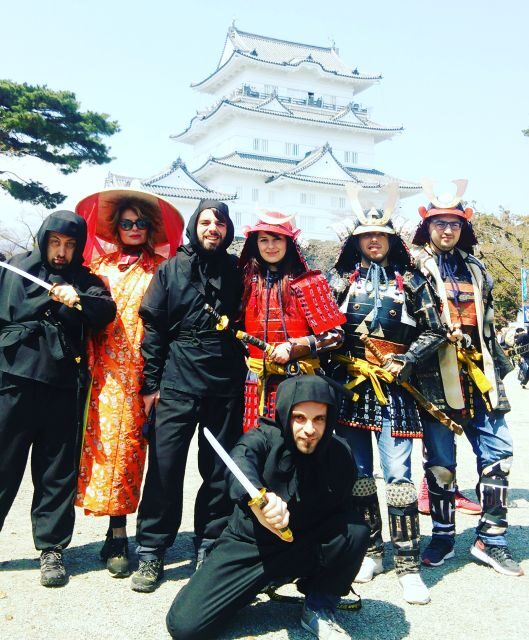
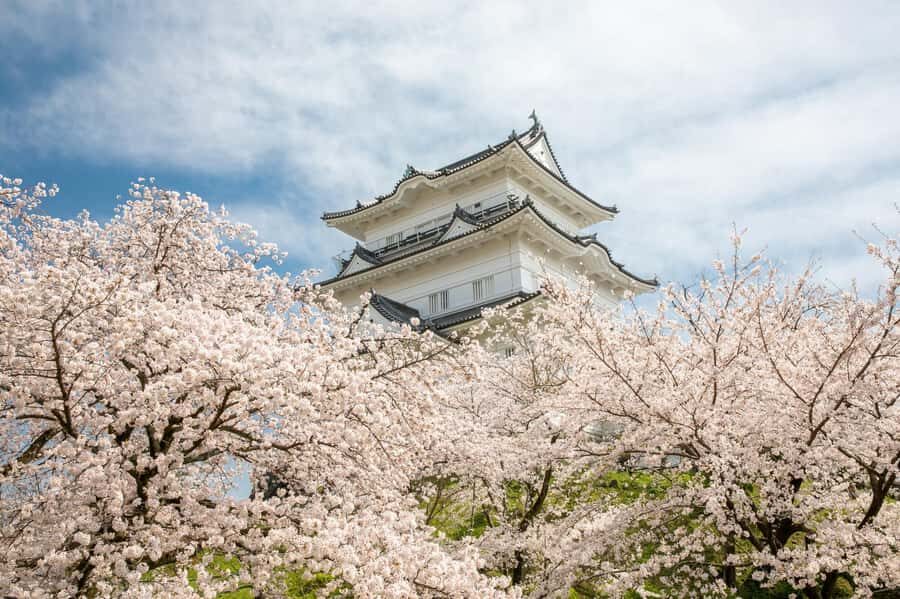
The walking portion takes you through Odawara Castle Park and the castle area, including the Castle Main Keep area. The guide shares stories about ninjas and samurai in feudal Japan, and you’ll also hear specifics about how the Hojo clan ruled the area for five generations during the Sengoku period.
That Hojo connection isn’t just trivia. When you learn who held power in the region and for how long, the castle becomes more than a pretty structure. It becomes a historical anchor point for the kinds of conflict and training that shaped both samurai and shinobi lives.
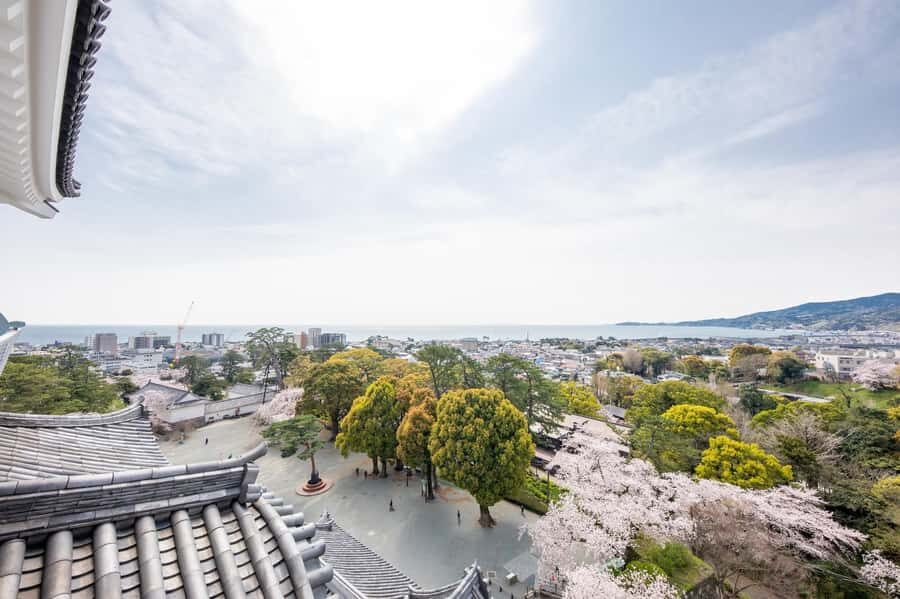
You’ll also get seasonal atmosphere, including blossom viewing when conditions line up. Even if blossoms aren’t peak while you’re there, the park setting is still a good match for a guided walking tour. It’s the kind of place where a short stop for photos feels natural, not forced.
One small practical note: you are walking. If you don’t do well on your feet, wear supportive shoes and keep your pace relaxed. The schedule is built for a guided stroll, but it still adds up over 150 minutes.
The core experience: Ninja Museum hands-on training after regular hours
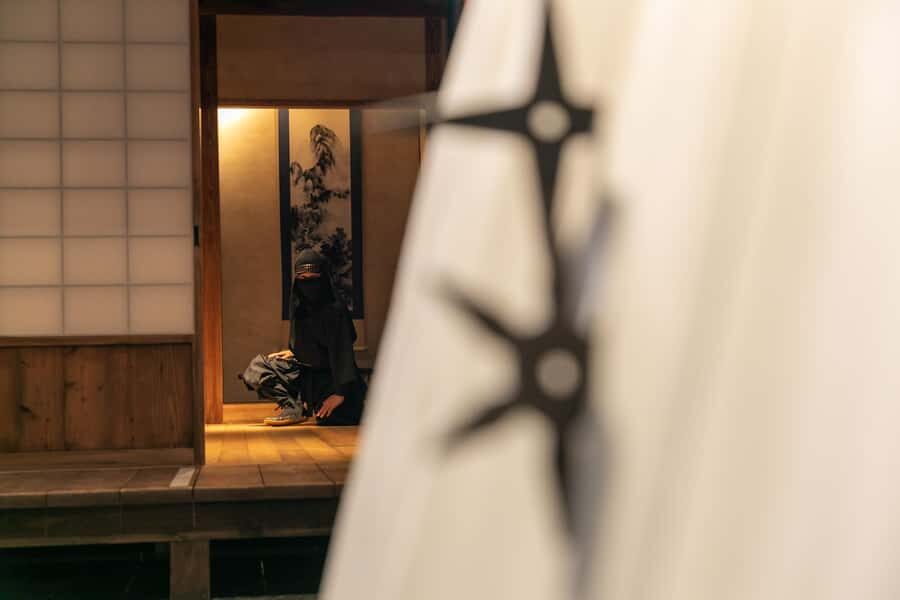
The biggest event is an exclusive interactive workshop at the Ninja Museum after regular hours. This is where the day stops being sightseeing and becomes something you do.
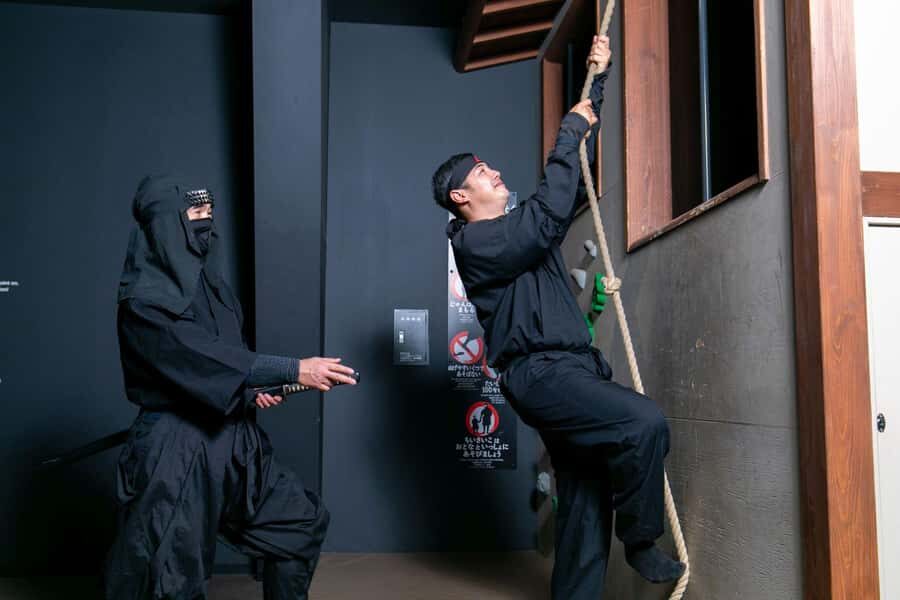
You’ll be provided ninja attire for the workshop. Then the training runs through fundamentals that go beyond weapon talk:
- breathing techniques
- meditation and focus
- movement basics
- practice with ninja tools and weapons such as shuriken and sword
- ending with iconic ninja hand gestures
This structure is a smart way to teach. It gives you a framework before you try anything flashy. And because the session is interactive, you’re not passively consuming history. You’re using your body to understand the idea of discipline, calm, and controlled motion.
From the way the class is described in feedback, the instructors also handle different comfort levels well. That matters if your group includes kids or first-timers who are curious but nervous.
Weapon practice and ninja skills: shuriken, darts, and “becoming” a ninja
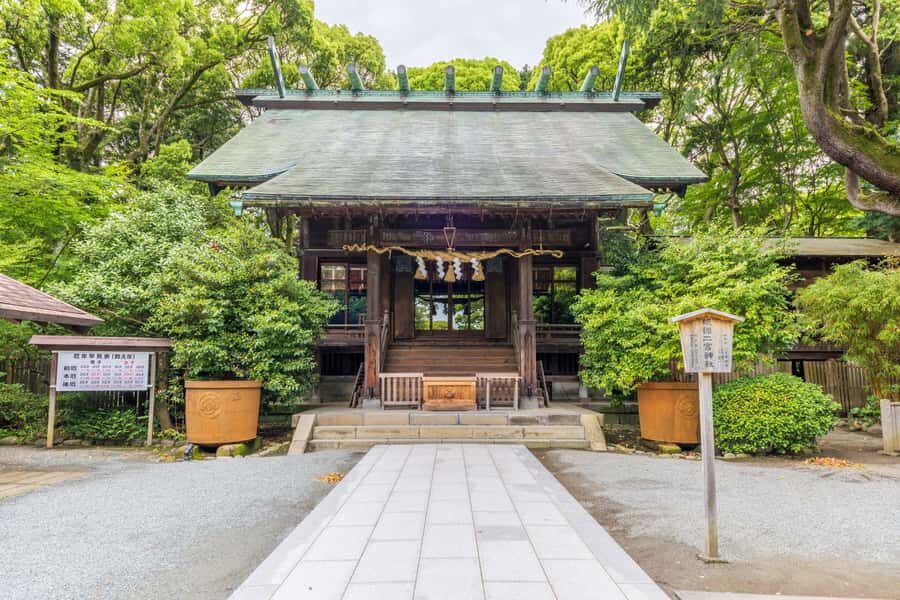
The ninja training isn’t only theory. People highlight hands-on moments that sound like the session’s emotional peak: throwing ninja stars (shuriken) and even practicing with blow darts at targets. There’s also mention of sword practice within the class.
I like that the weapons are treated as part of a skill set, not as random props. You don’t just swing and hope. You practice technique, focus, and control, then connect that to how ninja training is supposed to work in principle.
A few review details add color on what this feels like in real life. The ninja instructor is described as energetic and encouraging, and in multiple accounts the class vibe is fun and friendly, with patience when people fumble through throwing. If you’re traveling with a child who’s in a ninja phase, this is exactly the kind of activity that turns interest into a memory.
There’s also a playful element at the end, with one report mentioning people being nominated ninjas. Even if you don’t expect a ceremony, you should expect a finish that feels like a step into the theme rather than a quick wrap-up.
Guide quality and the role of English instruction
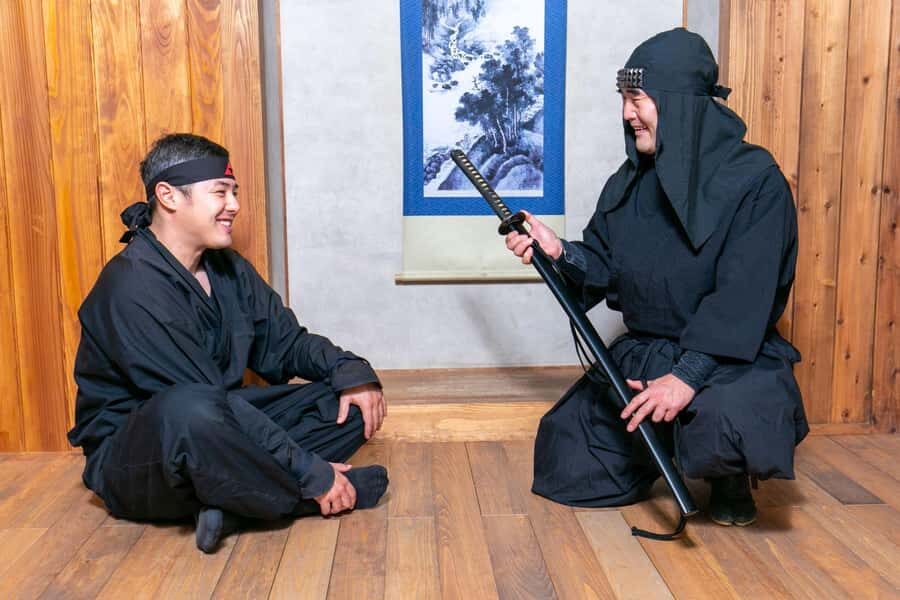
The guides get praised for being warm, friendly, and helpful, and they also answer questions. Names that come up include Jeff for the history tour portion and Naoya for the guide role in some groups. The ninja instructor name Shidou also appears in feedback, and there are mentions of Ninja Shudo in the leadership of the ninja side.
Why that matters: ninja-themed tours can go two ways—either all performance, or all lecture. Here, the balance seems to be practical and conversational. You get the stories (like the Hojo clan and feudal Japan context), then you get to test the skills.
If you care about asking questions—how something relates to the era, why a technique matters—this format is built for that kind of back-and-forth.
Price and value: what $116 buys you in 150 minutes
At $116 per person for about 150 minutes, this isn’t the cheapest thing on a list, but it’s also not priced like a full-day tour with transportation. What you pay for is time plus instruction plus paid entry.
Included items are key to the value math:
- guide-led walking and museum time
- entry tickets to the Samurai Museum
- entry tickets to the Ninja Museum
- ninja attire for the training workshop
And the class itself is the differentiator. You’re not just seeing artifacts; you’re doing a guided training session that includes breathing, meditation, movement, and weapon/tool practice.
The one thing you’ll need to budget separately is food. There’s no food or drinks included, so plan a meal or snacks around your schedule. If you’re doing this as a day trip, build in time before or after so you’re not running on empty.
Who should book this ninja and samurai tour
This is a strong fit if you want:
- hands-on fun that still has historical framing
- an English-led experience with real guided explanations
- a castle-park walk paired with a structured class, not just sightseeing
- an activity that works for families (there are notes about different activities for younger children)
It’s also a good match for couples who like themed experiences that lead to something memorable. One of the best things about this kind of workshop is that you share a moment doing the same activity, then take photos right after.
What might not suit you: if you want a quiet, slow museum day with zero physical activity, you may find the workshop portion more active than you expected. The goal here is participation.
What to bring and how to get the most out of the class
I’d show up ready to move. That means:
- comfortable shoes for the castle park walking time
- a water plan, since food and drinks aren’t included
- layers for the season (you’ll be outdoors during the walk, then inside for training)
If you’re bringing kids, this is where the pacing helps. The training is interactive and described as engaging for different ages, and instructors seem to run sessions with patience. Still, set expectations early: this is a class with rules and technique practice, not free-running around the room.
Should you book this Odawara ninja and samurai tour?
I’d book it if you’re doing Odawara as a Tokyo-area escape and you want more than a standard photo stop. The combination of castle-ground stories (Hojo clan era), real samurai museum artifacts, and an after-hours ninja training workshop gives you a full theme arc in 150 minutes.
Skip it only if you’re chasing a purely academic history experience with no hands-on component, or if your schedule can’t handle moving around for the full session.
If you’re on the fence, here’s my simple test: if you’d rather do something than just look, this tour is your kind of plan.
FAQ
How long is the Odawara guided ninja and samurai tour?
The tour duration is 150 minutes.
Where do I meet the guide?
Meet your guide at the entrance of the Odawara Castle Ninja Centre (Ninja Museum), listed as 小田原城NINJA館.
Is the tour available in English?
Yes. The tour includes a live tour guide in English.
What’s included in the price?
Included are the guide, entry tickets to the Samurai Museum, entry tickets to the Ninja Museum, and ninja attire for the training workshop.
Are food and drinks included?
No. Food and drinks are not included.
Can I get a refund if I cancel?
Yes. Free cancellation is available up to 24 hours in advance for a full refund.