REVIEW · TOKYO
One day mountain Fuji & Hakone tour with English hindi bilingual
Book on Viator →Operated by Friendly Tour · Bookable on Viator
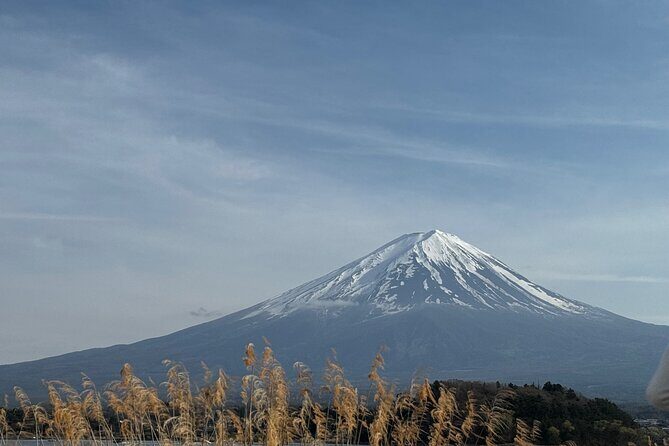
Fuji does not do subtle, and this day tour helps you chase the best views without fuss. You’ll ride out of Tokyo with a bilingual English–Hindi guide, move at a smart pace, and hit classic stops around Lake Kawaguchiko and Hakone, from historic shrines to volcanic scenery.
Two things I really liked: you get Mt. Fuji photo opportunities built into the route, and you can relax because you’re not sorting trains, transfers, or ticket lines all day. One thing to keep in mind: if weather turns foggy, the top views—especially around ropeway/gondola points—can be limited, so plan for the day to be a mix of sights plus a bit of weather luck.
In This Review
- Key highlights worth your attention
- Why this Fuji and Hakone combo feels efficient from Tokyo
- Price and what’s actually included in your $465 group rate
- Starting with pickup and a guide who handles the day
- Saiko Iyashi no Sato Nemba: old thatched roofs and quiet history
- Arakurayama Sengen Park: red pagoda, Fuji in the frame, and 398 steps
- Kitaguchi Hongu Fuji Sengen Jinja Shrine: cedar forest calm
- Oshino Hakkai: eight ponds, koi, and fast local snacks
- Lake Kawaguchiko: boat and ropeway-style views without rail stress
- Mt. Fuji 5th Station at 2,300 meters: the big altitude moment
- Lake Ashinoko: the pirate-cruise vibe and the floating torii
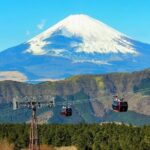
- Owakudani Valley: ropeway access to a volcanic zone
- Photo strategy for a day that depends on weather
- Who this tour suits best (and who should think twice)
- Should you book this Fuji and Hakone one-day tour?
- FAQ
- FAQ
- What time does the tour start?
- How long is the Fuji and Hakone tour?
- Is pickup included?
- How big is the group?
- What languages are covered?
- What’s included in the tour price?
- What costs are not included?
- Can I get a full refund if I cancel?
Key highlights worth your attention
- Bilingual English–Hindi guidance that makes tough-to-navigate places easier to enjoy
- Mt. Fuji 5th Station at about 2,300 meters, with big “most famous mountain” payoff if skies cooperate
- Old village + shrine stops that add culture, not just scenery
- Lake Kawaguchiko and Lake Ashi viewpoints with iconic water-and-torii moments
- Owakudani volcanic zone and the famous black eggs area for a different side of the region
Why this Fuji and Hakone combo feels efficient from Tokyo
A one-day Fuji and Hakone run is a lot to fit in, but the magic here is that the stops are grouped by geography. Instead of bouncing randomly, you’re moving through a tight circuit: Lake Kawaguchiko area first, then up toward Mt. Fuji 5th Station, and finally down into Hakone for Lake Ashi and Owakudani. That flow matters when you only have about 10 hours total.
You also start early enough to give yourself a shot at clear skies. The tour begins at 8:30 am, and you’ll be back in the Tokyo orbit later the same day—ideal if this is your first visit and you want the “greatest hits” without planning.
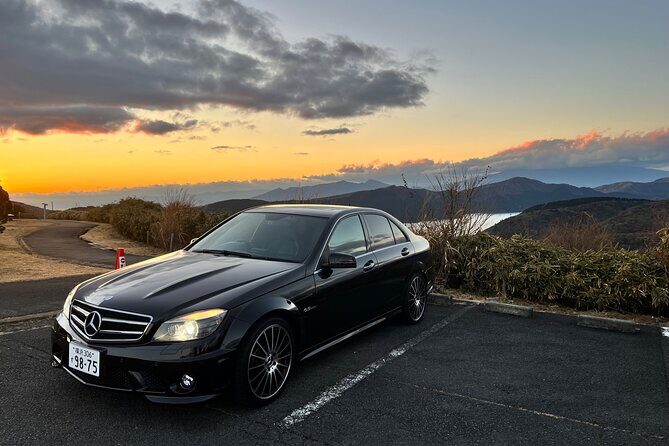
Another real-world win: you’re not figuring out local transport. You’re on an air-conditioned vehicle with private transportation. That means less time reading signs, fewer transfer mistakes, and more time looking up at the mountain. And because it’s a private group (up to 6), your guide can pace you rather than forcing everyone to move as a herd.
More Mt Fuji & Hakone tours we've reviewed
Price and what’s actually included in your $465 group rate
The price is $465 per group (up to 6), which comes out to good value if you’re traveling with friends or family. For a day that covers multiple regions—Fuji area plus Hakone—you’re paying for the convenience of a packed route done by a driver and guide, not just admission tickets.
What’s included: air-conditioned vehicle, all fees and taxes, and private transportation. That handles the “getting there” part.
What you’ll want to budget separately: lunch is not included, plus you’ll likely pay for certain top-draw views/entry points:
- Oshino Hakkai: free entry
- Arakurayama Sengen Park: free entry (but it’s stairs)
- Kitaguchi Hongu Fuji Sengen Jinja Shrine: free entry
- Saiko Iyashi no Sato Nemba: entry not included
- Mt. Fuji 5th Station: ¥2100 Mt. Fuji entrance fee and entry not included
- Lake Kawaguchiko boat/ropeway: tickets not included
- Lake Ashi cruise and Owakudani access by ropeway: tickets not included
So the headline price is fair for the distance and time, but it’s smart to assume you’ll spend some extra cash on the optional-but-famous rides and the Mt. Fuji 5th Station charges.
Starting with pickup and a guide who handles the day
You’ll meet at 8:30 am, and pickup is offered. There’s also a mobile ticket, which usually makes it faster at the start of the day.
The tour is described as English Hindi bilingual, and that’s a big deal in this part of Japan. Even when most signage is readable, asking questions at the right time makes the difference between just taking pictures and understanding what you’re seeing—especially at shrines, old villages, and volcanic areas.
In one recent group experience, the guide (Busal) was friendly and did the kind of small help that makes a day trip feel personal: he suggested a good lunch spot and helped with photos. That’s exactly what you want from a guide on a schedule-packed day—someone who can help you get the shot and keep you moving smoothly.
Saiko Iyashi no Sato Nemba: old thatched roofs and quiet history
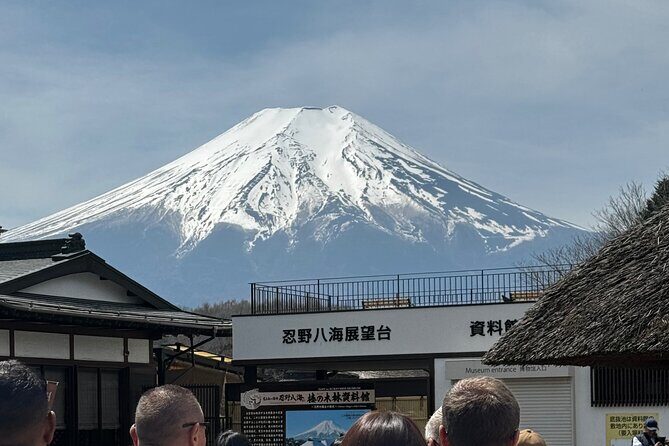
Your first stop is Saiko Iyashi no Sato Nemba, a traditional old village with more than twenty thatched-roof houses. Some structures are used for exhibitions and small museums, so you’re not only looking—you’re getting a sense of how this area lived long before the Fuji-view postcards.
This stop is priced separately: admission is not included, so you’ll pay it on the day. Still, it’s worth it if you want the day to feel more like a “Fuji region experience” and less like a checklist.
Why I like putting this first: it’s a reset. You come out of Tokyo energy, and within the first hour you’re in a quieter setting with slower pacing. Also, early in the morning, the lighting can be nicer for both photos and wandering.
A practical consideration: this is an indoor/outdoor mix, so bring a layer. If your day starts cold, you’ll be glad you’re not stuck only in open-air spots later.
Arakurayama Sengen Park: red pagoda, Fuji in the frame, and 398 steps
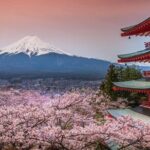
Next up is Arakurayama Sengen Park, famous for a five-storey red pagoda facing Mount Fuji. This is one of the classic postcard angles in the region, but it comes with a price: you climb 398 steps for the view.
Entry is free, so your cost here is mainly effort. The steps can be fine for many people, but if your group has limited mobility or just doesn’t love climbs, this is the part you’ll want to manage carefully. Since it’s private up to 6 people, you can usually move at your own pace, but the steps are still the steps.
What you gain: when visibility cooperates, this is the kind of composition that makes Fuji feel close enough to touch. Even if Fuji is partially hidden, the pagoda and viewpoint area still gives you a sense of the landscape around the mountain.
Other Tokyo + Mt Fuji + Hakone combo tours we've reviewed
Kitaguchi Hongu Fuji Sengen Jinja Shrine: cedar forest calm
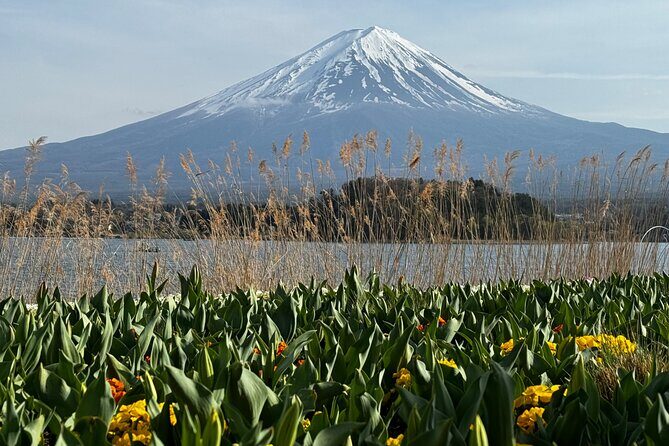
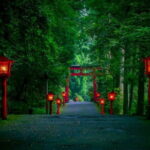
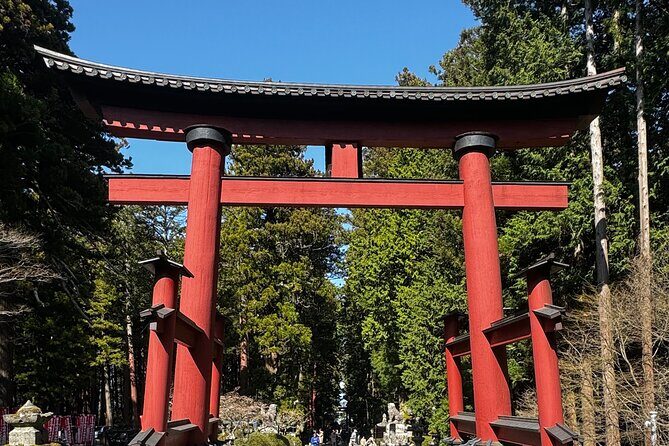
Then you’ll go to Kitaguchi Hongu Fuji Sengen Jinja, one of the oldest Shinto shrines in the Mount Fuji area, built around 100 AD. You’ll walk through a dense forest of cedar and pine trees, which changes the vibe fast.
This is free entry, and it’s a nice balance after the step climb. Think of it as your decompression moment: less strain, more shade, and a more spiritual atmosphere.
What to watch for: shrine grounds are active places. Even if you’re not practicing, you can still behave respectfully and take your time looking at the natural setting. The old-growth feeling in those trees is part of why this stop works.
If you’re traveling with kids or older adults, this is a good stop to slow down because it’s not just “walk to a view and leave.”
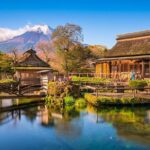
Oshino Hakkai: eight ponds, koi, and fast local snacks
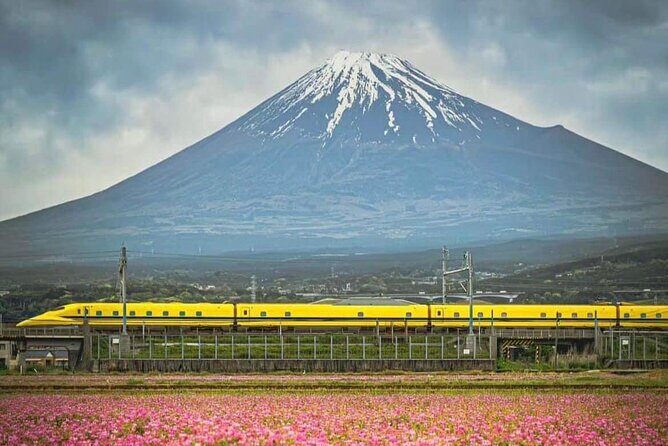
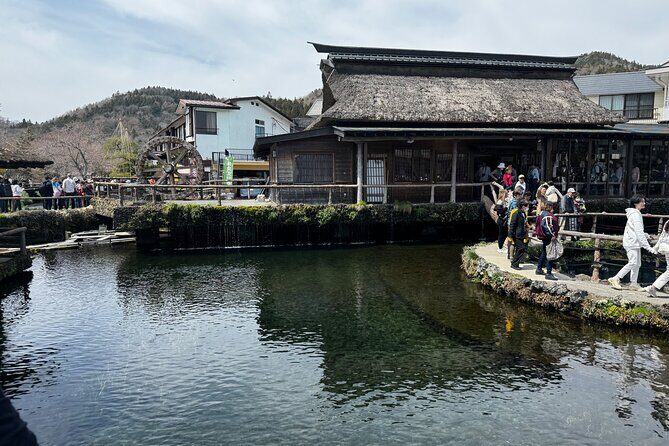
Oshino Hakkai is a traditional old village with eight spring-water ponds, known for koi fishes, plus souvenir shops and local food stalls. This stop runs about 1 hour, and entry is free.
I like Oshino Hakkai because it gives you something hands-on. You can see the ponds up close, take photos from multiple angles, and grab a quick bite without committing to a full sit-down lunch.
Also, it’s a convenient way to “stay Fuji-connected” while you wait for the next major viewpoint. If Mount Fuji is visible, it often feels like the whole area is framed for that mountain backdrop.
One practical note: this place can be lively, so keep your eyes on your group if you’re traveling with multiple family members.
Lake Kawaguchiko: boat and ropeway-style views without rail stress
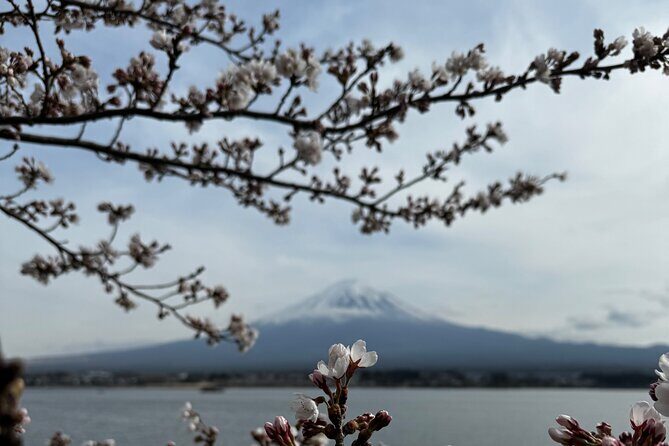
At Lake Kawaguchiko, you get a big water setting and classic Fuji-view opportunities. This is described as the most beautiful and biggest of the five lakes, and the stop includes time for a scenic boat ride and a ropeway option called Kachi Kachi Ropeway to see Mount Fuji plus city views.
Entry to the lake area is free, but the boat and ropeway tickets are not included, so plan for that cost.
Why this stop is valuable: lakes around Fuji often create better sightlines than you get in crowded city streets. A boat ride also gives you angles that feel different from standing on a single shore point.
If weather is clear, this is one of your best chances for a dramatic Fuji reflection look. If it’s not clear, you still get a calm scenic break between busier stops.
Tip for comfort: bring a light jacket. Even in warmer seasons, lake air can feel cooler and windy once you’re out on the water or near open viewpoint areas.
Mt. Fuji 5th Station at 2,300 meters: the big altitude moment
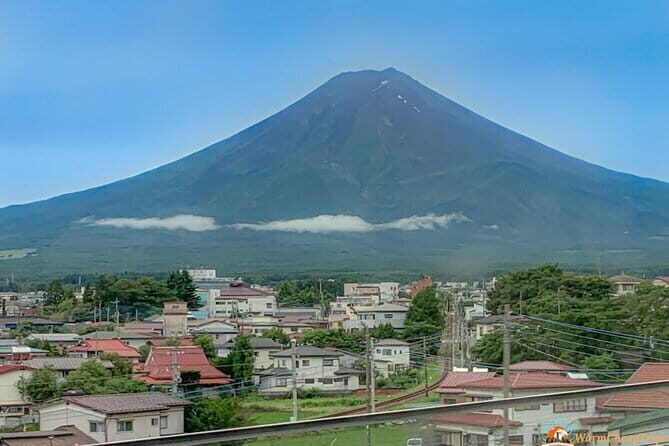
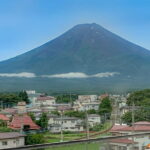
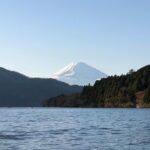
Now for the headline: Mt. Fuji 5th Station, at around 2,300 meters. You’ll have about 1 hour there, and you can expect views toward the mountain top and also toward Fujiyoshida city.
Two costs to note: the ¥2100 entrance fee and Mt. Fuji 5th Station entry/admission are not included.
Why the 5th Station matters: it’s the point where Fuji starts feeling less like a background and more like a destination. Even if you don’t climb higher, being at that altitude gives you a different sense of scale and weather—winds and temperature can shift quickly.
The realistic consideration: your view depends on conditions. If you hit cloud or fog, the goal becomes atmosphere and perspective rather than a perfect summit picture. Still, it’s one of the most iconic ways to experience Fuji in a single day.
If your group includes someone sensitive to altitude or cold, give them a slower pace at the start of this stop and keep breaks short but frequent.
Lake Ashinoko: the pirate-cruise vibe and the floating torii
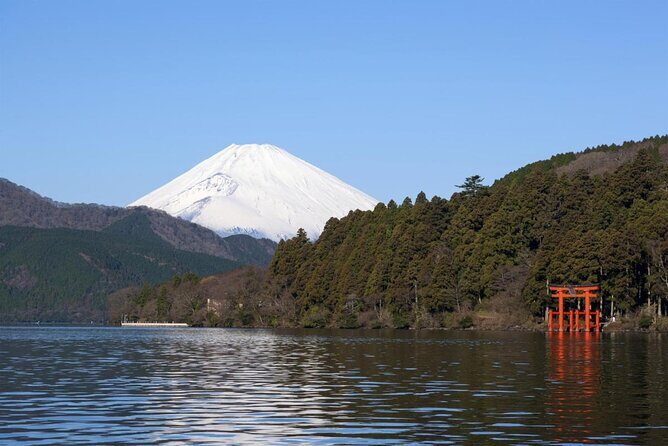
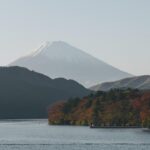
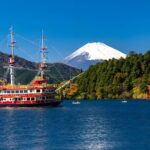
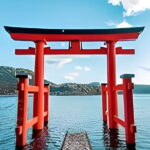
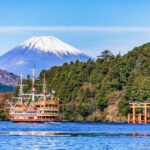
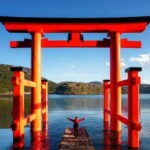
In Hakone, you’ll reach Lake Ashinoko (also called Lake Ashi in many tourist contexts). The stop is about 50 minutes, with a cruise option described as the famous pirate cruise boat—plus the famous view of Mount Fuji and a floating torii gate.
This is another “tickets not included” moment, so you’ll pay for the cruise separately.
What I like about this part of the day is the variety. You’ve had old villages and shrines; now you get movement across water. The boat ride also buys you a break from walking and stairs, which helps you save energy for the final volcanic stop.
If Fuji is visible, this is one of the most atmospheric ways to see it from the Hakone side. If it isn’t, you still get the torii silhouette and the feeling of being in a scenic caldera region.
Owakudani Valley: ropeway access to a volcanic zone
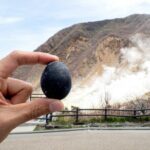
Your last big sight is Owaku-dani Valley. Access is described as reaching it by Hakone ropeway from Togendai station. Once there, you’ll be in a volcanic zone with souvenir shops and the famous black eggs.
This stop runs about 1 hour, and the ropeway/admission is not included. So again: expect to pay on-site for the ropeway ride.
Why this stop works: it turns Fuji from a “beautiful mountain you look at” into a reminder of the region’s active geology. The smell and the visuals around a volcanic zone are the kind of thing a book can’t replicate.
If it’s foggy, visibility can be reduced around viewpoints—but the experience still has personality. The volcanic theme keeps the day feeling like more than just transportation between photo spots.
Practical caution: volcanic areas can be windy and chilly depending on conditions. Bring a layer and keep your group close in more crowded ropeway transitions.
Photo strategy for a day that depends on weather
This kind of one-day Fuji and Hakone tour is always partly a weather game. Your job is not to get everything perfectly—it’s to get the best shots with the time you have.
Here’s how I’d play it:
- Be ready at each stop even if the view is unclear. Fuji can improve quickly between clouds.
- For the Arakurayama pagoda, wear shoes you can handle on steps. The climb itself is part of the payoff.
- At Mt. Fuji 5th Station, take your photos early in your hour. That’s when your eyes and camera settings are freshest before fatigue.
- For Lake Ashi and the torii moment, angle matters. If you’re on the boat, let the guide timing and your position on the deck guide your shots.
A small but real morale boost: a good guide helps. In the Busal-led experience, photo help was part of the service—meaning you get less wandering around trying to figure out where to stand and more time enjoying the view.
Who this tour suits best (and who should think twice)
This is a strong match for you if:
- You want Fuji and Hakone in one day without planning trains or timing logistics.
- Your group includes people who want a mix: shrines, lakes, viewpoints, and volcanic scenery.
- You value a private group up to 6 and want your schedule adjusted to your pace.
It’s also a good fit if you like structured sightseeing but still want room for questions. The English–Hindi setup makes it easier to understand what you’re looking at and why certain places matter.
Think twice if:
- Your group hates stairs. 398 steps at Arakurayama is not optional.
- You’re very weather-dependent and would be disappointed by fog/cloud limitations at ropeway and viewpoint areas.
Should you book this Fuji and Hakone one-day tour?
If you’re doing Tokyo first-time and you want the iconic Fuji and Hakone highlights without the mental load of DIY transport, this tour is a solid buy. The private up-to-6 format, early start at 8:30 am, and the way it mixes Lake Kawaguchiko, Oshino Hakkai, Mt. Fuji 5th Station, and Hakone’s Lake Ashi + Owakudani gives you a lot of variety for one day.
I especially like that you’re not just racing from one viewpoint to the next. The old village at Saiko Iyashi no Sato Nemba and the shrine at Kitaguchi Hongu Fuji Sengen Jinja add texture, so you leave with more than just photos.
One final “make the decision” tip: budget for extra ride/entry costs (boat/ropeway/¥2100 Mt. Fuji entrance) and pack for changing weather. If you do that, you’ll enjoy the day for what it is—an efficient, guide-led tour of some of Japan’s most memorable Fuji-and-volcano scenery.
FAQ
FAQ
What time does the tour start?
The tour starts at 8:30 am.
How long is the Fuji and Hakone tour?
It’s about 10 hours (approximately).
Is pickup included?
Pickup is offered, and transportation is private with an air-conditioned vehicle.
How big is the group?
It’s a private tour/activity with only your group, up to 6 people.
What languages are covered?
The tour is English and Hindi bilingual.
What’s included in the tour price?
Air-conditioned vehicle, all fees and taxes, and private transportation.
What costs are not included?
Lunch is not included. Tickets for the ropeway/boat rides are not included, and Mt. Fuji 5th Station has a ¥2100 entrance fee. Entry/admission for Saiko Iyashi no Sato Nemba and Mt. Fuji 5th Station is also not included.
Can I get a full refund if I cancel?
Yes. You can cancel up to 24 hours in advance for a full refund.