REVIEW · TOKYO
Mt Fuji and Hakone 1-Day Bus Tour Return by Bullet Train
Book on Viator →Operated by Japan Panoramic Tours · Bookable on Viator
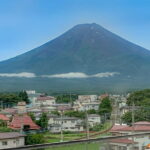
That first Fuji look hits hard.
If you want Mt. Fuji and Hakone in a single, packed day, this tour is built for it: bus you up to the 5th Station area, then it layers in Hakone’s ropeway and a cruise on Lake Ashinoko before sending you back to Tokyo by bullet train. I really like that it’s guided (professional English), with extra multilingual audio options, so you’re not just collecting photos—you’re getting context as you go. My one main caution: this plan is weather-dependent, and when wind or cold shuts down the ropeway/boat, your “fun extras” can shrink fast.
The pacing is the whole deal here. You’ll be on the move for about 11 hours, with short stops meant to fit the must-dos. I like that it keeps group size capped (up to 43), uses an air-conditioned coach with free Wi‑Fi, and includes a buffet lunch at the foot of Fuji if you choose that option.
Still, it’s not a gentle day. If you’re dealing with asthma, or you hate being outside in the elements (even for a bit), think twice. And if you’re carrying luggage for the Shinkansen, make sure you understand the size limits for non-reserved cars.
In This Review
- Key things to know before you go
- One Day, Two Icons: Mt. Fuji 5th Station plus Hakone
- Getting Out of Tokyo Early: Pickup, Bus Comfort, and Pace
- Mt. Fuji 5th Station Stop: Shrines, Air, and the Weather Reality
- Lunch at the Foot of Fuji: Buffet Style and Dietary Checks
- Hakone Ropeway and Volcanic Views: Why the Cable Car Is the Headliner
- Lake Ashinoko Cruise: Caldera Views and What Wind Can Change
- Odawara Station Transfer and Tokyo Station Finish: How the Shinkansen Shapes the End
- Price Value: What $163.26 Buys You (and What It Doesn’t)
- Tips to Make the Day Work: Timing, Photos, and Packing
- Who This Tour Fits Best (and Who Should Skip It)
- Should You Book This Mt. Fuji and Hakone Tour?
- FAQ
- How long is the Mt. Fuji and Hakone 1-day bus tour?
- Where are the pickup locations in Tokyo?
- What activities are included besides sightseeing?
- Is lunch included, and are dietary options available?
- What languages are available for audio guidance?
- Is there a luggage size limit for the Shinkansen return?
Key things to know before you go
- 5th Station timing is everything: you get only about 30 minutes, so your best “Fuji moment” depends on when clouds clear
- Guides can make the day: several guides highlighted in past tours include Levin, Sora, Hiro, Yuta, and Momo, and people consistently call out their energy and clear explanations
- Ropeway + cruise are the core payoff: these two stops are included, but strong wind can cancel them
- Lunch is optional (but common): the buffet is included only if selected, with vegetarian/Muslim-friendly options by request
- You finish on the Shinkansen: return is from Odawara to Tokyo Station, which is a smooth way to end the day
One Day, Two Icons: Mt. Fuji 5th Station plus Hakone
This is a “do the highlights” day trip, not a slow, meandering country stroll. The pitch makes sense: Tokyo is your base, but you get to touch two of Japan’s big hitters—Fuji and Hakone—without spending extra days on transport.
What I like most is how the day is sequenced for variety. You start with the sacred, high-altitude feel at Fuji’s 5th Station, then you swap into Hakone’s volcanic-meets-lakes vibe via ropeway and a Lake Ashi cruise. It’s a lot of motion, but it’s motion with a purpose.
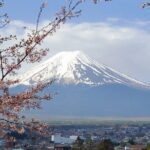
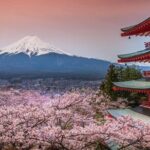
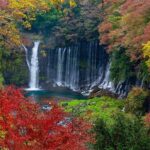
And yes, Fuji can be fickle. When you’re lucky with visibility, the payoff is huge. When you’re not, you’ll still get the structure and the viewpoints you paid for—just not always the same kind of views.
More Mt Fuji & Hakone tours we've reviewed
Getting Out of Tokyo Early: Pickup, Bus Comfort, and Pace
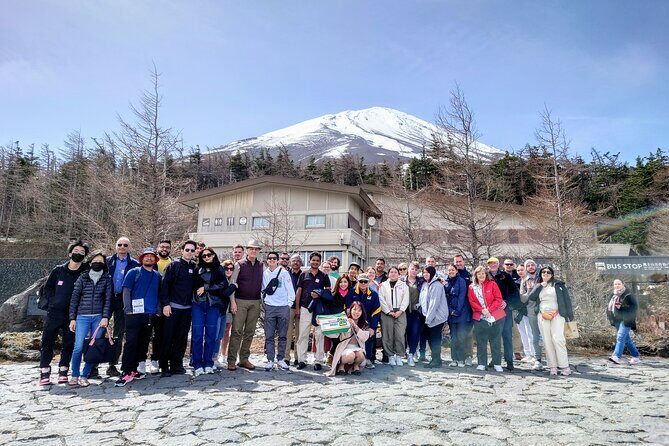
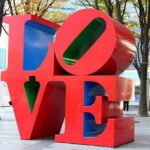
You start early. Pickups are either at Matsuya Ginza (7:20am) or LOVE Shinjuku (7:50am), and the overall day runs around 11 hours. That timing matters because Fuji and Hakone are sensitive to weather and operating hours, and you want daylight for views.
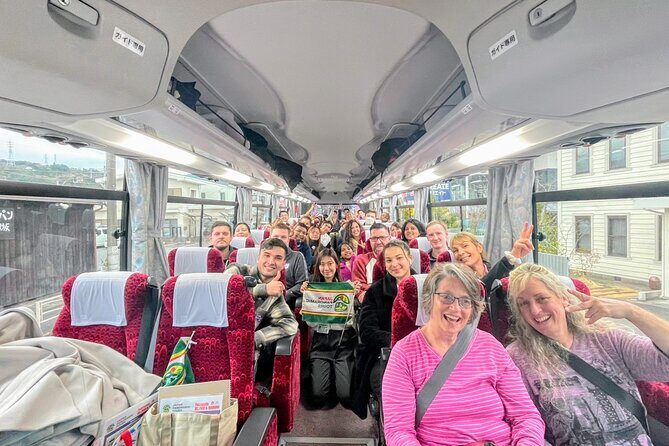
The bus is practical: air-conditioned, with free Wi‑Fi, and a guide who keeps the group moving. Audio support is also part of the package in multiple languages (English plus Spanish, French, Italian, German, Portuguese, and UK/Ukraine language options), which helps when you want to follow along without relying only on the guide voice.
The pace is fast. Each main stop is short—30 to 40 minutes here and there—so go in ready to move and make quick decisions on photos and souvenirs.
Mt. Fuji 5th Station Stop: Shrines, Air, and the Weather Reality
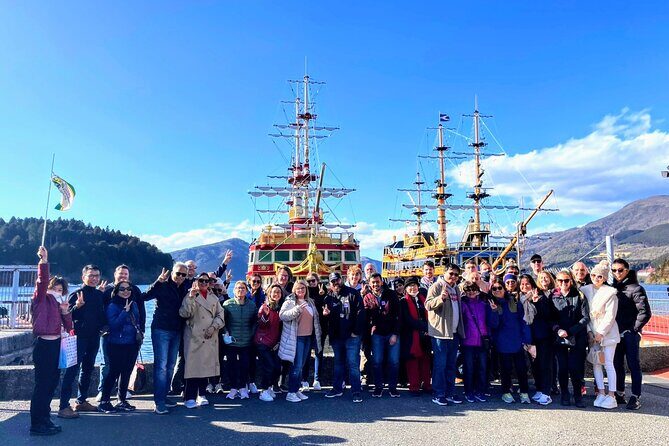
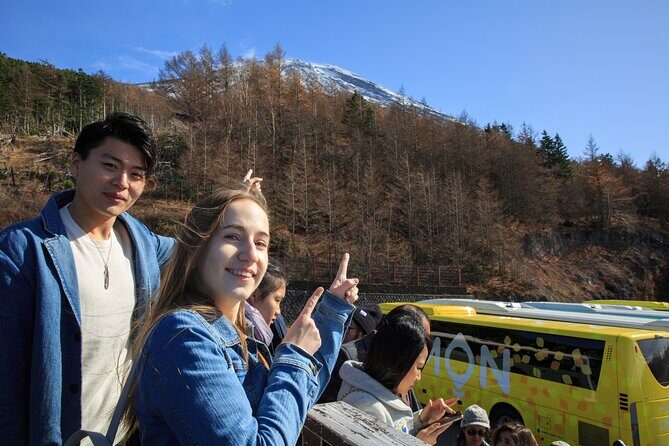
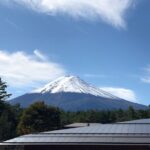
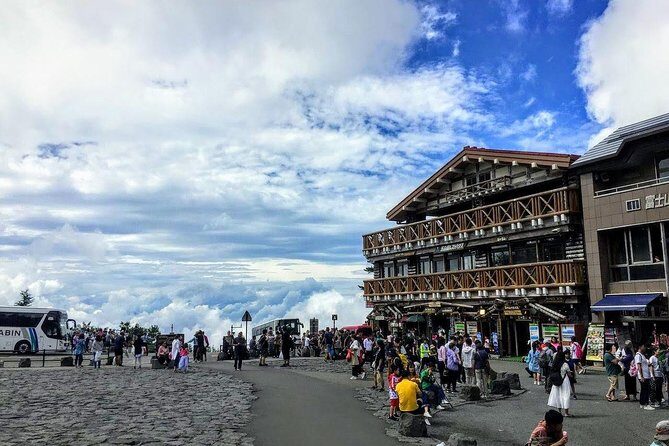
The day begins at Mt. Fuji 5th Station, with about 30 minutes on site. Admission there is free, which is a nice bonus. This is where you’ll breathe the thinner air, snap the closest-possible views, and feel the almost ritual feeling of the area.
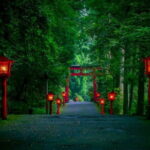
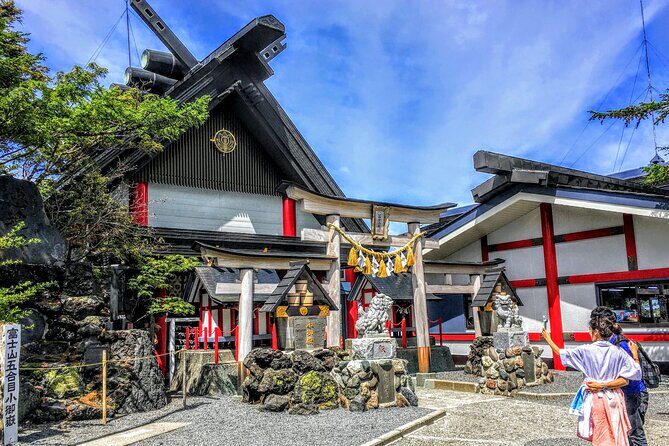
There’s also a Shinto shrine atmosphere at the 5th Station area. It’s one of those things that feels small on paper but changes the mood in person. You’re not just looking at a mountain—you’re stepping into a place people treat with respect.
Here’s the reality check. Access beyond 4th Station can depend on conditions, and on some days Fuji access changes due to regulations or weather. The tour may substitute nearby alternatives if the official stop isn’t possible. So if Fuji visibility is your one big goal, keep your expectations flexible and bring a backup mindset.
Practical tip: dress for wind. Even when it’s cold, the wind is what makes it uncomfortable fast, especially when you’re standing still waiting for a view.
Lunch at the Foot of Fuji: Buffet Style and Dietary Checks
Next you’ll head down to the foot of Fuji for a buffet lunch, roughly 40 minutes. This part is included if you choose the lunch option, and it’s positioned as local, fresh-food style.
The important detail: this lunch comes with dietary options, but not all the labels mean what you might hope. Vegetarian and Muslim-friendly lunch can be requested when booking. But halal-certified meals aren’t guaranteed, and the FAQ notes that the buffet may include items like fried noodles that contain pork. There are non‑pork and non‑alcohol options, but it’s not a dedicated halal kitchen.
If you have severe food restrictions, the safest play is to book without lunch and bring what you need. That’s explicitly recommended when restrictions are intense.
One more note from experience patterns: buffet lunch can feel hit-or-miss on “Japanese-ness” depending on what’s on offer that day. So if lunch is a major part of your trip planning, don’t expect a perfect, specific menu. Expect a decent meal that keeps the bus schedule on track.
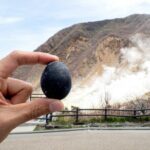
Hakone Ropeway and Volcanic Views: Why the Cable Car Is the Headliner
After Fuji, you pivot into Hakone. One stop in the Hakone area is built in (sometimes involving Mt. Hakone or Mt. Komitake), but the headline is the Hakone Ropeway.
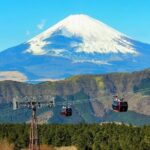
You get about 30 minutes there, and the fee is included. This is the cable car/gondola style ride with big views—especially when the weather cooperates. It also tends to be the most memorable “transport-meets-scenery” moment of the whole day because you’re moving above the volcanic landscape rather than just looking from the roadside.
Two practical things to know. First, queues can be long in busy seasons, so plan to wait. Second, wind is the joker in the deck. Strong winds have canceled the ropeway on some days, which can also cascade into losing the Lake Ashi cruise.
If the ropeway runs, you’ll feel like the tour earned its name. If it doesn’t, the day still functions, but the “wow” drops.
Other Tokyo + Mt Fuji + Hakone combo tours we've reviewed
Lake Ashinoko Cruise: Caldera Views and What Wind Can Change
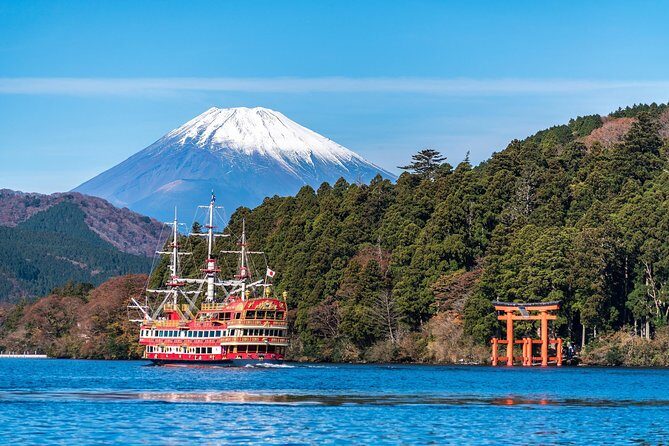
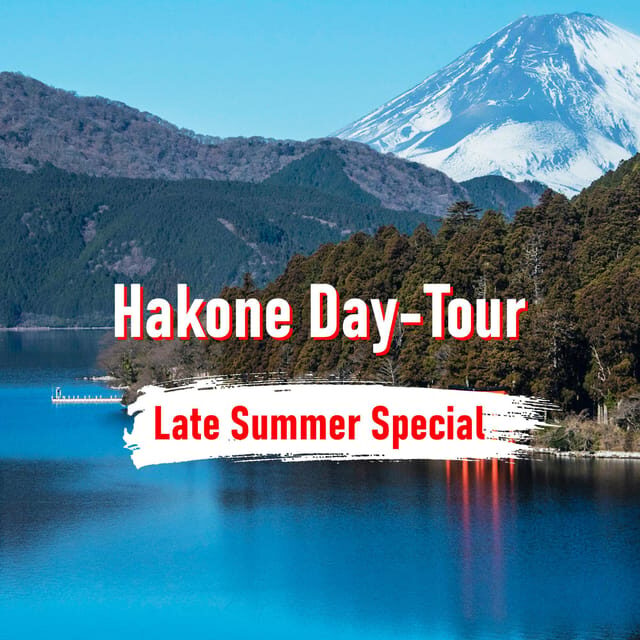
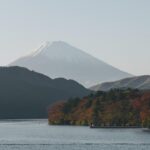
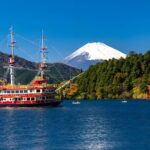
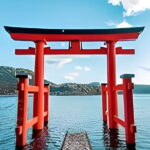
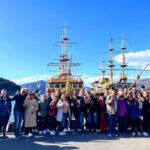
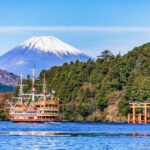
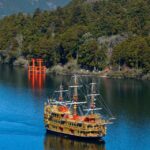
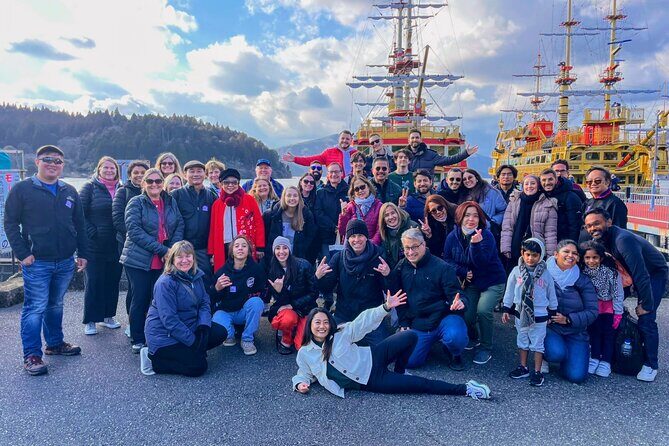
Lake Ashinoko (Lake Ashinoko / Lake Ashinoko cruise) is another included set piece. You’ll spend about 30 minutes on the cruise, and it’s designed as the breezy follow-up to the ropeway ride.
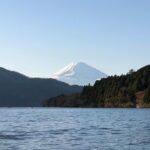
This is a caldera lake, so it has that dramatic volcanic-bowl geography even when visibility isn’t perfect. When it’s running, it’s a nice reset: you slow down a little, sit, and let the views come to you.
But again: weather. The cruise can be canceled when wind is strong. On canceled days, the tour swaps in alternatives (sometimes other lakes, or other attractions in the Hakone/Fuji region). The operator says refunds aren’t given for these changes, but they do try to offer alternative places or compensation depending on what’s closed.
Practical tip: pack for quick temperature shifts. You can feel colder on docks and in open-air parts of the cruise area even when it seems mild elsewhere.
Odawara Station Transfer and Tokyo Station Finish: How the Shinkansen Shapes the End

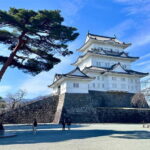
The tour ends in Odawara, where you’ll have a very short stop at a tourist information center (about 5 minutes). Then you take the bullet train (Shinkansen) back to Tokyo Station.
This is a smart finish. Instead of another long bus back into the city, you get rail speed and reliability. It also helps you avoid the most tiring part of these day trips: sitting in traffic after you’ve already had a full day of walking and waiting.
You’ll arrive at Tokyo Station around 18:10 and finish at the Tokyo Station gallery area. From there, you’re on your own for onward connections, so be sure your Tokyo plan is ready before you board the train.
And one luggage caution: if you’re traveling with large bags, remember the Shinkansen non-reserved car limit. The stated size guideline is a total height/width/length of 160 cm, with an example of 80 x 50 x 30 cm. If your bag is bigger, you’ll need to plan accordingly.
Price Value: What $163.26 Buys You (and What It Doesn’t)
At about $163.26 per person, the big question is value: is this “paying extra” for convenience, or are you actually getting a packed bundle?
Here’s what’s included: a professional English-speaking guide, an air-conditioned bus with free Wi‑Fi, pickup at one of two Tokyo locations, multilingual audio support, and key transportation pieces—especially the Shinkansen return ticket (Odawara to Tokyo Station). You also get entry/fees for Hakone Ropeway and the Lake Ashinoko cruise, plus the lunch buffet if you select it.
What’s not included: food and drinks beyond the included lunch (unless you choose it), gratuity (not obligatory), and any hotel pick-up/drop-off beyond the two scheduled pickup points. Some attractions can change due to closure, and those changes typically aren’t refunded.
So the value angle is this: you’re paying for a guided, timed itinerary that bundles expensive “getting there” costs (ropeway/boat/shinkansen) into a single price. If you were to DIY it, you’d spend a lot more time coordinating trains, tickets, and transfers—time you probably don’t want to spend when you’ve only got one day.
Tips to Make the Day Work: Timing, Photos, and Packing
This tour rewards prep more than you’d think. You’re moving fast, so small mistakes add up.
- Dress for Fuji wind: even if Tokyo feels mild, plan for colder, windier conditions at higher elevations.
- Bring snacks even if lunch is included (buffet timing is tight, and schedules can run behind when roads get controlled). One review pattern noted that the day can feel long, and snacks help.
- Use the audio if your English isn’t perfect. The tour includes multilingual audio guidance (English plus several other languages), which helps you catch what the guide is saying during bus rides.
- Pack a plan B for visibility: Fuji views can disappear behind clouds. If you can’t get perfect views, you’ll still get the atmosphere and the structured Hakone stops.
- Keep luggage Shinkansen-friendly: check the 160 cm guideline so you’re not forced into last-minute decisions at the station.
Also, be ready for schedule adjustments. The operator notes the order may shift based on traffic/weather and that some places may close. The key is to treat the itinerary as a framework, not a promise of perfect weather.
Who This Tour Fits Best (and Who Should Skip It)
This tour is a good fit for you if you want a single-day “highlights circuit” that hits Fuji and Hakone without stress. It’s especially strong for first-timers who want structure: guided context, included ropeway and cruise, and a clean Shinkansen return.
It also suits solo travelers who don’t want to figure out transfers alone. The guided format helps you stay oriented without doing extra homework.
Skip it—or at least reconsider—if any of these apply:
- you have asthma (it’s not recommended for those suffering from it)
- you hate being outside in cold wind, even briefly
- you need a fully wheelchair-friendly surface plan (the tour isn’t recommended due to uneven/unpaved terrain in some areas)
- you’re expecting a slow, flexible day with lots of free roaming
Should You Book This Mt. Fuji and Hakone Tour?
Book it if you want the best chance—within one day—to see Mt. Fuji up close and enjoy Hakone Ropeway plus a Lake Ashinoko cruise, then ride the Shinkansen back to Tokyo. The inclusion of the ropeway/cruise and the rail return is where the price starts making sense.
I’d only avoid it if weather sensitivity is a deal-breaker for you. The tour’s main “wow” moments can be altered by wind or closures, and the changes aren’t refunded. If you can handle that, though, this is a practical, efficient way to do two legendary destinations without burning your whole trip on logistics.
FAQ
How long is the Mt. Fuji and Hakone 1-day bus tour?
It runs about 11 hours. The tour finishes at Tokyo Station at around 18:10.
Where are the pickup locations in Tokyo?
Pickup is from Matsuya Ginza (7:20am) or LOVE Shinjuku (7:50am).
What activities are included besides sightseeing?
You’ll ride the Hakone Ropeway and take a Lake Ashi cruise. The tour also includes a Shinkansen ticket for the return from Odawara to Tokyo Station.
Is lunch included, and are dietary options available?
Lunch is a buffet and is included only if you choose the lunch option. Vegetarian and Muslim-friendly lunch are available by request, but halal-certified meals are not stated as available. If you have severe restrictions, the guidance is to book without lunch and bring your own.
What languages are available for audio guidance?
Multilingual audio guidance is available in English, Spanish, French, Italian, German, Portuguese, and Ukraine/UK language options (as listed by the tour).
Is there a luggage size limit for the Shinkansen return?
Yes. You won’t be able to bring a large luggage exceeding 160 cm total dimensions onto non-reserved Shinkansen cars (example given: 80cm x 50cm x 30cm).