REVIEW · TOKYO
Day Trip To Mount Fuji and Hakone from Tokyo with English Guide
Book on Viator →Operated by Trip to Mount Fuji From Tokyo With English Speaking Guider · Bookable on Viator
Fuji views hit fast. This 10-hour private day trip strings together the best-photo stops around Mount Fuji and Hakone without you micromanaging transit. I love the convenience of hotel pickup and the calm confidence of an English-speaking guide who can explain what you’re seeing and help you move efficiently.
One thing to plan around: your experience depends on weather. If skies are hazy, the big summit views can fade, and some attractions you’ll pass through (like the Ropeway and the 5th Station area) may cost extra since not everything is included.
In This Review
- Key highlights worth planning for
- Tokyo to Fuji and Hakone in one long day
- The guide makes the difference: English support that keeps you moving
- Stop 1: Chureito Pagoda in Arakurayama Sengen Park
- Stop 2: Oshino Hakkai and its eight spring ponds
- Stop 3: Kitaguchi Hongu Fuji Sengen Jinja Shrine
- Stop 4: Lake Kawaguchiko—best for timing and views
- Stop 5: Oishi Park for seasonal flower scenery
- Stop 6: Mt. Fuji 5th Station for high-altitude presence
- Stop 7: Hakone Shrine by Lake Ashi
- Stop 8: Lake Ashinoko (Lake Ashi) for the scenic pause
- Stop 9: Hakone Ropeway over the volcanic views
- Stop 10: Owakudani Valley for real geothermal drama
- Stop 11: Hakone Open-Air Museum for art with a view
- The price question: does $430 per group feel fair?
- Who this tour suits best
- Should you book this day trip?
- FAQ
- FAQ
- How long is the Mount Fuji and Hakone day trip?
- What’s the group size for this private tour?
- Does the tour include pickup from Tokyo?
- What’s included in the price?
- What isn’t included?
- Do I need good weather for this experience?
- What’s the cancellation policy?
Key highlights worth planning for
- Private group up to 5 means less waiting and easier pacing for stops that can get crowded.
- Chureito Pagoda + Oshino Hakkai gives you both iconic viewpoints and the postcard-calm spring-pond scenery near Fuji.
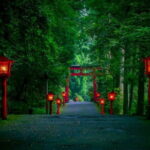
- Kitaguchi Hongu Fuji Sengen Shrine adds a spiritual stop with cedar trees and classic torii gates at the mountain’s foot.
- Hakone by water and air: Lake Ashi scenery plus the Hakone Ropeway over the volcanic views.
- Owakudani geothermal valley delivers the real steam-and-sulfur atmosphere Hakone is famous for.
Tokyo to Fuji and Hakone in one long day
This trip is built for people who want maximum payoff with minimum fuss. You’re in a comfortable, air-conditioned vehicle with bottled water and onboard WiFi, and you’re not stuck figuring out which train to take when. With a private group (up to 5 people), the day feels more controlled—less herding, fewer “everyone’s waiting on someone” moments.
It runs about 10 hours, and the schedule is set to hit the key photo and nature stops in a logical flow. You’ll move from the Fuji lakes area (Kawaguchiko and nearby viewpoints) into Hakone, then through the valley and on to the open-air museum area. It’s not a slow museum day. You’re stacking experiences, so you’ll want to keep your camera charged and your patience ready for the realities of Japan in daylight hours.
One more practical note: the cost is per group, not per person. At $430 per group up to 5, it can be good value if you’re traveling with friends or family and want everyone to ride together. If you’re solo, it may feel pricey compared to shared tours, but the private format and the added comfort (pickup, WiFi, English guide) can justify it if you value convenience.
More Mt Fuji & Hakone tours we've reviewed
The guide makes the difference: English support that keeps you moving
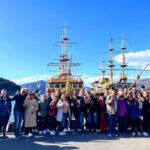
The big advantage here is the English-speaking guide guiding the flow, not just narrating. When you’re moving across two regions in one day, you need more than “this is pretty.” You need help understanding what matters at each stop and how long to spend where.
In recent feedback, the guide-driver interaction is a standout. The name Salman Virk comes up as generous and polite during conversation—exactly the kind of tone that helps you feel comfortable in a full-day plan. That matters when you’re trying to keep the day smooth without feeling rushed.
Stop 1: Chureito Pagoda in Arakurayama Sengen Park
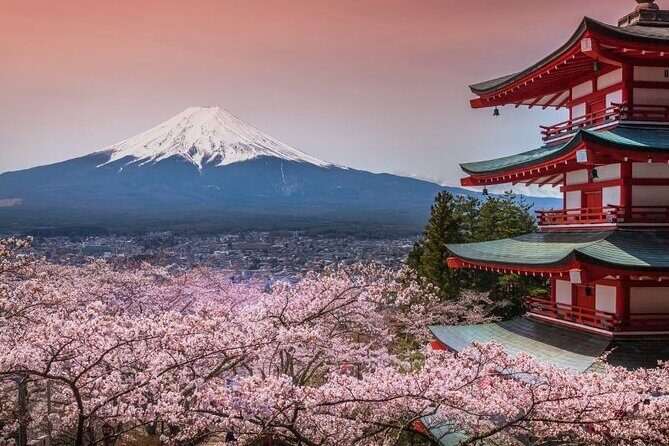
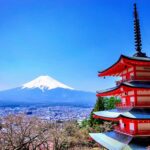
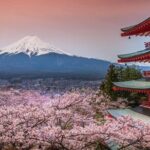
Your day often starts with a “wow” view, and Chureito Pagoda is the kind of scene that turns your camera settings into a whole new hobby. It’s a five-story pagoda on the mountainside in Arakurayama Sengen Park, Fujiyoshida. The pagoda is also tied to a peace memorial (built in 1963), so it’s not just a pretty landmark.
What you’ll like: this is one of those places where the setting does half the work. The free admission makes it easy to linger without keeping a budget running in your head. If the weather cooperates, you’re aiming for classic Mount Fuji framing.
What to watch: it’s a popular viewpoint area. Even with a private guide, you’ll still be sharing the space with other photographers. Give yourself time for a few angles and don’t plan on a single perfect shot in 30 seconds.
Stop 2: Oshino Hakkai and its eight spring ponds
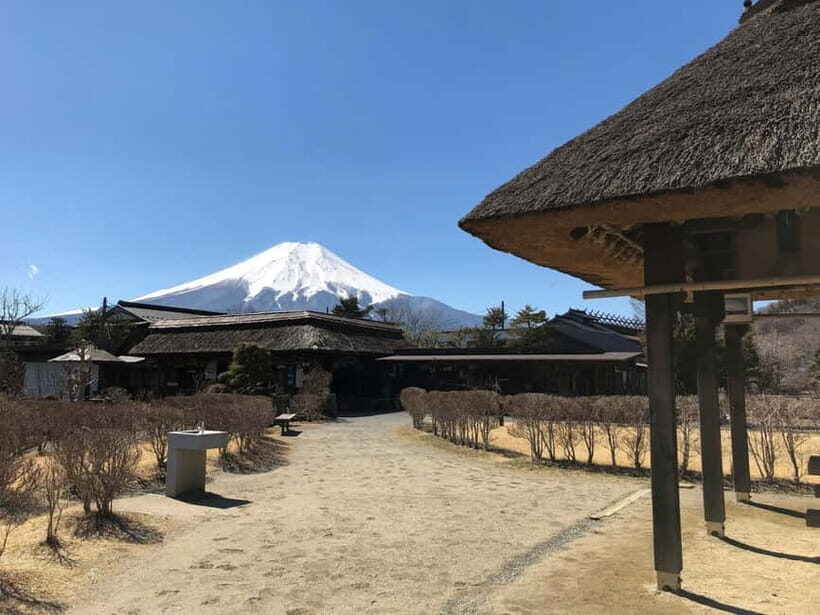
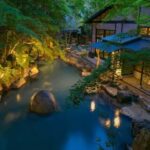
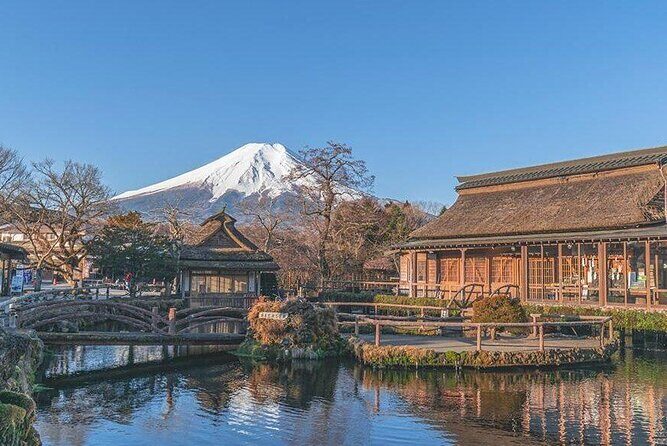
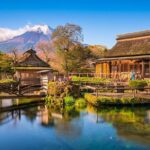
Next is Oshino Hakkai, the cluster of eight ponds near Mount Fuji fed by spring water from the mountain. The ponds have a clean, clear look that reads instantly in photos, and the traditional thatched-roof houses nearby add that calm, old-Japan feel.
Why it’s worth a stop: this is a change of pace. After pagoda viewpoints, you get water, reflections, and a quieter rhythm. It’s also a place where your guide can help you understand why these ponds exist and why they’ve become such a signature Fuji-area scene.
Time is tight but manageable—about 30 minutes. You’ll want to walk slowly near the ponds, not just snap from one spot, because the reflection angles shift as you move.
Stop 3: Kitaguchi Hongu Fuji Sengen Jinja Shrine
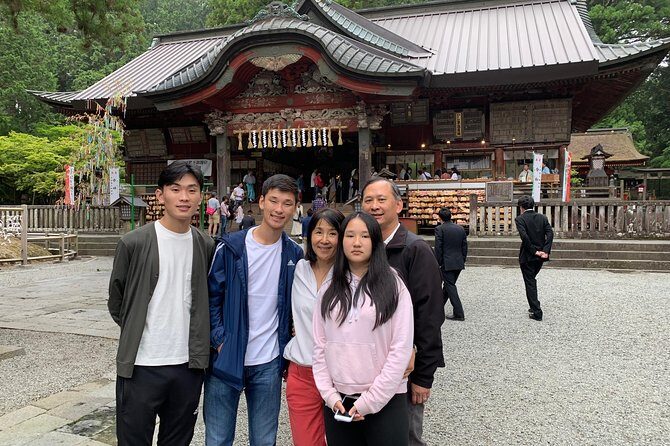
Then you shift from scenic to spiritual. Kitaguchi Hongu Fuji Sengen Jinja sits at the foot of Mount Fuji and is tied to the tradition of pilgrims climbing the mountain. Expect towering cedar trees and grand torii gates—exactly the kind of details that make a shrine visit feel more than a quick photo stop.
Why it fits this itinerary: Fuji isn’t only a peak to look at. It’s also a place people approached with ritual and devotion. This stop adds context to the day, and it’s free, which makes it easy to spend your 30 minutes there without feeling pressured.
Practical tip: wear comfortable shoes. Shrine grounds can include small paths and uneven steps, and you’ll likely want to walk for the best angles with the torii and trees.
Other Tokyo + Mt Fuji + Hakone combo tours we've reviewed
Stop 4: Lake Kawaguchiko—best for timing and views
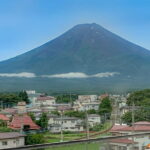
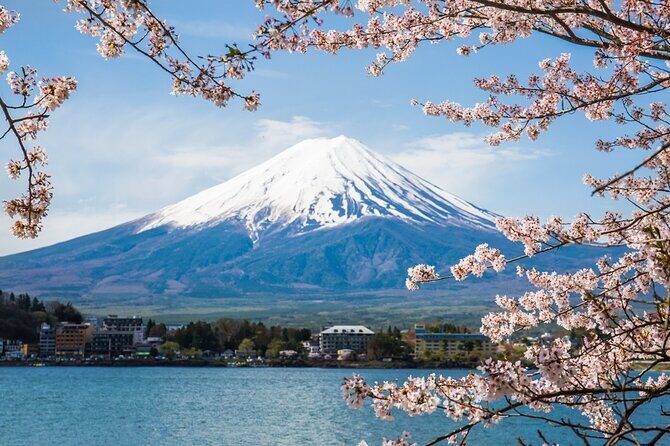
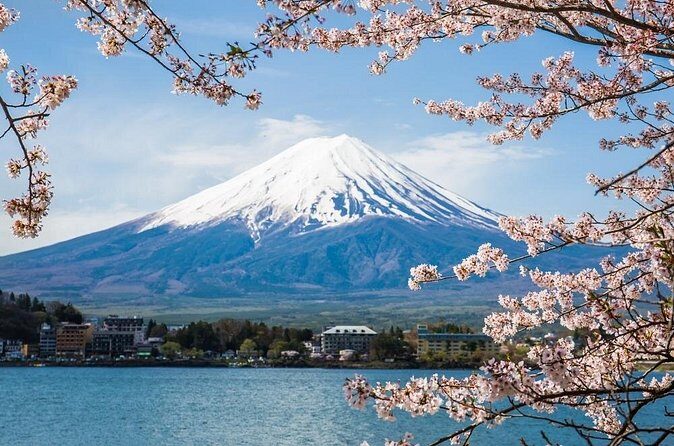
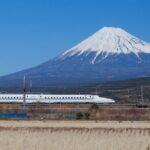
Lake Kawaguchiko is your longer sit-down-and-look-out moment (about 1 hour 30 minutes). It’s one of the Fuji Five Lakes, and it’s known for Mount Fuji views—especially when skies are clear and light is favorable.
You’ll get options here: lakeside walking paths, and you’ll likely have chances to grab a snack or browse small shops depending on what’s nearby during your time window. Boat rides are mentioned as something you can do, but the key point for your planning is that this is where the day’s “Fuji view” hopes live.
The drawback: weather is everything. If clouds roll in, the lake still looks pleasant, but your Mount Fuji view may be limited. This is one of the reasons the tour can be weather-sensitive.
Stop 5: Oishi Park for seasonal flower scenery
After the broader lake time, you get Oishi Park, a lakeside park known for seasonal flowers. The tour highlights lavender in summer, but the overall idea is simple: you’re coming back to Fuji scenery with a different visual theme—flowers in the foreground and the mountain as the background when conditions allow.
This stop is only about 30 minutes. That’s good, because you avoid the “park fatigue” that happens when gardens feel like endless loops. If you catch the right season, the flowers give your photos a foreground punch.
One consideration: again, weather and timing matter. If the sky is gray, the flowers still look great, but the mountain may be less dramatic.
Stop 6: Mt. Fuji 5th Station for high-altitude presence
Next comes the star on the mountain road: Mt. Fuji 5th Station at around 2,300 meters (about 7,500 feet). This is one of those places where you feel altitude immediately—not just visually, but mentally. You’re closer to the mountain’s “real scale,” with souvenir shops and rest areas in the station zone.
Time on-site is about 30 minutes, and the admission isn’t included. That’s worth keeping in mind when you budget, especially if you’re used to tours where everything is rolled into one price.
If you care about the “been there” moment: this is the most direct way to experience Fuji’s high-level environment in a single day. If you care only about photos and don’t want extra costs, you might decide how much time you want here versus Lake Kawaguchiko depending on the day’s visibility.
Stop 7: Hakone Shrine by Lake Ashi
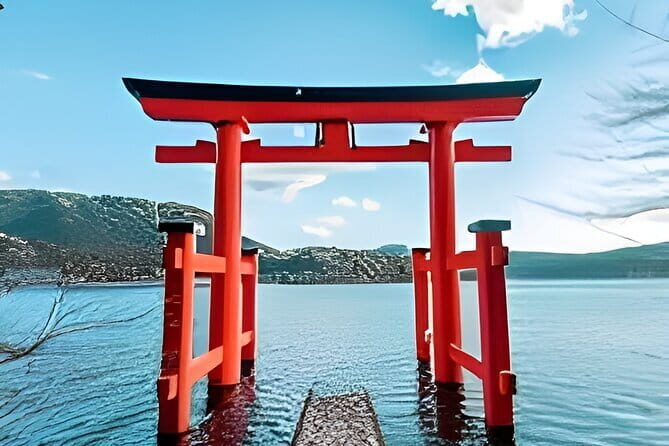
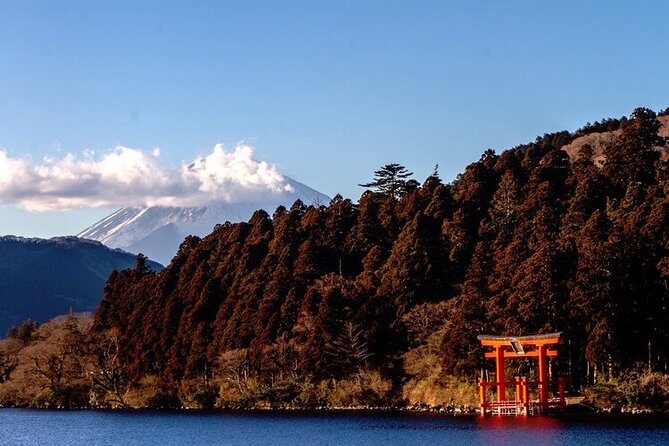
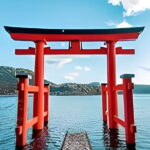
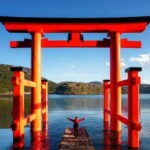
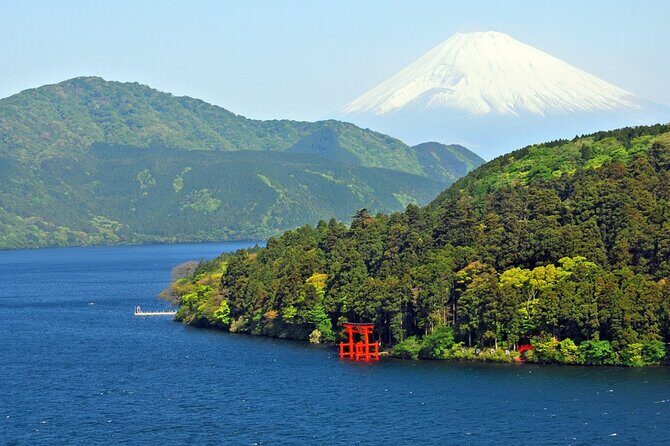
Now you shift from Fuji-lake viewpoints to Hakone’s signature lake-and-forest mood. Hakone Shrine sits by Lake Ashi and is known for the red torii gate standing in the water. Even from the shore, you get a sense of how iconic that torii image is—and why this area has earned its reputation.
This stop is about 30 minutes and free. The pace feels calmer than the Fuji-photo sprint earlier, which is a good thing because the day is already long.
Practical tip: bring a lens that can handle both wide shots and tighter details. The torii is the headline, but the shoreline and shrine buildings give you backup photo options if the clouds change.
Stop 8: Lake Ashinoko (Lake Ashi) for the scenic pause
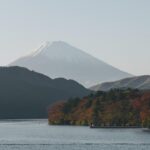
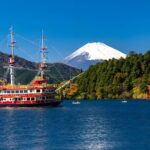
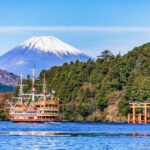
Lake Ashinoko (Lake Ashi) is your next 30-minute scenic break. It’s a crater lake, and it’s known for views of Mount Fuji and scenic boat cruises. Even without doing a boat, the area works because you’re looking across water with forests and volcanic contours nearby.
Why it’s valuable in a one-day plan: it adds variety. You’ve already done shrines, ponds, and a high-altitude station. Lake Ashi gives you wide open space and atmosphere.
What to watch: if Mount Fuji is hiding behind clouds, you might feel less payoff here. Still, the lake’s scenery remains the point, and Hakone’s geography is the theme.
Stop 9: Hakone Ropeway over the volcanic views
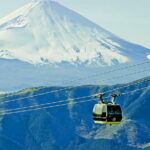
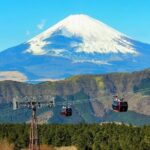
Then it’s up into the air—literally—with the Hakone Ropeway. This aerial ride offers views above Hakone’s volcanic landscape and out toward Mount Fuji and Lake Ashi.
Time is about 30 minutes, and Ropeway admission isn’t included. That’s not a dealbreaker, but it’s one of those “budget in your head” items so you’re not surprised later.
If you like views: the Ropeway is one of the best ways to see more than you can from the ground. Volcanic terrain tends to reward height, even when clouds roll in.
Stop 10: Owakudani Valley for real geothermal drama
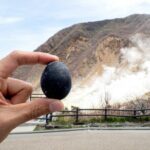
Owakudani Valley is Hakone’s geothermal hotspot. You’ll see steam vents and bubbling hot-spring activity, plus the distinctive sulfur smell that tells you you’re in the right place fast.
This stop is about 30 minutes and free. It’s also where the tour’s “Hakone theme” becomes unmistakable. You’re not just looking at pretty lakes; you’re seeing how the region’s heat and geology shape the air, the ground, and the vibe.
What to watch: the smell can be strong. If you’re sensitive, keep your expectations realistic and keep it brief.
Stop 11: Hakone Open-Air Museum for art with a view
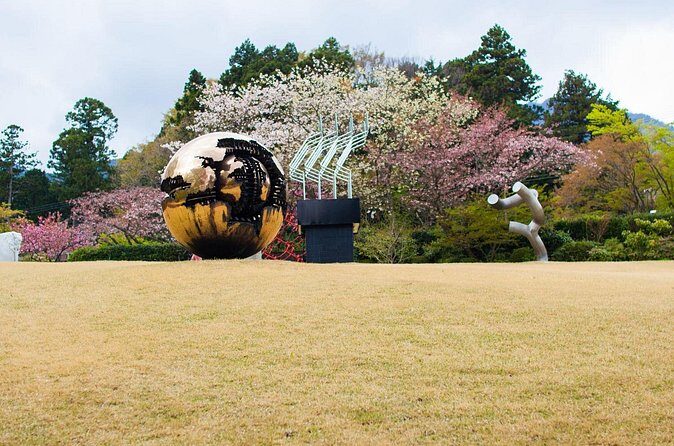
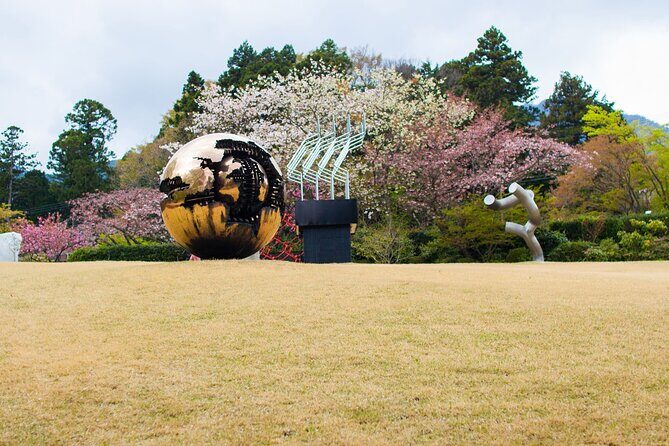
The final major stop is the Hakone Open-Air Museum. It’s an outdoor museum with sculptures set against the mountain and nature backdrop. In this kind of place, the art is the main draw, but the location is what makes it feel special.
Time is about 30 minutes, and admission isn’t included. If you’re not an art person, you might not get your money’s worth here in a short time window. If you do like outdoor sculpture, it’s a fitting close to the day because the volcanic-and-forest atmosphere keeps showing up.
The price question: does $430 per group feel fair?
Let’s talk value like adults. $430 per group (up to 5) is not cheap in pure budget terms, but it can be reasonable for a private full-day package that includes:
- private transportation in an air-conditioned vehicle
- bottled water and onboard WiFi
- pickup offered
- an English-speaking guide
- multiple stops that are free to enter (pagoda, ponds, shrines, several Hakone sights)
The “value math” gets better if you have 3–5 people sharing the cost. The day is also doing a lot: Fuji viewpoints, the Fuji spring-pond area, and then several Hakone highlights including the ropeway and geothermal valley.
The main cost caveat is that not everything is included. Attractions like Lake Kawaguchiko, Mt. Fuji 5th Station, Hakone Ropeway, and Hakone Open-Air Museum are specifically listed as not included. So you should expect some add-on spending during the day.
Who this tour suits best
This is a strong fit if you:
- want a private, English-supported day without transit stress
- enjoy both photo viewpoints and cultural stops (shrines, traditional pond area)
- like day trips that cover a lot of ground and you’re okay with a long schedule
It may be less ideal if you:
- dislike spending money on top of the base tour price for entrances
- need a fully flexible day plan with lots of free time
- are very sensitive to weather changes (Fuji visibility depends heavily on the sky)
Should you book this day trip?
I’d say book it if you want a structured, guided Fuji-and-Hakone highlights day and you’re traveling with at least a couple of people to make the per-group price work. The blend of Chureito Pagoda, Oshino Hakkai, and the Hakone geothermal stop is a smart combo for one day.
Skip it or swap plans if you know you won’t handle a long day or if you hate paying for “not included” attractions during the visit. And if your travel dates line up with unsettled weather, consider keeping a flexible mindset—the tour can be adjusted if it’s canceled due to poor conditions.
FAQ
FAQ
How long is the Mount Fuji and Hakone day trip?
The tour lasts about 10 hours.
What’s the group size for this private tour?
It’s a private tour/activity, with your group only. The price is listed per group up to 5 people.
Does the tour include pickup from Tokyo?
Pickup is offered.
What’s included in the price?
Included items are air-conditioned vehicle, private transportation, WiFi on board, and bottled water.
What isn’t included?
Lunch is not included. Also, admission is not included for several stops, including Lake Kawaguchiko, Mt. Fuji 5th Station, Hakone Ropeway, and The Hakone Open-Air Museum.
Do I need good weather for this experience?
Yes. The experience requires good weather. If it’s canceled due to poor weather, you’ll be offered a different date or a full refund.
What’s the cancellation policy?
You can cancel for free up to 24 hours in advance for a full refund. If you cancel less than 24 hours before the start time, the amount paid is not refunded.