REVIEW · TOKYO
From Tokyo: Mount Fuji and Hakone Private Day Trip
Book on GetYourGuide →Operated by Japan-tours · Bookable on GetYourGuide
Clouds can’t stop the magic. This private Mount Fuji and Hakone day mixes high-altitude crater views, classic shrine stops, and Hakone’s volcanic scenery, guided by people like Hadi and Ali who keep the day running smoothly. I especially love the chance to reach Subaru 5th Station and still get meaningful views even when weather is moody.
Two other wins: the Lake Ashi scenery (including an optional pirate-style boat cruise) and the art-and-nature reset at the Hakone Open Air Museum with its gentle hill walks. One drawback to plan for is that the tour’s big sights are time-packed, and some items like the boat, cable car/ropeway, museum entry, and lunch cost extra on top of the base price.
In This Review
- Key Highlights You’ll Actually Care About
- From Tokyo to Fuji and Hakone in One Long Day
- Subaru 5th Station: The View That Makes the Trip Worth It
- Fujiyoshida Shrines and Chureito Pagoda: Fuji Views With Cultural Depth
- Oshino Hakkai: Eight Ponds, Snowmelt Origins, and a Slower Pace
- Hakone National Park’s Volcanic Zone: Owakudani and Hot Spring Scenery
- Lake Ashi: The Relaxed Side of Hakone
- Hakone Open Air Museum: Art and Gentle Hills
- Weather Strategy: When Fuji is Cloudy, You Still Win
- Price and Value: What $438 Per Group Really Means
- Who Should Book This Tour (and Who Should Rethink It)
- Should You Book This Mount Fuji and Hakone Private Day Trip?
- FAQ
- How much does the Mount Fuji and Hakone private day trip cost?
- What’s included in the price?
- What isn’t included?
- Are the Lake Ashi boat cruise and Hakone ropeway included?
- What are the special rules for reaching Subaru 5th Station in summer?
- Is there an extra pickup fee outside Tokyo’s 23 wards?
- What should I bring for the day trip?
- What’s the age limit?
Key Highlights You’ll Actually Care About
- Weather-aware routing: guides adjust timing and vantage points when visibility changes, instead of forcing a rigid script.
- Subaru 5th Station timing: you get the iconic elevation without needing to self-navigate trains and buses.
- Shrines plus viewpoints: red torii gates, cedar-shaded paths, and photo-friendly stops like the Chureito Pagoda.
- Hakone’s volcanic storyline: views from the sulfur valley area and nearby hot-spring region scenery.
- Private van comfort: you’re not playing hopscotch with crowded transfers between Fuji and Hakone.
From Tokyo to Fuji and Hakone in One Long Day
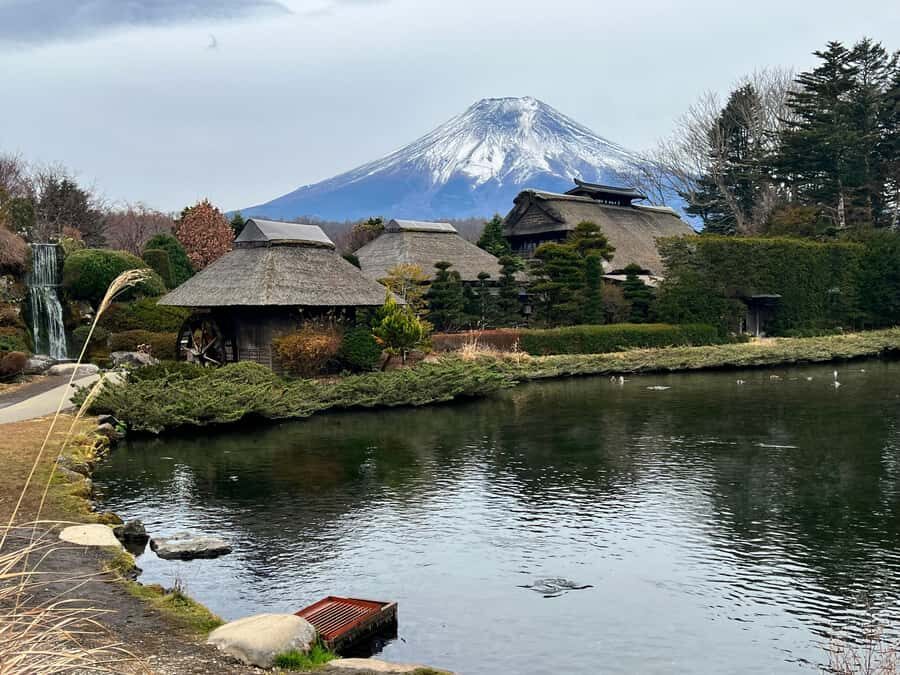
This is a full-day loop that hits two of Japan’s most “you have to see it” regions: Mount Fuji country and Hakone. The format matters. You’re picked up from your hotel (or a Tokyo-area meeting point) and you ride in an air-conditioned private vehicle, not a crowded bus where you spend half your time waiting to exit and re-board.
The upside of doing both Fuji and Hakone in one go is simple: you stop thinking about logistics and start spending your energy on views. You’ll also feel the pacing difference. Small groups make it easier to move when the light changes, when the crowds swell, or when the day turns cloudy. That shows up again and again in what people praise—guides like Hadi, Ali, Nomi, and Sam are repeatedly mentioned for keeping things on time while still being flexible.
Plan for a long day. This isn’t a relaxed, half-day stroll. You’ll want comfortable shoes and an easy layer setup for temperature swings, especially if you go up toward Fuji’s higher elevations.
More Mt Fuji & Hakone tours we've reviewed
Subaru 5th Station: The View That Makes the Trip Worth It
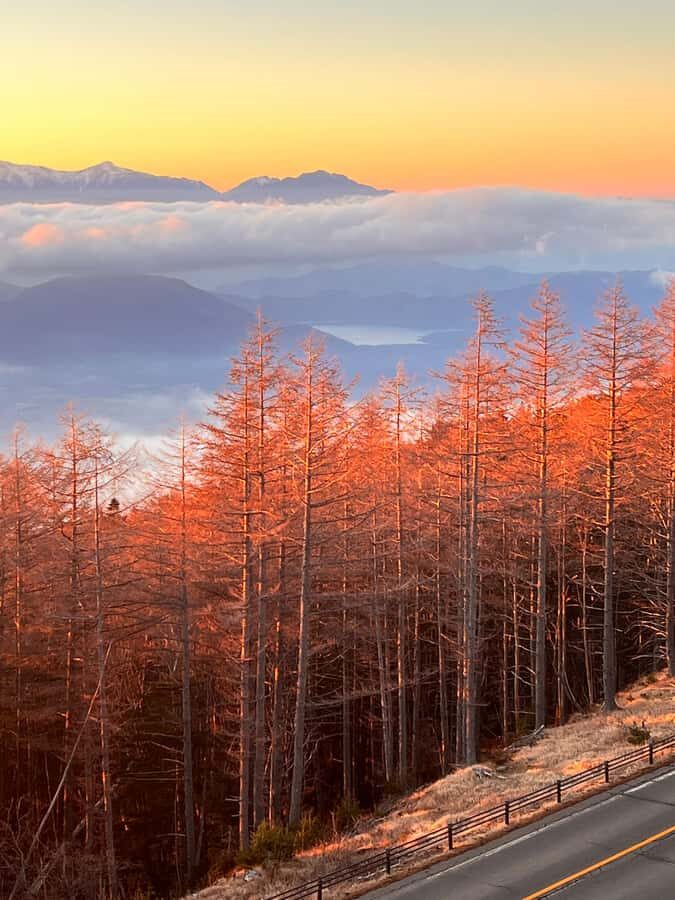
If you take one “must-do” item from this whole itinerary, it’s Subaru 5th Station. It sits around 2,300 meters above sea level, so the air feels different fast. From here, you’re aiming for panoramic views: the crater area, surrounding mountains, and—when visibility cooperates—the Fuji Five Lakes region.
One neat detail is the way the stop is structured beyond just a bus-style overlook. You also visit the Tenjosan Komitake Shrine, which gives you a more peaceful angle of the scene. And if you’re hoping for Lake views, that’s part of why the station stop is so popular.
Here’s a practical consideration: during hiking season (July 1 to Sept 30), private vehicles aren’t allowed on the Fuji Subaru line route to the 5th station. If you’re traveling in those months, you may need a shuttle bus instead, with an extra 2,500¥ per person charge. It’s still doable, just plan for the added step and cost.
Fujiyoshida Shrines and Chureito Pagoda: Fuji Views With Cultural Depth
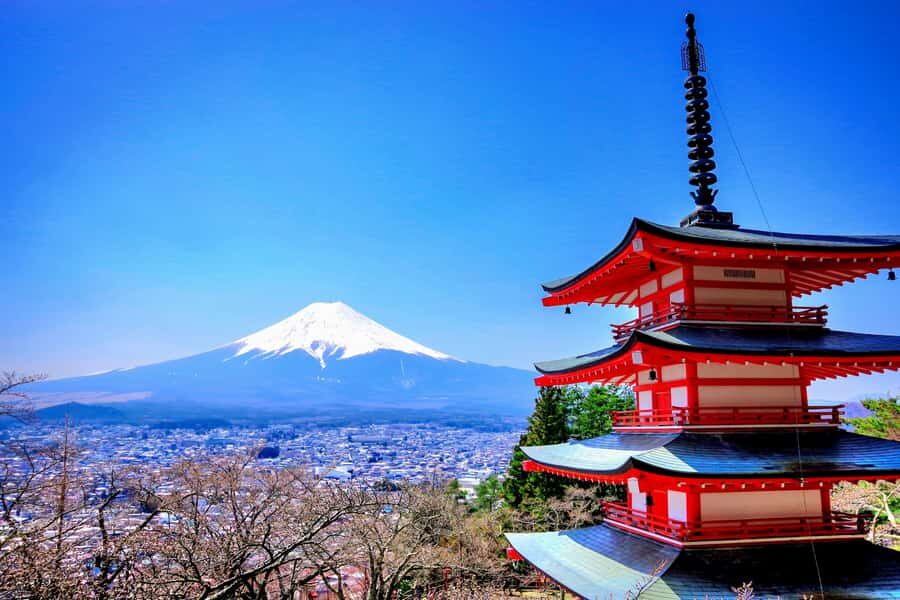
Hakone is the volcano side of the story, but Fujiyoshida is where Mount Fuji starts feeling like a lived-in part of Japanese culture, not just a photo background.
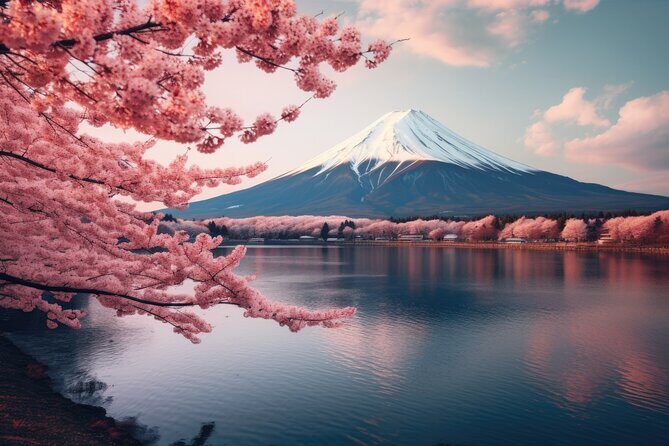
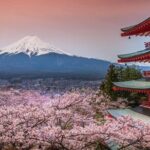
The star for many people is the Chureito Pagoda, a striking five-story pagoda in Arakurayama Sengen Park. The pagoda itself is famous, but what makes it worth the time is the way the viewpoint frames Fuji. In the right seasons—cherry blossom periods or autumn foliage—you get that classic layered composition: pagoda, park paths, and Fuji rising behind it.
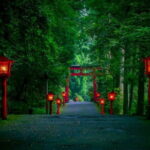
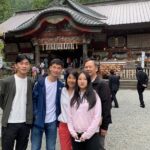
You’ll also visit Kitaguchi Hongu Fuji Sengen Shrine, known for its red torii gates and a quieter, more grounded feel. The walking area is shaded by over-1000-year-old cedar trees, with stone lanterns along the way. It’s the kind of stop that breaks up the “move fast, take a shot, repeat” rhythm.
A small practical note: these spots can be busy in peak daylight. That’s where having a guide who knows timing helps. People consistently praise guides for choosing better moments to view and photograph, which matters a lot when you’re trying to get Fuji without a wall of other heads.
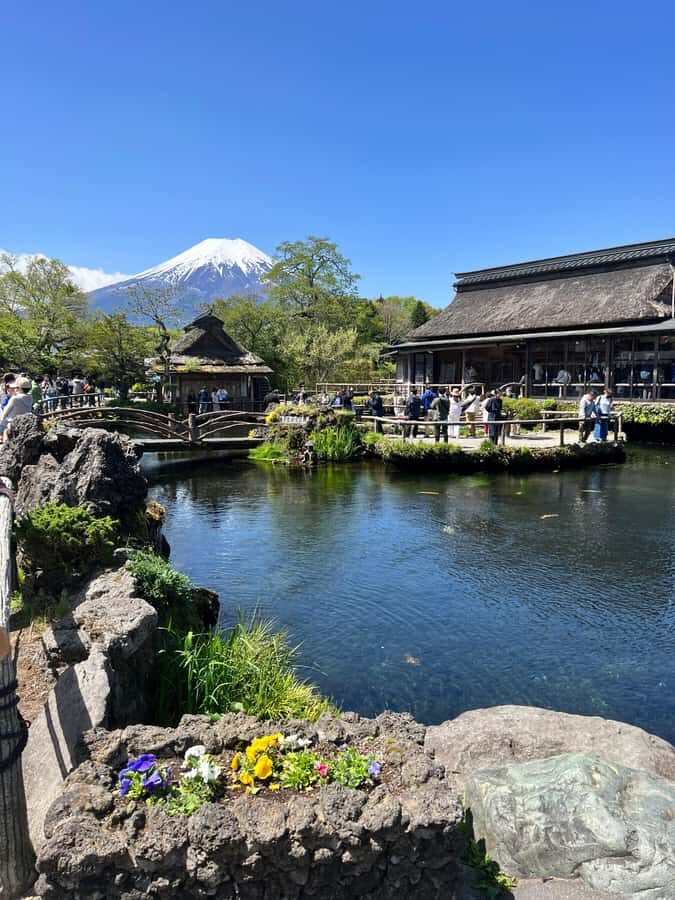
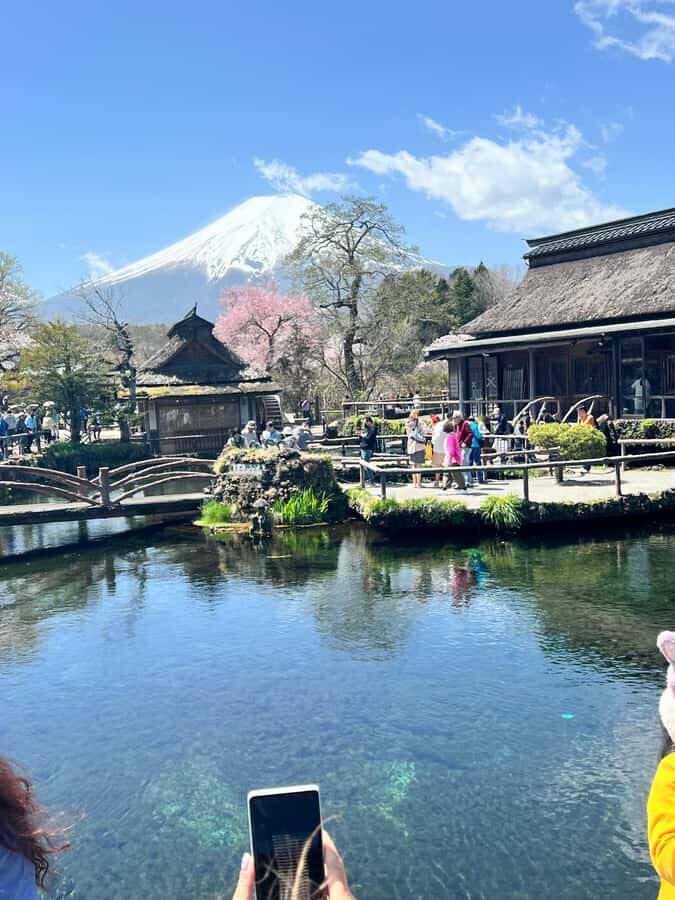
Oshino Hakkai: Eight Ponds, Snowmelt Origins, and a Slower Pace
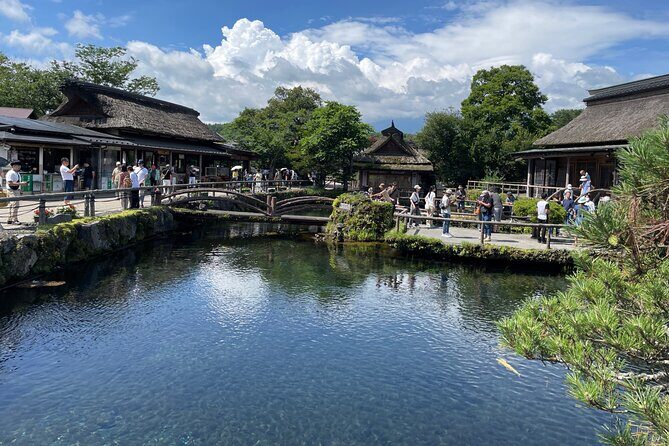
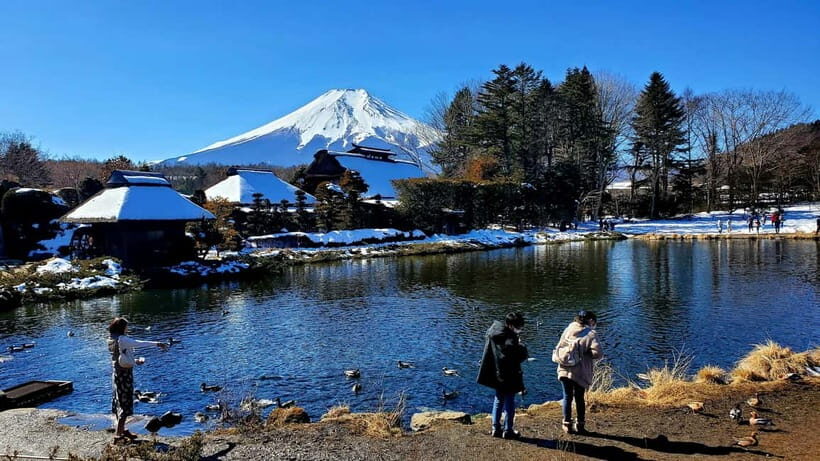
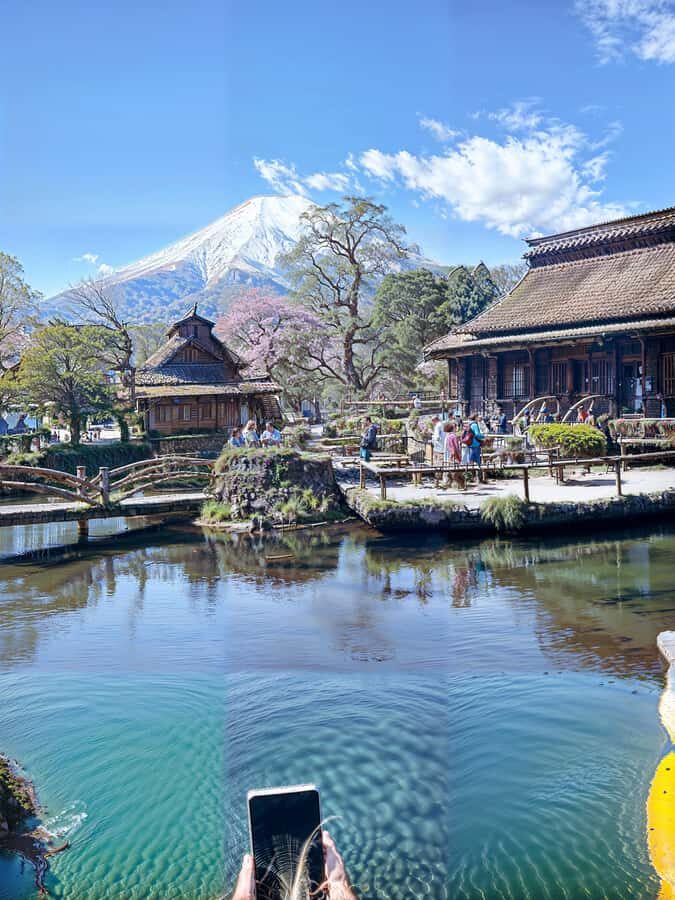
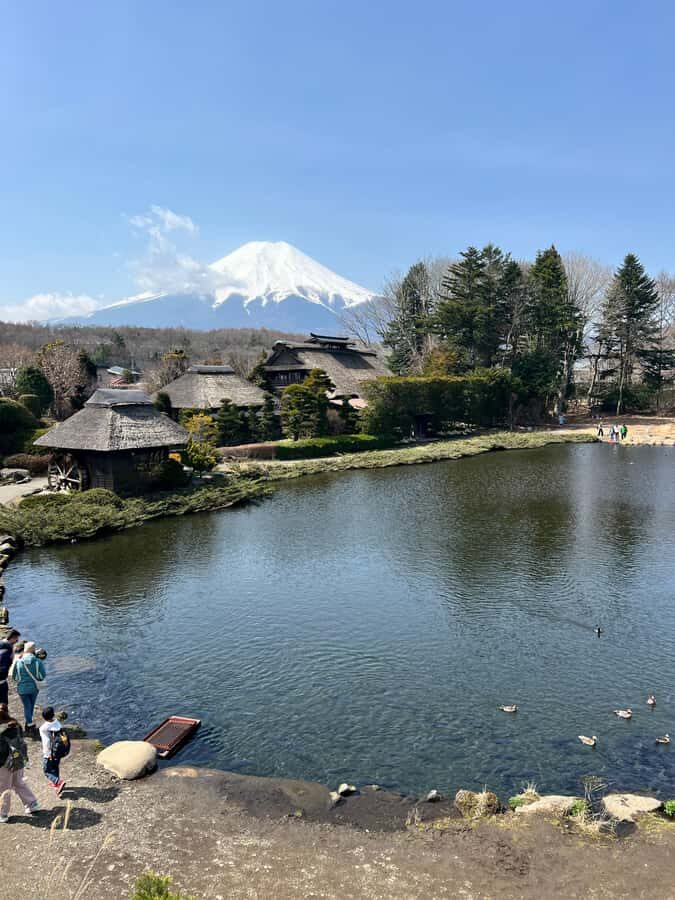
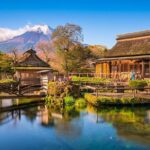
After the higher-altitude and scenic viewpoints, Oshino Hakkai offers a different texture: gentle, grounded, and easy to enjoy at walking speed. This is the village known for eight ponds formed by the melting snow of Mount Fuji. The ponds and traditional area feel are the point, not rushing.
What I like about this stop for your day is contrast. It gives you a breather between the shrine/photo circuit and Hakone’s volcanic zone. You can wander, admire the ponds, and take your time looking at the old-style village layout.
Because this is still a shop-and-stroll area, I recommend bringing cash (yen). One of the recurring practical tips from people doing the trip is to not assume every place takes cards. If you want to buy small snacks or souvenirs, having yen saves you from the awkward hunt for an ATM.
Oshino Hakkai is also a good “reset stop” for families. There’s a lot to look at without requiring intense walking.
Hakone National Park’s Volcanic Zone: Owakudani and Hot Spring Scenery
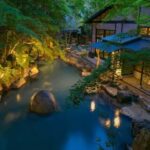
Hakone’s personality is very different from the Fuji viewpoints. Instead of clear conical symmetry, you get volcanic valleys, hot spring region atmosphere, and the dramatic terrain around Owakudani.
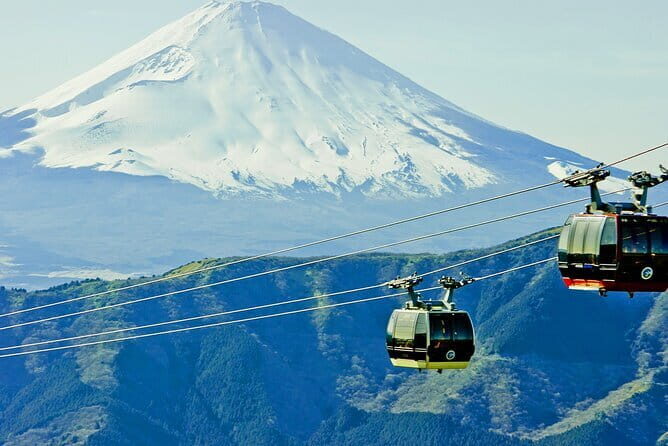
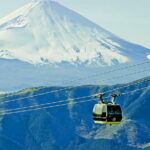
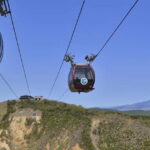
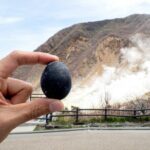
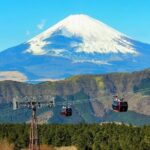
This is where you’ll see the sulfur-area vibe and get that hot, mineral-tinged sense of place. If you choose the cable car/ropeway component, you’ll get a broader view of the valley from above—especially useful on days when you want to make the most of whatever visibility you have.
One detail that comes up in people’s feedback: you may run into the famous black eggs associated with the sulfur valley area. Even if you skip them, it helps the stop feel complete because it’s part food-souvenir culture tied to the volcanic theme.
Expect this part to be the most “Hakone specific.” It’s not just a lookout. It’s where the region’s identity shows up—hot springs, volcanic terrain, and the Owakudani stop being the emotional peak for many people.
Other Tokyo + Mt Fuji + Hakone combo tours we've reviewed
Lake Ashi: The Relaxed Side of Hakone
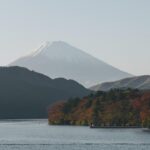
If the volcanic zone is the intensity, Lake Ashi is the exhale. This is where the day gets scenic and calmer: mountainous views around the water, and a sense that Hakone is both scenic and slightly remote.
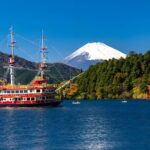
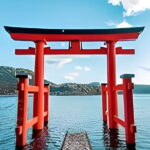
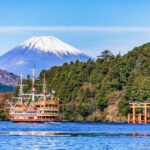
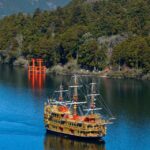
You can enjoy the lake by choosing the optional Lake Ashi pirate-style boat cruise. People like this part because it’s a different angle without demanding more walking. Also, if Fuji is visible, the background can be stunning—Mount Fuji rising beyond the lake and mountains.
You’ll also be in the area for viewpoints tied to the ropeway experience (the Hakone Ropeway/cable car is optional). If you’re the type who likes “one ride with views,” this is a good place to pick it, but it’s worth remembering the optional transportation and some museum entries are not included in the base price.
This is also a good stop for kids and older travelers compared to the more active walking moments. It’s still a full-day trip, but it offers a seated break.
Hakone Open Air Museum: Art and Gentle Hills
Hakone isn’t only about volcano and water. It also has a slower, more cultural side thanks to the Hakone Open Air Museum.
What makes this stop work in the middle of a packed day is that it’s built for strolling. The museum setting includes artworks outdoors and gentle hills, so you’re not stuck in a single crowded indoor room. It’s a visual change of pace after shrine paths and volcanic steam.
There’s also a practical detail: museum entry tickets aren’t included. So you’ll want to budget time and cash (or whatever payment methods your guide suggests) for this part. Still, people praise it as a real experience, not just another “check the box” stop.
Weather Strategy: When Fuji is Cloudy, You Still Win
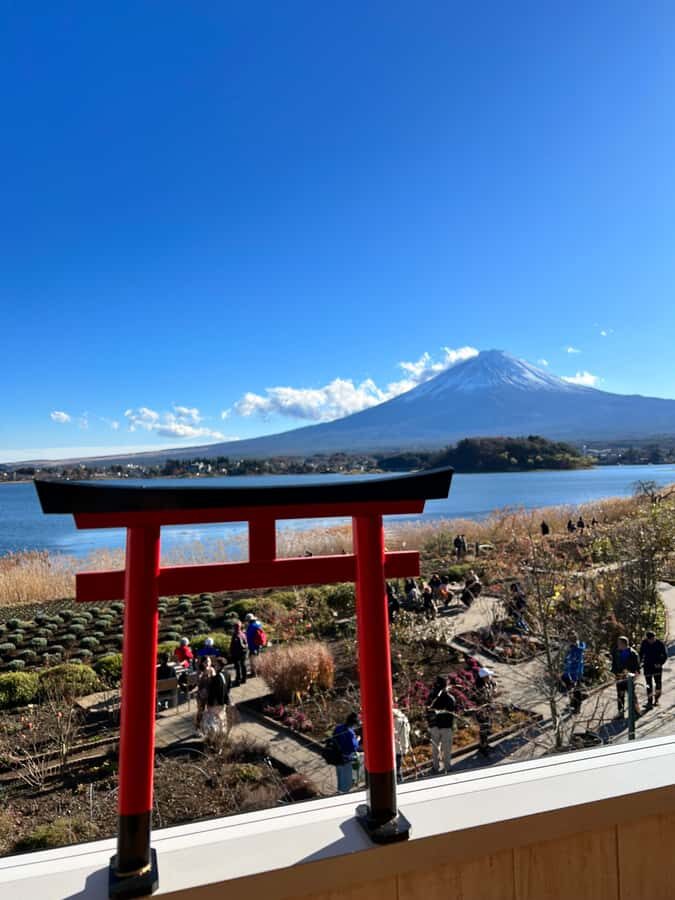
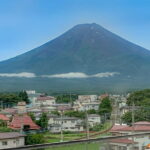
Mount Fuji has a reputation for playing hide-and-seek. On cloudy days, you don’t automatically lose—your guide’s routing matters.
I’m drawn to this tour’s setup because it’s built for adjusting. Guides like Ali and Hadi are repeatedly described as shifting the plan when weather changes, aiming for better visibility later. One guide specifically adjusted the itinerary after noticing clouds early, letting the weather clear in time for stronger views.
So what should you do? Keep your mind flexible. If you care about seeing Fuji clearly, it helps to:
- Dress in layers for wind and temperature changes.
- Bring a camera with enough battery for multiple stops.
- Accept that the day may feel different, and that’s okay.
If Fuji shows itself, it often appears in multiple angles across the route. If it doesn’t, the shrines, ponds, volcanic valley views, and lake scenery still give you a full Hakone-and-Fuji day without feeling empty.
Price and Value: What $438 Per Group Really Means
The base price is $438 per group (up to 5 people). That’s the headline. The better question is: what are you buying with that money?
You’re buying convenience and control:
- Hotel pickup and drop-off
- Private transportation in an air-conditioned vehicle
- A driver/guide who handles route timing and site order
- Parking fees included
- Water bottle included
What isn’t included is where many people’s budgeting trips up:
- Lunch
- Mt Fuji entrance fee: 2,100¥ per group
- Optional extras like the Lake Ashi boat cruise, cable car/ropeway, and the Open Air Museum entry
There can also be add-ons tied to the season:
- From July 1 to Sept 30, if you want to reach the Subaru 5th Station, private vehicles can’t enter the Fuji Subaru line. A shuttle bus may be needed, with an extra 2,500¥ per person.
Then there’s pickup logistics: an extra 5,000¥ pickup charge applies if you’re outside Tokyo’s 23 wards, paid in cash on tour day.
I’d sum up the value like this: if you want both regions in one day and you hate the stress of transfers, this price can be fair. It also helps that private-group tours can cost surprisingly close to big coach tours when you’re splitting it among a family or small group—especially when you’re avoiding the time lost to crowd management.
Who Should Book This Tour (and Who Should Rethink It)
This tour fits best if you want:
- Two iconic regions in one day: Fuji highlights plus Hakone’s volcanic and lake scenery
- More control than a large group bus
- A guide who can help you pick viewpoints and reduce time wasted in crowds
- Photo support and pacing help, which many guide reviews call out directly
It’s also a strong choice for families. Several people mention kids and stress-free movement between stops in the van.
Where you might rethink it:
- If you hate long days and want slow travel, this may feel too packed.
- If you’re on a tight budget, remember lunch and multiple optional ticketed parts cost extra (and there are season-related add-ons at the 5th station route).
Also note the limit: it’s not suitable for people over 95 years, based on the tour’s stated guidance.
Should You Book This Mount Fuji and Hakone Private Day Trip?
If your goal is a confident, guided way to see Mount Fuji viewpoints plus Hakone’s volcanic-lake atmosphere in a single day, I think this is worth serious consideration. The strongest selling point is not just the sights—it’s the private pacing and guide help. People consistently praise guides like Hadi, Ali, Nomi, Sam, and Zia for timing, photo moments, and adapting when the sky turns.
Book it if you’re okay paying for some add-ons (boat/cable car/museum/lunch) and you want to maximize your day without juggling trains, buses, and ticket lines. Skip it if you want a purely self-guided day with no extra costs beyond your base fare.
If you want Fuji with flexibility and Hakone with variety, this tour checks those boxes.
FAQ
How much does the Mount Fuji and Hakone private day trip cost?
It costs $438 per group, up to 5 people.
What’s included in the price?
The tour includes hotel pickup and drop-off, air-conditioned transportation, a driver/guide, parking fees, and a water bottle.
What isn’t included?
Lunch, Mt Fuji entrance fee (2,100¥ per group), plus boat tour, cable car/ropeway, and museum entry tickets are not included.
Are the Lake Ashi boat cruise and Hakone ropeway included?
They are optional. The boat cruise and cable car/ropeway tickets are not included in the base price.
What are the special rules for reaching Subaru 5th Station in summer?
During July 1 to Sept 30, private vehicles can’t enter the Fuji Subaru line to the 5th station. You may need to use a shuttle bus, with an extra 2,500¥ per person charge.
Is there an extra pickup fee outside Tokyo’s 23 wards?
Yes. If pickup is outside Tokyo’s 23 wards, there’s an additional 5,000¥ charge, paid in cash on the tour day.
What should I bring for the day trip?
Bring comfortable shoes, a camera, comfortable clothes, and cash.
What’s the age limit?
The tour is not suitable for people over 95 years.