REVIEW · TOKYO
Mt fuji & Hakone customizable day tour w/ English speaking driver
Book on Viator →Operated by Ikisaki Tours & Travels · Bookable on Viator
Mt Fuji looks best when you do the logistics right. This private day tour from Tokyo pairs hotel pickup with a dedicated English-speaking driver, plus a route you can shape around your priorities.
Two things I’d love: you get a one-vehicle plan (no sharing a cramped ride with strangers), and the driver can adjust the timing as the day evolves.
One consideration: the schedule is tight, so if you stack too many stops or your pickup/drop-off is farther out, you may end up with shorter photo times at the key viewpoints.
The big win is not just seeing Mt Fuji and Hakone. It’s how the day is managed—clean, air-conditioned transport, WiFi in the car, and a guide who can explain what you’re looking at (and help you decide what’s worth your limited time). I’m also a fan of practical touches like the WiFi hotspot and the fact that many major attractions are built into the day so you’re not guessing your way across regions.
The possible downside is that 10 hours goes fast once you account for roads. The tour is designed so the “remaining hours” go to travel time, and some admission costs are paid on the spot—so budget some cash and plan to move at a steady pace.
In This Review
- Key things you’ll notice right away
- Why a Fuji and Hakone day works best with one driver
- Price and what your money is really buying
- Picking the route: how customization changes your day
- Entering the Fuji zone: 5th Station and Oshino Hakkai
- Lake Kawaguchiko and Oishi Park: where you’ll chase reflections
- Chureito Pagoda: the iconic angle, and why crowds are part of it
- Ropeways and art stops: worth it if the weather is cooperating
- Hakone volcanic reality at Owakudani
- Hakone Ropeway and Hakone Shrine: built for photo angles
- Lake Ashinoko and the cruise-style option
- Gotemba Premium Outlets: a practical finish with Fuji views
- Driver quality and comfort: what actually makes the day better
- What to bring and what to do for Mt Fuji weather
- Tickets, included admissions, and what you’ll pay on the day
- Who this tour fits best
- Should you book this Fuji and Hakone private day?
- FAQ
- How many people are in the tour?
- Is hotel pickup and drop-off included?
- Does the driver speak English?
- How long is the tour?
- What’s included in the price?
- Are attraction tickets included?
- What if the weather is bad on the day?
- Can I customize the itinerary instead of choosing a preset route?
- Are service animals allowed?
Key things you’ll notice right away
- Private, dedicated ride with pickup and drop-off, so you control your comfort level and pacing.
- English + Japanese driver (example names from past days include Adnan, Anique, and Ali), useful when you want real explanations and timing help.
- Customizable routing: pick one of six set routes or request your own plan through the coordinator.
- Mt Fuji viewpoints plus Hakone classics in one day, without hopping between multiple tour groups.
- WiFi in the car so you can check weather, translate signage, and keep plans straight.
- A day packed with ticketed sights where some admissions are included and others are pay-on-arrival.
Why a Fuji and Hakone day works best with one driver
A Fuji-and-Hakone day sounds simple until you try to do it by yourself. Distances are real, public transport connections can be annoying, and you’ll lose time waiting instead of photographing. This format solves the main problem: you’re in a modern, clean car with highway tolls included, and you’re not stuck negotiating transfers with a group.
And because it’s private (up to 5 people per group), you’re not forced into a rigid “every stop, every time” style day. If Mt Fuji is peeking through, you can prioritize it. If your priority is volcanic steam and hot-spring scenery in Hakone, you can keep the Fuji section shorter and still get the key shots.
More Mt Fuji & Hakone tours we've reviewed
Price and what your money is really buying
At $530 per group (up to 5), the cost works out to about $106 per person if you fill all seats. What you’re paying for is not just seats in a vehicle. You’re paying for the entire “operator layer”: hotel pickup, a licensed driver who also guides in English, tolls, fuel, and a WiFi hotspot.
What’s not included is where you need to plan carefully: food and drinks, plus many admissions. Some sights in this itinerary are included (like parts of the Lake Kawaguchiko and Hakone-area sightseeing), but others require tickets paid directly on the day. If you want the ropeways and museums, that’s additional spending.
So here’s the value equation I’d use: if you’re comfortable paying a bit for optional tickets and you want a stress-free route managed for you, the price makes sense. If you’re trying to minimize cash spending on the spot, you may want to plan your route around what’s included.
Picking the route: how customization changes your day
You can choose one of six set route plans, or you can request your own. The coordinator will contact you through messaging so you can share your preferred itinerary.
Here’s how to think about route choice without getting lost in details:
- If you want the classic Fuji “wow views” plus lakeside scenery, pick a Fuji-focused route that includes Lake Kawaguchiko and Oishi Park. You’ll get multiple chances for reflections and iconic angles.
- If you want Hakone’s volcanic drama (steam vents) and the lake views, choose a combination route built around Owakudani and Lake Ashinoko.
- If shopping matters, a route that includes Gotemba Premium Outlets gives you a solid block of time without derailing the day.
Also, note that pickup timing depends on where you’re staying. Tokyo pickup is listed at 8:00 AM, and pickup from the Fuji/Hakone/Kanagawa region is around 9:30–10:00 AM. Return to Tokyo is around 6:00 PM. When you’re dropping farther out, return time is earlier (about 3:00–4:00 PM).
Entering the Fuji zone: 5th Station and Oshino Hakkai
Mount Fuji’s 5th Station is where the day can feel like it’s stepping closer to the mountain. It’s at roughly 2,300 meters, and the payoff is panoramic views—mountain ridgelines, forested slopes, and (on good days) serious Mt Fuji clarity. Your time here is typically about 30 minutes, and the admission for the Subaru Line 5th Station is not included. Also, the toll at Subaru Line 5th Station is explicitly stated as not included and paid at the toll gate (about 2,100 to 3,460 JPY per vehicle).
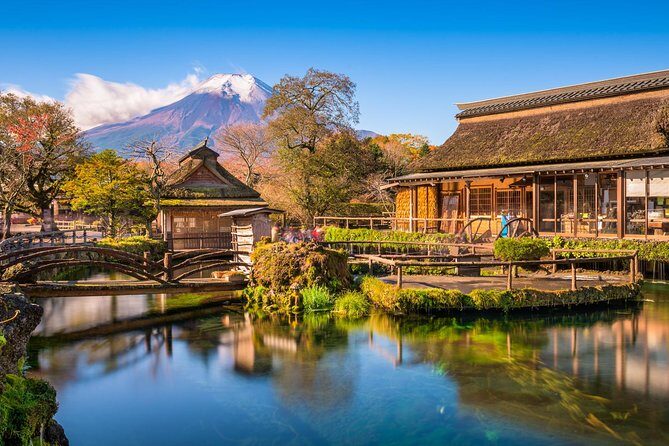
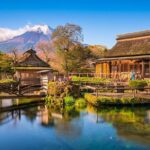
Then there’s Oshino Hakkai, famous for crystal-clear spring ponds fed by melted snow from Mt Fuji. You’ll spend about 30 minutes and see those small pools framed by traditional thatched roofs. This stop is low-stress compared to the heights—less altitude drama, more scenic walking and photos.
My practical advice: on days when visibility is uncertain, I’d prioritize 5th Station early. It’s the first place people feel the mountain’s “presence,” and delays can eat your best photos later.
Lake Kawaguchiko and Oishi Park: where you’ll chase reflections
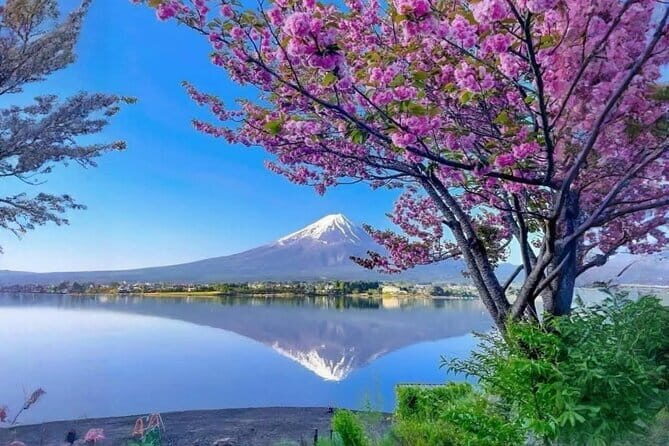
Lake Kawaguchiko is a highlight because it’s one of the best areas for that calm-water reflection effect—when the sky cooperates. Your time here is typically about 30 minutes, and the itinerary indicates admission is included for the Lake Kawaguchiko stop.
From there, Oishi Park is about building on that view. It’s located on the northern shore and is known for wide panoramic Mt Fuji views, with seasonal flowers mentioned (including lavender). This stop is also about 30 minutes and has admission included.
If you’re wondering what to do with such short time: aim for the simplest win. Pick one main viewpoint quickly, take your photos, then do a slow look around for angles that catch the shoreline and mountain together. You’ll get more satisfaction from a few well-composed photos than from sprinting to every spot.
Other Tokyo + Mt Fuji + Hakone combo tours we've reviewed
Chureito Pagoda: the iconic angle, and why crowds are part of it

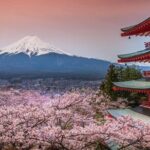
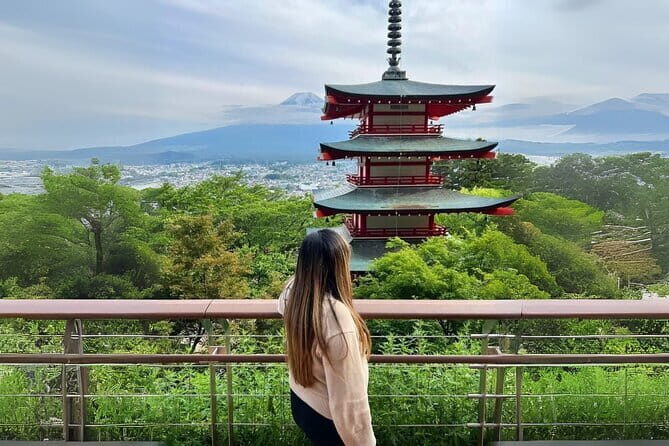
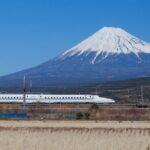
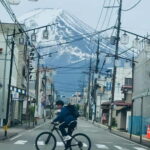
Chureito Pagoda gets attention for a reason: it’s a famous hillside viewpoint, and it’s especially known for spectacular looks during spring cherry blossoms (and other scenic seasons too). You’ll usually get about 45 minutes, with admission included.
This is also one of the stops where timing matters. Even when you don’t control crowds, you can control your experience by arriving ready to move—quick photos first, then a calmer look once the immediate surge thins.
Ropeways and art stops: worth it if the weather is cooperating

Two optional-but-valuable add-ons in this day are the ropeways and the art stop.
- Mt Fuji Panoramic Ropeway: about 1 hour, but admission is not included. If you want an elevated perspective and fewer ground-level crowds, it’s a nice way to switch the viewpoint.
- Hakone Open-Air Museum: about 40 minutes, but admission is not included. This is a great “pace reset” if conditions are less than perfect outside. It’s still outdoors, but it gives you a structured, slower rhythm.
Ropeway and observation-style stops are weather-sensitive. If clouds roll in, you may not get the aerial views you want. That’s exactly why I like this tour format: you can often keep your energy focused on what’s working that day rather than forcing every planned shot.
Hakone volcanic reality at Owakudani
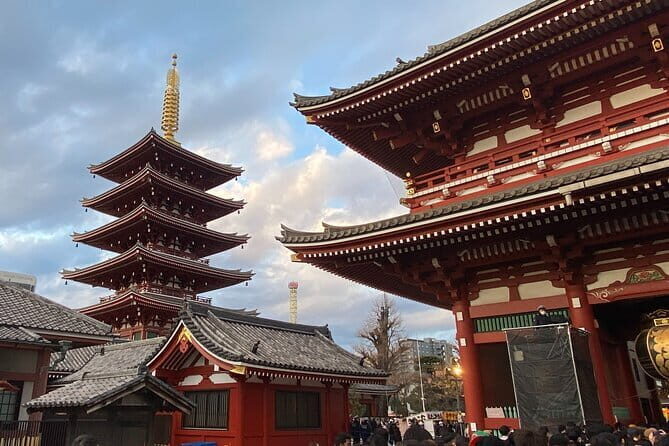
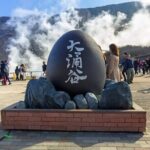
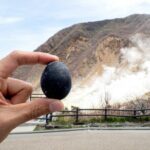
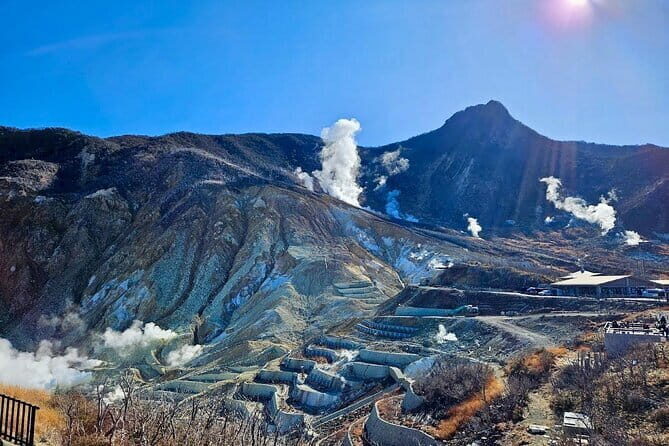
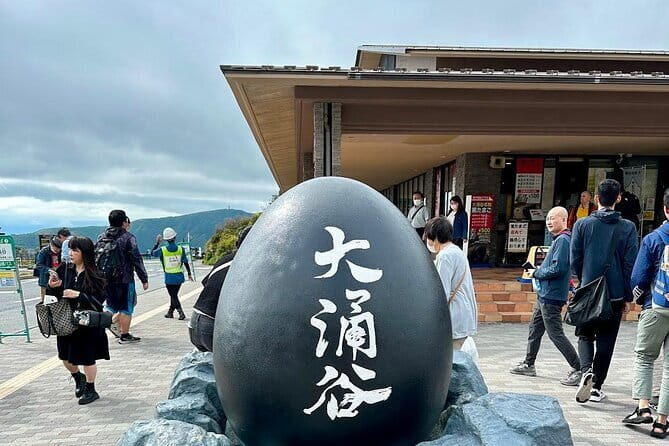
Then you head into Hakone’s volcanic world with Ōwakudani Valley. It’s famous for steaming vents, sulfur activity, and the rugged look of the volcanic landscape. Your time is usually about 30 minutes, and admission is not included.
What to expect in practical terms: it can feel intense—heat, smells, and a more dramatic atmosphere than the lakeside stops. This is where good clothing matters (layers, weather-ready gear). If you’re sensitive to strong odors, plan to keep visits short and focus on photos early.
Hakone Ropeway and Hakone Shrine: built for photo angles
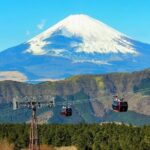
After Owakudani, some routes add the Hakone Ropeway (about 45 minutes), and admission is not included. The key draw is the aerial view of Mt Fuji on clear days, plus Lake Ashi and the Hakone volcanic area.
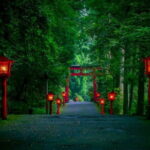
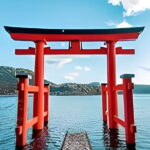
Next, you may visit Hakone Jinja, which is known for its red torii gate standing in the waters of Lake Ashi. Your time is typically about 40 minutes, and admission is not included. This stop is peaceful and great for classic shots from the shoreline.
My photo strategy here: don’t overthink it. Get your torii-gate angle, then step back for the wider view where the shoreline and lake curvature help frame the scene.
Lake Ashinoko and the cruise-style option
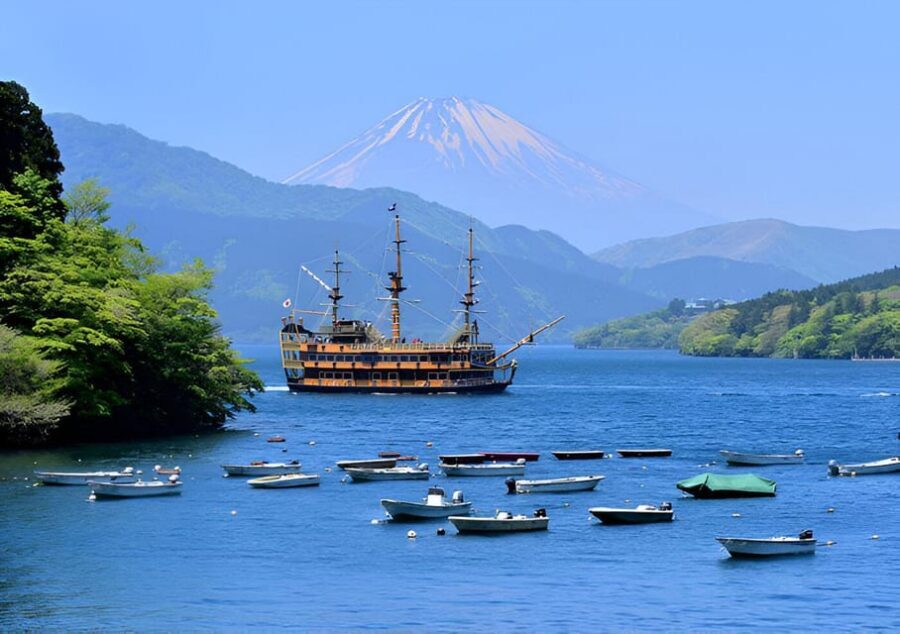
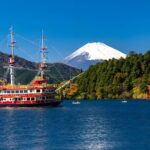
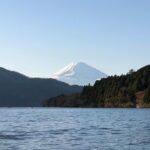
Lake Ashinoko (Lake Ashi) is a core stop because the views can be striking—especially on clear days when Mt Fuji shows up across the water. The itinerary indicates admission is included and your time is usually about 45 minutes.
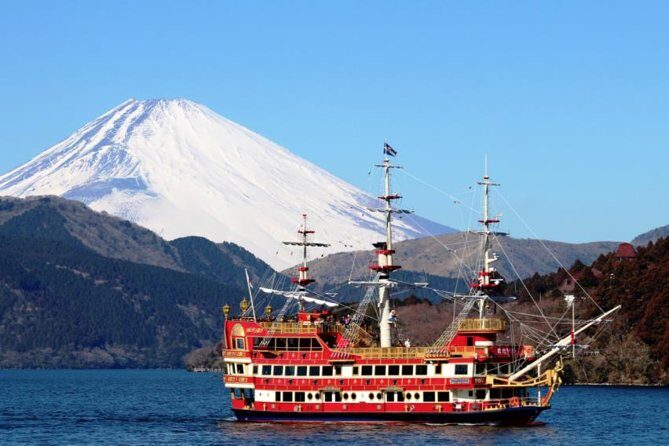
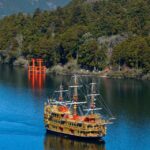
Boat experiences are specifically mentioned as part of certain routes (for example, a Togendai–Motohakone cruise is listed within Route 6). The exact option can vary based on the route you choose, but the lake itself is always part of the payoff.
If you want the best chance for Mt Fuji visibility, you’ll do best by treating the lake stop as your “moment of truth.” Keep your camera ready and be flexible about where you stand.
Gotemba Premium Outlets: a practical finish with Fuji views
If you choose a route that includes Gotemba Premium Outlets, you’re adding a strong “end of day” block of time—about 2 hours—and the itinerary states admission is included for this stop.
The big value here isn’t just shopping. It’s that Gotemba is often a place where you can keep an eye out for Mt Fuji views while you browse stores. If your group includes people who don’t want museums or ropeways, this is a nice compromise.
Driver quality and comfort: what actually makes the day better
This is where the reviews point to a big strength. Communication and organization are described as professional. People also praise punctual pickups and clean, comfortable vehicles.
There are also specific driver examples that matter because they show the service style. Names mentioned include Adnan, Anique, and Ali. The pattern: drivers are described as friendly and helpful, with a strong focus on safety and clear guidance.
One review also highlights a driver adapting the pace for seniors with walking difficulties. That matters because Mt Fuji and Hakone days can add up fast. A good driver helps you choose what’s realistic—less rushed, more comfortable.
And don’t ignore the small comfort perks: air-conditioning, a modern car, and a WiFi hotspot router. You can use it to check weather again before you head to viewpoint stops, and that can seriously affect how satisfied you feel with the day.
What to bring and what to do for Mt Fuji weather
Mt Fuji days depend on visibility. The tour data also states good weather is required, and if bad weather causes unavoidable circumstances, you’ll be offered a new date or a complete refund.
From practical tips shared in past experiences, I’d take these seriously:
- Bring cash (for on-the-spot tickets and anything else that isn’t included).
- Bring water.
- Pack a handheld fan and an umbrella.
- Check the weather before you leave and again mid-morning.
If you’re the type who hates carrying stuff, this is one day you’ll regret going light.
Tickets, included admissions, and what you’ll pay on the day
Some admissions are listed as included, and others are not. In plain terms: assume you’ll pay for several items in cash unless your route specifically includes them.
Included admissions (as listed in the tour details) include stops such as:
- Lake Kawaguchiko
- Oishi Park
- Chureito Pagoda
- Lake Ashinoko
- Gotemba Premium Outlets
Not included (paid on the spot) includes several headline experiences like:
- Mt Fuji 5th Station / Subaru Line 5th Station toll and admission
- Oshino Hakkai
- Saiko Iyashi no Sato Nemba
- Owakudani Valley
- Hakone Open-Air Museum
- Hakone Ropeway
- Hakone Jinja
- Mt Fuji Panoramic Ropeway (and other ropeway-like entries listed as not included)
Also, note one more practical cost warning: if your day runs beyond the 10-hour window, overtime is listed as 5,000 JPY per hour, payable directly to the driver at the end of the trip. That’s why smart route planning matters.
Who this tour fits best
This private day tour is a strong match if:
- You want maximum efficiency with hotel pickup and minimal hassle.
- You care about an English-speaking driver who can explain what you’re seeing and help manage timing.
- Your group includes different interest levels, since you can choose a route that balances lakeside Fuji views, Hakone volcanic stops, and optional shopping.
It’s also a good choice if you want a calmer experience without sharing the vehicle with strangers. Seats are up to 5 per group, and you can choose your pacing with your own route plan.
Should you book this Fuji and Hakone private day?
I’d book this if your goal is a one-day greatest-hits trip that feels organized and photo-friendly, without the stress of driving, train connections, or guessing how much time each stop really takes. The dedicated vehicle, English-speaking guide, and the ability to customize are the big reasons it’s worth your time.
I’d think twice if you’re chasing a long checklist of ticketed attractions and you’re staying far outside Tokyo, because the day can compress. If you do book, choose a route that matches your priorities and leave breathing room for weather shifts. Bring cash, water, and a way to handle wind and sun, and you’ll be set for a very memorable Fuji-and-Hakone day.
FAQ
How many people are in the tour?
It’s a private tour. Your group is limited to up to 5 people per booking, and the day is handled as a dedicated ride.
Is hotel pickup and drop-off included?
Yes. The tour offers pickup for convenience and includes meet-and-greet service.
Does the driver speak English?
Yes. The driver is listed as English and Japanese speaking.
How long is the tour?
The duration is about 10 hours (approx.). The data also notes the remaining time is used for travel.
What’s included in the price?
The tour includes an air-conditioned vehicle, petrol and gas, English and Japanese speaking guide, highway tolls, modern & clean vehicle, meet & greet, a WiFi hotspot router, and fuel surcharge.
Are attraction tickets included?
Some are included (for example Lake Kawaguchiko, Oishi Park, Chureito Pagoda, Lake Ashinoko, and Gotemba Premium Outlets), but many others are not included and must be paid on the spot.
What if the weather is bad on the day?
Good weather is required for the adventure. If unavoidable circumstances or bad weather happens, you’ll be given a new date or a complete refund.
Can I customize the itinerary instead of choosing a preset route?
Yes. You can select one of six outstanding routes or customize your own itinerary. The coordinator contacts you through Viator messaging (or another messaging app) to confirm your preferences.
Are service animals allowed?
Yes, service animals are allowed.