REVIEW · TOKYO
From Tokyo: Mount Fuji and Hakone Full Customizable Trip
Book on GetYourGuide →Operated by Japan Tours Master · Bookable on GetYourGuide
Fuji in one day still feels like magic. This private trip is built around your pace, with stops like the 5th Station, Chureito Pagoda, and Hakone’s Lake Ashi. I especially like the flexibility to tweak the order so the day fits your interests, not a rigid script.
Second, the experience is run by friendly, clear guides like Abu and Javad, and that matters when you’re rushing between viewpoints and stairs. One thing to keep in mind: mountain visibility depends on weather, so you’ll want a guide who can help you maximize the hours even when clouds roll in.
In This Review
- Key things that make this tour work
- A Private Fuji and Hakone Day That Actually Lets You Choose
- Getting From Tokyo: Hotel Pickup, Wi-Fi, and Time on the Road
- Mount Fuji Views: From 5th Station to Arakurayama Sengen Park
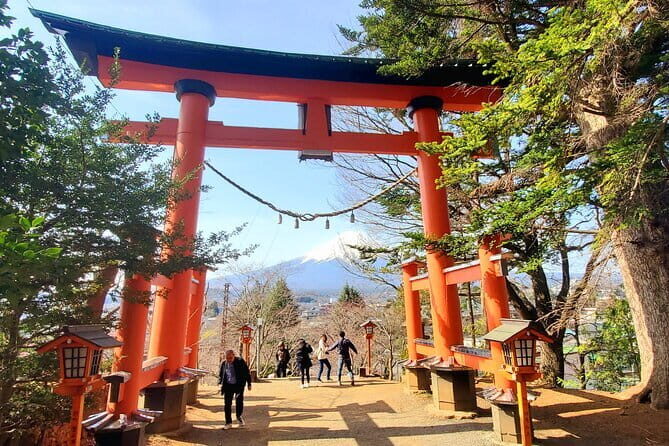
- Chureito Pagoda: Your Classic Mount Fuji Photo Stop
- Oshino Hakkai Ponds: Calm Countryside Between Big Viewpoints
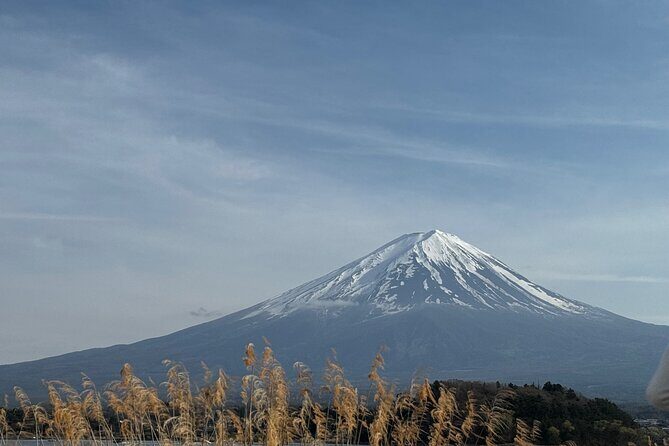
- Lake Kawaguchi: A Serene Break With Mount Fuji as Backdrop
- The Optional Art Stop: Itchiku Kubota Art Museum
- Shrine and Ice Cave Detour: Kitaguchi-hongu Fuji Sengen and Narusawa
- Oishi Park: Another Viewpoint, With Space to Breathe
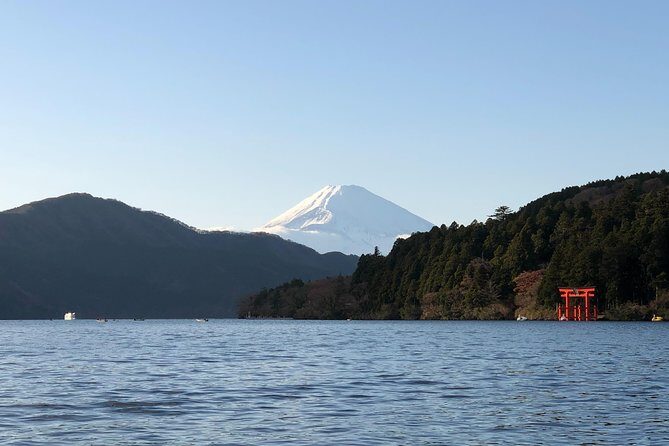
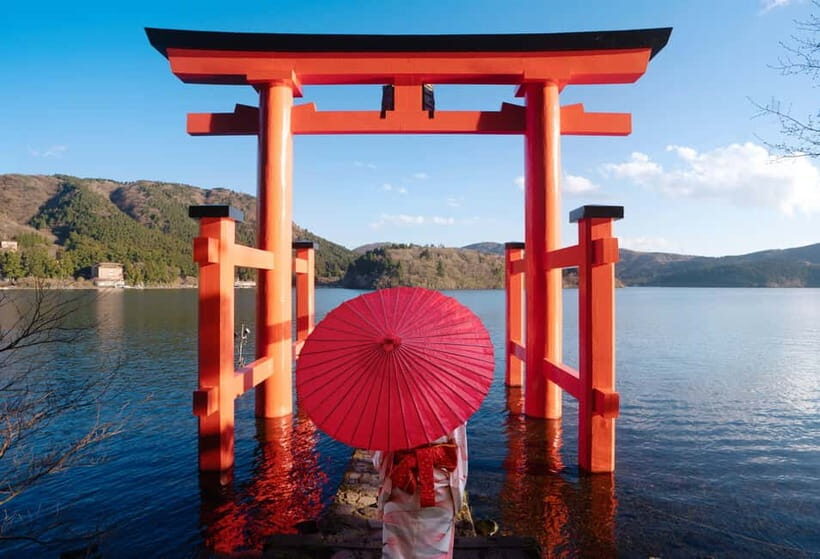
- Hakone Shrine and Torii on the Water
- Lake Ashi: Choose Your Pace, Then Take the Views
- Owakudani and the Ropeway: Big Weather, Big Views
- Odawara Castle: A Breather Before the Shopping Finish
- Gotemba Premium Outlets: Shopping With a Fuji-Friendly Ending
- Cost and Value: Is $354 for a Group Worth It?
- What to Bring for a Long Day (and Why It Matters)
- Who This Tour Fits Best
- Should You Book This Fuji and Hakone Private Trip?
- FAQ
- How long is the Mount Fuji and Hakone trip?
- How much does the tour cost?
- Is this a private tour or shared group?
- What’s included in the price?
- Are meals and entrance fees included?
- Where does pickup happen?
- When should I arrive for pickup?
- Will the driver wait if I’m late?
- Is the tour wheelchair accessible?
- Does the itinerary include boat cruises on the lakes?
Key things that make this tour work
- Private hotel pickup + air-conditioned van so you start fresh and avoid train transfers
- Mount Fuji 5th Station plus nearby shrines and walkable viewpoints for real altitude views
- Oshino Hakkai and Lake Kawaguchi for calm water scenes that balance the more crowded photo spots
- Chureito Pagoda timing for classic Mount Fuji framing (especially when conditions cooperate)
- Hakone hits in one sweep: Hakone Shrine, Lake Ashi, Owakudani, and the Ropeway
A Private Fuji and Hakone Day That Actually Lets You Choose
This is the kind of day trip where you’re not just visiting a checklist. You’re guiding the flow—within reason—so you can spend your energy where your camera will actually matter. That matters on Mount Fuji/Hakone routes, where timing and walking can be the difference between great photos and blurry disappointment.
I like how the trip stays full without feeling like a sprint. Even when the schedule packs in a lot, it’s structured around photo stops, short walks, and guided orientation. Your guide helps you move with less friction and more confidence.
More Mt Fuji & Hakone tours we've reviewed
Getting From Tokyo: Hotel Pickup, Wi-Fi, and Time on the Road
The biggest advantage here is simple: private, door-to-door pickup. You get collected from many Tokyo areas (hotels and Airbnbs), then dropped back in the city at the end. That saves you from train planning, luggage juggling, and the feeling that you’re spending half your day in transit.
You also get an air-conditioned vehicle, in-vehicle Wi‑Fi hotspot, and complimentary tea, coffee, and bottled water. Those small comforts add up on a long day, especially if you’re traveling with kids or anyone who hates waiting around.
Practical timing tip: arrive about 10 minutes early at your pickup spot. The driver will wait up to 60 minutes past the scheduled time, but you’ll reduce stress if you’re on time and easy to find.
Mount Fuji Views: From 5th Station to Arakurayama Sengen Park
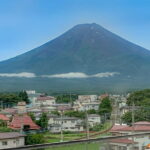
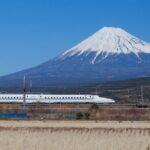
Your Fuji day gets going with viewpoints built for real scale. One of the first “wow” moments is Mt. Fuji 5th Station, reachable by car. From there, you’re at the highest point in the day’s route, and the views feel more immediate than postcards.
You’ll also get time to explore around the station, including the Komitake Shrine and nearby walking areas. That’s a nice balance: you get both the iconic height moment and a little grounding in what people actually do when they’re here.
Then the trip hits Arakurayama Sengen Park (a major viewpoint area tied to the famous Chureito scene). You’ll have a photo stop plus guided context and time to take it in at your own pace. If you want the “Fuji on the hill” framing, this is where you’ll aim for it—especially on days when the sky is clear.
Chureito Pagoda: Your Classic Mount Fuji Photo Stop
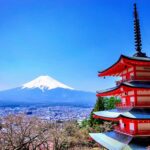
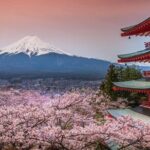
Chureito Pagoda is one of those places where the effort is obvious. You’ll have a dedicated time block for photos and walking, plus a safety briefing. That’s good because you’ll likely be moving on foot in a crowded viewpoint area.
I treat this stop like a photo mission with a break built in. If the visibility is good, you’ll get the iconic Mount Fuji background you’re hoping for. If it’s hazy or the clouds come and go, you still get a chance at multiple angles, which is often more useful than just waiting at one spot.
Oshino Hakkai Ponds: Calm Countryside Between Big Viewpoints
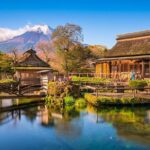
After the big-altitude moments, Oshino Hakkai offers a slower, more human pace. You’ll get time for a photo stop and guided sightseeing, then you can wander at your leisure. This area is known for crystal-clear ponds and traditional architecture, and it feels like a different tempo than the roads and lookout decks.
There are also food-stall options nearby, so you can sample local bites rather than doing an all-or-nothing meal plan. Lunch time is built into the day too, giving you a practical place to refuel.
One consideration: this part of the day can still be busy, especially if you’re traveling in peak seasons. But it’s the kind of crowd that moves you along, and it’s usually easy to find a quiet angle by the water.
Other Tokyo + Mt Fuji + Hakone combo tours we've reviewed
Lake Kawaguchi: A Serene Break With Mount Fuji as Backdrop
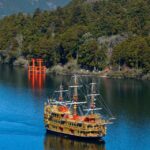
Lake Kawaguchi is your chance to trade stair climbs for calm water views. You’ll have time for a photo stop and guided sightseeing, plus a choice that can fit your style: a boat cruise or relaxing by the water’s edge.
That choice is a smart way to handle energy levels. If you’re with kids or just don’t want to spend time walking, sitting near the shoreline is still rewarding. If you enjoy being on the water, the cruise gives you a different perspective of the mountain and shoreline.
Warm clothing helps here. Lakeside air can feel cooler than Tokyo, even when the city is warm.
The Optional Art Stop: Itchiku Kubota Art Museum
If you have even a small interest in Japanese culture beyond shrines, there’s an option to consider: Itchiku Kubota Art Museum (kimono art). It’s not automatically listed as every group’s fixed stop, but customization gives you a chance to swap it in depending on timing and your preferences.
This is the kind of add-on that turns a scenery day into a “I learned something too” day. If your group loves design, textiles, or museum-style travel breaks, it can be a great fit.
Shrine and Ice Cave Detour: Kitaguchi-hongu Fuji Sengen and Narusawa
The route continues toward a more spiritual and geological side of the Fuji area. At Kitaguchi-hongu Fuji Sengen Shrine, you’ll get a photo stop and a guided visit with time to walk. This is a historic site at the foot of Mount Fuji, and it gives context for how pilgrims and locals think about the mountain.
From there, the day also includes Narusawa Ice Cave, where you’ll have guided time and a walk. This is a nice mid-day change of scenery because it’s not just “more views.” You’re seeing a different aspect of the environment around the Fuji region.
Oishi Park: Another Viewpoint, With Space to Breathe
Oishi Park is another photo-driven stop with time for guided sightseeing and walking. It’s a chance to watch how the light and weather shape the mountain from yet another angle.
I like adding multiple viewpoint stops like this because your first clear view might not be your best view. By the time you reach later viewpoints, you often have better timing for the angle of the sun and the thickness of the clouds.
Hakone Shrine and Torii on the Water
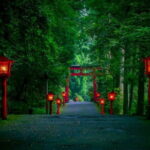
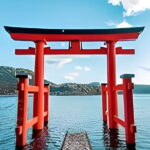
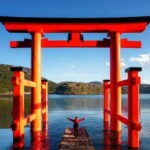
Now you shift from Fuji-centered stops to Hakone’s signature lakeside scenes. Hakone Shrine is built around that iconic torii gate rising from the water, and you’ll have time for guided sightseeing and walking.
This area is a favorite for a reason: the water and the shrine create a photo that feels both traditional and cinematic. Even if the mountain is faint that day, Hakone still delivers visual payoff.
Lake Ashi: Choose Your Pace, Then Take the Views
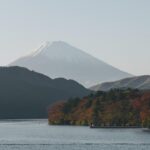
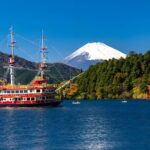
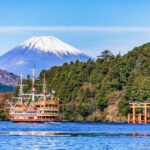
Lake Ashi rounds out the water theme. You’ll have a photo stop and guided visit, plus some free time. Depending on your customization, the route can also include a boat cruise, which is a classic way to see the lake with Mount Fuji in the background when conditions cooperate.
A useful mindset: treat Lake Ashi as a “slow hour” inside a fast day. You’ll get the perspective without needing to cram more walking than you can handle.
Owakudani and the Ropeway: Big Weather, Big Views
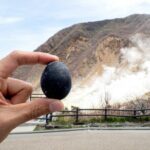
Next up is Owakudani Valley, where the terrain and atmosphere feel different. You’ll have a photo stop, guided visit, and a safety briefing, plus time to walk and see what’s there.
This is one of those places where weather changes everything fast. Wind and mist can make it feel dramatic or limit visibility, but either way it’s memorable. The safety briefings are a reminder to slow down and watch your footing.
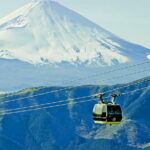
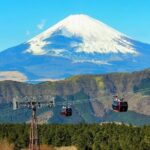
Then the day adds the Hakone Ropeway, including a cable car ride with guided sightseeing and walking time. It’s a good way to see the area from above without needing to hike for hours.
Odawara Castle: A Breather Before the Shopping Finish
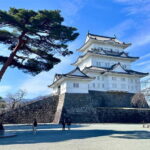
You’ll also have time at Odawara Castle, with guided time, walking, and some time for photos. It’s not always the first thing people think of when they plan Fuji/Hakone, but it works well late in the day.
Think of it like a reset button. After valleys, ropeways, and lakes, a castle-area stroll can feel easier on your legs and gives you a more “Japan town history” moment.
Gotemba Premium Outlets: Shopping With a Fuji-Friendly Ending
To close the loop, you’ll head to Gotemba Premium Outlets. You’ll get a photo stop, guided visit, and time for shopping and walking.
This is practical if you’re traveling with kids or shopping for gifts. It also gives you a controlled time block where you can pace yourself and decide how much you want to buy versus simply enjoy the atmosphere.
Cost and Value: Is $354 for a Group Worth It?
At $354 per group up to 5, the value is strongest when you compare the total “real cost” of doing this on your own. This price bundles things that add up fast: private transport, parking and fuel charges, tolls, and an English-speaking driver-guide. You also get help capturing photos and videos, plus Wi‑Fi and refreshments.
Entrance fees and meals are not included, so you’ll still budget for tickets and food. But the big money-and-time saver is the private routing. Fuji and Hakone routes can be logistically annoying without a car, and this tour cuts that friction.
If you’re traveling as a group of 3–5, the math usually gets even better because one vehicle covers everyone’s comfort. If you’re a solo traveler, it can still be worth it for the convenience, but the per-person value depends on your alternatives.
What to Bring for a Long Day (and Why It Matters)
Bring comfortable shoes because you’ll do multiple short walks at viewpoints and shrine areas. Warm clothing helps because the Fuji and Hakone zones can feel cooler than Tokyo, especially near water and elevated areas.
Also bring a camera, sunscreen, and anything you need for dry or windy conditions. It’s a long day outdoors, even if most stops are timeboxed.
One more practical tip: decide ahead of time how you’ll handle meals. Lunch is included as a time block, but meals themselves are not included, so plan on paying on-site.
Who This Tour Fits Best
This is a great fit if you want:
- A private day trip instead of train transfers
- Multiple iconic spots in one go, without guessing logistics
- A guide who can explain what you’re seeing, not just drive you around
It’s also a smart match for families. The smoother pace, photo help, and private vehicle reduce the stress of keeping everyone together.
If your group only wants one small slice of Mount Fuji (like only 5th Station or only one lake), you might feel the day is “too much.” But if you like variety and you’re comfortable walking short distances, this route is built for you.
Should You Book This Fuji and Hakone Private Trip?
I’d book it if you want a high-effort day that still feels organized and comfortable. The private pickup and the guide support make the whole day easier, and the mix of Fuji viewpoints plus Hakone lakes/valleys gives you more than just one lucky-weather moment.
Skip it if you hate long days or if your group refuses short walks and crowds at photo stops. Also remember: Mount Fuji visibility can vary, so you’ll want to be flexible and trust the guide to make the hours count.
If you want one clean plan for Fuji and Hakone without the headaches, this is a solid choice.
FAQ
How long is the Mount Fuji and Hakone trip?
It lasts about 10 hours, including travel time (sometimes listed as 10–11 hours).
How much does the tour cost?
The price is $354 per group (up to 5 people).
Is this a private tour or shared group?
It’s a private group experience exclusively for your group.
What’s included in the price?
Included items are an English-speaking driver-guide, fuel and parking fees, hotel pickup and drop-off in a private air-conditioned vehicle, tea/coffee/bottled water, in-vehicle Wi‑Fi, help capturing photos and videos, and toll charges.
Are meals and entrance fees included?
Meals and entrance fees are not included.
Where does pickup happen?
Pickup is available from accommodations within Tokyo areas listed (including many of the 23 wards). Pickup is not available from airports or ports.
When should I arrive for pickup?
Arrive at least 10 minutes before the scheduled pickup time.
Will the driver wait if I’m late?
Yes. Drivers will wait up to 60 minutes past the scheduled time.
Is the tour wheelchair accessible?
Yes, it’s listed as wheelchair accessible.
Does the itinerary include boat cruises on the lakes?
Lake Kawaguchi includes an option for a boat cruise, and Lake Ashi can also include a boat cruise option depending on your customization.