REVIEW · HAKONE
Hakone 8 hour Private Tour with Government-Licensed Guide
Book on Viator →Operated by Japan Guide Agency · Bookable on Viator
Hakone moves fast, so plan it smart. This 8-hour private tour uses a government-licensed English guide and customizable stop choices, so you can target Fuji views, volcanic steam, or art without getting swept up in group chaos.
I love the freedom to pick 4 to 5 sites from a menu that ranges from Lake Ashi and Hakone Shrine to Owaku-dani and multiple museums. I also love that the guide can adjust timing on the fly; for example, Ryuta (Dragon) is known for planning around heat or rain so your day doesn’t feel wasted.
One possible drawback: it’s a walking-focused tour with no private vehicle, so you’ll still work with Hakone’s local transport connections and any queues at popular viewpoints.
In This Review
- Key highlights to know
- Entering Hakone at Your Pace: The Private Walk That Fits a Real Day
- Price and Logistics: What You’re Really Paying For at $201.46
- Choosing Your 4 to 5 Stops: Build a Day That Matches Your Interests
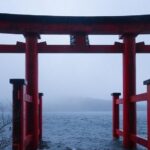
- Lake Ashinoko and Hakone Shrine: The Calm Start That Sets Expectations
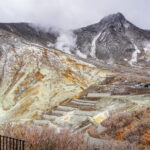
- Owaku-dani Valley and Black Eggs: Where You Feel the Heat
- Ropeway Connections and Fuji Timing: When Elevation Helps
- Art Stops That Don’t Waste Rainy Hours
- Hakone Museum of Art (Gora)
- Hakone Open-Air Museum
- Okada Museum of Art
- POLA Museum of Art
- Narukawa Art Museum (nihonga)
- Hakone Venetian Glass Museum
- Dollhouse Museum Hakone
- Gora Park
- Sengokuhara, Choanji Temple, and Wetlands: A Slower Hakone Side
- Sengokuhara
- Choanji Temple
- Hakone Shisseikaen (Wetlands Botanical Garden)
- Planning for the Volcanic Walking Option: Owakudani Nature Research Trail
- Practical Tips for a Smoother 8-Hour Day
- Should You Book This Hakone 8-Hour Private Tour?
Key highlights to know
- Government-licensed, English-speaking local guide who tailors explanations and pacing to your interests
- Choose 4 to 5 stops from a wide Hakone menu, instead of being forced into one fixed loop
- Multiple morning start times, which helps you dodge bad weather or aim for clearer skies
- Hakone Ropeway + volcanic zones are built into the options, so you get more than just photos from street level
- Art options that work year-round, from open-air sculpture to multiple indoor collections
- Owaku-dani options include black eggs and a special nature trail (with a reservation requirement)
Entering Hakone at Your Pace: The Private Walk That Fits a Real Day
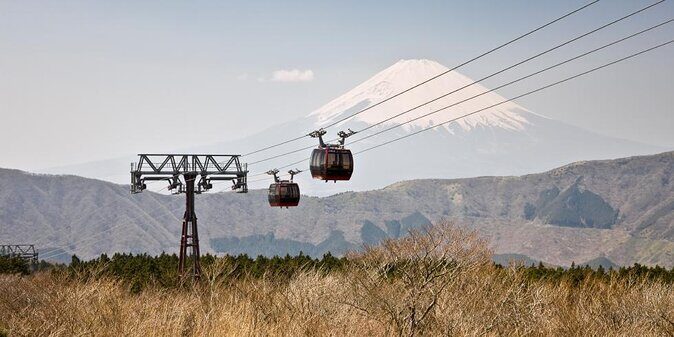
Hakone is the kind of place where a lot can happen in a short time—cable cars, ropeways, boats, museum stops, and that ever-changing weather that decides whether you see Mount Fuji or just the clouds. This tour is designed for that reality. You’re not stuck in a preset marching order. You’re choosing your day.
You also get the advantage of a licensed local English-speaking guide. That matters more than it sounds. In Japan, the “how to” is often as important as the “what to see.” A good guide helps you understand what you’re looking at (and where to stand), plus keeps you moving at a pace that feels reasonable for your group.
Finally, the structure is built around a full 8-hour window with morning start times available. That’s smart planning. If you’re chasing clear Fuji views, starting earlier gives you a better shot. If you’re just trying to stay comfortable, you can plan around heat and rain.
Other Hakone tours with a government-licensed guide
Price and Logistics: What You’re Really Paying For at $201.46
At $201.46 per person, this isn’t a cheap “taxi and photos” situation. You’re paying for three things you can’t easily buy on your own:
1) Private guidance (government-licensed)
You get a guide who can explain, suggest, and adjust. In practical terms, this can save you from wrong turns, wasted waiting, and time spent translating your way through every decision.
2) A tailored itinerary of 4 to 5 sites
The tour doesn’t try to cram every Hakone highlight into one day. It gives you a menu and time to actually experience it. That’s better value than “see everything” that turns into “rushed past everything.”
3) Local timing strategy
You’ll notice in the guide experiences shared from past groups that timing and route choice often makes the difference—like when a guide works in art stops so weather clears, or chooses shaded walking options on hot days.
Now the logistics reality check:
- It’s a walking tour. No private vehicle is included.
So yes, you’ll be on foot for parts of the route and you’ll rely on Hakone’s public systems between zones.
- Transportation fees aren’t included.
You’ll pay for local rides as needed.
- Entrance fees and lunch aren’t included.
Some stops are listed as free (like Lake Ashi, Hakone Shrine, and Choanji Temple), but most museums and attractions have separate tickets.
If you travel in a group, check whether you qualify for group discounts. The price becomes more attractive when you’re splitting real guidance time among people who’d otherwise each be “figuring it out” alone.
Choosing Your 4 to 5 Stops: Build a Day That Matches Your Interests
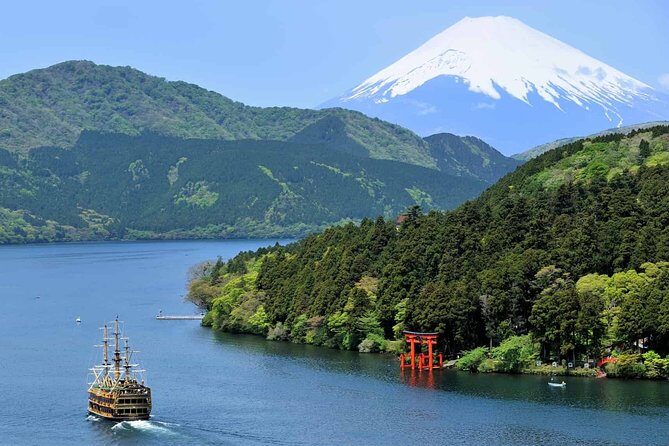
This tour works best when you decide what you want most. Hakone can swing from calm temple mornings to active volcanic steam in minutes. Pick your priorities and let the guide shape the order.
Here are useful ways to choose:
If you want views and classic Hakone icons
Start with Lake Ashinoko and Hakone Shrine, then add Hakone Ropeway. That combination gives you both the “Fuji-in-the-background” vibe and an elevated look at the Hakone slopes.
If you want volcano drama without overdoing it
Add Owaku-dani Valley for black boiled eggs and geothermal atmosphere. If you want a walking option inside the volcanic zone, consider the Owakudani Nature Research Trail too (but note it needs advance reservation and has an 800 yen fee).
If you like art and indoor breaks
Hakone is excellent for museums and seasonal indoor escapes. You can swap in art stops when the weather turns. Past guide examples show this flexibility in action—like guiding toward an art museum when rain makes outdoor time less pleasant.
If you prefer a slower, scenic walk
Include Sengokuhara (famous for pampas grass in autumn) and a temple/garden stop like Choanji Temple or Hakone Shisseikaen (wetlands garden). These options keep the day from feeling like nonstop stations and ticket lines.
Lake Ashinoko and Hakone Shrine: The Calm Start That Sets Expectations
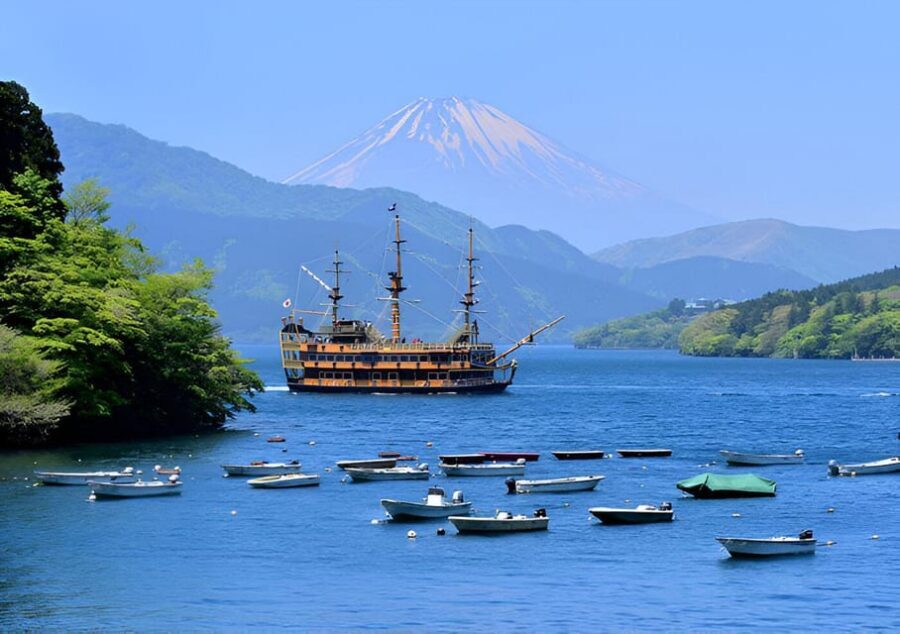
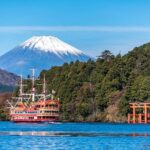
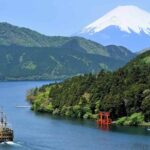
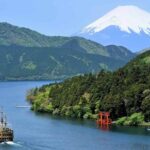
Your day often begins with an easy win: Lake Ashinoko (Ashinoko). This lake sits inside the caldera of Mount Hakone after the volcano’s last eruption about 3,000 years ago. In plain terms, you’re in the geographic reason Hakone exists.
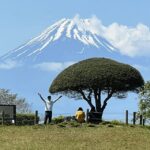
Expect a relaxed stop (about 15 minutes) where the view is the point—especially when Mount Fuji cooperates. Even when Fuji doesn’t show up, the lake surface and mountain backdrop still give you that “Hakone postcard” feeling.
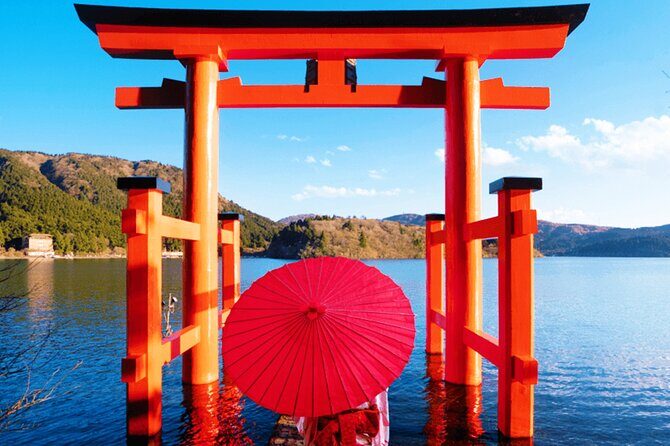
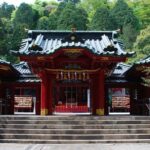
Next is Hakone-jinja Shrine, a quiet worship site with history stretching back more than 12 centuries. The buildings have been rebuilt multiple times after fires, but the shrine remains a steady anchor in Hakone’s spiritual landscape.
This is a good pairing because it balances the geothermal mood that comes later. It also gives you time for a quick snack or coffee without burning your whole schedule.
Owaku-dani Valley and Black Eggs: Where You Feel the Heat
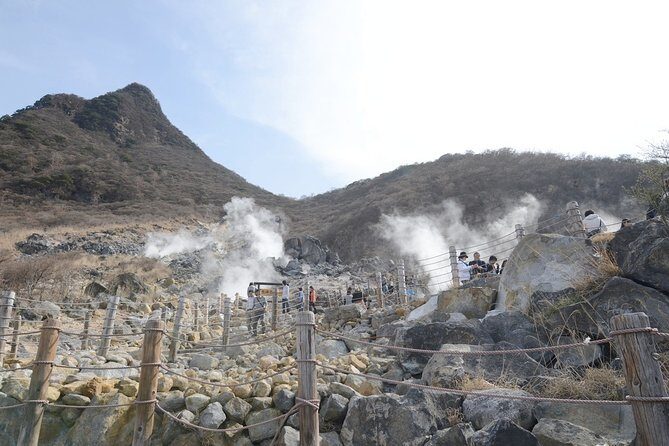
Then it’s time for the reason people come to Hakone’s volcanic side: Owaku-dani Valley. It’s an active volcano area that powers nearby hot springs, so the atmosphere is unmistakable—steam, heat, and that strong geothermal vibe.
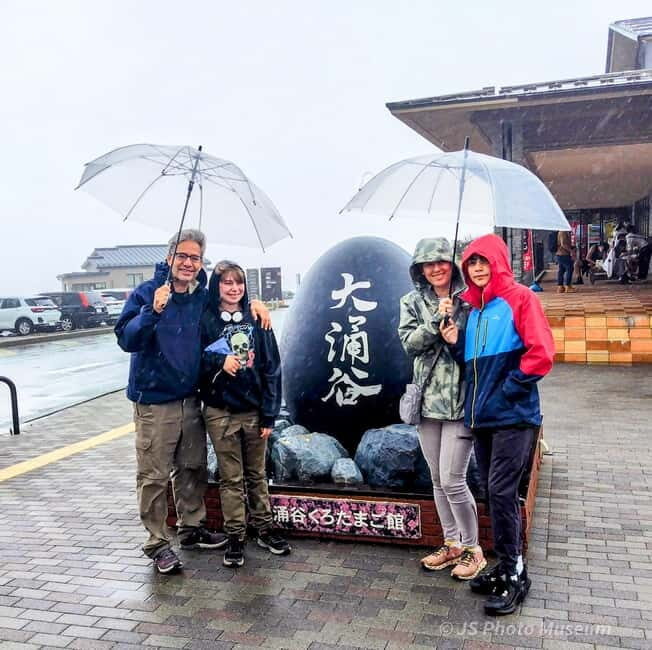
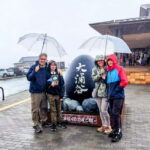
You’ll spend about 15 minutes here. The headline is the black boiled eggs. You’ll likely hear the local folklore about these eggs giving you extra years of life. I’ll keep it simple: even if you don’t care about the legend, it’s still a fun, very Hakone experience that connects you to the place beyond just a photo.
One practical note: tickets here are not included, so plan for the extra cost. Also, bring shoes you don’t mind getting a little warm or steamy around—this isn’t a walk for delicate soles.
Other guided tours in Hakone

Ropeway Connections and Fuji Timing: When Elevation Helps
Hakone’s routes aren’t flat, and the guide’s job includes picking the most efficient way to move between levels. Hakone Ropeway is one of those high-value segments.
The ropeway is part of the Hakone Round Course, connecting Sounzan Station (at the end of the Hakone Tozan Cablecar) with Togendai Station. Even if you’re not obsessed with transportation, this is one of the easiest ways to get different angles fast.
Your ropeway time is listed around 10 minutes. That’s perfect when you have an 8-hour day and want to spend the rest of your time on actual stops—especially museums and viewpoints.
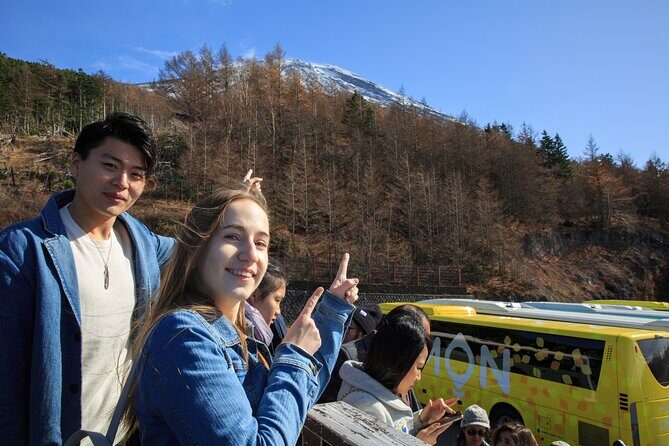
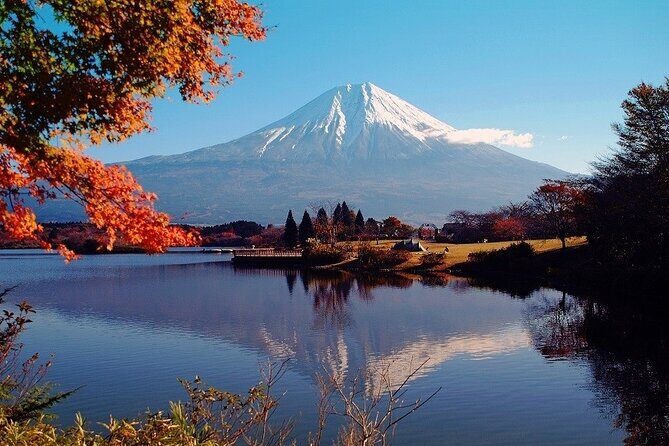
Now, Fuji is a luck game. The best advice is to treat Fuji as a bonus, not the only purpose of your trip. Start early if you can, but don’t build your whole day on one moment. This is exactly where a guide’s planning matters: when visibility changes, your schedule shouldn’t collapse.
Art Stops That Don’t Waste Rainy Hours
Hakone is serious about art, and this tour gives you several ways to enjoy it without losing your day.
Here are your main museum-style options, each with a different vibe:
Hakone Museum of Art (Gora)
A stop around 15 minutes. This one works well if you want a cultural reset between steam and scenic areas.
Hakone Open-Air Museum
About 15 minutes on the schedule, and it’s special because it’s Japan’s first open-air art museum, designed to mix nature and art. The structure makes it a strong choice when you want something visually different without committing to a long museum marathon.
Okada Museum of Art
Listed at about 30 minutes, which usually means you’ll have enough time to slow down, read labels, and actually see what’s there rather than just checking it off.
POLA Museum of Art
A short stop around 15 minutes, which can be a good weather tool. If you get rain, indoor options keep you moving.
Narukawa Art Museum (nihonga)
Another 15-minute option with a focus on nihonga, meaning Japanese-style painting. If you like technique and tradition, this is a satisfying choice.
Hakone Venetian Glass Museum
About 15 minutes. It blends an Italian-styled building design, a museum, and shops, plus a strolling garden around a canal-like pond. It’s lighter than the serious museums, but still very much a Hakone experience.
Dollhouse Museum Hakone
About 15 minutes. It’s an oddball stop in the best way: dollhouses from around the world. It’s also a nice break if your group includes people who don’t want another big museum building.
Gora Park
Around 15 minutes. It’s a western-style park on the slope above Gora Station—less about tickets, more about unwinding and looking out.
If you’ve got limited time and unpredictable weather, art stops are your safety net. That’s not theory; it’s something guides handle in real situations, including rain-heavy days where outdoor viewpoints become less satisfying.
Sengokuhara, Choanji Temple, and Wetlands: A Slower Hakone Side
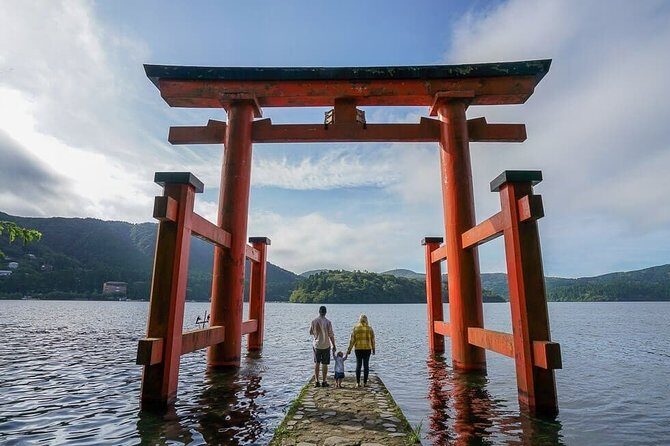
Not every Hakone moment has to be about ropeways and steam. The tour’s stop menu includes quieter, slower experiences.
Sengokuhara
A short 15-minute stop. It’s known for pampas grass and tends to be most beautiful in autumn. Even if your timing isn’t peak season, it’s a good choice when you want open air and calmer walking.
Choanji Temple
Another 15-minute stop, and it’s free. It’s a Soto Zen Buddhist temple established in 1356 in the Sengokuhara area. The best part here is the mood: a still, atmospheric place that balances the day’s heat and crowds.
Hakone Shisseikaen (Wetlands Botanical Garden)
About 15 minutes. It’s a highland garden inside Fuji-Hakone-Izu National Park, founded in 1976 to preserve plants and habitats. If you want variety in Hakone besides volcanic steam and shrine architecture, this is a strong option.
These slower stops are also useful for groups that don’t want to race from station to station. The guide’s ability to pace matters here.
Planning for the Volcanic Walking Option: Owakudani Nature Research Trail
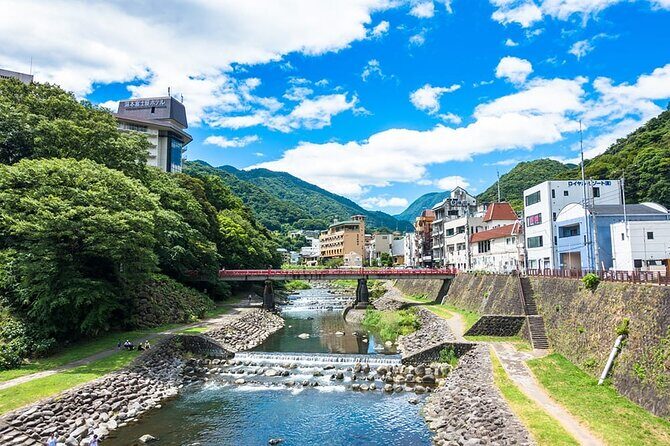
One of the most interesting choices on the menu is the Owakudani Nature Research Trail. It’s around 40 minutes (so longer than the other stops), but it’s also more of a commitment.
Two important details from the tour info:
- Advance reservation is required
- There’s an 800 yen entrance fee
- Admission is not included
If you like actually walking within an active geothermal zone, this is the stop that gives you the closest connection to what powers the hot springs. If you’d rather keep it light and stay with classic sightseeing, you can stick with Owaku-dani Valley for the black eggs and geothermal atmosphere instead.
Practical Tips for a Smoother 8-Hour Day
A private tour doesn’t automatically remove friction. In Hakone, it just makes friction less painful.
Use these tips:
- Wear real walking shoes. The day includes uphill-feeling areas and outdoor exposure.
- Bring a small layer. Weather can shift quickly between lake, shrine, and volcanic zones.
- Plan for ticket extras. Entrance fees and transportation aren’t included, so don’t assume everything is covered after the $201.46.
- Use your guide for timing decisions. If it’s crowded at a viewpoint, ask what’s the best timing window. Some guides, like Hiro, have been praised for getting people to key spots on schedule and even helping with local transport connections.
- Know that Fuji might not show. If you’re lucky, great. If not, your day can still be satisfying when you build in art and temple stops like Choanji and one of the museum options.
And yes, food can enter the plan. One guide example includes arranging a coffee stop for a group member and then ending with a matcha shaved ice at an older tea house. That’s not guaranteed, but it’s a good reminder: if you tell your guide you need a specific type of break, you’re more likely to get it.
Should You Book This Hakone 8-Hour Private Tour?
Book this tour if you have one solid day in Hakone and you want more control than a group loop. The value hits hardest when you:
- care about customizing your stop mix (views, volcano, art, or temples),
- want a government-licensed English guide for context and smart routing,
- would rather choose 4 to 5 quality stops than rush through 10.
Skip (or reconsider) if you’re trying to minimize logistics stress at all costs. This is a walking-focused day with local connections, and queues can happen around popular transfer points and photo moments—especially when everyone shows up for the same view.
If you want a Hakone day that feels planned, flexible, and actually suited to your group, this private 8-hour format is a strong bet.