REVIEW · HAKONE
Hike Japan Heritage Hakone Hachiri (Half Day)
Book on Viator →Operated by Coconuts Hike Japan · Bookable on Viator
Hakone Hachiri is a hike with a story. You walk part of the old Tokaido highway, mixing cobbled lanes and quieter forest paths between Hakone-Yumoto and Lake Ashi.
What I like most is how it stays active and human-scale, not just sightseeing from a bus window. You’ll also get real on-trail history from your certified national mountain guide, including the Edo-era role of the Tokaido route.
One thing to consider: this is a moderate hike (about 2–3 hours on foot), so if you’re aiming for an easy, mostly-flat walk, this route may feel like work.
In This Review
- Key Highlights You’ll Care About
- A Half-Day Stroll on the Old Tokaido in Hakone
- Starting at Hakone-Yumoto Station: How the Day Flows
- Hatajuku Wood-Crafting Village: The Hands Behind Hakone
- Hakone Tea House with 400 Years of Amasake Traditions
- The Checkpoint Stop: Understanding Why Hakone Mattered
- Forest Paths to Lake Ashi: Where the Fuji Looks Possible
- Price and Value: What $114.95 Buys You
- Logistics That Matter: Pace, Group Size, and Weather
- Who This Hike Suits Best (and Who Might Want Another Option)
- Should You Book Hakone Hachiri?
- FAQ
- How long is the Hakone Hachiri half-day hike?
- Where do I meet the tour?
- Where does the tour end?
- How much hiking will I do on foot?
- Are any of the stops free to enter?
- Is transportation included?
- How big are the groups?
- Can I see Mt Fuji from Lake Ashi?
Key Highlights You’ll Care About
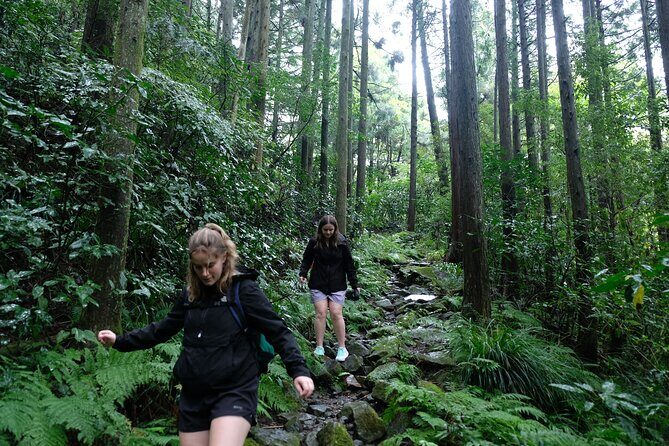
- Best-preserved cobbled stretch of the Tokaido: you get that real old-road feel on the part that still looks like it belongs in the past
- Forest time that often feels private: some sections are off-the-beaten path, so you can hear birds instead of crowds
- Hatajuku for wood-crafting context: you pause in a Hakone village known for traditional craft culture before heading onward
- A 400-year-old tea house stop with amasake: a warm, old-school break that resets your energy
- Lake Ashi timing for Mt Fuji chances: you finish where the views can include Fuji across the water, if weather cooperates
A Half-Day Stroll on the Old Tokaido in Hakone
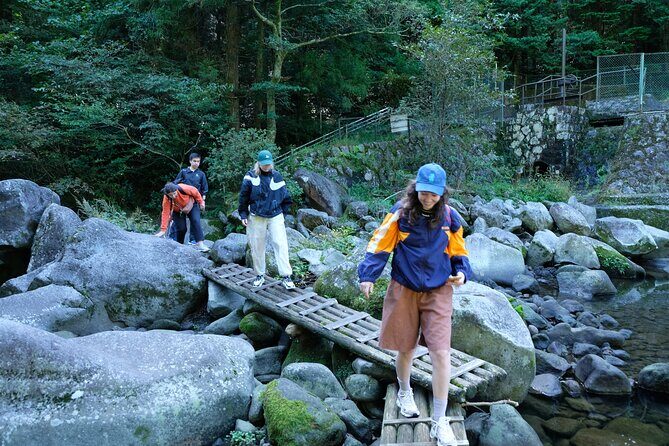
If you’ve only seen Hakone from the big-name viewpoints, the Hakone Hachiri hike changes the tone fast. Instead of just looking at the region, you move through it along a historic route that connected major destinations long ago.
I love that this isn’t a long endurance day. It’s about 4 hours total, with roughly 2–3 hours of hiking, so you still have energy for a boat ride or dinner afterward. And the walking feels balanced: cobbles where the old road is still visible, then quieter forest trails that slow your pace in a good way.
The route also has a nice “escape” element. The description notes some sections are off-the-beaten track, with stretches where you’ll often have the woods to yourself. That’s when the hike stops being a checklist and starts feeling like time well spent.
Other Hakone Hachiri and Old Tokaido hiking tours


Starting at Hakone-Yumoto Station: How the Day Flows

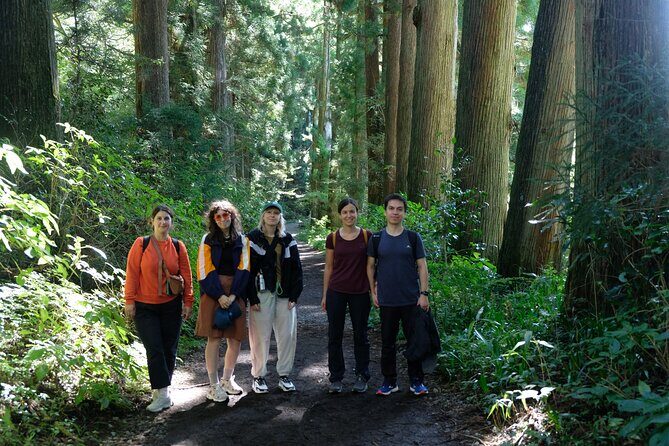
You meet at Hakone-Yumoto Station at 9:00 am, and the tour is capped at 6 travelers. That small group size matters more than you’d think. With fewer people, you spend less time waiting, and your guide can explain the route without talking into a megaphone.
Expect a trail day that’s organized but not rushed. The plan is built around short breaks and a guided story thread, then you finish around early afternoon. At the end, you can connect to the next leg via bus or ferry (including a pirate ship option) around 1 pm.
One practical note: transport isn’t “all included.” You’ll handle a shared taxi to the trailhead (about 2000 yen total, split among the group), and there’s also a bus fee to reach the tea house (listed as less than 400 yen). This keeps the hike flexible, but it does mean you should be comfortable paying small local costs.
Hatajuku Wood-Crafting Village: The Hands Behind Hakone
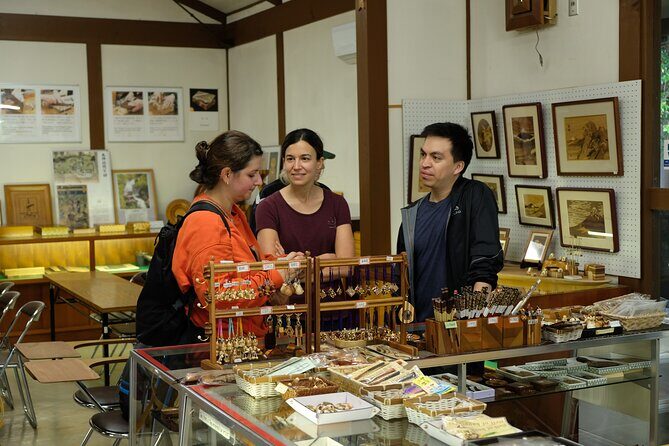
After about an hour of walking, you reach Hatajuku, a wood-crafting village in Hakone. This is the moment where the hike stops being only about footing and starts showing you what Hakone was like for real people.
I like this stop because it gives context. Hakone isn’t just a scenic bubble; it’s also a place with craft traditions tied to daily life and local resources. You don’t need to be a “history person” to enjoy this. The point is to understand how this area functioned along a travel corridor.
From there, you take a bus to skip the steepest part of the trail so you can still reach the tea house and keep the day feeling like a half-day experience. If you’re traveling with mixed hiking stamina, this choice helps the group stay together.
Hakone Tea House with 400 Years of Amasake Traditions
Next comes the tea house stop, a break timed for energy and storytelling. You’ll enjoy amasake, the sweet, warm fermented rice drink that’s especially welcome when you’re walking through forest air.
What makes this tea house stop feel worthwhile is the age. The tea house has a history of about 400 years, which turns your break into something more than a snack stop. It’s the kind of place where the same simple ritual—pouring, sipping, resting—has meaning because it connects to how travelers may have paused here long ago.
This pause is also where the guide’s English can really help you connect dots. In past groups, guides such as Akihiro (noted for excellent English after studying in Seattle) have done a strong job linking what you’re seeing to how the old route worked in practice.
Also, the village/tea timing can include small traditional refreshment elements. One account mentions barley tea and a traditional rice dessert during a village rest. Don’t count on a specific menu item every time, but it’s a good sign the day isn’t just about walking.
The Checkpoint Stop: Understanding Why Hakone Mattered
As you continue, the tour ends at the Hakone Checkpoint, where the guide explains the significance of Hakone in Japan’s history. This is a key part of the experience because it gives you a reason to pay attention beyond scenery.
A checkpoint stop sounds formal, but what you’re really doing is connecting the hike to travel systems. Hakone became an important area for movement, routing, and control, and the guide ties this to the broader story of the road network—especially the old Tokaido route connecting Edo-era Tokyo and Kyoto.
This is where I think the “certified national mountain guide” label pays off. You’re not just getting a route; you’re getting interpretation. And when you understand the why, the hike becomes more memorable even if the weather is only so-so.
The checkpoint stop is short (about 30 minutes), so you don’t feel like you’ve been pulled off the path. It’s more like the final chapter before you get to the views.

Forest Paths to Lake Ashi: Where the Fuji Looks Possible
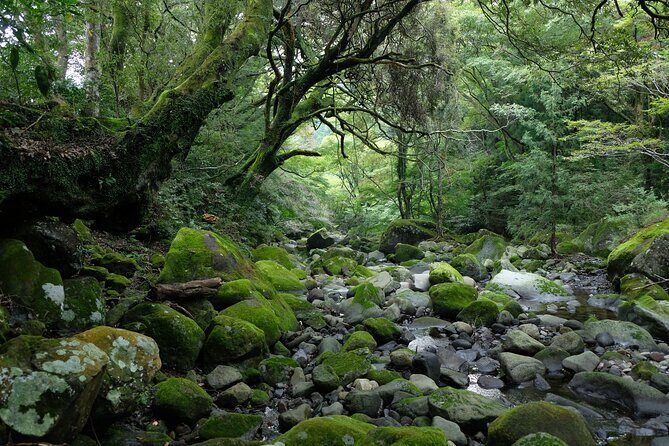
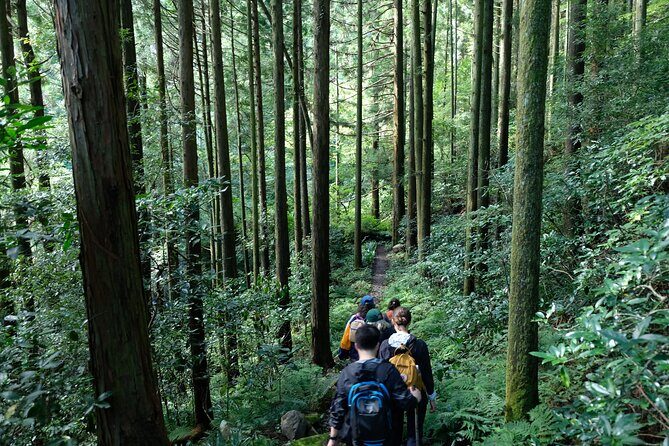
After the checkpoint, you shift into the final stretch toward Lake Ashi (Lake Ashinoko). The hike here is described as part of a “forest bathing” style walk, which basically means the focus is on being in the woods rather than sprinting through them.
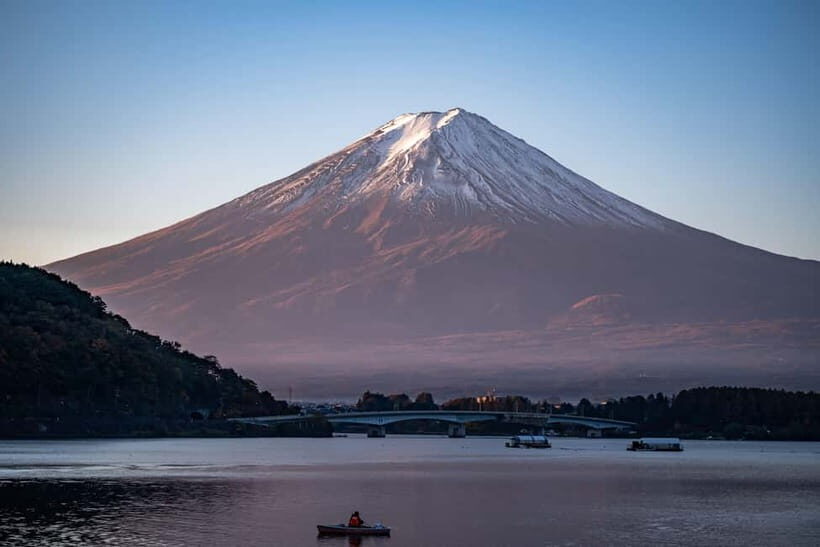
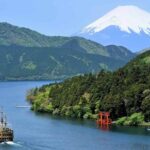
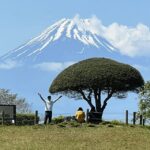
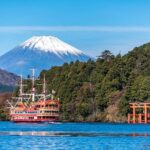
You’ll spend about 1 hour at Lake Ashi, which is enough time to settle in and enjoy the water. And this is the part where the tour’s payoff can be dramatic: if the weather permits, you may see Mt Fuji across the lake.
I’d treat this as a “chances are good, but not promised” situation. Lake views change fast with cloud cover. Still, having a full hour at the right location beats doing a quick photo stop and leaving immediately.
When your timing is right, the whole day gels:
- early morning hike energy
- mid-route tea reset
- history context at the checkpoint
- then the wide-open payoff at the lake
It’s a simple formula, but it works.
Price and Value: What $114.95 Buys You
At $114.95 per person, this isn’t a bargain-basement tour. But it also isn’t just a leader walking you from A to B.
Here’s what you’re paying for:
- a certified national mountain guide
- a route that includes multiple meaningful stops (craft village, tea house, checkpoint, lake)
- small-group attention (max 6 travelers)
- the fact that part of the hike can feel off-the-beaten even within a popular region
For me, the best value part is the guide-driven context. Anyone can hike. Not everyone can explain why the road mattered, why Hakone shows up in Japan’s story, and how the old Tokaido corridor shaped the way travelers moved.
You also get flexibility at the end. Since you finish near Motohakone / Lake Ashi, it’s easy to roll into the next stage of your Hakone day using bus or ferry, including the “pirate ship” option mentioned in the tour details.
Logistics That Matter: Pace, Group Size, and Weather
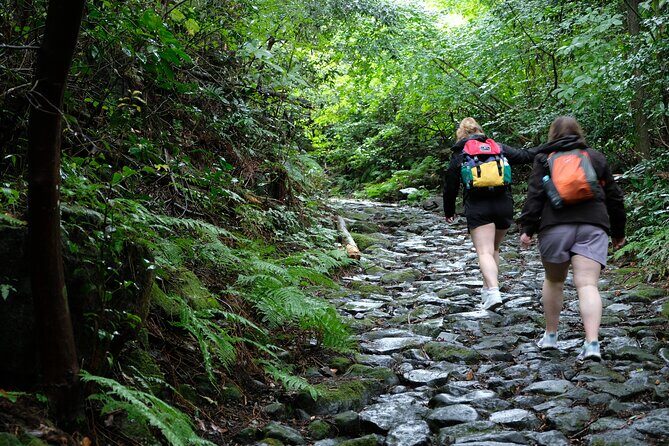
This is listed as moderate fitness. The hiking portion is 2–3 hours, and there’s at least some uphill feel early on (the steepest part is specifically skipped by bus). If you can handle a steady walking pace for a few hours with breaks, you’ll likely be comfortable.
Group size is your friend here. Up to 6 people keeps the experience calmer, which also helps your guide manage the pace and timing for stops like the tea house and checkpoint.
Weather is the other real variable. The experience requires good weather. If it gets canceled due to poor conditions, you’re offered either a different date or a full refund. That’s exactly what you want for a walking-focused route where visibility can make a difference—especially for Fuji across the lake.
Who This Hike Suits Best (and Who Might Want Another Option)
This tour fits best if you want Hakone in a more grounded way. You’ll like it if you:
- enjoy historical walking routes (old roads, checkpoints, travel corridors)
- want forest time without committing to a full-day hike
- appreciate short, high-quality stops rather than long museum-style breaks
- like traveling with a guide who can explain what you’re walking through
It may be less ideal if your goal is strictly low-effort sightseeing. Even though you skip some steepness by bus, this is still a real hike with 2–3 hours on foot. So if you’re building a day around maximum relaxation and minimal stairs or uneven cobbles, you might feel it.
Should You Book Hakone Hachiri?
I’d book it if your Hakone travel style includes walking, old roads, and understanding the “why” behind the views. The mix is strong: cobbled Tokaido heritage, quiet forest sections, and then an easy-to-plan finish at Lake Ashi with the chance for Mt Fuji.
I’d skip it or compare alternatives if you want an ultra-easy stroll or if you know you struggle with moderate walking. Also, treat Fuji visibility as weather-dependent, not guaranteed—because it’s the lake view that matters, and weather runs the show.
If you can handle a moderate hike and you care about history that you can actually walk through, Hakone Hachiri is one of the more satisfying half-day options in the area.
FAQ
How long is the Hakone Hachiri half-day hike?
It runs for about 4 hours total.
Where do I meet the tour?
You start at Hakone-Yumoto Station at 9:00 am.
Where does the tour end?
You finish at Motohakone / Lake Ashi, with options to catch a bus or ferry onward.
How much hiking will I do on foot?
You’ll hike about 2–3 hours along the old route between Hakone-Yumoto and Lake Ashi.
Are any of the stops free to enter?
The tour lists admission tickets as free for the stops along the route.
Is transportation included?
Not fully. There’s a shared taxi to the trailhead (2000 yen total, split among the group), and there’s also a bus fee to the tea house (less than 400 yen).
How big are the groups?
The tour has a maximum of 6 travelers.
Can I see Mt Fuji from Lake Ashi?
You can see Mt Fuji if weather permits.