REVIEW · HAKONE
Hakone 6 hour Private Tour with Government-Licensed Guide
Book on Viator →Operated by Japan Guide Agency · Bookable on Viator
Hakone feels twice as good when you choose the stops. This private walking tour lets you design a day by picking 3 to 4 sites from a menu, then go at your pace with a government-licensed English-speaking guide. I like that it’s built for flexibility and local storytelling, but the main trade-off is that Hakone is a walking day and some big sights (ropeway, boat, museums) come with extra costs.
The best part is how the guide shapes your timing around what matters to you. With flexible morning start times, guides such as Yumi tend to explain the history and culture clearly, while guides like Hiro are known for smart route choices and getting you seated well for Lake Ashi moments when conditions cooperate. If the weather turns (wind is a real factor here), you may spend more time waiting or adjusting on the fly.
One more thing to plan for: the price ($175.76 per person) covers the guide and the selected sights, not the whole Hakone day. You’ll still pay for entrance fees not included, plus transportation, lunch, and personal expenses—so good shoes and a bit of cash/card buffer matter.
In This Review
- Key takeaways before you book
- Entering Hakone on a guided walking plan (not a crowded bus day)
- Price and what you really get in 6 hours
- Building your perfect day by choosing the right 3–4 stops
- Lake Ashinoko: Hakone’s iconic view stop (and a free one)
- Hakone Shrine: quiet history with a great atmosphere
- Hakone Ropeway: the fast route over the volcanic zone
- Open-Air Museum: art placed around nature, not inside walls
- Owaku-dani Valley: active volcano energy (plus black eggs)
- POLA Museum of Art and Okada Museum of Art: private collections with calm pacing
- Sengokuhara and the pampas-grass season note
- Venetian Glass Museum (Hakone Glass no Mori): Italian-styled buildings and strolling time
- Hakone Museum of Art: a stop for art lovers in Gora
- Choanji Temple and Hakone Shisseikaen: a calmer side of Hakone
- Gora Park and the Dollhouse Museum: easy wandering breaks
- Narukawa Art Museum: nihonga-focused contemporary culture
- Owakudani Nature Research Trail: closer geothermal views (with reservation and a fee)
- How the route feels: pacing, crowds, and transport reality
- Weather is part of the plan, not a surprise
- Meeting points and what the “pickup on foot” really means
- How the guide experience makes or breaks the day (and why names matter)
- Should you book this Hakone private tour?
- FAQ
- How long is the Hakone private tour?
- Can I choose which places to visit?
- Is pickup included?
- What’s included in the price?
- Are entrance fees and transportation included?
- Do I need the Hakone Freepass for this tour?
- What if the weather affects ropeway or other transport?
- Is the tour refundable if plans change?
- Are service animals allowed?
Key takeaways before you book
- Choose your 3–4 stops from a wide menu, so your day doesn’t feel like a fixed checklist.
- Start times are flexible, which helps when you’re trying to catch the clearest sky for views.
- Your guide does more than point; people rave about guides like Yumi and Hiro for clear explanations.
- Walking is the default, and Hakone’s popular routes can get crowded even with a private plan.
- Weather can change the route, especially around ropeway and boat operations.
Entering Hakone on a guided walking plan (not a crowded bus day)
Hakone can be overwhelming fast. Trains, cable cars, boats, and buses all loop through the same scenic zones, and group tours often force you into a tight schedule where you spend more time repositioning than seeing.
This format works better if you want control. You pick the stops—then a licensed guide helps you stitch them into a workable 6-hour flow, with time to actually look around. It’s a smart match for couples, small families, or anyone who’d rather avoid the herd and take breaks when they want.
That pace is why guides show up in the details. People specifically highlight guides like Kate/Kumiko, Hiro, Hide, and Yumi for being friendly and organized, plus for adjusting the plan when conditions shift. For you, that means fewer awkward moments like standing around unsure where to go next.
Other Hakone tours with a government-licensed guide
Price and what you really get in 6 hours
At $175.76 per person, you’re paying for a private guide experience, not a bundled theme-park ticket.
What’s included:
- A licensed local English-speaking guide
- Meet-up on foot within a designated area
- A custom tour using 3–4 selected sites from the provided menu
What’s not included:
- Transportation fees
- Entrance fees (except free sites listed in the options)
- Lunch and other personal spending
- Any private vehicle
- The Hakone Freepass
So the value depends on what you choose. If your selections include ropeway/cablecar-based areas, museums, or the volcano zone, you should expect to pay more on top. If you lean into the free stops (like Lake Ashinoko and Hakone Shrine, plus Choanji Temple) you’ll keep costs down.
In practice, I’d think of the price as buying you:
- smoother navigation through Hakone’s moving parts
- a guide who helps you understand what you’re looking at
- less time lost to confusion or wrong timing
Building your perfect day by choosing the right 3–4 stops
The menu is wide, so the key is picking a mix that doesn’t overlap too much in travel time. A good day has one “big view,” one “active nature” element, and one “calm” stop (shrine, temple, gardens, or art).
Here’s what each potential stop is best at—and where it can feel short or costly.
Lake Ashinoko: Hakone’s iconic view stop (and a free one)
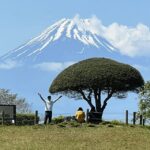
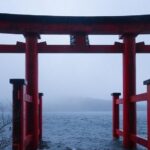
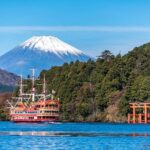
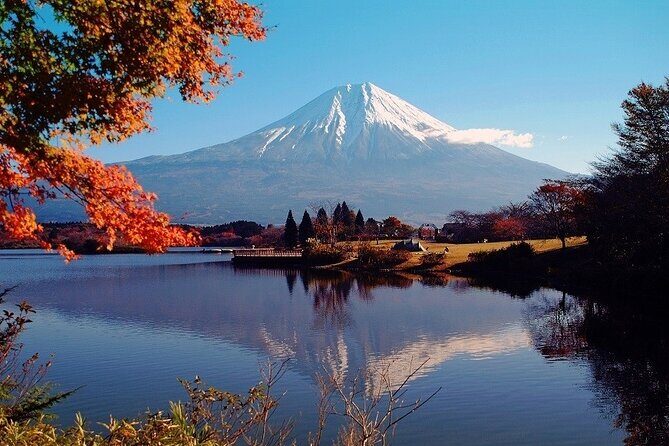
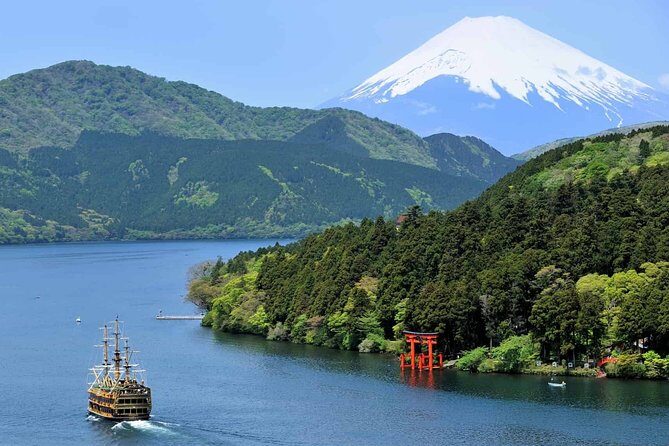
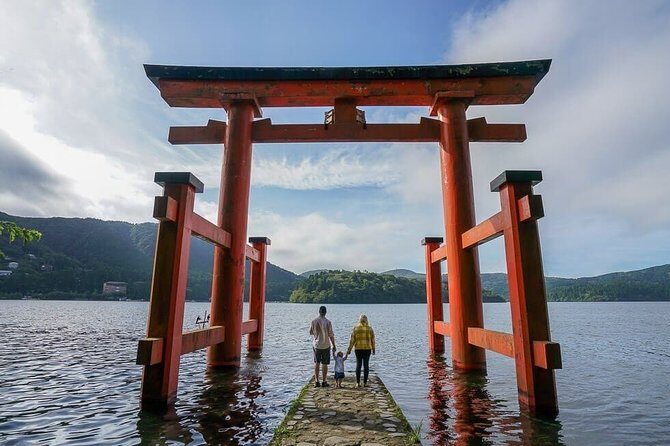
Lake Ashinoko is the classic Hakone postcard. It formed in the Mount Hakone caldera and today it’s strongly tied to Mount Fuji views in the background. Admission here is free, and the schedule gives you about 30 minutes, which is enough time to take photos and walk a bit without feeling rushed.
Watch-outs:
- Fuji visibility is weather-dependent. If it’s cloudy, you’ll still enjoy the lake and the geothermal mood, but you may not get that clear silhouette moment.
- If you want the full “cruise” feeling on the lake, you’ll likely need extra transport coordination beyond just this stop.
Hakone Shrine: quiet history with a great atmosphere
Hakone-jinja Shrine is calm in a way that still feels rare in tourist-heavy Japan. The site dates back more than 12 centuries, and the shrine has been rebuilt over time after fires, which gives it a resilient, lived-in feel.
You get about 20 minutes and admission is free. That makes it a good buffer stop if your day is getting jammed or if you want a moment that’s less “moving machinery” and more peaceful.
Other guided tours in Hakone

Hakone Ropeway: the fast route over the volcanic zone
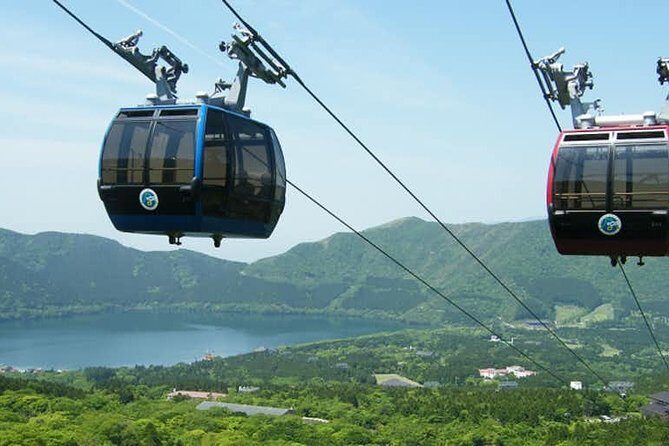
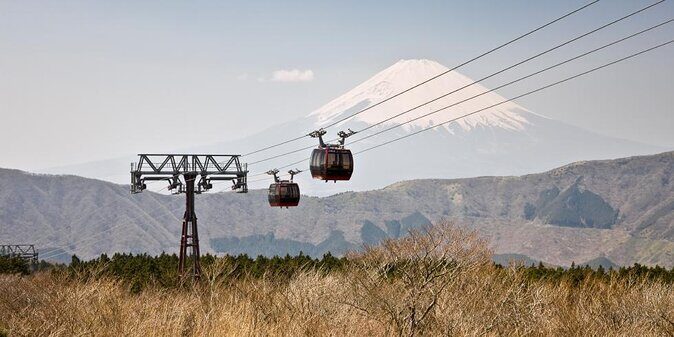
The Hakone Ropeway is the bridge between Hakone’s rail and volcano areas. It connects Sounzan Station (linked to the cablecar) with Togendai Station, and it’s built into the Hakone Round Course.
This is one of the stops that’s easy to love—when it runs.
- Admission is not included, so budget for it if it’s in your 3–4.
- Wind can shut down ropeway operations, and when that happens you’ll adapt (sometimes with longer waits and bus reroutes).
If you’re the type who enjoys motion and views—rather than just standing and photographing—this is a high-energy add.
Open-Air Museum: art placed around nature, not inside walls
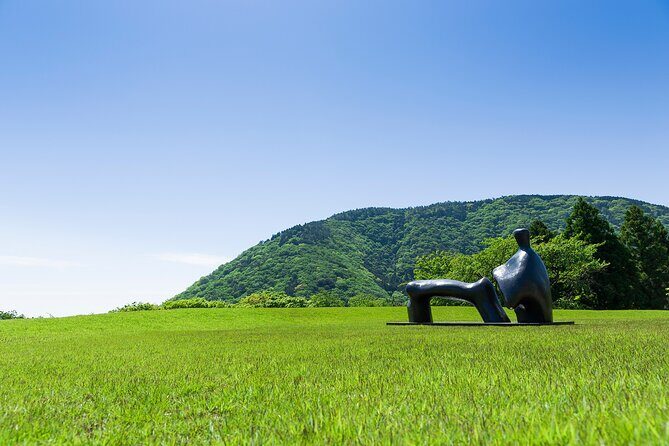
The Hakone Open-Air Museum is one of Japan’s first open-air art museums. It’s designed to mix art with the outdoors, spread over a large site (around 70,000 square meters).
Admission is not included, and the time is roughly 20 minutes. That’s short, so you’ll get the strongest value if you go in with one or two art interests. If you love strolling and don’t mind speed-reading museum vibes, you’ll be fine. If you want deep museum time, consider swapping this for another art stop with a better fit.
Owaku-dani Valley: active volcano energy (plus black eggs)
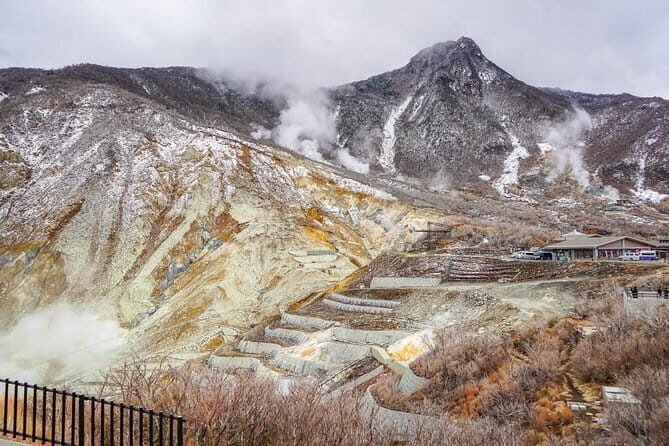
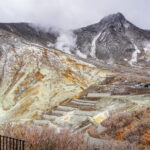
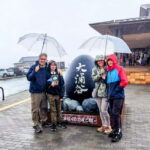
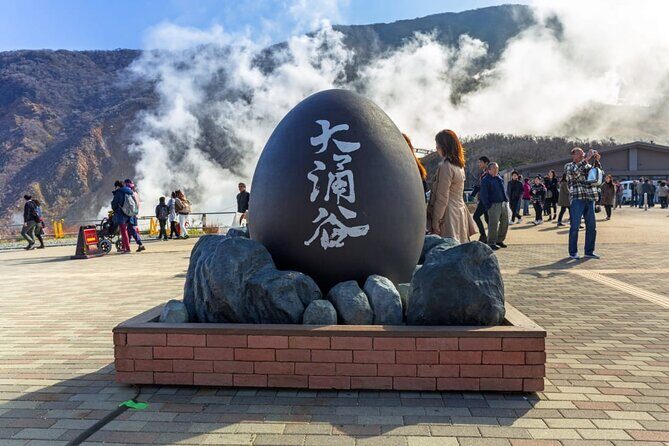
Owaku-dani is where Hakone stops feeling like a scenic town and starts feeling like a living geothermal system. The area is active volcano terrain that powers local hot springs. There’s also a fun cultural food link: the famous black boiled eggs associated with the area.
This stop is about learning through the environment. Admission is not included, and you’ll typically get around 20 minutes.
Two practical considerations:
- It’s an active volcanic zone, so expect wind exposure and weather sensitivity.
- Many people pair this with ropeway access to an observatory viewpoint—so if ropeway operations are disrupted, your time may shift.
POLA Museum of Art and Okada Museum of Art: private collections with calm pacing
The POLA and Okada museums come from private collections and tend to feel less like a rushed conveyor belt.
- POLA Museum of Art opened in 2002 and displays the company’s private art holdings.
- Okada Museum of Art opened in 2013, showcasing works from antiquity through modern pieces.
Both are not included and are scheduled for about 20 minutes. That’s just enough time to absorb the vibe, spot your favorite pieces, and pick up a couple of key details from your guide. If you’re a serious art deep-dive person, you might find you want more time than the tour allows—but for a mixed Hakone day, these can be a welcome change from all the outdoors.
Sengokuhara and the pampas-grass season note
Sengokuhara is described as a slope of pampas grass and is most beautiful in fall. If you’re visiting during that season window, it can be a great photo break that doesn’t require museum tickets.
Scheduled time is 20 minutes, and admission is not included. If you’re outside the fall peak, you may still enjoy the open-air feel and views, but it won’t be “full seasonal wow.”
Venetian Glass Museum (Hakone Glass no Mori): Italian-styled buildings and strolling time
The Hakone Glass no Mori complex has Italian-style architecture with museum and shops. Outside, there’s a strolling garden around a canal-like pond—so it works as a relaxing change of pace.
Admission is not included, and the tour gives about 20 minutes. This is the kind of stop I’d choose if you like the idea of browsing and picking up a small souvenir without turning it into a long detour.
Hakone Museum of Art: a stop for art lovers in Gora
The Hakone Museum of Art sits in Gora and was founded by Okada Mokichi in 1952. Like the other museum options, it’s a good way to slow down after the more active geothermal parts of the day.
It’s about 20 minutes, and admission is not included.
Choanji Temple and Hakone Shisseikaen: a calmer side of Hakone
If you want a temple moment plus a nature-side pause, this is where the schedule becomes balanced.
- Choanji Temple is a Soto Zen temple established in 1356. Admission is free, and the time is about 30 minutes, which is the longest free cultural slot on the list.
- Hakone Shisseikaen is a botanical garden of wetlands in the Fuji Hakone Izu National Park area, founded in 1976. Admission is not included and time is around 10 minutes.
Choanji is the better bet if you want cultural atmosphere. Shisseikaen is fine as a quick nature reset, but don’t expect long-walk garden time.
Gora Park and the Dollhouse Museum: easy wandering breaks
These are the “stretch your legs” stops.
- Gora Park is a western-style landscaped park on a steep slope above Gora Station, designed for relaxing views. Admission is not included and the time is 10 minutes.
- Dollhouse Museum Hakone has an international dollhouse collection, including pieces over 200 years old. Admission is not included, and the time is about 30 minutes.
If you’re traveling with kids or you love quirky museum themes, the dollhouse stop can be a hit. If you’re not, Gora Park can still work as a quick scenic decompression.
Narukawa Art Museum: nihonga-focused contemporary culture
The Narukawa Museum of Art is dedicated to nihonga, meaning Japanese-style painting. It’s scheduled for about 30 minutes, with admission not included.
This is a good choice if you specifically want something more Japan-centered in painting style, rather than generic “art museum time.”
Owakudani Nature Research Trail: closer geothermal views (with reservation and a fee)
This is the option for people who want a more physical nature experience in the active zone.
The Owakudani Nature Study Path offers close-up views of Hakone’s geothermal activity. The data notes advance reservation required and an 800 yen entrance fee. Admission is not included on the tour, but this one is different because it has a listed specific paid requirement.
It’s scheduled for about 40 minutes, which is the longest paid nature element on the menu. If you’re choosing just one active-nature stop, this is a strong contender—assuming you can handle reservations and potential weather exposure.
How the route feels: pacing, crowds, and transport reality
Even though it’s private, it’s still Hakone. That means you’ll likely use trains, cable lines, ropeways, buses, or short walk segments between zones—plus the timing of shared stations.
Some people have noted the day can feel fast and involves a lot of walking, especially when using public transport in crowded periods. For you, the best move is practical:
- wear shoes you can walk in all day
- plan for weather
- expect lines around major systems like ropeway and cable-based connections
The good news is that the private guide format helps you dodge the worst timing mistakes. Guides have been described as using wait times for explanations and getting you through stations efficiently rather than treating each stop as a sprint.
Weather is part of the plan, not a surprise
Hakone can throw curveballs. Wind can shut down the ropeway, and high winds have forced substitutions for the day.
In these situations, guides like Hide and Yumi are praised for staying calm and proactively creating an alternate plan—like shifting focus to other areas when the volcano transport is temporarily closed. That’s a big deal because it turns a potential mess into a workable day.
If you want an extra-safe plan:
- pick one option that still works in weaker weather (shrine/temple or museum)
- keep expectations flexible about ropeway/boat-style moments
- choose your “must-see” last, not first, so you’re not trapped if systems close
Meeting points and what the “pickup on foot” really means
The tour includes meet-up within a designated area, on foot. So you’re not being loaded into a car at your hotel doorstep.
This matters because Hakone’s stations and stops are spread out. You’ll want to know where you’re meeting your guide ahead of time and make sure you can arrive promptly.
The good part: because your guide is already integrated into the local flow, you can start moving quickly rather than spending half the morning figuring things out.
How the guide experience makes or breaks the day (and why names matter)
Private tours can be hit-or-miss if the guide is weak. Here, the standout theme is organization plus friendly, clear explanations.
Examples that show up in real-world outcomes:
- Yumi: praised for being extremely knowledgeable about the surroundings, explaining the history and culture, and keeping the tone friendly and kind.
- Hiro: praised for shortcuts and smart timing, especially around getting good seating for major scenic moments, plus adding cultural detail like introducing a yosegi-zaiku craft maker for unique souvenirs.
- Kumiko (Aoki): praised for careful scheduling even during peak Sakura season, plus adapting quickly to last-minute requests and finishing just before rain.
- Kate (Kumiko): praised for being organized and bringing small morale boosters like ice cream.
So for your decision: if you care about understanding what you’re seeing—not just taking pictures—this is where the guide matters most.
Should you book this Hakone private tour?
Book it if:
- you want control over which parts of Hakone you prioritize
- you prefer a guided explanation instead of just following a bus schedule
- you’re comfortable walking and want a smooth day without navigating every station change yourself
Skip or reconsider if:
- you hate walking and want minimal movement
- you’re hoping everything is fully bundled (it isn’t; transportation and most entrances are extra)
- ropeway/boat closures would ruin your day—because wind can force changes, even with a great guide
If you want the best value, choose your 3–4 stops so they complement each other: one big view (Lake Ashinoko), one volcano/geo element (Owaku-dani and/or ropeway), and one cultural or art pause (shrine/temple or museum). That mix matches the way Hakone actually feels—scenic outside, thoughtful inside, and always tied to the earth beneath.
FAQ
How long is the Hakone private tour?
It runs for about 6 hours.
Can I choose which places to visit?
Yes. You can pick 3 to 4 sites from the provided options, and your guide helps you plan the day around your choices.
Is pickup included?
Pickup is offered in the sense that you meet your guide within a designated area, on foot (it’s a walking tour).
What’s included in the price?
You get a licensed local English-speaking guide and a customizable plan using 3–4 selected sites.
Are entrance fees and transportation included?
No. Transportation fees, entrance fees, lunch, and other personal expenses are not included.
Do I need the Hakone Freepass for this tour?
The Hakone Freepass is not included, but your guide may still help you plan around it if you use one.
What if the weather affects ropeway or other transport?
The experience is designed around a flexible plan. Guides are described as adjusting when weather changes disrupt ropeway or related operations.
Is the tour refundable if plans change?
Free cancellation is available if you cancel at least 24 hours before the experience’s start time.
Are service animals allowed?
Yes, service animals are allowed.