REVIEW · TOKYO
Private Sightseeing to Mt Fuji and Hakone with English Driver
Book on Viator →Operated by Bravo Japan Tours · Bookable on Viator
Fuji looks different with a private car. This 10-hour, English-driver tour from Tokyo is built around Mt. Fuji views and flexible stops, with pickup offered and a mobile ticket. The itinerary is a suggestion, so your driver can adjust based on time, weather, and what your group actually wants to do.
I like two things right away: the flexibility to linger when something catches your eye, and the mix of sights that goes beyond a single viewpoint. You’ll pair classic photo spots like Chureito Pagoda with culturally grounded stops at shrines and the spring-fed landscapes of Oshino Hakkai, plus flower-season variety at Oishi Park.
One drawback to plan for: weather and road rules. Mt. Fuji can hide behind cloud cover, and access to the 5th Station depends on seasonal conditions and restrictions on private cars. In other words, the day is great when conditions cooperate, but you’ll want a bit of flexibility in your expectations.
In This Review
- Key Highlights You’ll Feel Immediately
- A Private, English-Driver Day Trip: What You’re Really Buying
- Chureito Pagoda and Its 400 Stairs of Fuji Views
- Oshino Hakkai Springs: Clear Water and the Diamond Fuji Idea
- Kitaguchi Shrine and Oishi Park: Culture Meets Flower Season
- Mt. Fuji 5th Station: Road Rules, Altitude, and What to Expect
- A note on guidance style at 5th Station
- Lake Kawaguchiko: Ropeway Views and Hot-Spring Downtime
- Hakone Options: How the Customizable Plan Can Change the Day
- Timing, Crowds, and Why an Early Start Helps
- Price and Logistics: What’s Included Versus What You’ll Pay
- Who This Tour Fits Best (and Who Might Want a Different Style)
- Should You Book This Private Mt. Fuji and Hakone Tour?
- FAQ
- How long is the Mt. Fuji and Hakone private tour?
- Is the tour private or shared with other groups?
- Is pickup included?
- Do I get a mobile ticket?
- Is an English driver included?
- Are entrance fees included in the price?
- Is Mt. Fuji 5th Station admission included?
- Are there any toll roads or extra charges on the route?
- Will I be able to reach Mt. Fuji 5th Station by car year-round?
- What happens if the weather is bad?
Key Highlights You’ll Feel Immediately
- A private, customizable route that adapts to your pace instead of forcing a strict schedule
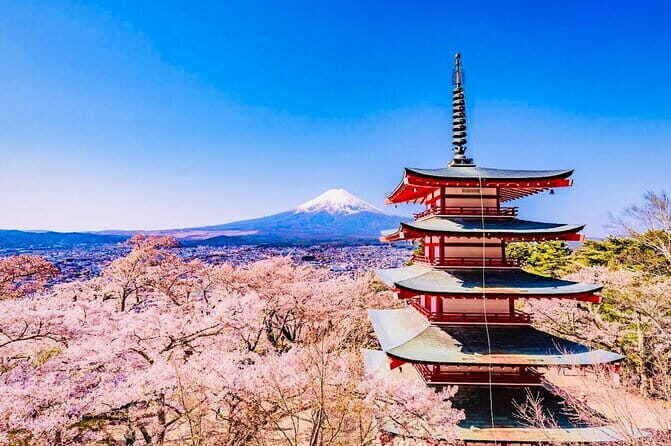
- Chureito Pagoda for dramatic Fuji views with a memorial setting and a 400-stair climb
- Oshino Hakkai springs at the foot of Mt. Fuji’s waters, including the chance to catch Diamond Fuji at certain sunrise/sunset alignments
- Mt. Fuji 5th Station access (via the Fuji Subaru Line) with winter and seasonal road changes to keep in mind
- Lake Kawaguchiko viewpoints, ropeway options, and hot-spring time to balance the day’s sightseeing
A Private, English-Driver Day Trip: What You’re Really Buying
At $60 for an ~10-hour private outing, the value here is the combination of private transportation and an English-speaking driver—not a packed “tick every box” group format. You’re paying for control: where you stop, how long you stay, and how you handle the mountain’s ever-changing conditions.
This isn’t just “sit in a car and hope.” The route is structured around reliable Fuji-area highlights: Chureito Pagoda, Oshino Hakkai, a shrine visit, Oishi Park, and then the big move up toward the 5th Station and Lake Kawaguchiko. If you’re the type who likes photos and context, that blend is a win.
Also, the tour summary mentions Hakone, but the actual flow you’ll get is guided by customization. Practically speaking, expect most of your time to orbit Mt. Fuji and the Fuji Five Lakes area, with the possibility of adjustments if your driver can fit additional stops.
More Mt Fuji & Hakone tours we've reviewed
Chureito Pagoda and Its 400 Stairs of Fuji Views
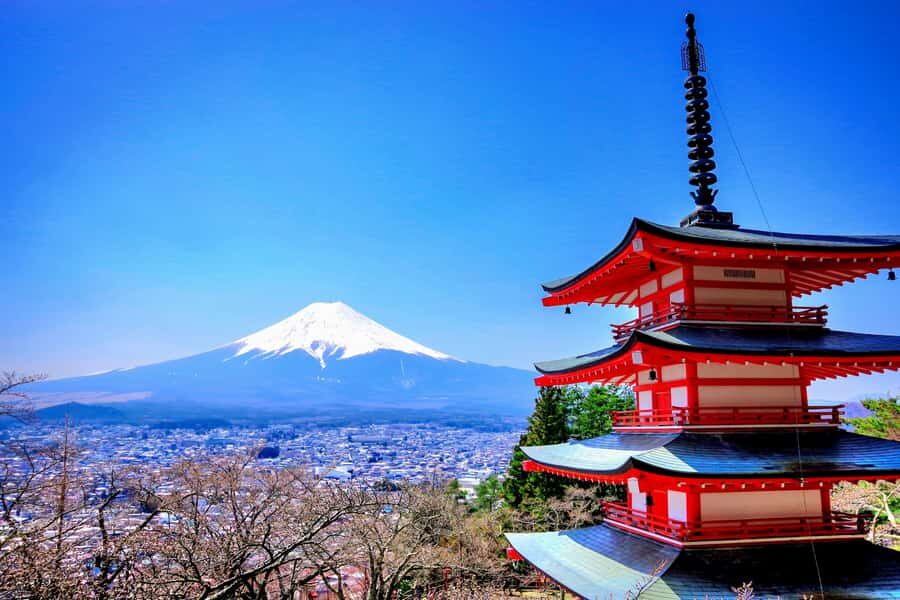
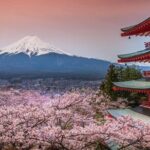
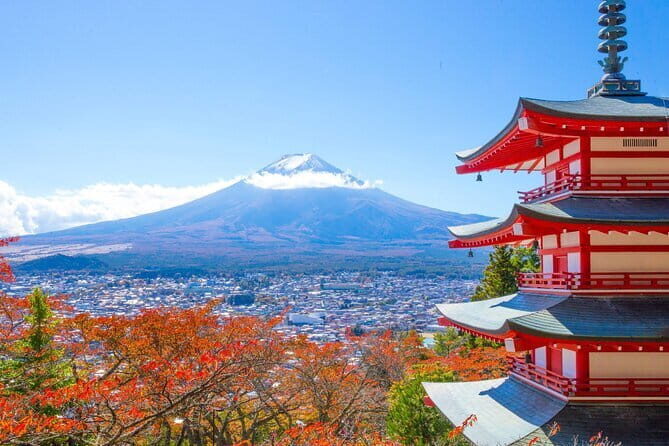
Chureito Pagoda is the kind of place that becomes a visual shorthand for Japan. You’ll reach a peaceful memorial park and then climb a stairway that totals up to about 400 steps, leading you through shrines and to viewpoints at different elevations. It’s one of those locations where you earn the view—literally.
The setting matters too. This area is tied to the memory of soldiers and civilians who were lost in World War I and II, so it feels more grounded than a typical tourist overlook. If your group likes meaningful stops (even briefly), it adds weight to all the photo-taking.
Time here is about 50 minutes, which is usually enough to walk up, stop for angles, and then head back down without feeling rushed. One practical note: if anyone in your group has trouble with stairs, you’ll want to agree on your comfort level before you start climbing.
Oshino Hakkai Springs: Clear Water and the Diamond Fuji Idea
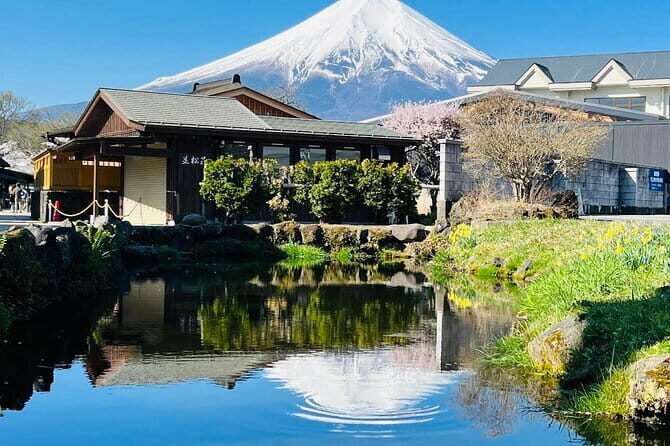
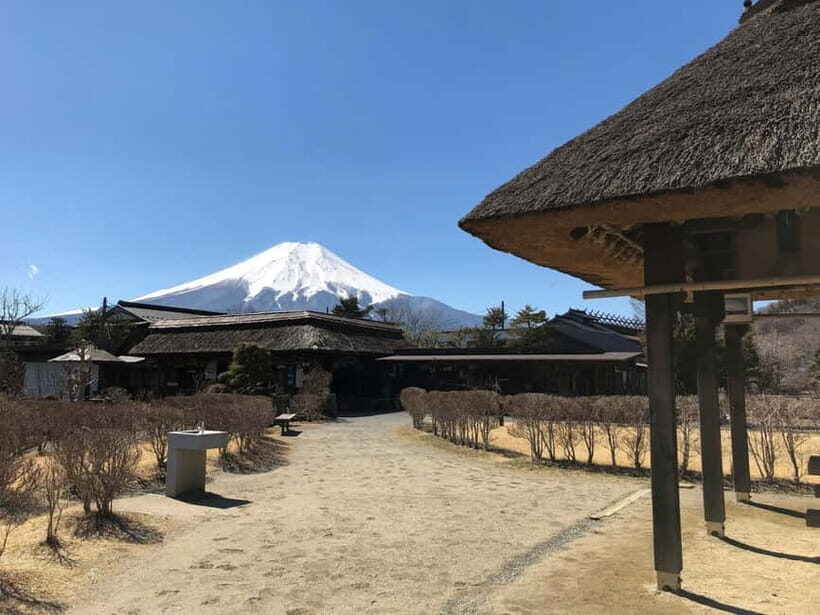
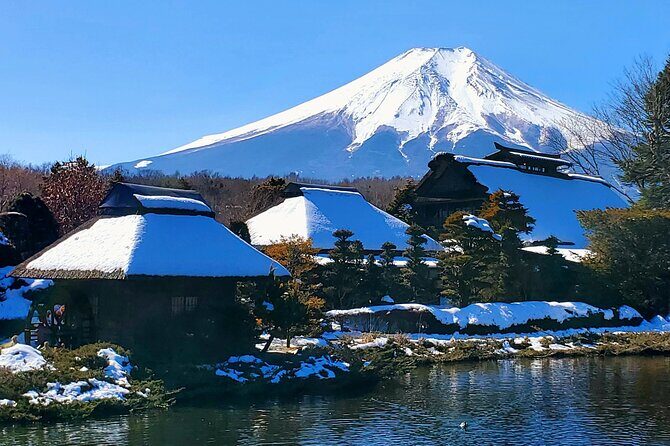
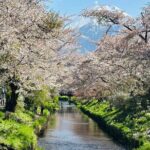
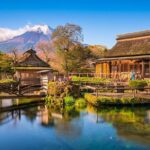
Oshino Hakkai is where Mt. Fuji stops being just an image on postcards and becomes water in the ground. These are eight springs in Oshino, fed by the Fuji aquifer, and they’re part of the Mount Fuji World Heritage Site area. It’s calm, visually clean, and a nice change from the busier viewpoint energy.
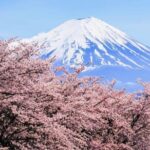
The big hook here is water clarity and seasonal magic. The description calls out the “Diamond Fuji” phenomenon—when the rising or setting sun aligns perfectly with the peak, making it look like the sun is cupped in the crater. You won’t be able to force that alignment, but the idea is real, and it’s worth knowing if you’re traveling around sunrise or sunset.
You’ll also pass the Hannoki Bayashi Shiryokan area around the largest pond, which is an open-air museum with a small admission fee. Even if you skip the optional museum time, plan on at least about an hour to wander slowly and let the views “click” at different angles.
Kitaguchi Shrine and Oishi Park: Culture Meets Flower Season
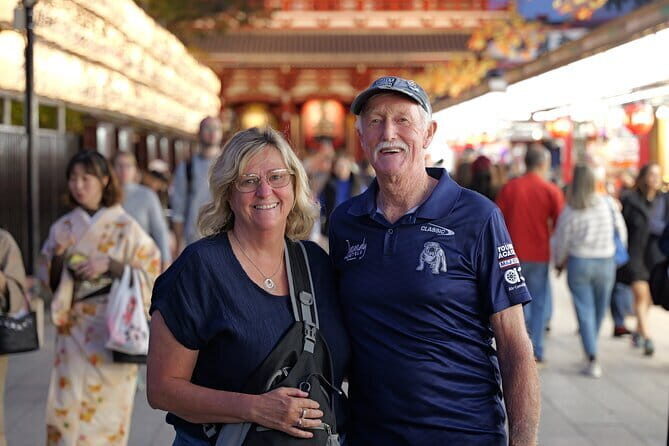
A Shinto shrine stop is often the difference between a day that feels like sightseeing-only and one that feels like you understand what you’re seeing. At Kitaguchi Hongu Fuji Sengen Jinja, you’ll spend around 30 minutes, which is enough for a respectful visit without turning the day into a long religious detour.
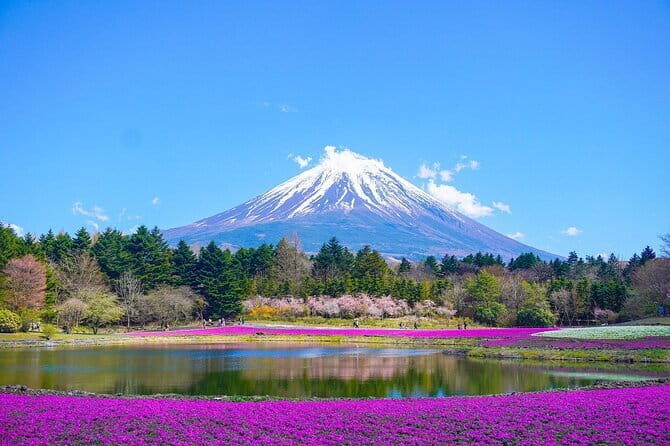
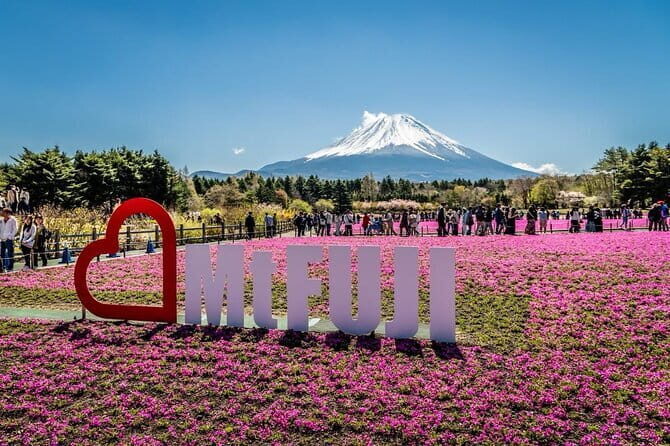
Next up is Oishi Park on the north shore of Lake Kawaguchiko. This place is famous for its seasonal color and the way you can pair it with Mt. Fuji in the background. The walking path runs about 350 meters, and the flower schedule is specific:
- Early April to late May: moss phlox like a pink carpet
- Late June to late July: lavender bloom
- Mid to late October: kokia shrubs in red autumn tones
Even outside the peak flower weeks, the point is simple: you get a manageable stroll with big payoff views. You’ll spend roughly 30 minutes here, which works well as a reset before the more physically demanding 5th Station climb route.
Mt. Fuji 5th Station: Road Rules, Altitude, and What to Expect
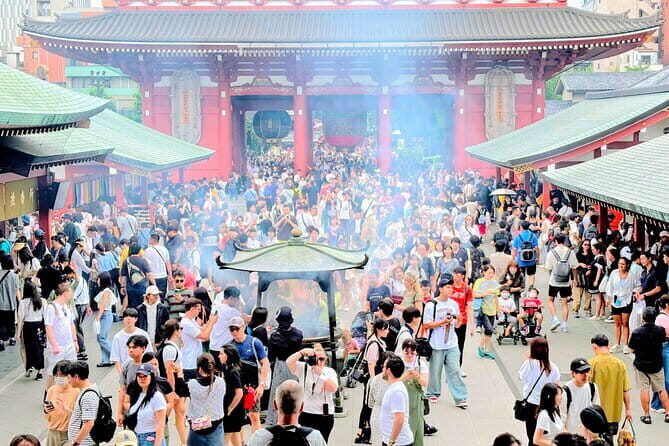
This is the “wow” zone. The 5th Station sits at about 2,200 meters and is the closest car-access point to the mountain’s top area. It’s where the air feels different and the views open out—plus it’s designed for hikers who want to start higher up.
Getting there is part of the story. The station is reached via the Fuji Subaru Line, a scenic toll road up the lower northern slopes. The toll cost listed is 2,100 yen, and the route can have seasonal quirks—winter heavy snow can cause partial closures.
Here’s the scheduling consideration that matters most: during the main climbing season (listed for July 5 to September 10, 2024), the road is closed to private vehicles. Shuttles then run between base parking lots and the 5th Station. If your trip falls near those months, you should expect some transfer-from-car logistics, even on a private tour.
Time at the 5th Station is about one hour, and that hour can go fast if crowds are thick or weather changes. One real-world tip: a driver named Ali was highlighted for giving helpful suggestions there, which makes sense—5th Station can feel chaotic without a sense of where to stand for the best angles.
Other Tokyo + Mt Fuji + Hakone combo tours we've reviewed
A note on guidance style at 5th Station
This tour is primarily a private driver setup, and some drivers lean more into directions and viewpoint advice than a strict “step-by-step guide.” In one case, the driver provided suggestions, and there was an option for additional guidance for extra cost. The practical move: if you want deeper narration at the 5th Station specifically, confirm what “English driver” will include for your day so you’re not left guessing at altitude.
Lake Kawaguchiko: Ropeway Views and Hot-Spring Downtime
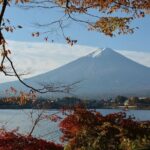
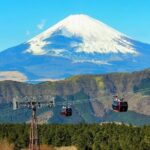
After the mountain push, Lake Kawaguchiko gives you room to breathe. You’ll have about one hour here, with Mt. Fuji and the lake playing together visually. The area also offers an easy way to add another viewpoint via the Kachi Kachi Ropeway, which rises to an observation point near the summit of Mount Tenjo.
If your group enjoys simple comfort after stairs and wind, this is where hot springs enter the plan. The information notes that many hot springs are available in the area, letting you cool down without turning the day into a spa marathon. Even a short soak time can make the mountain day feel complete.
And if you’re thinking about what to do with that hour: prioritize the view first. Ropeway later, hot spring after, and shopping/food only if time allows.
Hakone Options: How the Customizable Plan Can Change the Day
The tour description names Hakone, but your actual balance of Fuji area vs. Hakone depends on what your driver can fit and what conditions allow. Since the itinerary is described as a suggestion you can customize, treat Hakone as a potential add-on rather than a guarantee that you’ll hit specific Hakone landmarks on schedule.
In practice, the Fuji elements are already tightly defined and time-structured, so you’re most likely to get Hakone if your timing stays smooth and you’re able to keep buffer time for roads. If you’re set on a specific Hakone stop, ask for it upfront so your driver can plan around the day’s road constraints toward Mt. Fuji.
Timing, Crowds, and Why an Early Start Helps
Mt. Fuji traffic can make or break the day. One driver named Bajwa reportedly reached out the evening before to adjust departure time earlier—from 8am to 7am—specifically to avoid traffic. That small change can give you a better shot at clean viewpoints before crowds thicken.
Your best strategy is to treat this like a “get there before the rush” outing. You don’t need to be up at dawn for sport, but the earlier you can start, the more breathing room you get at Chureito Pagoda, Oshino Hakkai, and especially at the 5th Station.
Also remember: clouds happen. Even with a private car, you can’t command the sky. If the mountain looks gray, focus on enjoying the shrine, springs, and lake viewpoints rather than chasing one perfect summit reveal.
Price and Logistics: What’s Included Versus What You’ll Pay
The tour price listed is $60, and what it explicitly includes is private transportation plus an air-conditioned vehicle. Pickup is offered, and you’ll get a mobile ticket.
What’s not included is “all fees and taxes,” and the itinerary includes several places where you should expect small extra costs. Two of the most clear ones:
- Mt. Fuji 5th Station admission is listed as not included
- The Fuji Subaru Line toll is 2,100 yen
There can also be a small admission fee around the Hannoki Bayashi Shiryokan area at Oshino Hakkai.
So here’s the honest budget check: this tour is good value when you factor in time savings and the driver service, but you should still carry some cash or card for tolls and entry costs. If you hate surprise expenses, ask the driver what you’ll likely need to pay that day.
Who This Tour Fits Best (and Who Might Want a Different Style)
This is a great match if you want:
- Private flexibility without the stress of public transport transfers
- A Fuji day that mixes culture + viewpoints + nature
- An English driver who can help smooth out timing and road decisions
It’s also a strong fit for groups that don’t travel light on preferences. Since the route is customizable, you can adjust stop length—useful when someone wants extra photo time at Chureito Pagoda or when weather shifts your priorities.
If your group wants a deep, museum-level guided explanation at every stop, you may want to clarify how much interpretation your driver will provide versus just driving and offering suggestions. The 5th Station in particular can be more “orientation and viewpoints” than a full narration, depending on the day and driver style.
Should You Book This Private Mt. Fuji and Hakone Tour?
If your priority is a stress-free, English-friendly day around Mt. Fuji, this booking is worth strong consideration. The value comes from the private car, the ability to adjust your timing, and the fact that the route hits multiple high-impact areas instead of gambling everything on one view.
Book it if you’re flexible about weather and you don’t need a strict schedule of Hakone landmarks. Skip or rethink it if your trip is tightly timed to chase only one perfect summit moment, because mountain days can change fast.
My practical advice: if you care about timing, message your driver about a possible early departure when you book. That single adjustment—like Bajwa’s 7am suggestion—can turn a crowded-feeling day into a smoother, calmer one.
FAQ
How long is the Mt. Fuji and Hakone private tour?
It runs for about 10 hours.
Is the tour private or shared with other groups?
It’s private. Only your group participates.
Is pickup included?
Pickup is offered.
Do I get a mobile ticket?
Yes, a mobile ticket is provided.
Is an English driver included?
Yes. The tour is described as having an English driver.
Are entrance fees included in the price?
No. All fees and taxes are not included.
Is Mt. Fuji 5th Station admission included?
No. Admission for Mt. Fuji 5th Station is not included.
Are there any toll roads or extra charges on the route?
Yes. The Fuji Subaru Line toll is listed as 2,100 yen, and there may be small admission fees at other places (such as the Hannoki Bayashi Shiryokan area).
Will I be able to reach Mt. Fuji 5th Station by car year-round?
Access depends on conditions. The road can have winter closures in heavy snow, and during the main climbing season (listed for July 5 to September 10, 2024) the road is closed to private vehicles, with shuttle buses operating instead.
What happens if the weather is bad?
The experience requires good weather. If it’s canceled due to poor weather, you’ll be offered a different date or a full refund.