REVIEW · TOKYO
Hakone: Self Guided Trip to Mt. Fuji // Made by Local Guides
Book on GetYourGuide →Operated by Sunrise Adventure · Bookable on GetYourGuide
Mt. Fuji is easier than you think. This self-guided Hakone day trip is built like a route you can follow step-by-step, with scenic photo stops and practical food-and-transport notes baked into the plan. The payoff is a full day of classic views—Hakone, Lake Ashi, and Owakudani—without feeling like you’re “on your own.”
My favorite part is how the schedule gives you structure while still letting you move at your own pace. I also like that the plan points you toward specific places to eat and where to go for the best moments to stop and shoot photos.
One thing to consider: it’s self-guided, and tickets/transport/food costs aren’t included, so you’ll still need to pay your way through the day and handle walking and steep areas around Owakudani.
In This Review
- Key Highlights Worth Your Time
- A Full Hakone-to-Mount-Fuji Day Starting From Shinjuku
- Using the PDF Itinerary Like a Local Planner
- Moto Hakone: Your First Slice of Hakone’s Old-Style Vibe
- Amasake Chaya: Warm Drinks and a Cozy Break
- Old Tokaido Line and the Stone-Paved Walk You’ll Actually Remember
- Lake Ashi: The Pirate-Ship Cruise for Mount Fuji Views From Water
- Mount Fuji Stop: Short Time, Big Focus
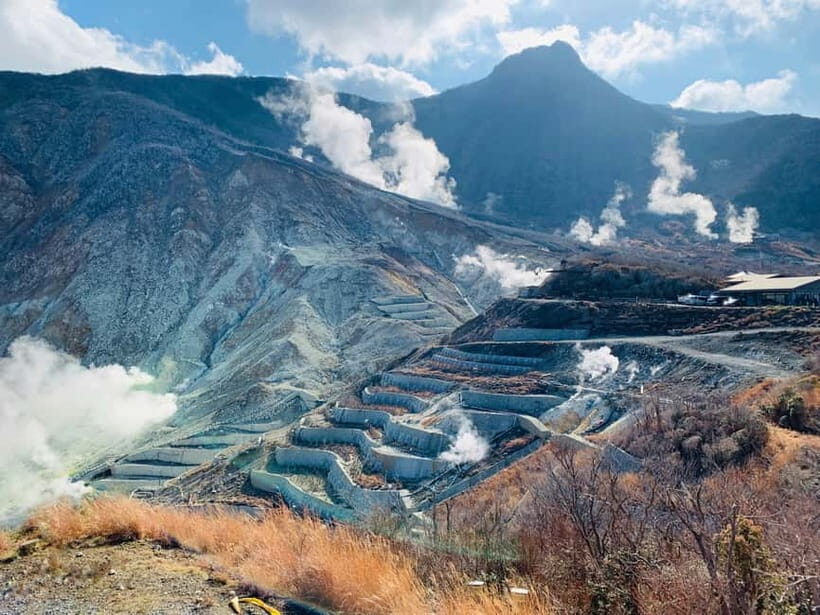
- Owakudani in Hakone: Geothermal Views and the Black Egg Tradition
- Price and Value: What You’re Really Buying for $3.22
- Timing Tip: Japan Days Can Run Short on Afternoon Hours
- Who This Fits Best (And Who Should Skip It)
- Should You Book This Self-Guided Mt. Fuji Day Trip?
- FAQ
- Where does the tour start?
- How long is the experience?
- Is this tour guided by a person?
- How do I get the itinerary?
- What’s included in the price?
- What’s not included?
- Do I need to pay for transportation and tickets myself?
- Is there an eSIM discount?
- Can I cancel for a full refund?
- Is this suitable for wheelchair users or limited mobility?
Key Highlights Worth Your Time
- Clear PDF itinerary that explains where to go and how to get there
- Practical food and transport recommendations at multiple stops
- Old Tokaido route experience, including historic rail scenery
- Lake Ashi pirate-ship cruise for wide views of Mount Fuji from the water
- Owakudani onsen black eggs with the seven-years legend
- Time built in for breaks and photo stops, not nonstop rushing
A Full Hakone-to-Mount-Fuji Day Starting From Shinjuku
This trip is designed as a one-day loop that starts in Shinjuku City and returns you back to Shinjuku at the end. You meet at Shinjuku station, with the day beginning on the first train from there. From a planning standpoint, that matters: Shinjuku is one of Tokyo’s easiest places to orient yourself, and the itinerary is arranged around using that rail hub to get west.
The day’s rhythm is simple. You head into Hakone, take breaks and photo pauses along the way, ride scenic transport segments, then finish with one of the most famous geothermal areas in the region: Owakudani. The structure is what makes this feel like a “tour” even though it’s self-guided. You’re not guessing which stop comes next—you’re following a pre-set flow with room to breathe.
Also, it’s worth noting the trip duration on the listing is 1 day, so you should treat this like a focused day trip, not a slow wander. If you want to relax for hours at a cafe while doing almost nothing else, this plan may feel a bit tight.
More Mt Fuji & Hakone tours we've reviewed
Using the PDF Itinerary Like a Local Planner
After you book, you receive an email with a PDF itinerary. It doesn’t arrive instantly for everyone. You should plan on 1–3 business days for them to send it, since they’re processing a lot of emails. If you leave Tokyo without your plan in hand, you’ll feel that stress creeping back in.
What I really like about the PDF is that it’s not just a list of stops. It includes:
- Detailed explanations of where to go and how to get there
- Food recommendations at different points in the day
- General travel tips for Japan
- Clear guidance on photo stops and scenic viewpoints
- A $3 discount on an eSIM, using their code (the code is inside the PDF)
That mix is practical. Most day-trip planning failures come from the same problems: you find the place, but you don’t know the best nearby food option; or you reach a viewpoint too late; or you waste time figuring out transit. A good written plan reduces those “small losses” that add up into a frustrating day.
One more helpful detail: the provider indicates they’ll answer questions if you reach out. That’s smart. With a self-guided plan, you don’t need someone hovering over you—but you do want a real person to clarify things if something doesn’t make sense.
Moto Hakone: Your First Slice of Hakone’s Old-Style Vibe
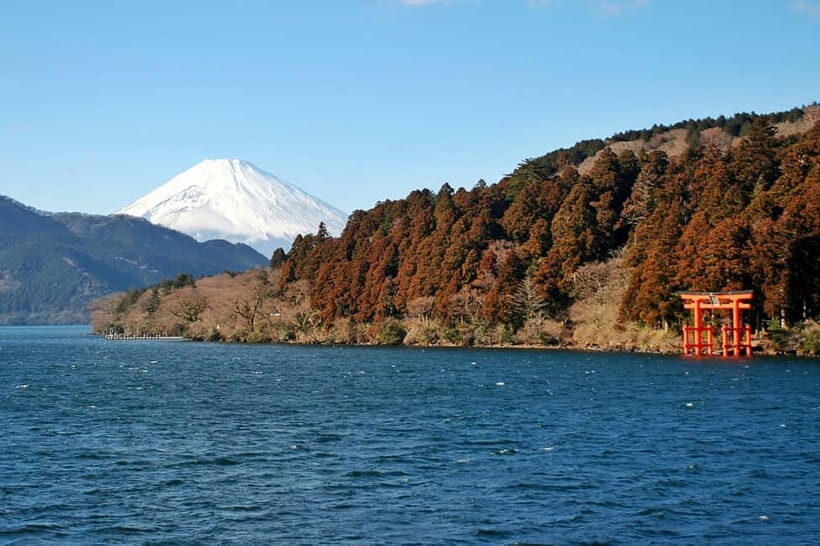
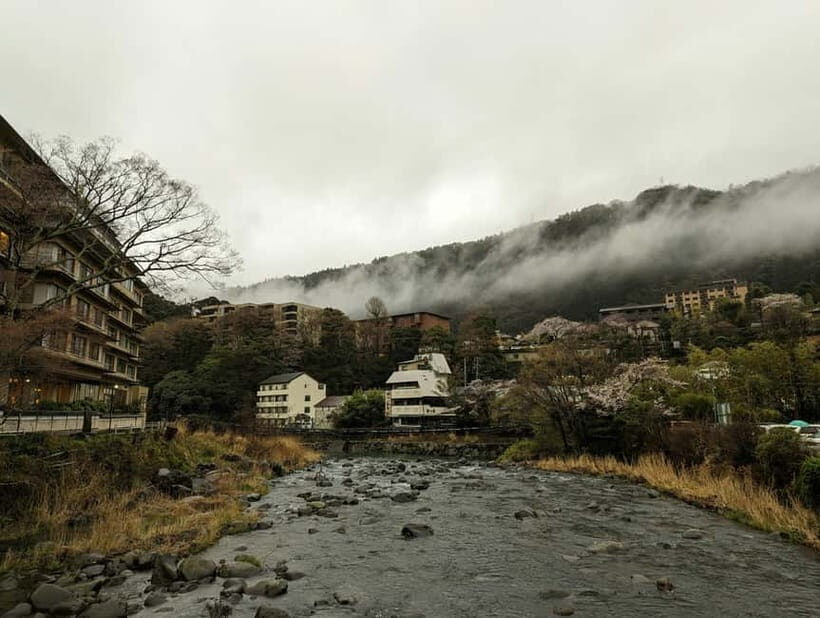
The day begins by heading toward Moto Hakone, described as a quaint village surrounded by lush greenery. Your time here is scheduled as a break plus a visit, with a lunch slot and local snack time.
This stop is good for two reasons. First, it’s an easy entry into the Hakone feel—traditional-looking streets, shops, and food options. Second, it’s a timing buffer. In a day like this, you need an early moment where you can settle your bearings and get your first set of photos before the day ramps up.
You’ll also want to treat Moto Hakone as your “slow warm-up.” Take photos, walk a bit, and pick your snack without overthinking it. The itinerary gives you room for free time here, which helps you avoid the classic mistake of starting too rushed.
Amasake Chaya: Warm Drinks and a Cozy Break

Next comes Amasake Chaya, listed as a tea stop with about one hour. The focus here is on traditional treats, especially warm amazake (a sweet rice wine-style drink) plus savory snacks.
This is the kind of break that works well on a day trip because it’s not just a meal slot—it’s a reset. You slow down, warm up, and get something local that’s tied to the area’s food culture rather than a generic convenience-shop stop.
You should also go in with a mindset of short and simple. This isn’t a “sit and read for two hours” moment. It’s a scheduled pause so you can keep your energy up for the later rides and geothermal endgame.
Old Tokaido Line and the Stone-Paved Walk You’ll Actually Remember

Part of the route includes the Old Tokaido Line, described as a historic railway route that once connected Tokyo and Kyoto. You’re guided to enjoy the scenic views from a window seat.
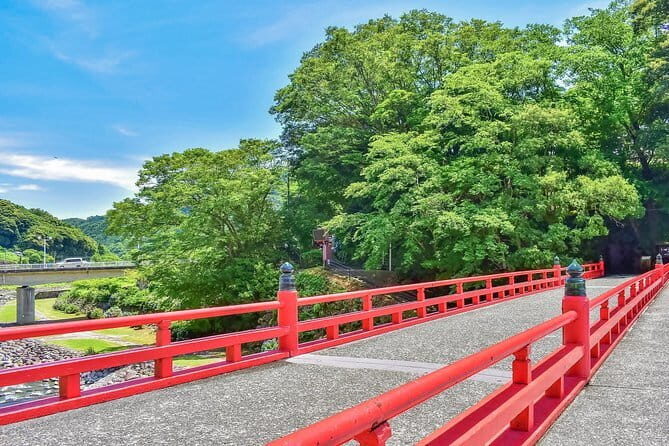
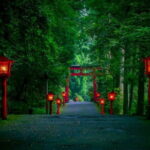
Then the plan shifts to a walking and hiking segment at 旧街道石畳(バス), which is tied to the old road feel through a stone-paved route. Your time here is about 45 minutes.
Why this works: it’s a change of pace. You go from streets and tea to rail scenery, then to a real walking stretch. That mix keeps the day from feeling like you’re only doing transport photo stops.
Practical note: stone-paved routes can be uneven underfoot. Comfortable walking shoes matter more than you’d expect, especially with a later stop at Owakudani where you’ll likely be on and off slopes and uneven ground.
Other guided tours in Tokyo

Lake Ashi: The Pirate-Ship Cruise for Mount Fuji Views From Water
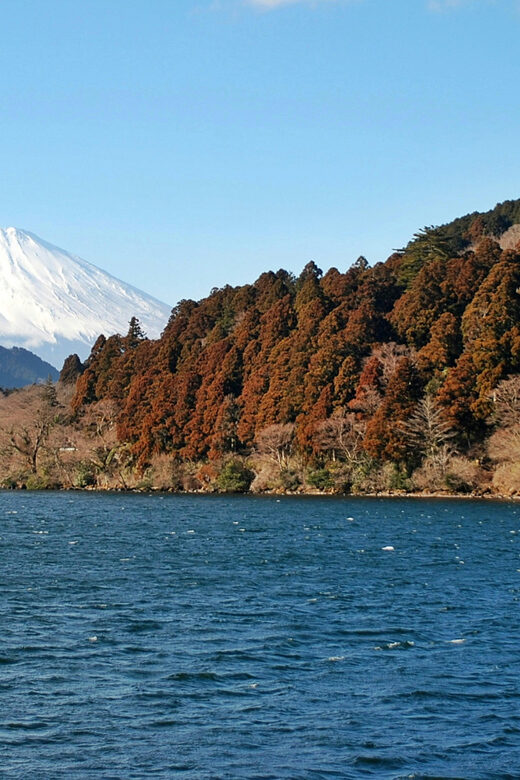
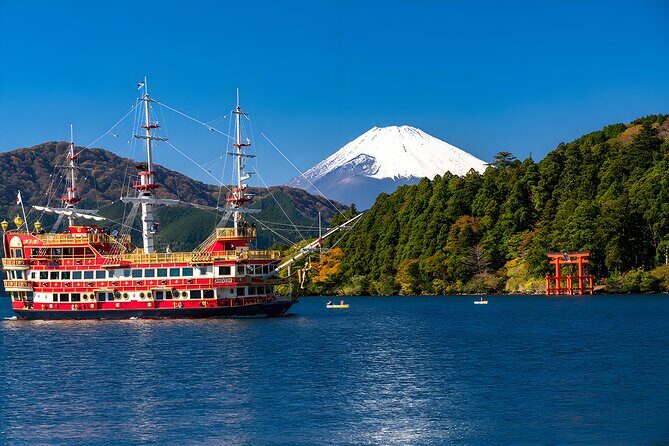
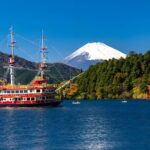
One of the most exciting parts of the schedule is the time on Lake Ashi. You get a photo stop plus a self-guided viewing window, along with scenic views on the way, totaling about one hour.
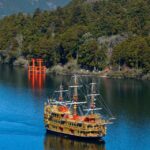
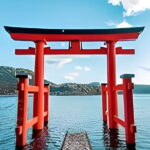
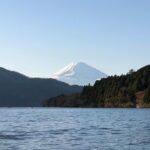
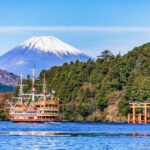
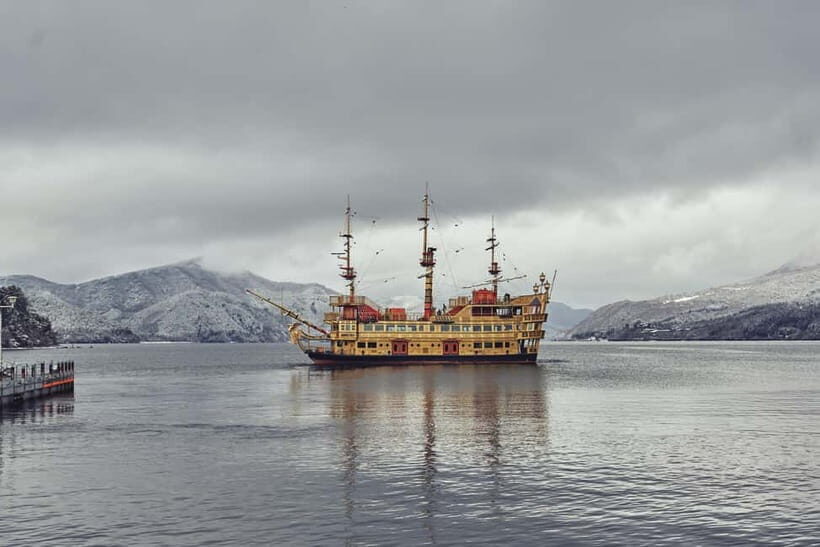
The highlight here is the pirate ship cruise. It’s described as a majestic voyage across the tranquil lake, with Mount Fuji towering in the distance. That detail matters because Lake Ashi is the kind of place where the view isn’t only at a single viewpoint on land. Being on the water gives you a different angle for photos and a different sense of scale.
Also, the cruise is timed as part of a travel route, not an optional detour. That means you can enjoy it without needing to calculate your own logistics from scratch.
If your goal is best photos, don’t treat the cruise as “just transportation.” Pause your day for a moment. Aim your camera as soon as the ship enters view positions, then keep adjusting as the coastline changes.
Mount Fuji Stop: Short Time, Big Focus
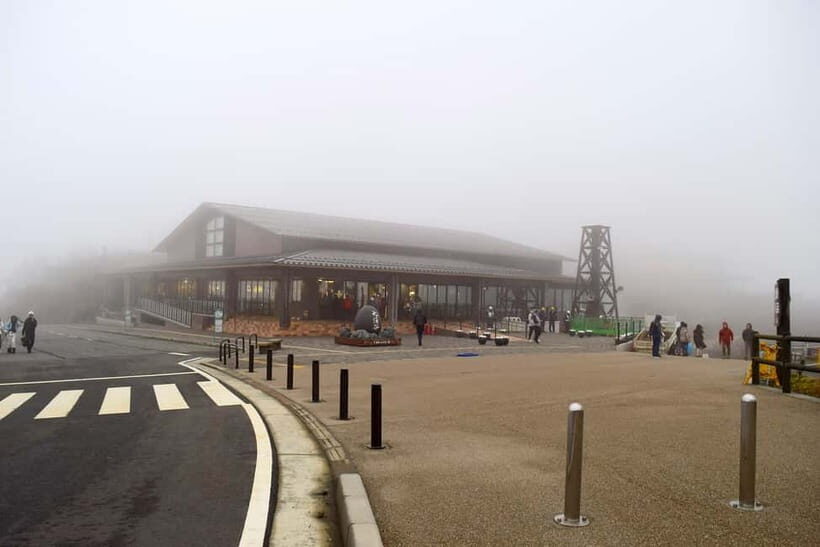
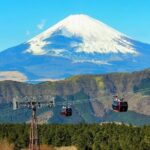
The itinerary includes a Mount Fuji stop with break time and a photo stop. You also get sightseeing time and a mention of boat cruise experience here as part of the flow, with about 30 minutes on the segment.
Thirty minutes sounds short because it is. That’s actually the point. This isn’t a long “climb and explore” portion. It’s a tight photo-and-view window meant to give you the Fuji moment without eating the whole day.
So your strategy should be simple: decide your top priority before you arrive. If your priority is photos, position yourself quickly, shoot, then step back so you’re not stuck hovering in the same spot while the best light shifts.
Owakudani in Hakone: Geothermal Views and the Black Egg Tradition
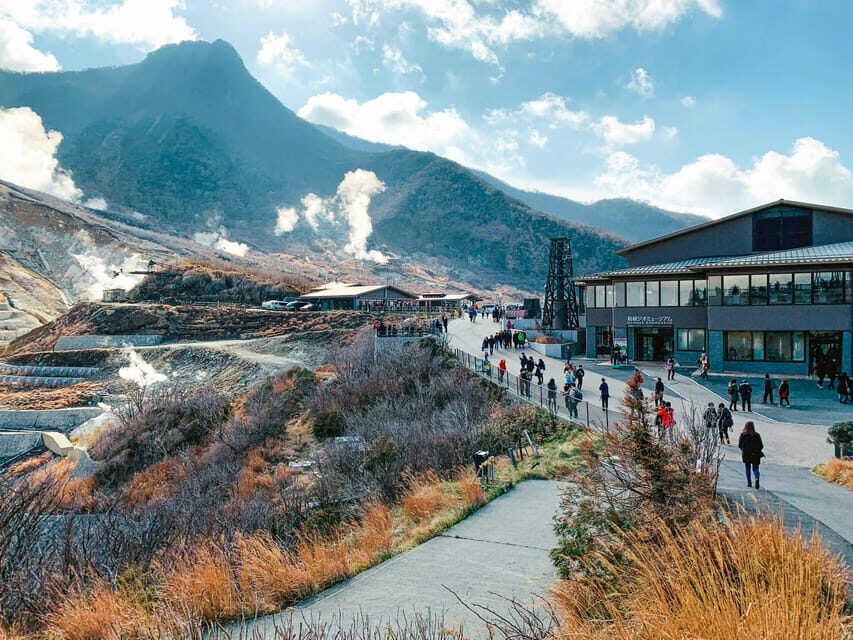
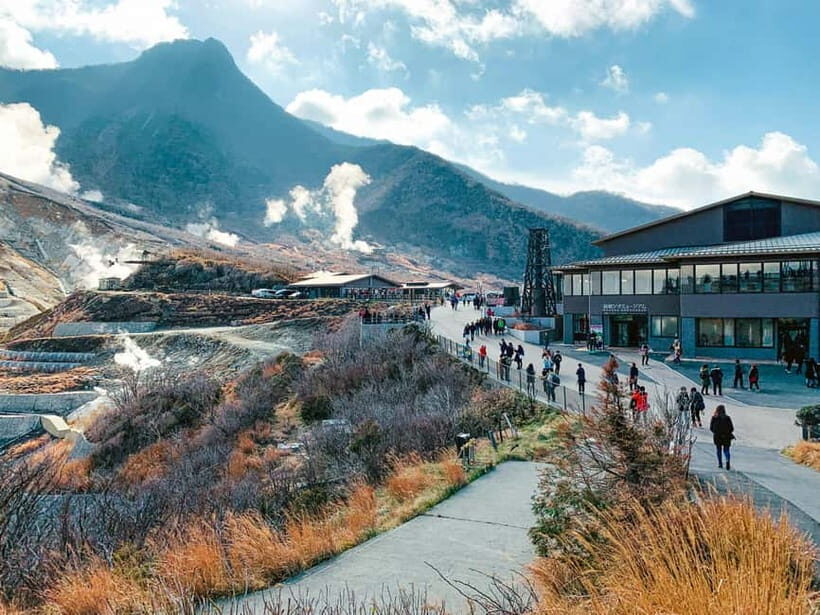
The final big stop is Owakudani, Hakone, scheduled as about one hour, with photo stops and self-guided sightseeing. This is your geothermal finale, and it’s where the itinerary leans hardest into the cultural-food connection.
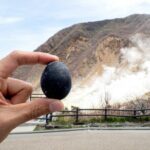
You’re guided to ascend for panoramic views of Mount Fuji and the surrounding area. Then comes the famous culinary moment: the black onsen eggs, boiled in the geothermal waters of Owakudani. There’s a legend attached: each egg adds seven years to your life.
Even if you treat the legend as playful, the eggs are part of the experience. It turns “just looking at steam and rocks” into something you can taste and share. It’s also a great moment to slow down after the day’s earlier pacing.
One more reality check: the listing flags that this experience isn’t suitable for people with mobility issues or low fitness. If you have back problems or recent surgery, I’d take that seriously. Owakudani involves areas where walking and uneven ground can be unavoidable.
Price and Value: What You’re Really Buying for $3.22
The listed price is $3.22 per group up to 1. That sounds unusually low for a day trip, and the explanation is right there in the structure: this is primarily a self-guided product, not a fully ticketed guided tour.
Here’s what you actually get:
- A full PDF itinerary with where to go and how to get there
- Food recommendations and general travel tips
- Photo stop guidance at scenic viewpoints
- A $3 discount on an eSIM in Japan (code inside the PDF)
Here’s what’s not included:
- Entry tickets or other access costs
- Transportation costs
- Food costs
- A personal guide walking you around
So the “value math” is about planning support. If you’re the kind of traveler who wants to move independently but hates doing logistics from scratch, this can be a strong deal. You’re paying to remove decision fatigue, not to remove all costs.
If you prefer everything handled—tickets, reserved seats, and a guide who leads every step—this probably won’t feel like a perfect fit, because you’ll still manage the real-world costs yourself.
Timing Tip: Japan Days Can Run Short on Afternoon Hours
One caution comes from the reality of Japan schedules: many places close earlier than you might expect, especially on day-trip style routes. In the plan, there’s time budgeting for each segment, but flexibility still matters.
My advice is to treat the PDF as a baseline, not a law. Check the operating hours for each stop and plan your day so you aren’t arriving at the edge of a closing window. If you find something closes early, adjust your departure time from earlier points rather than trying to rush at the end.
This is where the self-guided nature becomes an advantage. You’re not stuck waiting on a group timeline, but you do need to be realistic about how the day’s clock works.
Who This Fits Best (And Who Should Skip It)
This trip is best for you if:
- You like independence, but want the peace of mind of a written plan
- You’re comfortable following transit instructions on your own
- You’re happy with a day that includes walking and sightseeing stops
- You want classic Hakone and Fuji views, including Lake Ashi and Owakudani
It may not be a good fit if:
- You have back problems
- You have mobility impairments, need wheelchair access, or have limited fitness
- You have respiratory issues
- You’ve had recent surgeries
That isn’t a vague warning. The itinerary ends at Owakudani, and that area is known for active geothermal terrain. If your body needs “flat and easy,” choose a different style of trip.
Should You Book This Self-Guided Mt. Fuji Day Trip?
Book it if you want a Mount Fuji-themed day that feels organized without locking you into a rigid group schedule. The biggest strength is the PDF plan: it gives you food and transit recommendations and tells you where to stop for photos, so you spend less time figuring out logistics and more time actually seeing Hakone.
Skip it if you’re expecting a fully guided service or if you need a step-by-step human escort. Since transport, tickets, and food aren’t included, you’ll still be managing those costs. And if you’re sensitive to walking or uneven ground, the Owakudani portion makes the accessibility note very relevant.
If you’re aiming for an efficient, scenic day and you’re comfortable being your own navigator with a solid plan in your pocket, this is the kind of self-guided trip that can work extremely well.
FAQ
Where does the tour start?
The tour starts at Shinjuku station in Tokyo. The meeting point is listed as the first train departing from Shinjuku City.
How long is the experience?
The experience is listed as 1 day.
Is this tour guided by a person?
No. It’s self-guided. You follow the itinerary and recommendations provided in the PDF rather than having a personal guide walking you around.
How do I get the itinerary?
After purchasing, you’ll receive an email with the PDF itinerary. It may take 1–3 business days for them to send it.
What’s included in the price?
Included items are photo stops at scenic viewpoints, a full PDF with detailed explanations, food recommendations, general useful travel tips for Japan, and a $3 eSIM discount code included in the PDF.
What’s not included?
Not included are actual costs of going to places (entry tickets and transportation), food, and hotel/accommodations. A personal guide is also not included.
Do I need to pay for transportation and tickets myself?
Yes. The listing states that transportation and entry ticket costs are not included, so you’ll need to pay those during the day.
Is there an eSIM discount?
Yes. There’s a $3 discount on an eSIM in Japan using a code provided inside the PDF.
Can I cancel for a full refund?
Yes. The tour offers free cancellation up to 24 hours in advance for a full refund.
Is this suitable for wheelchair users or limited mobility?
No. The listing says it is not suitable for people with mobility impairments, wheelchair users, people with back problems, respiratory issues, recent surgeries, or low fitness.