REVIEW · TOKYO
Hakone Full-Day Private Tour(Tokyo DEP.) with Government-Licensed Guide
Book on Viator →Operated by Japan Guide Agency · Bookable on Viator
Hakone can feel like a puzzle. This private full-day tour pairs you with a government-licensed English guide so you can tailor a 3-4 stop route and still keep the day running on time. I especially like how the focus stays on what matters: scenic hits around Lake Ashinoko and the geothermal drama of Owakudani.
Second, I like that you get real handholding without the usual tourist fog. You meet your guide in Tokyo (including your hotel, depending on your pickup point), and you’re guided through getting around inside Hakone with the right timing for trains and cablecar-like options.
One drawback to plan for: the guide does the heavy lifting, but the tour price is guide service only. Meals, local transport tickets, and most museum/admission fees are on you, and you’ll also cover the round-trip Tokyo–Hakone train (about 5,000 JPY per person).
In This Review
- Key Things That Make This Hakone Private Tour Work
- Meeting Your Guide and Keeping a 10-Hour Day on Track
- Price and Value: What You’re Paying For (and What You Still Cover)
- Choosing 3–4 Hakone Stops Without Wasting Your Day
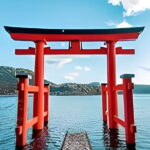
- Lake Ashinoko and Hakone Shrine: Fuji Views With a Calm Start
- Ropeway and Owakudani: The Volcano Part of the Day
- Museums in Hakone: Art Breaks That Don’t Feel Random
- Zen Temple, Gardens, and the Gora Hillside Reset
- Quirky Choices: Venetian-Style Glass Museum, Dollhouses, and Nihonga
- How Licensed Guides Save You From Transport Chaos
- What About Tickets: Free Stops vs Paid Attractions
- Who This Tour Suits Best (and Who Should Rethink It)
- Should You Book This Hakone Private Tour?
- FAQ
- How long is the Hakone private tour from Tokyo?
- What does the tour price include?
- Where do we meet the guide in Tokyo?
- Do I need to buy the Tokyo–Hakone train tickets myself?
- Are any admissions or attractions included for free?
- Is the Owakudani Nature Research Trail included?
Key Things That Make This Hakone Private Tour Work
- Government-licensed English guides who can handle the route logic for a Japan day trip
- Custom itinerary: choose roughly 3-4 sights from a menu, so you aren’t stuck with a long checklist
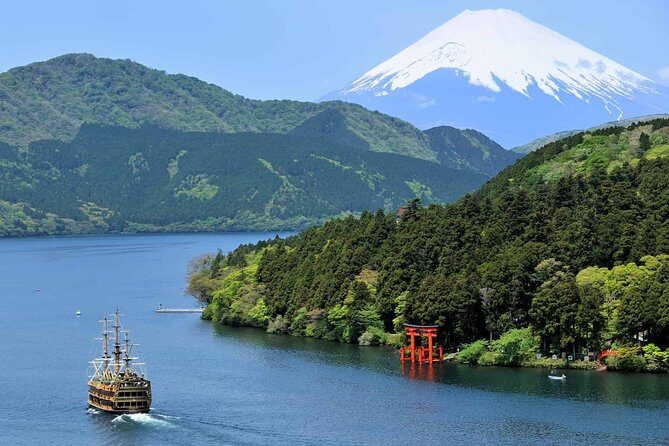
- Fuji-area scenery built in, especially around Lake Ashinoko
- Geothermal highlights at Owakudani, plus options like the Ropeway when it fits your pace
- Art stops that break up the day (open-air museum and multiple private art museums)
- You still budget for tickets and transit, since meals and admissions aren’t included
Meeting Your Guide and Keeping a 10-Hour Day on Track
A Hakone day trip from Tokyo is the kind of plan that can go sideways fast if you don’t speak the language or don’t know the geography. This tour is built to reduce that stress. You meet your guide near public transport in Tokyo—often at your hotel—and then you build a smooth day from there for about 10 hours total.
The tour is private, so it’s just your group. That matters because you can actually adjust. If the weather is playing nice, you’ll spend more time on views. If you’re tired, you won’t be guilted into every possible stop.
Also, don’t expect a private car. This is a walking tour, with pickup on foot, and transportation is handled via public systems. That’s part of the value: you avoid the “hire a taxi and regret it” problem, but you still need to be comfortable walking and standing for a few hours.
Other Hakone tours with a government-licensed guide
Price and Value: What You’re Paying For (and What You Still Cover)
At $279.17 per person for a ~10-hour private day, the big question is what’s included. The tour covers your licensed guide service plus help choosing around 3-4 sights from the provided list. The guide helps with what to do, when to do it, and how to move between places efficiently.
What’s not included is where you should budget extra:
- Round-trip Tokyo–Hakone train for you (about 5,000 JPY approx.)
- Meals
- Local transportation fees
- Entrance fees for ticketed stops (many museums are not included)
- A Hakone Freepass is not included
So is it worth it? For me, the value comes from buying time and certainty. Hakone’s transport is doable, but it can be confusing if you’re unfamiliar with how the Hakone Round Course works. Paying for a government-licensed guide is basically buying a day that runs like it has rails.
If you’re traveling as a couple or small group and you’re the type who hates missing key sights, this private format often beats DIY. If you’re perfectly confident navigating Japan’s train/cablecar networks and you only want a single area, a cheaper self-guided approach might fit better.
Choosing 3–4 Hakone Stops Without Wasting Your Day
The tour works because it doesn’t force you to do everything. You choose around 3-4 sights from the menu, which is smart in Hakone. The region spreads out, and “one more stop” can quickly become a long trek.
Here’s the selection logic I’d use:
- Want big scenery and easy symbols of Hakone? Pick Lake Ashinoko and Hakone Shrine.
- Want active volcano vibes? Add Owakudani.
- Want a break from the outdoors? Choose one or two museums.
- Want calmer pace and gardens? Consider Gora Park or the botanical garden.
A useful thing: some stops are free (like Lake Ashinoko, Hakone Shrine, and Owakudani Valley), while others are ticketed. Your guide can help you balance paid attractions against the free “anchors” so you don’t blow the budget.
Lake Ashinoko and Hakone Shrine: Fuji Views With a Calm Start
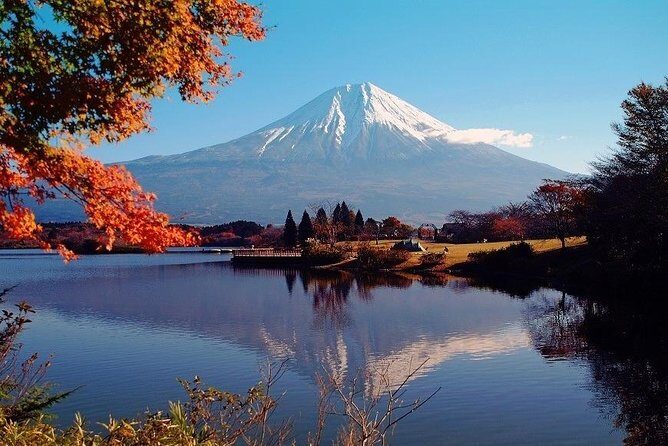
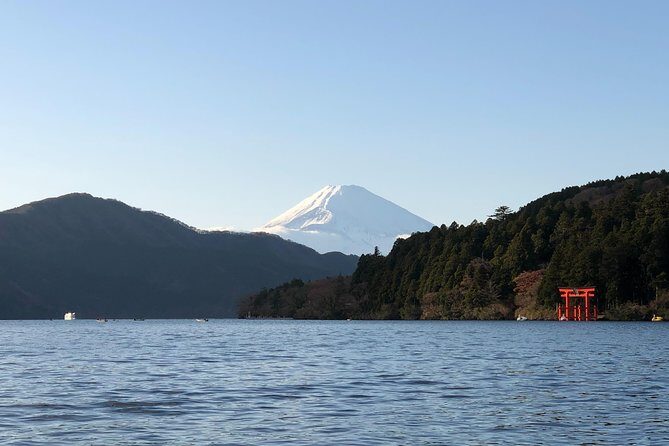
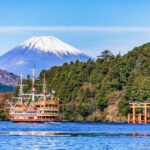
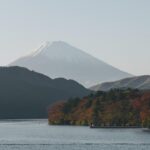
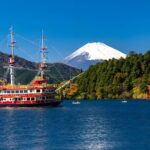
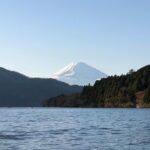
Most Hakone days should begin with Lake Ashinoko, and this list makes that easy. Lake Ashinoko (Ashinoko) sits in the caldera left behind by Mount Hakone’s volcanic history. Today, it’s the classic postcard symbol of Hakone—especially when Mount Fuji shows up in the background.
Stop time is short here (around 10 minutes listed), but that’s exactly right if you want photos and a quick scenic reset without turning the day into a slow crawl. You’ll get the “Hakone” moment fast.
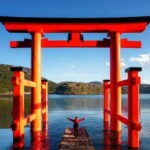
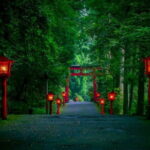
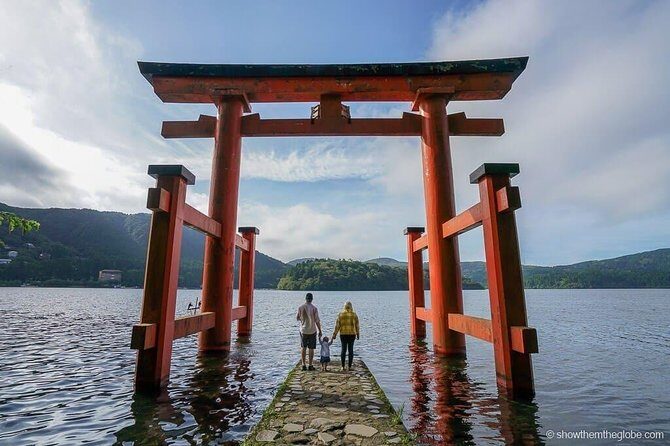
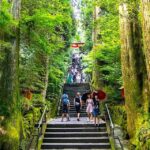
Next, Hakone Shrine offers a quieter mood. It’s a place of worship with history stretching back more than 12 centuries, and it’s been rebuilt multiple times after fire. The practical point: this is a good “walk + pause” stop, and it also tends to feel less rushed than the more ticket-heavy attractions.
Both of these are listed as free admissions, which helps you start strong without paying immediately. If you’re deciding your 3-4 sights, these two are the safest picks for classic Hakone atmosphere.
Ropeway and Owakudani: The Volcano Part of the Day
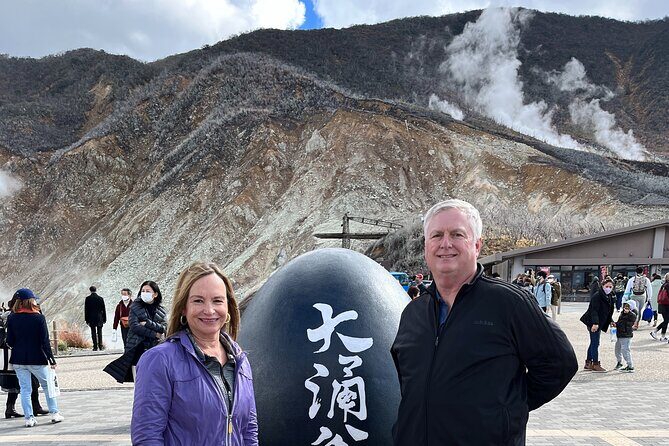
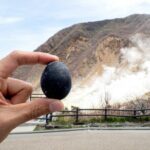
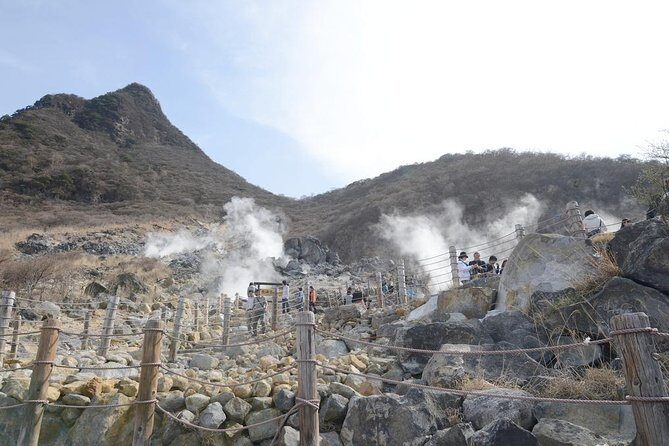
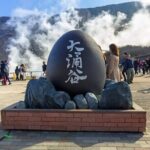
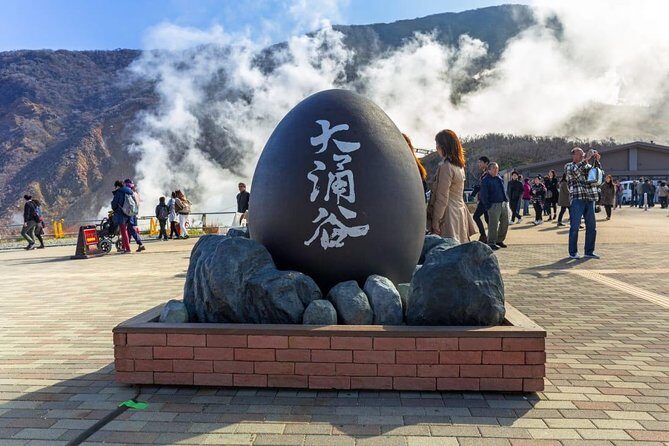
If Lake Ashinoko is the postcard, Owakudani is the reality check. Owakudani Valley is an active volcanic zone that helps power hot springs around the area. It’s famous for the black boiled eggs, which are said to bring long life—a charming local superstition that actually fits the vibe of the place.
This stop is around 45 minutes. That’s long enough to watch geothermal activity, explore the area at a sensible pace, and not feel like you’re just sprinting for one photo.
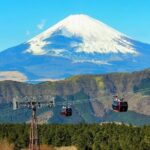
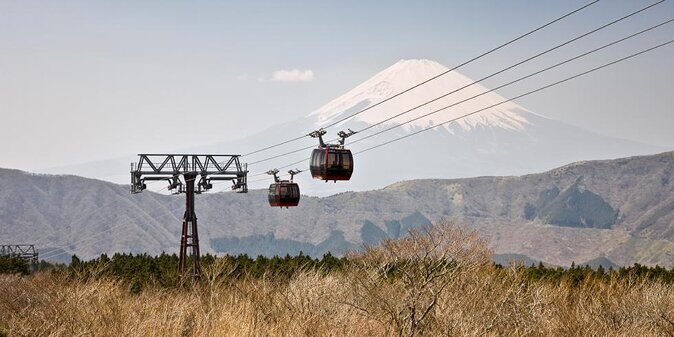
There’s also the Hakone Ropeway option (around 30 minutes listed). It links Sounzan Station to Togendai Station, which can be a practical transport and sightseeing combo rather than just a thrill ride. If your route includes Togendai-side connections, this can help you move without losing time.
One more detail worth planning: the Owakudani Nature Research Trail requires advance reservation and has an 800 yen entrance fee. That’s not always included in the quick “drop in” flow, so if this is on your must-do list, tell your guide early so you don’t end up doing it “the hard way.”
Other guided tours in Tokyo

Museums in Hakone: Art Breaks That Don’t Feel Random
Hakone is famous for more than views. It’s also a solid place for art stops, and the tour list gives you choices.
Two of the museum options are the Pola Museum of Art and the Okada Museum of Art. These are smaller time commitments (about 30 minutes each listed), which is perfect when you’re balancing scenery with a mental break. Both are private-museum style experiences—focused collections rather than giant crowds.
If you choose a museum day, I suggest using it as a pressure valve. Spend outdoor time in the morning (Lake Ashinoko / Shrine / volcano area), then swap to a museum in the afternoon when you want to sit, cool down, and keep your feet from turning into sad souvenirs.
The list also includes the Hakone Open-Air Museum (about 2 hours). This one is a longer stop and a great centerpiece if you want variety: outdoor sculpture grounds plus a standout interior feature described as a stained glass staircase. If you pick this, consider dropping one of the shorter stops so the day doesn’t feel like constant transitions.
You can also choose the Hakone Museum of Art (listed at 30 minutes) and several other themed options. The key is picking one “anchor” museum and one “lighter” cultural stop, instead of stacking too many tickets.
Zen Temple, Gardens, and the Gora Hillside Reset
Not every Hakone moment has to be volcanic or museum-focused. The tour menu includes softer experiences that work well after a busy morning.
Choanji Temple is a Soto Zen temple established in 1356, set in a quieter area near Sengokuhara. It’s listed for about 30 minutes, and it’s a good fit if you want a slow walking pause where you can actually breathe.
For scenery and ease of pacing, Gora Park is listed at about 30 minutes. It’s a western-style landscaped park on a steep slope above Gora Station, designed for views and a relaxing break. Even if you don’t spend money on extra attractions, it’s a nice “reset button” between transport segments.
If gardens are your thing, the list includes Hakone Shisseikaen (botanical garden of wetlands) for about 30 minutes. And there’s Sengokuhara, a field known for long pampas grass, listed at about 30 minutes. If you’re visiting in fall, pampas grass can become the visual highlight—so time this stop to the season if that matters to you.
Quirky Choices: Venetian-Style Glass Museum, Dollhouses, and Nihonga
One thing I like about this tour is that it gives you options beyond the “expected” Hakone loop. If you have a kid, like oddball museums, or just prefer something different, these stops can make the day memorable.
The Dollhouse Museum Hakone (listed at 1 hour) is exactly what it sounds like: dollhouses from around the world. If you’re a miniature person, this could be a perfect slow, detailed stop that doesn’t require long-distance hiking.
The Hakone Venetian Glass Museum (Hakone Glass no Mori) mixes Italian-styled buildings with a strolling garden and canal-like pond, plus museum and shop elements. It’s listed at about 30 minutes, which feels like the right length for something pretty and easy.
For art lovers who want Japanese-style painting, the Narukawa Art Museum focuses on nihonga (listed as about 10 minutes). That’s short enough that you can add it without sacrificing the day’s bigger pieces.
These quirky stops can be a great tradeoff when your weather isn’t cooperating for Fuji views, or when you want variety rather than repeating the same scenery theme.
How Licensed Guides Save You From Transport Chaos
Hakone’s geography means you’re often moving between stations, ropeways, cable car areas, and lakeside zones. If you’ve never done it, you can spend a chunk of the day solving logistics instead of enjoying sights.
This is where the guide matters. Government-licensed English guides on this tour are used to organizing routes and time. In the feedback I read from guides like Michio, Yoshi, Taka, Nobu, and Yasuko, the common thread is practical organization—planning trains to and from Hakone and coordinating internal transport. One guide even described managing about ten transport changes smoothly during a full day.
That doesn’t mean your day will look identical. But it does mean you’re not walking in blind. Your guide helps you avoid common mistakes like arriving too early at a busy spot, picking a route that backtracks, or wasting time where you could be enjoying the view.
Also, because the itinerary is customizable, your guide can steer you toward the best-fit stops based on what you care about. If your priorities are Fuji views and geothermal activity, you can structure the day around those. If you want art and calmer walking, you can bias toward museums and parks.
What About Tickets: Free Stops vs Paid Attractions
Your guide service is included, but admission fees depend on where you go. From the list, several sights are listed with free admission:
- Lake Ashinoko
- Hakone Shrine
- Owaku-dani Valley
- Choanji Temple
Many others are listed as ticketed and not included:
- Hakone Ropeway
- Pola Museum of Art
- Okada Museum of Art
- Hakone Open-Air Museum
- Hakone Museum of Art
- Hakone Venetian Glass Museum
- Dollhouse Museum Hakone
- Hakone Shisseikaen
- Narukawa Art Museum
- Gora Park is listed as not included
There’s also that special Owakudani Nature Research Trail case: reservation required and an 800 yen fee. So when you build your 3-4 stop plan, don’t just think about what you want to see—also think about what’s free versus paid.
A practical way to manage this: pick two free “anchors,” then add one paid attraction you genuinely care about most. That keeps your day balanced and your budget less chaotic.
Who This Tour Suits Best (and Who Should Rethink It)
This tour fits best if you want:
- A private day with a government-licensed English guide
- Flexibility to choose around 3-4 Hakone sights
- Help navigating Hakone’s transport without stress
- A mix of scenery plus cultural or art stops
It may be less ideal if you:
- Only want one very specific spot and you’re comfortable going DIY
- Prefer a self-paced day without any guidance
- Don’t want to pay separate admissions and transport fees on top of the tour price
One more point: since it’s a walking tour, wear comfortable shoes. Hakone can include steep terrain around stations, and even at a slower pace, your legs will notice.
Should You Book This Hakone Private Tour?
My take: book it if you want a smooth, well-structured Hakone day and you’d rather pay for certainty than gamble with route mistakes. The private format plus a government-licensed English guide is the core value, especially for a destination that spreads out and changes modes of transport.
If you’re price-sensitive, run the math. Add the approximate Tokyo–Hakone train cost (about 5,000 JPY round-trip) and estimate admissions for the stops you pick (most museums are not included). If you choose mostly free sights and one ticketed anchor, the day can feel much more balanced.
Finally, plan your choices around your real priorities. Lake Ashinoko and Hakone Shrine give you classic Hakone identity fast. Owakudani gives you the volcanic heart of the region. Add a museum or two only if you want the added cultural contrast. Do that, and you’ll get a day that feels intentional—not just busy.
FAQ
How long is the Hakone private tour from Tokyo?
The duration is about 10 hours.
What does the tour price include?
It includes a licensed local English-speaking guide and a customizable plan to visit about 3-4 Hakone sights. Meals, public transport tickets, and admission fees are not included.
Where do we meet the guide in Tokyo?
You meet your guide within a designated area in Tokyo, and pickup can be arranged such that you meet on foot at a port, airport, or your Tokyo hotel (depending on your pickup point).
Do I need to buy the Tokyo–Hakone train tickets myself?
Yes. A round-trip train ticket from Tokyo for you is not included and is listed at about 5,000 JPY (approx.).
Are any admissions or attractions included for free?
Yes. Some stops are listed with free admission, including Lake Ashinoko, Hakone Shrine, Owaku-dani Valley, and Choanji Temple. Other sights like the Ropeway and museums are not included.
Is the Owakudani Nature Research Trail included?
It’s not a simple walk-in stop. The Owakudani Nature Research Trail requires advance reservation and has an 800 yen entrance fee.