REVIEW · TOKYO
One day trip to Hakone from Tokyo with English speaking Driver
Book on Viator →Operated by Discover Sakura Japan · Bookable on Viator
Hakone feels like a shortcut to Japan’s wow factor. This private day trip from Tokyo is set up for easy door-to-door travel and flexible pacing, so you spend your time seeing Hakone instead of wrangling trains and transfers. You’ll get Mount Fuji views at key stops, then glide across Lake Ashi and ride the famous Ropeway for mountain-and-valley panoramas.
I especially like how much the driver handles so you can relax. In recent feedback, English-speaking chauffeurs like Sam and Aki didn’t just drive; they explained what you were looking at, kept an eye on comfort and even the car temperature, and gave tips that you might not find in a quick guidebook skim.
One consideration: several major attractions have admission fees you pay on-site, so your final total depends on which optional stops you choose (Skywalk, Pirate Ship, Ropeway, museums, and the hot spring park). It’s still a good value, but it helps to budget a bit extra.
In This Review
- Key highlights you’ll notice fast
- Private Hakone From Tokyo: Why This Day Plan Works
- The Driver Factor: Comfort, Explanations, and Real-Time Tips
- Stop 1: Mishima Skywalk for Fuji-and-Coast Big Views
- Stop 2: Heiwa no Torii for the Classic Lake Ashi Photo
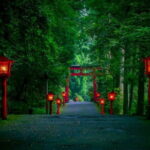
- Stop 3: Hakone Shrine for Forest Paths and Quiet Atmosphere
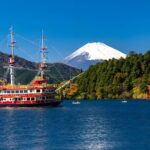
- Stop 4: Hakone Pirate Ship Cruise on Lake Ashi
- Stop 5: Hakone Ropeway for Panoramic Heights (and Switching Views)
- Stop 6: Owakudani for Up-Close Volcanic Activity
- Stop 7: Hakone Open-Air Museum for Art in Mountain Air
- Stop 8: Hakone Venetian Glass Museum for Color and Craft
- Stop 9: Kowakien Yunessun for Themed Onsen-Style Fun
- Price and Value for a Group of Up to 4
- Who This Tour Is Perfect For
- Should You Book This Private Hakone Day Trip?
- FAQ
- How long is the Hakone day trip from Tokyo?
- What is the group size limit?
- Does the tour include pickup from Tokyo?
- Is an English-speaking driver included?
- Are tickets and entry fees included?
- What attractions are included in the day?
- Is bottled water provided?
- Do I get a mobile ticket?
- What’s the cancellation policy?
- Is this tour private?
Key highlights you’ll notice fast
- Private door-to-door pickup: you avoid the Tokyo-to-Hakone logistics headache and ride in an air-conditioned car
- Mount Fuji viewpoints built into the route: from Mishima Skywalk to Lake Ashi and the Hakone Ropeway
- Lake Ashi at two levels: Heiwa no Torii photo moment, plus a themed pirate-ship cruise from Togendai
- Owakudani volcanic spectacle: up-close volcanic activity as a dedicated stop
- A slower-than-rollercoaster day: art and glass stops break up the scenic intensity before hot-spring fun
- Hot spring theme-park option: Kowakien Yunessun gives onsen-style relaxation plus playful themed pools
Private Hakone From Tokyo: Why This Day Plan Works
A one-day Hakone trip lives or dies by logistics. If you’re figuring out trains, transfers, and where to wait for cable cars, your “Hakone day” can turn into “Hakone sprint.” This setup fixes that by using a private vehicle and an English-speaking chauffeur, with stops chosen to cluster the big sights.
The timing also makes sense for a day that runs about 9–10 hours. You’re not just bouncing between viewpoints—you’re getting a flow: Fuji views, Lake Ashi, Hakone Shrine, ropeway height, volcanic Owakudani, then art and hot springs. If you hate rushing, you’ll like the fact that the itinerary is customizable to your preferences.
And if you prefer structure, the plan is still clear: Mishima Skywalk first, then the Hakone Shrine / Lake Ashi section, then Ropeway and Owakudani, followed by museum and hot spring options.
Other Hakone day trips from Tokyo we've reviewed
The Driver Factor: Comfort, Explanations, and Real-Time Tips
The biggest reason this feels worth it isn’t the scenery—it’s the way the day runs. You’re in an air-conditioned car with bottled water and fuel/parking/toll fees covered. That means your brain stays on sightseeing, not on cost calculations and ticket hunting.
The English-language support is also practical. Instead of waiting until you’re standing in front of a site to guess what you’re looking at, you get context while moving between stops. In feedback, chauffeurs like Aki were described as smooth and attentive, checking whether people were comfortable and keeping the car temperature agreeable.
There’s also a small but meaningful kind of help: when there’s a long photo line, your driver may help you optimize time by jumping into the line or managing the queue while you’re there. That’s the sort of detail that turns a good day into a calm day.
Stop 1: Mishima Skywalk for Fuji-and-Coast Big Views
Mishima Skywalk is the first stop, and it’s a strong opening. It’s described as Japan’s longest pedestrian suspension bridge at 400 meters, which matters because you get that “I’m actually on something impressive” feeling right away.
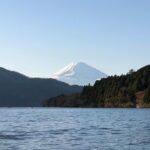
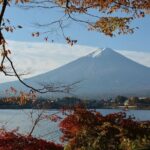
The payoff is the view. From here, you get sightlines toward Mount Fuji and Suruga Bay, plus surrounding forests. It’s a clear way to start your Hakone day with a wide-angle perspective before you go into Lake Ashi and shrine country.
Possible drawback: because it’s a suspension bridge, you’ll want to be comfortable walking and taking in views while at height. Also, the admission isn’t included, so this is one of the optional add-ons that can affect your budget.
Stop 2: Heiwa no Torii for the Classic Lake Ashi Photo
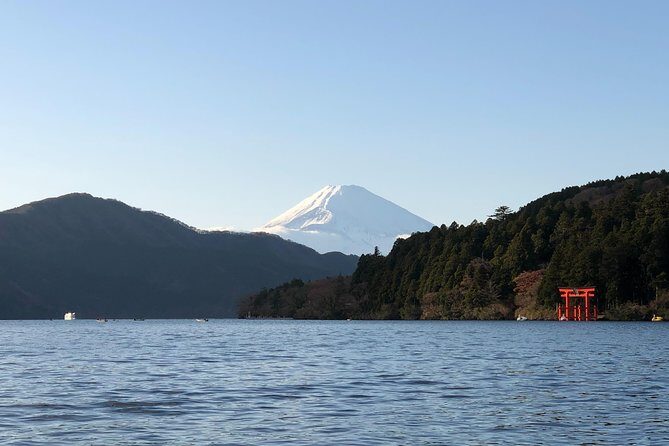
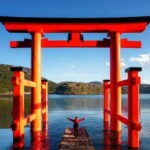
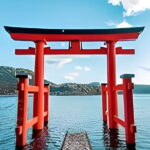
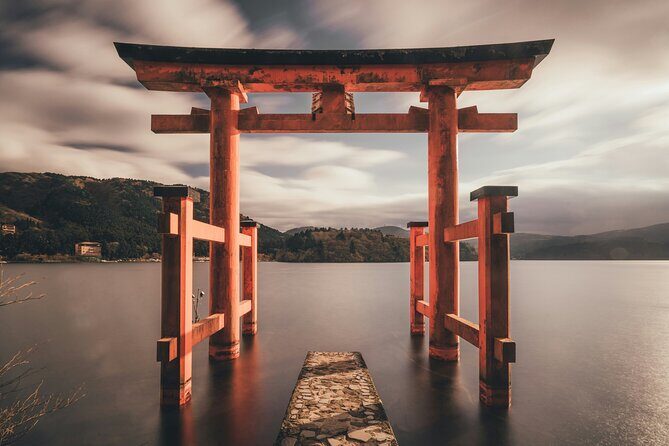
After the bridge views, you land on one of Hakone’s most iconic moments: Heiwa no Torii—the bright red torii gate of Hakone Shrine, half submerged in Lake Ashi.
This is a simple stop on paper (about 1 hour), but it’s one of the best “wow, that’s Japan” scenes of the day. The gate design creates a natural frame: red against water, with mountains in the background when conditions are right. If you like photographs, this is a stop that’s easy to understand and quick to enjoy.
One consideration: the gate photo moment is time-based. If visibility is poor that day, you may still get the torii-and-lake look, but the mountains may be muted. You’re still in good hands with a private driver who can help you time your viewing.
Stop 3: Hakone Shrine for Forest Paths and Quiet Atmosphere
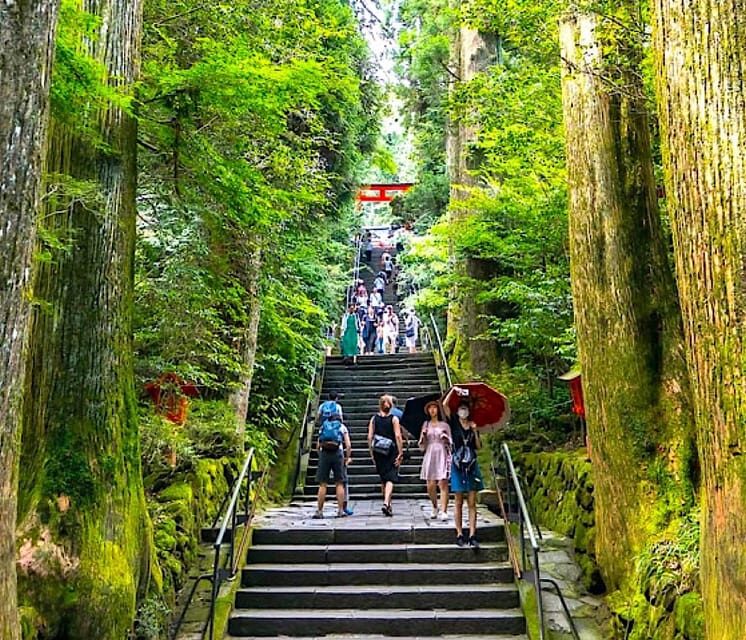
Hakone Shrine comes next, and it’s not just another stop with a souvenir shop nearby. It’s described as a historic Shinto shrine founded in the 8th century, set at the foot of Mount Hakone along Lake Ashi and surrounded by ancient cedar trees.
This stop is about atmosphere. You get a mix of spiritual setting and natural calm, with serene paths that don’t feel like they’re trying to sell you something every ten steps. It’s also a nice change of pace if you’ve spent the morning doing more “viewpoint tourism.”
The tour gives about 1 hour here, and admission is free. That combination—time plus low cost—makes it easy to enjoy fully.
Other Hakone tours with an English-speaking driver
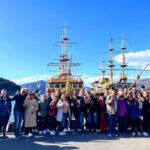
Stop 4: Hakone Pirate Ship Cruise on Lake Ashi
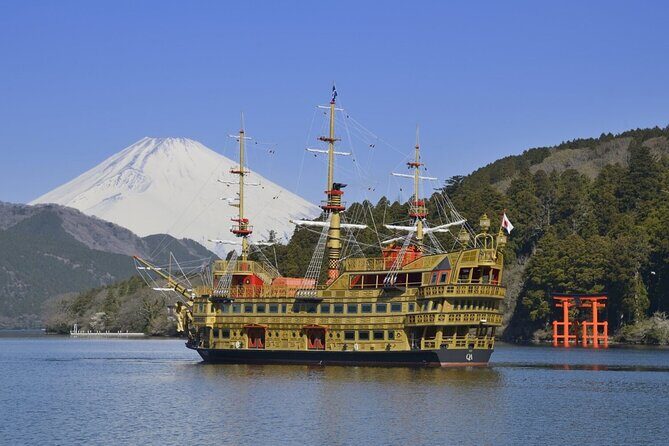
Now you go from shore to water with a themed cruise: the Hakone Pirate Ship from Tōgendai Port.
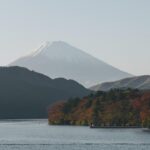
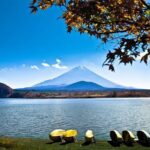
The boat is described as a pirate-vessel style sightseeing ship, and the views from the water are a big part of why this works. You’re not only watching the scenery glide by—you can also catch Mount Fuji sightlines (when visible) and the lakeside torii view associated with Hakone Shrine.
This is about a 1 hour cruise, and admission is not included. So, treat this as your “choose it if you want the full Lake Ashi experience” moment.
Practical note: if you’re sensitive to time on the water or easy seasickness, this is still usually manageable for most people, but it’s smart to plan with your own comfort in mind. The upside is that the cruise gives you a break from walking while still sightseeing.
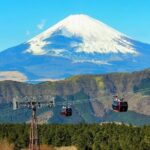
Stop 5: Hakone Ropeway for Panoramic Heights (and Switching Views)
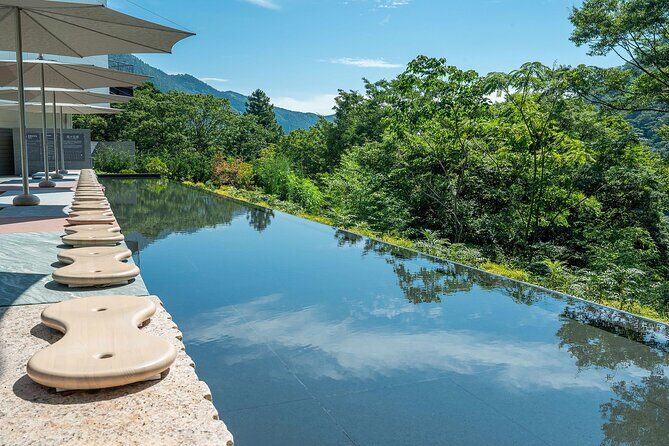
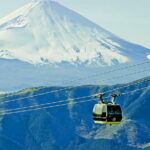
From the cruise area, you ride the famous Hakone Ropeway, an aerial cable car connecting Sounzan to Togendai over scenic mountains.
Why this is worth the time: it changes your view altitude. The tour description specifically calls out panoramic vistas of surrounding mountains and valleys, plus Mount Fuji views and steamy scenery that ties into the volcanic area you’ll visit later.
This stop is about 1 hour, but admission isn’t included. So if you want the classic Hakone skyline shot, this is one to budget for.
Possible drawback: cable cars can mean waiting lines depending on the day. Since you’re on a private schedule, you won’t be spending extra time trying to coordinate with others, but waiting still happens sometimes. If you’re traveling in peak season, try to keep a patient mindset.
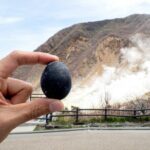
Stop 6: Owakudani for Up-Close Volcanic Activity
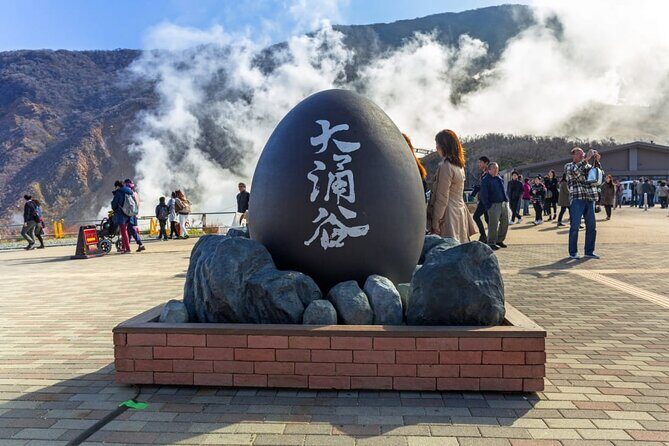
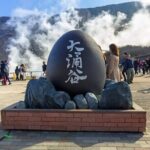
Next up: Owakudani, where you can observe intense volcanic activity from up close. The tour notes that it’s one of the most famous viewpoints in Hakone and refers to its origin tied to volcanic eruption activity.
This stop is about 1 hour, and admission is free. That’s a rare thing for a big “Hakone highlight”—a major viewpoint that doesn’t cost extra upfront.
What makes it special is the tone shift. You go from lakeside calm to a more dramatic, earth-forward scene. It’s a good reminder that Hakone isn’t just scenic; it’s also geothermal and active.
Consideration: because it’s about intense activity, it can be a different kind of sensory experience (visual intensity and sometimes smells), so it’s not everyone’s favorite stop. But even if you’re only moderately interested in volcanos, it gives Hakone context.
Stop 7: Hakone Open-Air Museum for Art in Mountain Air
After the volcanic stop, you’ll want something that feels lighter—and the Hakone Open-Air Museum is built for that.
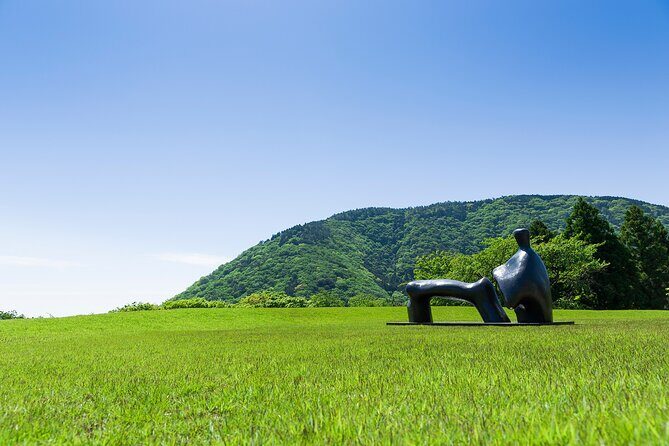
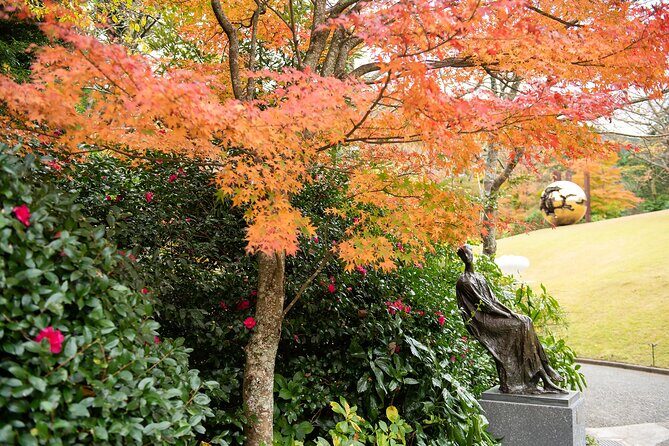
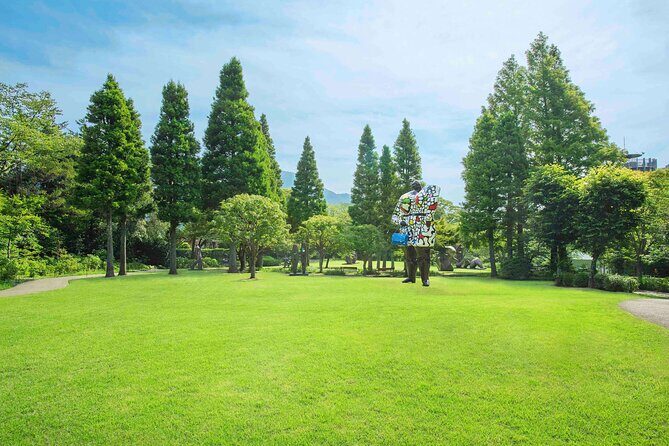
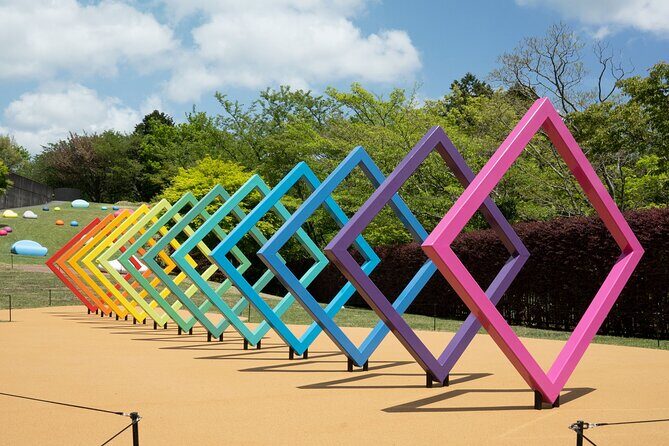
It’s described as Japan’s first outdoor art museum, set in a spacious garden surrounded by mountains, and featuring over one thousand sculptures and artworks. That “outdoors first” style matters: your sightseeing doesn’t feel like you’re trapped indoors when the weather is decent.
This is about 1.5 hours, and admission isn’t included. If you’re traveling with someone who loves art (or even just wants a change from scenery), this is a smart mid-afternoon anchor.
Potential drawback: outdoor museums depend on comfort levels—if it’s hot, rainy, or very windy, your enjoyment may change. But that’s true of any outdoor museum, and having a private driver means you’re not dealing with complicated re-routing if conditions shift.
Stop 8: Hakone Venetian Glass Museum for Color and Craft
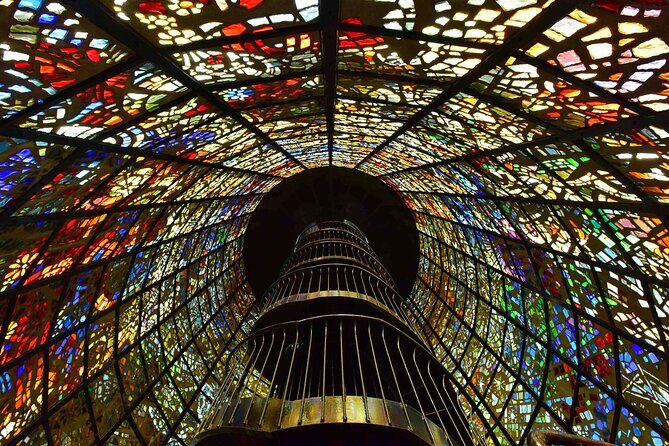
Then you switch gears to glass at the Hakone Venetian Glass Museum. It’s described as recreating the charm of an Italian villa, with elegant gardens, canals, and bridges decorated with shimmering crystal art.
Inside, you can admire exquisite Venetian glasswork (again, as described by the tour). This is a good stop when you want something more hands-on-for-the-eyes rather than purely scenery-based.
Time is about 1 hour, and admission isn’t included.
Consideration: if you’re not into museums or crafted objects, this can feel like a detour. But if you enjoy visual design and want a break from outdoor walking, it’s a nice palate cleanser.
Stop 9: Kowakien Yunessun for Themed Onsen-Style Fun
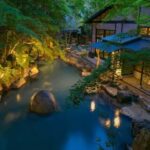
To finish strong, you have the option of Hakone Kowakien Yunessun, a hot spring theme park that combines relaxation with playful themed pools.
The tour description gives specific examples of themed pools: wine, coffee, green tea, and sake. Along with traditional onsen-style baths, this stop turns your end-of-day into something more fun and less just-soaking-and-leaving.
It’s about 1 hour, and admission isn’t included.
Possible drawback: theme parks can be lively. If you want quiet, meditative soaking, you might find this style more energetic than a traditional onsen town bath. But as a one-day payoff, it’s a memorable way to connect Hakone’s hot spring identity with a ready-made entertainment format.
Price and Value for a Group of Up to 4
The price is listed at $352.16 per group (up to 4), with a duration of about 9–10 hours. For Tokyo-to-Hakone day travel, you’re mostly paying for a private car, an English-speaking chauffeur, and the time-saving convenience of door-to-door transport.
Here’s the value logic that helps you decide:
- If you were to piece together trains, transfers, and taxi segments, you’d likely spend a lot of time managing connections and waiting.
- This tour replaces that with one vehicle and a driver who keeps you moving between the main Hakone zones.
- The included basics (air-conditioned transport, bottled water, fuel/parking/tolls) remove small but constant frictions.
Then there’s the catch: because optional admissions aren’t included, your total trip cost depends on which paid stops you choose. If you only do the free shrine and Owakudani and skip ropeway and museums, the price can feel like a deal. If you do everything that’s ticketed, the final cost goes up, but you’ll also get the full Hakone checklist in one day.
In other words: the price is fair, but your personal value comes down to how many optional admissions you plan to use.
Who This Tour Is Perfect For
This private day trip is a strong fit if you:
- Want Hakone highlights without rail-stress or transfer math
- Prefer an English-speaking driver who can explain what you’re seeing between stops
- Travel with up to 4 people and want to split a group price
- Like a mix of nature views and cultural stops (shrine, lake) plus an art and hot spring finish
It may be less ideal if you prefer very free-form travel with lots of unscheduled stops, because this day is designed around a set sequence of Hakone highlights.
Should You Book This Private Hakone Day Trip?
Book it if you want a smooth, no-transfer plan that hits the big signature sights—Mishima Skywalk, Lake Ashi and Hakone Shrine, the Pirate Ship and Ropeway, Owakudani, and then art and onsen fun. The private vehicle plus the English-speaking driver is what turns it into a relaxed day, not a logistics exercise.
Skip or rethink if you’re trying to keep costs minimal and plan to avoid most optional ticketed attractions. The car value is real, but you’ll feel the extra spending if you say yes to everything.
If you’re the type who wants the best of Hakone with the least friction, this is the kind of day trip you’ll be happy you booked.
FAQ
How long is the Hakone day trip from Tokyo?
It runs about 9 to 10 hours.
What is the group size limit?
The tour is priced per group for up to 4 people.
Does the tour include pickup from Tokyo?
Pickup is offered, and door-to-door service is part of the value.
Is an English-speaking driver included?
Yes. You get an English-speaking chauffeur.
Are tickets and entry fees included?
Entry and admission fees are not included unless specified. The tour notes that admissions are optional and should be paid on-site by guests.
What attractions are included in the day?
The day includes Mishima Skywalk, Heiwa no Torii, Hakone Shrine, a pirate ship cruise from Tōgendai Port, Hakone Ropeway, Owakudani, Hakone Open-Air Museum, Hakone Venetian Glass Museum, and Kowakien Yunessun. Your itinerary can be tailored to preferences.
Is bottled water provided?
Yes, bottled water is included.
Do I get a mobile ticket?
Yes, mobile ticket is included.
What’s the cancellation policy?
You can cancel for a full refund up to 24 hours before the experience starts. Cancellations within 24 hours are not refundable.
Is this tour private?
Yes. It’s a private tour/activity, and only your group participates.