REVIEW · TOKYO
Private Tour to Mt Fuji and Hakone with English Speaking Driver
Book on Viator →Operated by Abc travels · Bookable on Viator
A long day with big views can still feel relaxed. This private Mt. Fuji and Hakone trip is built for flexibility with a English-speaking driver/guide, so you can linger where the light is best. I like the way the route is structured to reduce wasted time, then leaves room for your choices. One drawback to plan for: Mt. Fuji visibility depends on weather, and some of the most fun extras (like the Lake Ashi cruise) cost extra.
What makes this outing work is the practical mindset. You get door-to-meet-up help in Tokyo, highway tolls are covered, and your guide can nudge the timing based on skies. You’ll also see a nice mix: volcanic Hakone, calm pond villages, and Fuji viewpoints around Lake Kawaguchiko.
The final heads-up: it’s a full ~10 hours. So if you hate long rides, or you want a very deep, lecture-style history tour, you may want to set expectations (some guides focus more on getting you to the right places efficiently than on extended storytelling).
In This Review
- Key highlights worth planning around
- Why a private English driver makes Mt. Fuji less stressful
- Tokyo pickup, express highway travel, and what a 10-hour day really feels like
- Owakudani volcanic realm: sulfur air, steaming views, and black egg luck
- Oshino Hakkai: the calm pause near Mt. Fuji’s springs
- Lake Ashi on a pirate ship: torii views and a fun change of pace
- Lake Kawaguchiko: Fuji viewpoints, shrine stops, and the right kind of photos
- Oishi Park and the practical joy of snack-and-sight breaks
- What’s included, what isn’t, and how to judge the price fairly
- Weather reality: how guides handle clouds and what you should do
- Guide and driver style: what you can expect from a top-tier day
- Who should book this day trip, and who might not love it
- Should you book this Mt. Fuji and Hakone private tour?
- FAQ
- How long is the Mt. Fuji and Hakone private tour?
- What is the price, and how many people can join?
- Where does the tour start in Tokyo, and do you return?
- What’s included in the tour cost?
- What isn’t included, and should I budget for tickets?
- Is the guide available in English?
- What happens if the weather is poor?
Key highlights worth planning around
- Private door-to-area transport with an air-conditioned vehicle and English support
- Express highway time savings (tolls are included)
- Hakone’s volcanic stops at Owakudani, plus the iconic black hot spring eggs for luck
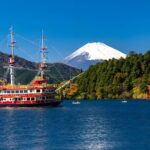
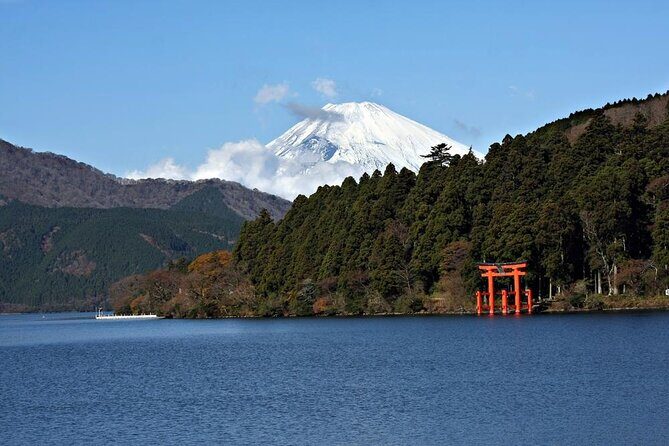
- Lake Ashi pirate ship cruise with the famous torii view from the water
- Fuji viewpoints around Lake Kawaguchiko plus classic shrines and the Chureito Pagoda angle
- Guide flexibility in real time, including weather-based schedule tweaks and comfort with families
Why a private English driver makes Mt. Fuji less stressful
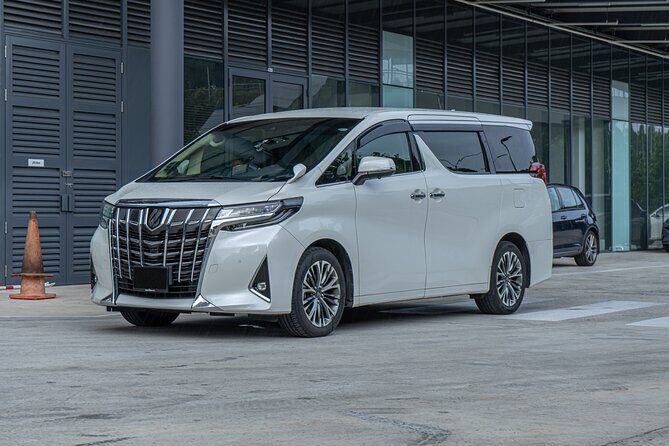
Mt. Fuji day trips can turn into a timing puzzle. Trains need reservations at the wrong moments. Buses don’t care about your photo window. This is the clean fix: you ride in a private air-conditioned vehicle, and you don’t spend your energy matching schedules between scattered towns.
You’ll feel the value quickly. With the express highway plus included tolls, you spend more of your day at the places that actually matter and less time negotiating Tokyo-area transfers. Then, once you’re out in the Fuji/Hakone region, you can choose how long to linger at each stop instead of being herded through a rigid checklist.
I also like the “human” part of this setup. Guides often adjust to cloud cover and can shift the order of stops so you’re not stuck waiting in the wrong place at the wrong time. That kind of flexibility matters a lot on Fuji days, because the mountain doesn’t show up on command.
More Mt Fuji & Hakone tours we've reviewed
Tokyo pickup, express highway travel, and what a 10-hour day really feels like
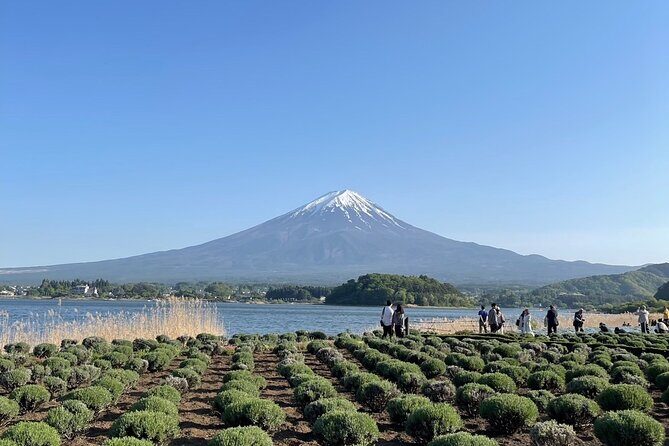
Most days start in Tokyo at the Marunouchi area near Tokyo Station (Marunouchi Kitaguchi/North Exit). From there, you head out on the express highway to move faster between Tokyo and Hakone/Fuji country. The total tour time is about 10 hours, with roughly two hours each way in the driving segments depending on traffic and the exact flow of your day.
Here’s the practical truth: a “10-hour day” is not just the ride. It’s the whole rhythm—getting out, walking, parking lots of short photo stops, and then back to the car. If you’re traveling with kids, or you simply want to avoid the mental load of coordinating transit, this pacing is a benefit. If you’re hoping for a slow, unhurried “wander whenever you feel like it” day, you’ll still need to keep moving.
A small tip that helps: tell your guide what matters most to you—pirate ship cruise versus cable car, shrine versus museum-style stop, quick photo stops versus longer viewpoints. When you’re with a private team, those preferences can actually change your day, not just sit in a survey box.
Owakudani volcanic realm: sulfur air, steaming views, and black egg luck
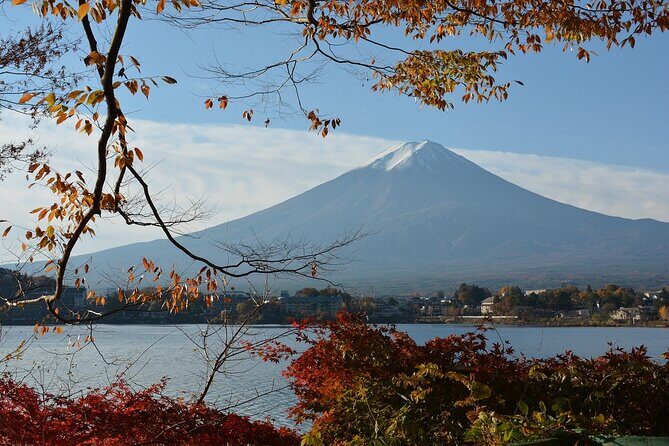
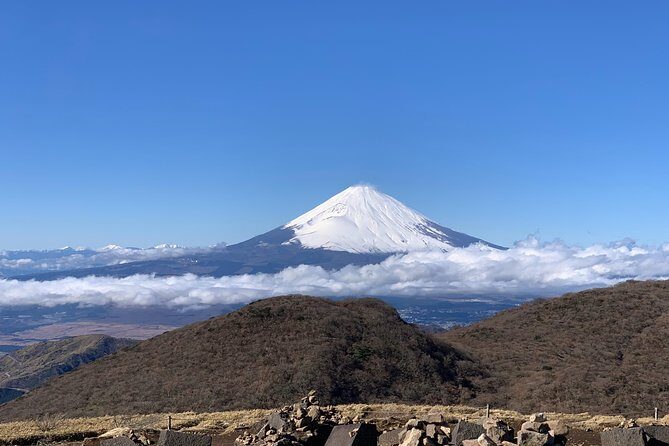
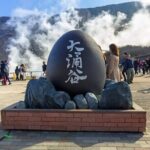
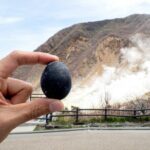
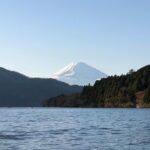
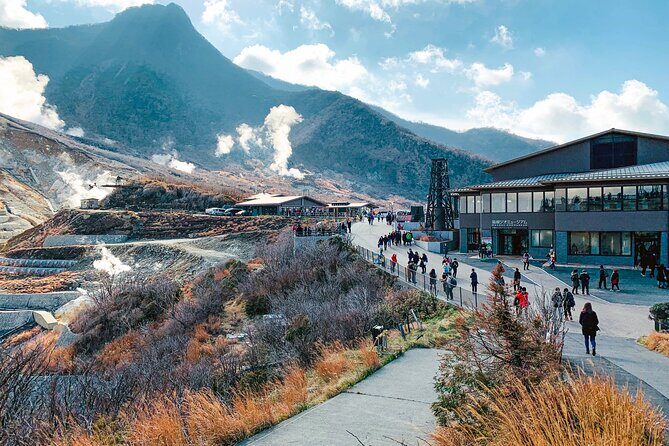
Owakudani is Hakone’s volcanic personality in full display. You go into a zone of steaming fumaroles and sulfurous air, where the whole setting feels a bit otherworldly. If the sky is clear, this is also one of the best places in the area to catch views toward Lake Ashi and Mt. Fuji.
This is not a “sit down and wait for miracles” stop. You’ll want shoes that handle uneven ground and a willingness to breathe in that sulfur smell for a while. The good news: the stop is timed to be manageable—about an hour—so you can enjoy the spectacle without turning it into a marathon.
One extra detail worth knowing: the famous black hot spring eggs are part of the Owakudani experience and are commonly treated as luck food. If you like trying local traditions even when you don’t fully understand the superstition, this is a fun one.
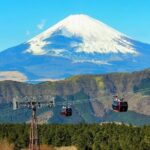
Cost note: the specific admission at Owakudani isn’t included, and you may also see optional transport add-ons around this volcano area (like the ropeway mentioned later). Ask your guide what they plan to use and what you’ll pay on the spot.
Oshino Hakkai: the calm pause near Mt. Fuji’s springs
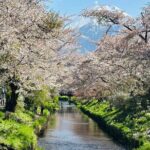
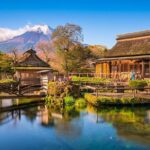
After the volcanic heat, Oshino Hakkai is a welcome reset. This is a gentle, quiet foothills area known for its spring water ponds. It’s the kind of place where you slow down naturally, because there’s less pressure to chase views from the top of a ridge.
Expect about 1.5 hours here. That time is enough for an easy walk around the pond area and to take photos without feeling rushed. If you’re the type who likes “small, real-feeling places” instead of only big-ticket icons, Oshino is a sweet spot.
It’s also a good place for a breather if the morning started foggy. Even when Fuji isn’t visible, the ponds and the village atmosphere still deliver. That alone makes the stop feel like good value for your time.
Lake Ashi on a pirate ship: torii views and a fun change of pace
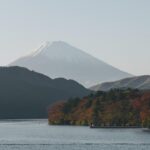
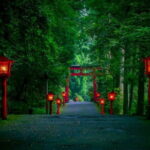
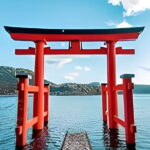
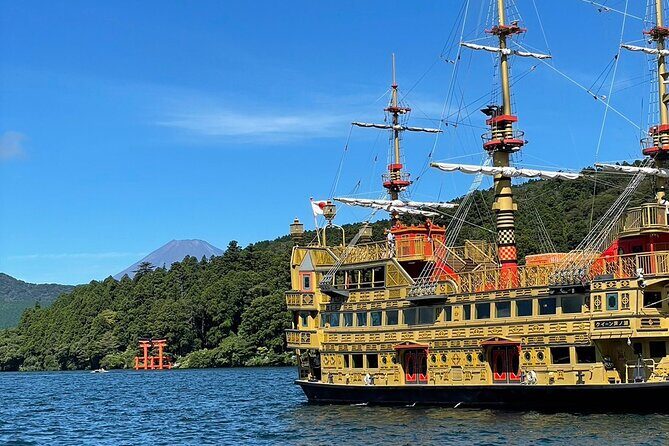
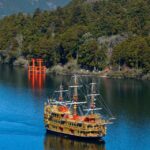
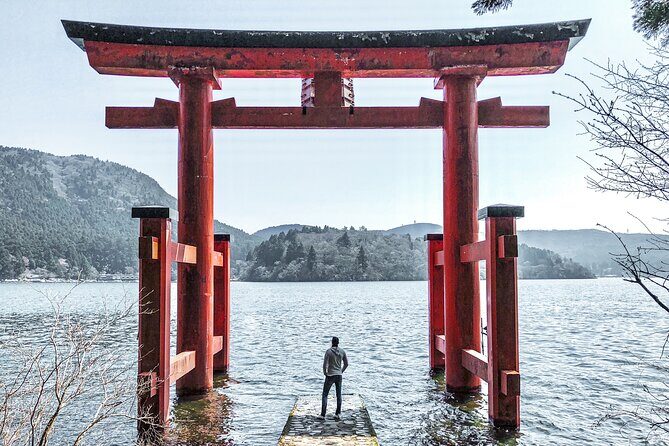
Lake Ashi is where Hakone turns scenic and playful. You board a pirate ship-themed boat for about an hour. The highlight for many people is the view of the torii gate from the water—one of those iconic angles you’d struggle to reproduce with a DIY plan.
Even if clouds block a crisp Mt. Fuji shot, the lake cruise can still feel worth it because the water views and shoreline perspectives are the point. This is also a nice “let your legs rest” segment in a day that otherwise includes walking.
Budget note: the pirate ship boat fee is not included, so plan on paying extra per person. If you’re price-sensitive, you can ask whether your day can be arranged around what you want most—because the cruise is a major part of what people remember about Hakone in a limited-time day.
Other Tokyo + Mt Fuji + Hakone combo tours we've reviewed
Lake Kawaguchiko: Fuji viewpoints, shrine stops, and the right kind of photos
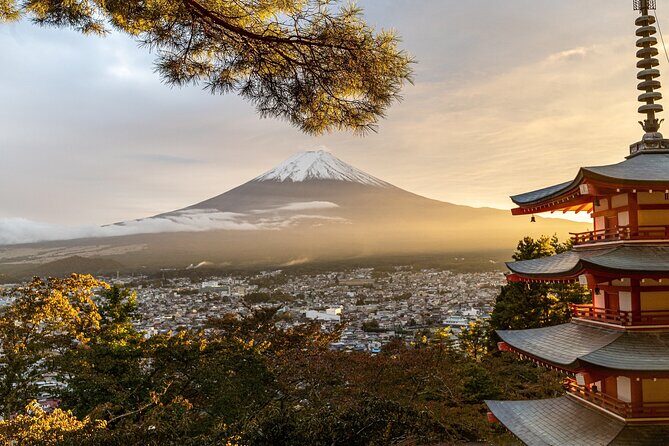
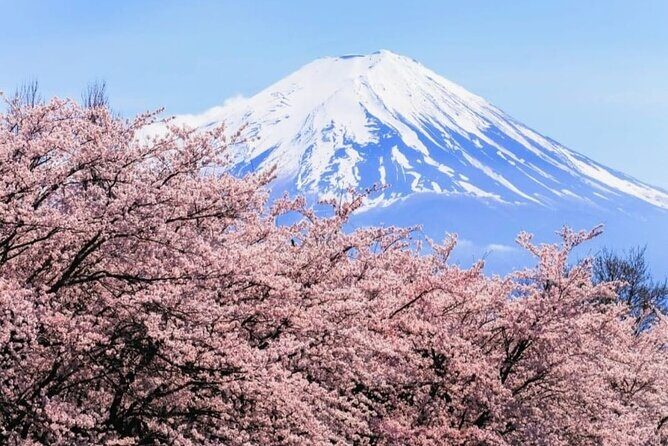
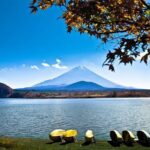
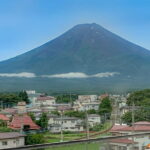
Once you shift to the Lake Kawaguchiko area, the day pivots from Hakone’s volcanic mood to Fuji’s lakeside calm. This is one of the best regions to position yourself for Fuji views, because you get multiple angles without needing to drive between every viewpoint by yourself.
Your time here includes short, efficient stops. You’ll spend about 30 minutes at Lake Kawaguchiko itself and then move on to nearby shrine and viewpoint spots. This is where a private guide helps: instead of you guessing where the best angle is, your guide can point you toward a workable view window.
Kitaguchi Hongu Fuji Sengen Jinja is one of the stops, and it’s worth visiting because it links pilgrims and local tradition to Mt. Fuji. It’s not a long walk, but it adds cultural texture to the day beyond just photos.
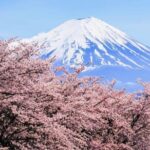
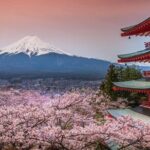
Then you’ll head to Chureito Pagoda, a five-storied pagoda on a mountainside overlooking Fujiyoshida and Mount Fuji in the distance (when the weather cooperates). This viewpoint is famous for a reason: it’s a classic composition shot.
A quick expectation setting: Fuji visibility can change fast. If clouds roll through, don’t panic. The best guides adjust with timing—so you spend less time waiting in one place and more time moving to your next best angle.
Oishi Park and the practical joy of snack-and-sight breaks
Oishi Park is the “slow down, breathe, and enjoy a simple pleasure” stop. It faces both Mt. Fuji and Lake Kawaguchiko, and it’s known as a flower garden spot. If you’re traveling when flowers are in bloom, it’s one of those places where the scenery looks like a postcard without trying too hard.
You’ll have about 30 minutes, which is perfect for a short stroll and a few photos. And yes, this is also a place to try ice cream flavors. It’s not a life-changing dessert, but in a day like this, the break helps you enjoy the rest more.
I like stops like this because they reduce the “constant motion” feeling. You’re still seeing major sights, but you get a moment that feels human instead of rushed.
What’s included, what isn’t, and how to judge the price fairly
This tour costs $495.51 per group (up to 5 people). That pricing model is important. If you’re traveling with friends or family, the per-person cost can look reasonable compared with piecing together private transport plus tickets plus time.
You get a lot of core value for that price:
- Air-conditioned vehicle
- Private transportation
- English-speaking guide support
- Pickup and drop-off help in Tokyo
- Highway tolls included
What’s not included is where you should do a quick mental budget:
- Lunch
- Fuji 5th station entrance fee of ¥2,100 per booking (if your day includes that area)
- Pirate ship on Lake Ashi: ¥1,300 per person
- Ropeway between Togendai and Owakudani: ¥1,500 per person
Here’s how I’d think about the extras: if you’re the type who will definitely want the Lake Ashi cruise, then treat that fee as part of the real cost. If you’re not sure, ask your guide what you’d be sacrificing by skipping the cruise and whether there’s a good alternative route that still hits your must-see views.
Weather reality: how guides handle clouds and what you should do
Mt. Fuji days are weather days. Clear skies give you the iconic photos. Cloudy days can still be beautiful, but your view may be limited.
In this kind of private setup, the best guide behavior is simple: keep an eye on conditions and adjust timing. That can mean waiting briefly in a better viewing spot, or shifting the order of stops so you’re not stuck at the least useful angle.
I’d also plan your outfit for both sun and chill. Even if Tokyo is warm, the Fuji area can feel cooler, and lake breezes can cut through quickly. If you want the best photos, bring something that protects your gear too—because you’ll be out and about, not tucked in.
Guide and driver style: what you can expect from a top-tier day
A big chunk of this tour’s value is how it’s handled in the car. People rave about guides who:
- stay attentive and adjust to requests
- drive smoothly and carefully
- help with photo timing and angles
- keep the day comfortable, including for families with kids
You might even get a guide who helps with practical problem-solving beyond the sightseeing. Some guides have been praised for stepping in when travel hiccups happen, like helping locate lost items and coordinating next-steps for onward transport.
Not every guide will be exactly the same, though. If you want very in-depth history talk at every stop, you should ask directly what level of commentary you’ll get and whether you can expect more “where to go” guidance or deeper storytelling. The tour can run more like a private driver experience if that’s how your guide chooses to operate.
Who should book this day trip, and who might not love it
This is a great fit if you:
- want stress-free logistics from Tokyo
- care more about hitting the right sights than plotting transit routes
- travel with kids or anyone who prefers fewer transfers
- want flexibility when weather changes
- like photography and want help finding good timing
It might be less ideal if you:
- hate long days with lots of movement
- want a very structured, lecture-heavy guided tour
- are determined to build a perfectly optimized itinerary yourself (you can do it, but it takes planning)
One more point: this tour isn’t a “choose-your-own-adventure” jungle. It’s a planned route with flexible timing. You’ll still follow the day’s overall flow, but you can usually spend more time where your guide thinks it’s worth it.
Should you book this Mt. Fuji and Hakone private tour?
Book it if you want the easiest path to Mt. Fuji views plus Hakone highlights—without spending your vacation wrestling with train changes, bus schedules, and ticket lines. The best part is the balance: you get real planning and navigation support, then enough freedom to linger at the moments that feel special to you.
Don’t book it blindly if your top goal is guaranteed Mt. Fuji visibility. You can improve your odds with clear weather and good timing, but conditions still matter. And if you’re trying to keep costs tight, remember that several of the “memorable” experiences on this route have add-on fees.
If you do book, send your guide your must-sees the day before (and confirm how you’ll communicate). Pack for weather swings, keep your day flexible, and treat the ride as part of the experience. Done right, this is one of those rare day trips where you return to Tokyo feeling like you actually lived the region, not just passed through it.
FAQ
How long is the Mt. Fuji and Hakone private tour?
It runs for about 10 hours (approx.), including driving time from Tokyo and time at each main stop.
What is the price, and how many people can join?
The price is $495.51 per group, for up to 5 people.
Where does the tour start in Tokyo, and do you return?
The listed start is Tokyo Sta. Marunouchi-Kitaguchi (Marunouchi North Exit). The activity ends back at the meeting point. Pickup and drop-off to your hotel are also listed as included, so confirm what that means for your exact booking.
What’s included in the tour cost?
Included features are an air-conditioned vehicle, private transportation, an English-speaking guide, pickup and drop-off to hotel, and highway tolls.
What isn’t included, and should I budget for tickets?
Lunch isn’t included. Also, some paid items are listed separately: Fuji 5th station entrance (¥2,100 per booking), the pirate ship on Lake Ashi (¥1,300 per person), and the Togendai to Owakudani ropeway (¥1,500 per person).
Is the guide available in English?
Yes. The tour includes an English speaking guide.
What happens if the weather is poor?
The experience requires good weather. If it’s canceled due to poor weather, you’ll be offered a different date or a full refund.