REVIEW · TOKYO
Private Fuji Hakone Tour Charter with English Speaking Driver
Book on Viator →Operated by BANZAI · Bookable on Viator
Hakone without the scramble. This private Fuji and Hakone charter gives you a full day of classic sights with round-trip transport and an English-speaking driver/guide so you can focus on the views, not directions.
I like the door-to-door pickup from your central Tokyo hotel area, and the fact the drive to Hakone is timed around real traffic (about 1.5–2 hours). I also like the flexible pacing: guides such as Abdul, Ali, and Hayat are specifically praised for routing smartly and making room for the stops you care about most, including extra time at Owakudani.
One watch-out: it is not a full meal plan. Breakfast and lunch are not included, and key add-ons like the pirate cruise, ropeway, and the Open-Air Museum admission are also not included in the tour price.
In This Review
- Key highlights that make this charter worth it
- Why this private Fuji-Hakone day beats DIY for most people
- Leaving Tokyo: pickup, timing, and the traffic reality
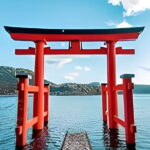
- Hakone Jinja torii gate: the first “wow” stop
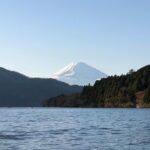
- Lake Ashinoko (Lake Ashi): where Mt. Fuji comes into the story
- Pirate cruise, Togendai, and Hakone Ropeway views without the logistics headache
- Owakudani sulphur valley: black eggs, steam, and a very real smell
- Hakone Open-Air Museum: art in the hills, with time to breathe
- Gotemba Premium Outlets: optional shopping with a Mt. Fuji backdrop
- Price and value: what $383.19 per group really buys you
- Who should book this charter (and who might skip it)
- Quick checklist for a smooth Fuji-Hakone day
- Should you book this private Fuji Hakone charter?
- FAQ
- How long is the Fuji Hakone private charter?
- How many people can be in a group?
- Is hotel pickup included, and where does pickup start?
- What’s included in the tour price?
- Are meals included?
- What attractions require extra tickets?
Key highlights that make this charter worth it
- English-speaking driver/guide who can answer questions and help you make quick decisions in real time
- Private, air-conditioned vehicle with bottled water during the day
- Hakone Jinja torii + Lake Ashi pairing that sets you up for the iconic water-front photos
- Owakudani sulphur valley and the famous sulphur-brewed black eggs (ticketed)
- Hakone Open-Air Museum with 120+ sculptures and Picasso works (ticketed)
- Optional Gotemba Premium Outlets (up to ~3 hours) if you want shopping at the foot of Mt. Fuji
Why this private Fuji-Hakone day beats DIY for most people
Hakone is one of those places where you can absolutely DIY it, but you’ll spend energy on transfers and timing. This charter reduces that friction fast: you get private transport, a driver/guide in English, and a plan that hits the big sights people usually try to cram into one day.
The best part is the feel of the day. You’re not stuck in a giant group rhythm, and you can ask for small adjustments while you’re there—like shifting time toward the sulfur valley or making sure you see the Lake Ashi viewpoints at a comfortable pace.
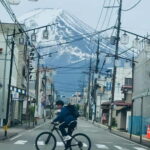
And if weather turns—fog, clouds, even snow—Hakone doesn’t stop being beautiful. One group specifically noted a snowy, dramatic day, and that the guide handled the situation calmly.
More Mt Fuji & Hakone tours we've reviewed
Leaving Tokyo: pickup, timing, and the traffic reality
The day starts with hotel pickup in central Tokyo. The drive to Hakone is usually around 1.5–2 hours, depending on traffic, so the earlier start matters. I like this setup because it keeps your day from feeling like you’re constantly racing the clock.
You’ll travel in an air-conditioned vehicle with bottled water included. That sounds small, but on a long day it keeps you comfortable and helps you stay focused on stops instead of planning snacks every hour.
Also, this is built for a private group of up to 3 people. That means you can manage the pace without either (a) feeling stuck with strangers or (b) burning time bargaining with public transport schedules.
Hakone Jinja torii gate: the first “wow” stop
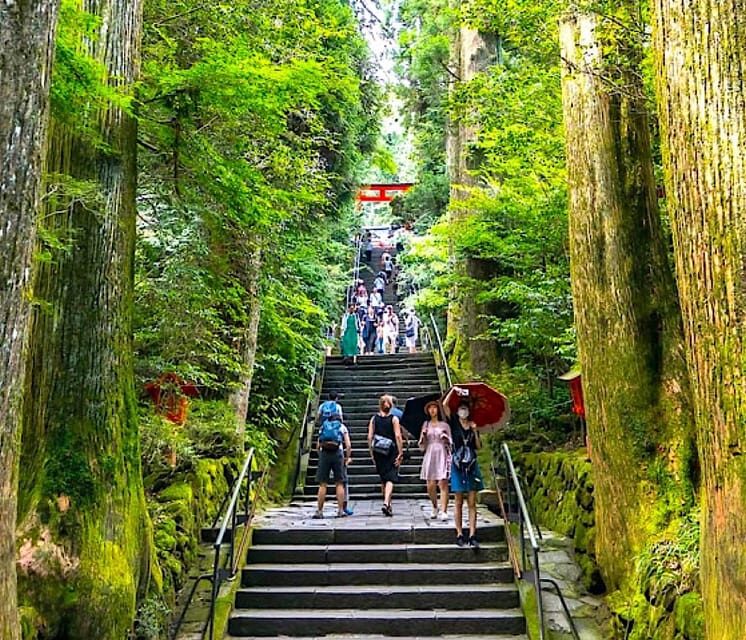
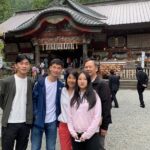
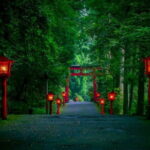
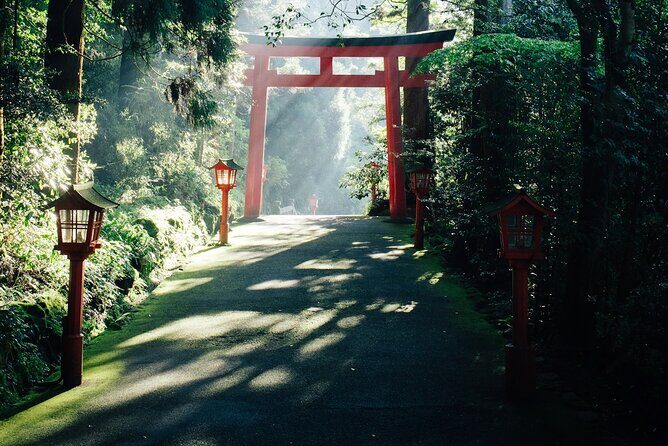
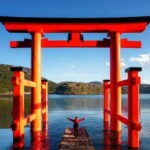
Hakone Jinja is your classic early anchor. The main attraction here is the famous torii gate at Hakone, with one of the most popular photo spots tied to the Lake Ashi area.
You’ll spend about 1 hour at this stop, and the tour listing shows admission as free for this segment. That gives you room to wander slowly, look from different angles, and wait out the moment when the light hits the water.
Practical tip: even on cloudy days, this spot can still look dramatic because of the water and reflections. If your goal is photos, treat this as your warm-up: you’ll get another big water-view moment soon.
Lake Ashinoko (Lake Ashi): where Mt. Fuji comes into the story
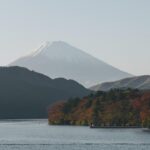
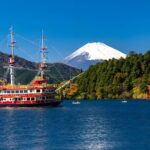
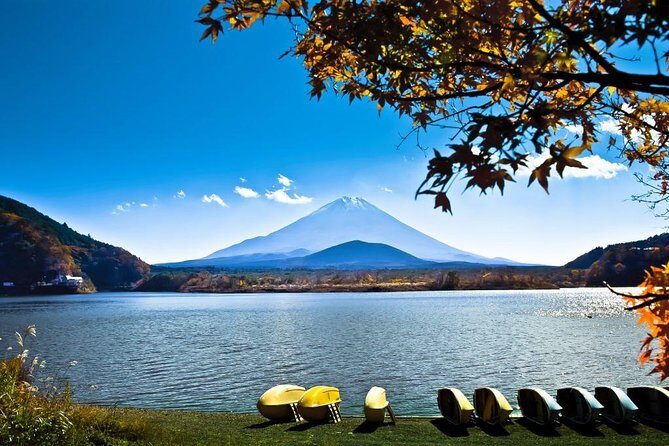
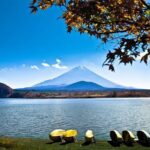
After the torii gate, you head to Lake Ashinoko, which is one of the key lakes near Mt. Fuji. The tour plans about 1 hour here, and it lists the segment as free.
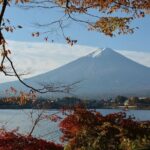
This is the “slow breath” part of the day. Lake Ashi is where you get the broad look across the water, and it also helps you understand what you’ll see from the boat and ropeway later. If you’ve only ever seen Fuji on postcards, this is the place where the scenery starts to feel real—even if the mountain itself is hiding behind clouds.
I also like that the itinerary doesn’t just drop you at a single viewpoint. You get time to settle in, reposition for photos, and enjoy the lake without rushing.
Pirate cruise, Togendai, and Hakone Ropeway views without the logistics headache
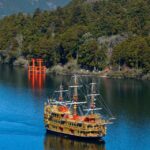
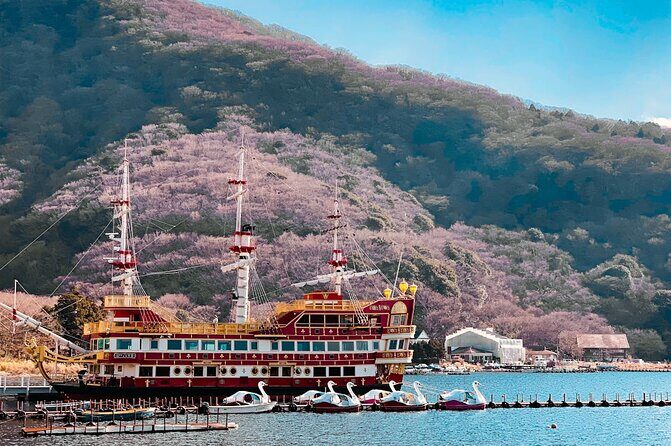
Next up is Hakone sightseeing by water. You’ll do a Hakone sightseeing cruise on the Lake Ashi pirate-style boat (about 1 hour). This is not included, but it’s one of the most memorable ways to see the shoreline and surrounding views.
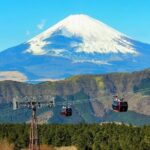
Then you move toward Togendai Station General Information Center for about 30 minutes. This portion is also listed as not included, but it matters because this is where you connect with the ropeway experience and get more of those Lake Ashi angles from above.
What’s smart here is sequencing. You get your lake time, then you move into higher vantage points, rather than doing ropeway first and then scrambling down for boat photos.
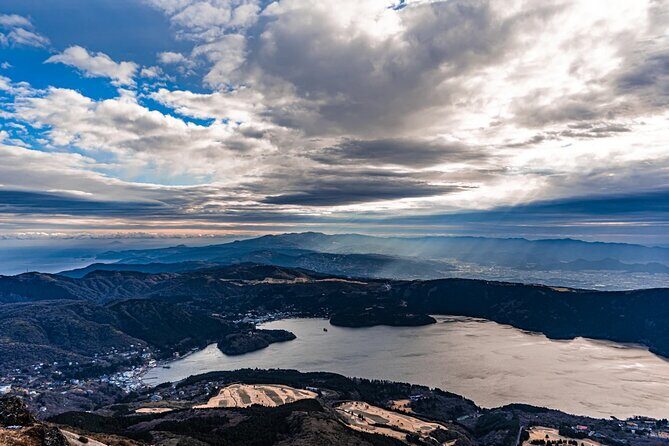
If you’re planning your day around views, you can treat the cruise + ropeway as the “two-layer” picture strategy:
- water-level for the broad scene
- higher vantage for the shape of the bay and the surrounding terrain
And yes, it can get a bit cool or windy out on the water. Bring a light layer even if Tokyo feels warm.
Other Hakone tours with an English-speaking driver
Owakudani sulphur valley: black eggs, steam, and a very real smell
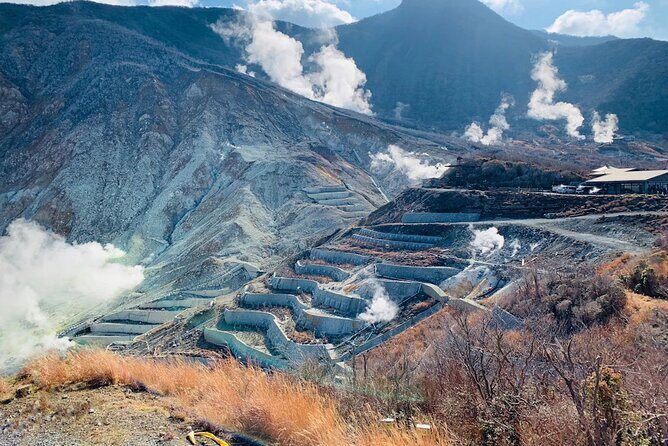
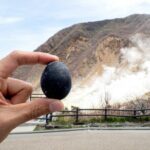
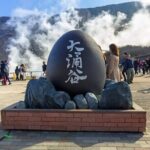
Now we get to the part people talk about. Owakudani Valley is known for the sulphur activity, and you’ll have about 1 hour here.
The tour notes that you can have the sulphur-boiled black eggs on-site. The eggs themselves aren’t listed as included, and the stop’s admission is also not included, but that’s exactly what makes this segment feel like an experience rather than a photo-only stop.
Here’s why I think this works well in a private format: Owakudani can be busy, and you might want to linger around the steam vents longer than planned. Past groups highlighted guides like Abdul and Ali for finding ways to beat crowd pressure and adjusting timing, including giving more time at Owakudone when it was the priority.
Practical note: the air near the sulphur can be strong. It’s part of the place, but keep expectations realistic. If you’re sensitive to smells, it can help to spend a little time at the vents, then step back and focus on views and photos.
Moderate fitness is recommended overall for this tour, and Owakudani involves walking. Wear comfortable shoes and take it easy on any uneven ground.
Hakone Open-Air Museum: art in the hills, with time to breathe
After the steam and eggs, you shift from nature spectacle to art. The Hakone Open-Air Museum is about 1 hour on this plan, and admission is not included.
This museum blends outdoor scenery with sculpture, including 120+ sculptures and Picasso works in scenic gardens (as described in the tour info). I like this stop because it gives your brain a break from the constant “look up, look left, take photo” rhythm.
In a full-day itinerary, that matters. It’s easy to turn Hakone into a checklist. Here, you get a calmer pace where you can wander at your own speed and still feel like you did something meaningful.
If your group loves modern art or design, this is a strong add. If you’re only here for Mt. Fuji views, you might decide it’s optional. But based on the way the schedule is built, it’s not rushed.
Gotemba Premium Outlets: optional shopping with a Mt. Fuji backdrop
For the finale, there’s an optional shopping stop: Gotemba Premium Outlets Hill Side Area. The tour plans about 3 hours here, and it lists admission as free.
This part is best if you want a simple, easy win late in the day—shopping that doesn’t require more transport juggling. The tour info also notes it sits at the base of Mt. Fuji and has 200+ stores, which explains why many people enjoy it as a final stretch.
That said, shopping is a time investment. If your main goal is photography and scenery, you might keep this stop short or skip it, depending on what your guide can fit into your personalized timing.
Price and value: what $383.19 per group really buys you
The price is $383.19 per group, up to 3 people, for an 8–10 hour full-day experience. That sounds steep if you’re comparing it to a bus ticket, but it’s not trying to be a budget ride. It’s trying to buy you time, comfort, and fewer navigation headaches.
Here’s the value logic that tends to make sense:
- You get round-trip private transport from central Tokyo, not shared buses.
- You get an English-speaking driver/guide who can help you plan routes and timing while you’re moving.
- You get bottled water, parking fees, fuel surcharge, and GST handled up front.
If you’re traveling as a small group, the math often works better than you’d expect because you’re splitting the cost. For couples, it can also be a good deal if you’d otherwise pay for multiple taxis plus the stress of coordinating a one-day Hakone plan.
Big cost reminders: lunch isn’t included, and several key attractions in this schedule list admission as not included (notably the cruise/ropeway and the Open-Air Museum, plus Owakudani activities like the black eggs). Build a realistic spending buffer on top of the tour price.
Who should book this charter (and who might skip it)
This tour fits best if you want:
- a private, English-guided day without transfer stress
- to see multiple Hakone highlights in one go
- help timing stops around crowds and weather
- a plan with room for your preferences
You might consider another option if you’re the type who loves building your own day and doesn’t mind figuring out trains, terminals, and connections. Public transit can be great in Japan, but Hakone in one day can turn into a logistics project.
Also, if your group has someone with limited walking tolerance, plan your pace around the fact that Owakudani and museum grounds involve walking. The tour is marked as moderate physical fitness, so comfortable shoes are a must.
Quick checklist for a smooth Fuji-Hakone day
A few practical things can make the day nicer:
- Wear comfortable shoes for walking in Hakone sites and museum grounds
- Bring a light layer for the cruise and higher spots near ropeway areas
- Save room in your budget for not-included stops like the cruise, ropeway, Open-Air Museum, and Owakudani treats
- If you’re chasing photos, start early and be ready to adjust when clouds move in
One more tip: Hakone weather can change quickly. One group’s snowy experience was handled well, and that’s where having a driver/guide who can adapt the day helps.
Should you book this private Fuji Hakone charter?
If you want a stress-light day that still hits the core Hakone sights—torii gate at Lake Ashi, boat time, Owakudani black eggs, and a real museum stop—this charter is a strong choice. The private transport, bottled water, and English-speaking guide make it feel smoother than piecing everything together yourself.
I’d book it when you’re traveling as a small group and want flexibility. It’s also a good option if you dislike fighting for position at crowded viewpoints and would rather let someone else manage the timing.
If you’re mainly looking for the cheapest way to get out of Tokyo, you may find better value with public transport. But for comfort, pacing, and getting the day right without navigation work, this one is hard to beat.
FAQ
How long is the Fuji Hakone private charter?
The tour runs about 8 to 10 hours.
How many people can be in a group?
This is priced per group up to 3 people.
Is hotel pickup included, and where does pickup start?
Pickup is offered from a Tokyo hotel (central Tokyo) and is the start of the day.
What’s included in the tour price?
Included are an air-conditioned vehicle, private transportation, fuel surcharge, parking fees, GST, and bottled water.
Are meals included?
No. Breakfast, lunch, and dinner are not included.
What attractions require extra tickets?
Some parts are listed as not included, including the Hakone sightseeing cruise, ropeway, Owakudani Valley admission, and Hakone Open-Air Museum admission.