REVIEW · TOKYO
From Tokyo: Private Motorcycle Tour – Fuji, Hakone, Onsen
Book on GetYourGuide →Operated by HavenJapan · Bookable on GetYourGuide
Tokyo to Fuji and Hakone by motorcycle is a wild good day. You’ll get private motorcycle riding on some of the best road curves around, plus a tattoo-friendly onsen lunch and unwind time in Hakone. One thing to plan for: Mt. Fuji can be hidden by weather, so the best views depend on the day.
This is also a true guide-led outing, not a fixed checklist. Pickup is built in from hotels, Airbnbs, or train stations in Tokyo’s 23 wards, the group is kept small (up to 6), and the route can flex around your pace and comfort level—whether you want more riding time or more sitting still to take it in.
You’re not just “seeing places.” You’re traveling the way locals and road fans wish they could: small roads, viewpoints on demand, and then that classic Hakone hot-spring reset when your legs finally stop buzzing.
In This Review
- Key highlights worth planning around
- Tokyo riding to Fuji and Hakone: why this day feels different
- Pickup in Tokyo and a small group that keeps the day sane
- Mount Fuji stops and viewpoint time: what to expect when visibility changes
- Lake Ashi and the Hakone Shrine: the calm breaks between curves
- Shakushi Pass, famous curves, and making the ride itself part of the attraction
- Tenzan Onsen: lunch, soak time, and the tattoo-friendly factor
- Hakone Open-Air Museum and Pola Museum of Art: culture without dragging the day
- The return ride into Tokyo and what helps you avoid fatigue
- Price and value: what $548 buys you in real terms
- Who should book this tour (and who might want a different one)
- Should you book this Tokyo motorcycle day trip to Fuji and Hakone?
- FAQ
- What does the tour include regarding the motorcycle and gear?
- How long is the tour?
- Where does pickup and drop-off happen?
- What’s included for the onsen experience at Tenzan Onsen?
- Can I reserve a private onsen bath?
- What attractions are included besides Fuji and Lake Ashi?
- What costs should I expect that are not included?
Key highlights worth planning around
- Famous riding roads outside Tokyo, with sweeping views you can feel at speed
- Tenzan Onsen downtime with a lunch break plus free time to soak
- Flexible private pacing, including chances to adjust what you prioritize
- Tattoo-friendly onsen (and optional private baths if you request them)
- Easy-to-handle setup: helmets and gloves included, plus fuel and tolls
Tokyo riding to Fuji and Hakone: why this day feels different
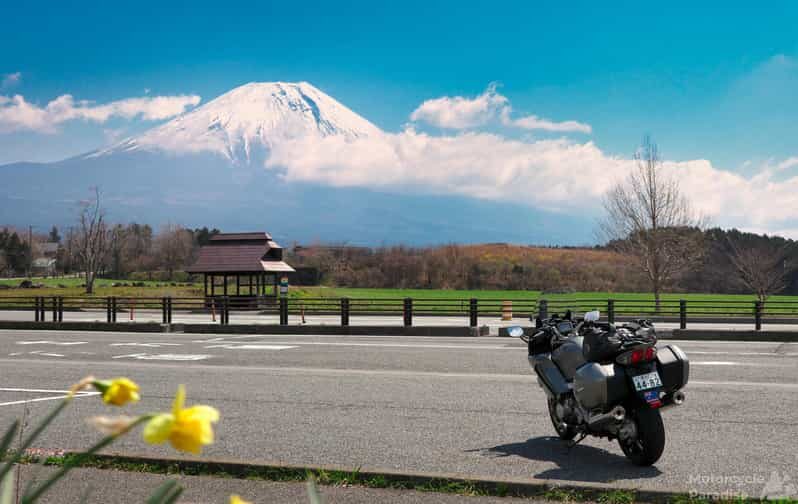
A motorcycle day trip out of Tokyo changes the whole mood. Train travel is efficient, but it can’t match the freedom of rolling out of the city and watching the scenery widen fast—mountain roads, lake views, and shrine grounds that feel calm instead of crowded.
The best part is that the day is built for both motion and pause. You get ride time that riders actually talk about, then scheduled stops that slow you down just enough to enjoy the views without turning the day into a slog.
And since this is private, your guide can shift the balance. If you’re the type who wants photos, you’ll get time for it. If you’re more about riding, you can usually keep the day moving.
More Mt Fuji & Hakone tours we've reviewed
Pickup in Tokyo and a small group that keeps the day sane
Your day starts with hotel pickup and ends with drop-off back in Tokyo. It covers any hotel, Airbnb, or train station within Tokyo’s 23 wards, and if you’re outside that zone there may be an extra surcharge.
The group size is capped at 6, which matters more than it sounds. With a small group, your guide can manage breaks for stretching and coffee, keep the ride comfortable, and adjust without the whole schedule snapping.
You’ll also be provided helmet and gloves, which takes one annoying planning item off your plate. That doesn’t remove the need to dress for warm or cold riding, but it does make the logistics smoother.
Mount Fuji stops and viewpoint time: what to expect when visibility changes
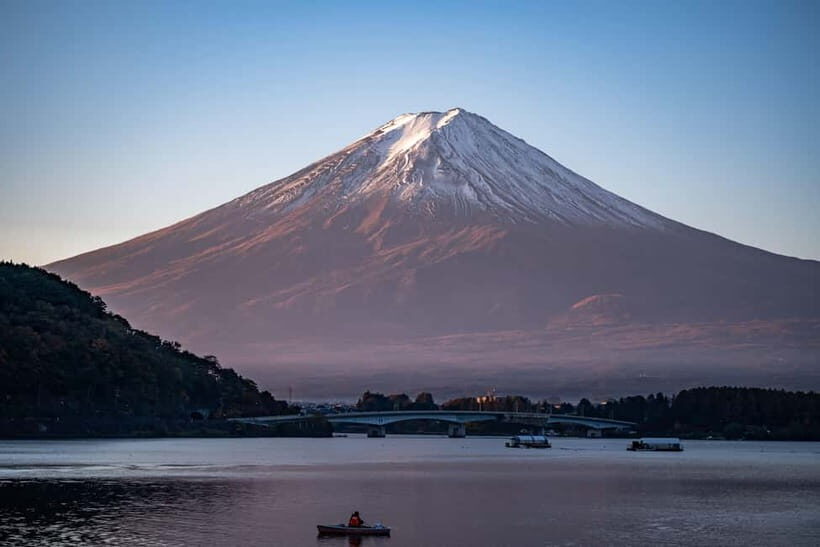
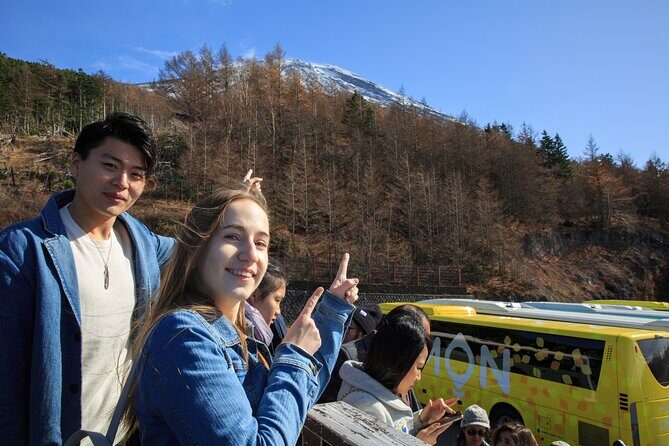
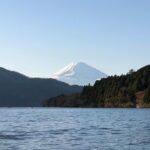
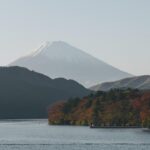
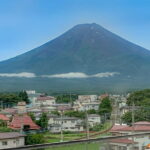
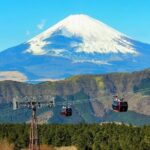
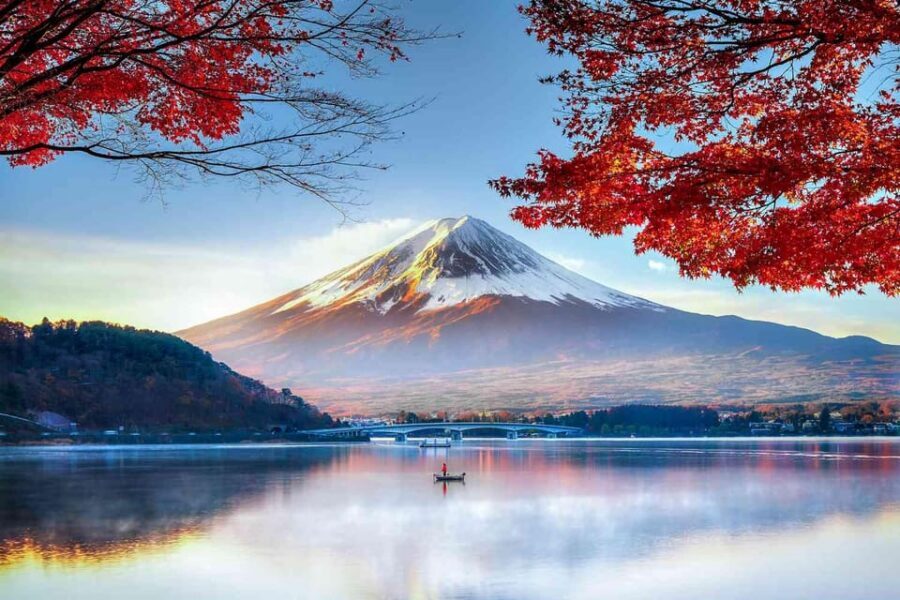
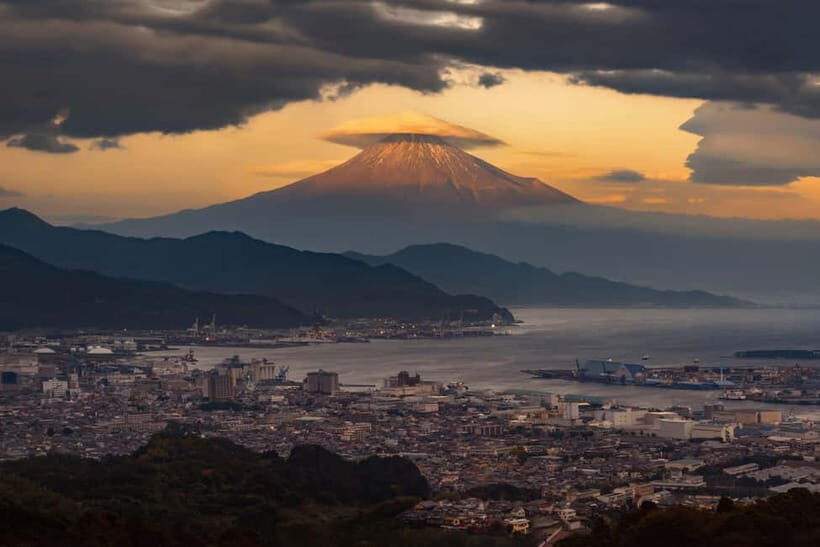
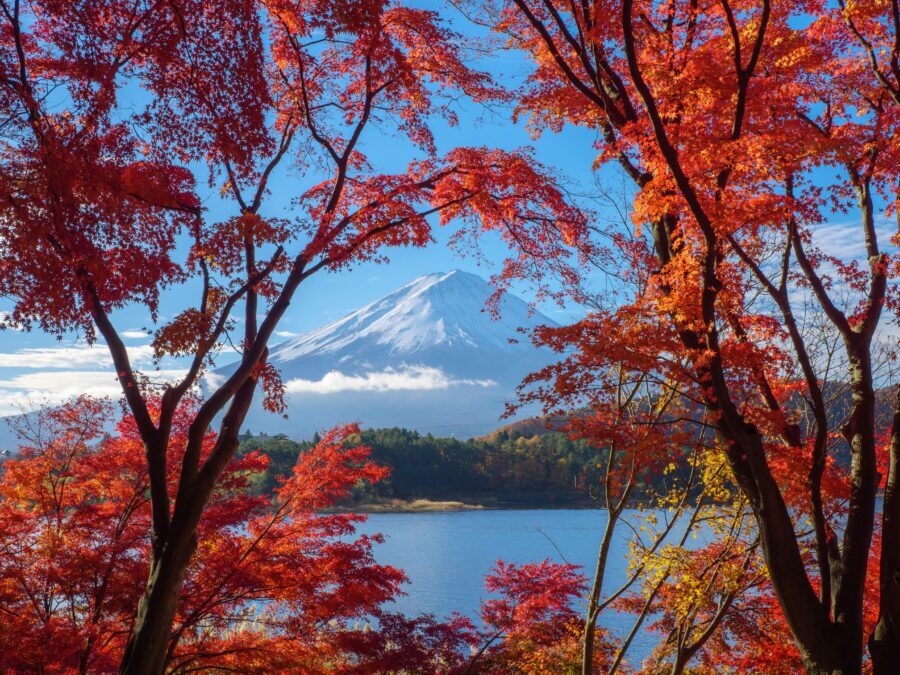
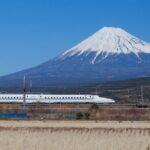
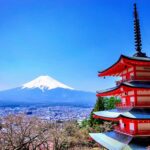
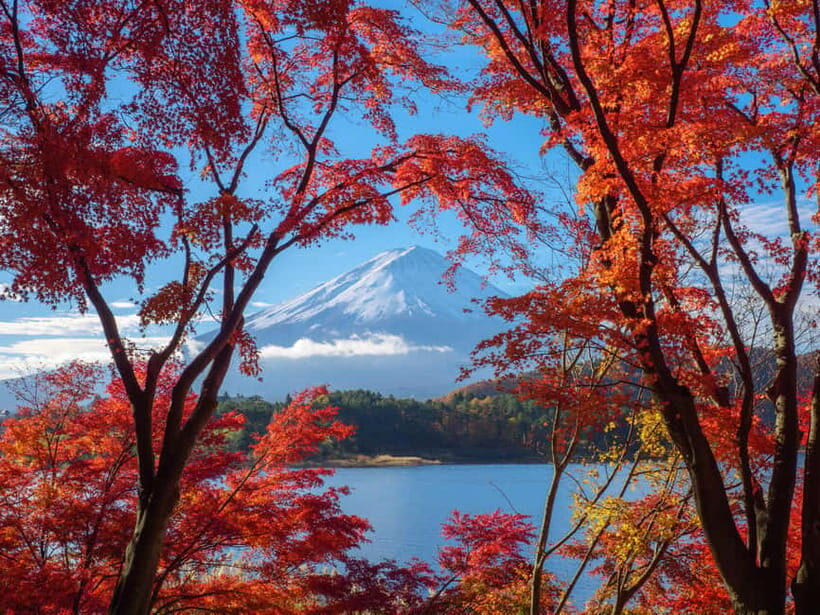
Mt. Fuji is the star, but it’s not always the same star. One stop is designed for Fuji sightseeing with a short dedicated window (about 20 minutes). That’s enough to get the key shots and take in the scale, but it’s not long enough to “wait it out” if fog rolls in.
If weather doesn’t cooperate, you’ll still have a full day of Hakone riding and sightseeing. There’s at least one important lesson from past riders: even when Mt. Fuji isn’t clearly visible, the rest of the route can still be spectacular—especially the roads and lake scenery.
Practical tip: bring a light layer even when it feels warm in Tokyo. Once you’re higher up and moving, wind can make the temperature feel different quickly.
Lake Ashi and the Hakone Shrine: the calm breaks between curves
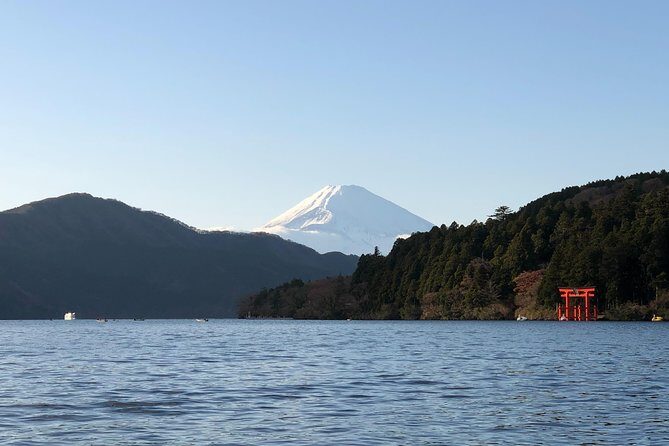
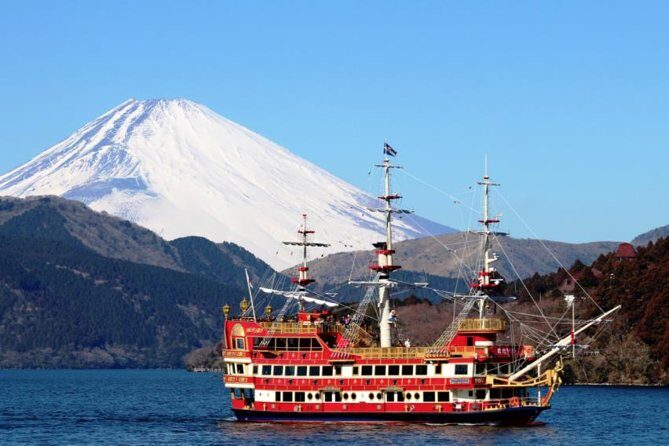
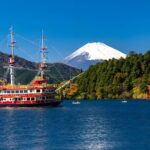
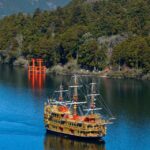
Lake Ashi is where the ride turns from pure momentum into scenery you can stare at. You’ll get about one hour at the lake area, long enough to walk a bit, reset your body, and enjoy the water and surrounding hills without rushing.
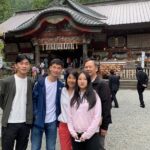
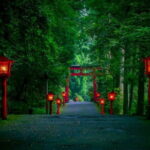
Then you roll into Hakone Shrine for about one hour. This is the kind of stop that adds texture to the day. It’s not just a pretty photo point; it’s a culture pause where you slow down, watch others move through the space, and get a feel for why people make Hakone a repeat destination.
These are also smart “break points.” After riding, your eyes need a rest and your body needs a change of pace. Lake and shrine time does that job well.
Shakushi Pass, famous curves, and making the ride itself part of the attraction
The ride is the main character here, not an extra. The route includes some of the best motorcycle roads in the world, with the kind of sweeping bends and mountain stretches that make you understand why riders chase certain routes.
One highlight is Shakushi Pass, with about one hour of sightseeing time. This is the spot where the road and the scenery connect. You’re not stuck in a parking-lot view; you’re moving through an area shaped for road travel.
In practice, the best way to enjoy a pass like this is to treat it like part of the sightseeing, not just a transfer. If you’re the passenger, you’ll notice the scenery rhythm more. If you’re riding, you’ll feel the elevation and curve flow in your hands and shoulders.
Other Hakone day trips from Tokyo we've reviewed
Tenzan Onsen: lunch, soak time, and the tattoo-friendly factor
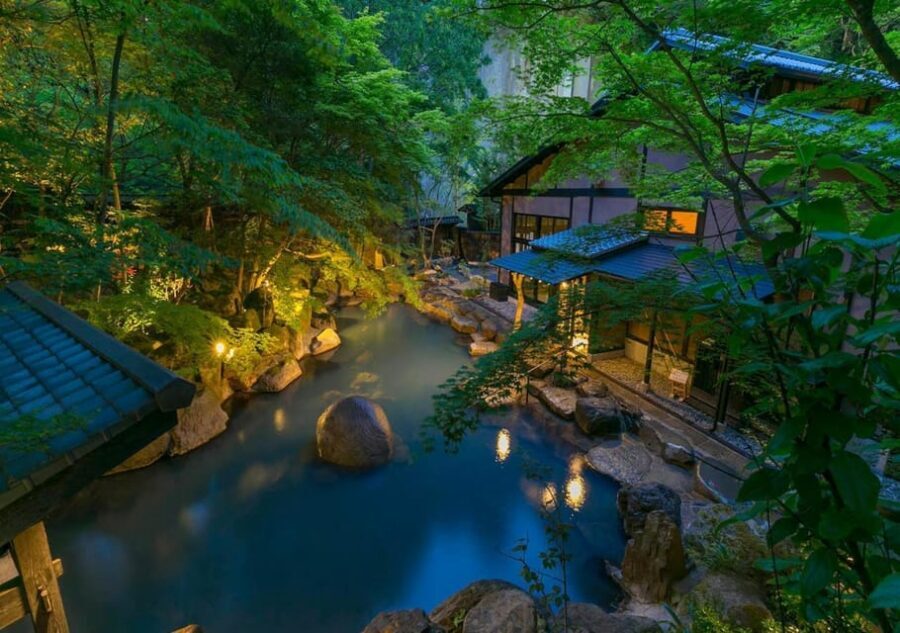
Hakone onsen time is where the day turns from thrilling to restorative. The schedule sets aside around one hour for lunch at Tenzan Onsen, then another one hour of free time to visit and soak.
What makes this especially practical is the onsen policy for tattoos. The onsens you’ll visit are listed as tattoo friendly, which is a big deal if you want the real experience without worrying about awkward rules.
You can also request a private bath. The cost is around 13,000 JPY for two hours, subject to availability. If you’re traveling as a couple or you want quieter soak time after a full day of riding, it’s worth asking about when you book.
Two extra notes help you plan:
- Food and drinks aren’t included, so budget for what you’ll want with lunch and any snacks during breaks.
- Bring some cash. One rider flagged that cash at the onsen is a must, which can save you from a stressful last-minute scramble.
Hakone Open-Air Museum and Pola Museum of Art: culture without dragging the day
Not every motorcycle tour gives you more than scenic stops. This one includes museum time, but it keeps it balanced so you don’t feel locked in all day.
You’ll spend about two hours at the Hakone Open-Air Museum. It’s a solid stretch to walk, take breaks, and cool down after the ride. If you’re the type who likes sculpture and outdoor art settings, this works well.
Then there’s Pola Museum of Art for about one and a half hours. This stop adds a different flavor compared to the temples and lake views. It’s a nice reset that still stays within the “Hakone experience” lane.
One caution: if you’re on a tight schedule and you’re more about soaking and riding than museums, you might want to manage your expectations about this portion. In at least one case, a couple chose to skip museums to spend more time at the onsen—and they felt it improved the day.
The return ride into Tokyo and what helps you avoid fatigue
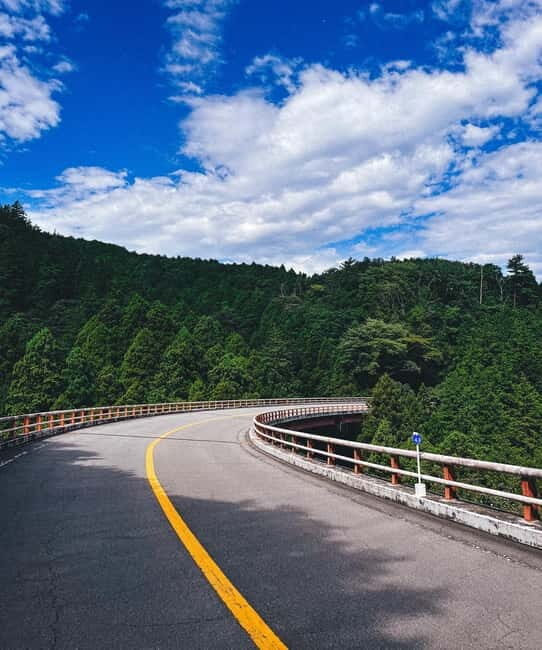
The day includes a return drive back to Tokyo, and the route can vary depending on the day’s conditions. One past rider noted riding back past Rainbow Bridge, which is the kind of Tokyo-to-country punctuation that makes the whole day feel complete.
Time total is listed at 10 hours, and the day includes multiple stops that break up the ride. That said, you’ll still want to treat this like an active day. Dress for wind, take water during breaks, and plan your energy for a full day on a motorcycle.
Hydration matters. Heat and sun can sneak up on you even when the pace feels “slow” during viewpoints. If you’re early in your riding comfort, don’t hesitate to let your guide know. The guide is there to tailor the day to your pace and skills.
Price and value: what $548 buys you in real terms
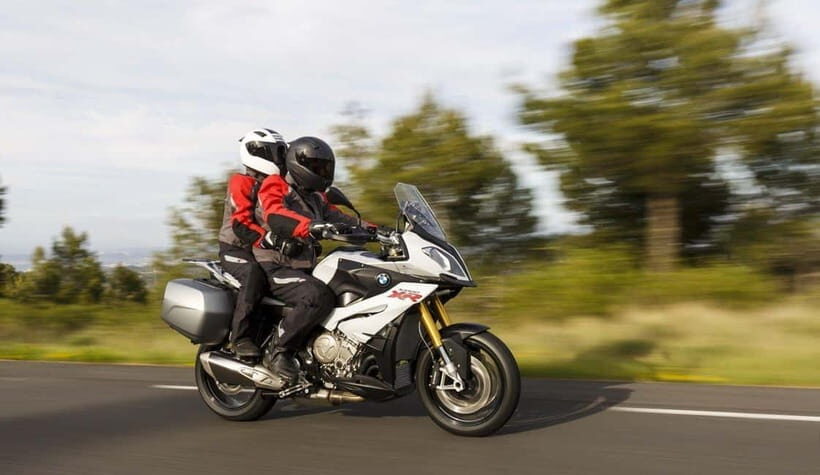
At $548 per person for a 10-hour private motorcycle day trip, the headline price can look high—until you break down what’s included.
You’re not just paying for a guide. The package includes:
- Private motorcycle
- Hotel pickup and drop-off within Tokyo’s 23 wards
- Fuel and tolls
- Helmet and gloves
- An English-speaking guide plus French, Japanese, and German language options
- Motorcycle-focused scenic driving and planned stops
What’s not included matters too: food and drinks, parking fees, and entry fees. In other words, you’re still responsible for what you choose to eat and any ticketed items at museums and attractions.
So the value question becomes: are you saving yourself the hassle of planning route logistics and coordinating driving, gear, and timing? For most people doing this from Tokyo for the first time, that’s the real win. You pay for friction-free execution and a day designed around the roads, not just a checklist of sights.
Who should book this tour (and who might want a different one)
This tour fits best if you want Japan in a more physical, road-focused way. If you love motorcycle travel, scenic drives, and the feeling of stepping away from crowds, you’ll likely enjoy this day a lot.
It’s also a good fit for couples or small groups who want flexibility. Since the guide can tailor timing, you’re less likely to get stuck in a rigid “all stops, no choice” schedule.
This may be less ideal if you dislike riding for long stretches, or if you’re trying to keep the day extremely chill. Even with breaks built in, it’s still a motorcycle day from start to finish.
And if tattoos matter to you, this is a major advantage: the onsens visited are listed as tattoo friendly, and private baths can be requested.
Should you book this Tokyo motorcycle day trip to Fuji and Hakone?
If you want a day that feels like a story—Tokyo out, Fuji and lake views, shrines, and then hot spring soak—this one is worth booking. The biggest reasons are simple: private riding, a real Hakone onsen stop, and a guide-led day that can flex to your comfort level.
Book it if you’re willing to dress for wind and spend a full day in motion. Consider weather as your one wildcard for Mt. Fuji views. But even on a low-visibility day, you still get the Hakone riding feel plus the onsen reset, which is the part that keeps people talking long after the photos are sorted.
FAQ
What does the tour include regarding the motorcycle and gear?
The tour includes a private motorcycle, plus helmet and gloves. Fuel and tolls are also included. Motorcycle rental costs are not included if you need a separate rental.
How long is the tour?
The duration is 10 hours.
Where does pickup and drop-off happen?
Pickup and drop-off are included for hotels, Airbnbs, or train stations within Tokyo’s 23 wards. If your location is outside that area, there may be an additional surcharge.
What’s included for the onsen experience at Tenzan Onsen?
Tenzan Onsen includes lunch (about one hour) and then a visit/free time session (about one hour). The onsens visited are listed as tattoo friendly.
Can I reserve a private onsen bath?
Yes. Private baths can be reserved on request for around 13,000 JPY for two hours, subject to availability.
What attractions are included besides Fuji and Lake Ashi?
The day includes Hakone Shrine, Shakushi Pass sightseeing, Hakone Open-Air Museum, and Pola Museum of Art.
What costs should I expect that are not included?
Food and drinks are not included, along with parking fees and entry fees. Baby seats are also not included.