REVIEW · TOKYO
Private Car Tour to Mt. Fuji Lake Kawaguchiko or Hakone
Book on Viator →Operated by Japan Star Travel Agency · Bookable on Viator
One photo of Mt. Fuji can change a whole trip. This private day out of Tokyo is built around the best sightlines and classic cultural stops around Mt. Fuji and either Lake Kawaguchiko or Hakone, with a guide who can flex the plan when weather shifts. You get a driver, an English-speaking guide, and hotel pickup, so the day stays easy even when the roads get busy.
What I love most is the way this tour turns “a bunch of stops” into a coherent day: you’re not just checking boxes, you’re watching for the right views at the right times. I also like the freedom to pick about 4 to 6 sites from the day’s options, including shrine photo spots, lakeside scenery, caves in the Aokigahara forest area, and even the Hakone cruise/ropeway combo.
One consideration: Mt. Fuji visibility depends on clouds and timing, and the schedule may shift because of weather or traffic. Also, some of the biggest add-ons (like Mt. Fuji 5th Station and many museums/activities) cost extra or require an on-the-spot toll.
In This Review
- Key points before you go
- Private van comfort: why this day feels calm
- Fuji vs Hakone: choose the vibe, not just the landmarks
- Arakura Sengen Shrine and Chureito Pagoda: the Fuji photo shortcut
- Lake Kawaguchiko classics: shrines, flowers, and lakeside views
- Oshino Hakkai and the “Fuji water” story
- Aokigahara caves: short walks, big atmosphere
- The 5th Station decision: toll, season limits, and expectations
- Seasonal add-ons: when Yamanashi becomes the real attraction
- Hakone Ropeway and Owaku-dani: volcanic views with a plan
- Lake Ashi cruises and the Hakone Open-Air Museum
- Odawara history and Hakone Edo-period stops
- Price and value for a group up to 8
- Practical tips: what to budget and how to protect your day
- Should you book this private Mt. Fuji and Hakone tour?
- FAQ
- What is the duration of the tour?
- How many people can be in a group?
- Is hotel pickup and drop-off included?
- What kind of tickets do I get?
- What is included in the price?
- What is not included?
- Can I customize the stops?
- Is Mt. Fuji 5th Station always included?
- What happens if the weather is bad or Mt. Fuji is not visible?
Key points before you go
- Private van + hotel pickup keeps this day from feeling like a logistics project
- You choose around 4 to 6 sites, so you can shape the day for your group
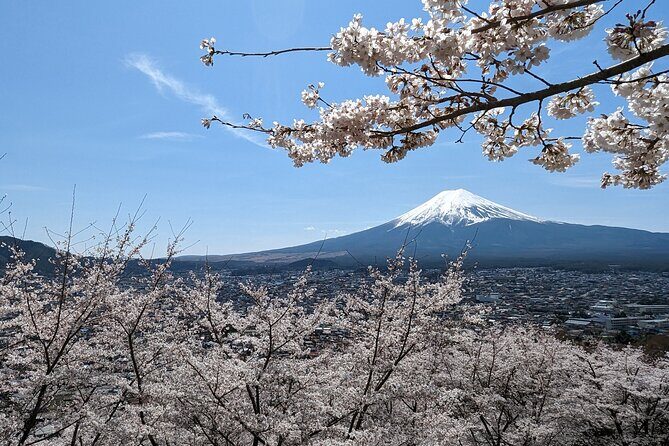
- Mt. Fuji photo stops like Arakura Sengen Shrine and the Chureito Pagoda area are timed for the best angles
- Seasonal timing matters for flowers, strawberries, and even things like moss phlox (Shibazakura)
- Hakone adds a totally different feel with volcanic Owaku-dani and Lake Ashi cruising
- Traffic can be real coming back to Tokyo, so an earlier start often makes a difference
Private van comfort: why this day feels calm
This is a private car tour, not a bus tour. That matters. You ride in an air-conditioned minivan, with round-trip pickup and drop-off from your hotel. It means you can start the day already relaxed—no hunting for train changes, no squeeze between strangers, and no standing around while everyone figures out tickets.
The other big comfort win is pacing. The day runs about 10 to 11 hours, and the guide can adjust the order of stops depending on your priorities and what’s realistic at that moment. In real-life terms, that’s how you go from missing the best view of Mt. Fuji to grabbing a quick, worthwhile glimpse before clouds close in.
And yes, you get the small helpful stuff: one bottled water per person. It’s not exciting, but it keeps you from digging for refreshments right after pickup.
More Mt Fuji & Hakone tours we've reviewed
Fuji vs Hakone: choose the vibe, not just the landmarks
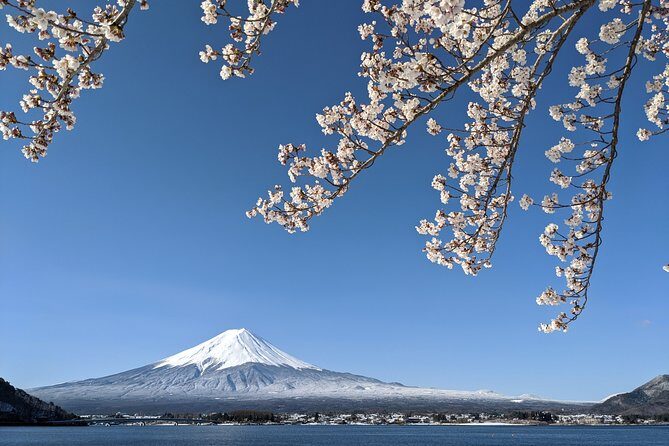
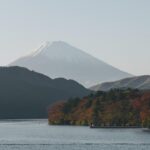
This tour can focus on Lake Kawaguchiko (Fuji Five Lakes area) or on Hakone (with hot-spring/volcanic-lake elements). Both are famous. They feel different.
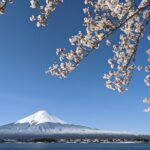
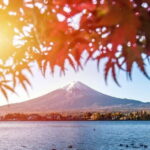
If you go for Lake Kawaguchiko, you’re usually aiming for classic Mt. Fuji sightlines with lakeside viewpoints, historic shrines, seasonal gardens, and photo stops around Oshino Hakkai. It’s scenic and cultural, and it’s packed with spots where Fuji can show up in reflections or through flowering gardens.
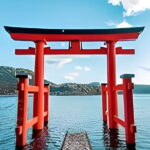
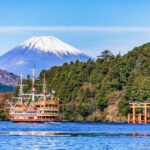
If you choose Hakone, the energy shifts. You trade some lakeside village charm for volcanic geology at Owaku-dani, views from the Hakone Ropeway, shrines with famous torii styling, and a cruise on Lake Ashi. It’s the route for people who like variety: views, history, and a bit of dramatic terrain.
A practical way to decide: pick Fuji Five Lakes if you want the “Mt. Fuji postcard” day. Pick Hakone if you want a day that feels more like a mini-region tour with a mix of nature, water, and Edo-period history.
Arakura Sengen Shrine and Chureito Pagoda: the Fuji photo shortcut
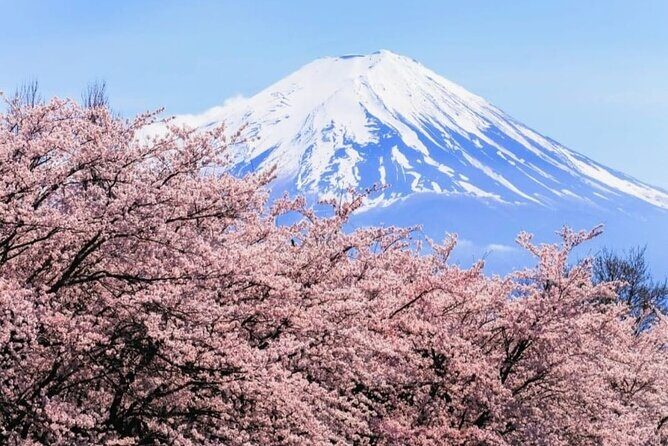
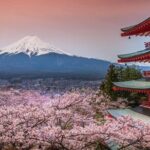
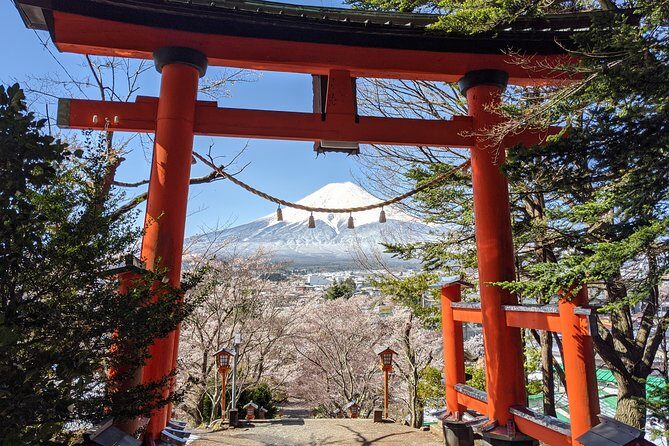
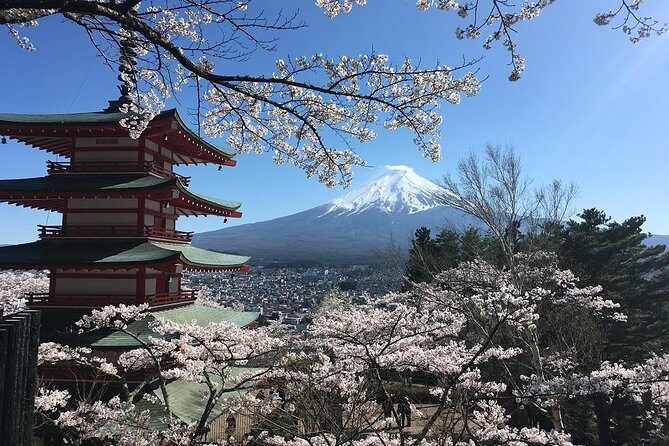
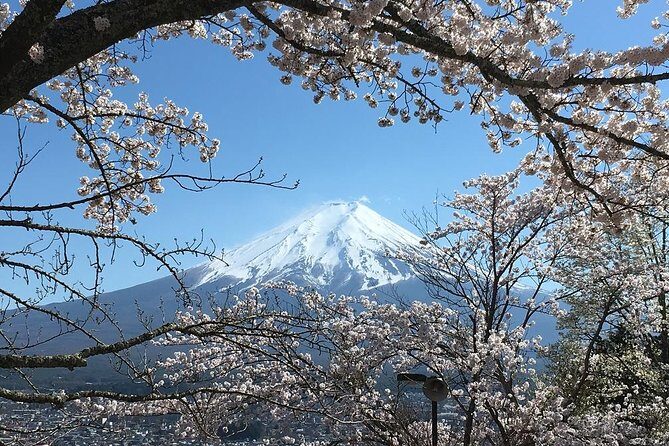
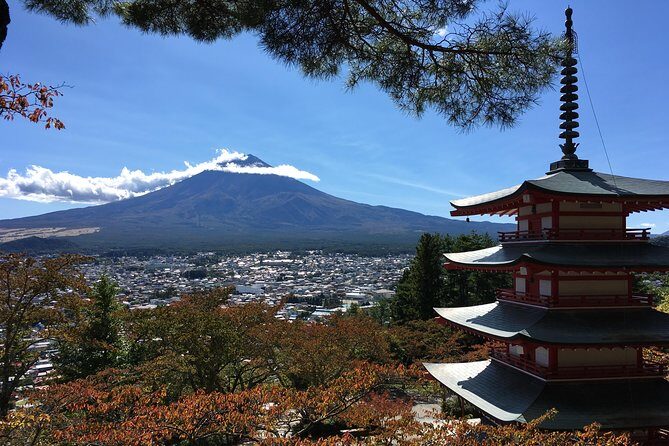
A big share of this tour’s magic is concentrated early around Arakura Sengen Shrine. You’ll visit Arakura Fuji Sengen Shrine, known for a famous Mt. Fuji angle framed by a pagoda-style view. The stop includes time for walking, settling in, and taking photos without feeling rushed.
From there, the plan typically flows into the Chureito Pagoda area—close enough that you can get the iconic composition without complicated travel. There’s also the Arakurayama Sengen Park portion, which gives you additional viewpoints in the same general zone.
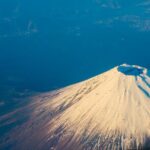
Why it works: this area is built for framing Fuji, and it’s one of the quickest ways to get that classic “pagoda + mountain” photo. Even if clouds roll through later, this early start is often when the sky is most cooperative.
One small drawback: this is a top sightline. You’ll want to move patiently and keep expectations realistic if you’re traveling during peak seasons. The guide’s job is to manage your time and help you pick the best angle for your group.
Lake Kawaguchiko classics: shrines, flowers, and lakeside views
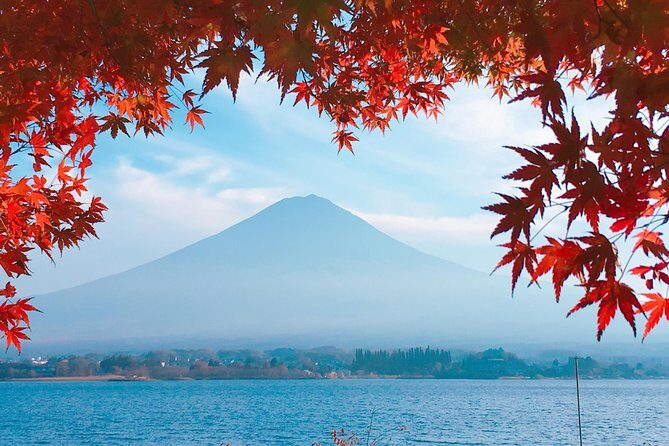
Once you head toward Lake Kawaguchiko, the tour becomes more about variety around Fuji’s home base.
A strong anchor stop here is Kitaguchi Hongu Fuji Sengen Jinja Shrine. It’s one of the main shrines connected to Fuji, associated with the idea of Fuji climbing (the shrine is sometimes treated as a symbolic first step). You also get the sense of how local worship connects to the mountain, not just to views.
Then you move into lakeside gardens and seasonal scenery. Two places stand out for different reasons:
- Fuji Oishi Hana Terrace: a relaxed spot for regional crafts and souvenirs, plus seasonal treats like ice cream and sorbets made with local fruit.
- Oishi Park: known for a wide range of seasonal flowers, including lavender.
If you’re traveling in seasons when flowers are peak, this is where the day becomes extra photogenic. Even when the mountain is partially obscured, the parks still offer visual payoff.
For a change of pace, the itinerary can include Saiko Iyashi no Sato Nemba, a preserved-style traditional village with straw roofs and Mt. Fuji in the background when visibility cooperates. This is the kind of stop where a guide’s timing matters: you want to be there when people are moving through but not when you’re stuck waiting.
Oshino Hakkai and the “Fuji water” story
Oshino Hakkai is one of the most worthwhile cultural-scene stops in the whole region. It’s known for eight ponds fed by Mt. Fuji snowmelt, all tied into the wider Fujisan World Heritage area. You’ll also find typical street snacks and shopping around the ponds.
What I like about this stop is how it connects the mountain to everyday life. Instead of treating Fuji as a view-only object, it shows how water, geography, and culture fit together. It’s also an easy stop to enjoy in mixed weather because the ponds and paths are the main attraction.
If you want something lighter and more entertainment-based, the day’s options can include Oshino Shinobi no Sato (a ninja-themed experience). It’s not for everyone, but it can be a good break if your group includes kids or you want a playful contrast to shrines and gardens.
Other private car & van tours of Hakone
Aokigahara caves: short walks, big atmosphere
If your group likes nature with a slightly eerie edge, the Aokigahara forest options are a unique addition. The itinerary includes several cave adventures:
- Narusawa Ice Cave
- Fugaku Wind Cave
- Saiko Bat Cave
These are shorter visits, usually around 15 to 30 minutes each depending on which cave you choose. What makes them special is the setting: you’re not just looking at a viewpoint. You’re stepping into a cooled, formed-by-nature environment where temperatures and air feel different from outside.
This part is also a good choice for groups who want variety without adding major hiking time. Just remember cave visits and walking around can be influenced by weather and ground conditions.
The 5th Station decision: toll, season limits, and expectations
The tour can include Mt. Fuji 5th Station, but there’s a big practical catch.
The itinerary notes that the car-access point is around 2300 meters, and reaching the 5th Station requires paying an on-the-spot toll fee of 2100 yen. Time-wise, this activity often takes about 2 hours.
Also, access isn’t year-round:
- Closed from July to mid-September due to the climbing season for climbers
- Closed in winter season
One more honest expectation check: even with a great plan, cloud cover can hide the summit view. The value of the 5th Station is partly the altitude, partly the experience. If your main goal is the snow-capped icon photo, you might still get better angles from viewpoints lower down. A good guide can help you decide whether the 5th Station is worth the time for your exact day.
Seasonal add-ons: when Yamanashi becomes the real attraction
This tour has many optional seasonal experiences in and around the Fuji Five Lakes area and Yamanashi prefecture. A few examples from the options list:
- Shibazakura (moss phlox) at Fuji Motosu resort: from mid-April to the end of May
- Strawberry experiences: reservation needed for fruit/harvest-style options, plus an all-you-can-eat sweet strawberry experience about 30 minutes long
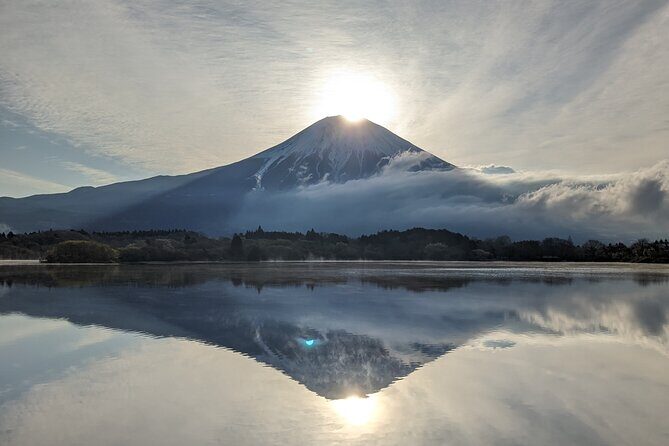
- Diamond Fuji at Yamanakako Hananomiyako Park: mentioned for winter
- Ski or snow play on Mt. Fuji: listed as an easy course area with rentals for certain seasons
- Winery visits and tastings across Yamanashi: options exist if you inform the guide
This is the area where customization pays off. If you’re there for a specific season highlight, pick it. If you’d rather keep it classic and scenic, you can skip the themed experiences and still build a full day.
Hakone Ropeway and Owaku-dani: volcanic views with a plan
If you do the Hakone version of the day, you’ll likely get into three signature stops.
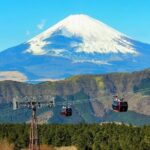
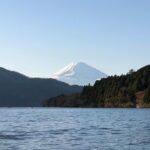
First is the Hakone Ropeway, a fast ride up to about 1350 meters, with views of Mt. Fuji on clear days. It’s also the type of stop where timing and weather matter: cloudy days can reduce the payoff, but the ride can still feel like a change of scenery from the streets below.
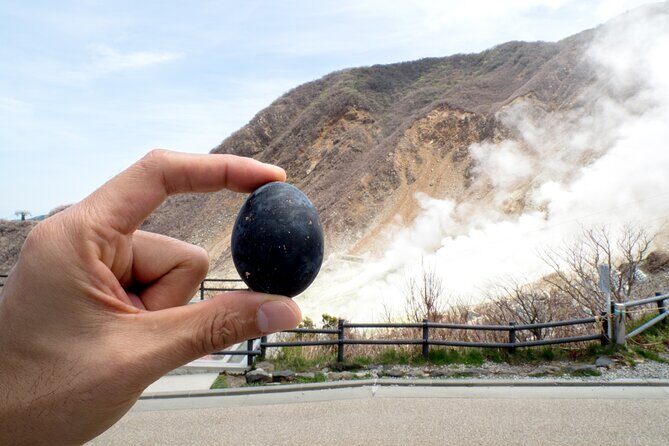
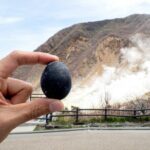
Next comes Owaku-dani Valley, the volcanic activity area where you can try the famous black eggs (and where you’ll hear the story of volcanic timing and the risks that come with it). On a clear day, it can also provide a view of Mt. Fuji.
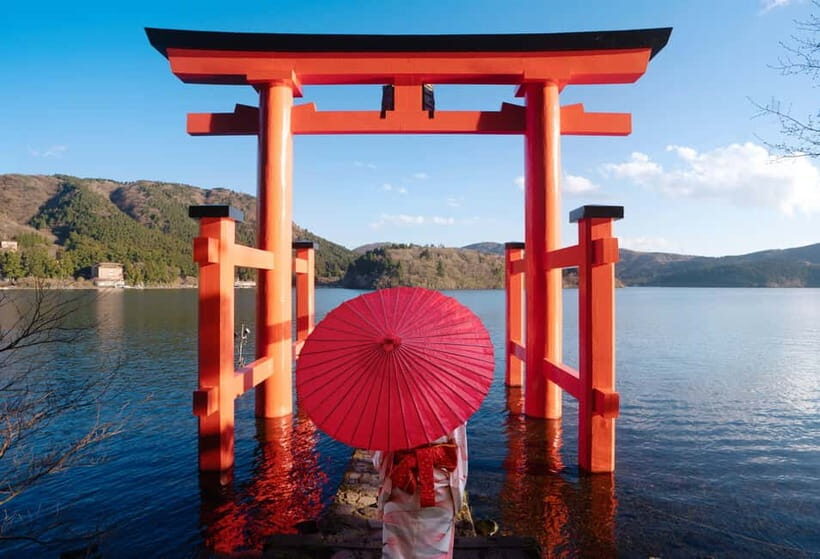
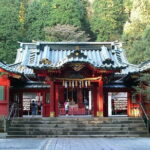
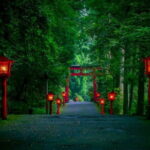
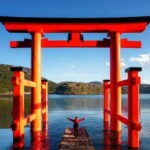
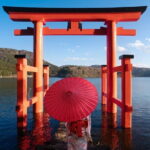
Then you move to the shrines and lake area—often including Hakone Shrine and Kuzuryu Shrine. The torii gate at Hakone is often what people associate with Instagram-ready shots, and it’s the kind of stop you can enjoy even if Fuji is shy, because Hakone’s setting still feels special.
Lake Ashi cruises and the Hakone Open-Air Museum
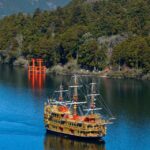
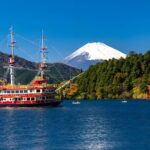
Hakone’s water element is Lake Ashi. The tour options include a cruise, with the note that there’s a famous pirate-style ship plus regular cruise options if you prefer to avoid the largest crowds.
This is a good moment to slow down. You’ve been driving and walking. The cruise gives you space to sit and watch the shoreline change, and it’s a natural break before you head to other history and viewpoint stops.
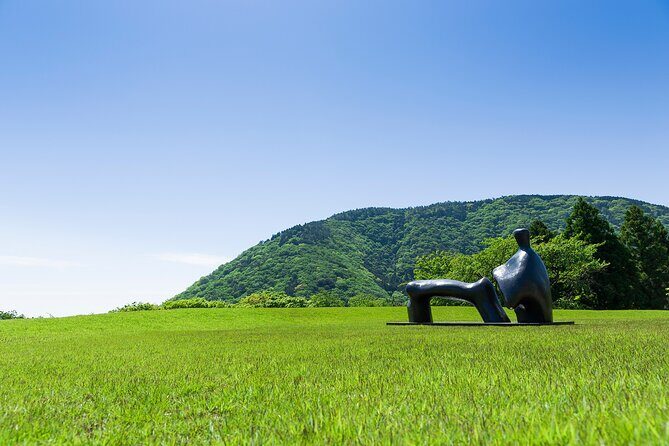
If your group likes art, the day may include the Hakone Open-Air Museum. It’s an outdoor sculpture setting, and the itinerary notes photos are allowed. Even if you don’t consider yourself an art person, this can be an easy win because it’s airy and photo-friendly.
Odawara history and Hakone Edo-period stops
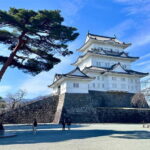
Hakone also offers an easier entry into Japan’s historical layers. Options can include Odawara Castle, which connects to samurai-era history with armor and sword displays in its museum area.
There are also Edo-period style options like Hakone Sekisho and the Sekisho Museum, tied to the Tokugawa Shogunate and the role of checkpoints. These are short, contained visits, which helps keep the day from running too long.
Price and value for a group up to 8
This costs $1,286.89 per group (up to 8). That sounds high compared to a group bus. But with private transport and a guide included, it becomes easier to judge.
Here’s the value logic I use:
- You pay once for the van and guide time, then your cost per person drops as your group fills out.
- You’re also paying for time savings. That matters on a day like this where you’re dealing with traffic, ticket lines in popular zones, and weather-induced re-planning.
- You’re not stuck with a fixed route. The plan is selected from the list—about 4 to 6 sites—so you can avoid “mandatory” stops that don’t fit your family’s interests.
One caution: some of the biggest experiences are not included. Entrance fees, food, and many activities are extra. If you go heavy on paid stops (ropeway, open-air museum, caves, art museum, etc.), you should expect additional spending on top of the tour price.
Practical tips: what to budget and how to protect your day
A few money and day-planning items are explicitly part of how this tour works:
Included
- Hotel pickup/drop-off
- Round-trip private transportation (air-conditioned minivan)
- Private guide
- One bottled water per person
Not included
- Entrance fees for museums and attractions
- Food and drinks and lunch
- Gratuity (5% to 20% suggested)
- Mt. Fuji 5th Station
So plan your spending with the add-ons in mind. If you’re traveling as a family, it’s worth asking the guide to group paid stops so you don’t lose time and energy. If you’re vegetarian, you should flag it when booking since the tour notes a vegetarian option.
Also: hot springs rules can apply if your Hakone day includes one of the hot spring activity options. The information notes that bathing suits and towels (or clothing) aren’t permitted inside the hot spring facility, men and women use separate tubs, and tattoos/body paint are prohibited.
Finally, build your day around Fuji visibility as a priority, not a guarantee. Even when Mt. Fuji is hidden, you can still have a strong day through shrines, lakes, caves, and seasonal gardens—just don’t tie the entire trip’s success to one single view.
Should you book this private Mt. Fuji and Hakone tour?
If you want a stress-free, flexible day from Tokyo and your group can be up to eight people, I’d lean toward booking. The combination of a private van, a professional local guide, and the ability to select about 4 to 6 stops makes this a practical choice for people who care about both timing and comfort.
I’d be extra selective if you’re on a very tight budget or if your group only wants one single thing—like seeing Mt. Fuji from the highest possible point. The 5th Station has toll and strict seasonal access, and many of the fun extras are paid separately.
My bottom line: book it if you’re aiming for a day that feels tailored. It’s the kind of plan where a good guide can help you chase the best angles, and when the mountain is shy, you still end up with a day that makes sense.
FAQ
What is the duration of the tour?
The tour runs about 10 to 11 hours.
How many people can be in a group?
This is priced for a group of up to 8 people.
Is hotel pickup and drop-off included?
Yes. The tour includes hotel pickup and drop-off.
What kind of tickets do I get?
You receive a mobile ticket.
What is included in the price?
Included items are hotel pickup/drop-off, round-trip private air-conditioned transportation, a private guide, and one bottled water per person.
What is not included?
Entrance fees, food and drinks, lunch, gratuity, and the Mt. Fuji 5th Station are not included.
Can I customize the stops?
Yes. The itinerary is a list and you select around 4 to 6 sites. You can also ask the guide for advice and suggestions after booking.
Is Mt. Fuji 5th Station always included?
No. Mt. Fuji 5th Station is not included, and accessing it requires an on-the-spot toll fee of 2100 yen. It is also noted as closed from July to mid-September and in winter.
What happens if the weather is bad or Mt. Fuji is not visible?
The tour requires good weather. If it’s canceled due to poor weather, you’ll be offered a different date or a full refund. If some spots are not fully visible due to weather, the tour is not canceled or refunded, and the schedule can change due to weather or traffic.