REVIEW · TOKYO
Tokyo: Mt. Fuji, Owakudani, Hakone Shrine, & Open-Air Museum
Book on GetYourGuide →Operated by JTOURSTORY · Bookable on GetYourGuide
Hakone has a knack for changing your mood fast, and this day tour does it on purpose. You start with sculptures in the open air at the Hakone Open-Air Museum, then switch gears to Owakudani and its steam vents, and end at Lake Ashi for a classic shrine scene.
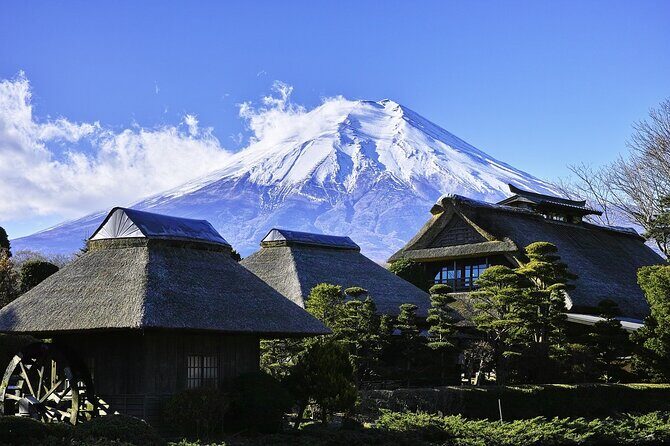
I really like the pacing because it packs big sights into one manageable day. Two things I especially love: seeing world-famous sculpture outdoors, and getting guided help through volcanic valley terrain without feeling rushed. The one downside to plan for is weather. If clouds roll in, Mount Fuji views may be limited, and optional parts like the ropeway or pirate ship can shift or disappear.
You’ll also be making a long day drive. The schedule can adjust due to traffic and weather, and Japanese law caps how long vehicles can run, so it’s not a rigid, stop-by-stop checklist every time.
In This Review
- Key things to notice before you go
- Hakone Open-Air Museum: Henry Moore to Miró in the Fresh Air
- Owakudani Volcano Valley: Steam, Sulfur, and Quick Geology
- Lake Ashi and Hakone Shrine: The Torii Gate Photo Moment
- When Weather Changes Plans: Ropeway and Pirate Ship Options
- Price and Logistics: What $79 Really Buys You
- Tips That Make the Day Feel Easier
- Who This One-Day Hakone Tour Fits Best
- Should You Book This Hakone Day Tour?
- FAQ
- What’s included in the tour price?
- Are meals included?
- Which languages are available on the tour?
- Do I need to buy tickets for the Ropeway or Pirate Ship ahead of time?
- Is Mount Fuji guaranteed during the day?
- What should I bring with me?
- Can the tour schedule change during the day?
- Are infants and strollers accommodated?
Key things to notice before you go
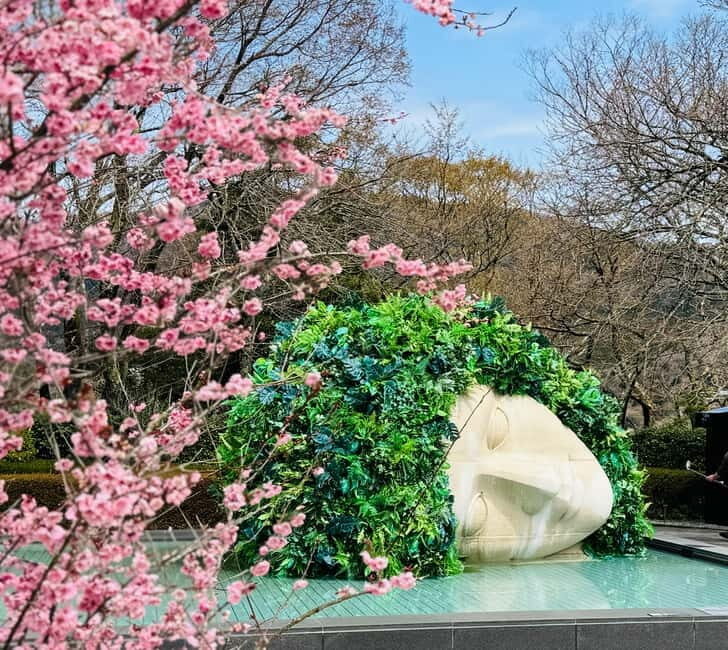
- Hakone Open-Air Museum first: calmer start, sculpture + gardens right from the beginning of the day
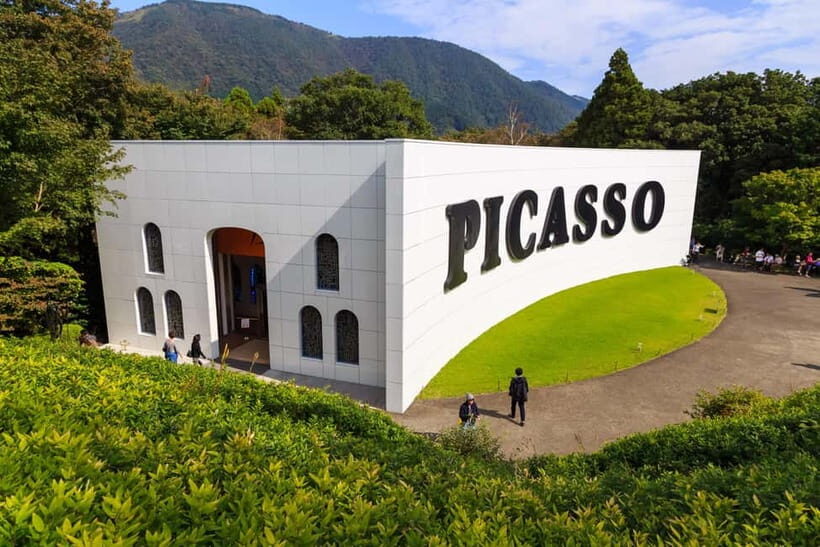
- Big-name artists in the sculptures: Henry Moore, Joan Miró, plus a Picasso gallery area
- Owakudani is active volcanic country: expect sulfurous atmosphere and dramatic steam vents
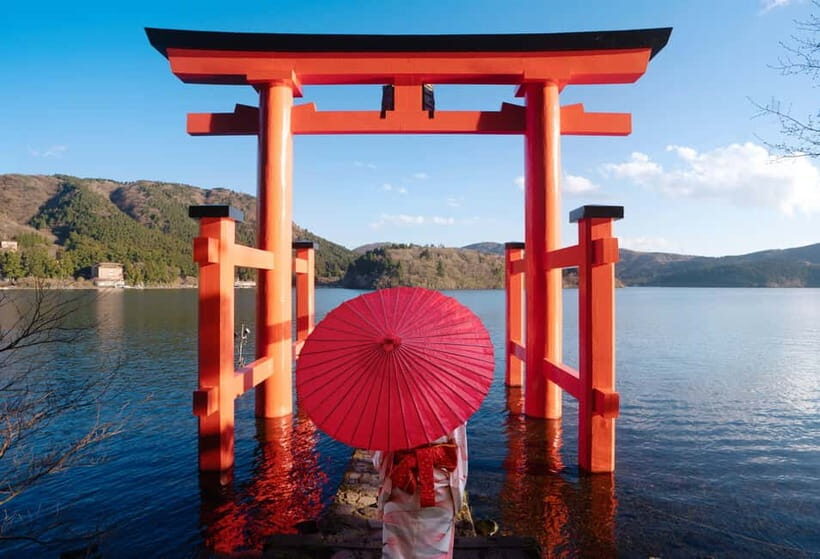
- Lake Ashi plus the torii gate: the shrine sits at the lakeside viewpoint everyone photographs
- Guides adjust for Mount Fuji chances: Yuichi even rearranged the timing to try for clearer views
- Optional extras depend on conditions: ropeway and pirate ship are helped by your guide, if weather allows
Hakone Open-Air Museum: Henry Moore to Miró in the Fresh Air
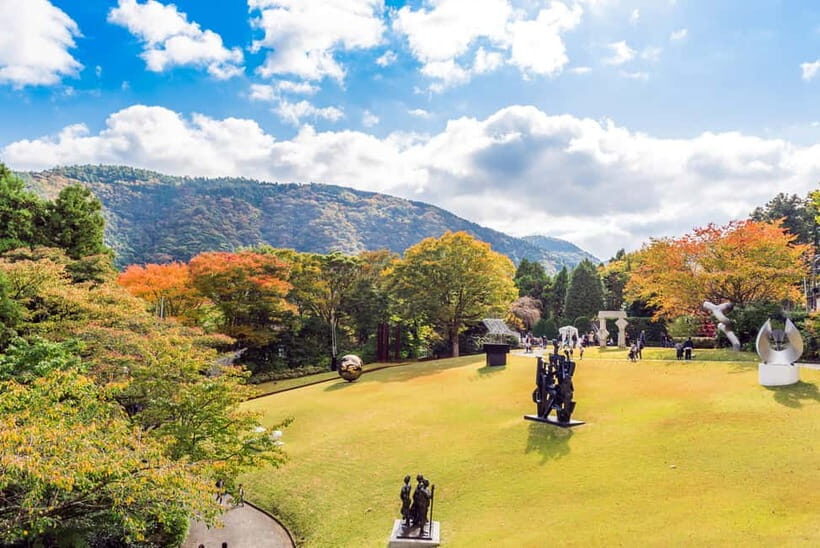
This tour begins with the Hakone Open-Air Museum, and I think that’s a smart move. Starting with art means you’re still fresh, and the museum’s setting does the heavy lifting for you. Sculpture feels more alive here because you’re walking it in real outdoor space, not staring at it under fluorescent lights.
You’ll cover classic outdoor works by well-known names, including Henry Moore and Joan Miró. There’s also a Picasso gallery section, which gives you a nice shift from outdoor sculptures to more enclosed viewing. Even if you’re not an art superfan, the layout helps you find your own rhythm: open garden paths, views of the surrounding hills, and art that’s meant to be seen from different angles.
Practical note: give yourself time to slow down. A lot of people treat this place like a quick photo stop, but it’s designed for wandering. Comfortable shoes matter more here than you might expect, because you’ll be on walkways and slopes.
One more small value point: when you book a one-day plan like this, you’re not juggling public transit to fit multiple distant stops. The museum becomes part of a smooth flow, which is a big deal in Hakone where connections can be confusing.
More Mt Fuji & Hakone tours we've reviewed
Owakudani Volcano Valley: Steam, Sulfur, and Quick Geology
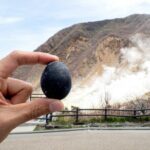
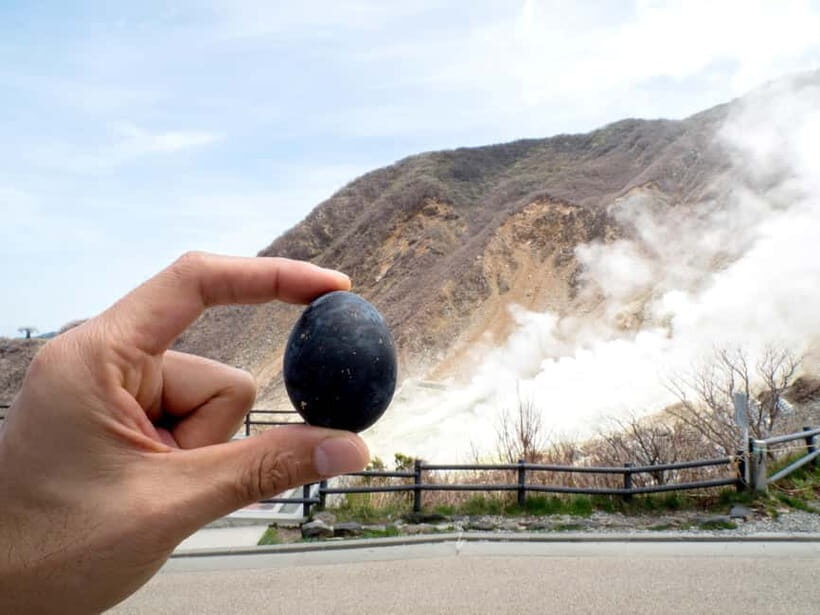
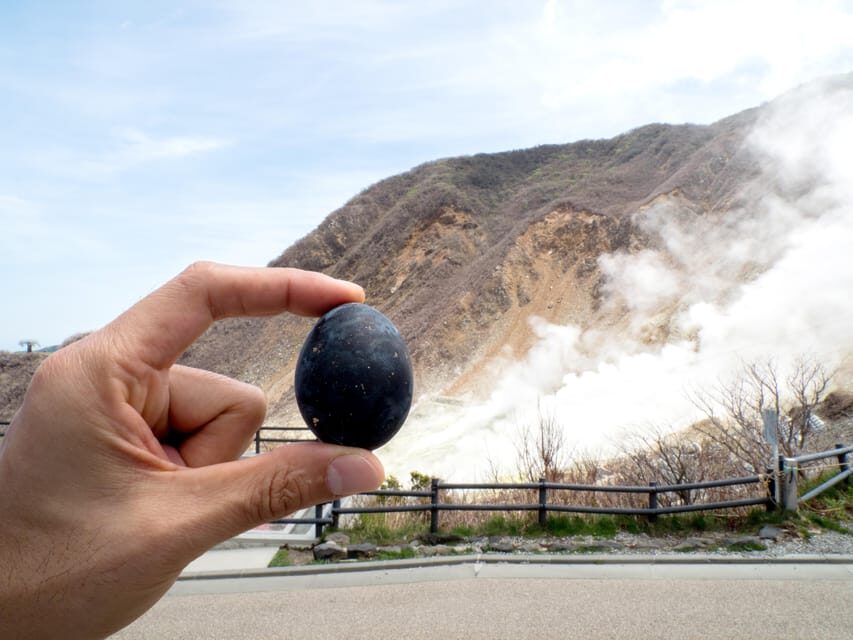
After the museum, the day shifts from art to earth. Owakudani is an active volcanic valley, and it feels like stepping into a sci-fi landscape that’s still happening in real time. You’ll see dramatic steam vents and the sulfurous, mineral-heavy character of the area. The atmosphere here is part of the experience; even if you don’t know the science, your senses get the message fast.
This stop is famous for the volcanic activity behind the hot springs and the region’s distinctive geology. Your guide helps you make sense of what you’re seeing, so you’re not just walking around wondering what matters most. It also helps to have a plan for timing, since weather can change visibility and comfort quickly in this type of environment.
What to watch for:
- Visibility can vary. Steam and weather can blur distant views, so focus on the vents and the ground features around you.
- The area can feel strongly scented. If you’re sensitive to sulfur smells, you’ll want to pace yourself and keep water on hand.
And yes, if your day runs in cloudy conditions, that can affect how dramatic the background looks. Still, the raw volcanic terrain remains the star.
Lake Ashi and Hakone Shrine: The Torii Gate Photo Moment
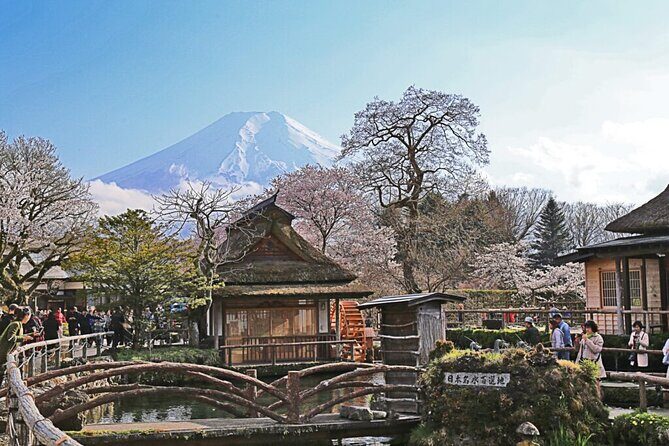
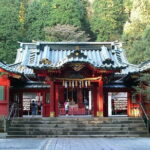
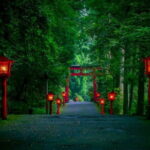
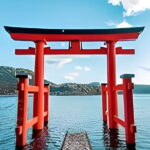
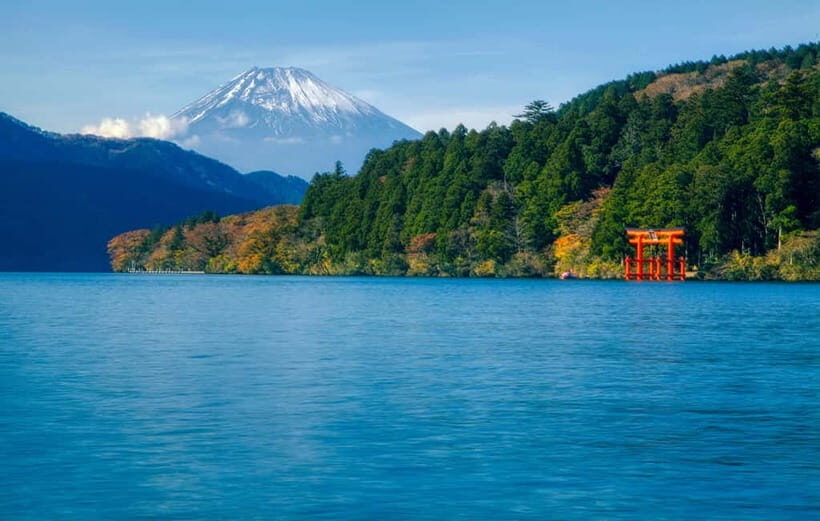
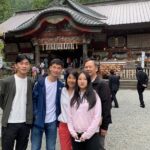
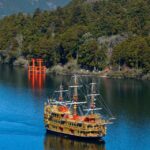
Next comes Hakone Shrine by Lake Ashi, and this is where the tour turns scenic and calm. The shrine sits at the foot of Mount Hakone, and the icon everyone remembers is the torii gate standing in the water. It’s a classic image for a reason. The lake setting frames it with mountains and forest around you, so the photos look layered without needing filters.
This is also a stop where timing helps. In one guiding success story, Yuichi rearranged the day so the group arrived early and got to enjoy the shrine and Lake Ashi with fewer crowds before busier moments took over. The practical takeaway: you’ll feel the difference if you’re there when the light is softer and the atmosphere is less frantic.
A small tip I’d copy from the guides: bring a bottle so you can fill up with the mineral water at the shrine. Icchi specifically mentioned this kind of practical habit, and it’s exactly the sort of detail that makes a day feel smoother.
Also, if you plan to make an offering, Icchi shared that 5 yen is considered the most auspicious offering. It’s not required, but if you want to participate in the ritual side of the shrine, that’s a helpful detail to know.
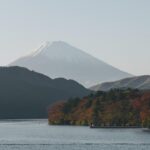
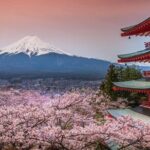
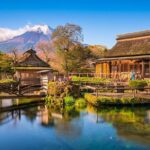
Even if you don’t get clear Mount Fuji, the lake view still gives you that “Hakone postcard” mood. And when Fuji does show up, it’s usually during the right windows of weather and timing, not on demand.
When Weather Changes Plans: Ropeway and Pirate Ship Options
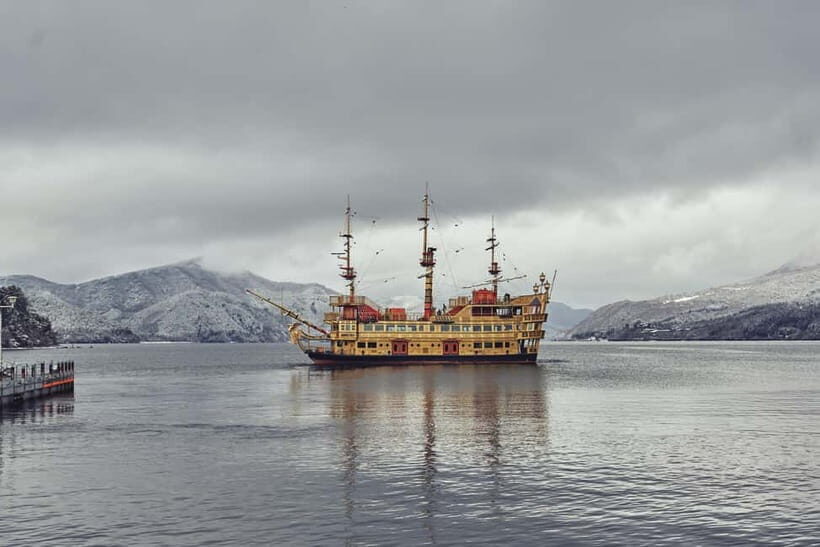
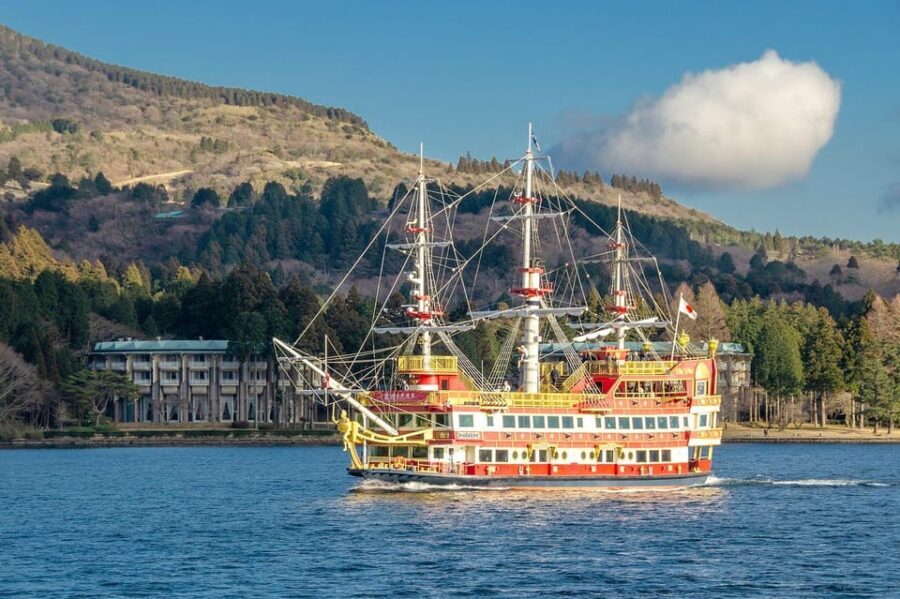
Hakone gives you optional add-ons that can turn your day from good to extra memorable. Two common choices on this kind of route are the Hakone Ropeway and a Pirate Ship crossing on Lake Ashi.
Here’s what’s important: these options are subject to weather and local conditions. Your guide can help you with joining them, but you’re not meant to treat them like guaranteed boxes to check. That’s why the tour overall works better than DIY—your guide can shuffle logistics so you don’t waste time when conditions change.
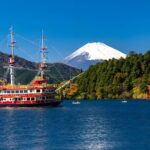
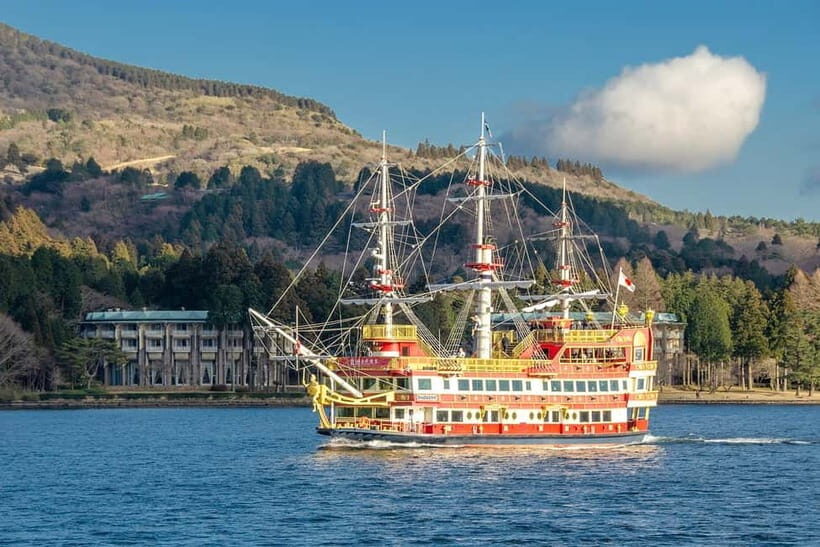
If you do catch the pirate ship part, it’s a great way to experience Lake Ashi from a different angle. One review experience noted a pirate ship crossing that delivered views of Mount Fuji, depending on conditions. Even when Fuji is hidden, the lake ride still gives you a wider perspective on the shoreline and shrine area.
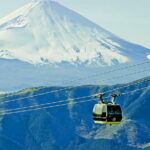
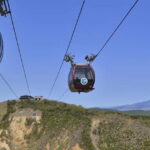
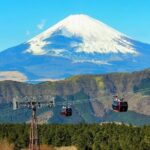
The ropeway, when open and visible-friendly, adds elevation and different terrain views. Still, if fog or weather limits visibility, you may get a less scenic ride. The best approach is to go in flexible: treat these as bonus experiences, not make-or-break requirements.
Price and Logistics: What $79 Really Buys You
At $79 per person, this tour is priced like a full-day convenience package. You’re paying for transportation, an English and Korean-speaking guide, and admission tickets. Meals are not included, and you’ll want to plan for snacks or a light lunch.
Where it becomes value is simple: Hakone is not close to Tokyo. Doing it on your own means more time spent figuring out connections, buying tickets across multiple stops, and losing daylight to transfers. With a guided structure, you trade some flexibility for smoother timing and easier navigation.
A key logistics detail: Japanese law limits how long vehicles can operate in a day, and your guide may adjust the itinerary based on real-time conditions. On top of that, traffic and weather can affect the order. In peak season, the tour order may even reverse. That’s not a problem if you understand it upfront. It’s a sign the day is run pragmatically.
Also note: the tour is designed to return you to your meeting point at the end. That matters if you’re trying to keep your Tokyo evening plans intact.
Other Tokyo + Mt Fuji + Hakone combo tours we've reviewed

Tips That Make the Day Feel Easier
A good day trip doesn’t just happen. It’s built on little decisions. Here are the habits that will help you enjoy this one more.
Wear comfortable shoes. You’ll be on your feet at the museum grounds and around Owakudani terrain. Avoid anything that looks cute but punishes you at the end of the day.
Bring snacks or a light lunch. Meals aren’t included, and while you might have chances to buy something along the way, the recommendation is to show up prepared so you don’t waste energy hunting food.
If you want Mount Fuji chances, listen to your guide. In one highlighted experience, the guide changed the schedule to improve the chances of seeing Mount Fuji and arrived early at Hakone Shrine and Lake Ashi. Clouds can still win, but smart timing can tilt the odds.
Bring a bottle. Icchi’s mineral water tip is a small detail that can turn a long day into a more comfortable one.
If you’re traveling with a baby stroller, tell the provider ahead of time. The tour asks you to inform them if you’ll bring one, because day tours can be easier when logistics are planned early. Infants are free of charge, but there’s no seat available for infants.
And one more thing: keep your expectations realistic. This is a day tour with multiple zones and a lot of scenery. You’ll get a strong hit of Hakone, not a slow, leisurely vacation-style pace. If you like efficient sightseeing with guidance, you’ll be happy.
Who This One-Day Hakone Tour Fits Best
This tour is a great match if you want:
- a high-impact day outside Tokyo without the stress of figuring everything out
- art and nature in one trip, not just one theme
- guided context at the stops, especially at Owakudani
- an easy way to see Lake Ashi’s shrine viewpoint and its torii gate setting
It’s also ideal for travelers who don’t want to spend half the day on transit. When guides handle transportation and admissions, the day feels more like a plan than a series of tasks.
If you’re the kind of person who likes to linger for hours in one place, you might find the day tour pace a bit tight. But if you prefer variety and want to hit the big Hakone icons in a single outing, this is a solid format.
Should You Book This Hakone Day Tour?
Yes, I’d book it if you want a well-run day that blends open-air sculpture, volcanic drama, and Lake Ashi shrine views without turning your trip into a logistics puzzle. The guide support matters here. When you’re bouncing between very different environments, having a driver and an English/Korean-speaking guide keeps the day from feeling chaotic.
Skip this only if you’re chasing a guaranteed Mount Fuji view and nothing else. Weather can limit what you see, and optional activities like the ropeway or pirate ship depend on conditions too. Even then, you’ll still get strong Hakone scenery and the museum experience, which is a big reason this tour stays worthwhile even when skies don’t cooperate.
FAQ
What’s included in the tour price?
Transportation, an English and Korean-speaking guide, and admission tickets are included.
Are meals included?
No, meals are not included. It’s recommended that you bring snacks or a light lunch for the attractions or the bus.
Which languages are available on the tour?
The guide speaks English and Korean.
Do I need to buy tickets for the Ropeway or Pirate Ship ahead of time?
No. If these optional experiences are available, tickets are typically purchased on-site. Your guide can assist you, and both are subject to weather and local conditions.
Is Mount Fuji guaranteed during the day?
No. Mount Fuji views depend on weather. Guides may adjust timing to improve your chances, but cloudy or rainy conditions can limit visibility.
What should I bring with me?
Bring comfortable shoes. It’s also a good idea to bring snacks or a light lunch. A bottle can be useful for refilling mineral water at the shrine.
Can the tour schedule change during the day?
Yes. The itinerary can be adjusted due to traffic and weather conditions, and in peak season the order of stops may be reversed.
Are infants and strollers accommodated?
Infants are free of charge but there is no seat available. If you bring a baby stroller, you should inform the provider in advance.