REVIEW · TOKYO
3 Days Tokyo, Mt. Fuji and Hakone Private Tour from Tokyo
Book on Viator →Operated by Xplor Japan · Bookable on Viator
Three days, three icons of Japan.
This private tour strings together Tokyo’s must-sees with Mount Fuji views and Hakone’s hot-spring valley, all with door-to-door transportation so you’re not wrestling trains and transfers. I like that you keep control of your rhythm—private pacing means you can slow down for photos or move on when you’re ready.
The best part for first-timers is how the days are built around clear, recognizable landmarks: Tsukiji Fish Market energy, Senso-ji in Asakusa, and Fuji Five Lakes photo stops. Plus, the guide experience matters here; one commonly named guide is Ryu, described as punctual and professional, which helps when you’re trying to hit timed areas smoothly.
One thing to plan for: not everything is fully included. A few big ticket items and Hakone activity costs are extra, and this experience requires good weather, with options to change dates or get a full refund if conditions spoil the plan.
In This Review
- Key things I’d circle before you book
- Door-to-door private transport makes the whole trip feel easier
- Day 1 in Tokyo: Tsukiji, Edo Gardens, Senso-ji, Skytree, and Harajuku
- Tsukiji Fish Market (about 1 hour, admission free)
- East Gardens of the Imperial Palace (about 1 hour, admission free)
- Senso-ji in Asakusa (about 1 hour, admission free)
- Tokyo Skytree (about 1 hour, admission not included)
- Takeshita Street in Harajuku (about 1 hour, admission free)
- Day 2 Fuji Five Lakes: Chureito Pagoda, Oshino Hakkai, and Lake Kawaguchiko views
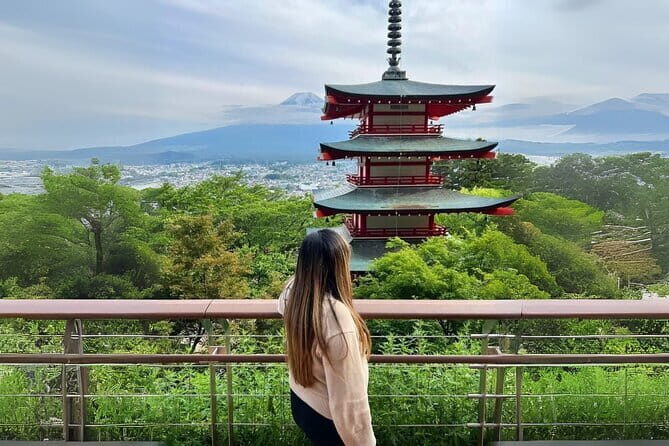
- Chureito Pagoda (about 1 hour, admission free)
- Oshino Hakkai (about 1 hour, admission free)
- Kitaguchi Hongu Fuji Sengen Jinja (about 30 minutes, admission free)
- Lake Kawaguchiko (about 1 hour, admission free)
- Oishi Park (about 1 hour, admission free)
- Saiko Lake (about 30 minutes, admission free)
- Day 3 Hakone: Lake Ashi, Owakudani, and the Hakone Open-Air Museum
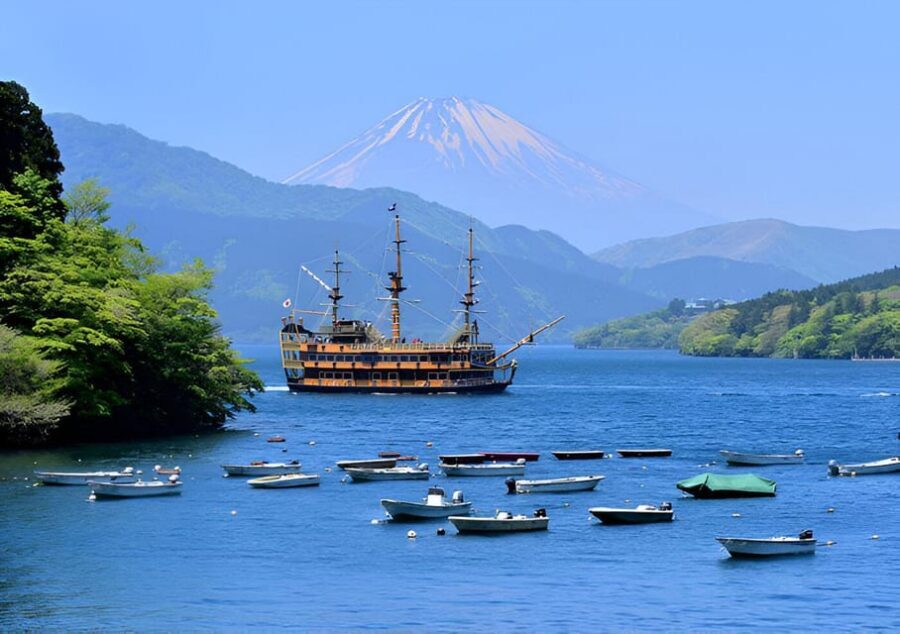
- Lake Ashinoko and the Motohakone pier area (about 1 hour + 30 minutes, admission free)
- Hakone Sightseeing Cruise (included transport, but activity fee extra)
- Hakone Ropeway (about 30 minutes, activity fee extra)
- Owakudani Valley (about 30 minutes, admission free)
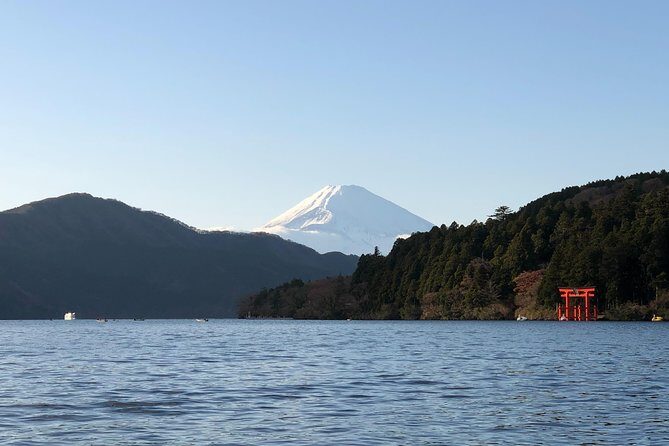
- Hakone Shrine (about 1 hour, admission free)
- Hakone Open-Air Museum (about 1 hour, admission not included)
- Gotemba Premium Outlets (about 2 hours, admission free)
- What the $1,265 price really buys (and what it doesn’t)
- Guide Ryu, punctual starts, and the freedom to set your tempo
- Should you book this Tokyo, Mt. Fuji and Hakone private tour?
- FAQ
- What’s the price and group size for this private tour?
- How long is the tour?
- What time does the tour start?
- Is pickup or door-to-door transportation included?
- Are tickets and activity fees included for all stops?
- How much extra should I plan for Hakone ropeway and lake transport?
- Is this tour affected by weather, and what happens if conditions are bad?
Key things I’d circle before you book
- Door-to-door pickup removes the biggest stress of getting out of Tokyo
- A guide-led private pace means fewer crowds-by-force and more time for what you like
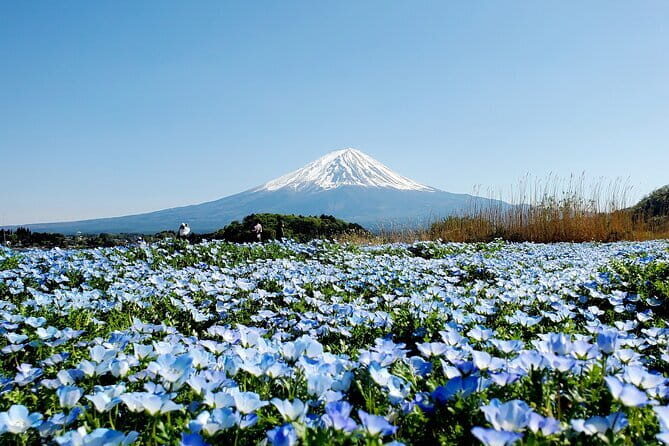
- Fuji Five Lakes viewpoints built around the classic photo angles at Chureito and Lake Kawaguchiko
- Hakone’s volcanic stop at Owakudani adds that raw-nature shock value
- Know what costs extra (Skytree, ropeway, and lake transport) so you don’t get surprised
- Guide Ryu’s reputation for punctuality is a real advantage for tight sight windows
Door-to-door private transport makes the whole trip feel easier
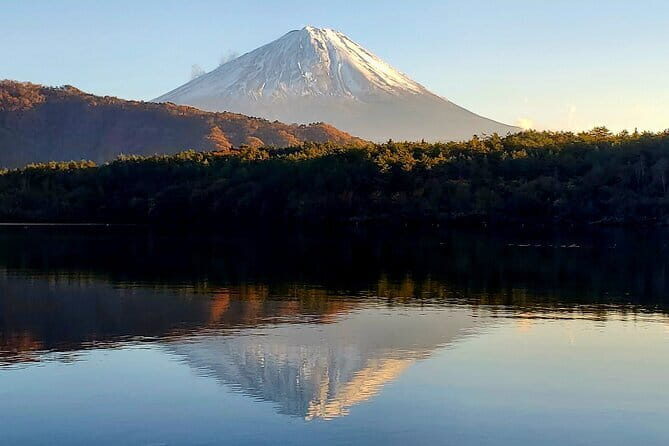
Tokyo is not hard to navigate, but it is easy to waste time. With private transportation, you skip the mental math of transfers and train lines, especially when you’re leaving the city for Mount Fuji and Hakone. You still control meals and lodging on your own, which is great if you already have hotels picked or you want to choose where you eat.
The vehicle is air-conditioned, and the trip includes fuel surcharge and parking fees. That’s helpful because the route between Tokyo, the Fuji Five Lakes area, and Hakone can mean lots of stop-start driving. When you don’t have to coordinate your own rides, you can spend your energy on the sights that actually matter.
More Mt Fuji & Hakone tours we've reviewed
Day 1 in Tokyo: Tsukiji, Edo Gardens, Senso-ji, Skytree, and Harajuku
This day is about getting your Tokyo bearings fast, then hitting iconic districts without wasting energy. Start with an early stop at Tsukiji Fish Market, where the whole area runs on food pace—fresh seafood displays, busy stalls, and a real sense of culinary craft. If you’re into markets, this is one of the best ways to understand how Tokyo eats.
Tsukiji Fish Market (about 1 hour, admission free)
Plan to arrive hungry—at least curious. Even if you don’t go heavy on breakfast, it’s the kind of place where you’ll want to pause for small tastes and watch how vendors work. If you prefer calmer sightseeing, you might want to keep your expectations realistic: market mornings are active and noisy.
East Gardens of the Imperial Palace (about 1 hour, admission free)
After the market energy, this stop gives you breathing room. These gardens sit near the Edo Castle ruin area, so you get a calmer walk without feeling like you’re “just passing through a park.” It’s a good reset before you head into Asakusa’s temple atmosphere.
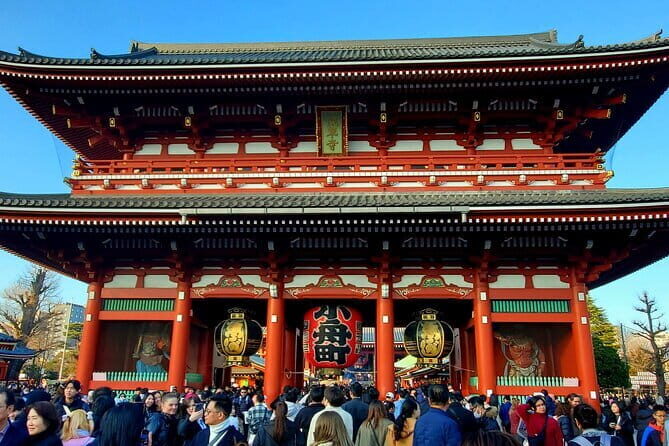
Senso-ji in Asakusa (about 1 hour, admission free)
Senso-ji is one of those places that still feels alive even after you’ve seen it in photos. You’ll be in the heart of the old Asakusa district, with the classic temple vibe and lots of street activity around it. If you want great people-watching, this is where the day delivers.
Other Tokyo + Mt Fuji + Hakone combo tours we've reviewed
Tokyo Skytree (about 1 hour, admission not included)
Skytree is the big vertical flex of Tokyo at 634 meters. You’ll want to treat this as a payoff stop: you come here when you want skyline views, not when you’re still in sightseeing mode. The entry fee is not included, so budget $3,800 yen per person for this portion if you choose to go up.
Practical tip: if visibility is weak, the views may feel flat. On clear days, it’s a strong way to get your mental map of the city in one shot.
Takeshita Street in Harajuku (about 1 hour, admission free)
Finish the day with youth-culture energy at Takeshita Street. It’s pedestrian-only and famous for fashion and snacks, so you can wander without needing tickets or reservations. It’s also the kind of stop where you’ll either love the sensory overload or you’ll want to keep it short—so treat it as flexible time.
Day 2 Fuji Five Lakes: Chureito Pagoda, Oshino Hakkai, and Lake Kawaguchiko views
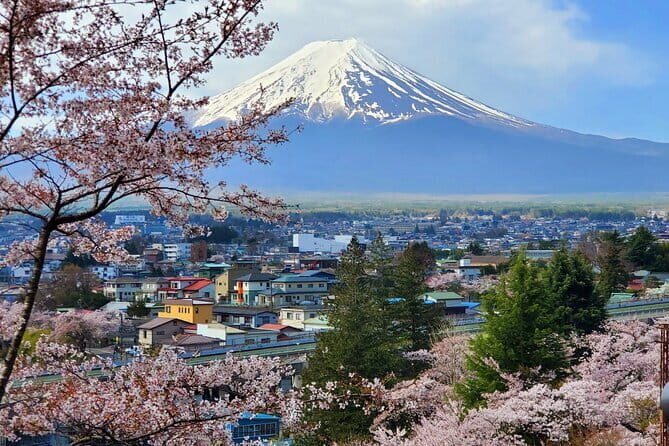
If Day 1 is “Tokyo basics,” Day 2 is “Fuji mindset.” You’ll spend your time around places designed for one goal: big Mount Fuji views. This is where weather matters most. When conditions are good, these stops can feel like you stepped into a postcard. When clouds roll in, you still get charming lakeside scenes, but you’ll want to adjust your expectations.
Chureito Pagoda (about 1 hour, admission free)
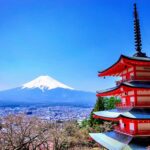
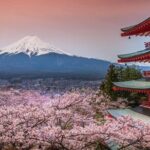
This is the classic composition stop: the five-story pagoda with Mount Fuji in the background. You’ll likely see why it became famous—this is one of those angles photographers chase on purpose. Even if you’re not photographing, it’s a quick hit of cultural scenery.
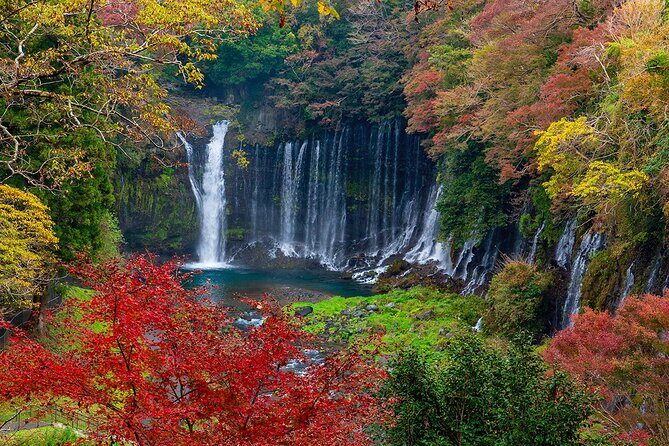
Oshino Hakkai (about 1 hour, admission free)
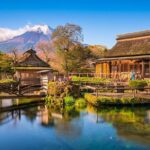
Oshino Hakkai is a set of eight ponds fed by pure water connected to Mount Fuji’s flow. This is the quieter side of the Fuji day: clear water, slow walking, and a calm break from photo crowds. It’s a strong contrast after the pagoda viewpoint.
Kitaguchi Hongu Fuji Sengen Jinja (about 30 minutes, admission free)
This Shinto shrine is at the base area of Mount Fuji and dedicated to Konohanasakuya-time, associated with Mount Fuji. Plan this as a shorter stop to absorb the spiritual setting and reset before your longer lakeside stretch.
Lake Kawaguchiko (about 1 hour, admission free)
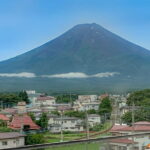
Lake Kawaguchiko is the “main character” of the Fuji Five Lakes for many visitors. You’ll get iconic views, plus plenty of space to find your own preferred vantage point for photos. It’s also a practical base if you want to add extra walking or café time on your own.
Oishi Park (about 1 hour, admission free)
Oishi Park is another viewpoint-heavy stop on the north shore. The seasonal flowers are part of the appeal, so if you’re traveling in a prime flower window, it can add a strong visual layer. Even outside peak bloom, it’s still a good place to stretch and watch the light change.
Saiko Lake (about 30 minutes, admission free)
Saiko Lake is presented as a more peaceful option among the Fuji Five Lakes. You’ll likely feel the difference in how the area feels compared with the bigger-name viewpoints. It’s a smart addition if you want a break from crowds and want a slower pace before heading back.
Day 3 Hakone: Lake Ashi, Owakudani, and the Hakone Open-Air Museum
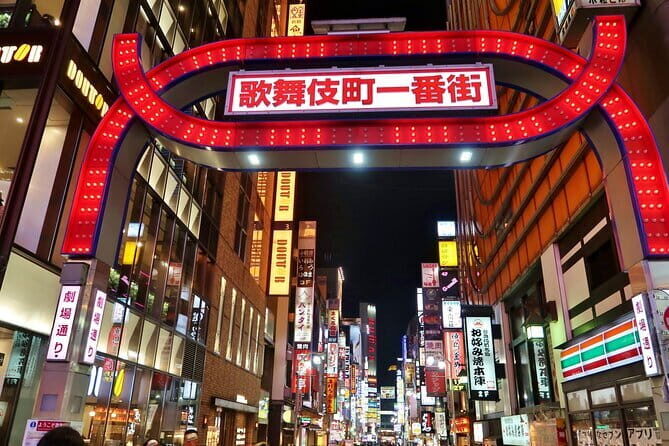
This is your “volcano and steam” day. Hakone combines classic shrine scenery with volcanic terrain, plus lake transport and a well-known art stop. The order makes sense: you move from lake views to volcanic drama, then finish with a cultural unwind.
Lake Ashinoko and the Motohakone pier area (about 1 hour + 30 minutes, admission free)
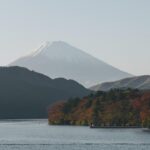
Lake Ashinoko is the focal water in the Hakone area, and it’s tied to Mount Fuji views in many directions. You’ll also connect through the Motohakone-Ko Pier area, a convenient base for Hakone sightseeing.
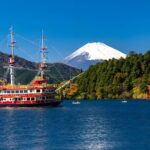
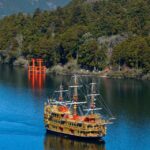
Hakone Sightseeing Cruise (included transport, but activity fee extra)
You’ll have the lake-transport experience here, and it comes with an extra cost noted for cruise ships (1,200 yen per person) or speed boat (2,000 yen per person). If you’re planning to use the faster option, you’re paying for time and the thrill of movement. If you want calm and budget-friendlier, the cruise ship option usually makes the most sense.
Hakone Ropeway (about 30 minutes, activity fee extra)
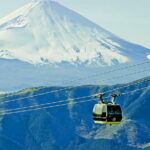
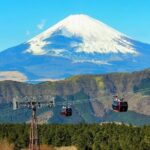
The ropeway is one of the most scenic ways to cross volcanic terrain. You should expect an extra 1,500 yen per person for this portion. It’s also the kind of ride that can be affected by mist and weather, so this is where that “weather requirement” really shows up in real life.
Owakudani Valley (about 30 minutes, admission free)
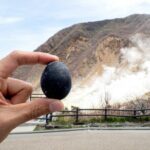
Owakudani is the dramatic volcanic valley stop. This is the area that feels like nature doing something bigger than tourism—steam, crater-like terrain, and that unmistakable sense of geothermal power. Even if you’re not a science person, it’s a memorable contrast to the calm lakeside mood.
Hakone Shrine (about 1 hour, admission free)
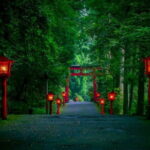
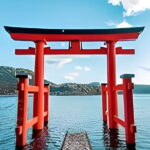
Hakone Shrine sits at Lake Ashi and is famous for its red torii gate in the water. This stop is less about hiking and more about atmosphere: a quiet moment with a very recognizable photo setting. It’s also a good place to slow down before the final cultural stop.
Hakone Open-Air Museum (about 1 hour, admission not included)
The museum here is an outdoor art experience, mixing artworks with nature. Admission is not included, so plan for an additional cost on your own. If you like art but also like fresh air and walking, this can be a nice third-day release valve after volcanic terrain.
Gotemba Premium Outlets (about 2 hours, admission free)
Finish with free-to-enter shopping at Gotemba Premium Outlets at the base of Mount Fuji. This is a practical stop if you want to pick up brands, snacks, or simple souvenirs without hunting around Tokyo at the end of your trip. If you’d rather keep the day lighter, this is an easy segment to shorten since it’s optional-feeling in spirit.
What the $1,265 price really buys (and what it doesn’t)
The tour price is $1,265 per group for up to 5 people. If you book as a full group of five, the math turns it into about $253 per person for three days of private transport plus guidance. If you’re fewer people, the per-person price climbs, but you’re still paying for the convenience of a tailored, door-to-door setup rather than shared schedules.
What’s included:
- Air-conditioned private transportation
- Fuel surcharge
- Parking fees
- Most site admissions on the route are listed as free
- Pickup offered and mobile ticket
What’s not included:
- Meals, drinks, and snacks
- Activity fees for some Hakone parts: speed boat (2,000 yen), cruise ships (1,200 yen), ropeway (1,500 yen), with totals shown as ¥4,700 per person for those activity options
- Tokyo Skytree admission: ¥3,800 per person
- Hakone Open-Air Museum admission is not included (cost isn’t specified)
So value is strongest when you’re traveling as a small group and you actually want the time saved by not piecing together trains and buses. If you’re traveling solo or two people and you don’t plan to use paid viewpoints, the budget may feel heavier once you add Skytree and Hakone activity fees.
Also, keep in mind that this experience requires good weather. If conditions are poor, you may be offered a different date or a full refund. In practice, that means you should avoid booking flights that only work on one possible day window.
Guide Ryu, punctual starts, and the freedom to set your tempo
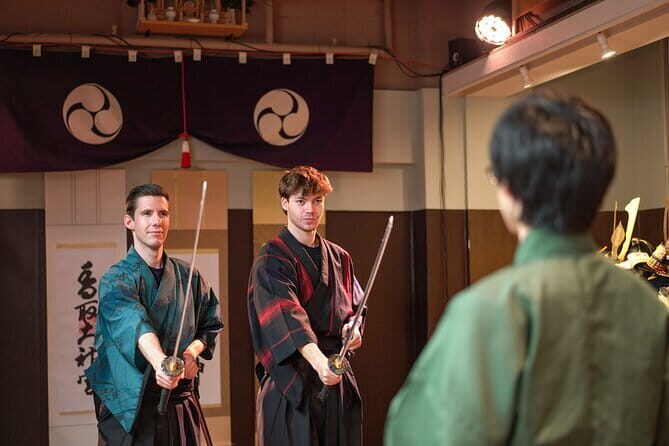
The big “private tour” payoff is simple: you aren’t stuck following a group’s pace. The tour is designed to let you customize, including the option for Mount Fuji hikes. That flexibility matters because Fuji-area weather, cloud cover, and your own energy can change minute to minute.
Guide quality is also a real factor here. One guide name that shows up in positive feedback is Ryu, noted for punctuality and professionalism. When someone handles timing and routing, you’re less likely to miss a key viewpoint because you overslept or got stuck in traffic.
You’ll also be free to handle meals and lodging how you want. That’s practical for Tokyo, where hotel locations and dining preferences vary a lot. You don’t get forced into a pre-set lunch, and you can choose what fits your budget and appetite.
Should you book this Tokyo, Mt. Fuji and Hakone private tour?
Book it if:
- You’re visiting for the first time and want Tokyo plus Fuji plus Hakone without the planning headache
- You like guided structure but still want control of pace
- You’re traveling with up to 5 people, which makes the $1,265 per group value much stronger
- You’re okay paying a few activity add-ons for Skytree and Hakone transport
Consider passing or adjusting if:
- Your budget needs everything to be fully included, because Skytree and Hakone activities add up in yen
- You’re set on visiting on a day where the weather window feels tight
- You prefer totally independent travel with no guide timing at all
If you want a well-paced, sight-focused route that covers the heavy hitters without feeling rushed, this private setup is a solid way to do it.
FAQ
What’s the price and group size for this private tour?
The price is $1,265.00 per group, for up to 5 people.
How long is the tour?
It runs for about 3 days.
What time does the tour start?
The meeting time is 8:00 am.
Is pickup or door-to-door transportation included?
Yes. Door-to-door transportation is included, and the tour notes pickup is offered.
Are tickets and activity fees included for all stops?
No. Tokyo Skytree admission is not included, and Hakone activities such as the ropeway and lake transport have activity fees (amounts are listed in yen). Meals and snacks are also not included.
How much extra should I plan for Hakone ropeway and lake transport?
The activity fee amounts provided are 2,000 yen for a speed boat, 1,200 yen for a cruise ship, and 1,500 yen for the ropeway, with a total activity fee shown as ¥4,700 per person.
Is this tour affected by weather, and what happens if conditions are bad?
This experience requires good weather. If it’s canceled due to poor weather, you’ll be offered a different date or a full refund.