REVIEW · HAKONE
Hakone Hachiri: Old Tokaido Highway Hiking Tour
Book on GetYourGuide →Operated by Coconuts Hike Japan · Bookable on GetYourGuide
If you love walking with a purpose, this is it. The Hakone Hachiri route turns the old Tokaido between Kyoto and Edo (Tokyo) into a real, step-by-step story, not a museum label. I like how the day mixes countryside walking with concrete history, and I like that you get a local certified mountain guide who can adjust the pace and keep things safe.
Two big standouts: the 400-year-old teahouse stop for amasake, and the chance to look for Mt Fuji from multiple points when weather cooperates. One thing to factor in: you are still walking a fair amount (around 8 km, with about 5 to 6 hours on your feet), so plan on comfortable shoes and a steady pace, not a stroll.
In This Review
- Key highlights worth caring about
- Hakone Hachiri: walking the old Tokaido, not just seeing it
- Start smart in Hakone-Yumoto (and why the cab matters)
- Sukumo River to Hatajuku: the first taste of Edo travel
- The 400-year-old Amasake Tea House stop
- Cobblestones of the Old Tokaido and Lake Ashi’s postcard views
- Cedar Avenue and the Hakone Checkpoint: where the route got serious
- After lunch: past Hakone Pass and toward castle ruins and Mishima
- Finish at Mishima Station: a practical end point for real travel days
- Price and value: what $167 really buys on a mountain route
- Pacing, terrain, and what to expect under your feet
- What to bring (and the small choices that keep the day pleasant)
- Should you book the Hakone Hachiri Hiking Tour?
- FAQ
- Where does the tour start?
- Where does the tour end?
- How long is the experience?
- How much hiking will I do?
- Is this hike for beginners?
- Can I see Mount Fuji on this tour?
- What food and drinks are included?
- What should I bring?
- How many people are in the group, and what languages are offered?
- Is the Shinkansen between Mishima and Odawara included?
- Is free cancellation available?
Key highlights worth caring about
- 400-year-old amasake teahouse on the old route, with energizing snacks along the way
- Mt Fuji viewpoints only if weather permits, taken from different angles
- Small group (max 6), so the guide can slow down or speed up based on your comfort
- Edo-era traveler vibes on cobbles and paths, with steeper sections skipped by bus
- Hakone Checkpoint gate stop, tied to how Edo controlled movement of travelers
- Finish in Mishima so you can connect onward with less hassle than returning the whole way
Hakone Hachiri: walking the old Tokaido, not just seeing it
Hakone Hachiri is one of Japan Heritage’s walking experiences, built around a classic idea: understand history through the effort it took to move. In the Edo period (roughly the 17th to 19th centuries), travelers had to cross mountain terrain between Kyoto and Edo. Today it’s bullet trains and buses. On this tour, you get a small but meaningful dose of the original grind.
I like that the meaning of Hachiri is explained in a way that makes the scale feel real. Hachi means eight, and ri is a distance unit of about 4 km today. So Hachiri refers to a difficult 32 km mountain segment. This tour does not do all 32 km. It walks the scenic parts and skips the steepest sections with local transport, which keeps the day beginner-friendly without turning it into a drive-by.
The other big value is the human layer. A certified guide isn’t just telling you what’s there; they connect geography, route design, and daily life on the move. The best part is how the guide can shape the day based on your group and conditions, including adjusting to weather.
Other Hakone Hachiri and Old Tokaido hiking tours


Start smart in Hakone-Yumoto (and why the cab matters)
You meet at the ticket gate of Hakone-Yumoto Station. From there, you take a short shared cab ride (listed around 15 minutes) to get to the trailhead. It’s a small thing, but it makes the day feel smoother. Instead of wasting energy on getting positioned, you spend your legs on the route you came for.
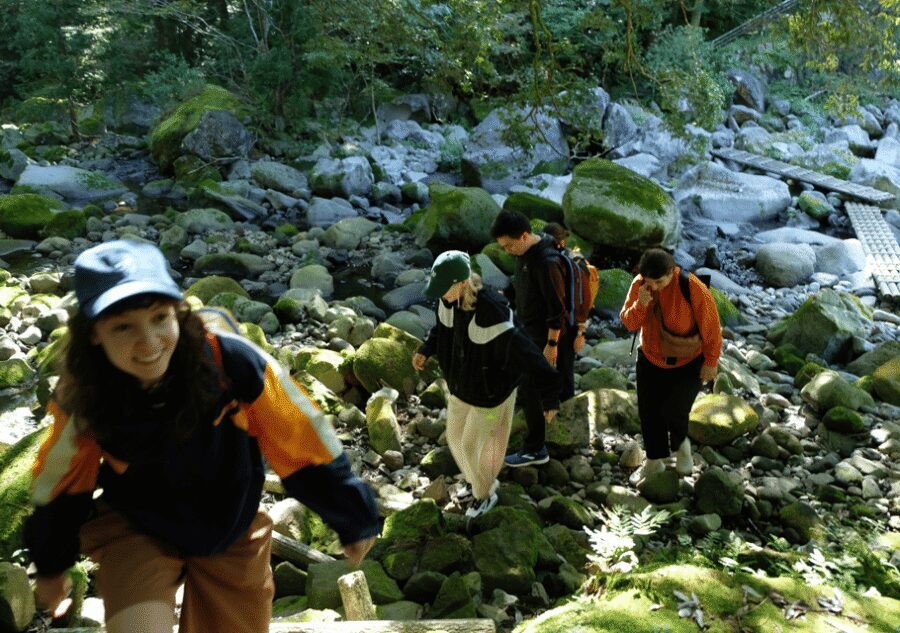
Then you start hiking early with a Sukumo River section (about 1 hour). This is the kind of start that helps you settle into the rhythm: enough time to warm up, without jumping immediately to the steeper sections.
If you want to feel like an Edo traveler, start with your mindset. Keep your pace steady, and expect the terrain to be more textured than a park path. Even on beginner routes, cobbles and old stonework can feel different underfoot after weeks of city walking.
Sukumo River to Hatajuku: the first taste of Edo travel
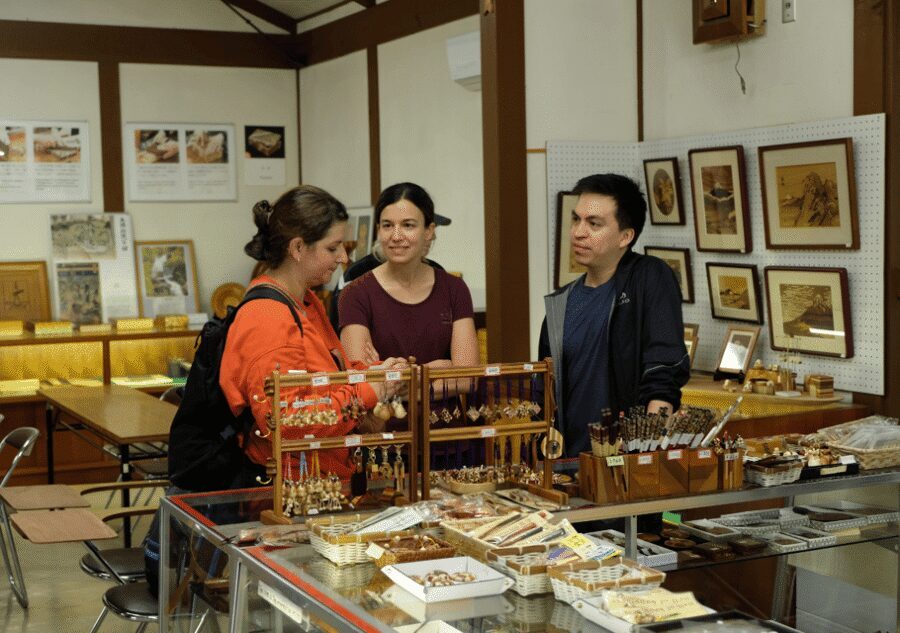
After the river hike, you reach Hatajuku for a visit and some time to browse (about 30 minutes). This is where the “old route” part becomes tangible. You pass through places that supported travelers in the era when roads were livelihoods.
There’s also an excellent practical reason for including Hatajuku early: it breaks up the day so you don’t start the longest viewpoint stretch already tired. You’ll still walk, but the schedule gives you short resets before asking your legs to stay focused on cobbled sections.
You’ll then take a short bus segment (around 10 minutes) before the teahouse portion. Think of this as strategic energy management. The day stays active, but it stops you from burning everything before the scenic middle.
The 400-year-old Amasake Tea House stop
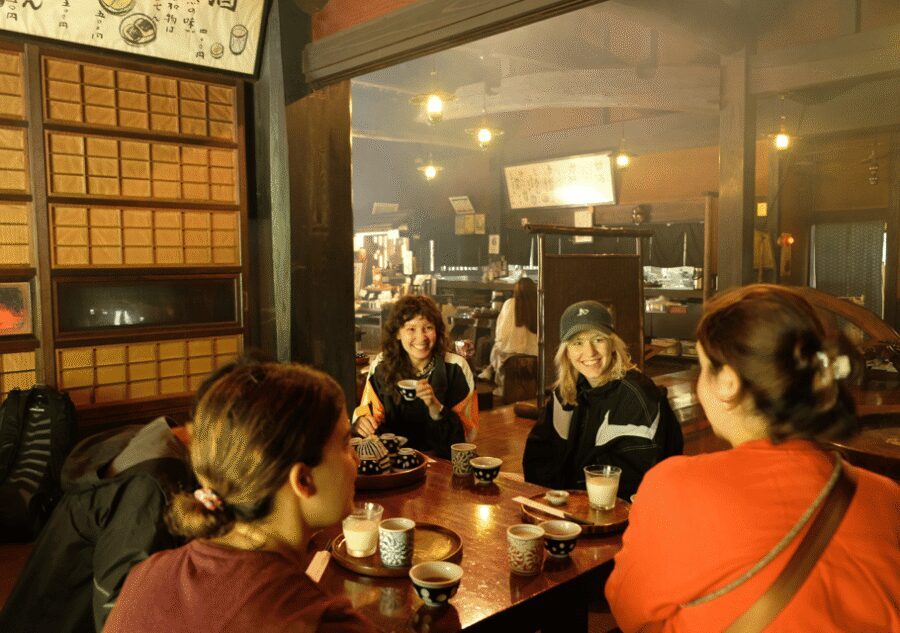
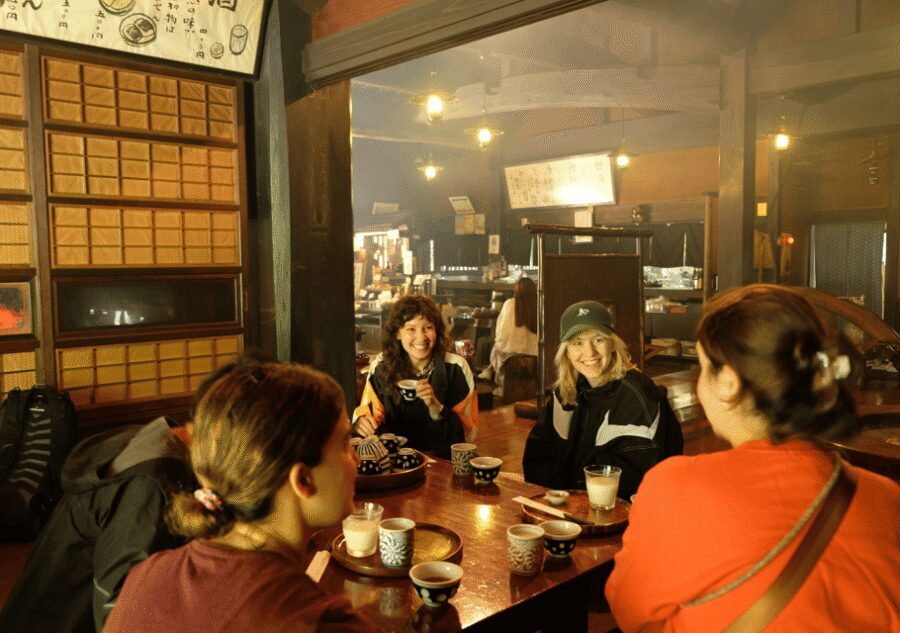
This is one of the most praised parts of the whole experience, and for good reason. You visit the Amasake Tea House at Hatajuku for about 30 minutes, with local snacks and a cup of energizing amasake.
Amasake is a sweet, rice-based drink, typically served warm. On a mountain-route hike, that warmth and sweetness do two jobs at once: it feels like a treat, and it helps your body reset for the next segment.
The teahouse also matters historically. It’s described as part of the old Tokaido Highway experience, and the day leans on that continuity. It’s not only about having a drink; it’s about stepping into the traveler’s rhythm: walk, pause, eat simply, keep going.
If you enjoy small, human-scale stops more than big-ticket attractions, this is your moment. It’s quiet compared with city sightseeing, and it’s the kind of place where the story sticks because you’re literally taking a break inside it.
Cobblestones of the Old Tokaido and Lake Ashi’s postcard views
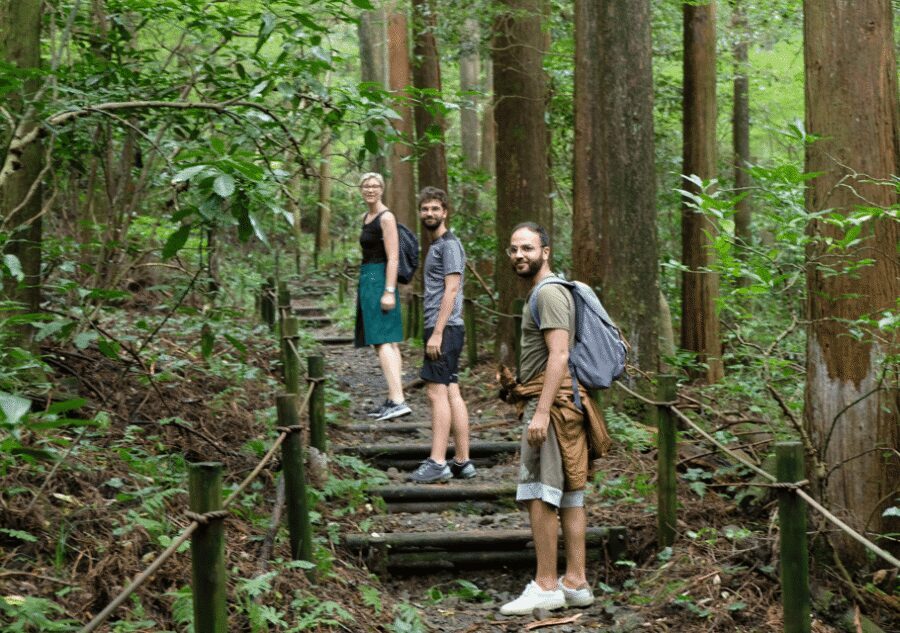
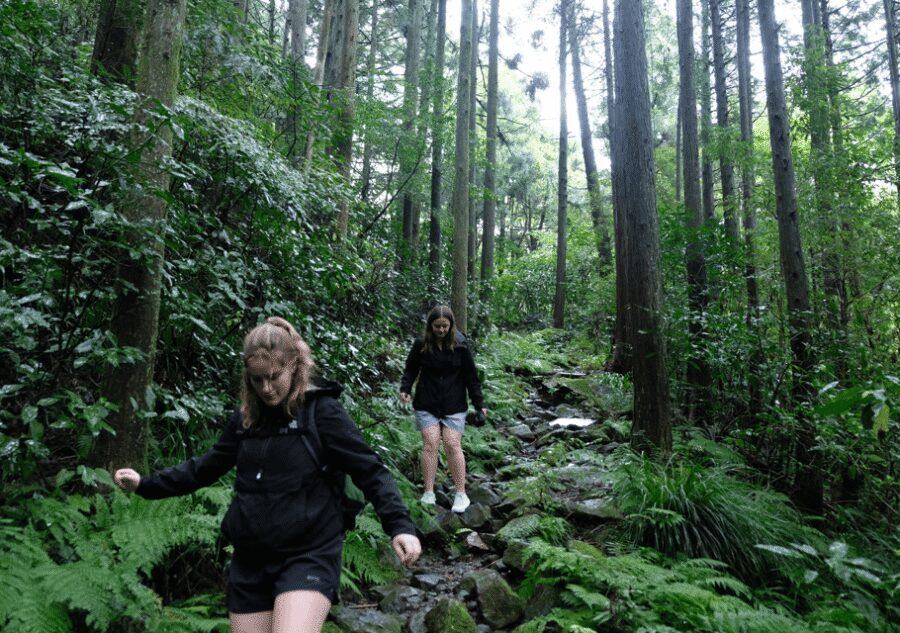
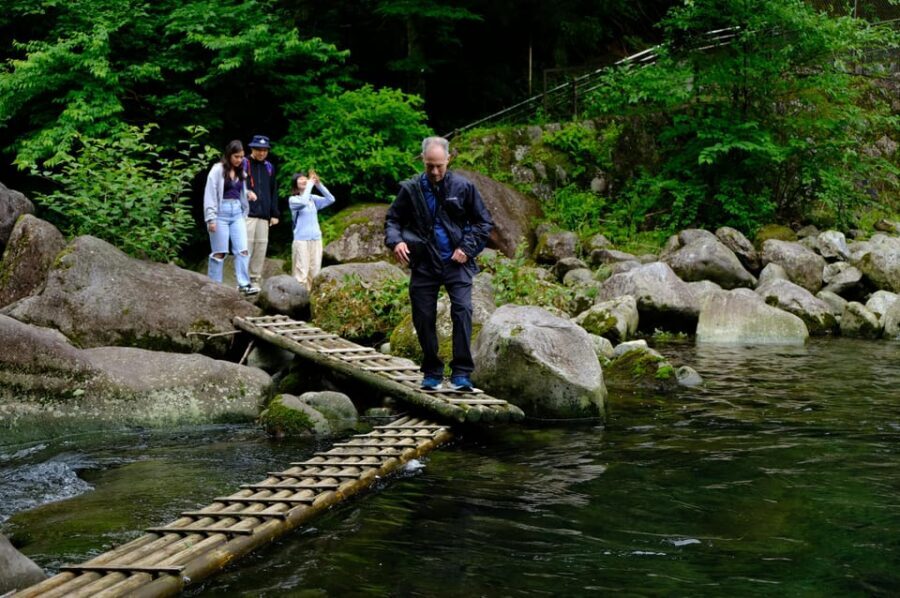
Once you’re fueled, you move onto cobbles on the Old Tōkaidō Highway (about 45 minutes). Cobblestones can be tricky if you expect perfectly smooth pavement. This is why the tour is beginner-friendly, but not “easy-easy.” Plan for careful footing, especially where stones shift or where the path gets slick.
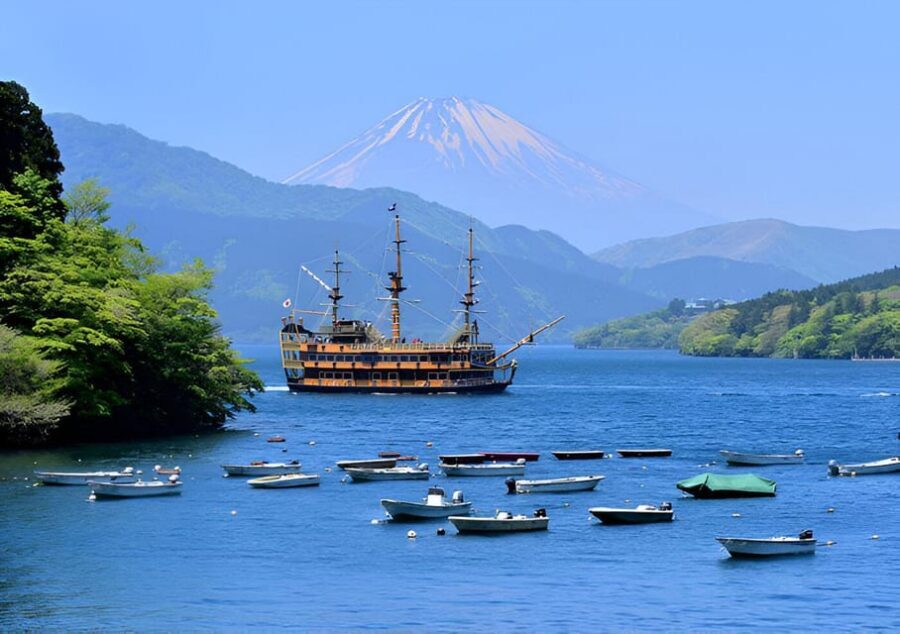
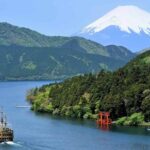
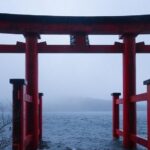
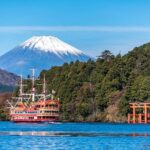
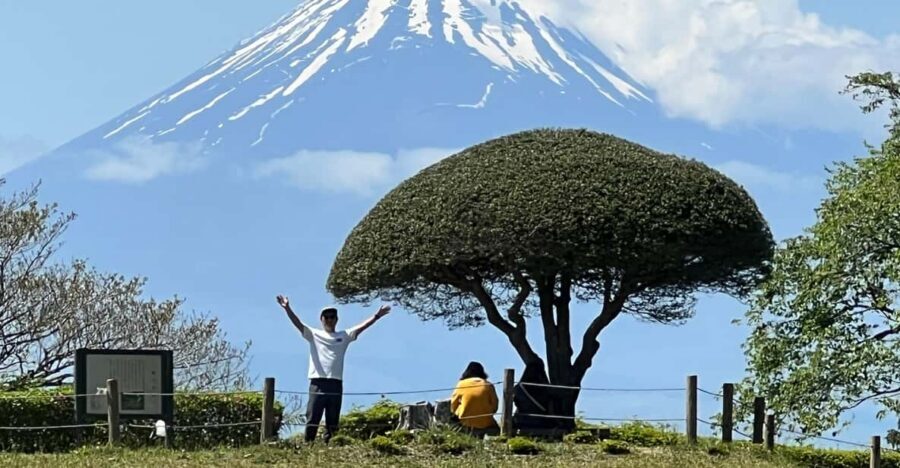
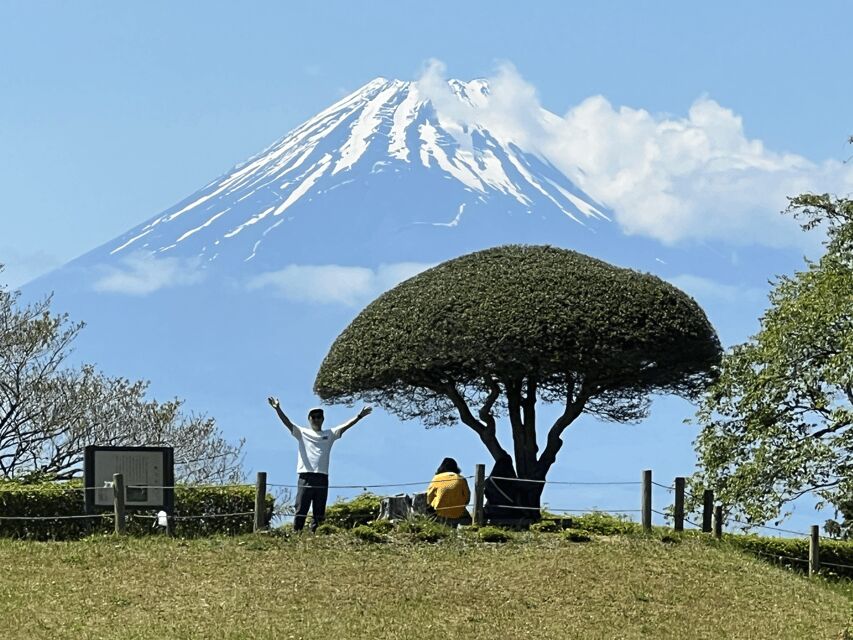
Then you reach Lake Ashi for a short scenic stop (about 15 minutes). This is where many people hope to see Mt Fuji, and where the route is designed to offer views from multiple angles. A Torii gate connected to Hakone Shrine is also part of the postcard imagery you’re looking for.
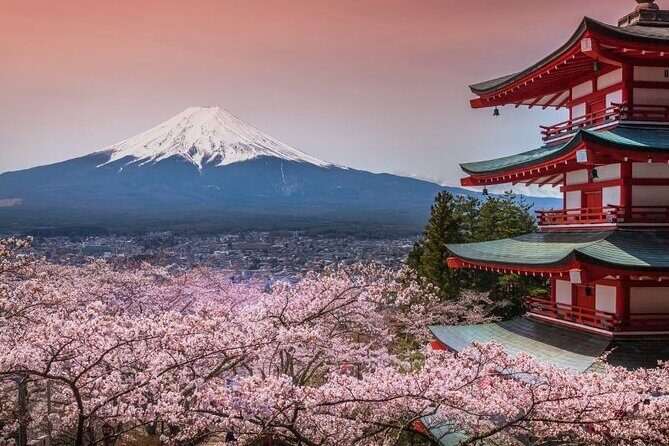
One practical note: Mt Fuji is described as weather-dependent. So treat it like a bonus, not a promise. If clouds roll in, you’ll still get lake views and the overall Hakone feel, but the iconic mountain might stay hidden.
You’ll also walk a bit along the lake afterward, setting up the next highlight.
Other hiking tours in Hakone

Cedar Avenue and the Hakone Checkpoint: where the route got serious
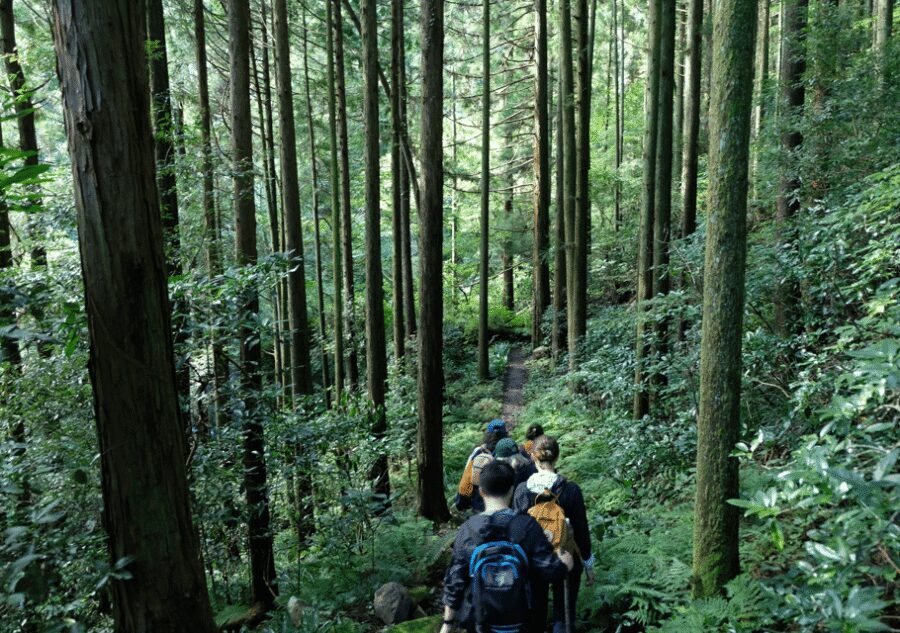
After Lake Ashi, you pass through the Ancient Cedar Avenue area (about 15 minutes, including photo stop and walking/pass by). The cedars are described as over 400 years old. Even if you’re not a botany nerd, old trees change how a path feels. Light behaves differently under the canopy, and your attention naturally shifts from “how far is left” to “what’s around me.”
Next comes one of the history-heavy stops: the Hakone Checkpoint (around 10 minutes). This isn’t just a gate you pass by. It’s tied to the Edo government’s system for managing travel. In other words, you’re not only walking scenery; you’re walking parts of a controlled route built to regulate people, goods, and movement.
That checkpoint context makes the day click. When you connect the terrain with why it was governed, the landscape becomes a tool. The roads weren’t random; they were organized for power, safety, and revenue.
After lunch: past Hakone Pass and toward castle ruins and Mishima
Lunch happens around Lake Ashi (about 45 minutes). Food and drinks at local restaurants are not included, so treat this as your paid meal break. The upside is simple: you’re eating somewhere scenic, and you’re not stuck choosing food while half-dead from hiking.
After lunch, you take a bus (listed around 15 minutes) to pass Hakone Pass and visit castle ruins. Even if you don’t spend a lot of time staring at stones, ruins are useful on a route like this. They show where travelers once built and defended in hard country. The rest of your day then shifts from “walking like Edo travelers” to “seeing what the region protected.”
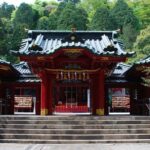
Then the schedule gives you a choice based on pace and preference: you either go on to Mishima for Mishima Taisha Shrine or you return to the lake area (depending on timing). The version you’re likely to experience includes Mishima.
You’ll then spend time at Mishima Taisha Shrine (about 30 minutes). After that, you walk toward Genbe River (about 15 minutes on foot), then enjoy a sightseeing walk there for about 30 minutes. This ending works well because it’s not another long climb. It’s a calmer close after active walking.
Finish at Mishima Station: a practical end point for real travel days
Your tour ends at Mishima Station (around 4:00 pm). That’s a smart finish because Mishima is connected enough to keep your travel plans flexible.
If you want to continue toward Odawara, you can ride the Shinkansen between Mishima and Odawara. It’s not included, but it costs less than 3000 yen and takes about 15 minutes, so you’re not locked into a complicated transfer plan.
This matters when you’re planning the rest of the day. A tour that ends in the middle of nowhere can force you to scramble. Here, you land where transit exists.
Price and value: what $167 really buys on a mountain route
At $167 per person for about a 7-hour day, you’re paying for three things you can’t easily DIY without effort:
1) A guide who’s nationally certified and has wilderness advanced first aid training. In a route with cobbles, possible slippery sections, and uneven ground, that kind of safety planning matters more than people think.
2) A route plan that uses taxis and buses to avoid the steepest, most punishing segments while still giving you the “walk-the-route” feel.
3) A small group size (limited to 6). On a day like this, group size changes the vibe. It makes it easier for the guide to adjust pace and even tweak priorities.
Is it expensive compared with booking a bus and train on your own? Yes. But it’s also not just sightseeing. You’re getting structured walking time, historical context tied to geography, and a teahouse stop that’s part of the old-route experience, not an afterthought.
If you care about doing Hakone with meaning, this is good value for the combination of guidance, safety, and time saved.
Pacing, terrain, and what to expect under your feet
The tour is designed for beginners. It’s mostly gentle slopes or cobbled paths, and the schedule includes breaks so you’re not constantly in motion.
Still, terrain can surprise you. One common theme from real-day feedback is that some parts can be a little challenging due to tree roots and stones, especially where the path isn’t smooth. The good news is that the guide is there to lead you through tricky sections and point out safer foot placements.
I’d treat the difficulty like this: it’s not a hardcore mountain hike, but it’s not a flat stroll. Bring shoes you trust on uneven ground, and don’t plan on flip-flops even for “just the walk.”
Timing can also affect comfort. For example, one winter experience described cold only around the higher elevation portion, with the rest of the day manageable in sunny, dry conditions. You can’t bank on that, but it’s useful context.
What to bring (and the small choices that keep the day pleasant)
You’ll want:
- Comfortable shoes (stable on uneven ground)
- Sun hat
- Hiking shoes (this is the safer choice if you have them)
If you’re sensitive to footing on cobbles, prioritize grip. If you’re sensitive to sun or glare over lake views, bring the hat and consider sunglasses too, even though only the hat is listed.
Also, plan your energy. The tour says you will be walking around 5 to 6 hours within the full day. That means your “real lunch break” is helpful, but you still need to move like you’re on a hike, not a sightseeing tour with short legs.
Should you book the Hakone Hachiri Hiking Tour?
Book it if you want Hakone with a story you can walk through. This is ideal for people who like history tied to geography, and for hikers who prefer clear pacing over maximum distance.
Skip it if you can’t handle uneven cobbles or long walking time. This tour is not suited for people with mobility impairments, and it’s built around the assumption that you’ll be on your feet for most of the day.
If Mt Fuji shows up, it will add a big moment. If it doesn’t, you’ll still get lake scenery, ancient cedars, checkpoint history, shrine time, and an authentic teahouse break inside an old-route setting.
FAQ
Where does the tour start?
The tour starts at Hakone-Yumoto Station. Your guide waits at the ticket gate.
Where does the tour end?
The tour finishes at Mishima Station (around 4:00 pm).
How long is the experience?
The duration is listed as 7 hours.
How much hiking will I do?
You’ll hike around 8 km. The tour notes that you’ll be walking around 5–6 hours.
Is this hike for beginners?
Yes. The route is described as beginner-friendly with gentle slopes or cobbled paths, and it includes supportive pacing.
Can I see Mount Fuji on this tour?
You may see Mt Fuji from different angles if weather permits. It’s not guaranteed.
What food and drinks are included?
You’ll enjoy traditional snacks and amasake at the teahouse. Food and drinks / lunch at local restaurants are not included.
What should I bring?
Bring comfortable shoes, a sun hat, and hiking shoes.
How many people are in the group, and what languages are offered?
It’s a small group limited to 6 participants, with an English and Japanese live guide.
Is the Shinkansen between Mishima and Odawara included?
No. The Shinkansen ride is not included. It costs less than 3000 yen and takes about 15 minutes.
Is free cancellation available?
Yes. You can cancel up to 24 hours in advance for a full refund.