REVIEW · HAKONE
Traverse Outer Rim of Hakone Caldera and Enjoy Onsen Hiking Tour
Book on Viator →Operated by Coconuts Hike Japan · Bookable on Viator
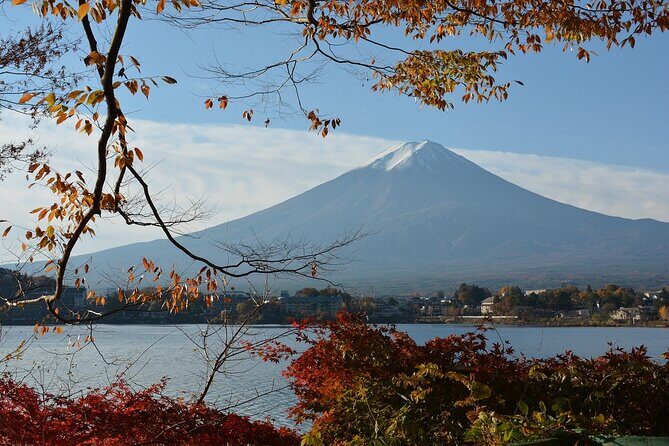
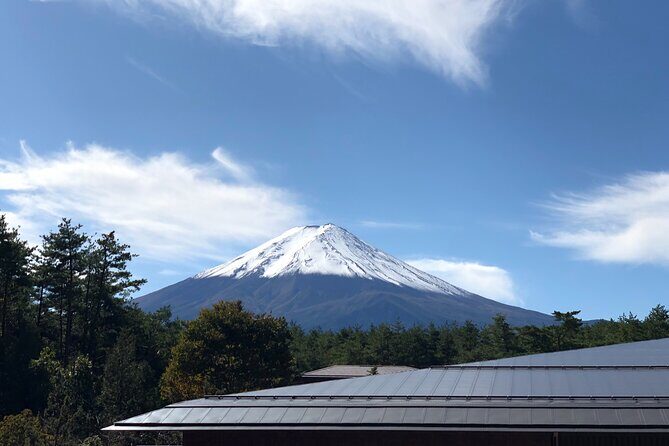
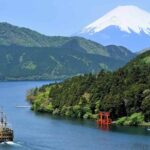
Hakone hikes plus hot springs is a win. This outer rim trek blends a guided 8–9 km hike with a Togendai onsen stop, so you get both the scenery and the muscle relief in one day. I especially love the ridge walk near Mt. Marudake, where Mt Fuji often pops into view when the sky behaves.
One thing to think about first: this is not a stroll. The route has uneven ground and a serious climb—about 500 meters of elevation gain in roughly 90 minutes—plus you’ll pay extra for the taxi to the trailhead and the onsen fee (¥1,500 per person).
In This Review
- Key things you’ll like on this Hakone hike
- Outer Rim of Hakone Caldera: what kind of day this is
- Sengokuhara start and the taxi ride you’ll be glad you don’t have to plan
- The climb and Mt. Marudake ridge: where the views do the talking
- Fuji visibility, even on foggy days: what to expect from the weather
- Downhill to Lake Ashinoko and the change from hiking mode
- Togendai lunch break: fuel for recovery, with options that fit real tastes
- Onsen at Togendai: indoor and outdoor baths for sore legs
- Price and value: is $158.13 a good deal for this hike?
- Who this tour fits best (and who should pass)
- Should you book this Hakone outer-rim hike with onsen?
- FAQ
- How long is the hike on this tour?
- Where does the tour start and what time do we begin?
- What’s included in the price?
- What costs are not included?
- Is Mt Fuji guaranteed to be visible?
- How physically demanding is this hike?
- What happens if the weather is poor?
Key things you’ll like on this Hakone hike
- Small group of up to 6 means less waiting and more time spent actually walking
- Chartered taxi to the trailhead saves you from fiddly navigation at the start
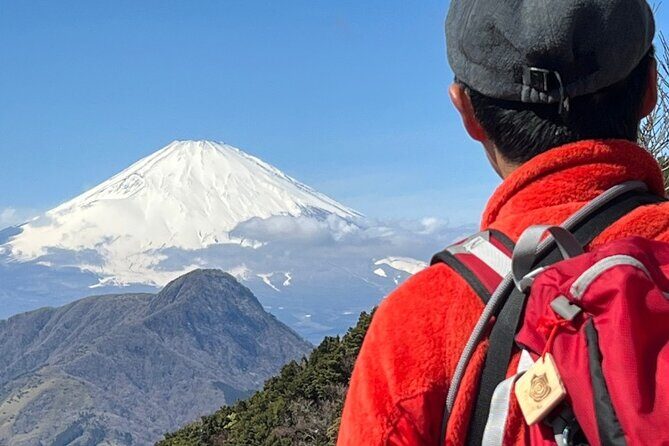
- Mt. Marudake ridge section is the main event for panoramic Hakone views
- Seasonal scenery changes by the calendar: sakura, red leaves, and even powdery snow in winter
- Togendai onsen (indoor + outdoor) is built for recovery after a full-day climb
- Guide-led pacing helps you finish without constantly checking routes
Outer Rim of Hakone Caldera: what kind of day this is
This tour is a full, outdoorsy Hakone day. You’re hiking for about 4–5 hours across roughly 8–9 km, with the toughest part being the ascent up to the mountain top. If you’re the kind of traveler who likes views but hates playing route-chess with a phone map, this setup works well: the guide leads the line, and you just focus on moving and looking around.
The big mental picture is an outer rim traverse of the Hakone caldera. That matters, because you’re not just walking from one viewpoint to another—you’re gradually changing altitude while you move along the rim. On a good visibility day, you can see Mt Fuji while you’re on the ridge walk. Even when Fuji hides, you still get a look toward Miyagino and the Sengokuhara area from higher ground.
The pacing is also worth noting. You’ll start around sea-level-adjacent Hakone busyness, but you quickly climb to a higher start point (around 700 meters). Expect cooler air and a “mountain day” feel even before you reach the top. Then, after the ridge walk, you drop down toward Lake Ashinoko and finish in the Togendai area for lunch and the onsen.
Other onsen and ryokan stays in Hakone
Sengokuhara start and the taxi ride you’ll be glad you don’t have to plan
You meet at Hakone-Yumoto Station at 8:30 am. The location is convenient because it’s near public transportation, so you’re not stuck trying to coordinate a weird transfer at the beginning of your trip.
From there, the tour uses a chartered taxi to get you to the trailhead. One catch: transportation to the trailhead is not included in the tour price, so you should budget for that separate cost. I like this approach, though. Hakone can be confusing for first-timers, and starting your hike with a guided “get-on-the-right-road” moment keeps the day from turning into a stressful warmup.
At the trailhead, you start hiking from around 700 meters above sea level, which generally means it’s cooler than the station area. That’s a small detail, but it changes how your day feels. Dress as if you’re going to be walking in mild mountain weather, not seaside humidity.
The climb and Mt. Marudake ridge: where the views do the talking
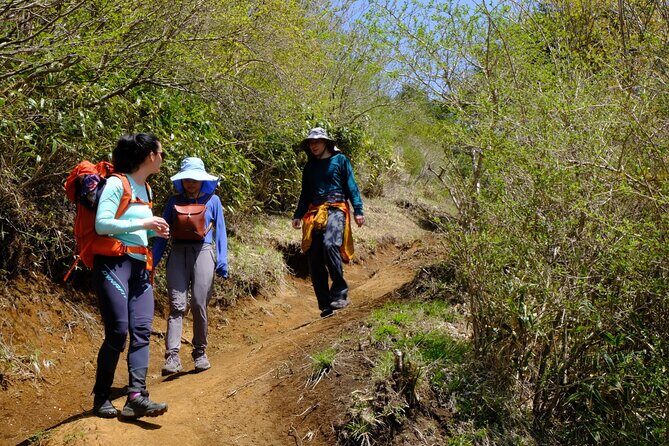
The toughest section comes early. You’ll work through a 90-minute ascent that gains about 500 meters. This isn’t just “a bit uphill.” If your legs aren’t used to elevation, you’ll feel it—so this is where “strong physical fitness level” isn’t marketing fluff.
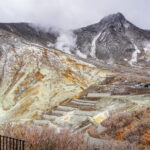
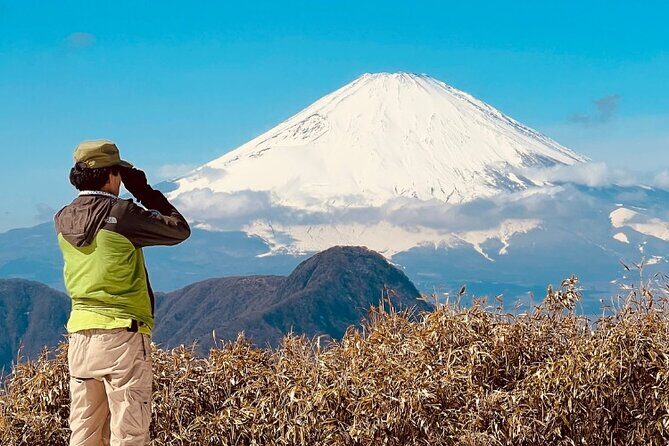
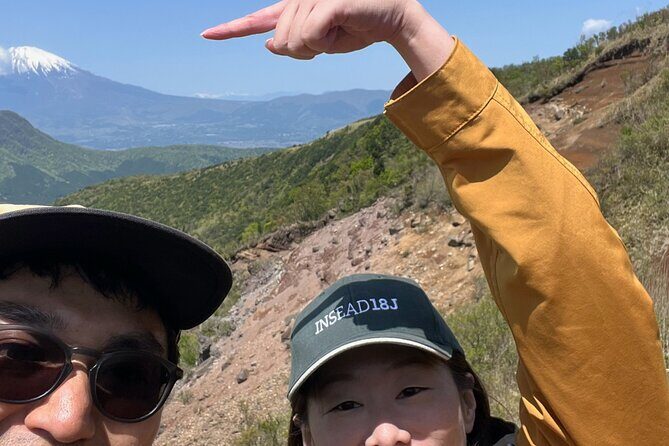
Once you reach the top, the day shifts into the highlight: the ridge walk. This part lasts about 2.5 to 3 hours (longer if you stop for photos and snacks). This is the section where you’ll see why the Hakone caldera rim is so famous. You’re elevated enough to look across the Hakone area, and the terrain is varied, with enough unevenness to keep you paying attention underfoot.
There’s also a nature angle that I think gets overlooked. As you walk through the bamboo field, you’ll hear birds singing. And the seasons change what you notice:
- In spring, you may catch sakura
- In autumn, you’re more likely to see red leaves
- In deep winter, you might even step on powdered snow
That means the same route can feel completely different year to year. If you’re flexible with travel dates, this is one of those tours where timing genuinely affects the vibe.
Fuji visibility, even on foggy days: what to expect from the weather
The tour is weather-dependent, and that’s fair. If conditions are poor, your climb may be less scenic, and the operator can cancel due to weather and offer another date or a full refund.
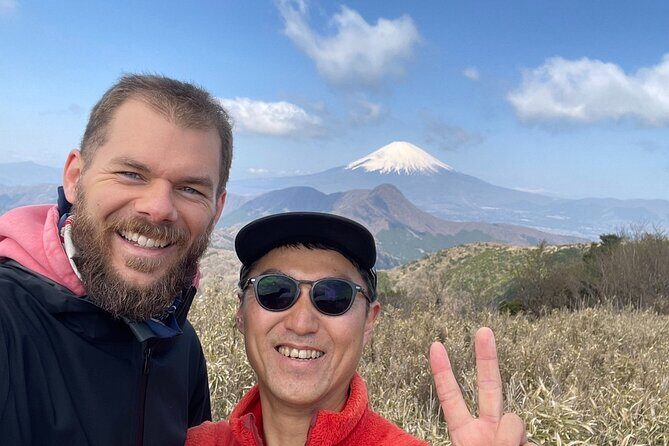
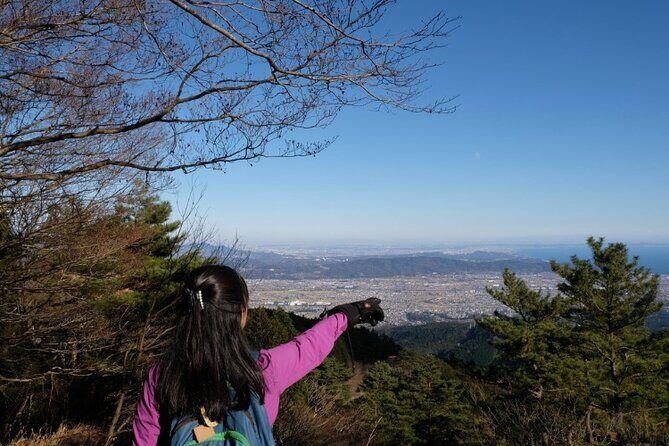
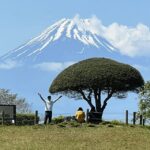
On a good weather day, you can often see Mt Fuji most of the time while you’re on the ridge walk. But the smarter expectation is: even if Fuji is hiding behind clouds, you’re not walking a blank trail. You can still have views toward Miyagino and Sengokuhara depending on cloud breaks and the angle of the ridge.
There’s also a quiet confidence that comes from going with a guide here. On overcast days, it’s easy to feel like you paid for scenery you never got. With a guided traverse, you keep moving through the route’s best lines, so the hike stays interesting even when the dramatic postcard picture won’t cooperate.
Downhill to Lake Ashinoko and the change from hiking mode
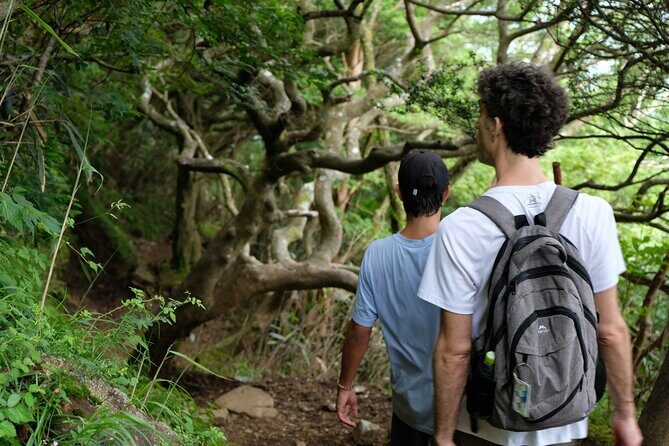
After the ridge walk, you’ll come down. The downhill portion is relatively short compared to the climb—about 30 minutes—and you’ll reach the Lake Ashinoko area. This is a helpful transition. Your body has done the main work, and the terrain shifts away from the big elevation changes.
That “shorter” descent can still feel like work, though, because descending uses different muscles and can be tough on knees. If you’re the type who needs trekking poles, bring them if you have them. The tour data doesn’t mention poles, so you’ll want to come prepared based on your own comfort.
This is also where the day’s pace changes from steady hiking rhythm to human time—food and relaxation.
Other Hakone Hachiri and Old Tokaido hiking tours
Togendai lunch break: fuel for recovery, with options that fit real tastes
Next, you’ll reach Togendai Station. Lunch happens here, and the guide will help choose a place based on your preferences and what’s available. You can find a mix of food types in the area, including soba, udon, Japanese curry, and Westernised restaurants.
Lunch isn’t included in the tour price, so you’ll be paying for your meal. Still, I like this design. You’re not eating random convenience food at a hard-coded time; you’re getting a flexible break at a place where multiple choices exist. If you’re picky, or if your group has different tastes, this structure helps.
The key is timing. After a long hike, you don’t want to spend your “rest window” scanning menus for too long. Having someone suggest options based on availability keeps the day moving without turning lunch into a stressful chore.
Onsen at Togendai: indoor and outdoor baths for sore legs
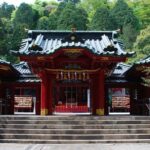
Then comes the payoff: the onsen at Togendai. You’ll get both indoor and outdoor baths, and the onsen is described as having a legendary healing effect—which is tourist language, sure, but also exactly what your legs will be begging for after the climb.
The onsen fee is ¥1,500 per person and is not included, so plan for it. This is another spot where budgeting matters: even though the tour includes the guide and the overall route, your warm-water recovery is a separate cost.
One more practical detail: this onsen experience can be customized based on your preferences. The specifics aren’t listed, but customization usually means you can aim for a bath setup that suits your comfort level.
From a traveler’s perspective, the value here is simple. A hike is temporary effort. If you end the day with a real recovery soak, the whole experience feels more worth it and you’re less likely to feel wrecked the next morning.
Price and value: is $158.13 a good deal for this hike?
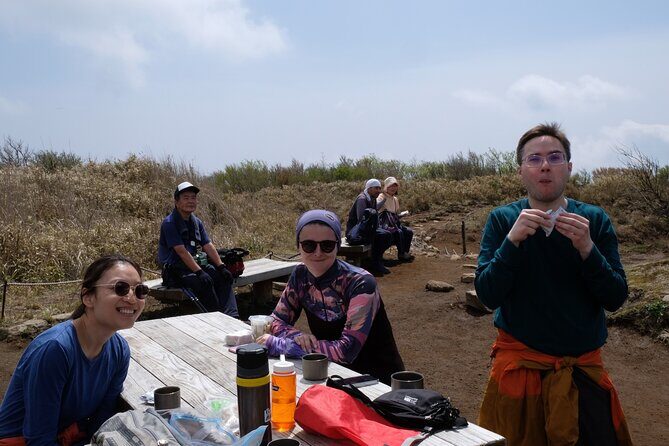
At $158.13 per person for the guided experience (with an average booking lead time around 38 days), you’re paying for a pro guide and a full-day plan that strings together the hike + lunch stop + onsen stop without you having to build the route yourself.
What you should factor in:
- Taxi to the trailhead is not included
- Lunch is not included
- Onsen fee is ¥1,500 per person
Once you account for those extra pieces, it’s not the cheapest way to spend a day in Hakone. But it can be excellent value if you care about smooth logistics and guided pacing. The guide setup is especially helpful on routes with uneven terrain and a longer ridge segment, where navigation mistakes cost time and energy.
Also, the tour runs with a maximum of 6 travelers. That usually translates to less crowding and better group flow—important on a hike where bottlenecks can kill your rhythm.
For many travelers, the best “value” is the mental relief: you show up, follow the guide, and end in the right place for soaking. It’s a low-stress way to get a high-effort day out of Hakone.
Who this tour fits best (and who should pass)
This is aimed at people who want an active Hakone day and can handle uneven footing. The tour explicitly calls for strong physical fitness, and the numbers back it up: about 8–9 km total, a 500-meter gain over 90 minutes, then a 2.5–3 hour ridge walk.
You’ll likely enjoy it if you:
- like steady outdoor movement more than just short sightseeing hops
- want a guided route so you’re not constantly checking directions
- enjoy panoramic views and can handle photos that slow you down (without getting frustrated)
You might want to skip if you:
- prefer flat, easy walking
- have limited mobility or knee issues on descents
- don’t have the stamina for a full day (7–8 hours total, including breaks)
If your group includes active families or individuals who enjoy nature, the small-group format should feel manageable. If you’re traveling with someone who wants a relaxed Hakone plan, you might split days.
Should you book this Hakone outer-rim hike with onsen?
Yes, if you’re booking Hakone for the hiking experience, not just the scenery. This tour makes sense when you want a guided traverse of the caldera rim, a real ridge walk highlight, and a satisfying onsen cooldown at the end.
Book especially if:
- you want Mt Fuji chances but you also want a plan that still works if Fuji hides
- you like small groups and hate navigation headaches
- you’re okay paying a few extra costs on top of the base price (taxi, lunch, onsen)
I’d pass if you want a gentle walk, or if the idea of 500 meters of climbing feels like a stretch. In that case, Hakone has other options that are more low-effort and still scenic.
FAQ
How long is the hike on this tour?
The total experience runs about 7 to 8 hours. You’ll hike roughly 4 to 5 hours during that time, covering about 8 to 9 km.
Where does the tour start and what time do we begin?
The tour starts at Hakone-Yumoto Station at 8:30 am. The activity ends in a different location, based on the day’s plan.
What’s included in the price?
The tour includes a nationally certified pro guide. The hike plan, stops, and guidance are covered, but meals and some fees are separate.
What costs are not included?
You’ll need to budget for transportation to the trailhead, lunch for your group, and the onsen fee of ¥1,500 per person.
Is Mt Fuji guaranteed to be visible?
No. On good weather days, you can often see Mt Fuji most of the time while on the ridge walk. When visibility is lower, you’ll still have views toward Miyagino and Sengokuhara.
How physically demanding is this hike?
It’s geared toward people with strong physical fitness. The climb includes about 500 meters of elevation gain over roughly 90 minutes, and the terrain is uneven in places.
What happens if the weather is poor?
The experience requires good weather. If it’s canceled due to poor conditions, you’ll be offered a different date or a full refund.