REVIEW · HAKONE
Hike Japan Heritage Hakone Hachiri with certified mountain guide
Book on Viator →Operated by Coconuts Hike Japan · Bookable on Viator
A real old-road hike in Hakone starts with a story. This Hakone Hachiri route follows part of the old Tokaido travelers used in the Edo period, mixing trail walking with local bus rides so you keep moving without feeling rushed. I like that the day is built around history plus views, with Mt Fuji from multiple angles if the weather cooperates.
Two things I especially like: first, you’re led by a national certified Pro Guide who also holds a wilderness first aid certificate, which matters on a steep, cobbled, mountainous route. Second, the itinerary is specific and varied—Amasake Tea House, Lake Ashi and the Heiwa no Torii area, cedar lanes, Hakone checkpoint context, and finish time in Mishima with shrine and riverside sights.
One consideration: the tour is about 8 km of walking in roughly 7 hours, so you need moderate fitness. Also, some of the best-photo moments depend on visibility, and the experience requires good weather.
In This Review
- Key highlights worth knowing
- Edo-era Hakone Hachiri: why this hike is more than sightseeing
- The walking plan: 8 km, 7 hours, and a smart mix of trail + transit
- Hakone Yumoto start and the Amazake Tea House trailhead
- Lake Ashi: shoreline walking, Heiwa no Torii, and Mt Fuji when it behaves
- Cedar Trees and the Hakone Checkpoint: the route’s real purpose
- Hakone-machi lunch and skipping a temporarily closed section
- Yamanaka Castle Ruins: where weather can reward your effort
- Mishima finish: Mishima Taisha, Genba River, and getting home
- Price and value: what $158.52 buys you
- Weather, Mt Fuji expectations, and how to plan your day
- Who should book Hakone Hachiri, and who might skip it
- Should you book this Hakone Hachiri guided hike?
- FAQ
- How long is the Hakone Hachiri hike?
- How much walking is included?
- Where does the tour start and end?
- How big is the group?
- Is lunch included, and what about other costs?
- What happens if weather is poor?
Key highlights worth knowing
- Certified guide + wilderness first aid for a safer-feeling hike on steep heritage terrain
- Old Tokaido/Hakone Hachiri route with Edo-period context (not just scenic stops)
- Lake Ashi shoreline and Torii views plus a cedar avenue walk before you reach the checkpoint area
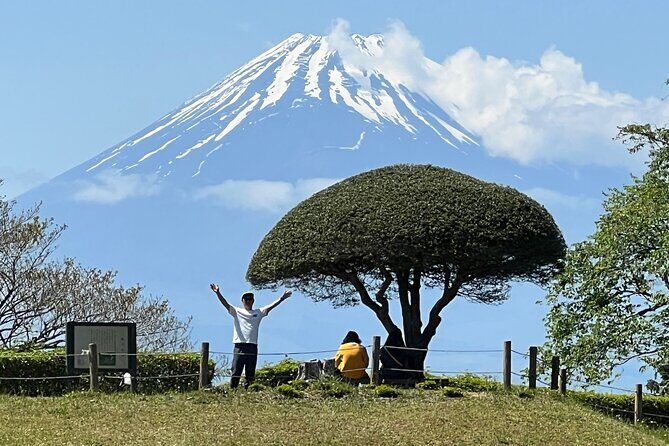
- Mt Fuji angles built into the day, but weather decides what you actually see
- Small group max of 6 keeps the pace and explanations more personal
- Finish in Mishima Station, letting you continue by Shinkansen easily
Edo-era Hakone Hachiri: why this hike is more than sightseeing
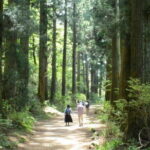
Hakone is famous for views, but the best part of this day is how the route teaches you how people moved. The Hakone Hachiri heritage trail connects to the Old Tokaido Highway—the main travel artery linking Edo and Kyoto—and it runs through the steep mountain problem-solving of Hakone. You’re walking roads that were designed for actual travelers with actual constraints: weather, elevation, and the need to reach checkpoints and lodging areas.
Your guide frames what you see in plain terms: why those stops mattered, what the checkpoint represented, and how the route functioned when travel wasn’t comfortable or fast. That turns the day from “walk, take photos, move on” into something more like reading a map you can walk on.
Other Hakone Hachiri and Old Tokaido hiking tours


The walking plan: 8 km, 7 hours, and a smart mix of trail + transit
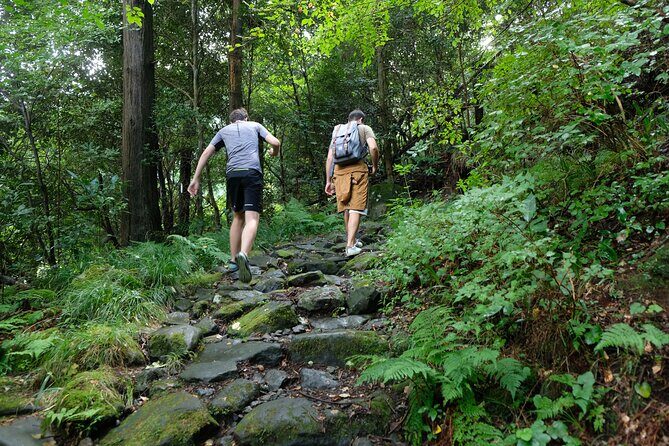
The route is about 8 km of hiking spread over roughly 7 hours. That sounds moderate on paper, but Hakone’s terrain can feel steeper than you expect—especially once you factor in stone paths and heritage sections where the ground can be uneven.
Here’s how the day stays manageable:
- You hike for sections, then shift to local buses (and at least once, a shared taxi) to link the bigger geographic “chapters.”
- That means you’re not stuck doing one long grind continuously. You get breaks, viewpoints, and structured stop times.
- The group stays small, with a maximum of 6 travelers, so you can ask questions without losing the whole timeline.
If you have moderate hiking fitness, good balance, and comfortable walking shoes, you should be fine. If you struggle with slopes, cobbles, or long continuous time on your feet, this may feel like a bigger commitment than you’re picturing.
Hakone Yumoto start and the Amazake Tea House trailhead
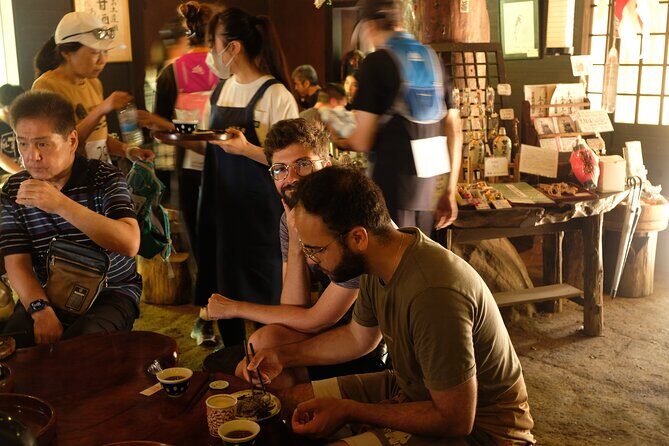
The day begins at Hakone-Yumoto Station at 9:00 am. From there, the group travels to the trailhead by shared taxi, then starts hiking about an hour before reaching the Hakone Amazake Tea House area.
Why that first stop is a smart move: you’re warming into the route while you’re still in the “Hakone mountain arrival” phase. The Amazake stop is also where you get the craft-and-culture feel of the area—there’s mention of a wood crafting village where artisans use techniques tied to local life.
What I like about starting here is pacing. You avoid doing your first hard uphill right out of the station, and you ease into the idea that this route served everyday travelers, not just tourists.
Tip for planning your morning: arrive on time so you’re not rushed during that shared-transport shuffle.
Lake Ashi: shoreline walking, Heiwa no Torii, and Mt Fuji when it behaves
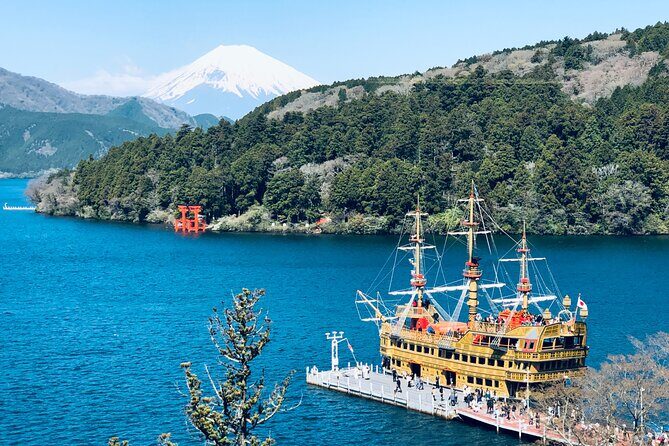
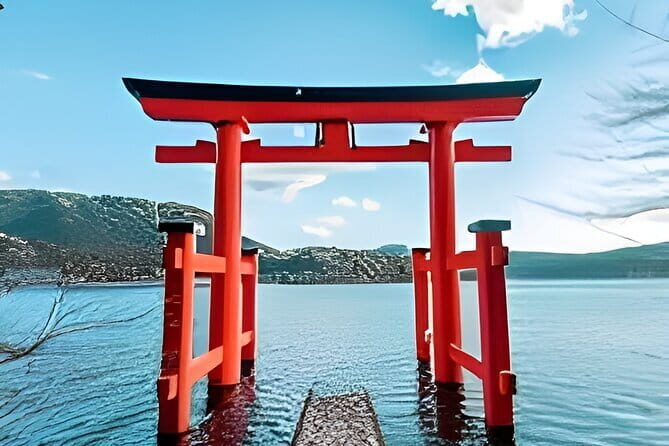
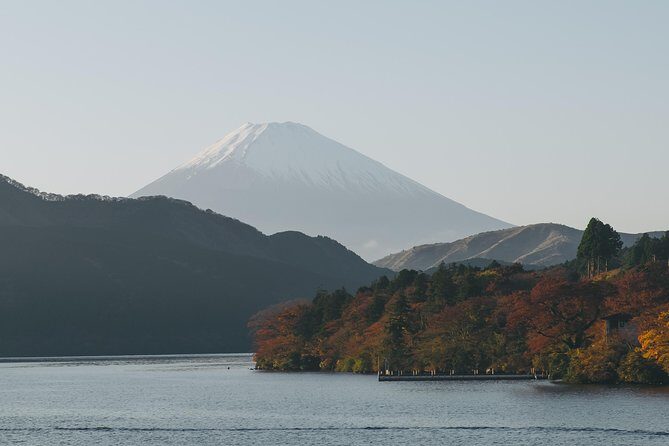
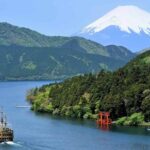
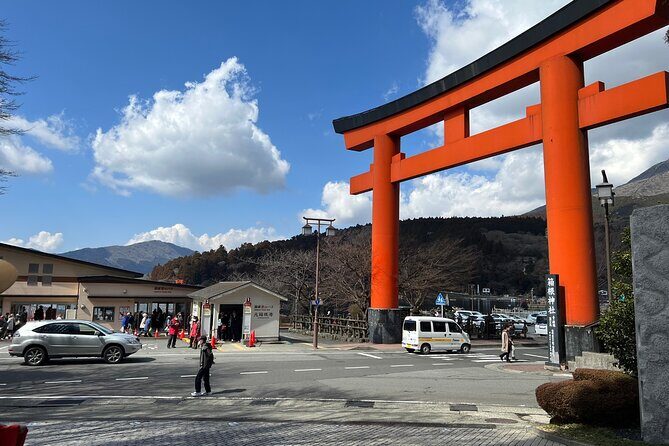
After the morning trail, you get to Lake Ashi and the Motohakone-Ko Pier area. Then you walk along the shoreline for a Heiwa no Torii viewpoint, often with Mt Fuji in the background when weather permits.
A key point: the tour is set up so you’re not staring at one viewpoint hoping for miracles. Instead, the itinerary gives you multiple “if the sky opens” chances—Lake Ashi plus later sighting spots along the heritage route.
Lake Ashi works for most travelers because it balances two things:
- It’s scenic without requiring special sports skills.
- It’s also context-rich: you’re seeing why people likely timed travel to benefit from water access and scenic passes.
Also note: the listed cruise/pier stop is shown as admission free, so you’re not blindsided by extra costs at that specific segment.
Cedar Trees and the Hakone Checkpoint: the route’s real purpose
After walking past the cedar avenue, you reach the Hakone Checkpoint area, where your guide explains the checkpoint’s role like you’re standing in a chapter of the Edo-period travel system.
This part matters because checkpoints weren’t random. They were practical tools—think identity control, regulation, and the structure that made long-distance travel possible. When you understand that, the cedar-lined segments stop being “pretty walking” and become “part of a controlled travel corridor.”
You’ll spend about 30 minutes here, which is a good length. It’s long enough to learn the point without dragging you off the main flow of the day.
If the goal is authentic Japan Heritage travel, this is one of the most directly educational sections of the route.
Other guided tours in Hakone

Hakone-machi lunch and skipping a temporarily closed section
Lunch happens near the Hakone Checkpoint at a local Japanese restaurant, and then the day shifts to the Hakone-machi side.
A practical detail: lunch is not included and is around 2000 yen for the group. Transportation between areas is also separate from the base guide fee—around 2000 yen by shared taxi or buses—so plan for that as part of your all-in day cost.
Then comes a logistics smart move. The tour uses a bus to skip a part that is temporarily closed, so you’re not stuck turning back or losing hours. That’s one of those behind-the-scenes decisions that makes a “heritage hike” actually feel like a functioning itinerary, not just a DIY route with extra steps.
Yamanaka Castle Ruins: where weather can reward your effort
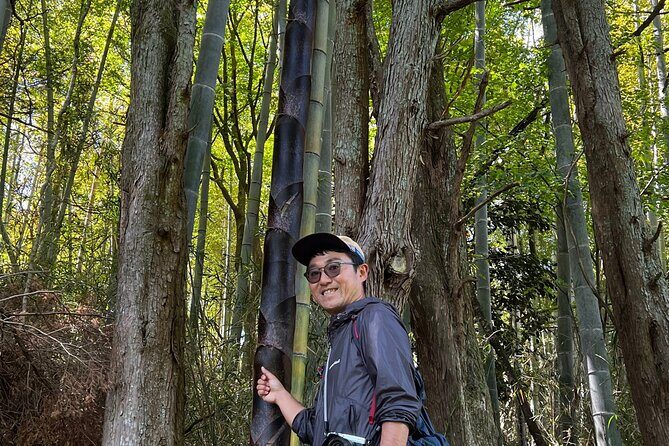
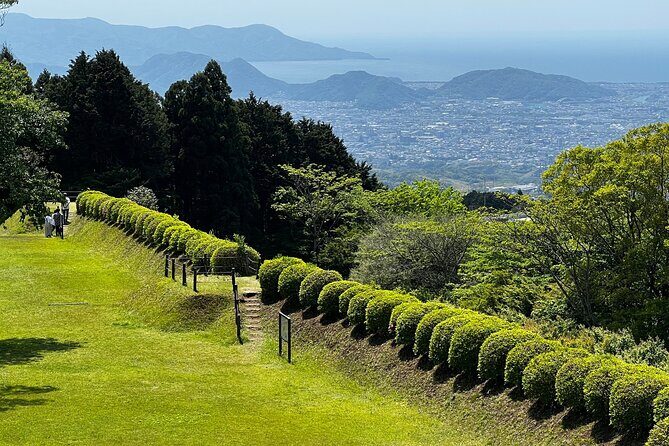
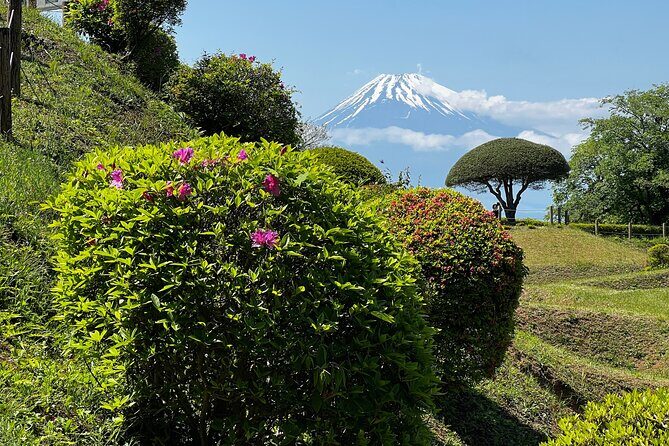
Next up is Yamanaka Castle Ruins along the Hakone Hachiri heritage path. The stop is about 1 hour, and it’s another “weather might treat you well” viewing area.
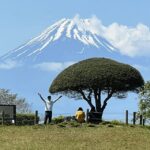
The itinerary notes that Mt Fuji may be visible from this area if conditions allow. In real terms, this stop gives you a higher chance to see Fuji because it’s positioned as part of the route’s mountain-side journey rather than only the lake-level views.
Even if you don’t get Fuji, ruins add value because they hint at how landscapes shaped strategy—routes, defense, and control of movement. On a day like this, it’s good balance: you get nature, you get checkpoints, and you also get “why people built here.”
Mishima finish: Mishima Taisha, Genba River, and getting home
The tour ends in Mishima, reaching Mishima Station at the end of the hike-and-transit day. Along the way, you visit Mishima Taisha—listed as the biggest shrine in Mishima—and then the Genba River.
This ending works well because it’s not just a drop-off. You get a shrine visit and a riverside walk component, which gives the day a calmer “arrival” feeling after Hakone’s elevation.
From Mishima Station, you can return by Shinkansen:
- To Odawara in about 15 minutes (around 2500 yen)
- Or to Tokyo in about 45 minutes (around 4400 yen)
One note for budgeting: the Shinkansen fee is not included, so treat it as a separate line item when you plan your full day costs.
Price and value: what $158.52 buys you
At about $158.52 per person, the base price is essentially paying for guided expertise plus a structured, heritage-heavy route. The included piece is the National Certified Pro Guide with a wilderness first aid certificate, and the experience also uses a mobile ticket approach and offers group discounts (details not specified).
What’s not included (and you should expect):
- Lunch (around 2000 yen)
- Transportation to the trailhead and between sites (around 2000 yen by shared taxi/bus)
- Amasake and snacks along the way
- Shinkansen back to Odawara/Tokyo
So is it good value? For me, the deciding factors are:
- Certified guiding on steep, heritage terrain
- Small group size (max 6)
- A day that hits multiple distinct “Hakone traveler” touchpoints rather than a single viewpoint hike
If you were to DIY this route, you’d spend time figuring out transport connections, route gaps, and what to actually pay attention to. Here, you’re paying for that stitching—plus safety and context.
Weather, Mt Fuji expectations, and how to plan your day
This tour requires good weather. Some parts of the day are explicitly tied to visibility—Mt Fuji from Lake Ashi and other viewpoints depends on the sky cooperating.
If the tour is canceled due to poor weather, you’ll be offered a different date or a full refund. Also, the experience is non-refundable and cannot be changed for any reason. So plan with flexibility, especially if you’re stacking this with other Hakone plans.
A smart travel approach: if you have multiple days in the Hakone area, this is the type of activity that benefits from a “best weather window” mindset.
Who should book Hakone Hachiri, and who might skip it
This tour is a strong match if you:
- Want a guided Japan Heritage day focused on the route itself
- Enjoy historical explanations you can connect to what you’re standing on
- Have moderate fitness and want small-group pacing
- Care about Mt Fuji angles, even if you’re realistic about weather
You might consider a different option if you:
- Don’t enjoy slopes or uneven ground
- Want a lighter, slower walk (this one is about 8 km)
- Prefer a fully self-paced day where you can decide on the fly at every stop
Should you book this Hakone Hachiri guided hike?
I’d book it if your priority is a meaningful Hakone day that feels like it belongs to travelers from centuries ago, not just a string of photo stops. The certified guiding, the small group, and the way the route connects checkpoint logic, lake views, and ruins make it worth the extra structure.
If your main goal is pure relaxation or a guaranteed Mt Fuji view, you may be disappointed by the weather dependence. But if you’re okay treating Fuji as a bonus and you want the history built into the walking, this is the kind of tour that makes Hakone feel real.
FAQ
How long is the Hakone Hachiri hike?
It takes about 7 hours (approx.).
How much walking is included?
You’ll hike around 8 km during the experience.
Where does the tour start and end?
It starts at Hakone-Yumoto Station (9:00 am) and ends at Mishima Station.
How big is the group?
The maximum group size is 6 travelers.
Is lunch included, and what about other costs?
Lunch is not included (around 2000 yen). Amasake and snacks along the way are also not included, and transportation between sites and the Shinkansen fee are not included.
What happens if weather is poor?
The experience requires good weather. If it’s canceled due to poor weather, you’ll be offered a different date or a full refund.