REVIEW · HAKONE
Hakone : Private Tour with Government-Licensed Guide
Book on GetYourGuide →Operated by JGA Inc. · Bookable on GetYourGuide
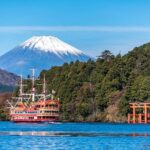
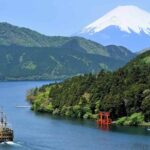
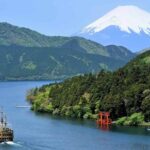
Hakone can feel like a movie set, in real time. What makes this private tour work is that you’re not stuck with a rigid bus checklist—you choose 3 to 4 stops, and a licensed guide helps stitch them into a smooth day using local transit or taxis. I especially like two parts: the sulfur heat at Owakudani paired with the famous black boiled eggs, and the way the day connects Mt. Fuji views at Lake Ashi to a calm, spiritual moment at the torii gate by Kuzuryu Shrine.
The main consideration is that this is a walking day tour in a mountainous area, and it’s not a great match if your mobility is limited. Also, since lunch and entrance fees aren’t included, you’ll want to plan for extra spending once you pick your sites.
In This Review
- Key highlights to zero in on
- Why Hakone feels different with a licensed guide
- Price and what $171 really buys you
- The 6–8 hour flow: Owakudani, ropeway, Lake Ashi, and your chosen add-ons
- The backbone you can expect
- The flexible part
- Owakudani: the volcano heat you can feel, plus the black boiled egg ritual
- Hakone Ropeway to Lake Ashinoko: best views, easier than you think
- Lake Ashinoko and the Kuzuryu Shrine torii gate by boat
- Hakone’s town side: shrines, gardens, and art museums that you actually choose
- Shrines and temple moments
- Gardens and park walking
- Art museums (choose your “flavor”)
- How to pick your 3–4 stops without exhausting yourself
- Transport, meeting point, and the practical stuff that saves your day
- Guide quality: planning that keeps the day from falling apart
- Who this Hakone private tour is best for
- Should you book this Hakone private tour?
- FAQ
- How long is the Hakone private tour?
- What sites can I choose from?
- What is included in the price?
- Are transportation and entrance fees included?
- Is a private vehicle included?
- Where does pickup happen?
- Is this tour wheelchair accessible?
Key highlights to zero in on
- Owakudani heat + black boiled eggs: smell the sulfur, feel the volcanic atmosphere, then try the mineral-fueled egg tradition
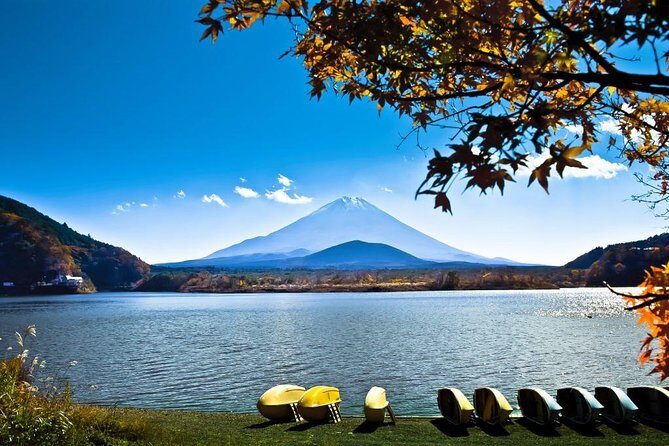
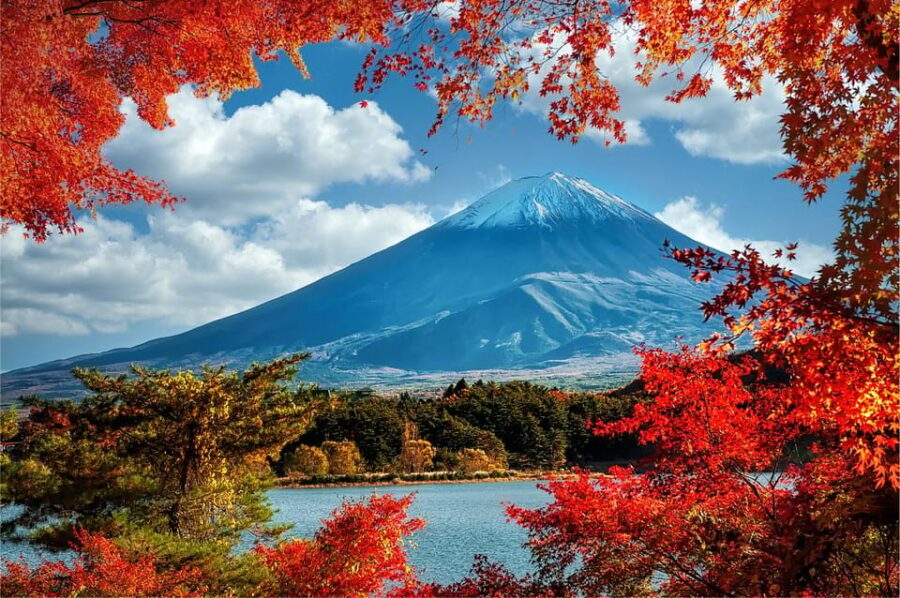
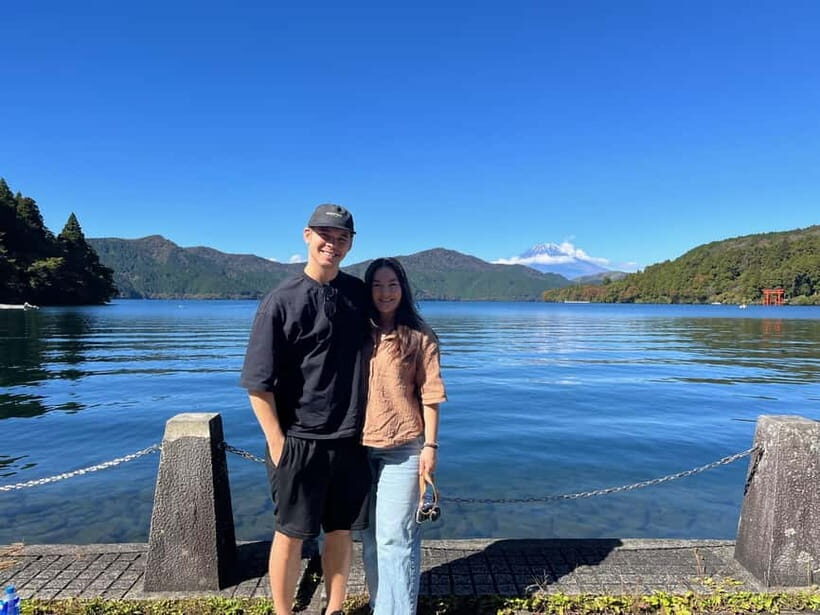
- Hakone Ropeway to Lake Ashinoko: an easy visual payoff with big views over the lake and toward Mt. Fuji
- Boat to Kuzuryu Shrine torii: a quiet stop that adds meaning beyond the scenery
- Pick 3–4 sites from a real menu: museums, shrines, gardens, parks, and art spaces built into one flexible plan
- Licensed, English-speaking guide: private pacing and practical know-how, including help when timing gets messy
Why Hakone feels different with a licensed guide
Hakone is the kind of place where getting your bearings matters. Trains and buses run, sure—but the fun comes from selecting what fits your interests and timing, especially when weather can shift Mt. Fuji visibility and when the day involves multiple hops.
With this tour, you’re guided by a government-licensed local English speaker (Japanese also available). That matters because Hakone has layers: volcanic activity feeding hot spring culture, regional shrine traditions, and modern art museums that pull people in from Tokyo. A good guide turns it from places-you-see into a place-you-understand.
I also like that the planning isn’t theoretical. You communicate what you want after booking, and your guide builds the order around those 3 to 4 chosen stops. In practice, this is the difference between rushing through a museum you barely care about and spending your energy where it counts—like trading steps for views from the ropeway or taking time around Lake Ashi.
Other Hakone tours with a government-licensed guide
Price and what $171 really buys you
At $171 per person for a 6–8 hour private tour, the price looks “premium” on paper. The value comes from three things:
First, you’re paying for a tailored routing decision. Hakone’s best experience depends on sequencing—what you pair with Owakudani, what you pair with Lake Ashi, and what you pair with art or gardens. A flexible plan saves time and avoids backtracking.
Second, you get a guide who can handle real-world timing. In past experiences with guides like Kate and Yumi, a big strength has been keeping things moving even when the day throws you a delay. That’s not just nice; it prevents the private-tour version of “why are we standing around?”
Third, the guide is included for the sites in the tour’s main stop list. Entrance fees and lunch still cost extra, but you’re not paying your guide to stand and watch you figure it out. You’re paying for a smoother, smarter day—especially helpful in a region that’s mountainous and spread out.
The 6–8 hour flow: Owakudani, ropeway, Lake Ashi, and your chosen add-ons
Think of this tour as a backbone plus options.
The backbone you can expect
Your day centers on:
- Owakudani Valley for the volcano sulfur atmosphere and the black boiled eggs
- Hakone Ropeway down toward Lake Ashinoko
- A boat ride across the lake to the Kuzuryu Shrine torii gate
The flexible part
Then you choose 3 to 4 sites total from the provided list. Depending on what you select, your day can tilt toward art museums, shrines, gardens, or scenery viewpoints.
Because it’s private and walking-based, you’ll move between stops using public transportation or local taxis (transport costs are discussed with your guide after booking). You should also plan for Japanese yen since that’s how local transit and incidental stops typically get handled.
A realistic tip: ask your guide early about the order. Even without exact timestamps, a good route helps you avoid dead time between long viewpoints and indoor museum stops.
Other guided tours in Hakone

Owakudani: the volcano heat you can feel, plus the black boiled egg ritual
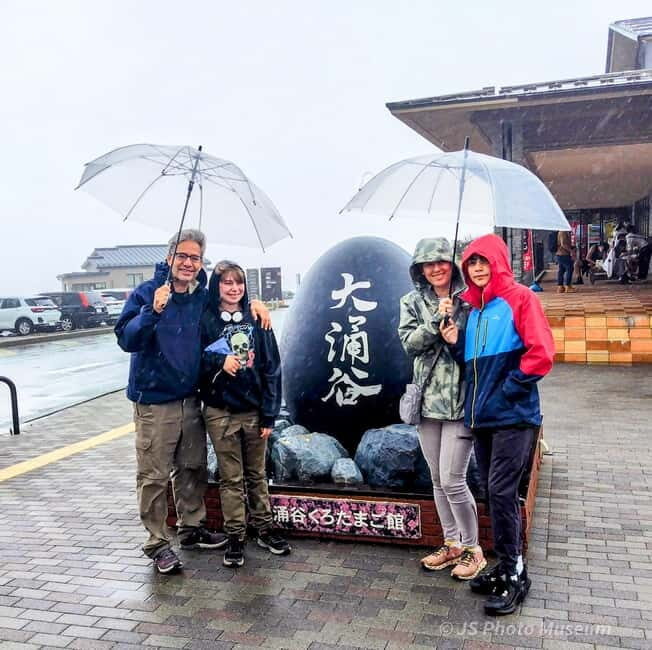
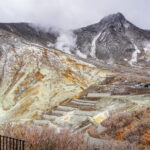
Owakudani is the “okay, this is real” stop in Hakone. The area releases sulfurous volcanic gas, and you can feel the heat in the air around the valley. It’s not dramatic in a theme-park way—it’s more like standing close to the engine room of hot spring culture.
Then comes the star snack: black boiled eggs. They’re turned black and infused with minerals from the spring (the mineral story is the point here). Eating one is a small ritual, and it makes the science feel personal.
Two practical notes:
- Wear comfortable shoes. This is a walking stop with terrain that can feel uneven.
- Expect strong smells. If you’ve never been near active sulfur vents, you’ll notice it right away.
Hakone Ropeway to Lake Ashinoko: best views, easier than you think
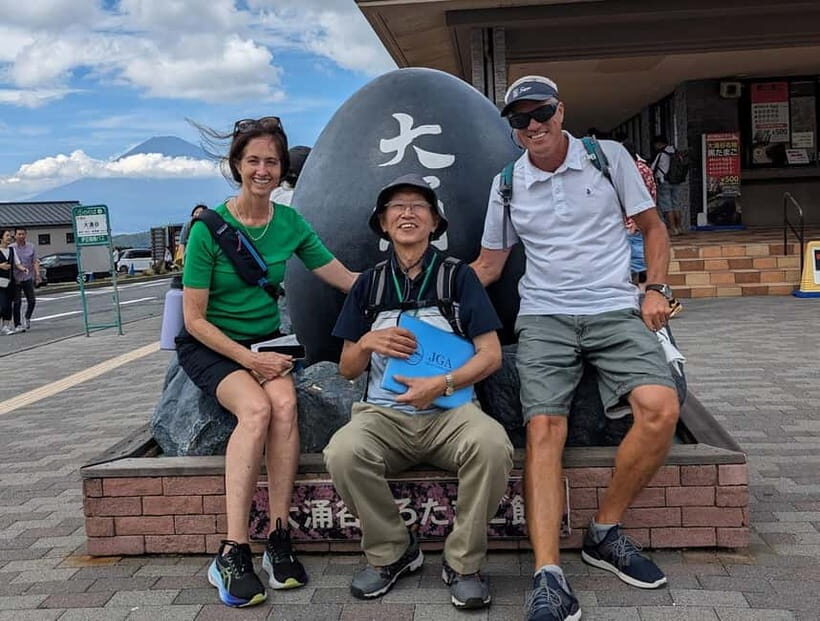
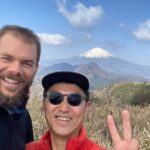
After Owakudani, the ropeway gives you one of Hakone’s most efficient sight windows: you trade walking uphill or around for aerial perspective. From the ropeway, you’re set up to appreciate the lake setting and, when conditions cooperate, Mt. Fuji views.
A quick reality check: Fuji is not always guaranteed. Fog, cloud cover, and timing all affect what you see. But the ropeway is still worth it because it frames the lake and valley in a way that’s hard to replicate from ground level.
This is also a good moment to take a breather. The tour is a walking day, so the ropeway acts like a reset button—less effort, more payoff.
Lake Ashinoko and the Kuzuryu Shrine torii gate by boat
Lake Ashinoko is where the pace slows down—until you remember you’re on a volcano day, which is kind of the whole point of Hakone.
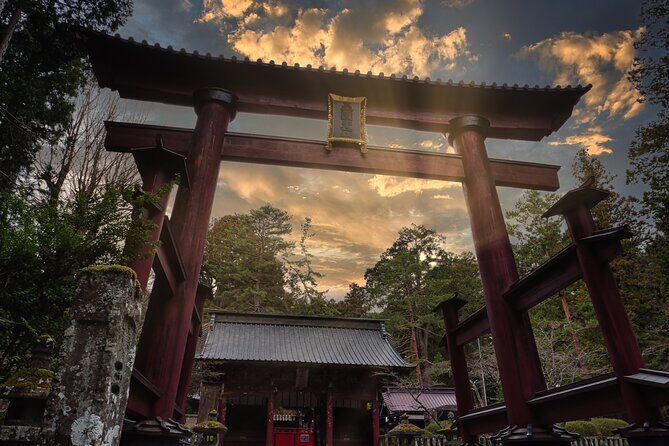
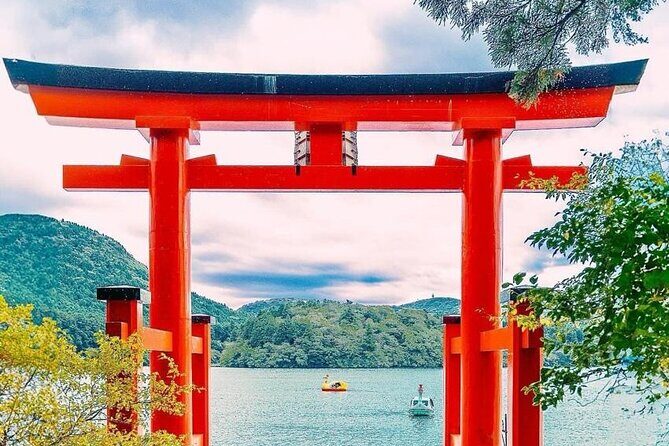
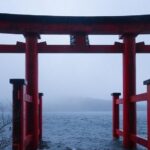
You’ll sail across the lake to reach the Torii gate by Kuzuryu Shrine, tied to a nine-headed dragon deity. This stop is less about photo bingo and more about atmosphere. There’s a feeling of quiet that you usually don’t get on crowded land routes.
If you like culture woven into scenery, this is the moment. The torii at the waterline gives you a strong visual, and the shrine context turns it from “pretty landmark” into “local meaning.”
One caution: boat timing and weather can affect comfort. Bring a light layer if it’s breezy on the water.
Hakone’s town side: shrines, gardens, and art museums that you actually choose
Hakone can be high-energy if you treat it like a checklist. This tour keeps it sane by letting you swap in one of several museum and culture options depending on your mood.
Here’s how the different add-on types tend to land:
Shrines and temple moments
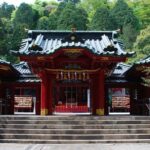
- Hakone Shrine and Choanji Temple give you the religious and historical texture that makes Hakone more than scenery.
- If you prefer meaning over spectacle, these are strong picks. You’ll spend time slowing down and reading the place instead of racing past it.
Gardens and park walking
- Hakone Shisseikaen and Gora Park are a good choice when you want legs, air, and seasonal beauty.
- They pair well with museum stops because the day alternates between indoor and outdoor.
Art museums (choose your “flavor”)
If you’re art-inclined, Hakone is set up for it. Options include:
- Hakone Open-Air Museum (best when you like outdoor sculpture and open space)
- Hakone Museum of Art and Narukawa Art Museum (solid if you want a more indoor, curated feel)
- Pola Museum of Art and Okada Museum of Art (great choices if you want to slow down and focus on one collection style)
- Hakone Venetian Glass Museum (good if you’re into craft and glasswork)
- Dollhouse Museum Hakone (for something playful and very specific)
I like that this isn’t “you go to a museum because it’s on the list.” You select what you genuinely want, which is a big deal in Hakone where time can vanish fast.
How to pick your 3–4 stops without exhausting yourself

Because you’re limited to 3–4 sites, your selections should protect your energy. A smart mix often looks like:
- One signature natural/volcanic stop (Owakudani)
- One big-view stop (ropeway and/or Lake Ashi)
- One culture stop (Hakone Shrine or Choanji Temple or the Kuzuryu Shrine area)
- One “interest-driven” stop (museum or garden)
If you pick all museums, your feet may pay the price in transfers and waiting. If you pick all scenery, you might miss the art side that makes Hakone distinct.
Also think about season and weather. On cloudy days, it can be harder to see Mt. Fuji clearly from Lake Ashi, but museums still work, and the shrine boat stop still delivers a calm, meaningful break.
If you want a smooth day, tell your guide what you care about most: views, history, art, or a lighter walking pace. That’s exactly the kind of tailoring that makes private tours worth it.
Transport, meeting point, and the practical stuff that saves your day
This tour is structured as a walking day tour with transfers using public transportation or local taxis. There’s no private vehicle included.
A few logistics points that matter:
- Meet-up / pickup area is limited: pickup is available within a 10 km radius of Hakone-Yumoto Station.
- Your guide meets you on foot within a designated Hakone area, and you’ll either walk between stops or take local transport.
- Have Japanese yen on hand for transport costs.
- If you want a private vehicle, it’s possible but must be booked at least 5 days in advance. The tour group size is capped (up to 7 passengers for private vehicles).
Also, this is a private group setup, so you can’t combine multiple tour groups. That’s good if you value quiet pacing and a guide who can keep the day on your schedule.
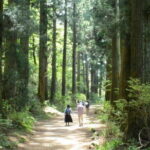
And yes: pack comfortable shoes and weather-appropriate clothing. Hakone’s mountainous terrain means you’re walking more than you might expect.
Guide quality: planning that keeps the day from falling apart
The best thing about private guiding isn’t just friendliness. It’s problem-solving.
In examples from guides like Kate and Yumi, the strong theme is proactive planning and calm adjustments. One guide-style detail I appreciate: when things get delayed, the guide finds an alternative route back and keeps the tour flow intact. That kind of flexibility is what prevents the day from turning into a logistics puzzle.
Another thing I like: guides tend to share cultural context, not just directions. You’ll learn how Hakone’s volcanic activity ties into daily life, hot spring culture, and local shrine meaning—so the egg, the ropeway, and the torii each land with a reason behind them.
If you want to get more out of the day, don’t be shy about asking questions while you walk. With a private guide, you control how deep the conversations go.
Who this Hakone private tour is best for
This tour fits best if you:
- Want private pacing instead of lining up with strangers
- Like mixing natural sights with culture and art
- Appreciate a guide who can tailor the day to your interests (and adjust when transit is off)
It also suits couples and small groups who want to avoid the “everyone slows the group down” effect. Since it’s private, your guide can focus on your selected rhythm.
Two fit notes:
- It’s not suitable for people with mobility impairments, even though it’s labeled wheelchair accessible in the activity details. If that applies to you, confirm your specific route and walking demands with the provider before booking.
- If you hate walking, this may feel like a lot. Hakone is mountainous, and the day includes multiple transit hops and walking around viewpoints and facilities.
Should you book this Hakone private tour?
If you’re weighing a DIY day versus a guided one, I’d book this when you want the best of Hakone without turning it into a transport stress test. The combination of Owakudani’s volcanic atmosphere, ropeway-to-lake views, and the Kuzuryu Shrine torii by boat, plus the ability to pick museums or gardens, gives you a full-feeling day.
I would hesitate if you want a low-walking outing or if you’re on a tight budget for add-ons. Entrance fees and lunch aren’t included, and the day’s value hinges on choosing stops that match your interests.
FAQ
How long is the Hakone private tour?
It runs about 6 to 8 hours. Starting times depend on availability.
What sites can I choose from?
You can choose 3 to 4 sites from the options listed in What to Expect, including Lake Ashinoko, Hakone Shrine, Hakone Ropeway, Owaku-dani Valley, and several art museums (like Pola Museum of Art and Hakone Open-Air Museum), plus other cultural stops such as Choanji Temple and Hakone Shisseikaen.
What is included in the price?
Included items are a licensed local English-speaking guide, a meet-up with the guide within the designated Hakone area, and a customizable tour of your chosen 3–4 sites.
Are transportation and entrance fees included?
No. Transportation fees, entrance fees, and lunch are not included, along with other personal expenses. You should have Japanese yen for local transport costs.
Is a private vehicle included?
No private vehicle is included. You’ll use public transportation or local taxis unless you arrange a private vehicle separately (private vehicles must be booked 5 days in advance).
Where does pickup happen?
Pickup is limited to locations within a 10 km radius of Hakone-Yumoto Station. Your guide waits in the hotel lobby or train station area you request, about 10 minutes before the scheduled pickup time.
Is this tour wheelchair accessible?
The activity information says wheelchair accessible, but it also states it is not suitable for people with mobility impairments due to the walking day format in a mountainous area. If mobility is a concern, confirm your route details with the provider before booking.