REVIEW · HAKONE
Private Hakone Half-day Car Tour with Hotel Pickup – Local Guide
Book on Viator →Operated by Sunny tours Japan · Bookable on Viator
Hakone is best seen with a car and a plan. This private half-day tour shines because your guide builds the itinerary on the spot—based on weather, season, and your interests—instead of forcing a fixed checklist. I like the convenience of hotel pickup plus an English-speaking local guide who knows how to stitch together the best stops efficiently in about 4–5 hours. The one drawback to keep in mind: Hakone is spread out, so you’ll usually see 3–4 locations rather than everything on your dream list.
The payoff is that you get a smooth rhythm—short visits, scenic driving, and time to experience each place at your pace. With an air-conditioned vehicle, parking fees covered, and WiFi on board, it’s built for comfort on winding mountain roads. If the weather is bad, the tour can also be adjusted or canceled, so be ready for a plan B.
In This Review
- Key highlights at a glance
- Private Hakone in One Car: Why This Half-Day Format Works
- Route Building With Your Guide: What Customization Actually Means
- Price and Value: What You’re Paying For (and When It’s Worth It)
- The Big Hakone Hits You Can Expect (and How Each Stop Feels)
- Hakone Shrine on Lake Ashi: A calm start with instant atmosphere
- Owakudani volcanic valley: Otherworldly steam in minutes
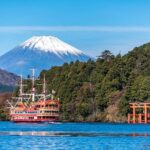
- Lake Ashi: The Fuji-view chance you plan around
- Ōkanzan Observatory (Mt. Taikan): 360-degree views when visibility allows
- Hakone Checkpoint (Hakone Sekisho) and museum: Edo-era history in a quick dose
- Old Tōkaidō Cedar Avenue: A quiet stretch that resets your senses
- Waterfalls: Tamaduru Falls and Hiryu Falls for a power-splash break
- Lake Ashi Skyline: Scenic driving for a “views without extra walking” moment
- Choanji Temple (Senkokuhara Chōan-ji): Famous statues, eerie calm
- Yosegi wood marquetry: Hatajuku yosegi workshop for a hands-on craft moment
- Gōra Brewery Public House: A local drink stop if you want the fun stuff
- Gotemba Kogen Tokinosumika: Resort-style convenience in the mix
- Timing That Feels Right: How a 4–5 Hour Day Stays Comfortable
- Weather and Mount Fuji Reality: Plan Smart, Not Perfect
- Who This Tour Fits Best (and Who Might Prefer Something Else)
- Should You Book This Private Hakone Half-Day Car Tour?
- FAQ
- How long is the Hakone half-day private car tour?
- How many people are in a group?
- What’s included in the price?
- Are attraction tickets included?
- Is free cancellation available?
- What if the weather is poor?
Key highlights at a glance
- Hotel pickup + private group: up to 5 people, so the day moves to your timetable.
- Route built during briefing: your guide proposes the exact mix of shrines, volcano sights, viewpoints, craft stops, and food/drink.
- Iconic Hakone views in short time: Lake Ashi, Ōkanzan Observatory, and scenic drives make the big hits fast.
- Volcanic reality check at Owakudani: active steam, sulfur smells, and the famous black eggs are part of the experience.
- Culture and craft beyond postcards: Hakone Checkpoint, Old Tōkaidō cedar avenue, and yosegi (wood marquetry) fit well into a half day.
- Easy “taste” options: stops like Gōra Brewery Public House and other local refreshment-style visits can be worked in if you want them.
Private Hakone in One Car: Why This Half-Day Format Works
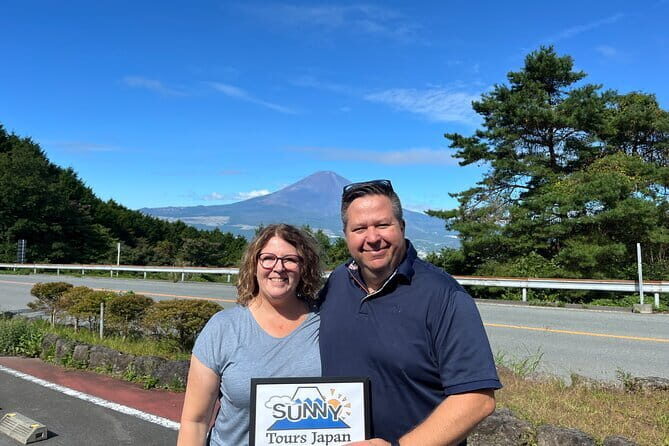
Hakone’s magic is real—but so is the geography. The region is mountainous, sites are scattered, and public transport can mean extra transfers and waiting. This is exactly where a private car tour earns its keep.
You’re not trying to conquer Hakone by sprinting between stations. You’re doing something smarter: letting a local guide decide the driving order, then fitting in short stops that match what you want most—views, history, volcano drama, waterfalls, or a mix.
The best part for planning is the flexibility. The tour isn’t just a “here’s the list.” During pickup, your guide discusses what you care about most (and what the weather will allow) and then proposes a route. That’s why this works equally well for couples on a tight schedule and families with mixed interests.
And because it’s private, your group doesn’t get trapped behind slow walkers or hurried crowds. You also have a quiet advantage: luggage and comfort. One guest story highlighted how helpful it was to have a car big enough to park luggage while exploring, which makes a half-day feel relaxed instead of frantic.
Other guided tours in Hakone
Route Building With Your Guide: What Customization Actually Means
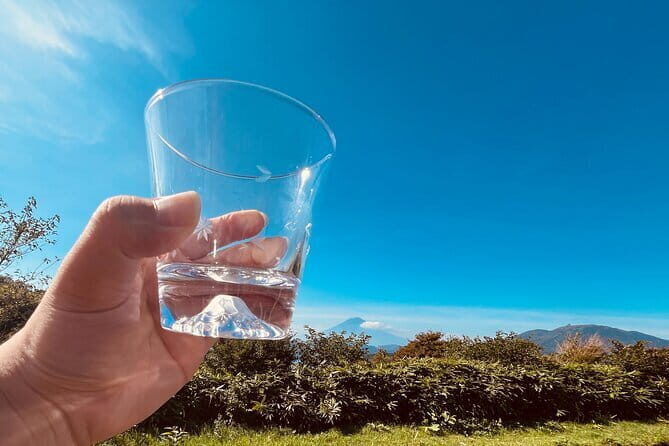
Customization sounds good in marketing. Here, it’s practical. Your guide takes a quick briefing at the pickup point and then shapes the day around:
- Season and weather (especially for Mount Fuji viewing opportunities)
- Your priorities (views vs. power spots vs. food and drink)
- Your starting location (because travel time changes everything)
A key reality: due to time constraints, the tour typically lands on 3–4 locations. That’s not a limitation of the tour—it’s a smart design choice. In Hakone, rushing between too many stops kills the experience. A good guide uses the half-day window to give you a “greatest hits” feel while still letting each stop be worth the stop.
Guides you might encounter include Kumi, Sunny, Sun, Naoki, Daisuke, and Jon/Jonh (names vary by booking). In the accounts tied to this experience, guides stand out for being flexible—adjusting routes when traffic builds, adapting to family groups across ages, and keeping the day moving without feeling like a forced march.
Price and Value: What You’re Paying For (and When It’s Worth It)
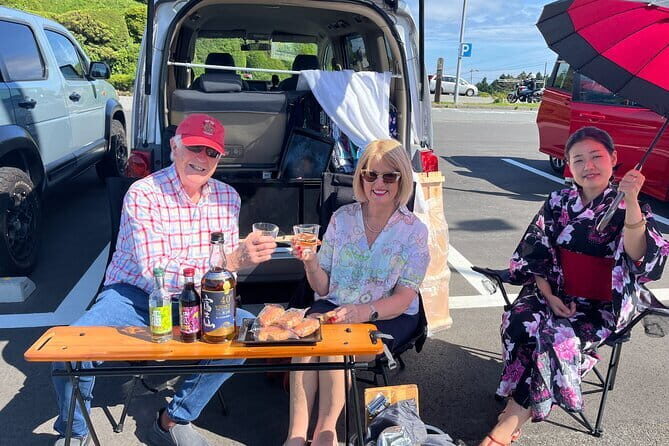
At $277.42 per group (up to 5 people) for about 4–5 hours, the pricing can look high if you compare it to a single train ticket. But you’re paying for something different: private transport, an English-speaking local guide, pickup convenience, and parking handled.
Here’s the value math that usually matters:
- For one or two people, it can feel pricey, because you’re essentially buying the whole car.
- For a family of 4–5, the cost per person drops quickly, and you’re often getting a much more efficient route than you could assemble yourself.
- If you’re trying to cover Hakone’s spread-out sights in one morning or afternoon, a private guide often saves more time than you expect—time that’s otherwise spent waiting, transferring, and backtracking.
Also worth noting: tickets for specific attractions are not included. That doesn’t automatically make it bad value—it just means you may need to plan for a couple paid entries if your guide includes them (for example, the Hakone Checkpoint museum area).
In plain terms: this tour is a good value when your schedule is tight, your group is small-to-medium, and you want the region’s highlights without stress.
The Big Hakone Hits You Can Expect (and How Each Stop Feels)
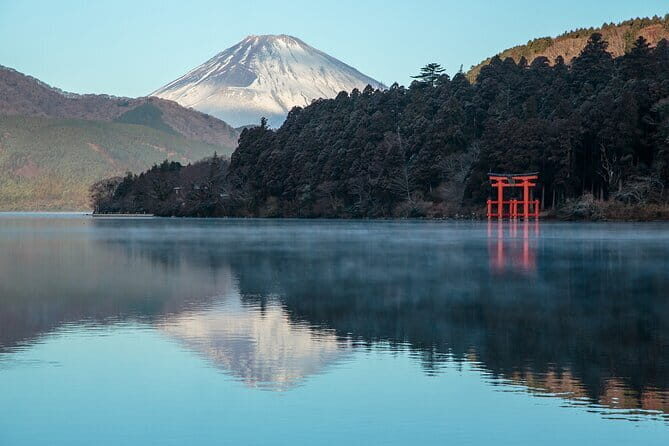
Your guide may not hit every listed spot. Think of the itinerary as a menu, not a single script. Here’s what each major type of stop offers, plus the tradeoffs to know before you arrive.
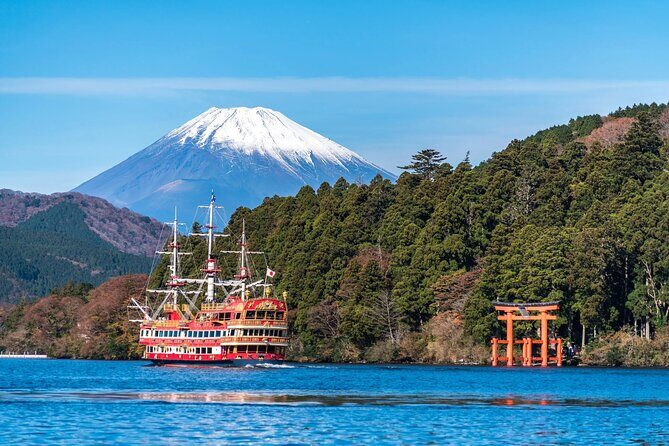
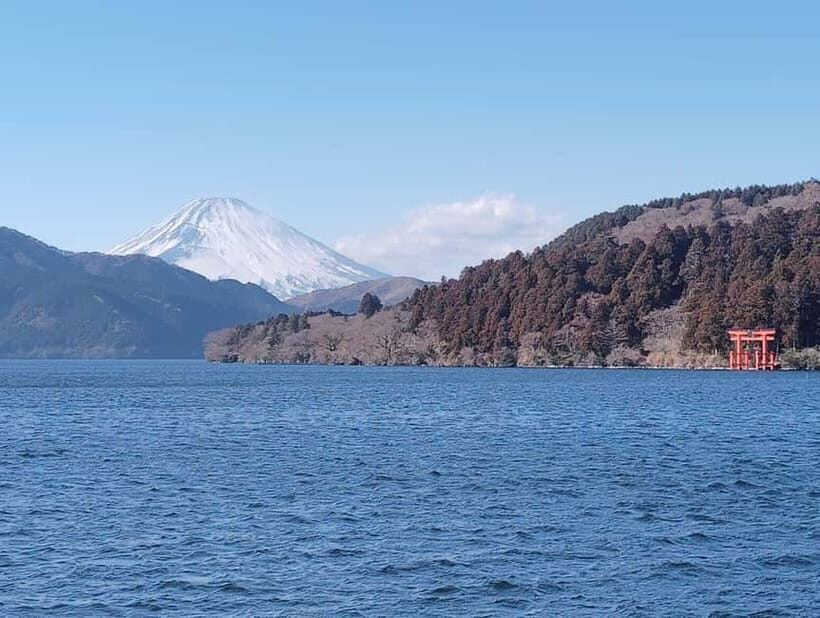
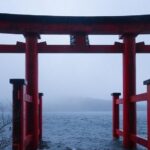
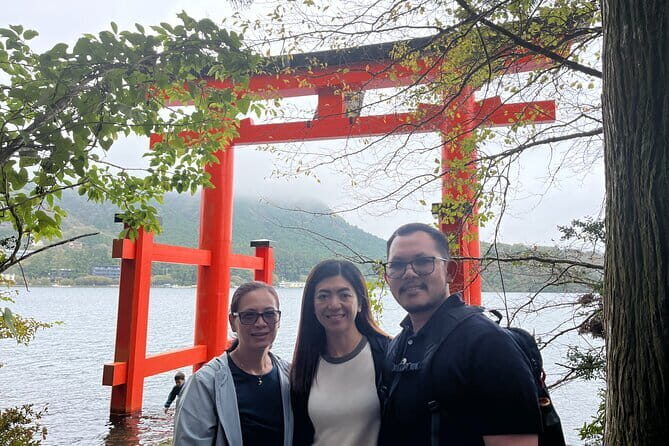
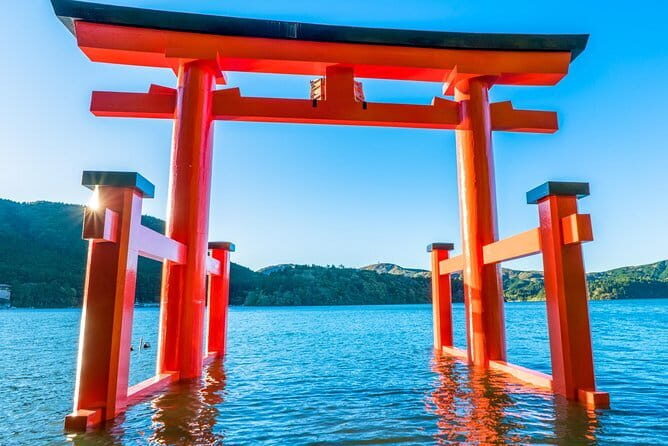
Hakone Shrine on Lake Ashi: A calm start with instant atmosphere
Hakone Shrine sits by Lake Ashi and brings a strong sense of place right away. If your day includes viewpoints and volcano sights, starting here helps you ease into the scenery rather than jumping straight into steam and sulfur.
Admission is listed as free. The time is short, so your guide will likely time it for good light and minimal waiting.
Potential drawback: if fog rolls in or visibility is low, the shrine still feels meaningful, but the surrounding drama of Lake Ashi views (and Mount Fuji glimpses) may be muted.
Other private tours in Hakone

Owakudani volcanic valley: Otherworldly steam in minutes
If you want Hakone’s “wow” factor fast, Owakudani delivers. The area is accessible via the ropeway and is an active volcanic valley still emitting steam. Expect the sulfur smell and a landscape that looks slightly unreal.
Admission is listed as free in the tour notes. The itinerary includes it as a short stop, which is useful—because this is one of those places you can enjoy without turning your half-day into a long hike.
A consideration: volcanic areas can be windy or uncomfortable depending on the day. You may want layers even in warmer months.
Lake Ashi: The Fuji-view chance you plan around
Lake Ashi is the iconic Hakone postcard spot, and it’s also practical: it connects scenery, history, and sightseeing all in one pocket.
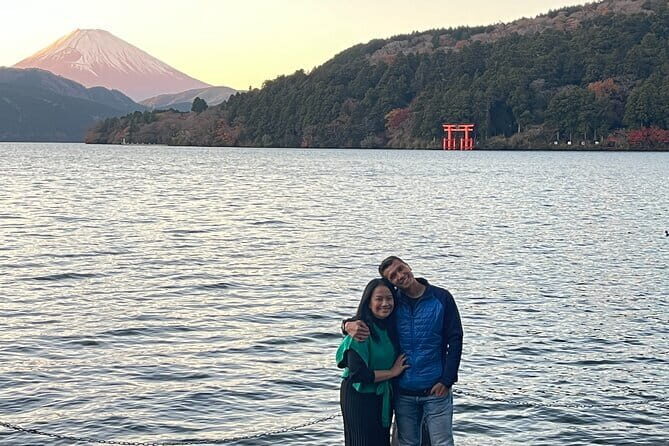
This tour notes a sightseeing cruise concept as part of the Lake Ashi experience. If you’re counting on Mount Fuji views, this is one of the best places to try—yet it’s also one of the most weather-dependent.
When the sky cooperates, it’s a highlight. When it doesn’t, the lake still looks good, but the dream Fuji moment may not happen.
Ōkanzan Observatory (Mt. Taikan): 360-degree views when visibility allows
Ōkanzan Observatory is where the region opens up. You get a 360-degree panoramic view of Hakone’s scenery, including Lake Ashi and the mountains around it.
Admission is listed as free, which is great for value. The short time on the schedule is also smart: you can take in the view, snap photos, and still keep momentum for the rest of your half-day.
Weather matters here too. Low clouds can soften the “panorama” effect, so your guide will usually time this stop based on what the day is doing.
Hakone Checkpoint (Hakone Sekisho) and museum: Edo-era history in a quick dose
The Hakone Checkpoint was significant along the Tōkaidō road during the Edo period. It’s a straightforward way to add history without committing to a full museum day.
The tour notes admission is not included for this museum stop. It’s also listed as a short time slot, which suggests you’ll get an overview rather than a deep dive.
If your group loves history, this can be a satisfying stop. If you prefer scenery over interpretation, you might consider using that time elsewhere.
Old Tōkaidō Cedar Avenue: A quiet stretch that resets your senses
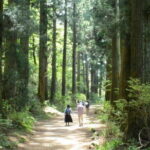
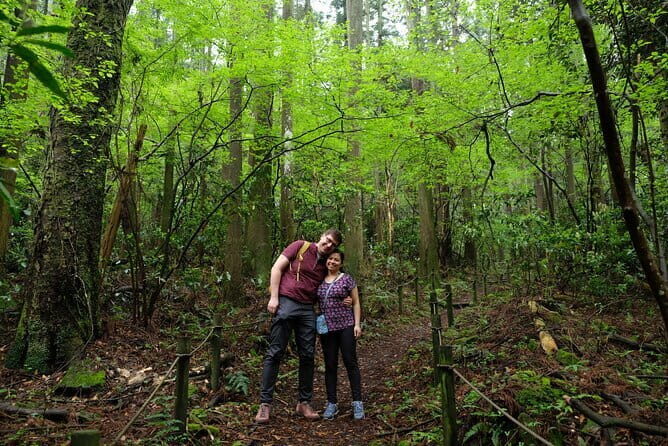
The cedar avenue lining the Old Tōkaidō road is a different kind of Hakone. It’s less dramatic than Owakudani and more soothing than a viewpoint. The towering trees create a calm, almost spa-like feel—like stepping into a cooler, shaded pocket.
Admission is free. This stop pairs well with a day that includes steam, sulfur, and lots of open-air scenery.
Tradeoff: it’s not a “wow in one second” place for everyone. If your group mainly wants dramatic views, you’ll want your guide to balance this with at least one major lookout.
Waterfalls: Tamaduru Falls and Hiryu Falls for a power-splash break
The tour includes Tamaduru Falls and Hiryu Falls—two waterfall stops chosen for their reputation. Hakone has many waterfalls, but these are the ones built into this half-day plan.
Admission is listed as free. Waterfalls give you variety: moving water sounds, cool air, and a different kind of scenery than lakes and volcano steam.
A practical note: you may want footwear that handles wet ground and uneven surfaces.
Lake Ashi Skyline: Scenic driving for a “views without extra walking” moment
The itinerary includes a Lake Ashi Skyline scenic driving course. In a half-day tour, that matters. You get broad views from the car without turning the day into a long walking tour.
If you like photos, this is a good segment to ask your guide for short pull-over moments when safe and allowed.
Choanji Temple (Senkokuhara Chōan-ji): Famous statues, eerie calm
Chōan-ji Temple is noted as one of Hakone’s most famous temple sites, founded during the Kamakura period. What stands out is the atmosphere and the fact that it’s known for having over 200 statues of followers.
Admission is free in the tour notes. The time slot is short, but even a quick visit works because the place is visually distinctive.
Weather can affect how you feel inside the temple grounds. If it’s foggy or drizzly, it can actually make the mood feel stronger.
Yosegi wood marquetry: Hatajuku yosegi workshop for a hands-on craft moment
One of my favorite categories for Hakone is craft. This tour includes Hatajuku Yosegi Kaikan and a yosegi workshop tradition—wood marquetry passed down through generations.
Admission is listed as free. This is the kind of stop that can be worth more than a quick souvenir shop because you’re seeing how the craft is made.
If your group loves making something or learning how art is produced, ask your guide about what’s realistically possible within the time.
Gōra Brewery Public House: A local drink stop if you want the fun stuff
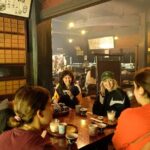
The itinerary includes Gōra Brewery Public House, described as a cozy wooden interior spot for craft beer made using local ingredients.
Admission is listed as free. Of course, drinks themselves cost extra if you order them—this tour only covers the visit time, not the tasting bill.
This stop is ideal if your group wants one “grown-up” moment during the day, especially after steam and walking.
Gotemba Kogen Tokinosumika: Resort-style convenience in the mix
The itinerary also mentions Tokinosumika, a resort facility in the natural beauty of Hakone with amenities like hot springs and shops.
Admission is free in the tour notes, but it’s still a “place visit” slot. If your guide includes it, it’s often to give you an easy, comfortable break with options.
If your group specifically wants hot springs, you might need to verify what’s actually available in the schedule window, since no specific admission/ticket details are included.
Timing That Feels Right: How a 4–5 Hour Day Stays Comfortable
The biggest practical win is the pacing. The itinerary items are slotted in around 10 minutes each for many stops, with the understanding that you won’t see all locations in one go.
That structure usually means:
- Short, efficient viewing time
- Room to walk a little, take photos, and reset
- Less pressure to keep moving every minute
If you’re someone who hates feeling rushed, you’ll probably like this format. Guides like Kumi and Naoki are repeatedly described as adjusting pace and route so the day feels smooth, even when things change (like traffic).
Tip for your own day: when your guide asks what you want most, don’t be shy about saying what you want less of. If you know you’re more into views than history, lead with that early. The tour is designed to respond to it.
Weather and Mount Fuji Reality: Plan Smart, Not Perfect
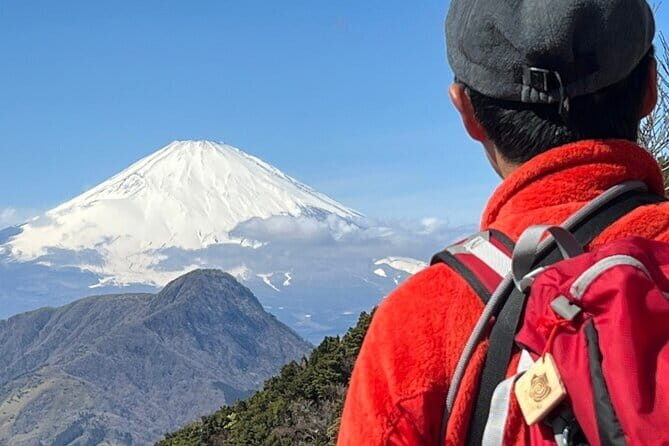
Hakone is dramatic on a clear day. But it’s also honest—clouds can show up fast. The tour data specifically notes that this experience requires good weather, and if it’s canceled due to poor weather you’ll be offered a different date or a full refund.
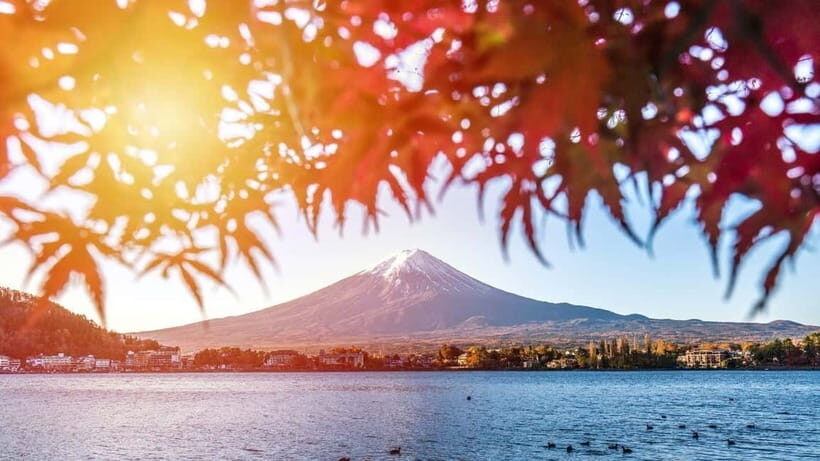
So here’s the mindset that helps: treat Mount Fuji as a bonus, not the main deal. Even without Fuji, the volcanic landscape, Lake Ashi, and temple atmosphere still feel like Hakone. And if visibility improves later, your guide can sometimes adjust the sequence to increase your odds.
Who This Tour Fits Best (and Who Might Prefer Something Else)
This is a strong match if:
- You want an efficient half-day overview of Hakone
- Your group includes people with different interests (views, history, craft, food)
- You’d rather not wrestle with local transit schedules and transfers
- You value a guide who can respond when the day shifts (traffic, fog, rain)
It might be less ideal if:
- You’re traveling solo on a tight budget and don’t care much about customization
- You want a slow, deep exploration of just one site (this is built to cover multiple highlights)
- You’re determined to do every single paid ticket attraction in one half-day window
Should You Book This Private Hakone Half-Day Car Tour?
I’d book it if your goal is to get the Hakone highlights in a short window without the stress of timing buses and taxis. The big selling point is the guide-built route: you’re not trapped in a fixed schedule, and you can shape the day around what you personally care about—steam and sulfur, Lake Ashi views, Edo-era stops, waterfalls, temple mood, or craft and beer.
I’d pause and compare alternatives if you’re only interested in one or two places and you’re comfortable doing it by public transit. In that case, the private car cost might feel unnecessary.
If you can go with flexible expectations for weather (especially for Mount Fuji), this tour is one of the more practical ways to experience Hakone’s variety in just half a day.
FAQ
How long is the Hakone half-day private car tour?
The tour runs about 4 to 5 hours.
How many people are in a group?
It’s a private tour for only your group, up to 5 people.
What’s included in the price?
Included are an English-speaking local guide/driver, an air-conditioned vehicle, parking fees, and WiFi on board. Hotel pickup is offered.
Are attraction tickets included?
No. Any activity tickets are not included (for example, the Hakone Checkpoint museum admission is listed as not included).
Is free cancellation available?
Yes. You can cancel up to 24 hours in advance for a full refund.
What if the weather is poor?
The experience requires good weather. If it’s canceled due to poor weather, you’ll be offered a different date or a full refund.