REVIEW · HAKONE
Hike Hakone Hachiri
Book on Viator →Operated by Walk Hakone Hachiri · Bookable on Viator
A hike through old highways beats sightseeing photos. I like that this day tour strings together real stops along the Tokaido Highway with a guide like Tony to translate the story as you walk. You get small-group pacing instead of a rush.
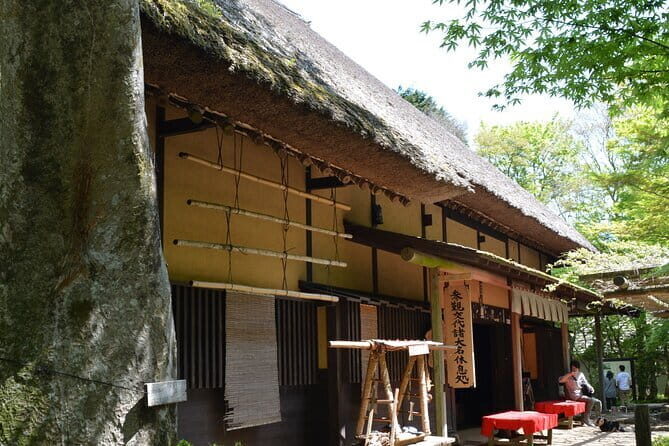
You’ll also enjoy the chance to meet the human side of tradition at Hakone Amazake Chaya, run by 13th generation manager Mr Yamamoto. Watching how a family keeps an old teahouse going makes the route feel personal, not just historical, and it’s a rare tea-house visit.
One thing to plan for: the hike can be a bit rocky and weather-sensitive, so you’ll want sturdy, comfortable shoes and a rain-ready mindset.
In This Review
- Key highlights at a glance
- What this Hakone Hachiri hike is really about
- Meet-up and pacing: a full 9-hour day, starting at Mishima Station
- Stop 1: Hakone Amazake Tea House and Mr. Yamamoto’s 13th-generation story
- Stop 2: Lake Ashinoko and lunch by the water with red tori
- Stop 3: Cedar Avenue (Hakone Old Road) and why Tokugawa Hidetada planted trees
- Stop 4: Hakone Sekisho and the checkpoint logic of the Tokaido
- Stop 5: Yamanaka Castle Ruins and the Mt. Fuji question
- Stop 6: The 12 km Tokaido stretch between Odawara and Mishima
- Stop 7: Mishima’s Genbegawa World Water Heritage Area
- Price and value: $231.18 for a guided heritage hike that’s actually paced
- Weather and clothing: how to avoid a day-ending problem
- Who should book this hike
- Quick tips before you go
- Should you book Hike Hakone Hachiri?
- FAQ
- How long is the Hike Hakone Hachiri tour?
- Where does the tour start and end?
- Is lunch included?
- What’s included in the price?
- What fitness level do I need?
- What happens if the weather is bad?
Key highlights at a glance
- 13th generation amazake tea-house stop at Hakone Amazake Chaya
- Lake Ashinoko lunch by the water, with dramatic red tori gates in the lake
- Cedar Avenue shading from centuries-old sugi planted along the old Tokaido
- Hakone Sekisho checkpoint with context from the museum and nearby site
- Yamanaka Castle Ruins viewpoint, with Mt. Fuji possible when weather cooperates
- A long stretch of preserved Tokaido hiking (about 12 km) plus Genbegawa water heritage
What this Hakone Hachiri hike is really about
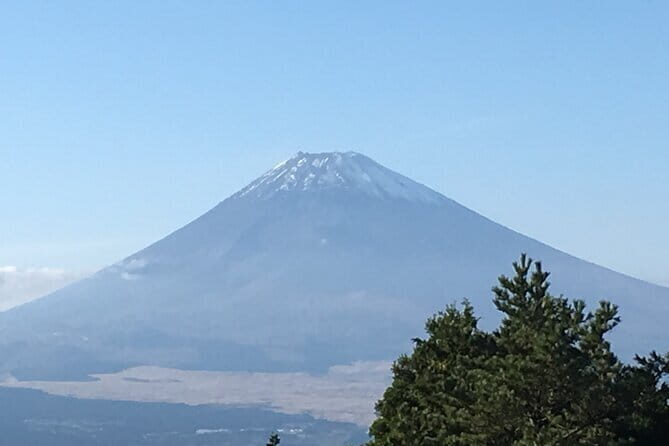
This isn’t a random walk around Hakone. You’re hiking a section of the old Tokaido Highway—the historic route that connected Tokyo with former capitals Kyoto and Osaka—along terrain that once mattered to official travel.
What makes it interesting is the way the day is built like a chain. Each stop explains a different layer: daily life at a teahouse, travel by lake, shade from carefully planted cedar, and the government checkpoint system that kept things orderly.
Other Hakone Hachiri and Old Tokaido hiking tours


Meet-up and pacing: a full 9-hour day, starting at Mishima Station
The tour runs about 9 hours, starting at 8:30 am at Mishima Station (16-1 Ichibanchō, Mishima, Shizuoka). It ends back at the same station, so you’re not planning transfers at the end of a long walk.
This is also a private experience for your group only, which tends to help with pacing. The itinerary has short stops (30–60 minutes each) but one big block of hiking (about 5 hours), so you’ll want to treat the day as a hike first, sightseeing second.
Physical level is described as moderate. In practice, that means you should expect a workout and plan for uneven surfaces. One of the best bits of advice from past participants is simple: bring shoes with real traction and comfort that can handle stones.
Stop 1: Hakone Amazake Tea House and Mr. Yamamoto’s 13th-generation story
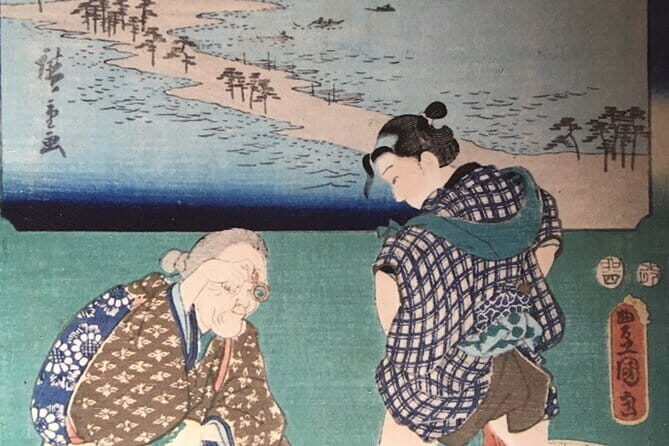
The day opens at Hakone Amazake Tea House, where you step into the world of amazake—a sweet, fermented rice drink that has long been part of Tokaido travel culture.
The standout here is the guide-to-owner connection. You’re not just passing by; you’re learning from Mr Yamamoto, a 13th generation manager, and seeing how the tea house is run by a family that’s preparing for the next generation too. That detail matters because it turns the building into a living place, not a staged photo stop.
Why this stop is worth your time: the tour’s theme is the old highway. Starting with a traditional refreshment spot helps you understand why travelers would have paused here in the first place. It also sets a calm tone before the walking gets serious.
Possible drawback: this is an admission stop, so if you’re hoping for a purely outdoor experience, know you’re spending real time indoors or under the teahouse roof before you hit the trail.
Stop 2: Lake Ashinoko and lunch by the water with red tori
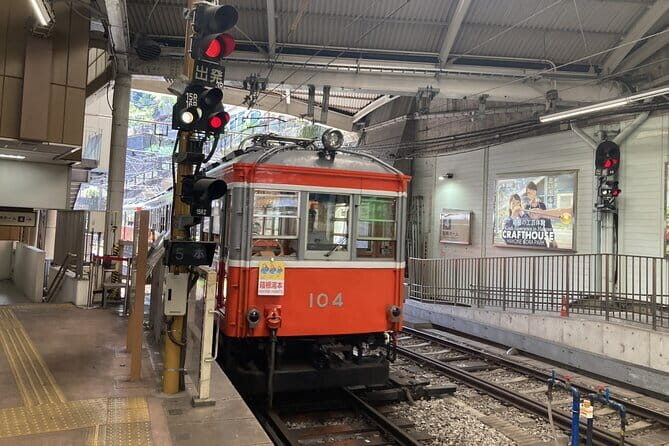
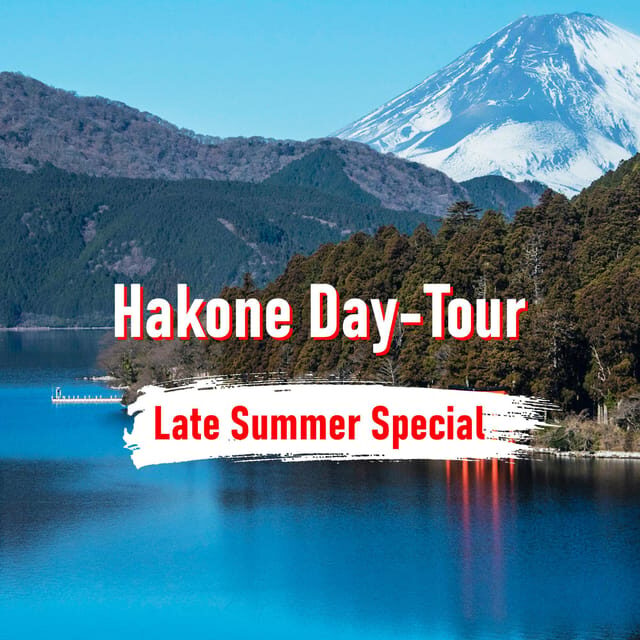
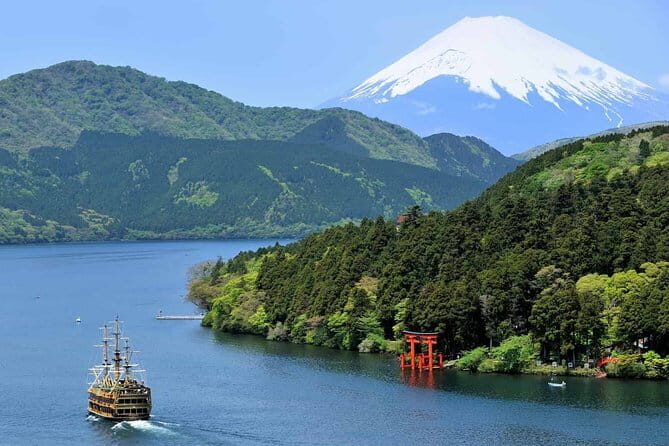
From the teahouse, the itinerary shifts toward scenery and a built-in meal window. You’ll spend about an hour at Lake Ashinoko, described as a 700-meter-deep crater lake.
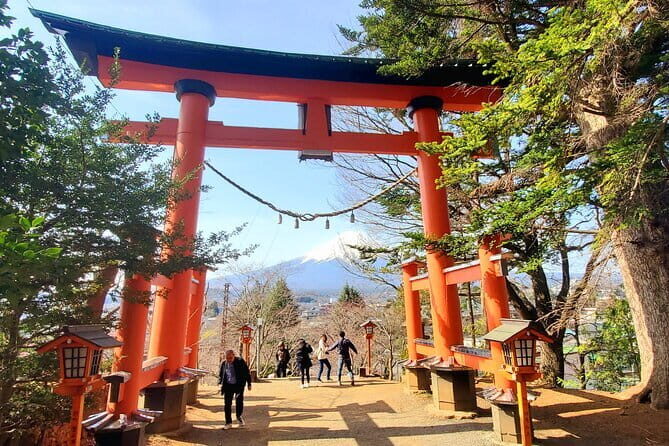
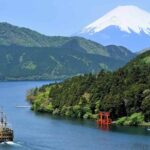
Lunch is by the lake, and the photo moment is the red tori gates sitting in the water. It’s one of those views that looks different depending on weather and light, which means your timing on the day can affect how dramatic it feels.
Important practical note: lunch is not included. So you’re planning your own meal during that hour window, which also gives you flexibility—grab something filling, then use the rest of the time to take in the lake view before continuing.
Why this stop helps the hike: after a tea-house history moment, the lake gives you a visual reset. It’s also a reminder that the old route wasn’t just roads and footpaths; it involved changing landscapes to keep travel moving.
Stop 3: Cedar Avenue (Hakone Old Road) and why Tokugawa Hidetada planted trees
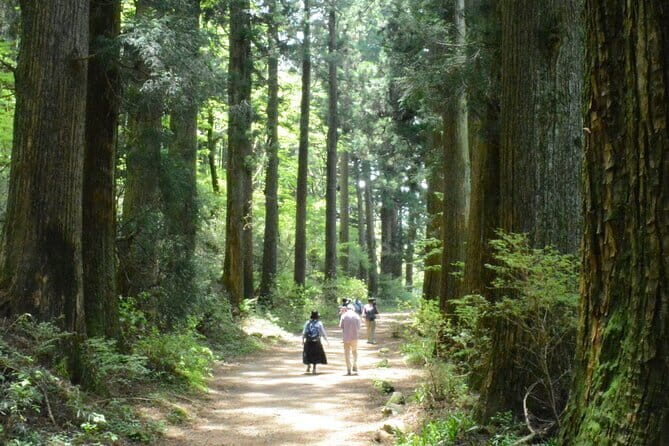
Then you hit one of the most physically pleasant parts of the day: Cedar Avenue. This part of the old Hakone road is lined with Japanese cedar (sugi, or Cryptomeria japonica), with the tour tying it to a specific historical action.
Four centuries ago, the second Edo-period shogun, Tokugawa Hidetada, ordered sugi planted along both sides of the Tokaido to provide shade for travelers. Standing under towering cedar, you feel how practical that order must have been—shade meant less sun strain, and a lined path meant easier wayfinding.
This stop is shorter (about 30 minutes), but the “wow” factor often comes fast. Those trees aren’t just pretty; they’re functional infrastructure from an era when travel was harder than it is today.
What to watch for: cedar shade can be cooler, but it also can mean damp footing if it’s been rainy. If the ground looks slick, go slow on steps and stones.
Other hiking tours in Hakone

Stop 4: Hakone Sekisho and the checkpoint logic of the Tokaido

At Hakone Sekisho and the Hakone Sekisho Museum, the day gets into travel control. The Tokaido had checkpoints at intervals to make sure travelers were legitimate and to help protect the shogun in Edo.
Hakone was the closest checkpoint to Edo, so it was among the most heavily policed. You’ll spend about 30 minutes here, which is enough time to connect the dots between “a road people used” and “a road the government managed.”
Why this stop matters for your hike: it reframes what you’re seeing. Those old stones and path edges aren’t only scenic remnants; they were part of a system that regulated movement.
It’s also the kind of cultural context that makes the rest of the walking click. When you learn why the checkpoint existed, the route feels less like a theme and more like how travel truly worked.
Stop 5: Yamanaka Castle Ruins and the Mt. Fuji question
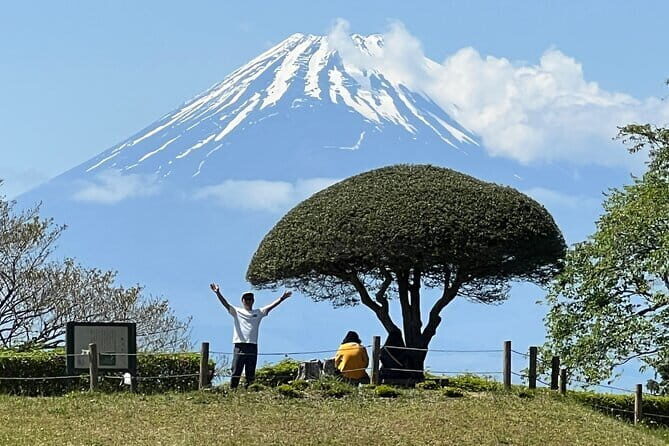
Next is Yamanaka Castle Ruins, with the tour describing the site’s name as castle in the middle of the mountain. Even without structures standing the way they once did, earthworks and defensive layout give you a sense of purpose.
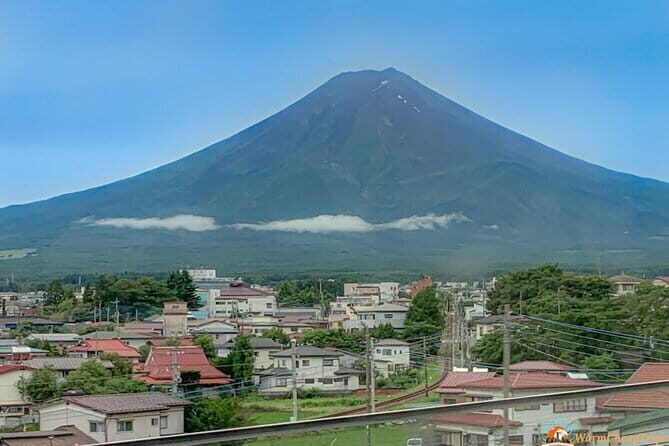
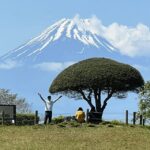
You’ll spend about 30 minutes here, and the big visual bonus is the possibility of Mt. Fuji views—weather permitting. That phrase matters. Fuji sightings aren’t guaranteed, so don’t plan your entire day around it.
Still, this stop pays off because it changes perspective. After walking through built heritage and checkpoints, you get a more strategic view of why this region mattered.
If you want the best odds, keep an eye on cloud cover while you’re near the ruins. When the light clears even briefly, it can be enough for a memorable glimpse.
Stop 6: The 12 km Tokaido stretch between Odawara and Mishima
Now you get the main event: a long hike along a preserved segment of the Old Tokaido Foot Highway between Odawara and Mishima, about 12 km, with around 5 hours allocated for it.
This is where the tour earns its name. You’re not just visiting landmarks in short bursts—you’re walking the line that connected towns, livelihoods, and official travel.
The route is part of a Japan Heritage Area, which helps explain why so much of this section has been protected. And because the hike is long, the guide’s storytelling makes a bigger difference. Tony-type guiding helps you understand what you’re passing: why this place was a travel corridor and what the travelers would have felt walking it.
Practical reality check: you’ll want to pace yourself early. If you sprint the first stretch, you’ll feel it by the time the route gets steeper or the ground gets more uneven.
Stop 7: Mishima’s Genbegawa World Water Heritage Area
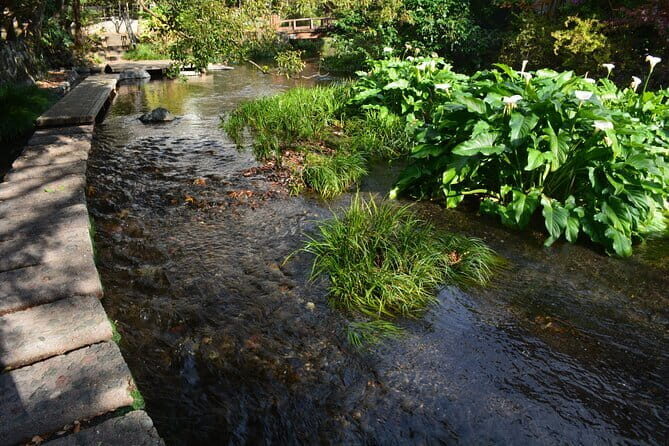
To close, you walk along Genbegawa World Water Heritage Area for about 30 minutes. This shifts the theme again—from government travel and mountain-defense ruins to water and its role in shaping place.
It’s a good finishing note because it broadens “heritage” beyond only human-made structures. Water management and natural features are part of the reason communities could survive and travel through difficult terrain.
Why this works as an ending: after a long day of walking and history stops, the Genbegawa area gives you a calmer, reflective close—something different from the checkpoint-and-castle vibe.
Price and value: $231.18 for a guided heritage hike that’s actually paced
At $231.18 per person, this is not a budget half-day tour. But the value comes from what’s bundled into the day.
You’re paying for a guide fee, and the experience includes admission tickets at the teahouse (and doesn’t charge admission for the other stops). You also get a mobile ticket, which reduces hassle on the day. Group discounts can help if you’re traveling as more than one person within your party.
The biggest value lever is the “small-group with translation” feel, reinforced by how guides like Tony adjust when conditions change. Past participants have highlighted that the guide can react calmly to rain and keep the day enjoyable.
What’s not included: lunch, coffee or tea, and an air-conditioned vehicle. If you want an AC ride between segments, you’ll be using public transport and walking.
So here’s the honest math: if you want a guided, story-connected hike along protected heritage sections, this price can feel fair. If you only want scenic photos with minimal walking, you may feel the cost is steeper than necessary.
Weather and clothing: how to avoid a day-ending problem
This experience requires good weather. If conditions are poor, you should expect the tour to be handled by offering another date or a full refund.
Even with good weather, this is a hike with real footing. One of the strongest pieces of practical feedback from the group is to bring sturdy comfy shoes, especially if you end up walking on stones or damp ground.
I’d also plan for layers. Cedar shade can cool you down, while exposed sections can heat you up later. Pack something light you can add or remove as the day changes.
If you’re sensitive to rain, carry a compact rain layer. The guide may adjust timing, but you’ll be happier if you’re prepared.
Who should book this hike
This is a great fit if you want three things at once:
- You like history that’s connected to what you’re physically walking on.
- You enjoy slower, guided storytelling rather than ticking boxes.
- You’re comfortable with a moderate hike for a big chunk of the day.
It may not be ideal if you’re expecting a mostly flat, easy stroll with minimal walking. The day includes a long 12 km segment, and the terrain can be a bit demanding, especially in rain.
It’s also a good choice if you’re visiting the Hakone area and want to get beyond the most crowded viewpoints. The route has a quieter, footpath feel that makes the day feel more like a journey and less like a tourist circuit.
Quick tips before you go
- Bring shoes with traction and comfort for long distance walking.
- Plan to buy your own lunch during the Lake Ashinoko stop.
- If Mt. Fuji matters to your photos, remember it’s weather dependent and stay flexible.
- Pack layers for shade, sun, and possible rain.
Should you book Hike Hakone Hachiri?
Book it if you want a heritage hike that feels lived-in—tea-house tradition with Mr Yamamoto, cedar shade from Tokugawa-era planting, checkpoint history at Hakone Sekisho, and a real long stretch of preserved Tokaido trail. The guide experience, especially someone like Tony who can handle translation and timing changes, seems to be a major reason the day lands well.
Skip it or reconsider if you need a very light walking day, if you dislike rocky footing, or if you don’t want to manage your own lunch during the lake stop. In that case, you may prefer a shorter, more static sightseeing plan around Hakone.
If you’re the kind of traveler who likes routes with meaning, this one is built for you.
FAQ
How long is the Hike Hakone Hachiri tour?
It runs for about 9 hours.
Where does the tour start and end?
It starts and ends at Mishima Station (16-1 Ichibanchō, Mishima, Shizuoka, Japan).
Is lunch included?
No. Lunch is not included, and it’s planned during the Lake Ashinoko stop.
What’s included in the price?
The guide fee is included. Admission is included at the Hakone Amazake Tea House stop, while the other listed stops do not list admission charges.
What fitness level do I need?
The tour expects travelers with a moderate physical fitness level, including a longer hiking segment.
What happens if the weather is bad?
The experience requires good weather. If it’s canceled due to poor weather, you’ll be offered a different date or a full refund.