REVIEW · HAKONE
Easygoing Nature Walk in Hakone Tour
Book on Viator →Operated by Yoshi · Bookable on Viator
Hakone can feel like a nature theme park. This tour keeps it real and simple: flat walking, a certified nature pro, and the kind of wildlife-spotting that turns a casual stroll into a full-on education. I especially like the binoculars provided for each guest and the way the route stays easygoing rather than pushing steep hiking. One thing to consider: it depends on good weather, and rain can mean you’ll switch to an easier course.
You’ll start in a wetlands botanical garden, then move to Sengokuhara’s famous susuki grass fields, and finish at Togendai station near Lake Ashi. I also like how Yoshi (Yoshi-san) brings English support and uses practical spotter skills—so even first-timers know what to look for. Expect learning about seasonal wild plants, resident and migratory birds, insects, and even the chance of mammals like deer or foxes.
The possible drawback is that the tour is nature-first, not photo-at-every-corner. If you’re expecting big, dramatic sights every minute, you might feel the pace is gentle—though that’s also why it’s so relaxing.
In This Review
- Key Highlights Worth Your Time
- A Gentle Hakone Nature Walk That Doesn’t Beat You Up
- Your Starting Point: Hakone Botanical Garden of Wetlands (1.5 Hours)
- Sengokuhara Susuki Grass Fields: Views Plus Local History (40 Minutes)
- Hakone Visitor Center: Your English Guide to the Trails (1.2 Hours)
- Yoshi’s Style: Small Group Attention and Route Adjustments
- From Garden to Togendai: Why the End Location Is Convenient
- Price and Value: What $39.19 Gets You in Hakone Time
- What to Bring (So You Enjoy the Walk)
- Who This Tour Is Best For
- Should You Book This Easygoing Hakone Nature Walk?
- FAQ
- How long is the Hakone easygoing nature walk?
- Where does the tour start and end?
- What’s included in the price?
- Are the other stops admission-free?
- How big is the group?
- What should I bring since it is not included?
- What happens if weather is poor?
Key Highlights Worth Your Time
- A truly flat pace for nature lovers: designed to be easier than mountain hikes
- Binoculars handed to you: you spot birds and distant features more easily
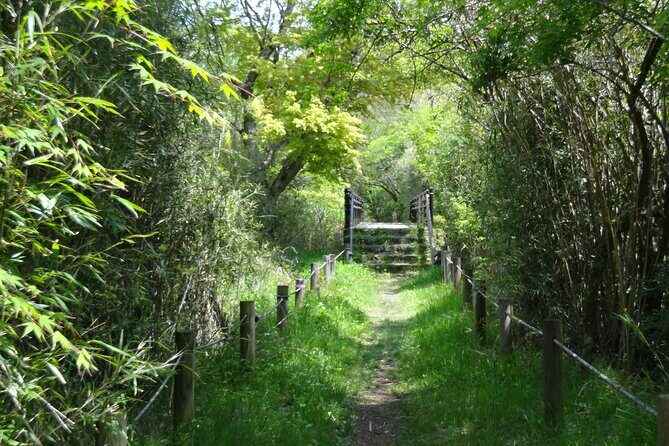
- Wetlands botanical garden focus: 1,700 wild plants, including 200 marsh plants
- Sengokuhara susuki fields: views tied to local history and seasonal beauty
- English intro at the visitor center: leaflets and short videos help you connect dots fast
- Small group size (max 5): easier Q&A and better attention
A Gentle Hakone Nature Walk That Doesn’t Beat You Up
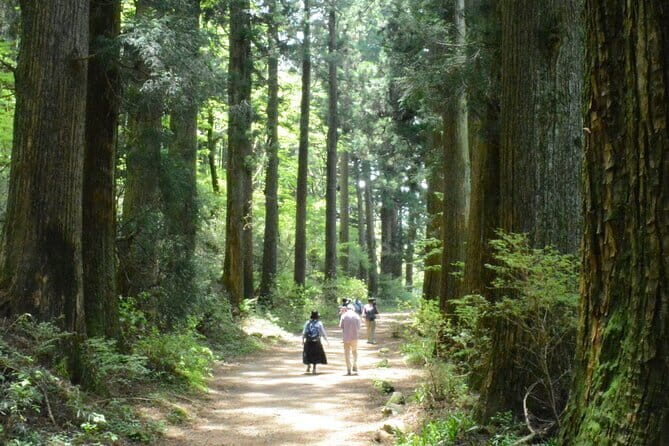
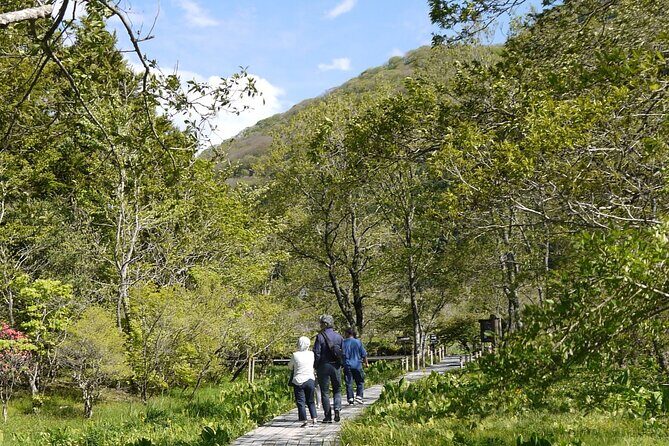
Hakone is famous for hot springs and scenery, but it also has a very specific kind of nature—wetlands plants, grass fields, and wildlife activity that feels grounded and local. This tour is built for that side of Hakone. Instead of steep climbs, you’re moving through relatively flat areas so you can actually look at what’s around you.
The big win is that you’re not just “walking near nature.” You’re learning how to see it. The guide brings binoculars for each participant, which changes the whole experience. You don’t have to guess where a bird went or rely on luck—you can scan for movement, watch distant shapes, and notice geological or seasonal details you’d otherwise miss.
The group stays small (up to five), so you get the feel of a shared walk rather than a long line behind a guide. That matters when you’re trying to focus on tiny things—leaves, insects, and the way seasonal plants cluster in certain spots.
If you're still narrowing it down, here are other tours in Hakone we've reviewed.


Your Starting Point: Hakone Botanical Garden of Wetlands (1.5 Hours)
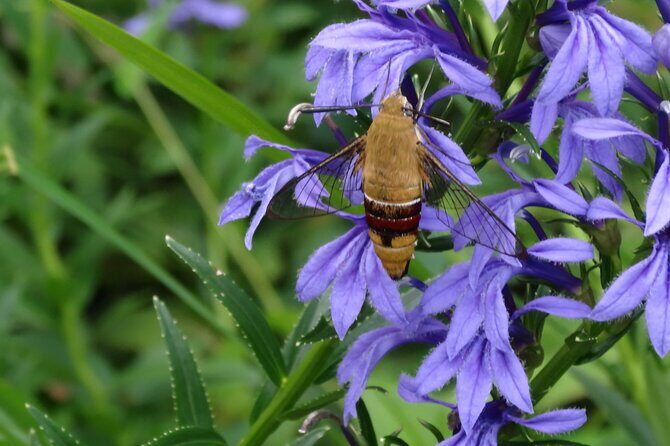
You begin at Hakone Botanical Garden of Wetlands at 817 Sengokuhara, Hakone. This is the anchor stop of the whole tour, and it’s where the “nature in Hakone” idea becomes concrete.
What to expect here is a wetlands garden with serious plant diversity. The garden holds 1,700 wild plants, including 200 marsh plants. That number isn’t just trivia. Wetlands are where ecosystems get complicated fast, and that’s exactly why the plants here feel unique. You’ll have time to slow down and notice seasonal wild plants rather than speed through a garden like it’s a checklist.
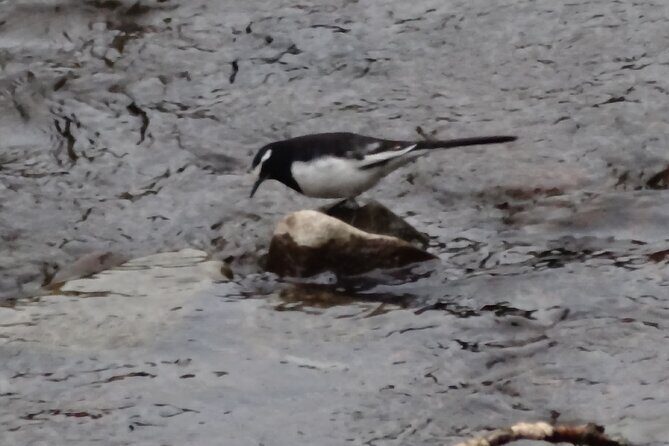
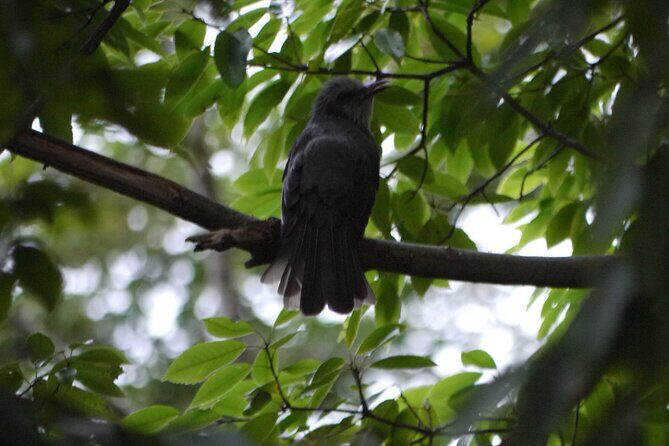
This is also a good place for wildlife-spotting practice. In wetlands areas, birds and insects can be active even when the movement looks subtle. With binoculars in hand, you’re better equipped to track what you see—whether it’s a bird perched at the edge of foliage, a change in the waterline, or just the pattern of plants where animals like to move.
A practical note: the garden ticket is included, so you’re not juggling extra admissions while also trying to listen and observe. That keeps the flow smooth.
Potential drawback: wetlands can feel damp underfoot, especially if you’re visiting after rain. The walking isn’t described as steep, but you’ll still want footwear that’s comfortable and steady for garden paths.
Sengokuhara Susuki Grass Fields: Views Plus Local History (40 Minutes)
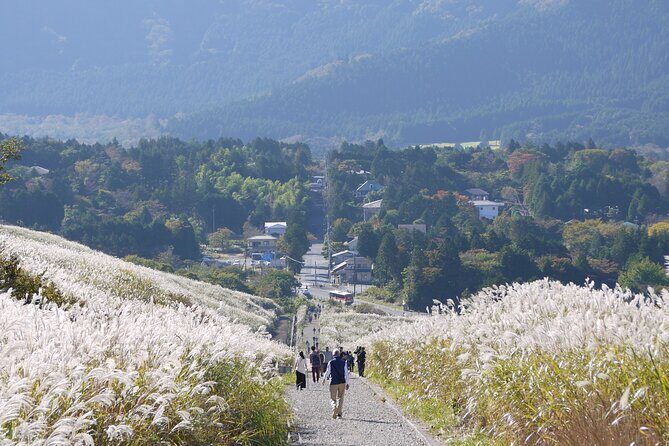
After the wetlands garden, you head to Sengokuhara susuki grass fields for about 40 minutes. This stop is shorter by design. The idea is to take in the look and feel of the area—then move on without turning the grass fields into a long slog.
Hakone’s pampas grass field (susuki) is described as one of the remaining ones in Japan. And the tour doesn’t treat the grass as just decoration. It connects it to what the plant meant locally in past days—people used pampas grass for roofing and for feeding livestock. That’s the kind of detail that makes a view feel less generic. You’re not just looking at tall grass; you’re seeing a landscape tied to everyday life.
This stop is also listed as admission free, so it’s a no-cost bonus within the tour. If you’re trying to keep your Hakone day budget under control, that matters.
What you’ll gain in this short window is perspective. Grass fields stretch visual lines and help you notice how the terrain opens up around Hakone. If the weather is clear, you can often get more reach with binocular scanning—useful for birds, distant movement, and the overall sense of the area’s geology.
Potential drawback: 40 minutes goes fast. If you’re the type who could stare at plants for an hour, you’ll feel the time limit. But it’s still a very efficient stop, especially if you’re pairing this with other Hakone sights.
Hakone Visitor Center: Your English Guide to the Trails (1.2 Hours)
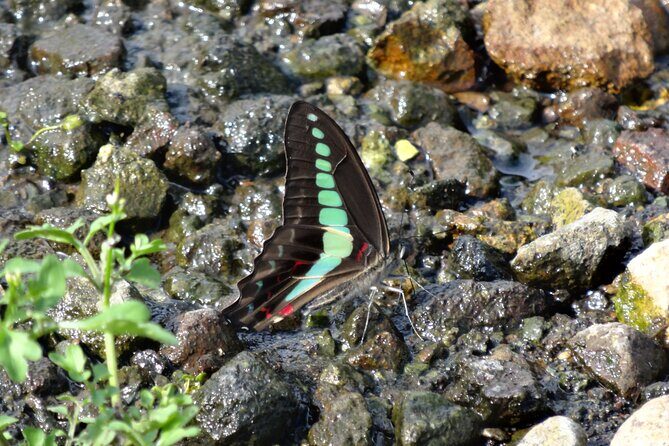
Next up is the Hakone Visitor Center, which is built for first-time nature visitors. It’s “must visit” in the sense that it helps you connect what you’re about to see (or what you just saw) with context.
You’ll have English materials available—introductory leaflets and short introductory videos. That’s helpful because nature walks can get confusing if you don’t know the basic layout of the area or what kinds of habitats you’re moving through. The visitor center also includes a network of trails around the facility, so you’re not leaving empty-handed. Even if your walk ends after this tour, you get a starting point for what to explore next.
This stop is also admission free. That makes it a smart pacing tool in the overall tour plan: you get a break from constant walking while still learning.
Potential drawback: if you already know Hakone’s ecology and geology well, the center may feel like repeat information. But for most visitors, it’s the part that makes the tour click—turning random sightings into a story you can remember.
Yoshi’s Style: Small Group Attention and Route Adjustments
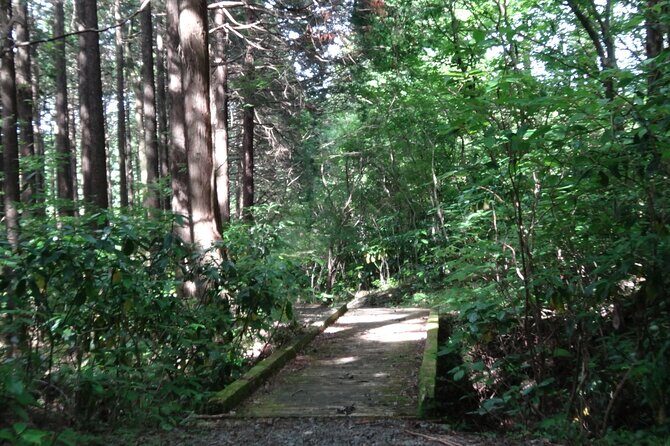
The guide for this experience is Yoshi (often referred to as Yoshi-san). The standout theme in the feedback is how friendly and helpful he is, plus the way he explains nature without making it feel like a lecture.
English support is part of the experience. That matters, because if you can follow the guide’s explanations, you’ll notice more during the walk. The same plants and birds can feel “just there” if you don’t know what you’re looking at. With Yoshi-san’s explanations, you’re more likely to understand why certain plants appear in certain habitats and what birds or animals you might expect to see.
Another strong point: when weather gets tricky, the tour can adjust. One review notes that even with rainy conditions, the guide changed parts of the course to make it easier—and the group ended up enjoying it. This is an important detail for Hakone. Weather can shift quickly, especially around nature areas.
Binoculars are also not just a prop. The guide uses them as a real tool. You’ll be encouraged to use them to spot creatures and view far-off elements tied to Hakone’s unique nature and geology. If you’ve never tried binocular spotting before, this is a friendly place to start.




From Garden to Togendai: Why the End Location Is Convenient
The tour starts at Hakone Botanical Garden of Wetlands and ends at Togendai station (164-17 Motohakone). That’s a practical finish point. Togendai is at the northern shore of Lake Ashi, and it’s one of those transport hubs that makes it easier to keep your day moving without doubling back.
From Togendai you can connect to:
- public buses
- sightseeing boats (for the Hakonemachi/Motohakone areas)
- the ropeway toward Gora/Miyanoshita areas
- taxis
So even though this is a “nature walk,” it fits neatly into a full Hakone itinerary. You don’t end stuck at a remote spot with only one way out.
Price and Value: What $39.19 Gets You in Hakone Time
At $39.19 per person, the pricing is fairly easy to justify for what’s included. You get:
- ticket to Hakone Botanical Garden of Wetlands
- binoculars for use during the tour
- an introductory handout
And the group size is limited to five, which usually means less waiting and more direct attention from the guide. You’re also getting an experienced nature guide who can interpret plants, birds, insects, and the seasonal changes you might otherwise miss.
What you don’t get is private transportation. The tour is positioned around public access and a smart start/end pair. If you already plan to use buses or trains in Hakone, the price becomes even more reasonable. You’ll mainly pay for the guided nature value and the included garden ticket and gear.
Potential drawback on value: if you’re expecting your money to buy long “must-see” attractions with minimal interpretation, this won’t feel like that. This is for people who want to understand what they’re seeing and get help spotting wildlife and plants.
What to Bring (So You Enjoy the Walk)
The tour doesn’t include a few basic items, so plan ahead:
- an umbrella
- hiking shoes or sneakers
- a bottle of water
Even though the walking is described as gentle and relatively flat, you’ll still appreciate proper footwear. Nature paths and garden sections can be uneven, and wetlands areas can be slick after rain. If you’re wearing sandals or thin soles, you’ll probably regret it.
You might also want your phone camera, but don’t treat it like the main event. The binoculars are meant to be used, and that takes your eyes away from constantly aiming a lens.
Who This Tour Is Best For
This experience is tailor-made for you if:
- you want an easygoing nature walk rather than a steep hike
- you like wildlife spotting and seasonal plants
- you want an English-friendly explanation of what you’re seeing
- you’re visiting Hakone and want something calmer than the busiest attractions
It’s also a nice fit for first-timers—especially if this is your first “serious” nature walk. The pacing and guide support help you feel comfortable enough to look closely without feeling left behind.
If you prefer intense, long hikes, you may find the effort level too gentle. But if your goal is to slow down, notice details, and learn something real, it’s a strong match.
Should You Book This Easygoing Hakone Nature Walk?
Book it if you want a guided day that turns nature into something you can actually recognize—wetland plants, susuki grass fields, and the wildlife patterns that show up when you know where to look. The included garden ticket plus binoculars is a practical bundle, and the small group size means you get more attention than you’d get on big tours.
Skip it only if you want nonstop sightseeing with big headline attractions. This is a nature-focused experience, and the rewards come from attention, not speed.
If your schedule allows, aim for a day with decent weather. The experience is designed for good conditions, and rain may change parts of the route. Still, the ability to adjust the walk is a real advantage in Hakone, and it keeps the day from feeling ruined.
FAQ
How long is the Hakone easygoing nature walk?
The tour is about 3 hours 30 minutes.
Where does the tour start and end?
It starts at Hakone Botanical Garden of Wetlands in Sengokuhara, Hakone (817 Sengokuhara). It ends at Togendai station (164-17 Motohakone).
What’s included in the price?
The price includes a ticket to Hakone Botanical Garden of Wetland, binoculars, and an introductory handout.
Are the other stops admission-free?
The Sengokuhara Susuki Grass Fields stop is admission free, and the Hakone Visitor Center stop is also admission free.
How big is the group?
The tour has a maximum of 5 travelers.
What should I bring since it is not included?
You should bring an umbrella, hiking shoes or sneakers, and a bottle of water.
What happens if weather is poor?
This experience requires good weather. If it’s canceled due to poor weather, you’ll be offered a different date or a full refund.