REVIEW · TOKYO
Shuttle Van 6hr Tokyo Tour to-and-from Tokyo, Yokohama and Narita
Book on Viator →Operated by GLOBAL GUIDE & TRANSPORT SERVICE, TRANSPORT DEPARTMENT · Bookable on Viator
A day in a private van can save your feet and time. This one strings together classic Tokyo moments with real-world flexibility, plus pickup so you’re not wrestling transit.
What I like most is the driver-guide approach: it’s just one person handling driving and guiding, so the schedule can flex without waiting on a whole production. I also like that you can tailor the day to your pace, including stops and practical needs like walking limits, shopping requests, and even photo stops.
One consideration: lunch and any paid entrances outside the listed free sights aren’t included, so you’ll want to budget for that if you customize or need an alternate garden day.
In This Review
- Key things to know before you go
- A private van day from Tokyo, Yokohama, or Narita
- The driver-guide setup: one person, real flexibility
- Tsukiji Outer Fish Market to Imperial East Garden: iconic with low friction
- Asakusa old streets to Shibuya scramble to Meiji Shrine: a day with rhythm
- Lunch and entrances: the costs you’ll actually feel
- Timing that fits real travel days (cruise, disembark, tight flights)
- Pickup, drop-off, and the small comfort details
- Price and value for a group up to 5
- Accessibility and who this works best for
- Who should book this Tokyo shuttle tour
- Should you book it?
- FAQ
- How many people can join this tour?
- Does the tour offer pickup?
- Are tickets and transportation included?
- Is lunch included?
- Are entrance fees included for the sights?
- How long is the tour?
- Is there a professional interpreter on the trip?
- Is this tour suitable for wheelchair users?
- What if there’s bad weather?
- Can I use WhatsApp or text to reach the operator?
Key things to know before you go
- Private group of up to 5: easier than public transit, cheaper than a full private car for one or two.
- Flexible routing: your day can shift while still hitting major areas like Tsukiji, Asakusa, Shibuya, and Meiji.
- Driver-guide, not a full interpreter team: English is conversation level, but the guiding is practical and local.
- Mostly free sightseeing by design: many stops have no entrance fee, but paid alternatives can apply.
- Time is built around transfers: the tour feels like “about 6 hours” plus getting from place to place.
- Manual wheelchair welcome: you’ll need to confirm fit if you use an electronic wheelchair.
A private van day from Tokyo, Yokohama, or Narita
This is built for inbound days when you want Tokyo highlights without turning your trip into a logistics puzzle. You’ll get a shuttle van with pickup and a plan that can run roughly 7 to 9 hours depending on where you start and where you finish (Tokyo, Yokohama, or Narita).
The biggest value here is simple: you skip the “how do we get there” stress. That matters when you’re arriving by train, cruise, or airport—and especially when your schedule is tight. Several people use this as a practical bridge day, like disembarkation in Yokohama with sightseeing before heading to an airport.
If you want a day that feels like you’re moving with a local friend, not a school field trip, the format helps.
Other Hakone day trips from Tokyo we've reviewed



The driver-guide setup: one person, real flexibility

This tour runs with a driver-guide (licensed) in a one-man operation. That means you don’t have to coordinate between a driver and a separate interpreter guide. The tradeoff is that the driver-guide may not speak English as fluently as a professional interpreter would.
In practice, that usually plays out well for visitors who want:
- clear directions
- help understanding what you’re seeing
- a guide who can react quickly when your group needs changes
A nice example from the experience is how guides like Kim and Takehira have been described as considerate about mobility needs and good at adjusting pacing. Sudo, the chief driver for GLOBAL GUIDE & TRANSPORT SERVICE, also indicates the company takes customizing seriously.
Tip: when you book, tell them what matters most—walking level, shopping priorities, temple vs. market time, and any must-see moments. You’ll get a day that fits your reality, not an idealized itinerary.
Tsukiji Outer Fish Market to Imperial East Garden: iconic with low friction
Your day commonly starts with the Tsukiji Outer Fish Market area. You’re visiting the neighborhood and food streets, not a paid-ticket indoor market. The spot is known worldwide, and the experience is more about seeing the energy, shops, and seafood culture than standing in line for an attraction ticket. Entrance is free.
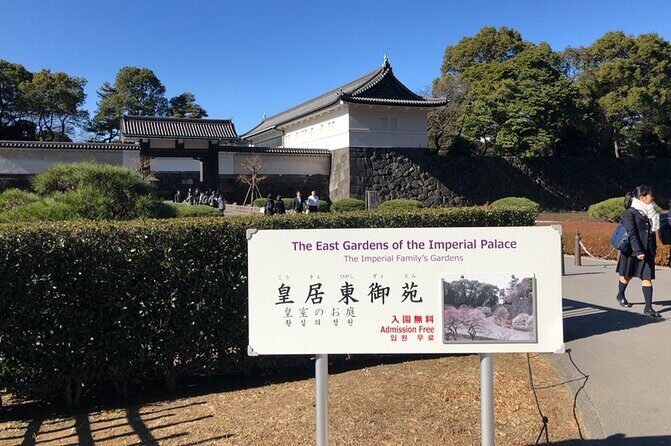
Right after that, the plan often moves toward the Imperial East Garden, which is a way to visit the palace grounds atmosphere. Again, entrance is generally free, but there’s an important wrinkle: it’s closed on Monday and Friday.
If it’s closed on your day, you’ll switch to an alternative such as Hamarikyu Park or Shinjuku Gyoen Park, and those can involve an entrance fee (listed as ¥500 per person). That means you should treat the garden as a “most likely free” stop, not a guaranteed free stop every time.
How this helps you: these two stops work well early because they’re outdoors and easy to walk through at a reasonable pace. If your group has limited mobility, you can usually spend less time in the densest lanes and more time where you can comfortably browse.
Asakusa old streets to Shibuya scramble to Meiji Shrine: a day with rhythm
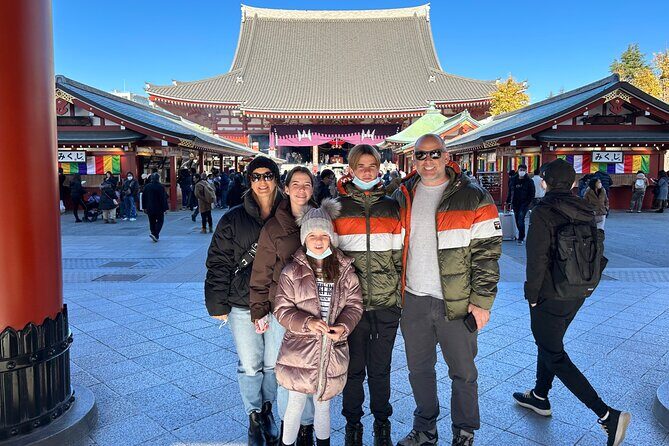
Next up is Asakusa, famous for the old-town feel and for Sensoji Temple. This is another “no ticket needed” kind of experience, so you can focus on atmosphere, street shopping, and the temple area without worrying about timed entry.
Then you shift to Shibuya Scramble Crossing, one of the most recognizable urban scenes in the world. The tour also references the loyal-dog statue of Hachi, which adds a small story beat to the bigger street view. Entrance is free.
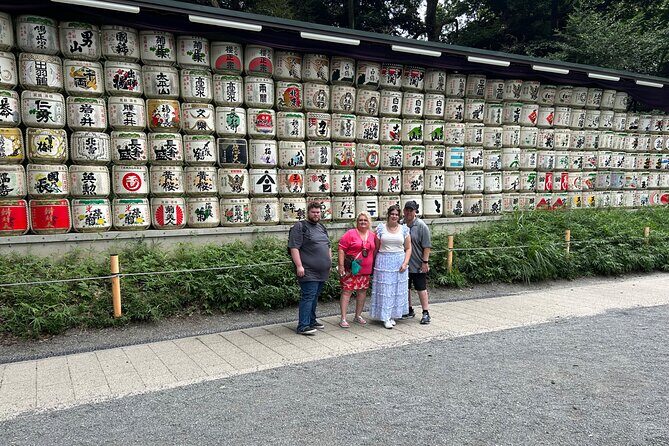
From there, the plan commonly heads to Meiji Shrine, a major contrast: instead of shopping streets and crossings, you get forested calm around the shrine grounds. It’s a good reset point when your brain needs a break from crowds and screens. Again, it’s typically no entrance fee for what you’re doing on a normal sightseeing pass.
One practical detail: this day is packed with high-demand areas, so your guide’s job is to keep it from feeling like you’re sprinting. The driver-guide model helps because they can adjust where you linger and where you move on quickly.
If you have a walking disability or you’re traveling with parents, this kind of pacing flexibility is often the difference between a “great idea” and a “painful day.”
Lunch and entrances: the costs you’ll actually feel

Lunch is not included. The good news is you can request your favorite style when booking, and the operator will find a restaurant in advance.
My advice: don’t treat lunch as an afterthought. On a day that covers multiple neighborhoods, lunch becomes part of the schedule. When you request preferences early, you reduce the risk of being herded into an inconvenient location at the worst moment.
Entrances are mostly designed to stay free for the listed stops, but there are two realistic ways paid costs can appear:
1) If you swap to paid alternatives (like the Imperial East Garden replacement days).
2) If you customize the schedule beyond the free set.
So while this tour is often a good value, it’s not a “everything fully covered” package. Plan a modest lunch budget plus a small buffer for entrance fees just in case your day includes an alternative garden.
Other Enoshima and Yokohama coast tours near Hakone

Timing that fits real travel days (cruise, disembark, tight flights)
This experience runs about 7 to 9 hours, but the operator notes the sightseeing portion is closer to 6 hours plus transfer time. That distinction matters because many tours advertise a duration that doesn’t reflect actual door-to-door movement.
Where this shines is when you’re trying to fit sightseeing between major logistics:
- cruising in Yokohama
- a flight out of an airport like Narita
- disembarkation day with limited time flexibility
One particularly practical use case is for cruise passengers with later flights. For groups of 3+ people, a private shuttle-style plan can be easier than ship transfers and less stressful than trying to patch together transit on a deadline.
Also, the schedule is described as flexible. That means you don’t feel locked into a rigid minute-by-minute script. You can adjust based on energy levels, weather, and what you want more of.
Pickup, drop-off, and the small comfort details
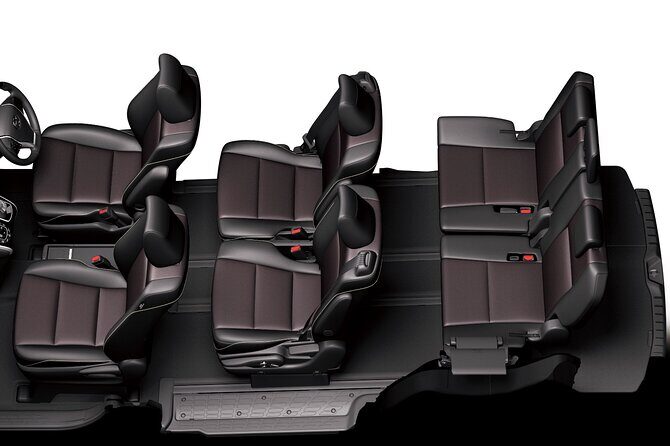
Pickup is offered, and your itinerary can be adjusted based on pickup and drop-off locations. The tour price depends on those choices, so check your start/end points carefully.
A few small operational details matter more than they sound:
- You’ll receive the driver’s name and vehicle plate 3 days before pickup.
- The driver waits for you 10 minutes at the meeting point.
- You can use a mobile ticket.
- If you need to contact the operator, use WhatsApp or text message.
Those details reduce the “are we meeting the right person” anxiety—especially if you’re arriving with luggage or coming from a cruise.
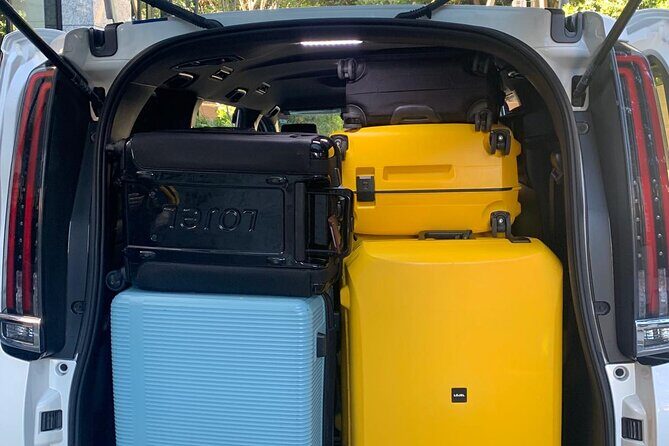
One extra comfort point: in at least one case, the arrangement helped keep luggage with you until the group checked in at their hotel. That’s a huge stress reducer on the kind of day when you want to see Tokyo but don’t have a place for bags yet.
Price and value for a group up to 5

The price is $397.43 per group (up to 5). It may sound high at first glance if you compare it to a subway ride, but that comparison misses what you’re buying: door-to-door transportation plus guiding plus flexibility.
Here’s how to think about value:
- If you split it among 4–5 people, the per-person cost drops quickly.
- You’re paying for time you’d otherwise spend figuring out transit connections, especially between Tokyo, Yokohama, and Narita.
- You’re paying for a driver-guide who can adapt to walking pace and keep the day workable.
The tour is also described as commonly booked about 83 days in advance on average. That suggests the operators know demand exists—so if you’re traveling in a busy season or have a specific pickup window, it’s smart to book early.
Accessibility and who this works best for
If you use a manual wheelchair, you’re welcome. The operator also specifies they can’t handle some users with electronic wheelchairs and those who can’t move on their own. If that’s your situation, confirm fit before you book.
This tour tends to work well for:
- couples and families up to 5
- older travelers who need pacing control
- anyone with a “we have limited time” mindset between arrival and departure
- people who want classic neighborhoods rather than a long list of paid-ticket museums
It may be less ideal if you want:
- a full-time professional interpreter throughout
- a tightly structured, ticket-at-a-time museum marathon
The driver-guide is built for real-time decision making. That’s a strength, not a flaw.
Who should book this Tokyo shuttle tour
Book this if your goal is simple: see major Tokyo areas in a single day without turning your trip into transfers and route planning.
It’s especially appealing if:
- you’re traveling with mobility limits and you want the day paced in a humane way
- you’re coming from Yokohama and need an organized path to an airport
- you have a group of 3–5 people and want to split value
- you care about shopping detours and photo stops, not just checklists
If you’re a solo traveler who wants to move slowly, you might prefer something with more personal guide language support. But if you’re optimizing time and convenience, this format is hard to beat.
Should you book it?
If you want Tokyo highlights plus transportation plus a guide who can adjust to your pace, I think this is a strong choice. The biggest wins are the flexible routing and the one-driver operation, which keeps the day practical. The main thing to watch is that lunch and some entrance fees may cost extra, especially if the day’s garden stop requires a paid alternative.
If your schedule is tight—cruise to airport, arrival day with limited sightseeing time, or you simply don’t want to juggle transit—this shuttle-van plan is exactly the kind of solution that makes the day feel smooth instead of rushed.
FAQ
How many people can join this tour?
It’s a private tour for your group, with pricing listed for up to 5 people.
Does the tour offer pickup?
Yes. Pickup is offered, and the itinerary changes based on your pickup and drop-off locations.
Are tickets and transportation included?
Transportation is included, and the tour description states there are expenses related to transportation included. A mobile ticket is provided.
Is lunch included?
No. Lunch is not included, but you can request a preferred menu when you book and the operator will find a restaurant in advance.
Are entrance fees included for the sights?
For the sights listed in the plan, entrance fees are described as free. If you customize the schedule or if the Imperial East Garden is closed and an alternate park is used, entrance fees may apply (¥500 per person for the listed alternatives).
How long is the tour?
The duration is approximately 7 to 9 hours, and the schedule notes that actual sightseeing is around 6 hours plus transfer time.
Is there a professional interpreter on the trip?
No. There’s no separate interpreter. You’ll have a licensed driver-guide who may have English that’s at conversation level.
Is this tour suitable for wheelchair users?
Manual wheelchair users are welcomed. The operator states they cannot handle some electronic wheelchairs or guests who cannot move on their own.
What if there’s bad weather?
The experience requires good weather. If canceled due to poor weather, you’ll be offered a different date or a full refund.
Can I use WhatsApp or text to reach the operator?
Yes. The operator asks you to contact them via WhatsApp or text message.