REVIEW · TOKYO
Tokyo: Private Day Trip to Mount Fuji and Hakone
Book on GetYourGuide →Operated by Sky Land · Bookable on GetYourGuide
Fuji in one day without the stress. This private day trip strings together Mount Fuji viewpoints, a peaceful pond village, and the Hakone ropeway/lake areas in one smooth loop. You get an English-speaking driver and a car that can handle the long sightseeing day while you focus on photos and calm walks.
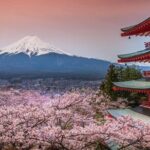
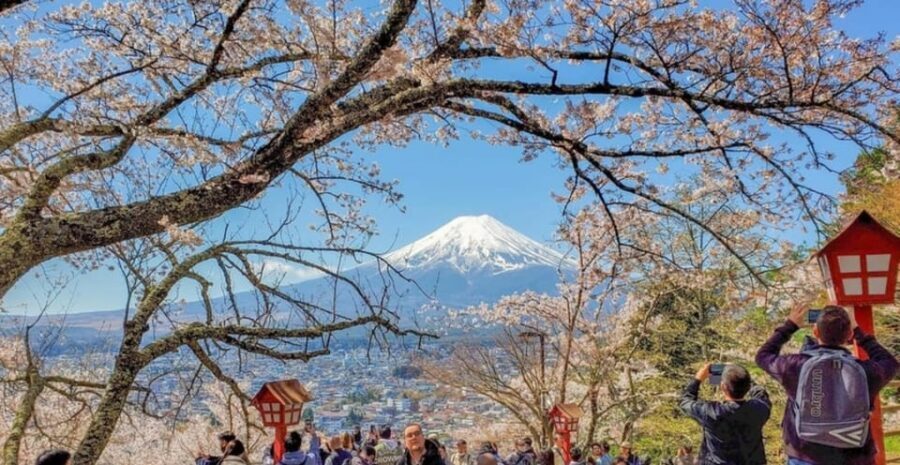
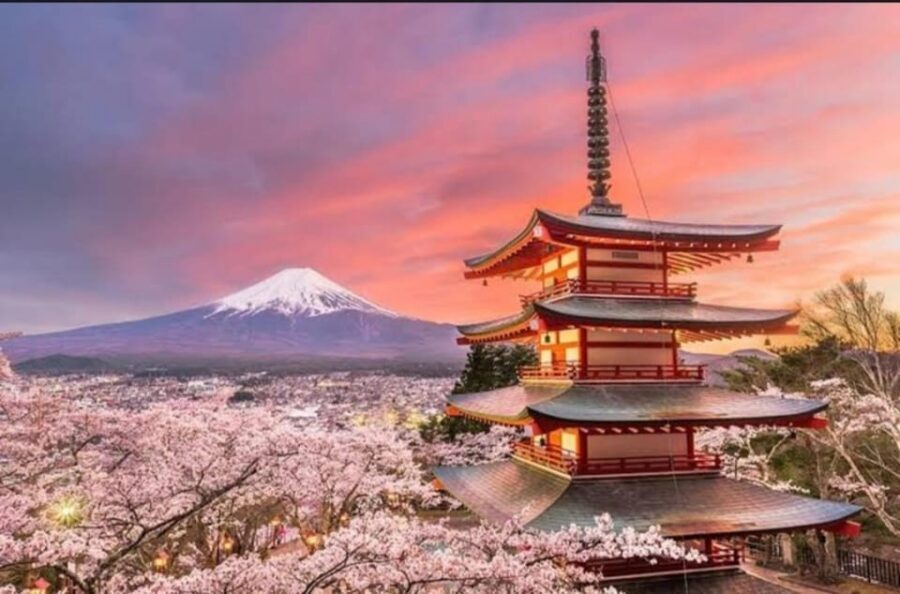
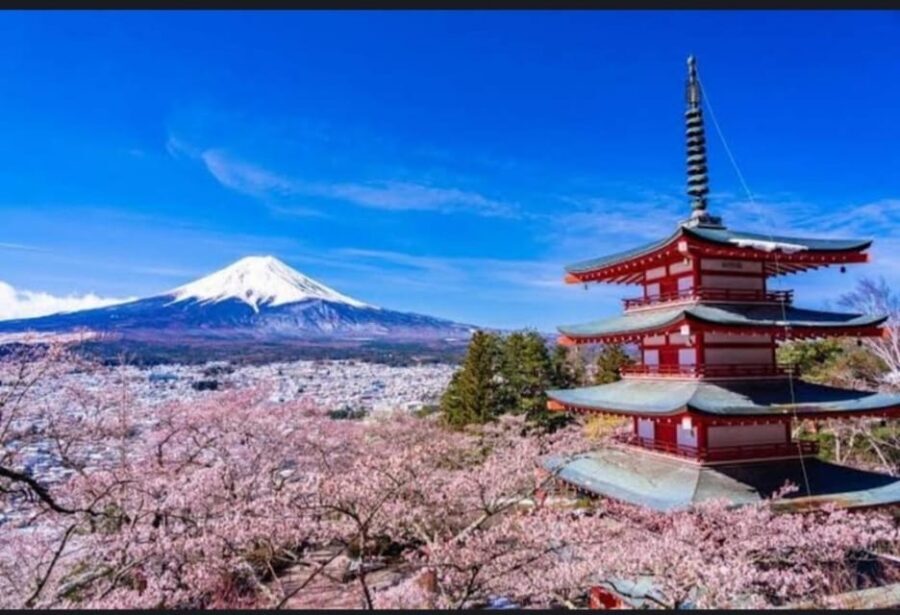
I love the early, photo-friendly stop at Chureito Pagoda and Arakura Fuji Sengen Shrine, where the angles toward Mount Fuji feel made for wide shots and close-ups. I also really enjoy Oshino Hakkai, because the water ponds and small houses make the whole area feel quiet even when you’re surrounded by tourists.
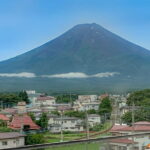
One thing to consider: weather matters. If cloud rolls in, you may not see a crisp Mount Fuji view from every lookout, and you’ll want warm layers for the higher elevation.
In This Review
- Key highlights worth your attention
- Private car makes Fuji and Hakone feel doable
- Pickup timing and the first photo stops near Chureito
- Arakura Fuji Sengen Shrine: the view you’ll keep thinking about
- Oshino Hakkai: ponds, houses, and a quieter pace
- Lake Kawaguchi and Oishi Park for Fuji-and-nature photos
- Saiko Iyashi no Sato Nenba: a living-atmosphere break
- Mt. Fuji 5th Station: altitude, weather, and the real finish line
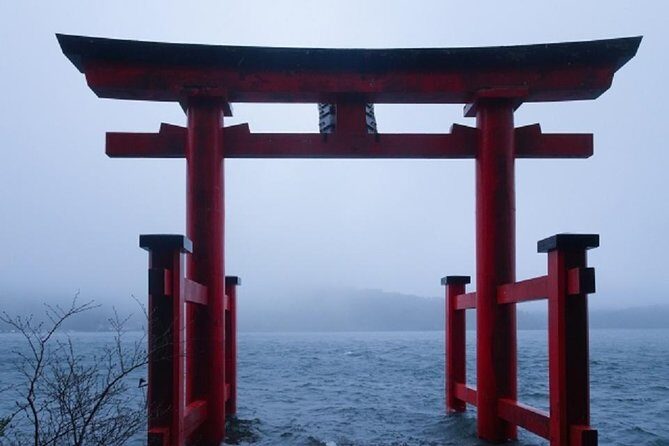
- Hakone ropeways and Lake Ashi for volcanic scenery
- Owakudani Valley and the Gotemba stretch
- What the day feels like for a private group
- Price and value: why $100 can work (or not)
- Who should book this, and who should skip it
- Practical tips that make the day smoother
- Should you book this Mount Fuji and Hakone day trip?
- FAQ
- Is this tour private?
- Where are the pickup and drop-off locations?
- What’s included in the price?
- Is food or drinks included?
- How high does the tour go?
- Is the tour suitable for everyone?
Key highlights worth your attention
- Private pickup/drop-off from designated Tokyo wards (and Mt. Fuji area) keeps logistics simple for a long day.
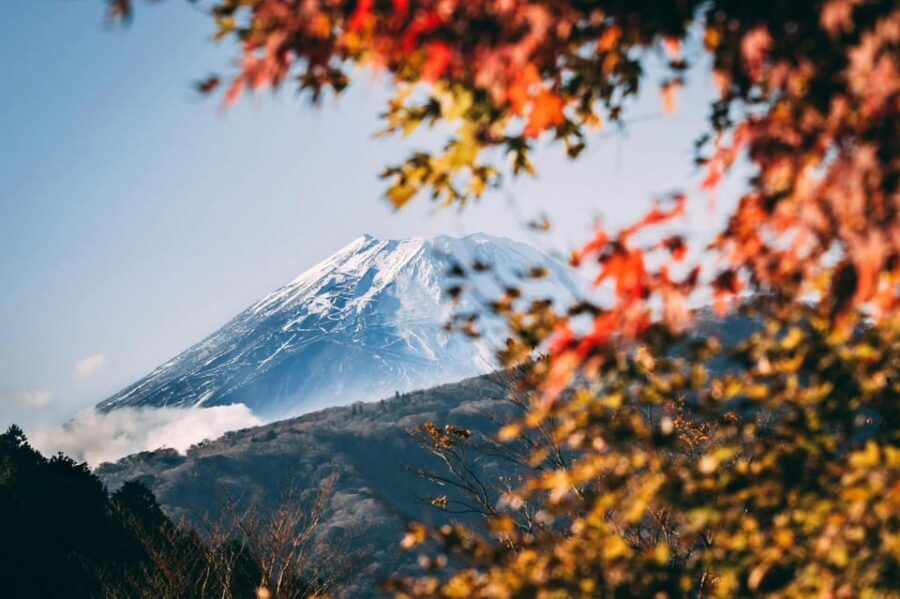
- Mount Fuji 5th Station (over 3000m) is the altitude reality check that makes this day feel special.
- Oshino Hakkai ponds offer a calmer, slower pace than the busier viewpoints.
- Hakone Ropeway + Lake Ashi shifts the scenery from Fuji to volcanic valley views.
- A mix of photo stops and time to walk means you’re not stuck watching through a window all day.
Private car makes Fuji and Hakone feel doable
This trip works because it treats the day like a journey, not a checklist. You start with a safe, on-time pickup from one of the designated locations, then you’re in a Jeep/SUV or van for the day. That matters, because between Tokyo and the Fuji/Hakone region you’re dealing with traffic, changing weather, and long distances. In a private vehicle, I find you spend less time shuffling between transfers and more time actually enjoying each stop.
The second big win is how the route flows across different “moods” of the region. You move from shrines and pagoda views (great for iconic photos) to the small, serene pond village of Oshino Hakkai. Then you shift toward lakes and parks, and later to Hakone’s volcanic setting and lake views. It’s a day with variety, and that’s what keeps it from feeling repetitive.
The driver is also a major part of the value. You’re not stuck with a one-size-fits-all audio guide. The experience is listed with English speaking (and also Urdu, Arabic, Hindi, and Japanese options), and the overall tone from past bookings is that drivers show up on time and help you get the most out of the day.
More Mt Fuji & Hakone tours we've reviewed
Pickup timing and the first photo stops near Chureito
The day begins with pickup from a set of Tokyo wards and surrounding areas. You can choose from multiple pickup points such as Shibuya, Shinjuku, and Chuo (plus other options in the wider area listed for the trip). If you’re staying in a covered ward (the tour notes pickup for Tokyo’s 23 wards and Mt. Fuji area), this should be straightforward. If you’re outside that zone, there can be a surcharge of JPY 5,000–20,000 that’s payable before or on the day.
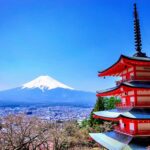
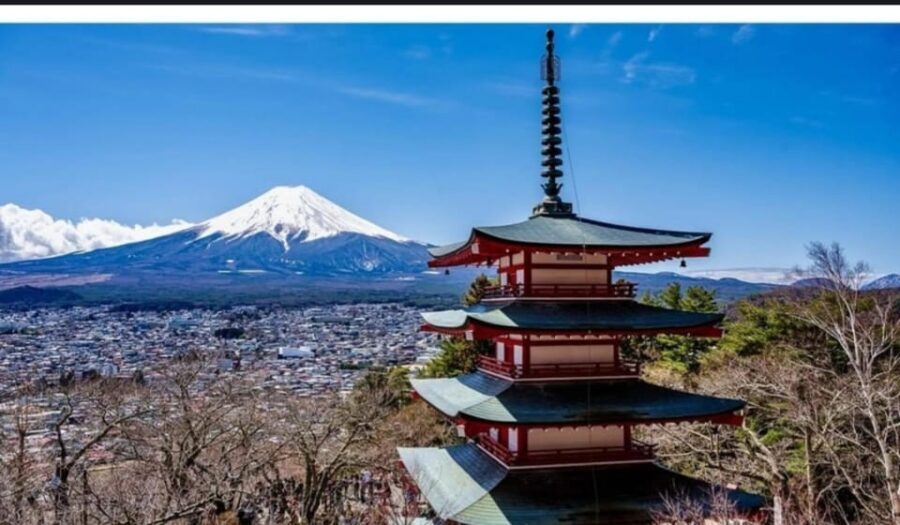
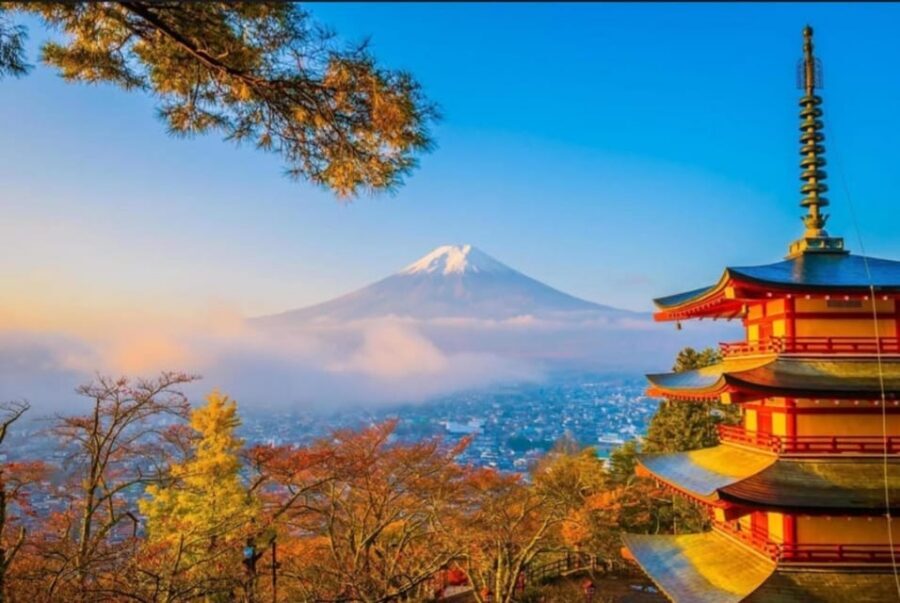
Right away you’re on the road to the first major viewpoint area. The route then gives you time at Chureito Pagoda (45 minutes for photo stop, visit, and walk). This is the classic photo target for a reason: the pagoda’s angle toward Mount Fuji can make your photos look like postcards—especially when visibility is decent.
From there, the plan typically continues with stops that keep you walking a bit but not for hours at a stretch. That balance is important on a 10-hour day. You want time to move around and take photos, but you also don’t want your legs ruined before you reach the high point.
Arakura Fuji Sengen Shrine: the view you’ll keep thinking about
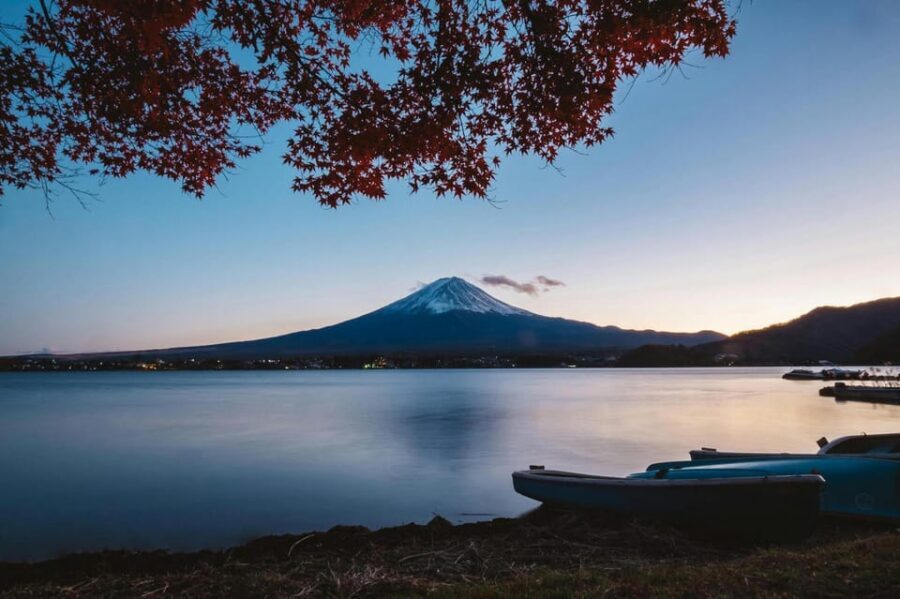
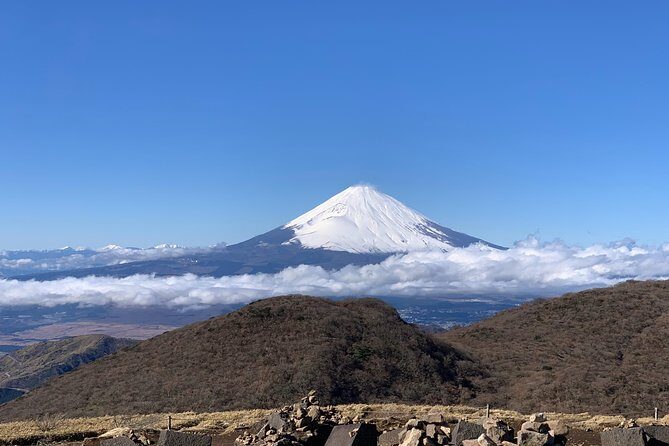
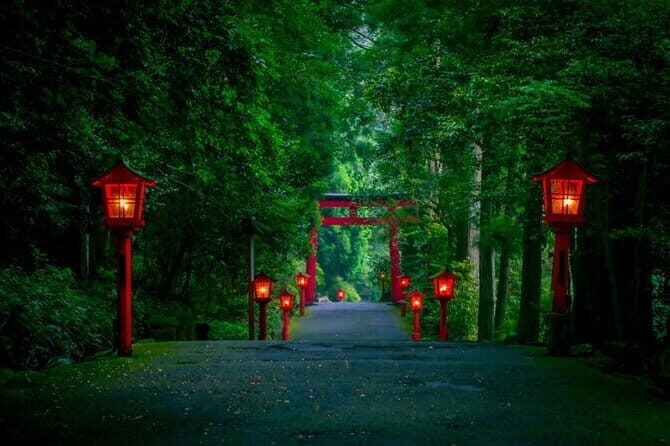
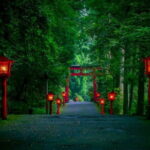
One of the best-loved moments is the Arakura area. The schedule includes a stop at Arakura Fuji Sengen Shrine with around 45 minutes for visiting and photos. This is a strong choice because the shrine sits in a spot designed for Mount Fuji viewing, and you get a chance to slow down enough to enjoy what you’re seeing—not just snap and run.
In plain terms, this is where the day starts to feel “real” if you’ve only seen Fuji from afar in pictures. If clouds are around, it can still be beautiful: misty mountain layers can look dramatic. But you’re also planning for the best-case scenario. If you care about that iconic Fuji framing, this is one of the stops where you’ll get the most payoff for the time you spend.
Oshino Hakkai: ponds, houses, and a quieter pace
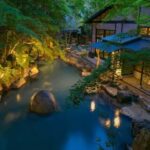
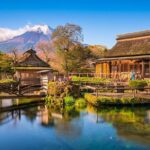
Then the route shifts to Oshino Hakkai, a peaceful village known for its water ponds and small surrounding homes. Your time here is short—about 30 minutes for photo stop and visit—but it’s the kind of short that works. You don’t want to rush a place like this, yet on a day trip you’re juggling lakes, volcanic valleys, and at least one ropeway.
Why it’s worth it: the pond area feels calmer than the main Fuji viewpoints. You’re moving through a small space where the scenery is more about texture and detail—water reflections, stone edges, and that old-fashioned village feel—rather than just the biggest mountain view.
If you’re the type who likes “slow” moments on trips, Oshino Hakkai is that moment. If you’re traveling with kids or people who get tired easily, the limited walking time is a practical advantage too.
Lake Kawaguchi and Oishi Park for Fuji-and-nature photos
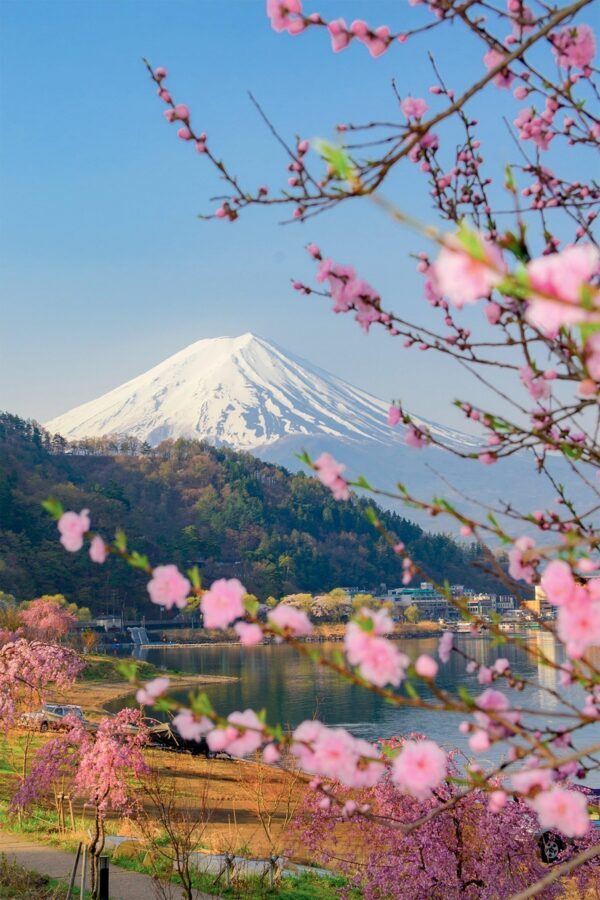
From Oshino Hakkai you continue toward the lake region. The tour mentions Lake Kawaguchi as a must-see stop, with a listed around 1.5-hour drive to get there. You’ll get time for photo stop, visit, and walk.
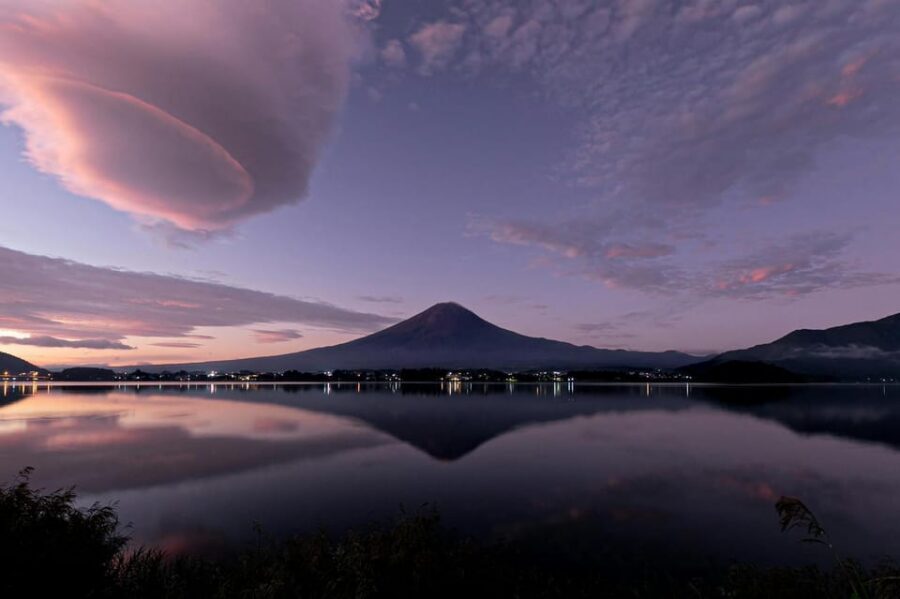
Lake Kawaguchi is the kind of place where you can get great shots of Fuji across the water—again, depending on weather. Even when visibility isn’t perfect, lakes can still deliver a strong mood: you’re photographing reflections, clouds, and the shoreline rather than chasing one single peak photo.
Afterward you also have a stop at Oishi Park, where the schedule notes fresh flowers in full blossom and Mount Fuji views. This is a good add because it gives you a different foreground than the lake itself. Flowers plus mountain views are a classic combo in Japan, and it’s one of those “simple but effective” photo settings.
Other Tokyo + Mt Fuji + Hakone combo tours we've reviewed
Saiko Iyashi no Sato Nenba: a living-atmosphere break
Before the trip heads toward the Mt. Fuji 5th Station area, you stop for a demonstration connected to Saiko Iyashi no Sato Nenba (listed as a village-style living history demonstration). The schedule shows around 45 minutes for this activity.
This isn’t the kind of stop where you need a long attention span, but it’s still valuable. You’re getting a cultural context layer that goes beyond scenery. For me, it helps break up the day. After lakes and shrines, this is a chance to rest your eyes and let your brain switch gears from “where’s the best angle” to “what am I actually looking at.”
Mt. Fuji 5th Station: altitude, weather, and the real finish line
The highlight for many people is the Mt. Fuji 5th Station, listed at more than 3000 meters high. The vehicle reaches as far as possible here, and then you can enjoy photo stop, visit, sightseeing, walk, and a safety briefing.
This is where the day changes. Even if you’ve admired Fuji from the city, being at this elevation is a different experience. Expect cooler conditions than you’ll have in Tokyo, and plan for wind or sudden cloud cover. The tour also specifically suggests warm clothing, and I agree with that advice.
Practical tip: treat this like your “final platform” before you head into Hakone. Do your best photos early while you still have energy, and then use the rest of your time to explore at a slower pace. If weather is tricky, the safety briefing and organized movement matter, because it’s easy to get careless when you’re excited.
Also note: the itinerary lists a special structure around this part of the day, so don’t assume you’ll have long free time. The time feels designed for getting you up high and getting you back down safely.
Hakone ropeways and Lake Ashi for volcanic scenery
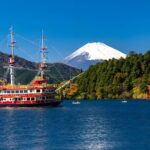
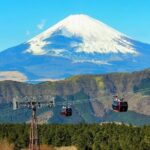
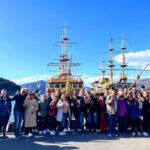
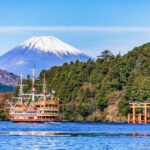
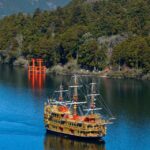
After the Fuji 5th Station segment, the tour shifts toward Hakone, and it brings in some scenic transport. You’ll ride the Hakone Ropeway (cable car ride) with a hop-on hop-off stop time of about 1 hour. Then you head toward Lake Ashi for about 1 hour of sightseeing.
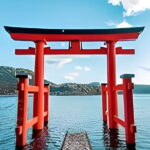
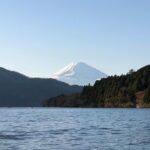
Lake Ashi is a major change from the Fuji lake areas earlier in the day. Here, the scenery is tied to Hakone’s volcanic character and the feeling of being in a valley environment. If Fuji is hidden by weather, Lake Ashi often still delivers that “Japan postcard” look through foggy hills, shoreline shapes, and lake reflections.
The ropeway also helps you save energy. Instead of walking long distances in steep terrain, you get views while sitting comfortably. It’s one of the better ways to experience Hakone in a limited time window.
Owakudani Valley and the Gotemba stretch
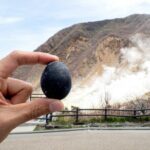
The schedule includes Owakudani Valley with about 1 hour for a break, visit, and sightseeing. This is the part of Hakone that leans into the volcanic atmosphere. Even without specific details about what you’ll see inside, the timing and placement make sense: you want this stop after the lake/ropeway so you don’t run out of momentum.
Then there’s a break at Gotemba Premium Outlets, with about 2 hours for shopping and sightseeing. This is useful if you want practical purchases without planning separate time in Tokyo. If shopping isn’t your goal, you can treat it like a stretch break and snack/search for quick souvenirs rather than a full retail mission.
One small consideration: this is still a long day. If you’re prone to motion sickness, or if you get tired from constant stops, you’ll want to pace yourself here and keep an eye on your energy for the final drive back.
What the day feels like for a private group
This is a private group experience, which changes the feel in a big way. You’re not competing for space on a crowded bus and you can often move at your own pace during the walkable portions. The schedule includes multiple walk-and-photo windows, but the private structure keeps it from feeling like you’re herded.
The language options also matter for comfort. The tour lists English plus Urdu, Arabic, Hindi, and Japanese support, which can help if you want clear guidance on what to pay attention to at each stop.
From past bookings, I’ve also seen a consistent theme around the driver being friendly, respectful, and flexible when weather doesn’t cooperate. In at least one case, a driver named Zulqar was praised for being kind and giving time to explore at a relaxed pace, plus taking good care of the day even when people wanted to focus on photography.
Price and value: why $100 can work (or not)
At $100 per person for a 10-hour private day trip, the value mostly comes from what’s included:
- Private English-speaking driver
- Pickup and drop-off at designated locations
- Transport by Jeep/SUV or van
- All entrance fees
Not included: drinks.
Here’s the value math in real life. If you’re already in Tokyo and you want Mount Fuji and Hakone in one day, you’re paying for time saved on logistics and paying for a private vehicle that can handle the long route. You’re also paying for entrance fees and a driver who can coordinate stops efficiently.
This pricing can be especially strong if:
- you want maximum comfort (private vehicle)
- you’re traveling with a small group where sharing a taxi-style day makes sense
- you care about hitting multiple signature spots without transferring yourself
It might feel less ideal if:
- you only want one or two sites (then a smaller, cheaper option could be better)
- you’re on a tight schedule and need shorter time blocks
Who should book this, and who should skip it
This day trip is a great fit if you want a “greatest hits” day without DIY stress. You’ll likely enjoy it if you:
- love photos of Mount Fuji from multiple viewpoints
- want lakes, shrines, and Hakone in one shot
- prefer guided routing to public transit transfers
- have a comfortable walking pace for short to medium walks
It may not suit you if you’re listed as not suitable by the tour: pregnant women, people with back problems, and wheelchair users. The mix of walking and the mountain regions (including higher elevation) is a lot for some bodies.
If weather is your wildcard: build in flexibility. One booking noted cloud cover and the lack of clear Fuji views at times, but the guide still helped the day work by redirecting to other scenic places.
Practical tips that make the day smoother
Bring comfortable shoes and warm clothing. Even if Tokyo feels mild, the higher elevation at and near Mt. Fuji can feel colder fast. Also bring water and a camera.
In the vehicle, the rules are simple: no smoking, no food, and no alcoholic drinks. Plan snacks only outside the car during the breaks.
If you’re sensitive to temperature swings or you wear layers, this is a day where layering is your friend. You’ll likely go from city-style weather to mountain conditions and back again.
Should you book this Mount Fuji and Hakone day trip?
I’d book it if your priority is a clean, organized way to see Mount Fuji viewpoints plus Hakone’s ropeway/lake scenery in one day. The private format, entrance fees included, and the specific mix of stops—Arakura, Oshino Hakkai, Lake Kawaguchi, Mt. Fuji 5th Station, and Hakone—are built for people who want maximum payoff without planning fatigue.
I’d think twice if you know weather visibility will make or break your experience and you’re the type who needs a perfectly clear Mount Fuji view at every single stop. Cloudy days can still be enjoyable, but your expectations should be flexible. And if mobility is a concern, this route includes walking and mountain terrain that the tour already flags as not suitable.
If you want a well-paced “best of Fuji + Hakone” day with a driver handling the hard parts, this one is a strong choice.
FAQ
Is this tour private?
Yes. It’s listed as a private group with a private English-speaking driver.
Where are the pickup and drop-off locations?
Pickup and drop-off are available at designated locations in Tokyo wards and the Mt. Fuji area. The tour notes pickup/drop-off within Tokyo’s 23 wards and Mt. Fuji area, and it lists multiple options such as Shibuya, Shinjuku City, and Chuo. A surcharge may apply outside that zone.
What’s included in the price?
The price includes a private English-speaking driver, pickup and drop-off at designated locations, transport by Jeep/SUV or van, and all entrance fees.
Is food or drinks included?
No. Drinks are not included.
How high does the tour go?
The schedule includes Mt. Fuji 5th Station, listed as reaching more than 3000 meters high.
Is the tour suitable for everyone?
No. It’s not suitable for pregnant women, people with back problems, or wheelchair users.