REVIEW · TOKYO
Mt. Fuji & Hakone Cherry Blossom private One Day Tour
Book on Viator →Operated by Sato · Bookable on Viator
Fuji in one day, minus transit stress. I love the private, air-conditioned vehicle with pickup and drop-off, because you spend your energy on the scenery instead of figuring out trains. I also like the way the day strings together iconic views: Mt. Fuji from the 5th Station, then Hakone’s lakes and volcanic valley. The main drawback to watch for is that this can feel more like a guided-sightseeing day with a driver than a deep, talky history tour, so if you want lots of cultural narration, you may want to set expectations early.
If you’re traveling as a couple, family, or small group, the private format matters. You get a mobile ticket approach and even a hotspot on board, so the day doesn’t turn into constant phone-battery panic. And yes, names pop up in correspondence and driver assignments—one guide was reported as Rezi—so you might get a friendly, service-minded person behind the wheel.
Value-wise, the price is $450 per group (up to 5). That’s not cheap, but split across a full vehicle it starts to look like paying for time, comfort, and reduced planning. Just remember: the Mt. Fuji 5th Station Subaru line fee is listed as an extra $15USD, and lunch/coffee aren’t included.
In This Review
- Key takeaways before you go
- Why a private Fuji and Hakone day beats DIY
- The $450 group price: when it feels worth it
- Timing and altitude: the Fuji 5th Station reality check
- Oshino Hakkai ponds: short visit, strong impact
- Lake Ashi and the Hakone torii-in-the-water moment
- Owakudani Valley: when sulfur fumes are part of the plan
- Gotemba Premium Outlets: a useful endgame for gifts and snacks
- Comfort details that actually matter on a 10-hour day
- Who this tour fits best (and who should reconsider)
- Should you book the Mt. Fuji & Hakone cherry blossom private One Day Tour?
- FAQ
- How long is the Mt. Fuji and Hakone private day tour?
- What does the tour cost and how many people can be in a group?
- Is pickup from my hotel included?
- What’s included with the private transportation?
- Which stops are included, and are there admissions fees?
- What fees are not included in the tour price?
- Are service animals allowed?
- What’s the cancellation policy?
Key takeaways before you go
- Fuji Subaru Line 5th Station sits around 2,300 meters up, with major views and easy access from Tokyo by road.
- Oshino Hakkai is free and short on time, perfect for a focused photo break of Fuji reflections in eight spring ponds.
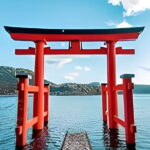
- Lake Ashi + the Moto Hakone Shrine torii gives you that classic water-gate scene, plus calm forest views.
- Owakudani is active volcanic land, with sulfur fumes nearby and the famous black-shelled eggs tradition.
- Gotemba Premium Outlets is a practical buffer at the end, with about 300 stores and a 50-meter Ferris wheel.
- On-the-go comfort includes an air-conditioned private vehicle and a hotspot, plus mobile ticket convenience.
Why a private Fuji and Hakone day beats DIY
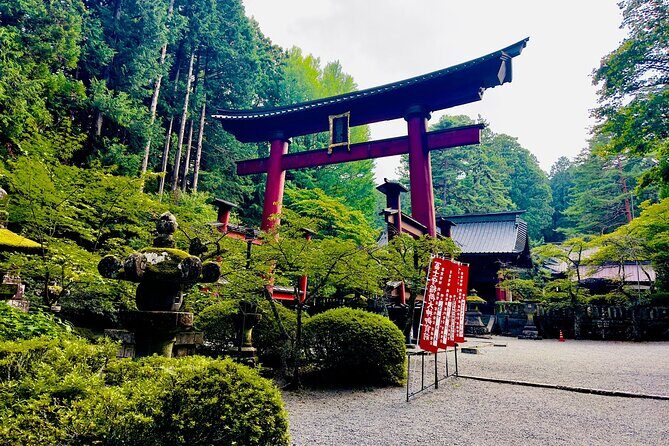
A Tokyo-to-Fuji-and-Hakone day can be a time-sink. Not because the places are complicated, but because the travel logic is. With this setup, you’re not piecing together routes, transfers, timetables, and last-minute “where do we wait?” moments.
The private format is the real value. You ride in an air-conditioned vehicle with hotspot access, you get pickup and drop-off, and you’re not stuck negotiating buses or trains while everyone’s tired. This matters even more if you’re traveling with kids, older adults, or anyone who just wants the day to flow.
Also, the itinerary is built around “big windows” of sightseeing time rather than squeezing in too many tiny stops. That gives you breathing room for photos at Fuji viewpoints, a walk through Oshino Hakkai, and time at Lake Ashi and Moto Hakone Shrine without feeling like you’re speed-running a checklist.
More Mt Fuji & Hakone tours we've reviewed

The $450 group price: when it feels worth it
Here’s the honest math: it’s $450 per group up to 5 people. If you fill the group, the cost per person drops fast. If you’re traveling as just two, it costs more, and you should weigh whether you’re buying comfort and time or a full-on guided tour.
What you’re paying for that often justifies the spend:
- Private transportation for the whole day (not shared shuttles).
- Hotel pickup and drop-off for less friction.
- A route that reaches the Mt. Fuji 5th Station and then moves through Hakone’s highlights in one long loop.
- All fees and taxes included (with a specific exception for the 5th Station Subaru line fee).
What you should budget separately:
- The 5th Station Subaru line fee of $15USD only.
- Lunch and coffee/tea.
- Alcoholic beverages.
- And a Hakone Open Air Museum fee listed as $15USD only (even though it isn’t a named stop in the basic schedule you’ll be following).
If your priority is maximum comfort and minimum planning, this price can look reasonable. If your priority is constant guiding and lots of explanations, you might need to talk to your driver up front or choose a different style of tour.
Timing and altitude: the Fuji 5th Station reality check
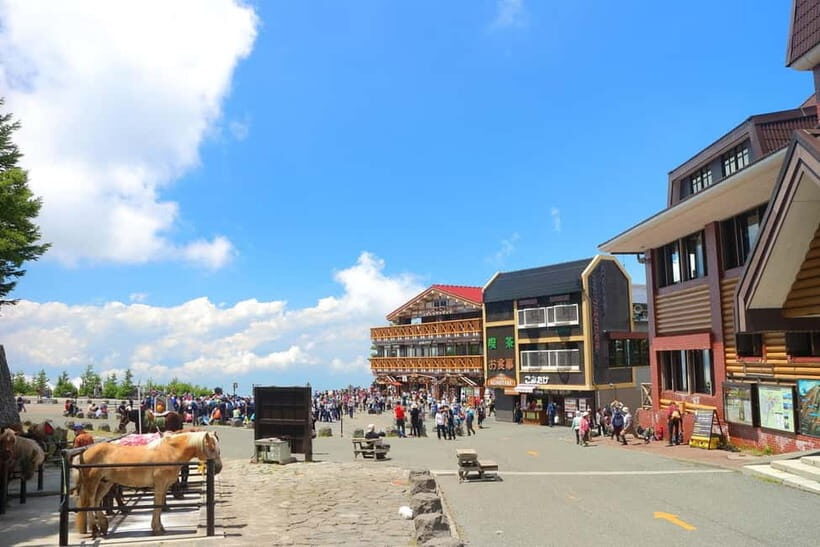
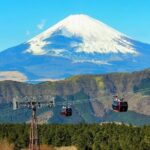
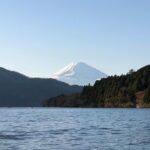
The day kicks off at the Mt. Fuji Subaru Line 5th Station, the popular northern route point around 2,300 meters. This is the kind of place where you actually feel the mountain change—clean air, big views, and a “you made it” feeling that’s hard to replicate from the plains.
A couple practical details matter here:
- The station is accessible almost year-round, but snow conditions can affect it.
- In winter, there can be temporary partial closures.
- During the climbing-season window (noted as July 14 to September 10 in 2023), the road is closed to private vehicles for much of that period.
That last point is a big one. Even with a tour vehicle, the day’s exact flow can depend on rules and road access at the time you go. If you’re traveling in mid-summer climbing season, ask how they handle access to the 5th Station during road restrictions so you’re not surprised.
Also note the listed admission: 5th Station Subaru line fee is not included, so plan on that extra $15USD.
Oshino Hakkai ponds: short visit, strong impact
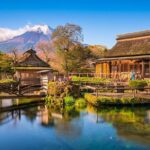
Next comes Oshino Hakkai, known for eight spring ponds fed by snowmelt from Mt. Fuji. The water filters through volcanic rock, which is why you’ll get that famously clear look in good weather.
This is a smart stop for travelers who want something calm and scenic without a long time commitment. Your time here is listed at 30 minutes, and admission is free. That short window can still be enough to:
- walk the pond area at an easy pace,
- pick a viewpoint where Mt. Fuji reflections are possible on clear days,
- and browse small shops in the traditional-ish setting (thatched-roof houses are part of the area’s feel).
One extra practical note: because the ponds are spring-fed and the area is a tourist spot, it’s worth keeping your expectations simple. It’s a beautiful, tidy walk and photo stop—not a “spend all afternoon” attraction.
Lake Ashi and the Hakone torii-in-the-water moment
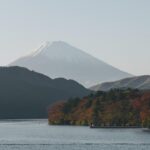
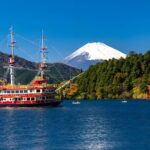
Lake Ashi (also called Lake Ashioko) is next, with about 2 hours allocated. This is a crater lake formed after a volcanic eruption roughly 3,000 years ago, and it’s famous for views of Mt. Fuji when conditions line up.
What makes this stop work well is the variety you typically get in the area: you can enjoy the lake setting with room for photos, and the wider Hakone region around the lake is known for things like boat cruises and hot spring options. The schedule also references Togendai, a well-known starting point area near Lake Ashi connected with the Fujisan Gotemba Trail.
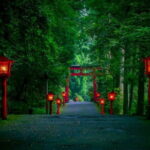
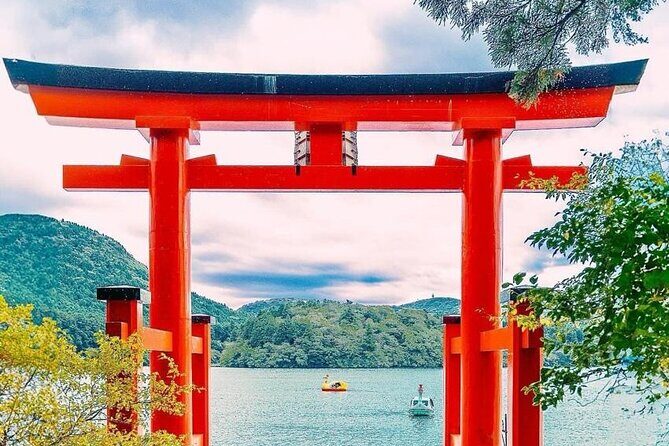
After that, you head to Moto Hakone Shrine for 30 minutes, and this is one of the most visually memorable moments of the whole day. The shrine’s star is the torii gate standing in the water, often referred to as the Torii of Peace. It’s also set in a forested spot, so the view isn’t just one angle—it’s surrounded by nature, with Lake Ashi doing the framing.
Admission here is free, so you’re paying only with time and attention. If the sky is clear, keep an eye on the Fuji visibility—this is the kind of place where a small weather change can shift your photos.
Other Tokyo + Mt Fuji + Hakone combo tours we've reviewed
Owakudani Valley: when sulfur fumes are part of the plan
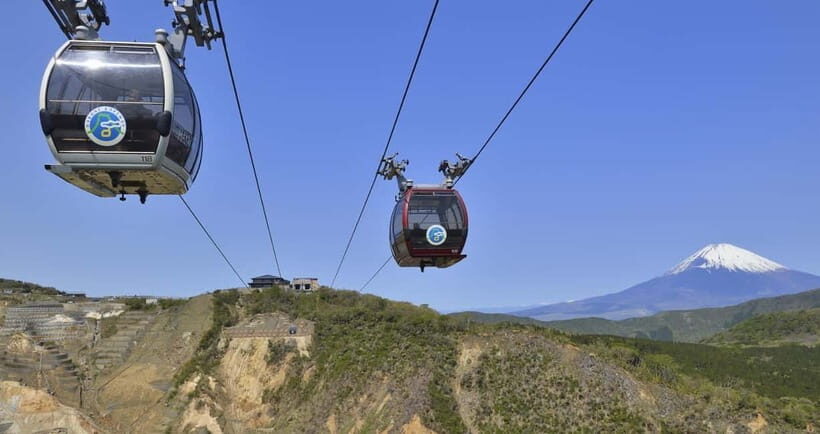
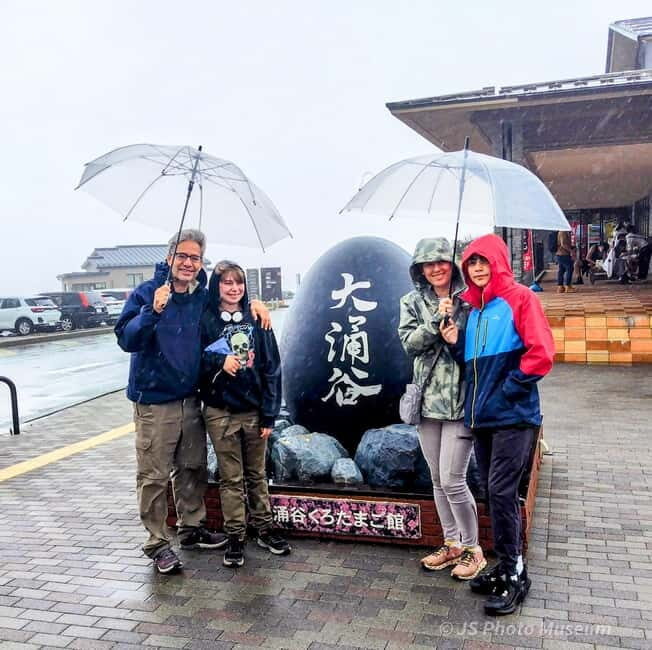
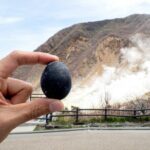
Owakudani Valley is Hakone’s volcanic showcase, and your time here is about 1 hour. The area sits around a crater created during the last eruption of Mt. Hakone around 3,000 years ago. Today it’s still an active volcanic zone.
What you can expect in this area:
- sulfurous fumes in the air,
- hot spring and hot river activity nearby,
- and (on clear days) possible views of Mt. Fuji.
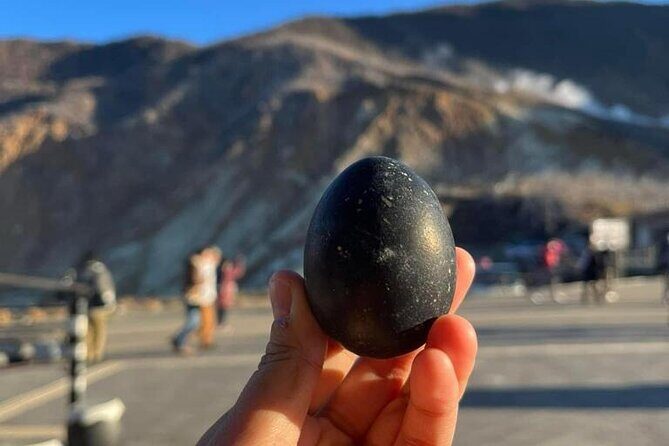
There’s also a very specific local ritual tied to the landscape: eggs cooked in the hot spring pools are sold with the shells blackened by sulfur. The tradition says eating one adds seven years to your life. Whether or not you believe that part, it’s a fun, very Hakone-style souvenir of the experience.
Admission is free here, so the “cost” is mostly your comfort. If you’re sensitive to smells, you’ll want to keep expectations realistic: this isn’t a gentle garden atmosphere.
Gotemba Premium Outlets: a useful endgame for gifts and snacks
The last stop is Gotemba Premium Outlets, listed at about 2 hours. This is the practical closer for the day, and it’s a good one if you want a place to reset after volcanic terrain.
It’s one of Japan’s biggest outlet shopping zones, with roughly 300 stores, restaurants, and a food court. There’s also a 50-meter-high Ferris wheel, a hotel, and a public hot spring bath.
Worth keeping in mind: the prices aren’t described as dramatically cheap, but they’re generally better than regular retail in Japan. In plain terms, it’s a solid option for:
- replacing any snacks you didn’t bring,
- picking up quick gifts without hunting through Tokyo,
- and getting everyone moving again before you head back.
Admission is free for the mall itself, so your spending is totally optional.
Comfort details that actually matter on a 10-hour day
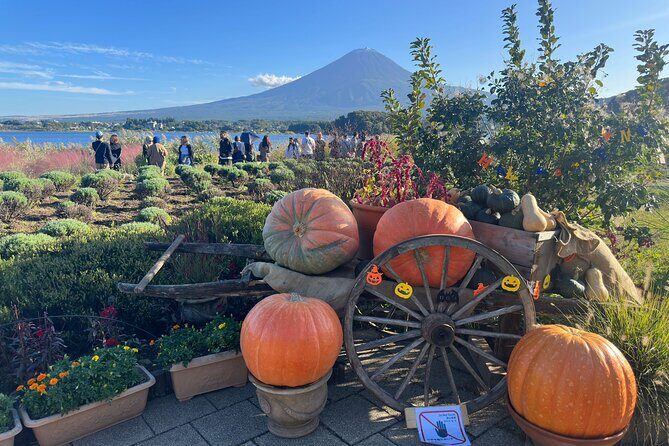
This tour is listed at 10 hours approximately, which is long enough that small comfort upgrades become big deals.
What helps:
- Air-conditioned vehicle for the ride between stops.
- Hotspot on board so you can check transit info, map your next walk, or just keep your group connected.
- Private transportation, meaning you’re not waiting on other parties.
- Mobile ticket format to keep the day from turning into paper-ticket chaos.
What can slow the day down:
- Road conditions and traffic around Mt. Fuji. Timing matters.
- The fact that winter weather can affect access to the 5th Station area.
- Weather affecting Fuji visibility at multiple viewpoints—Lake Ashi and the shrine area depend on clarity.
Also, plan for food the easy way. Coffee/tea and lunch aren’t included, and alcohol is also not included. If you want a smooth day, eat before you’re hungry, not after you’re cranky.
Who this tour fits best (and who should reconsider)
This tour is a strong fit if you want:
- a private day trip out of Tokyo without planning transit,
- major picture-friendly stops (Fuji 5th Station, lake views, Moto Hakone Shrine, volcanic Owakudani),
- and a schedule that works for couples, families, friends, and small groups.
It may be less ideal if your top priority is:
- lots of detailed cultural storytelling at every stop,
- a highly interactive walking guide,
- or a very flexible, slow pace.
There have been complaints in the provided feedback about some drivers acting more like drivers than tour guides, including concerns about rushing. You can reduce that risk by communicating your priorities early—ask where you’ll have time for photos, ask for a pace that works for your group, and confirm what kind of guidance you should expect.
Should you book the Mt. Fuji & Hakone cherry blossom private One Day Tour?
If you’re aiming for a one-day greatest-hits hit out of Tokyo, I think this is a good option—especially if you’re traveling with people who don’t want to wrestle with transit. The combination of Mt. Fuji viewpoints plus Hakone’s lake-and-volcano mix is exactly what makes this region special.
I’d book it if:
- you value comfort and private pickup/drop-off,
- you’re happy to enjoy scenery and let the stops do the talking,
- and you can share the $450 group cost to make it sensible.
I’d hesitate if:
- you’re expecting a very talkative, history-heavy guide throughout the day,
- you’re going at a time when road access to the 5th Station might be tricky (especially around periods noted for restrictions),
- or you’re the type who gets stressed by long road days.
If you match the tour to your travel style, you’ll likely feel like the day ran on rails: enough structure to prevent planning headaches, enough variety to keep it interesting.
FAQ
How long is the Mt. Fuji and Hakone private day tour?
It runs for about 10 hours.
What does the tour cost and how many people can be in a group?
It costs $450 per group, up to 5 people.
Is pickup from my hotel included?
Pickup is offered for convenience, and the tour starts at Tokyo Station (1 Chome-9 Marunouchi, Chiyoda City) and ends back at the meeting point.
What’s included with the private transportation?
You get an air-conditioned vehicle, private transportation, all fees and taxes, and a hotspot on board. You’ll also receive a mobile ticket.
Which stops are included, and are there admissions fees?
The schedule includes the Mt. Fuji 5th Station (with the Subaru line fee listed separately), Oshino Hakkai (free), Lake Ashi (free), Moto Hakone Shrine (free), Owakudani Valley (free), and Gotemba Premium Outlets (free).
What fees are not included in the tour price?
Lunch, coffee and/or tea, and alcoholic beverages are not included. The 5th Station Subaru line fee is listed as $15USD only, and the Hakone Open Air Museum fee is listed as $15USD only.
Are service animals allowed?
Service animals are allowed.
What’s the cancellation policy?
You can cancel for free up to 24 hours in advance for a full refund. If you cancel less than 24 hours before the start time, the amount paid is not refunded.