REVIEW · TOKYO
Hakone Free Pass, 2-3 Days Travel Voucher Japan
Book on Viator →Operated by Trevopedia Wonders · Bookable on Viator
Unlimited rides in Hakone, minus the ticket math. This Hakone Free Pass pairs a round-trip Odakyu ride from Shinjuku to Odawara with unlimited local transport in the Hakone area, so you can move around without doing fare calculations all day. The fun is that you’re not stuck with just one viewpoint; you can stitch together trains, cable cars, ropeways, and Lake Ashi cruising based on your mood and the weather.
I also like the smart “bundle” effect: one ticket gets you access to Hakone Ropeway-style scenic routes plus the boat side of Hakone so your itinerary has variety. The one big drawback to plan for is crowds and logistics—expect lines and tight vehicles during busy times, and using it can feel fiddly if you’re relying on digital apps or have group members with different phone setups.
In This Review
- Key things to know before you go
- Why the Hakone Free Pass is such a practical idea from Tokyo
- Price and value: when $66.50 actually makes sense
- Redeeming the voucher: the part that can trip you up
- The 8 transportation modes: why this pass feels like Hakone’s best deal
- What sights this actually helps you reach: Open-Air Museum, Hakone Shrine, and beyond
- The real-world downside: queues, packed vehicles, and seat reality
- 2-Day vs 3-Day: how to choose the version that won’t stress you
- Discounts at 70+ facilities: how to use them without wasting time
- Comfort and crowd strategy: making public transport work for you
- Who should book the Hakone Free Pass—and who might hate it
- Should you book the Hakone Free Pass for 2 or 3 days?
- FAQ
- How many days is the Hakone Free Pass valid for?
- Where do I collect the physical pass?
- Can I redeem the voucher at Hakone-Yumoto?
- What transportation is included with the pass?
- Do I need to pay extra for the Romancecar?
- Are discounts included, or is it only free transportation?
- When can I start using the pass?
- What happens if I don’t redeem the voucher in time?
- Is this pass refundable or changeable after redemption?
- Do children need tickets?
Key things to know before you go
- Odakyu round-trip from Shinjuku to Odawara is included, which anchors the whole trip.
- 8 transportation networks in Hakone mean you can hop between sights without paying each segment.
- Pick up a physical ticket during counter hours, or your voucher can’t be used.
- Romancecar costs extra if you want that fast limited express ride.
- Discounts at 70+ facilities can add real value if you plan to enter places, not just ride viewpoints.
- Crowds are real in popular segments like cable car/ropeway/boat days.
Why the Hakone Free Pass is such a practical idea from Tokyo
Hakone is one of those places where the scenery is the main event, but the travel can eat your time. This pass helps because it turns Hakone into a “ride all day” playground. You’re not buying a new ticket every time you switch from a train to a bus, cable car, or ropeway.
I like how the pass includes the Odakyū Odawara Line round-trip between Shinjuku Station and Odawara Station. That matters because getting in and out of the Hakone corridor is usually the cost-and-effort bottleneck for first-timers. Once you’re past the initial ride, Hakone’s transport network starts to feel like a system instead of a puzzle.
And you’re not only paying for movement. You also get discounts on 70+ facilities. If you plan to do at least a couple of paid sights, the discount part can tip the math further in your favor.
Other multi-day Tokyo + Hakone itineraries

Price and value: when $66.50 actually makes sense
At $66.50 per person for a 2–3 day option, this pass isn’t automatically a win. The deal is strongest when you’ll use multiple transport modes and hit several sights that have admissions or discounts.
A review mentioned a comparison in yen: the actual cost was quoted as 9,330 yen versus about 5,400 yen for a 3-day pass. Even if your exact itinerary differs, it tells you the pattern to watch: if you’re doing only one or two rides, you might not break even. If you’re doing a full “Hakone circuit” with ropeway + cruise + bus/cable routes, the pass starts to pay for itself quickly.
Here’s a simple way to judge it before you buy:
- If you want more than one “major transport moment” (like ropeway or boat), you’re in the sweet spot.
- If your plan is mostly train+breeze-through, you might be better off paying as you go.
- If you’re planning multiple paid entries, the discounts at 70+ facilities can make the pass feel lighter on your wallet.
Also note: you’re buying an experience that’s non-refundable and cannot be changed once redeemed (details show up in the fine print). If your plans are fragile, build in weather flexibility.
Redeeming the voucher: the part that can trip you up
This pass is convenient, but only if you redeem it correctly. After purchase, you collect a physical ticket at a designated counter area in or around Hakone. Common picks include Odawara Station, which is a major transportation hub for the region.
Timing matters. You must redeem within the operating hours of the counter. If you miss the window, unredeemed vouchers can’t be used. And the operating hours can change, so check the official site before you count on a late pickup.
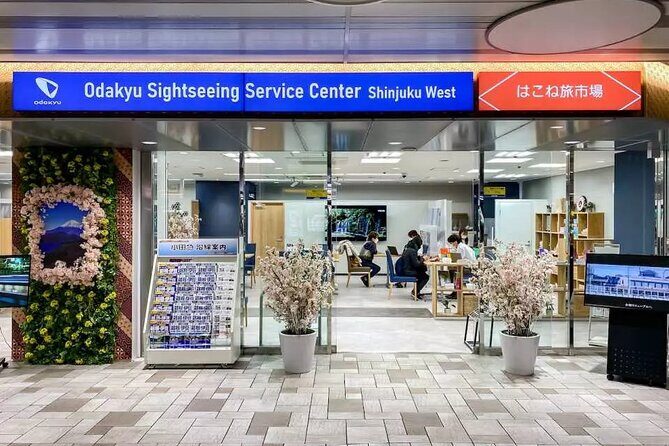
One important rule: redemption locations affect your travel options. If you redeem at the Odakyu Sightseeing Service Center at Odakyu Station, you can only take trains departing from Odakyu Station. In that case, you’ll need to buy a one-way ticket to get from wherever you start in Tokyo to Odakyu Station. The ride between Shinjuku Station and Odawara Station is non-refundable, so treat that first segment as fixed.
Also: voucher redemption is not available at Odakyu Sightseeing Service Center at Hakone-Yumoto. Plan your redemption point before you travel deeper into the Hakone area.
The 8 transportation modes: why this pass feels like Hakone’s best deal
The core of the pass is that it gives you unlimited rides across key Hakone transport routes. You’re not limited to just one operator or one line.
Included transportation networks in the Hakone zone include:
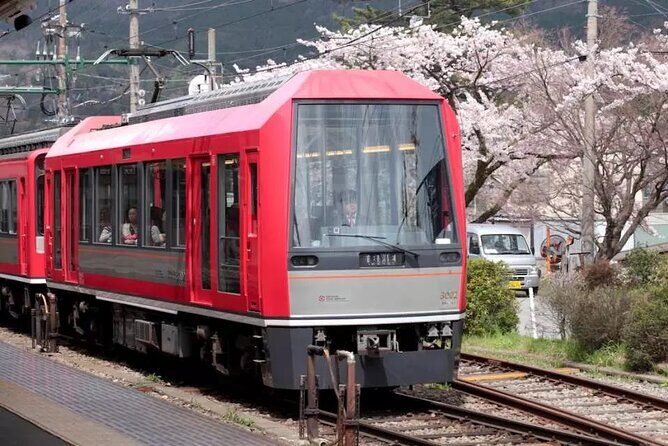
- Hakone Tozan Railway
- Hakone Tozan Cable Car
- Hakone Sightseeing Cruise (Lake Ashi area)
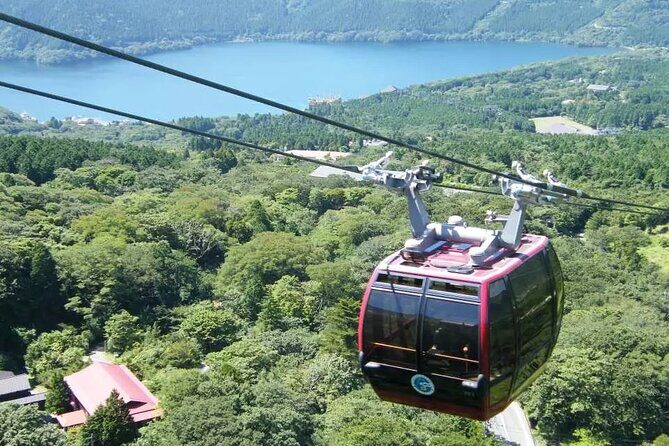
- Hakone Ropeway
- Hakone Tozan Bus (and listed bus networks)
- Odakyu Hakone Highway Bus and Tokai Bus
Add to that the Odakyu rail link back to Tokyo (Shinjuku ↔ Odawara), and you get a flexible “connect-the-dots” travel style.
Why you’ll probably like it:
- You can change plans quickly if weather shifts.
- You can build a route that matches your energy level.
- You can do multiple viewpoints in one day without paying each leg.
One extra note: if you want the Romancecar, you’ll need to purchase a limited express ticket on-site at your own expense. So this pass is great for the network coverage, but it won’t magically remove every extra fee if you choose the premium train.
What sights this actually helps you reach: Open-Air Museum, Hakone Shrine, and beyond
Hakone is known for hot springs, scenic views, and that classic Japan-in-mountain-weather feeling. The pass supports that by giving you easy access to major sight corridors.
Here are the notable places and experiences the pass can help you with:
- Hakone Open-Air Museum (discount)
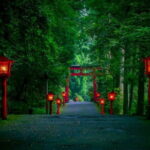
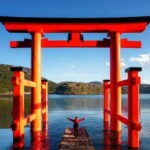
- Hakone Shrine (discount)
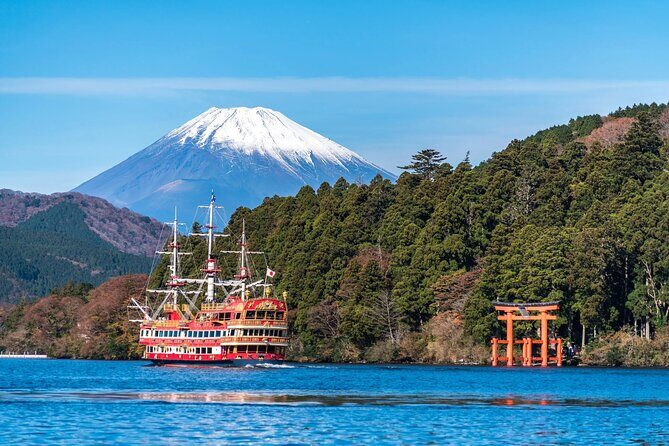
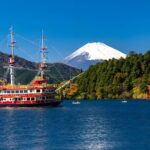
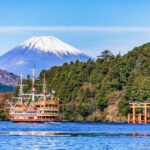
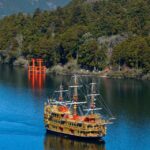
- Hakone Pirate Ship / Hakone Sightseeing Cruise on Lake Ashi
- Hot spring facilities and art-focused spots covered by the 70+ discount list
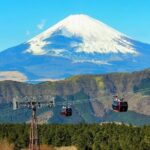
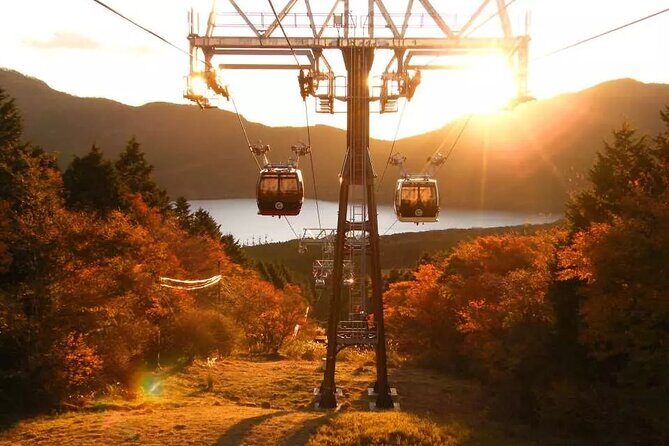
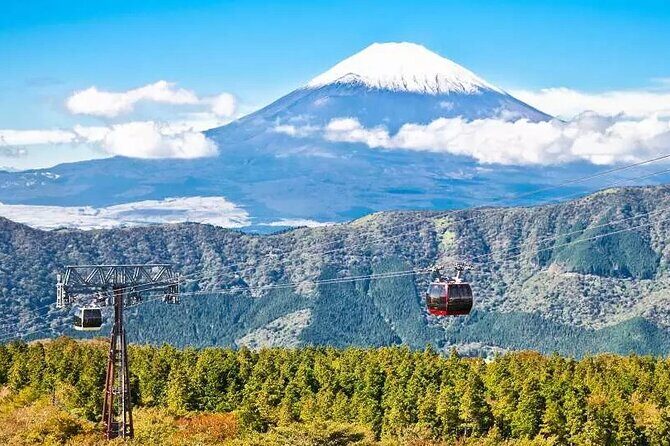
Even if you don’t plan to enter every attraction, the transport modes themselves are part of the experience. The Ropeway and Cable Car routes are built for views, and the boat segment helps you slow down and enjoy Lake Ashi without constantly hopping buses.
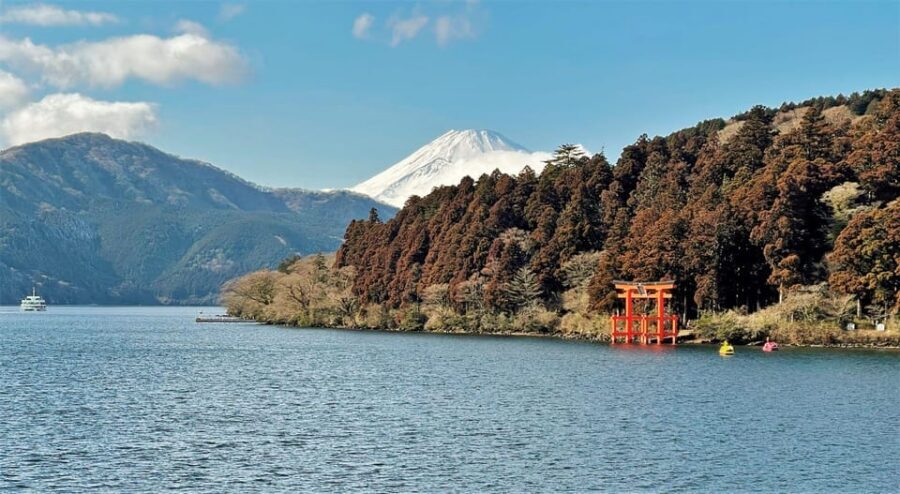
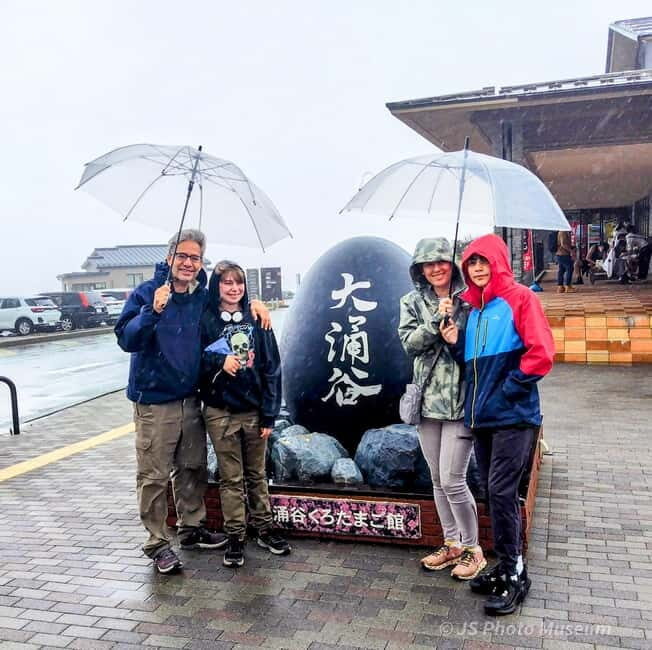
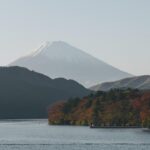
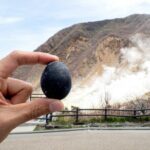
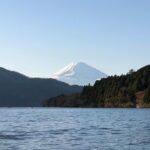
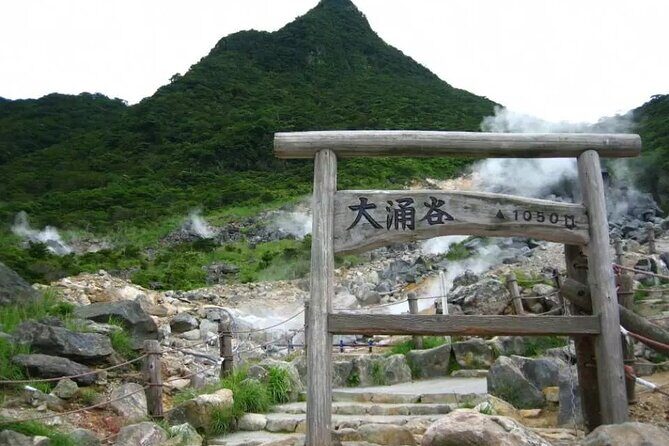
And yes, you can plan around major scenery points like Owakudani Valley and Lake Ashi—the pass coverage and the transport mix make those kinds of pairings realistic. If your dream Hakone day includes a mix of mountain views plus lake views, this pass is built for that idea.

The real-world downside: queues, packed vehicles, and seat reality
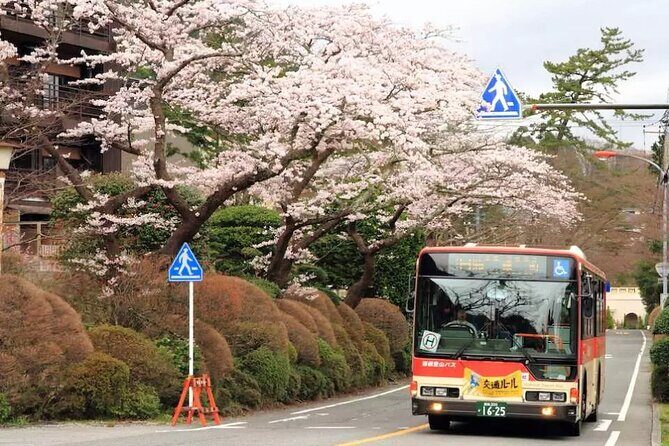
Let’s talk about the thing that can sour a Hakone day: crowd pressure. Hakone is popular, and the popular transport parts can get crowded fast. Expect long waits and tight space on trains, buses, and cable/rope connections during peak hours.
That doesn’t mean you should skip Hakone. It means you should schedule like a pro:
- Aim to start earlier in the day so you’re not fighting the biggest wave of foot traffic.
- Build in buffer time between major segments so you don’t turn the day into a sprint.
- If you hate standing in line, consider a slower 2-day plan rather than cramming everything into one rushed day.
Also, the pass can feel like a hassle if you’re relying on apps. One recurring friction point is that staff may be slow with digital ticket setups, and group members may face issues if phone setup varies. Your safest strategy is to be ready with your physical ticket and keep your activation process simple.
2-Day vs 3-Day: how to choose the version that won’t stress you
You get the pass for 2 or 3 consecutive days after activation (from pickup/collection). This is a big decision because it affects how realistic your route is.
A 2-day pass works best if:
- You already know which area you want to prioritize.
- You’re okay with a tighter schedule.
- You’ll pick a small number of paid sights and focus on transport-based viewpoints.
A 3-day pass works best if:
- You want to mix mountain + lake + museum/shrine time without feeling rushed.
- You plan to use multiple transport modes more than once.
- You want flexibility if weather or timing forces plan changes.
One practical tip: Hakone is weather-sensitive. If fog or rain limits views, you’ll appreciate the extra day to rebalance your plan rather than watching everything happen on a schedule you can’t control.
Discounts at 70+ facilities: how to use them without wasting time
The pass includes discounts at over 70 facilities, including hot springs and places like the Open-Air Museum and Hakone Shrine. The trick is to not turn discounts into homework.
Pick two or three “anchor” entries you genuinely want. Then use the pass to connect them with efficient transport legs. If you spread out dozens of tiny stops just for the sake of discount coverage, you may end up paying in fatigue and time instead.
Also watch what kind of day you’re building:
- If you’re mostly sightseeing from viewpoints and doing one boat/cable/rope highlight, your value might come more from unlimited transport than admissions.
- If you’re entering multiple paid attractions, the discount list becomes the icing, not the whole cake.
Comfort and crowd strategy: making public transport work for you
Even with unlimited rides, you’re still using public transport in a high-demand area. That’s where your strategy matters more than the pass itself.
I’d plan your day like this:
- Use the pass for the big transitions first (the ones that typically cost the most time and money to re-route).
- Save the most “line-prone” segments for when you’re best rested.
- Keep your belongings easy to manage; packed vehicles mean you’ll want quick access and less fidgeting.
And if you’re traveling as a family or group, set expectations early. Some setups can be annoying if each person has to manage separate digital steps. A simple physical-ticket approach usually reduces confusion.
Who should book the Hakone Free Pass—and who might hate it
This pass is a great fit if you:
- Want Hakone’s classic transport circuit with cable car/ropeway/boat-style moments.
- Plan to visit multiple places over 2–3 days rather than one quick hop.
- Like the idea of paying one price and then adjusting your route.
It might not be your best match if:
- You strongly dislike crowds and hate waiting.
- You want a very “quiet, slow, low-transit” itinerary.
- Your schedule is too fragile for redemption windows and weather changes.
One more reality check: you’re dealing with a maximum group size of 100 travelers for the experience format. That suggests it’s not a tiny private tour. You’ll want to be flexible in busy seasons.
Should you book the Hakone Free Pass for 2 or 3 days?
If your Hakone plan includes more than one major transport segment and at least a couple of sights (or discounts), I think this pass is worth serious consideration. The big wins are the Odakyu Shinjuku↔Odawara round trip, unlimited access across multiple transport networks, and the ability to build an itinerary around ropeway and Lake Ashi-style moments.
If you’re the type who wants zero waiting and minimal transfers, you might feel the pressure of Hakone peak crowds. In that case, consider whether you can travel early, whether you’ll stay flexible, and whether you’ll actually use the pass coverage enough to justify the bundled price.
FAQ
How many days is the Hakone Free Pass valid for?
It’s available as a 2-day or 3-day travel voucher, valid for two or three consecutive days depending on the pass type you purchased.
Where do I collect the physical pass?
You collect the physical ticket at a designated location in or around Hakone. A common place is Odawara Station, and redemption can also be done at specific Odakyu Sightseeing Service Centers such as Shinjuku West (during operating hours).
Can I redeem the voucher at Hakone-Yumoto?
No. The provided information states that voucher redemption is not available at the Odakyu Sightseeing Service Center at Hakone-Yumoto.
What transportation is included with the pass?
The pass includes an Odakyu round-trip ticket between Shinjuku Station and Odawara Station, plus unlimited rides on multiple Hakone transport routes, including the Hakone Tozan Railway, Cable Car, Ropeway, Sightseeing Cruise, and buses listed in the pass coverage.
Do I need to pay extra for the Romancecar?
Yes. If you want to ride the Romancecar, you’re required to purchase a limited express ticket on-site at your own expense.
Are discounts included, or is it only free transportation?
It includes discounts at over 70 facilities and attractions (such as Hakone Open-Air Museum and Hakone Shrine), not just transportation.
When can I start using the pass?
You can start using it from the time you collect/activate it. The pass is typically valid for 2 or 3 consecutive days from activation (pickup).
What happens if I don’t redeem the voucher in time?
Unredeemed vouchers cannot be used as a ticket, and redemption must be done during counter operating hours.
Is this pass refundable or changeable after redemption?
The experience is non-refundable and cannot be changed once the Hakone Freepass is redeemed.
Do children need tickets?
Children under 6 can enter for free (no ticket required) as long as they must not occupy a seat. Children 6 and over need to purchase a child ticket. Children under 6 must be accompanied by an adult.