REVIEW · TOKYO
2 Days Tokyo ,Mount Fuji / Hakone Private Tour from Tokyo
Book on Viator →Operated by Xplor Japan · Bookable on Viator
Two days, one driver, Mt. Fuji on the horizon. I like that this plan wraps up private transportation plus an English-speaking driver-guide into one set schedule, so you spend your energy sightseeing instead of figuring out routes. I also appreciate the human touch from guides like Ryu, who mixes Japan history with smart problem-solving when weather gets tricky. One catch: you still need to budget for a few add-on tickets and lunch, and the Mt. Fuji views depend on clear weather.
Most stops are timed well for a busy itinerary. You get a good Tokyo sampler (Imperial Palace East Gardens, Tsukiji Outer Market area, Tokyo Skytree, Senso-ji, Takeshita Street) and then day two focuses on the Fuji/Hakone classics around Chureito Pagoda, Oshino Hakkai, Lake Ashi, and Owakudani. It’s also built for convenience with pickup offered and a mobile ticket.
The main consideration is that the day starts early (8:00 am) and you’ll be in a car between regions. If you’re traveling with a flexible pace and you want the easiest path to see a lot in two days, this works nicely. If you prefer lots of free time to wander without structure, you may find the schedule a bit tight.
In This Review
- Key Things I’d Pay Attention To
- A Two-Day Private Plan: Tokyo Highlights Plus Hakone’s Fuji Views
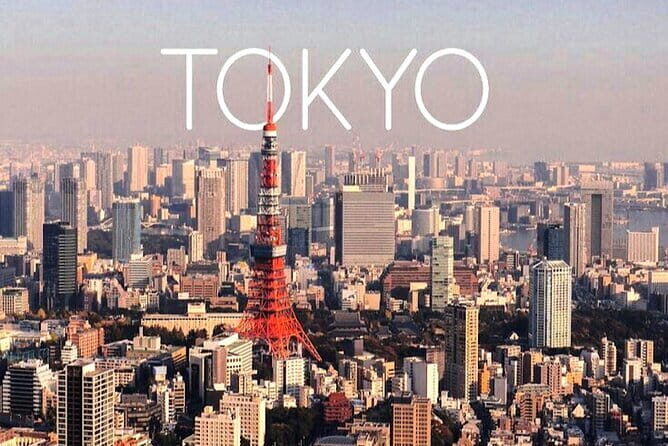
- Day 1 in Tokyo: Imperial East Gardens, Tsukiji, Skytree, Senso-ji, Takeshita
- Imperial Palace East Gardens: Edo Castle Remnants, Calm Walk Time
- Tsukiji Outer Market: Seafood Shopping and Snack Stops
- Tokyo Skytree: A View That Helps Tokyo Make Sense
- Senso-ji Temple: Classic Tokyo Temple Energy
- Takeshita Street: Youth Fashion and Quick People-Watching
- Day 2 to Hakone: Chureito Pagoda Framing Mt. Fuji
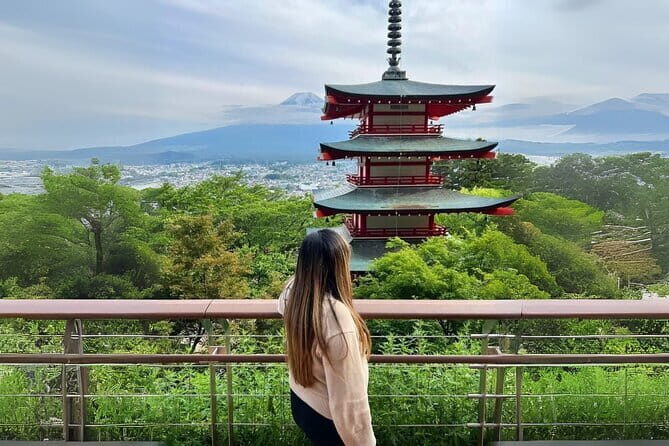
- Chureito Pagoda: The Fuji-Frame Photo Point
- Kitaguchi Hongu Fuji Sengen Jinja: A Fuji Shrine Stop With a Forest Feel
- Oshino Hakkai: Eight Ponds Fed by Snowmelt
- Lake Ashinoko and the Hakone View Circuit
- Lake Ashinoko: Fuji Reflections and a Cruise Add-On
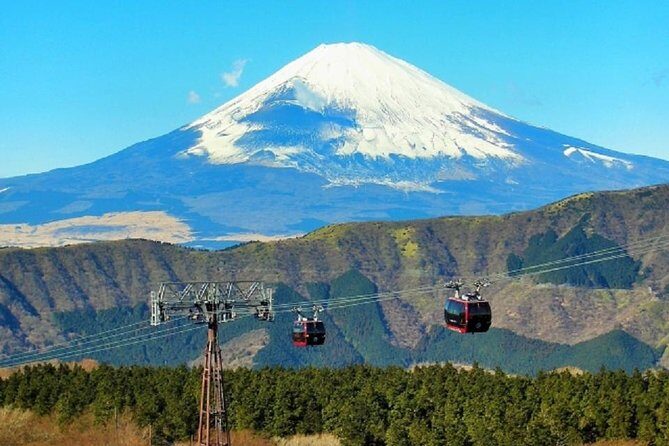
- Hakone Ropeway and Owakudani: Where the Scenery Gets More Dramatic
- Hakone Ropeway: Cable Car Views Up Toward Mount Komagatake
- Owakudani Kurotamago Kan: Volcanic Steam and Mud-Pool Energy
- Private Transportation Details That Actually Matter in Real Life
- Price Check: Is $811 for Up to 5 Good Value?
- Weather Reality: How to Think About Mt. Fuji on This Trip
- Best Fit: Who Should Book This Tokyo and Hakone Private Tour
- Should You Book 2 Days Tokyo, Mt. Fuji, Hakone Private Tour?
- FAQ
- How many people can join this private tour?
- What time does the tour start?
- Is pickup included?
- Is the guide/driver English-speaking?
- What entrance tickets are not included?
- Is lunch included?
- What should I know about Mt. Fuji and weather?
- Can I cancel and get a full refund?
Key Things I’d Pay Attention To
- Private car, up to 5 people: You avoid transit hassle and keep your day moving at sightseeing speed.
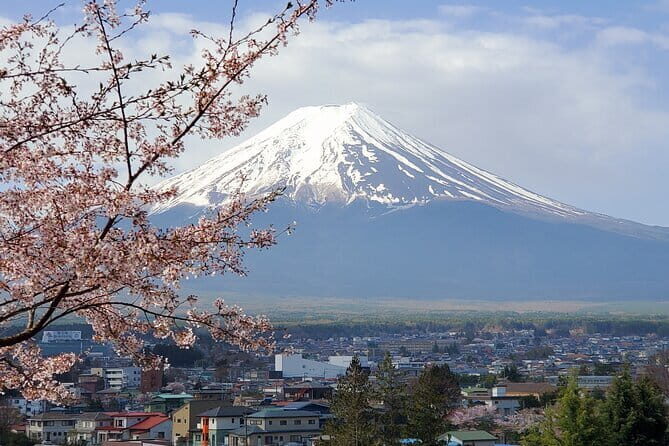
- Mt. Fuji viewpoints are the goal, not just a drive-by: Chureito Pagoda and Hakone sights are chosen for that specific payoff.
- Many stops are free-admission: East Gardens, Tsukiji Outer Market area, Senso-ji, Chureito Pagoda, Oshino Hakkai, and Owakudani are listed as free.
- Plan for paid add-ons: Tokyo Skytree, Hakone Ropeway, and a Lake Ashi cruise option aren’t included.
- Guide support matters: The reviews highlight Ryu’s history knowledge and his ability to adjust when weather doesn’t cooperate.
- Good weather is required: If Fuji visibility is poor, the experience can be rescheduled or refunded.
A Two-Day Private Plan: Tokyo Highlights Plus Hakone’s Fuji Views
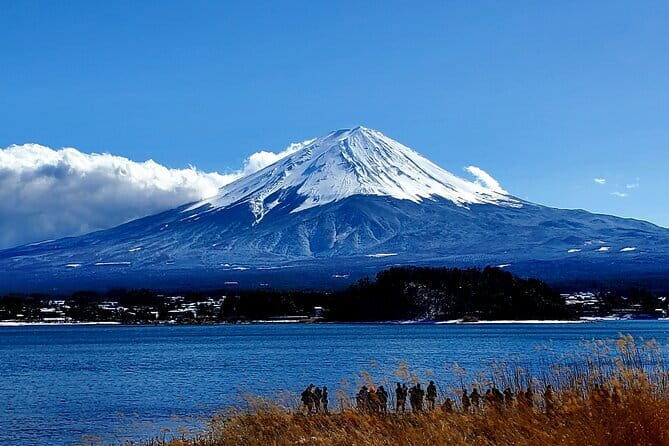
This is the kind of trip that fits people who want Tokyo and then want Fuji/Hakone without turning the trip into a logistics project. You start with Tokyo icons and finish with the Hakone area where the views often steal the show.
Because it’s private, you’re not getting shuffled into other groups or slowed down by someone else’s pace. The air-conditioned vehicle, plus gas, tolls, and parking being covered, means you avoid the usual hidden stress of moving between districts and towns.
You’re also working with a real English-speaking driver-guide. That matters more than many people think, especially when you’re doing high-demand sites like Senso-ji and when the route timing depends on the weather and daylight.
More Mt Fuji & Hakone tours we've reviewed
Day 1 in Tokyo: Imperial East Gardens, Tsukiji, Skytree, Senso-ji, Takeshita
Day one is designed as a highlight loop around Tokyo’s most recognizable places. You’re not spending the whole day in one neighborhood, which helps time-pressed visitors see more without feeling lost.
Imperial Palace East Gardens: Edo Castle Remnants, Calm Walk Time
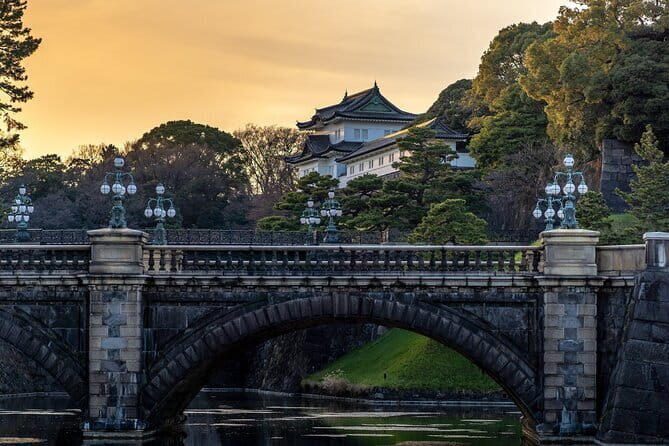
You begin at the East Gardens of the Imperial Palace, located on the former Edo Castle ruin area. It’s a nice way to start the day with green space and a bit of historical grounding, especially after an early departure.
It’s listed as free and about one hour. That’s long enough to take a relaxed stroll and get your bearings in a part of Tokyo that feels quieter than the nearby city bustle.
Tsukiji Outer Market: Seafood Shopping and Snack Stops
Next comes the Tsukiji Outer Market area. This is where the day turns food-focused, with an always-active market scene built around seafood and quick bites.
It’s also listed as free and about one hour. In a tight schedule, this is a smart choice: you get the feel of the market without trying to do a full market crawl that can eat your entire morning.
Tokyo Skytree: A View That Helps Tokyo Make Sense
Tokyo Skytree is next, with a one-hour slot. The ticket is not included (listed at ¥3,400 per person), so you’ll want to plan that cost ahead.
I like Skytree in a two-day plan because it gives you a big-picture map of the city. Even if you don’t stay up high the entire time, the timing is useful: you’ve just seen old Tokyo and food culture, and now you get the modern skyline scale.
Other Hakone day trips from Tokyo we've reviewed
Senso-ji Temple: Classic Tokyo Temple Energy
Senso-ji is one of those places where the details pull you in fast: the temple grounds, the incense atmosphere, and the general sense that this is Tokyo’s spiritual heavyweight.
It’s listed as free and about one hour. If you’re a first-time visitor, this is a must in a short trip because it gives you a strong cultural anchor before you move into pop culture.
Takeshita Street: Youth Fashion and Quick People-Watching
You finish day one at Takeshita Street. This is where Tokyo’s youth fashion scene shows up in full force, with a lot of visual noise and quick browsing.
It’s listed as free and about one hour. I’d treat this as a short walk-through rather than a shopping marathon. The best use of time here is to enjoy the vibe, grab a small snack if you want, and then call it before you feel overwhelmed.
Day 2 to Hakone: Chureito Pagoda Framing Mt. Fuji
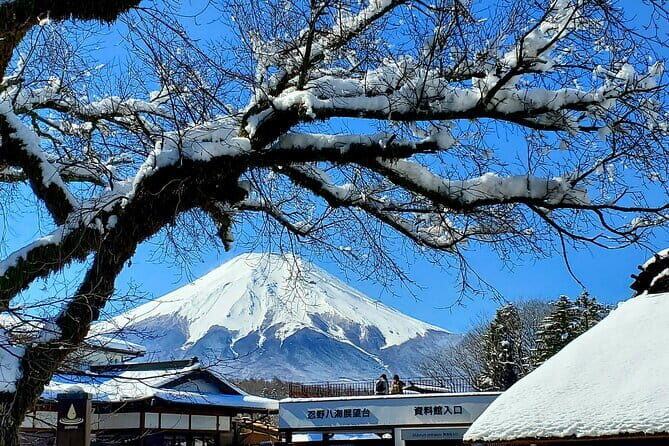
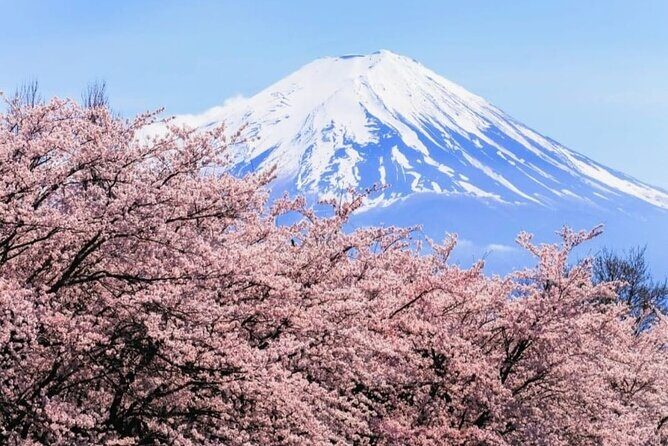
Day two shifts you out of Tokyo and into the Fuji/Hakone zone. The big promise here is clear-weather visibility, because several stops are chosen for the classic Fuji composition.
Chureito Pagoda: The Fuji-Frame Photo Point
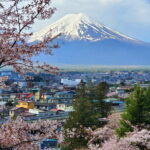
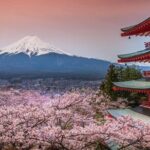
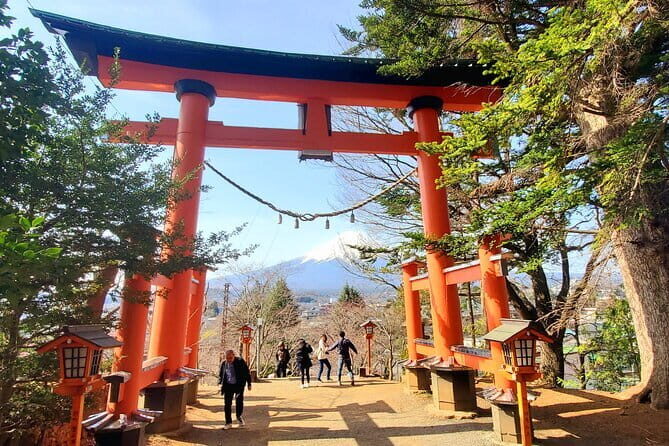
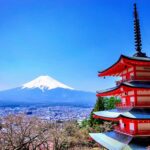
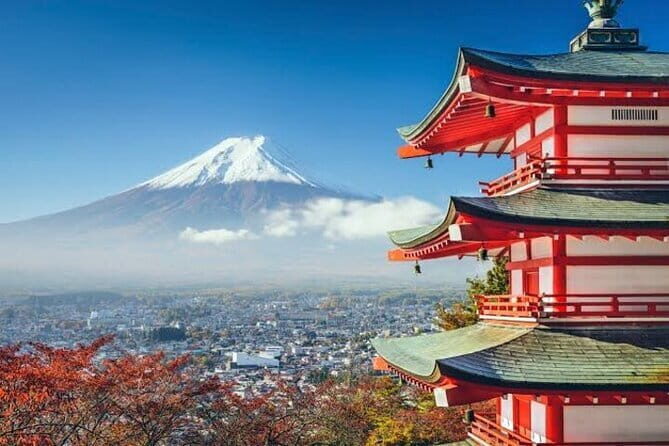
Chureito Pagoda is listed as free and about one hour. This is one of the most iconic viewpoints for seeing Mount Fuji framed with the pagoda silhouette.
Here’s the practical truth: if the sky is clear, this stop can be a trip highlight. If clouds move in, you still get a pleasant park-area walk, but you may not get the same postcard view.
Kitaguchi Hongu Fuji Sengen Jinja: A Fuji Shrine Stop With a Forest Feel
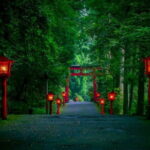
Next is Kitaguchi Hongu Fuji Sengen Jinja, listed as free and about 30 minutes. This shrine is dedicated to the worship of Mount Fuji and is described as a primary shrine on the mountain’s northern side.
This is a nice contrast to the photo-focused pagoda. It’s shorter in time, but it gives you a deeper cultural layer to balance the scenery.
Oshino Hakkai: Eight Ponds Fed by Snowmelt
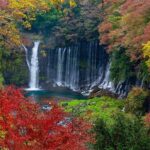
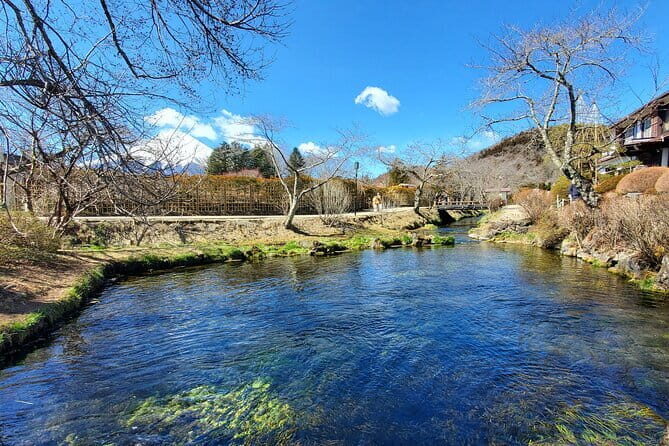
Oshino Hakkai is about one hour and listed as free. You’ll see eight ponds fed by snowmelt that filters through volcanic rock over decades, producing clear water and reflective views.
This stop tends to work well in a guided schedule because you can keep moving and still understand what you’re seeing. It’s also a good chance to slow down for a more nature-focused walk compared with Tokyo’s constant motion.
Lake Ashinoko and the Hakone View Circuit
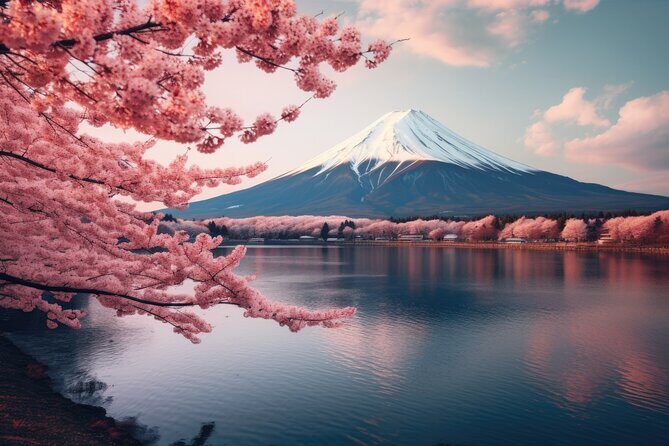
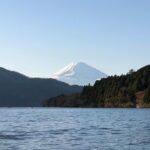
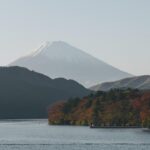
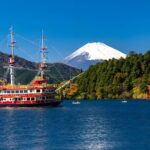
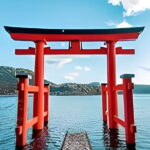
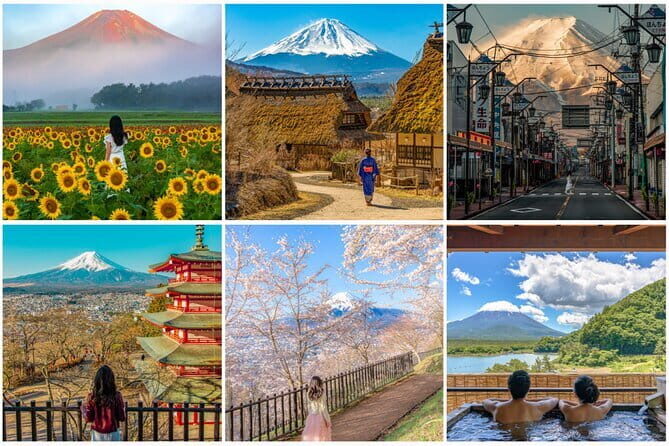
After Oshino Hakkai, the itinerary moves toward Lake Ashinoko, which is the heart of many Hakone scenery photos. This is where Fuji often shows up in the background of calmer water.
Lake Ashinoko: Fuji Reflections and a Cruise Add-On
Lake Ashinoko is listed for about one hour and listed as free. The experience description points to cruising, and the cruise ship fee is listed as not included at ¥1,200 per person.
This is a great example of why it’s worth reading your trip math early. If you want the cruise, you’ll budget extra. If you don’t, you can still enjoy the lake views from the shore area, but you’ll want to time it so you’re not rushed.
Hakone Ropeway and Owakudani: Where the Scenery Gets More Dramatic
Hakone Ropeway and Owakudani are where the trip turns from scenic lakes to volcanic drama. That change of pace is one of the reasons this two-day plan feels complete rather than repetitive.
Hakone Ropeway: Cable Car Views Up Toward Mount Komagatake
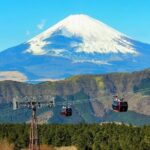
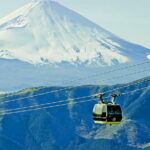
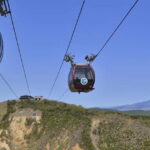
Hakone Ropeway is listed for about 30 minutes, with the ticket not included at ¥1,500 per person. The ride takes you up to Mount Komagatake, with views over Lake Ashi and (when weather cooperates) Mount Fuji.
The ropeway is short, but it’s one of those “worth it” segments because you go higher without needing to hike. If you hate delays and don’t want to gamble with steep walks, this is a good compromise.
Owakudani Kurotamago Kan: Volcanic Steam and Mud-Pool Energy
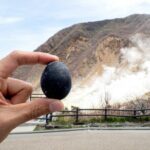
Owakudani Kurotamago Kan is about 40 minutes and listed as free. This volcanic valley is known for hot springs, mud pools, and steam vents, which makes it feel like you’re standing near Earth’s engine.
Even with a tight schedule, 40 minutes gives you time to take in the views and see the geothermal activity clearly. I also like that it breaks the Fuji-and-lake pattern, so day two doesn’t feel like one long photo line.
Private Transportation Details That Actually Matter in Real Life
The biggest practical win is that you don’t have to manage the Tokyo-to-Hakone transfer yourself. This trip includes an air-conditioned vehicle and private transportation, plus gas, tolls, and parking. That package removes several layers of friction.
The result is that you’re more likely to keep your schedule intact, especially on day two where timing can be tied to weather and visibility. On a public-transport plan, a delay or missed connection can snowball.
Also, you’re getting an English-speaking driver-guide, not just a driver. That’s useful at cultural stops like Senso-ji and at the shrine, where a quick explanation can turn a quick glance into real context.
Price Check: Is $811 for Up to 5 Good Value?
The price is $811.00 per group (up to 5 people). That means the cost can be a lot more reasonable if you fill the vehicle.
If you travel with fewer than five, the per-person price goes up, because it’s priced by group rather than by seat-sharing in a public tour. That’s why this tour makes the most sense when you’re splitting costs with friends or family.
Where the value really lands is in what you get for the money: two full days of private movement, an English-speaking guide, and coverage of car-related costs. The tickets that aren’t included are limited and clear: Tokyo Skytree (¥3,400), Hakone Ropeway (¥1,500), and Lake Ashinoko cruise ship (¥1,200), plus lunch being on you.
So the decision becomes: do you want a private, guide-led plan with minimal hassle? If yes, the total value tends to work well, because private car time through Tokyo traffic and across regions is usually where costs jump.
Weather Reality: How to Think About Mt. Fuji on This Trip
This experience requires good weather. If it’s canceled due to poor weather, you’ll be offered a different date or a full refund.
That matters because several of your top moments depend on visibility. You can still enjoy the other stops, but the magic payoff—especially at Chureito Pagoda and while moving around Hakone—depends on clear conditions.
This is also where having a capable guide helps. One of the reviews specifically praised Ryu for handling weather issues and still making the trip work. For you, that translates into fewer empty moments and more smart rerouting or adjustments while staying on schedule.
Best Fit: Who Should Book This Tokyo and Hakone Private Tour
This tour is a strong match if you want:
- Tokyo highlights without spending hours on trains and transfers
- A second day focused on Fuji/Hakone scenery with a guide
- A plan that’s structured but still lets you enjoy each stop without rushing through everything in minutes
It may be less ideal if you:
- Want deep museum time or very slow, unstructured wandering
- Plan to skip paid add-ons and aren’t interested in heights or a cruise (because those are the main optional ticket-based experiences)
- Prefer a late start (this begins at 8:00 am)
For first-time visitors who want a “Tokyo intro” plus “Fuji day,” it’s a practical way to get both without blowing your itinerary.
Should You Book 2 Days Tokyo, Mt. Fuji, Hakone Private Tour?
I think you should book it if you value convenience and want a guided plan that hits the big targets in two days. The mix of Tokyo classics plus Hakone viewpoints is tightly arranged, and the private car removes the biggest stress point for short trips.
I’d book with extra confidence if you’re traveling with others to make the group price work. And if you’re planning your dates, aim for a period where you have a reasonable shot at clear skies—because the Mt. Fuji payoff is the whole reason this itinerary exists.
If you want one package that reduces decision fatigue and still delivers memorable scenery, this private tour is a solid choice.
FAQ
How many people can join this private tour?
It’s priced for up to 5 people per group, and it’s a private tour/activity, so only your group participates.
What time does the tour start?
The start time is 8:00 am.
Is pickup included?
Pickup is offered, and the meeting points are near public transportation.
Is the guide/driver English-speaking?
Yes. You get an English-speaking driver/guide.
What entrance tickets are not included?
Tokyo Skytree (¥3,400 per person), Hakone Ropeway (¥1,500 per person), and the Lake Ashinoko Cruise Ship (¥1,200 per person) are not included.
Is lunch included?
No, lunch is not included.
What should I know about Mt. Fuji and weather?
The experience requires good weather. If it’s canceled due to poor weather, you’ll be offered a different date or a full refund.
Can I cancel and get a full refund?
Yes. You can cancel up to 24 hours in advance for a full refund. Changes made less than 24 hours before the start time aren’t accepted, and cancellations within 24 hours aren’t refunded.