REVIEW · TOKYO
Mt Fuji & Hakone Private Tour from Tokyo: Return by Bullet Train
Book on Viator →Operated by Xplor Japan · Bookable on Viator
Fuji in one day feels too easy. I really like the private vehicle pickup and the flexible stop choices around the Mount Fuji area. The one thing to watch: Hakone Ropeway and any Lake Ashinoko cruise cost extra, and after drop-off at Odawara you’ll handle the shinkansen ride yourself.
This is a full, day-long sweep of the classic sights: shrine gates, eight spring ponds, and big-water views around the Fuji Five Lakes, then into Hakone for ropeway and lake scenery. A couple of guides have stood out for how they explain what you’re looking at—Ryu is often praised for making time for photos, and Malik Ali comes up for clear explanations that connect the sites to Japanese life.
Plan on starting early: the pickup begins around an 8:00 am start and the whole thing runs about 10 hours. Also, lunch and drinks aren’t included, so you’ll want either a plan for convenience food or a bit of cash for snacks during the day.
In This Review
- Key things I’d bet on (before you book)
- Entering the day: pickup, pacing, and the Odawara shinkansen handoff
- Price and what $295 really covers
- Chureito Pagoda: your Fuji photo moment (and why it’s scheduled first)
- Kitaguchi Hongu Fuji Sengen Jinja: red torii gates and a quieter pause
- Oshino Hakkai: eight ponds fed by Mount Fuji’s filtering water
- Lake Yamanaka vs. Lake Kawaguchiko: two different vibes, one morning-to-midday stretch
- Hakone Ropeway: paying for the view from above (and reading the weather)
- Lake Ashinoko and the boat ride: volcanic-water views with a gentler pace
- The guide effect: Ryu’s photo help, Malik Ali’s explanations, and how that changes the day
- Timing tips: how to set yourself up for clear Fuji views
- Should you book this private Mt Fuji and Hakone tour?
- FAQ
- What time does the tour start?
- How long is the tour?
- Is this a private tour?
- Do you get picked up from Tokyo?
- What’s included in the price?
- What costs extra during the day?
- Is the shinkansen ride included?
- Where does the tour end?
- What if the weather is poor?
- What is the cancellation policy?
Key things I’d bet on (before you book)
- Private, air-conditioned car with a guide: you’re not stuck with a fixed bus route when you want more or less time at a stop.
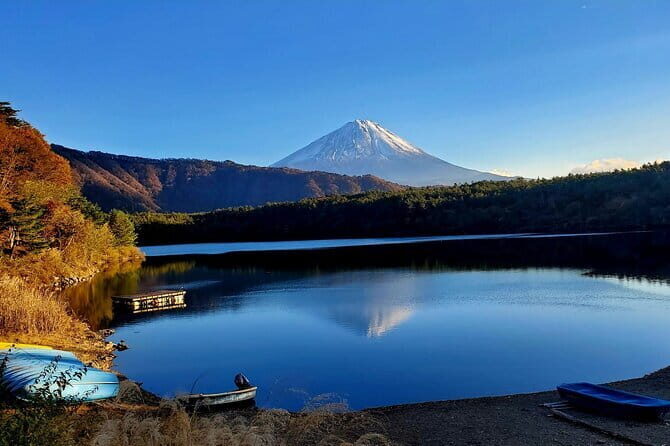
- Fuji Five Lakes variety in one day: the tour includes both Lake Yamanaka and Lake Kawaguchiko, so you get different flavors of the same region.
- Oshino Hakkai’s eight ponds: volcanic groundwater springs fed by Mount Fuji’s filtering lava fields.
- Hakone Ropeway + Lake Ashinoko by boat: big views in the air, then water views below, with cruise/ropeway fees extra.
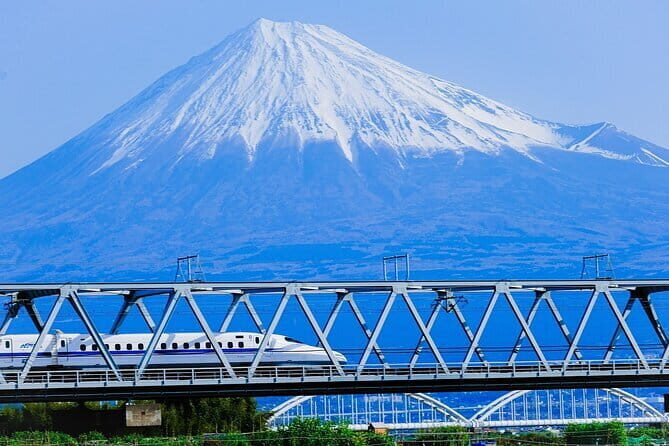
- Shinkansen return built in: the guide helps with the train plan, then drops you at Odawara Station for Tokyo.
Entering the day: pickup, pacing, and the Odawara shinkansen handoff
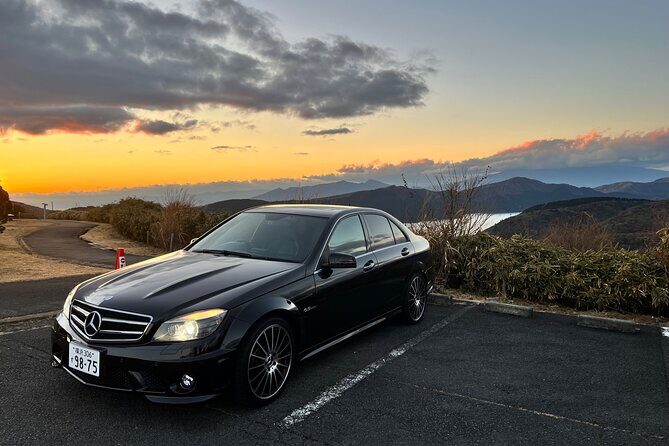
This is designed as a stress-reducing day from Tokyo. You meet up in the morning with pickup arranged from hotels or apartments in Tokyo (you agree on the pickup details ahead of time). Then you move between stops in an air-conditioned private vehicle, with a guide steering you through timing and what to prioritize.
You’ll finish with a drop-off at Odawara Station, heading onward to Tokyo Station by bullet train. One key detail: the guide won’t accompany you onto the shinkansen. In practice, that means you should treat the end of the tour as, figure-out-your-platform-and-go time. The upside is you’re already at the right station, not scrambling to get there by local transit.
The pacing works best if you’re okay with a “see the highlights, but not everything” approach. The tour is set up for a strong hit list, yet it also notes you can choose which Fuji-area highlights you care about most. That flexibility is where the private format pays off.
More Mt Fuji & Hakone tours we've reviewed
Price and what $295 really covers
At $295 per person, you’re paying for the private vehicle plus a professional guide for roughly a 10-hour day. That’s the backbone of the value: getting a guide who can explain the sites while you ride comfortably between them.
What’s not included matters for budgeting. Lunch, drinks, and snacks are on you. Also, the tour lists additional fees for Hakone activities. Hakone Ropeway runs ¥3,000 per person, and the Lake Ashinoko cruise ship fee is also ¥3,000 per person. If you add both, you’ll want to build that into your total cost.
One more “value” point that people often miss: the price is structured for convenience. You’re not mapping local buses, not trying to time transfers between the Fuji Five Lakes and Hakone, and not guessing at which viewpoints are worth the money and time. If you prefer a day that feels planned but still not rushed, this setup fits.
Chureito Pagoda: your Fuji photo moment (and why it’s scheduled first)
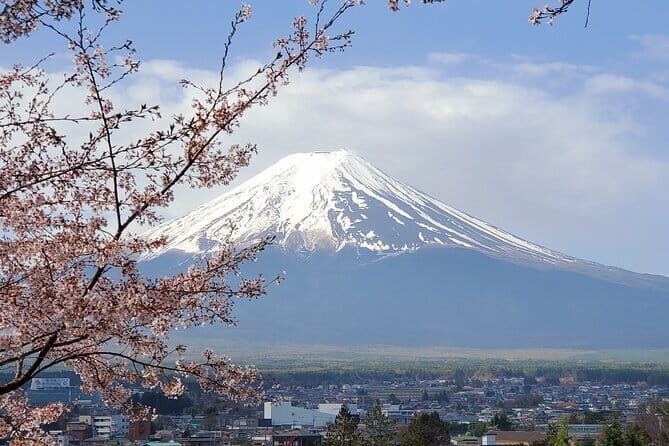
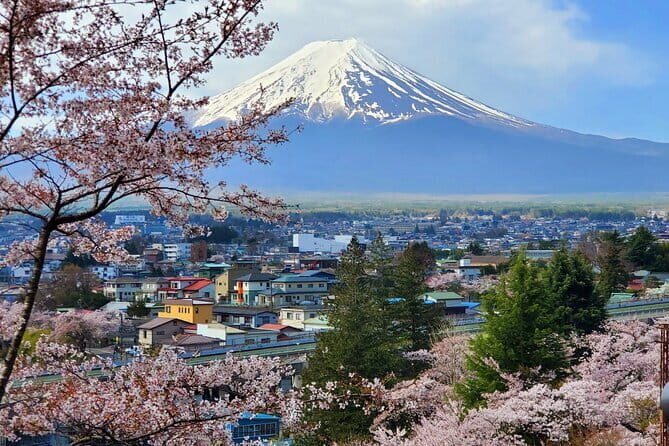
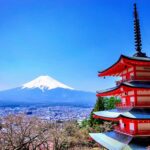
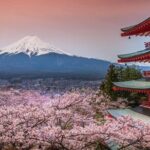
The day kicks off with Chureito Pagoda, a classic Fuji Five Lakes-area viewpoint. Expect a full hour here, enough time to walk around a bit, find a good angle, and enjoy the view with less pressure than a quick drive-by.
Why this stop works: it’s iconic. The description ties it to seasonal beauty, especially during cherry blossom time, so it’s one of those places where the background and foreground are part of the show. If you’re chasing that postcard view of Mount Fuji framed by the pagoda, this is one of the better bets in the region.
The drawback is simple: one hour flies if visibility is great. If Fuji is showing clearly, you may want extra time. If the weather is cloudy, you’ll still get the pagoda setting, but your “big reveal” might be limited.
Kitaguchi Hongu Fuji Sengen Jinja: red torii gates and a quieter pause
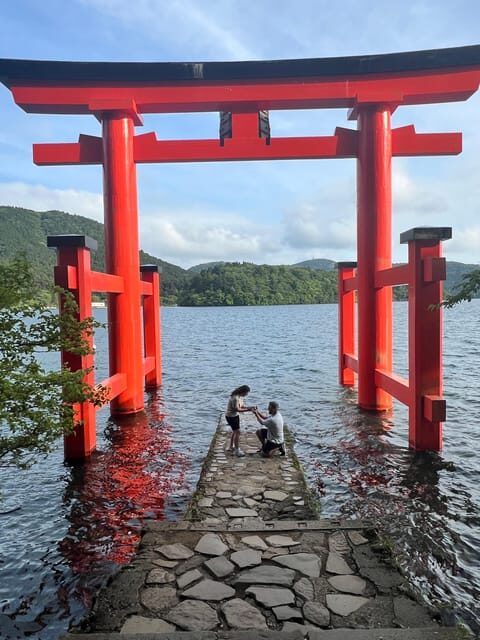
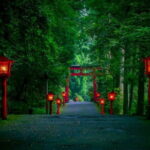
Next up is Kitaguchi Hongu Fuji Sengen Jinja. You’ll have about 30 minutes here, free admission, with time to move through the shrine grounds and take in the red torii gates leading into the precincts.
This is a good change of pace after sightseeing photos. A shrine stop gives you a reset for your eyes and your brain—less “one more view” and more “what am I looking at and why does it matter here?”
In the end, the value of this stop is context. You’re not just looking at scenery; you’re seeing part of how Mount Fuji has long been treated as sacred. The time window is short, so if you’re hoping for a slow, prayer-level visit, you’ll feel a bit time-checked. Still, it’s enough to see the gate lines and get a feel for the atmosphere.
Oshino Hakkai: eight ponds fed by Mount Fuji’s filtering water
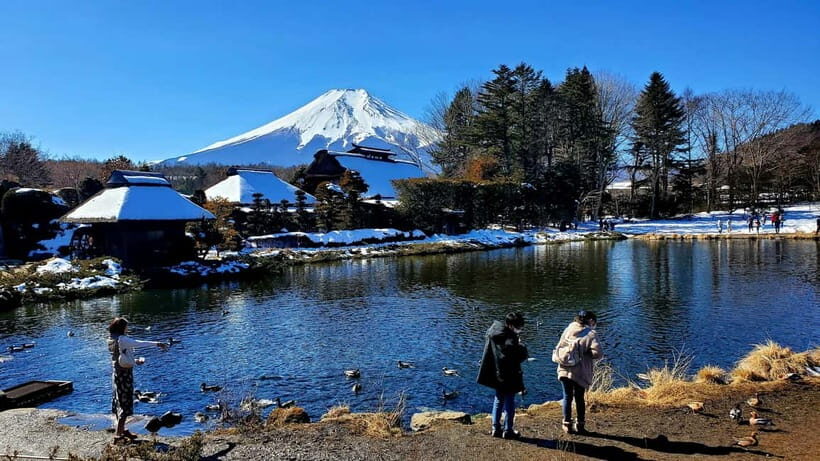
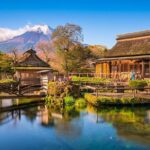
Oshino Hakkai is one hour, also free to enter. The big story is the eight ponds, fed by pristine groundwater that filters through Mount Fuji’s volcanic lava fields. It’s the kind of place where the “science” is right there in the walking experience: you can see the clarity and the steady flow.
Why I’d put this stop near the top of the day: it breaks up the lake-view pattern. After pagoda views and shrine gates, you get water detail at ground level. It also tends to feel more grounded than the more distant panorama spots.
A practical consideration: one hour means you’ll be focused. You won’t get a long, linger-at-every-edge visit. If you love water textures and want to read every sign, you’ll want to move quickly and pick what to focus on.
Other Tokyo + Mt Fuji + Hakone combo tours we've reviewed
Lake Yamanaka vs. Lake Kawaguchiko: two different vibes, one morning-to-midday stretch
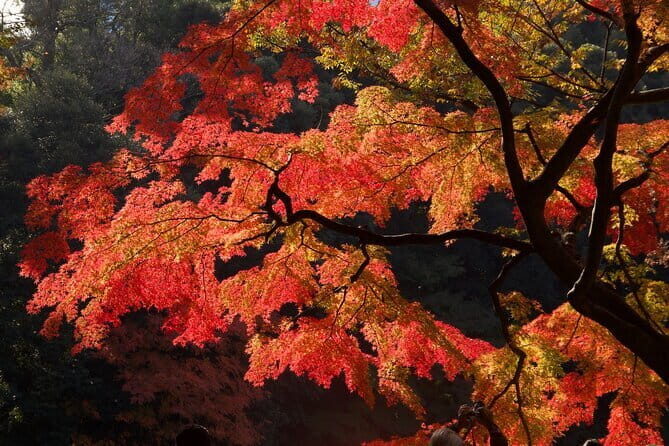
The tour then moves through two of the Fuji Five Lakes: Lake Yamanaka and Lake Kawaguchiko, with about an hour at each.
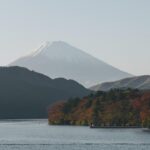
Lake Yamanaka is the largest of the five lakes, described as a peaceful escape with forest-and-mountain scenery around it. The region is known for outdoor activities, and the lake feels like a breather after the more structured stops.
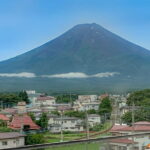
Lake Kawaguchiko is the popular one. The description calls out stunning Mount Fuji views and a setting surrounded by charming villages. This is where you’re more likely to feel the region’s “main attraction” energy compared with Yamanaka.
So how do you choose if you’re sensitive to crowds or just want different energy? I treat it like this: if you want calmer water and slower scenery, lean into Yamanaka. If you want the classic Fuji views with village atmosphere, aim for Kawaguchiko. This tour gives you both, which is the smartest part of the design—you’re not stuck betting everything on only one lake.
Hakone Ropeway: paying for the view from above (and reading the weather)
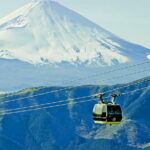
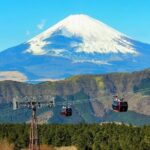
After the Fuji-lakes circuit, you’ll head into Hakone. The Ropeway stop is about one hour, but the ticket is not included. Admission is listed at ¥3,000 per person.
This is where the tour starts stacking “wow” moments. The Ropeway is described as an aerial journey through Hakone National Park, with panoramic views that can include Mount Fuji, Lake Ashi, and the volcanic terrain below. If the day is clear, this can turn your whole afternoon into a standout set of viewpoints.
The tradeoff is also clear: it’s an extra paid activity, and it depends on conditions. If visibility is poor, the value drops fast because the whole point is the broad view from above.
Still, if you want a single Hakone “signature” experience that isn’t just standing on a shore, Ropeway is one of the best ways to do it.
Lake Ashinoko and the boat ride: volcanic-water views with a gentler pace
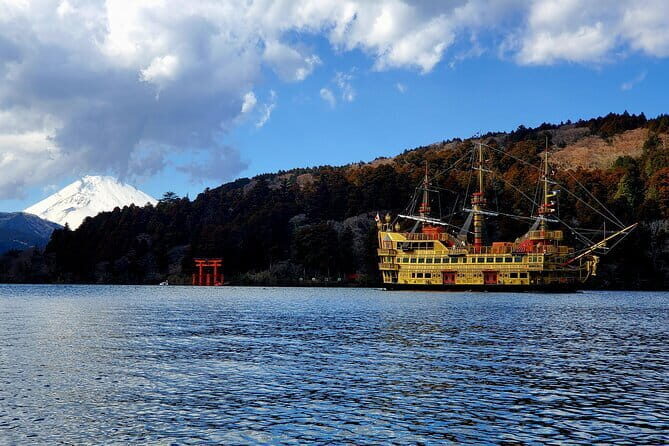
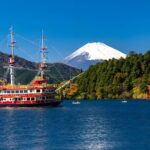
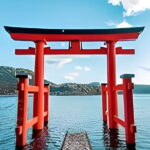
Lake Ashinoko is a caldera lake in the Hakone region, described as formed by volcanic activity. You’ll spend about one hour here, and this is where the tour’s scenic boat ride fits in.
The cruise ship fee is listed as ¥3,000 per person, not included. So if you want the water-scenery portion, you should expect to pay that add-on.
Why this matters: Hakone’s views come in layers. You get an overhead layer from the Ropeway, then a horizon-level view from the water. That combination feels like you’re experiencing the same area from different angles, without needing to figure out transit timing yourself.
What to watch for: boat time can be short and weather-sensitive. If wind or low visibility hits, the “big payoff” might be reduced. But you’ll still get the calm, open-lake feeling that you can’t recreate from a quick roadside stop.
The guide effect: Ryu’s photo help, Malik Ali’s explanations, and how that changes the day
The tour includes a professional guide, and the biggest difference between a private day that feels worth the money and one that feels like a taxi is what the guide does with the time. Here, you’re paying for more than directions.
In prior experiences, guides have been praised for running commentary about Japanese culture and explaining what you’re seeing at each stop. Ryu comes up for being extra helpful with photos—taking time so your group isn’t just posing, but also getting usable shots. Malik Ali is often mentioned for clear site explanations, including history and how things connect to Japanese life.
There’s also a practical side. At the end of the day, your guide will get you set up for the shinkansen return. Since the guide won’t be on the train with you, that handoff matters. You want someone who helps you get pointed in the right direction so you can enjoy the ride instead of spending it stressed.
And yes, food suggestions have been part of the experience too. One guide is noted for taking people to a delicious ice cream spot—small, but exactly the kind of moment that makes a day feel lived-in instead of checklist-only.
Timing tips: how to set yourself up for clear Fuji views
This tour requires good weather. That’s not a marketing line; it’s built into the way Mount Fuji days work. Cloud cover can change everything, especially for Ropeway and broad-view stops.
Here are the practical moves I’d make:
- Start early as planned. An 8:00 am start gives you a shot at better visibility before the day gets hazier.
- Bring layers. Japan’s mornings can feel cool, and you’ll be standing at viewpoints.
- Bring cash or a payment method for the add-ons. Ropeway and the cruise have fixed yen prices listed (¥3,000 each), and you don’t want to scramble at the ticket window.
Also, plan your lunch reality. Lunch, drinks, and snacks aren’t included, so you’ll want either a lunch reservation strategy or the willingness to grab something simple between stops. If you rely on the guide, build in a bit of flexibility—good food recommendations tend to take a few minutes to sort out.
Should you book this private Mt Fuji and Hakone tour?
Book it if you want a one-day plan that doesn’t feel like a forced group bus day. The private vehicle plus a guide is the heart of the experience, and the route hits the famous Mount Fuji framing spots, then switches to Hakone’s Ropeway and Lake Ashinoko water views.
Skip it (or be cautious) if you hate paying for add-ons. Ropeway and the cruise are both listed as extra. Also, the shinkansen ride back is on you after Odawara Station—your guide helps, but you’re the one who boards and navigates.
I’d especially like this tour for small families, couples who want photo flexibility, and anyone who appreciates cultural context—not just photo stops.
If you’re okay with extra activity fees and you want the day to run cleanly from Tokyo with minimal coordination, this is a strong value way to see Fuji and Hakone without doing the logistics yourself.
FAQ
What time does the tour start?
The start time is 8:00 am.
How long is the tour?
The duration is about 10 hours.
Is this a private tour?
Yes. It’s private, and only your group participates.
Do you get picked up from Tokyo?
Pickup is offered from hotels and apartments in Tokyo via prior agreement.
What’s included in the price?
Included are an air-conditioned private vehicle and a professional tour guide.
What costs extra during the day?
Lunch, drinks, and snacks aren’t included. Also, activity tickets and taxes are not covered, including Hakone Ropeway (¥3,000 per person) and the Hakone cruise ship (¥3,000 per person).
Is the shinkansen ride included?
The tour helps you book bullet train tickets, and the tour ends with drop-off at Odawara Station with your destination to Tokyo Station. The guide will not accompany you on the bullet train.
Where does the tour end?
It ends with drop-off at Odawara Station, heading to Tokyo Station by bullet train.
What if the weather is poor?
This experience requires good weather. If it’s canceled due to poor weather, you’ll be offered a different date or a full refund.
What is the cancellation policy?
You can cancel for free up to 24 hours in advance for a full refund. If you cancel less than 24 hours before the start time, the amount you paid will not be refunded.