REVIEW · TOKYO
Sightseeing Day Trip to Mount Fuji and Hakone Green Number
Book on GetYourGuide →Operated by LiveNipponLLC · Bookable on GetYourGuide
Fuji in one packed day. This private 10-hour trip pairs Mt. Fuji viewpoints with Hakone green-space stops, guided end to end by a driver who knows where to be for the best looks. I love the chance to stand at Mt. Fuji 5th Station when weather cooperates, and I also like how the day builds to big views around Lake Kawaguchi. The trade-off is real: traffic and conditions can shift the schedule, including whether you get the Fuji moments you’re chasing.
You can run the full Mt. Fuji + Hakone route, or keep it Fuji-only and focus on lakes, shrines, and Oshino Hakkai. Pickup is from Tokyo, and you travel in a private vehicle with Green Number plates, plus an English-speaking live guide who also drives and keeps the flow tight.
In This Review
- Key things that make this day trip worth your time
- Private roundtrip from Tokyo: the time math works
- Mt. Fuji 5th Station: your main photo stop, with one big caveat
- Lake Kawaguchi and Fujikawaguchiko: the views that make the drive feel worth it
- Oshino Hakkai: classic Fuji water scenery, not just a quick stop
- Ropeways and Wakudani in Hakone: views with minimal strain
- Sengen Park and shrine stops: where the day gets memorable
- Choosing the right itinerary: Fuji-focused day vs Fuji + Hakone
- Green Number plates and “private + insured” value
- Timing, traffic, and the one downside that can hurt
- Guide quality: when local expertise turns stops into a plan
- A practical checklist for your Fuji-and-Hakone day
- Should you book this Mount Fuji and Hakone Green Number tour?
- FAQ
- How long is the tour?
- Is transportation from Tokyo included?
- Do I need to pay for Mt. Fuji 5th Station entry?
- What languages are available?
- Is this tour private?
- Is free cancellation available?
Key things that make this day trip worth your time
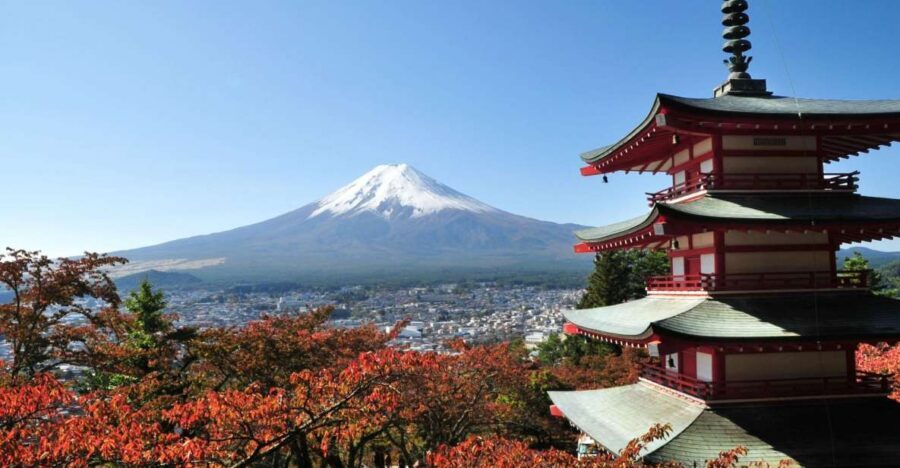
- Mt. Fuji 5th Station is weather-dependent, so the guide works the timing to maximize your odds.
- Oshino Hakkai is built into the route, giving you a very different feel from the summit views.
- Ropeway time in Hakone (and Kachi Kachi) adds vertical views without a lot of hiking.
- Lake Ashi and the Hakone area deliver the classic “green + water + mountain” feel in one day.
- Private, insured transport from Tokyo means fewer transfers and less queue time.
Private roundtrip from Tokyo: the time math works
This tour is designed for one thing: getting you out of Tokyo and back without turning the day into a transit exam. You start with hotel pickup in Tokyo and return the same way, using private roundtrip transportation, with your guide also acting as your driver.
That matters because Mt. Fuji and Hakone are both far enough from central Tokyo that every extra train connection costs daylight. With a 10-hour window, daylight is the currency. If you’re doing this in winter or shoulder seasons, that “saved time” can be the difference between seeing the key view points and missing them due to delays.
It’s also private group service, priced per group up to 5. So if you’re traveling with family or a small friend group, it can feel like less of a splurge than it first looks, especially because you’re paying for a driver-guide combo and not just a car.
More Mt Fuji & Hakone tours we've reviewed
Mt. Fuji 5th Station: your main photo stop, with one big caveat
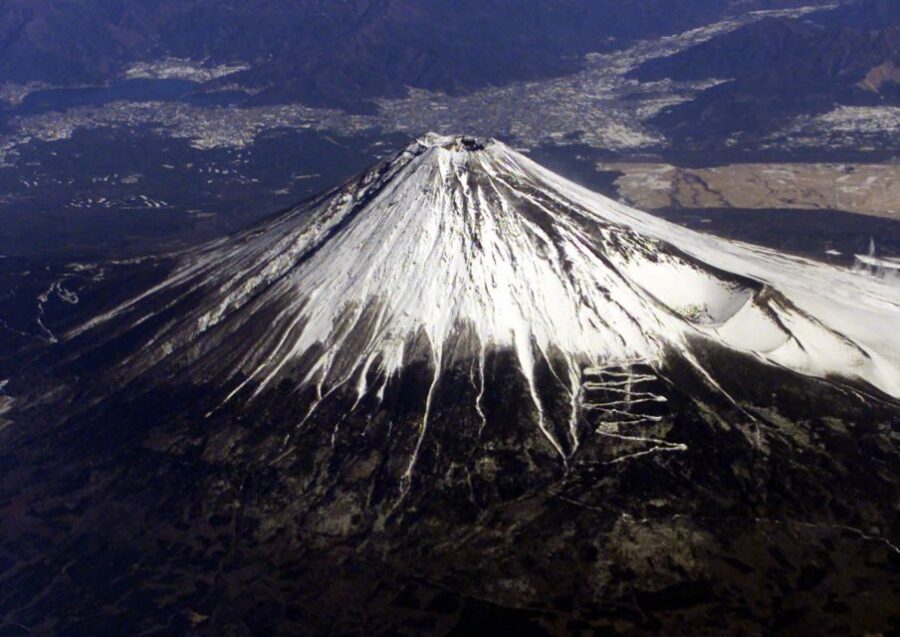
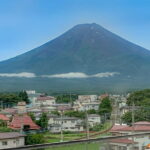
Mt. Fuji 5th Station is the centerpiece for a reason: it’s one of the most iconic places to experience the mountain up close. The tour includes about 1 hour for sightseeing at the station, but entry tickets are not included, and the cost listed is ¥2,800.
Here’s the caveat you should plan for: the tour notes that weather affects the stop. Fog, rain, or clouds can drastically reduce what you can see, even if you reach the location. That’s why having a guide who can adjust the day matters. In the real world, the best plan often becomes, How do we maximize view time when conditions change?
Practical takeaway: dress like you might step from mild weather into colder, windier air. Bring layers you can adjust quickly, because Fuji weather can swing.
Lake Kawaguchi and Fujikawaguchiko: the views that make the drive feel worth it
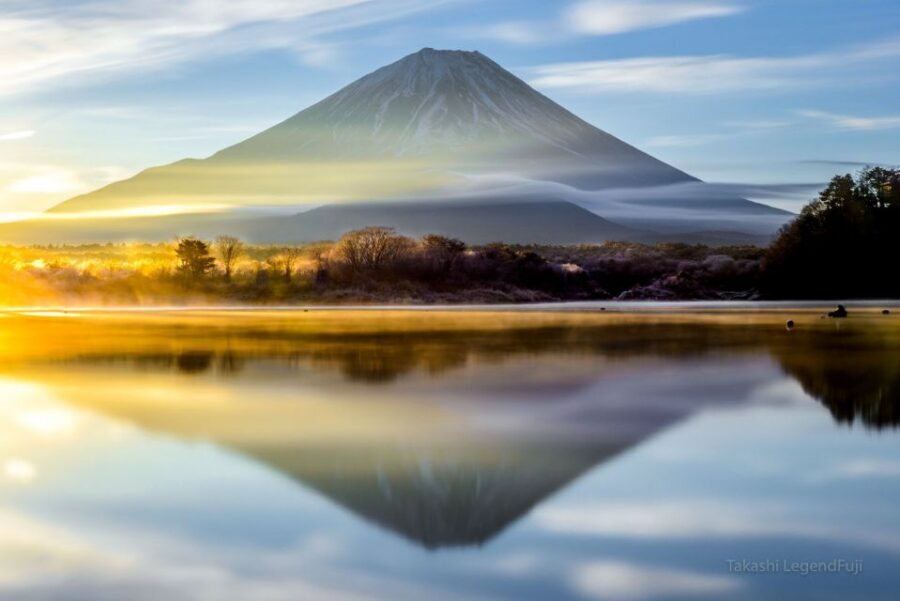
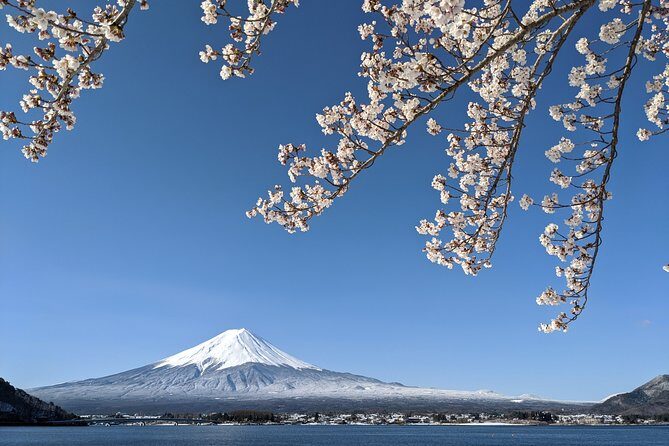
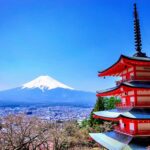
The itinerary includes a stop at Fujikawaguchiko (also referenced as part of the Lake Kawaguchi area) with about 1 hour of sightseeing. This is where the day can feel like it’s finally clicking—wide mountain angles, lake reflections when conditions are cooperative, and a calmer pace than the earlier station rush.
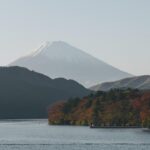
If you get clear skies, this is often where you catch the kind of view that makes everyone stop talking for a second. If the weather is less cooperative, you still get the best “Fuji in the distance” context, which helps you understand why people build entire weekends around this area.
One useful tip from how the day tends to run: if your guide is good at photo logistics, you’ll spend more time positioned well and less time wandering. When a guide knows the photo spots, it’s not just about taking pictures. It’s about timing, angles, and knowing what view changes throughout the day.
Oshino Hakkai: classic Fuji water scenery, not just a quick stop
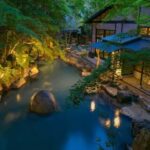
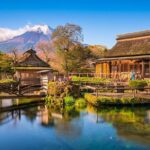
Oshino Hakkai shows a side of Mt. Fuji tourism that isn’t about standing high. It’s about water—spring-fed ponds and channels formed by Fuji’s volcanic activity and snowmelt. The tour includes about 1 hour for sightseeing here in both itinerary styles (Fuji + Hakone and Fuji-only).
This is a great contrast stop. After the dramatic summit imagery, you get a more gentle, grounded landscape. Even on days when visibility at the higher station isn’t amazing, Oshino Hakkai can still deliver a satisfying payoff because it’s scenic in its own right.
There’s also an element of easy pacing. This part of the day is usually less about chasing weather and more about enjoying a specific place at human speed.
Ropeways and Wakudani in Hakone: views with minimal strain
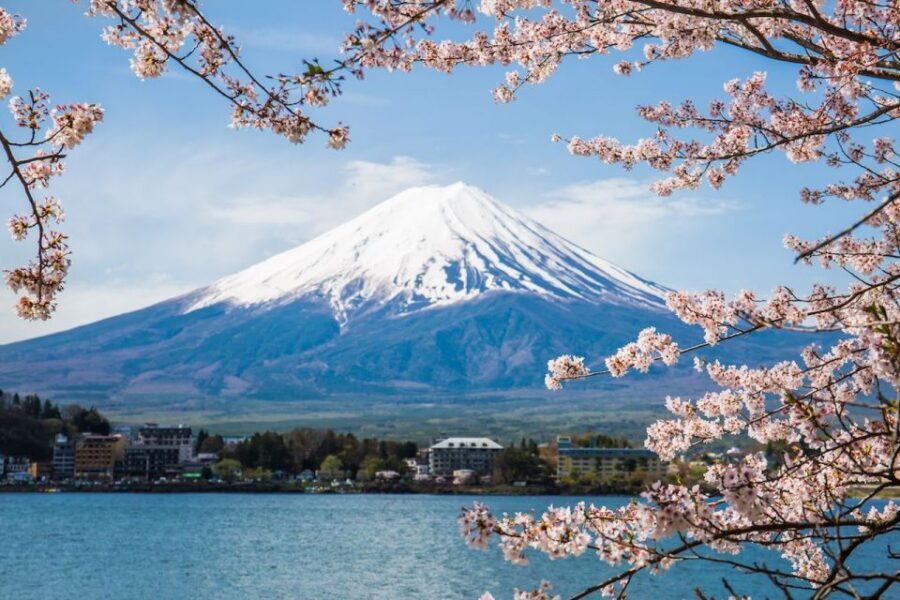
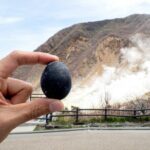
If you choose the combined route, you shift gears from Fuji lake scenery to Hakone’s active-vibes geography. The plan includes Hakone Ropeway and a visit around Wakudani, where the region’s volcanic character is part of the experience.
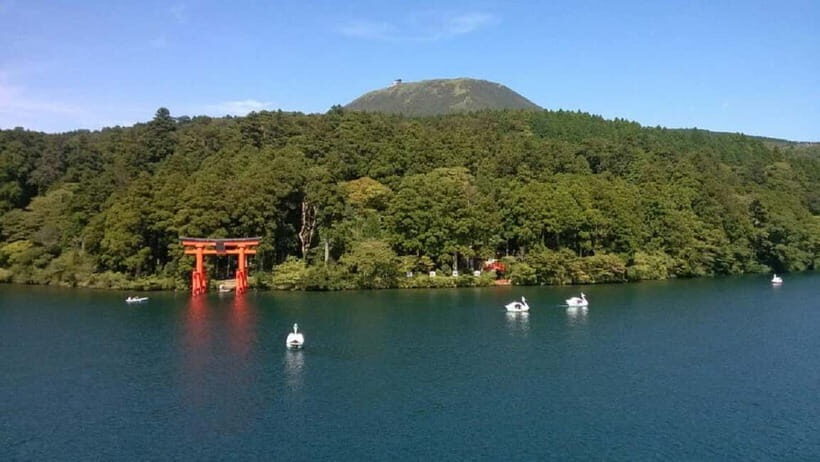
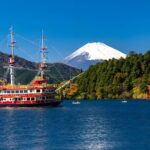
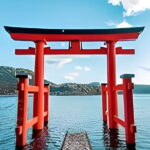
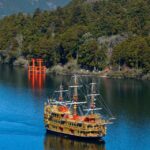
Then you move to Lake Ashi with about 1 hour of sightseeing. Lake Ashi is where the Hakone day starts to feel like the postcard version, with big water views and the sense of being surrounded by hills and mountains.
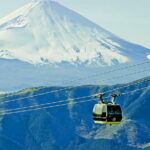
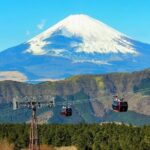
One more note: the itinerary also highlights the Kachi Kachi Ropeway. That stop can add another angle on the area without requiring long hikes. Ropeways are one of those travel hacks for days like this: you get elevation and perspective while your schedule stays intact.
If you’re sensitive to long days, this is where you’ll feel the value of private transport the most. Hakone and Fuji both pull time. Ropeways help you “spend” that time on views rather than transit.
Other Tokyo + Mt Fuji + Hakone combo tours we've reviewed
Sengen Park and shrine stops: where the day gets memorable
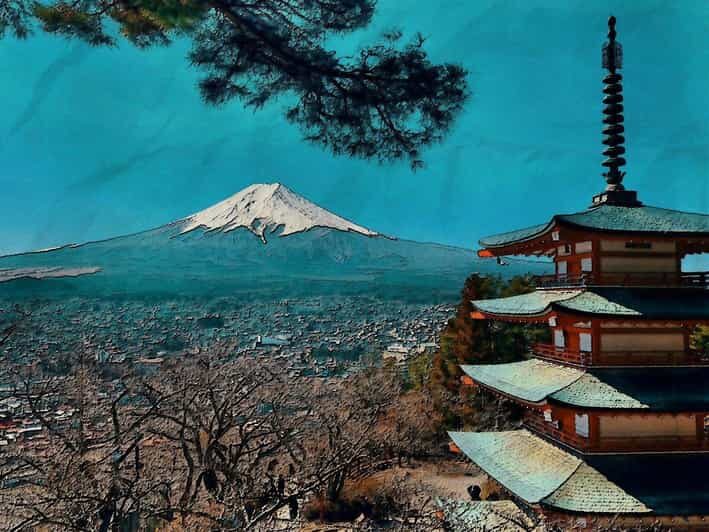
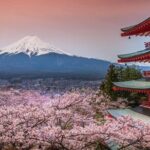
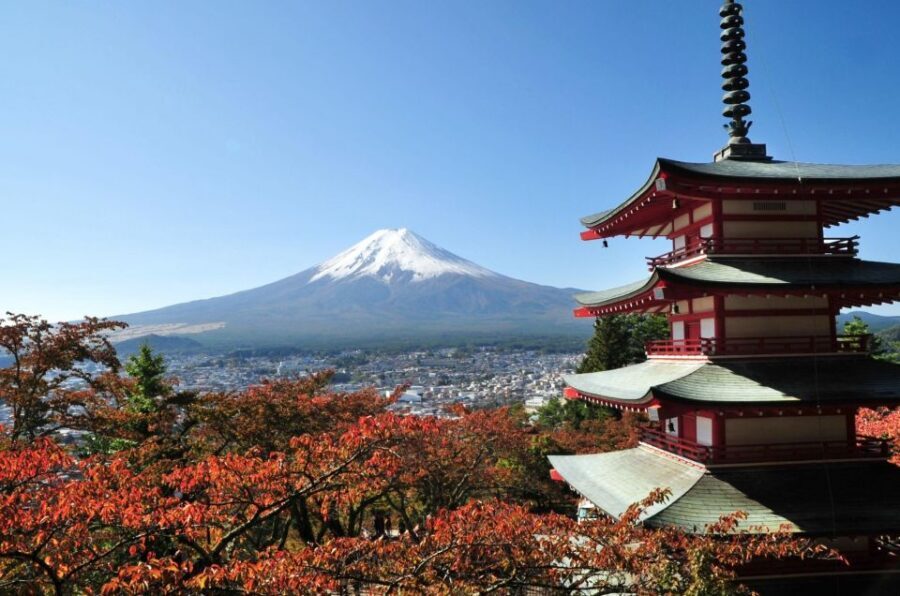
The itinerary includes an end-cap stop at Arakurayama Sengen Park (about 1 hour). This is one of those places where the view is part of the payoff, and it also gives you a cultural moment that isn’t just looking from a viewpoint platform.
For the Fuji-only option, the schedule swaps in shrine and park time such as:
- Kitaguchi Hongu Fuji Sengen Shrine
- Oishi Park
- Arashiyam Sengen Shrine (listed as part of the Fuji-area itinerary)
Why this matters: shrines and parks add variety to the day. A mountain trip that’s only viewpoints can blur together. Adding shrine stops gives you a break from the “find the perfect photo angle” mindset, and it helps the day feel like travel rather than a scenic drive.
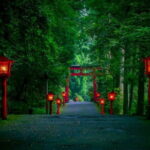
If you care about photos, these spots can also give you depth in your images. You’re no longer just photographing a mountain silhouette. You’re photographing layers: shrine architecture, park paths, and the mountain in the distance.
Choosing the right itinerary: Fuji-focused day vs Fuji + Hakone
You effectively have two ways to structure your day:
Option A: Mt. Fuji + Hakone in one long day.
This route includes Lake Kawaguchi, Mt. Fuji 5th Station (weather dependent), Kachi Kachi Ropeway, Hakone Ropeway, Lake Ashi, and Wakudani, plus additional stops such as Oshino Hakkai and Arakurayama Sengen Park. Expect a fast pace and more geographic variety.
Option B: Mt. Fuji area only for deeper Fuji time.
This route includes Mt. Fuji 5th Station (weather dependent), Lake Kawaguchi, Kachi Kachi Ropeway, Kitaguchi Hongu Fuji Sengen Shrine, Oshino Hakkai, Oishi Park, and Arashiyam Sengen Shrine. The advantage is fewer “moving parts,” which can help you stay calmer if weather or traffic gets messy.
If your goal is one thing—Mt. Fuji views with minimal distractions—choose the Fuji-only route. If your goal is classic Japan scenery mixed with a volcanic-water vibe, the combined plan makes more sense.
Either way, the tour notes you can customize within the time you have. That’s worth thinking about if there’s a specific food stop you want, a photo challenge you’re chasing, or a shrine detail your group cares about.
Green Number plates and “private + insured” value
This tour includes Green Number plates and states it is fully insured. You don’t need to be a transportation nerd to appreciate this. In Japan, it usually signals you’re using a properly registered commercial vehicle for tours, and that’s the kind of detail you want when you’re spending a full day on the road.
What you’re paying for is not just a car. It’s:
- Hotel pickup and drop-off
- Private roundtrip transportation
- A guide who is also your driver
- An English live guide
- A day that’s planned around Fuji weather and regional timing
The price is $419 per group (up to 5). For many families and small groups, that can be good value compared to doing the same stops with separate bookings and transit stress. You’re also paying for flexibility. If your guide is handling timing well, it feels like you’re buying back time and attention.
Important cost note: entry tickets are not included, and Mt. Fuji 5th Station entry is listed at ¥2,800. So budget for that.
Timing, traffic, and the one downside that can hurt
Here’s the practical truth: this is a long day in a region that can get stuck in traffic. The tour is built for sweeping sights, but road delays can shrink your ability to hit every stop as planned.
There’s a concrete example from a past experience: heavy traffic delayed the trip enough that Mt. Fuji was not visited in that departure. The lesson is not that the tour is unreliable. The lesson is that you should plan your expectations around a full-day drive where conditions can change.
How to protect yourself:
- Pick an itinerary that matches your risk tolerance. Fuji-only is often the safer bet if you strongly want Mt. Fuji time.
- Dress and pack for uncertainty. You might be sitting in the car longer than expected, and you’ll still want to be comfortable when you get out.
- Use the guide’s strengths. The better your guide, the more likely they are to protect your key stops.
Guide quality: when local expertise turns stops into a plan
The big strength of this experience is the private guide-driver role. A skilled guide doesn’t just point out sights. They manage timing and photo logic, and they translate what you’re seeing into something you understand.
From guide behavior described in past trips, you may get a plan that includes:
- Photo spot guidance for the mountain views
- Suggestions for local food
- Detours timed for fun moments
- Smooth driving even with holiday traffic
Some guides have also been described as adding extra fun touches, like a detour to a road known for an audio effect (often nicknamed the singing road) or arranging time on the lake for a speed-boat view. That isn’t guaranteed in the route on paper, but it’s a good signal to ask your guide what they can realistically fit while staying on schedule.
Names you might hear in past departures include Petteri, Zia, Israr, Mukarram, Ghazi Ali, and Hadir. You can’t pick your guide from the information here, but you can choose behavior: ask for your photo priorities early in the day, and be clear about what matters most to your group.
A practical checklist for your Fuji-and-Hakone day
This tour is about viewpoints, ropeways, and walking through parks and shrine areas. So plan accordingly.
- Wear shoes with good grip. You’ll be on uneven outdoor surfaces at parks and shrine approaches.
- Bring layers. Weather is explicitly a factor for Mt. Fuji 5th Station.
- Pack a small rain layer. Even when the forecast is unclear, conditions can change fast up in the hills.
- Bring sunscreen and water. Lake and ropeway areas can still feel bright and warm even when the air is cool.
- Decide your priority before pickup. Fuji station time is weather dependent. If it’s your top goal, say it right away.
Should you book this Mount Fuji and Hakone Green Number tour?
Book it if you want a private, guided day that hits the biggest hits without you coordinating trains, shuttles, and ticket timing. The best fit is a group of up to 5 who values convenience, photo-friendly planning, and the chance to see both Mt. Fuji and Hakone in one long day (or focus on Fuji-only if you want less schedule risk).
Skip it or switch to a more Fuji-centered plan if:
- You’re extremely sensitive to schedule changes from traffic.
- You’re hoping for a calm, slow-paced day with lots of free time. This is structured for sightseeing.
- You want Mt. Fuji viewpoints guaranteed at the station, regardless of weather. The tour explicitly flags weather dependence.
If you go in knowing that the day will be active and timing matters, you’re set up for a very satisfying mix: mountain views, Fuji-area water scenery at Oshino Hakkai, ropeway perspectives, and Lake Ashi’s classic Hakone feel.
FAQ
How long is the tour?
The tour runs for about 10 hours, including pickup and the return to Tokyo.
Is transportation from Tokyo included?
Yes. You get hotel pickup and drop-off with private roundtrip transportation from Tokyo.
Do I need to pay for Mt. Fuji 5th Station entry?
Yes. Entry tickets for Mt. Fuji 5th Station are not included, and the listed price is ¥2,800.
What languages are available?
The live tour guide is English.
Is this tour private?
Yes. It’s a private group, priced per group up to 5.
Is free cancellation available?
Yes. You can cancel up to 24 hours in advance for a full refund.