REVIEW · TOKYO
Private Mt Fuji, Hakone and Tokyo Tour – English Speaking Driver
Book on Viator →Operated by Sluzeb Tours · Bookable on Viator
A Fuji day without the transit headache. This private Mt Fuji, Hakone and Tokyo loop is built for people who want the highlights—Owakudani, Hakone, Fuji Five Lakes scenery, and a Tokyo closer—without figuring out trains and transfers. You get an English-speaking driver, front-door style convenience, and a mobile ticket to keep your morning from turning into paperwork.
I especially like two things: the door-to-door transportation (so you can focus on sights instead of schedules), and the smart way the day strings together iconic stops so you don’t waste time backtracking. In about 10 hours including commuting, you can cover Hakone’s outdoor art, Fuji water landmarks, and the big viewpoints around Lake Kawaguchiko and the 5th Station area when weather allows.
The main drawback is timing and visibility. It starts at 7:00 am, you’re out for about 10 hours, and Mt Fuji is weather-dependent—if the 5th Station can’t be reached or isn’t visible, the plan changes to the highest elevation possible and there’s no refund for that reason.
In This Review
- Key points that matter before you book
- A 10-hour private loop that makes Fuji day trips doable
- Pickup, Shinjuku start time, and how the day really feels
- Owakudani Valley: the black eggs moment
- Hakone Open-Air Museum: sculpture meets mountain air
- Oshino Hakkai springs: the Fuji water stop
- Lake Kawaguchiko: your most accessible Fuji viewpoint base
- Mt Fuji Panoramic Ropeway and the 5th Station target
- Gotemba Premium Outlets: shopping time that still fits the route
- Shibuya Crossing: a Tokyo finish line
- Price and value: when $750 per group makes sense
- Who this tour suits best (and who should pick something else)
- Should you book this private Mt Fuji, Hakone and Tokyo tour?
- FAQ
- What time does the tour start, and where do we meet?
- How long is the tour?
- Is this a private tour?
- Does the tour include pickup?
- Is the tour fully guided?
- Which stops have admission tickets, and which are free?
- What happens if Mt Fuji’s 5th Station isn’t reachable or isn’t visible?
- Can the schedule change?
- Can we see Shibuya Crossing?
- What is the cancellation policy?
Key points that matter before you book
- Private car, up to 5 people: better value for small groups than paying for multiple separate transfers.
- English-speaking driver who gives on-the-ground tips: you’re not just chauffeured; you also get practical recommendations.
- Owakudani black eggs + Hakone Open-Air Museum in one flow: two very different vibes, close together.
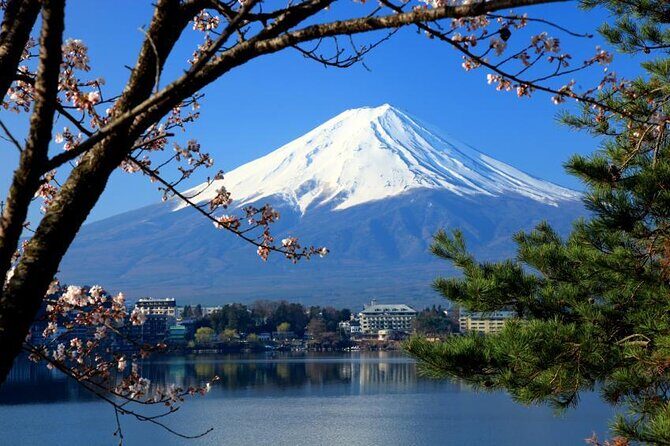
- Fuji views are the real “ticket”: Lake Kawaguchiko and ropeway viewpoints are timed around the best chances.
- Weather can shift the Fuji plan: especially around Mt Fuji 5th Station—expect flexibility.
A 10-hour private loop that makes Fuji day trips doable
Doing Mt Fuji + Hakone as a DIY day is a bit like trying to eat ramen on a moving bicycle. You can do it, but you’ll spend energy on transit and timing instead of the views. This tour is built around the opposite idea: you get a private car, pick up early, and spend the day moving between the key places that usually take planning.
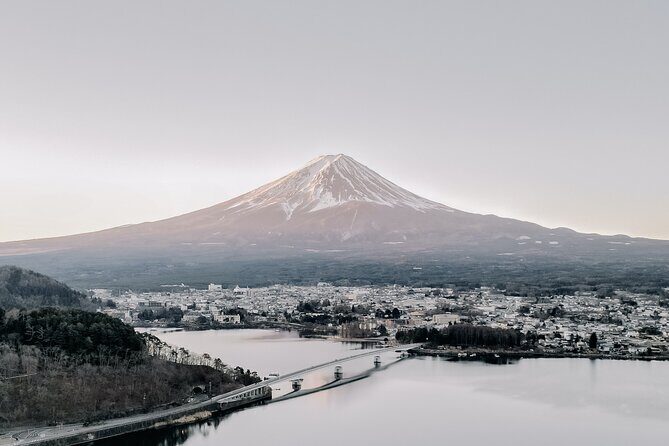
What makes it especially appealing is how the itinerary is structured around Fuji geography. You’re not just hopping randomly. You start with Owakudani’s hot-spring sulfur zone, then head through Hakone’s mountain world, and then return to the Fuji side for the lake viewpoints and the 5th Station atmosphere. It’s one continuous road-day logic, not a patchwork of bus lines.
Also, this is a private experience for one group only (up to 5). That matters on long days. When you’re paying attention to everyone’s pace—photo stops, bathroom timing, and how long you want at viewpoints—privacy keeps the day from feeling rushed in the wrong way.
The English-speaking driver component is another practical win. Even if you don’t need a full guide, having someone who can explain what you’re seeing and where to focus can save you from common mistakes, like aiming for the wrong side of a viewpoint or misunderstanding how long a “quick stop” can take when weather is shifting.
More Mt Fuji & Hakone tours we've reviewed
Pickup, Shinjuku start time, and how the day really feels
You start at 7:00 am, meeting near Shinjuku Station (3-chōme-38-1, Shinjuku City). If you’re hoping for a more relaxed start, the tour includes pickup offered, which usually means you won’t have to haul your bags deep into Tokyo station complexity right at departure.
From there, you’re in transit mode for a good chunk of the day. The total is about 10 hours including commuting. That’s long enough that comfort matters. The upside of a private car is simple: you can sit back, avoid platform hopping, and let someone else handle the route decisions and driving.
Be honest with yourself about the early start. If you’re the type who wants to wake up late on vacation, this one will feel like a whole day beginning while Tokyo is still waking up. On the other hand, an early departure is exactly what you want for mountain-area visibility. Mt Fuji tours are often about chasing light and weather windows, and the tour acknowledges that by building in stops that are most meaningful when skies cooperate.
Another real-world factor: schedules can shift due to bad weather or traffic congestion. This isn’t a “pretend it never happens” promise. It’s a heads-up that you should keep your day flexible and treat the plan as guidance rather than a rigid script.
Owakudani Valley: the black eggs moment
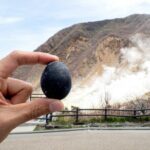
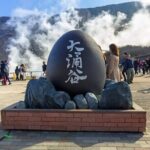
Your first scenery hit is Owakudani Valley. The big draw here is the sulfur landscape and the iconic story of the black eggs. Owakudani is known for “Kuro-tamago,” which literally translates to black eggs—regular chicken eggs boiled in the hot springs. The sulfur changes the shells to a charcoal-like black, which makes this stop instantly recognizable even in photos.
You also get the chance to explore a great view by rope way. You’ll spend about 45 minutes at this stop, and in a mountain day itinerary, that’s just enough time to enjoy the atmosphere, grab photos, and not feel like you’re standing around waiting.
What I like about starting here is the sensory contrast. A Tokyo morning is all concrete and trains. Owakudani is steam, steam smell, and dramatic volcanic terrain energy. It sets the tone for the whole day: this isn’t just a “look at Fuji” outing; it’s a change of worlds.
If you’re sensitive to strong smells or you prefer more garden-like scenery, you’ll still likely enjoy Owakudani, but it’s not a subtle stop. Plan for it as a bold start.
Hakone Open-Air Museum: sculpture meets mountain air
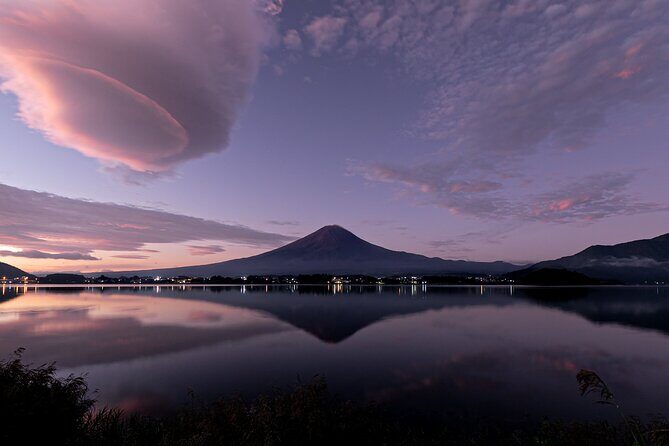
Next is the Hakone Open-Air Museum, one of those places where being outdoors is the whole point. It’s an outdoor sculpture gallery spread across 70,000 square meters, set up in the mountains with views around you.
You have about 1 hour here. Admission is not included, so factor that into your day budget. Still, the format is easy to enjoy because you’re walking through open space rather than fighting crowds indoors. On a day that includes viewpoints, a slower museum stop is a nice reset.
The museum pairs well with Hakone’s general vibe: the area isn’t just about one postcard. It’s about stepping into a mountain setting where art is part of the atmosphere.
The only caution: because you’re outdoors, weather affects the comfort level. If it’s cold or rainy, you’ll still be able to see sculptures, but you may spend more time seeking shelter and less time lingering.
Oshino Hakkai springs: the Fuji water stop
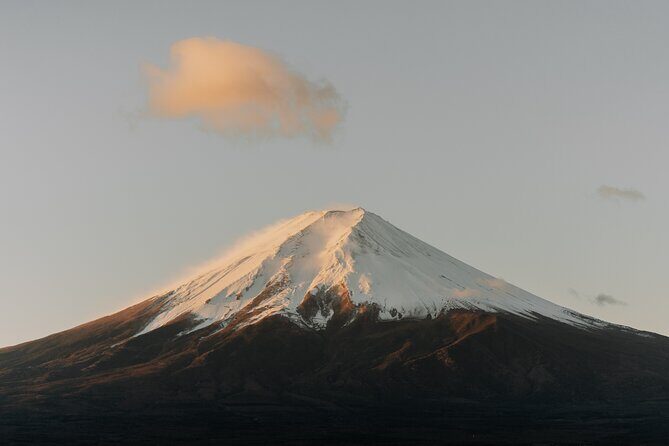
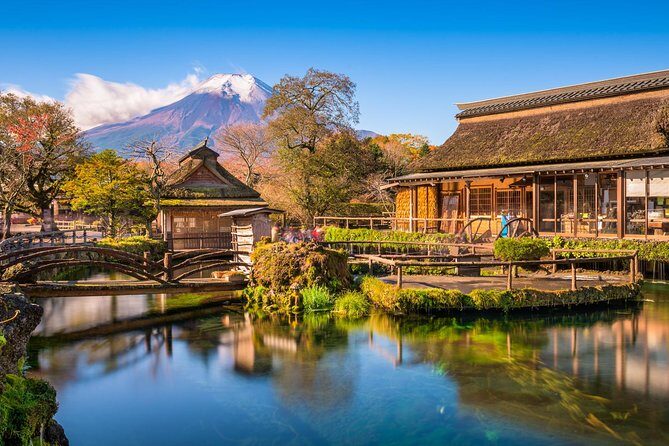
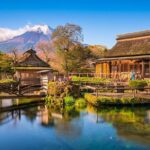
Then you head to Oshino Hakkai, famous for its eight springs. The water comes from an aquifer associated with Mt Fuji, and the springs are a Natural monument of Japan.
You get around 45 minutes, and this is one of the most “worth it” stops because it’s both scenic and understandable. You see the water flow and you get the physical explanation for why Fuji-region sightseeing often circles back to springs and lakes.
What I like here is pacing. After the more dramatic Owakudani start and the outdoor museum walk, Oshino Hakkai offers a calmer, visually structured scene. It’s a great place to slow down for a bit and take photos that don’t require heavy viewpoint hiking.
If you love Japanese nature details—how water emerges and how local landscapes are shaped—Oshino Hakkai is a strong use of time. If you just want maximum Fuji shots, you may feel it’s slightly less urgent than Lake Kawaguchiko, but it still gives context for the region.
Other Hakone tours with an English-speaking driver
Lake Kawaguchiko: your most accessible Fuji viewpoint base
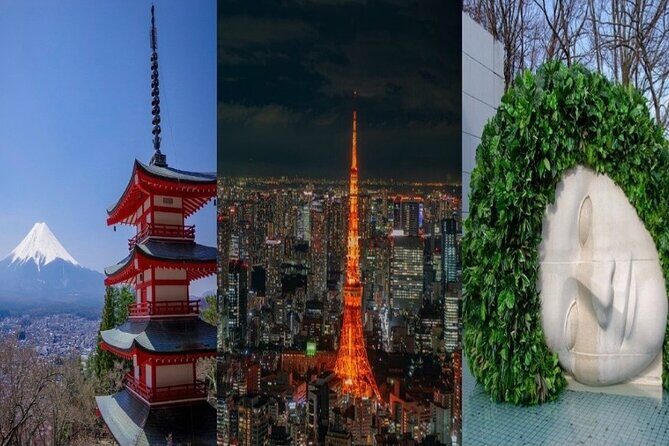
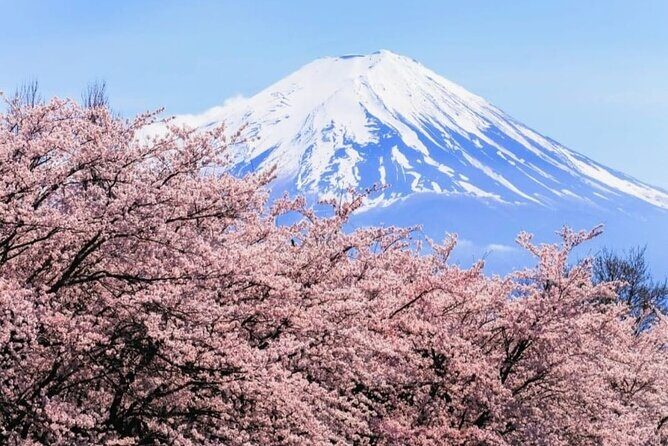
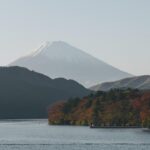
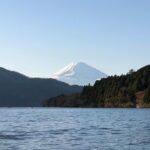
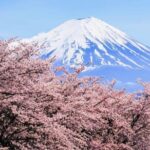
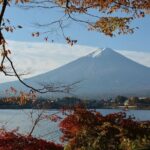
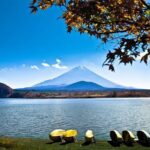
After the springs, you arrive at Lake Kawaguchiko, one of the Fuji Five Lakes. This lake is highlighted as the most easily accessible, with train and direct bus connections to Tokyo. It’s also described as a hot spring resort town with lots going on and views of Mt Fuji nearby.
Your stop time here is short—about 10 minutes—so think of it as a quick “get your bearings and shoot your photos” moment rather than a long break. Admission here is listed as free, so you’re not budgeting ticket time or money for entry.
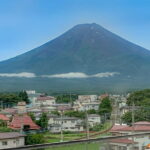
Lake Kawaguchiko is important because it gives you multiple ways to chase the mountain view. Even if Mt Fuji is partially hidden at street level, a quick reposition later in the day (ropeway or higher areas) can make a big difference.
I’d treat Lake Kawaguchiko as the turning point of the day: it’s where you go from “Fuji region atmosphere” to “Fuji region elevation and viewpoints.”
Mt Fuji Panoramic Ropeway and the 5th Station target
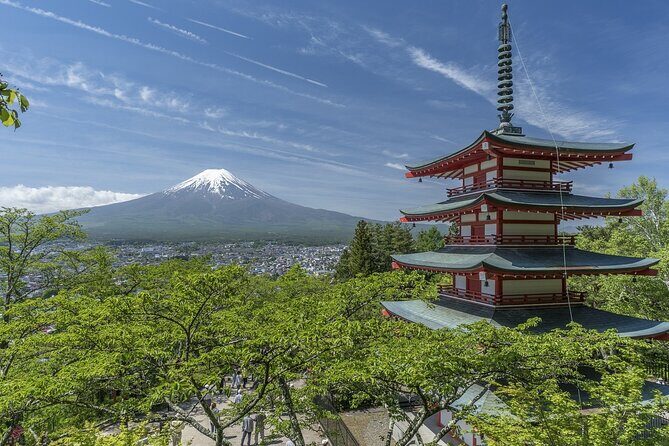
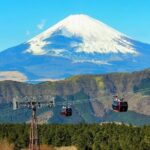
This is where the day tries to deliver the big finale. First up is the Mt Fuji Panoramic Ropeway, which ascends 400 meters from the eastern shore of Lake Kawaguchiko to an observation deck near the peak of Mount Tenjo. You’ll spend about 1 hour here. Admission is listed as not included, so keep that in mind when budgeting.
Then comes Mt Fuji 5th Station, allotted about 2 hours. This is where the atmosphere of Mt Fuji really changes. Many hikers and climbers start their ascents from here, which is why the area feels different from a simple sightseeing viewpoint.
The tour also has a clear rule: if Mt Fuji’s 5th Station won’t be visible from the base, or if the 5th Station can’t be reached due to weather, the tour will go to the highest elevation point possible. In that scenario, the data says tour cancellation or refund is not applicable due to that reason.
That sounds strict, but it’s also honest. Mt Fuji is not predictable in how clearly it shows itself. If your trip dates are flexible, that flexibility is your best friend. If not, you should still book with the mindset that you’re paying for a strong attempt and a smart plan, not a guaranteed summit view.
Practical tip: layer up. The higher you go, the more likely you’ll feel temperature swings. Even when Tokyo is mild, mountain air can be a different story.
Gotemba Premium Outlets: shopping time that still fits the route
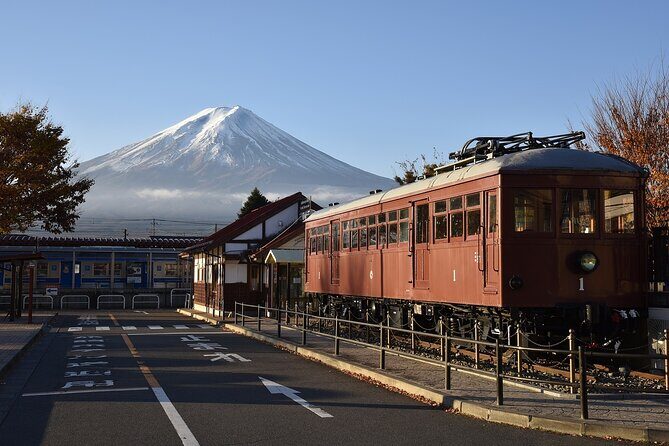
After the Fuji-side intensity, you get a 2-hour break at Gotemba Premium Outlets. Gotemba is described as a premium green tea growing area at the foot of Mt Fuji, and the region is also known for horseradish—Shizuoka is called the horseradish capital of Japan, and Gotemba has several connections to that reputation.
Admission here is listed as free, so your “cost” is really optional spending. This stop is useful because it gives you a chance to sit, reset, and handle personal needs without worrying about catching the next train.
If you’re not a shopping person, you can still treat it as a rest stop. Two hours is long enough to eat, regroup, and not feel like you’re constantly rushing from one viewpoint to another.
This is also a smart pacing tool in a day that starts at 7:00 am and runs roughly 10 hours. Without at least one medium-length break, a private day can still feel grindy.
Shibuya Crossing: a Tokyo finish line
Near the end, you can squeeze in Shibuya Crossing for about 20 minutes. It’s described as the world’s busiest pedestrian crossing, with as many as 3,000 people crossing at a time. It’s outside Shibuya Station and presented as an embodiment of Tokyo’s energy.
The key condition: Shibuya Crossing can be covered if your drop-off location will be nearby. If you’re staying near Shibuya, this is an easy win. If your hotel is far away, you may not see the crossing itself—so don’t build your whole photo plan around it.
I like the idea of ending here because it contrasts with the mountain content earlier in the day. You go from volcanic sulfur and ropeway elevation back to Tokyo’s fast-paced street life. Even if you’ve seen Shibuya before, it’s a fitting capstone when the rest of the day has been about scenery and air.
Price and value: when $750 per group makes sense
The price is $750 per group (up to 5). That sounds high if you’re thinking per person. But think in groups and time.
What you’re really buying is not just transportation—it’s a day that otherwise requires multiple transit legs and careful timing between places like Hakone and Fuji Five Lakes areas. A private car also gives you control. You’re not negotiating your day around train schedules or worrying about whether you’ll make the last bus up to a viewpoint.
It’s also booked about 49 days in advance on average, which hints that this route is popular. If your dates are set, booking sooner is a good move.
Who gets the best value?
- Small families
- Friends traveling together
- Anyone who hates early-morning train changes
- People who want a “see a lot, stress less” day
One more nuance: some stops here have tickets listed as not included (Hakone Open-Air Museum, Mt Fuji Panoramic Ropeway, and Mt Fuji 5th Station). That means the total cost isn’t just the $750. Still, lots of the sightseeing anchors are listed as free (Owakudani admission, Oshino Hakkai, Lake Kawaguchiko, Gotemba, Shibuya Crossing), which helps keep ticket spend predictable.
Also note this isn’t described as a fully guided tour by default. It’s a private experience with an English-speaking driver, and a guide can be arranged on request for an additional cost. If you want deeper storytelling and structured explanations beyond driving and practical tips, ask about adding a guide early.
Who this tour suits best (and who should pick something else)
This fits best if you want a planned day that hits Mt Fuji-region highlights plus Hakone, with the simplest logistics possible.
You’ll probably love it if you:
- Prefer private transport over transfers
- Want to cover multiple iconic sites in a single day
- Value having an English-speaking driver who can share tips on how to visit Japan’s sights
You might consider another option if you:
- Want a slow, long hiking-focused Mt Fuji experience rather than a viewpoint-and-stops day
- Are strongly budget-driven and would rather piece together local transit yourself
- Are uncomfortable with weather-based changes, since Mt Fuji visibility can affect whether the 5th Station part of the plan is possible
Should you book this private Mt Fuji, Hakone and Tokyo tour?
If you’re short on time in Tokyo and you want the Fuji and Hakone highlights without the transit stress, this is a strong choice. The private car format is the main reason, and the stop mix works: volcanic Owakudani energy, Hakone sculpture air, Fuji-water calm, and then the elevation push toward ropeway views and the 5th Station area.
Book it when you can accept weather adjustments and when paying for convenience makes your vacation feel smoother. Skip it if your trip is already packed with activities and you can’t handle an early 7:00 am start plus roughly 10 hours on the go.
FAQ
What time does the tour start, and where do we meet?
The tour starts at 7:00 am and meets at Shinjuku Station (3-chōme-38-1, Shinjuku City, Tokyo 160-0022, Japan).
How long is the tour?
It’s approximately 10 hours, including commuting time.
Is this a private tour?
Yes. It’s private, so only your group will participate. The group limit is up to 5 people.
Does the tour include pickup?
Pickup is offered. The tour also lists a meeting point near public transportation in Shinjuku.
Is the tour fully guided?
It’s not described as a guided tour by default. An English-speaking driver is included, and a guide can be arranged on request for an additional cost.
Which stops have admission tickets, and which are free?
Admission is listed as free for Owakudani Valley, Oshino Hakkai, Lake Kawaguchiko, Gotemba Premium Outlets, and Shibuya Crossing. Admission is not included for the Hakone Open-Air Museum, Mt Fuji Panoramic Ropeway, and Mt Fuji 5th Station.
What happens if Mt Fuji’s 5th Station isn’t reachable or isn’t visible?
If the 5th Station will not be visible from the base, or cannot be reached due to weather conditions, the tour will go to the highest elevation point possible. The data says tour cancellation or refund is not applicable due to this reason.
Can the schedule change?
Yes. Changes in schedule or visiting points are expected due to bad weather, traffic congestion, or other uncontrollable reasons.
Can we see Shibuya Crossing?
Shibuya Crossing can be covered if your drop-off location will be nearby.
What is the cancellation policy?
You can cancel for a full refund up to 24 hours before the experience’s start time. If it’s canceled due to poor weather, you’ll be offered a different date or a full refund.