REVIEW · TOKYO
Mount Fuji and Hakone Tour with Personal Driver & Transport
Book on GetYourGuide →Operated by Travel Japan · Bookable on GetYourGuide
Fuji views hit early and often. I loved the Arakura Fuji Sengen Shrine photo break and the Mt. Fuji 5th Station views that feel impossibly high. The day is packed with stops, so you’ll have limited time to linger at any one place.
What really makes this work for me is the balance of big sights and breathing room: you get short, timed windows to photograph, then a bit of walk-around time too. I also liked the way Oshino Hakkai feels calm and photo-friendly right after the drive. One thing to consider is the schedule rhythm—if you’re the type who likes slow travel, this will feel like a fast photo tour.
You’ll travel in a comfy van with a personal, English/Hindi-speaking driver, and pickup/drop-off is flexible across parts of Tokyo (including Chiyoda, Edogawa, and Adachi). If you’re traveling as a small group (up to 6), the private transport is the main value here.
In This Review
- Key highlights that shape your day
- A private Fuji-and-Hakone day built around photo breaks
- Pickup, van comfort, and the driver’s on-the-road tips
- Arakura Fuji Sengen Shrine: the shrine stairs view
- Oshino Hakkai ponds: clear water and quiet village lanes
- Lake Kawaguchi and Oishi Park: two Fuji angles in one stretch
- Saiko Iyashi-no-Sato Nenba: reconstructed village before the climb
- Mt. Fuji 5th Station: highest vehicle-access panoramas
- Hakone after Fuji: how to spend your three hours
- Price and what you’re really paying for (private transport)
- Who should book, and who should skip this schedule
- Should you book the Mount Fuji and Hakone Tour with Personal Driver & Transport?
- FAQ
- How long is the Mount Fuji and Hakone tour?
- Is this tour private?
- How many people can be in a group?
- Where can pickup happen?
- Where are drop-offs available?
- What are the main stops during the day?
- Is there an English-speaking driver?
- Are meals included?
- Are entrance fees included?
- Is bottled water included?
- Is free cancellation available?
- Is the tour suitable for seniors?
Key highlights that shape your day
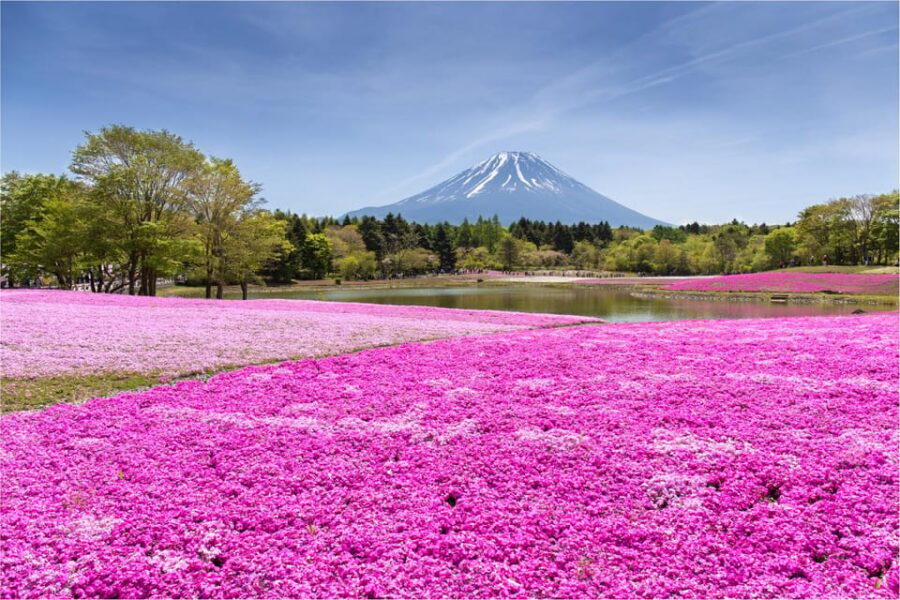
- Arakura Fuji Sengen Shrine gives you a classic Fuji framing with dedicated photo time
- Oshino Hakkai pauses you in a quiet village built around clear ponds
- Lake Kawaguchi + Oishi Park stack two different Fuji angles in one stretch
- Saiko Iyashi-no-Sato Nenba adds a step back in time with reconstructed village houses
- Mt. Fuji 5th Station is your highest vehicle-access point for big panoramic views
- Hakone gets a full 3-hour block after the Fuji highlights
A private Fuji-and-Hakone day built around photo breaks
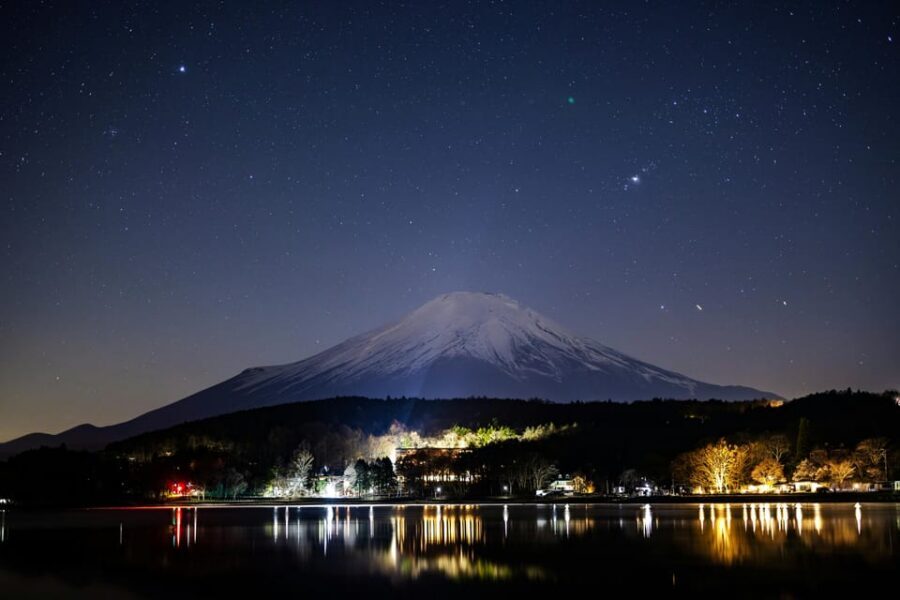
This is the kind of day trip that makes sense if you want iconic Mount Fuji views without the stress of trains, transfers, and figuring out where the best viewpoints are. The tour is structured around timed stops, which means you can chase the photos you came for and still fit in multiple classic locations.
In practice, that structure feels like a series of “photo chapters.” You arrive, you get time to look and shoot, you breathe for a moment, then you move on. It’s not a slow wander day. It’s a “see it, capture it, and keep going” day, and that’s exactly why it works.
The private van matters here. Even small things—like not having to wrangle group schedules or catch the next bus—add up fast when you’re trying to cover Arakura, Oshino Hakkai, Kawaguchi, Oishi Park, Saiko Iyashi-no-Sato Nenba, Mt. Fuji 5th Station, and then Hakone.
More Mt Fuji & Hakone tours we've reviewed
Pickup, van comfort, and the driver’s on-the-road tips
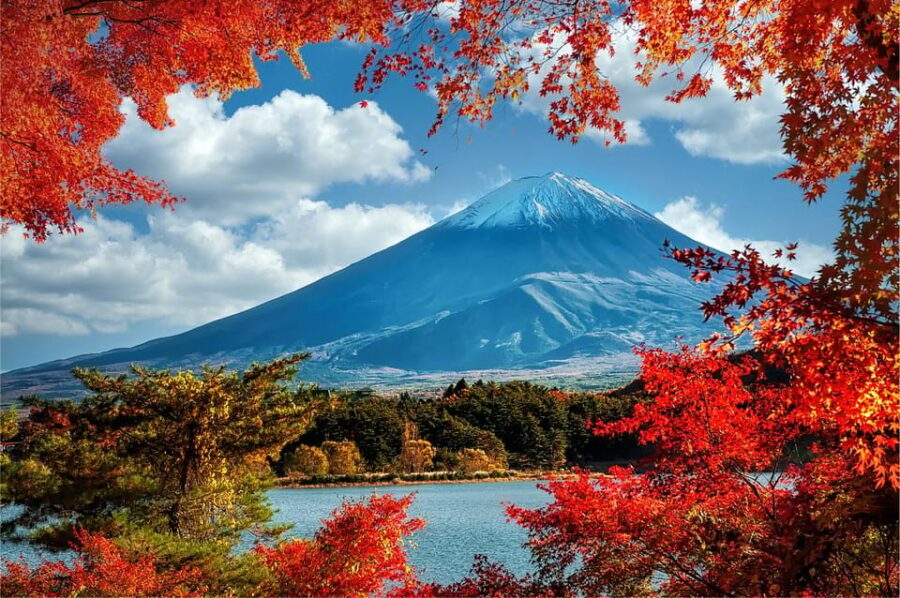
Your day starts with pickup from options that include Tokyo, Kamakura, and Hakone, and you’ll also find hotel pickup/drop-off coverage across many Tokyo locations (with examples like Chiyoda, Edogawa, and Adachi). The timing is managed so you’re not left waiting around for long stretches.
The transport is a comfy, spacious van—simple, but important. A long scenic day is only relaxing if you’re not squeezed or stuck in a cramped vehicle. You also get bottled water, which sounds basic until you’re holding it while you’re trying to photograph and walk.
One of my favorite practical touches is how the driver handles the “in-between” moments. On route, the driver can point out important scenery and may even factor in a stop for a whistling road stretch when it fits the route and timing. That kind of heads-up turns a highway ride into part of the experience, not just transit.
Also, because the itinerary includes flexible scheduling and free time at each stop, you’re not trapped doing everything the exact same way as everyone else. If you need an extra minute to reframe a shot or you want to walk a little farther, that flexibility can help.
Arakura Fuji Sengen Shrine: the shrine stairs view
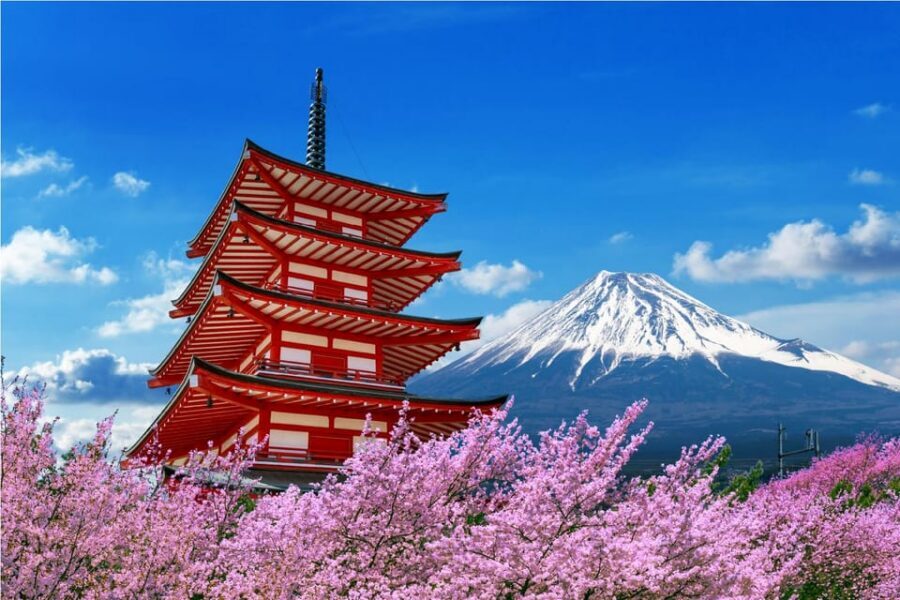
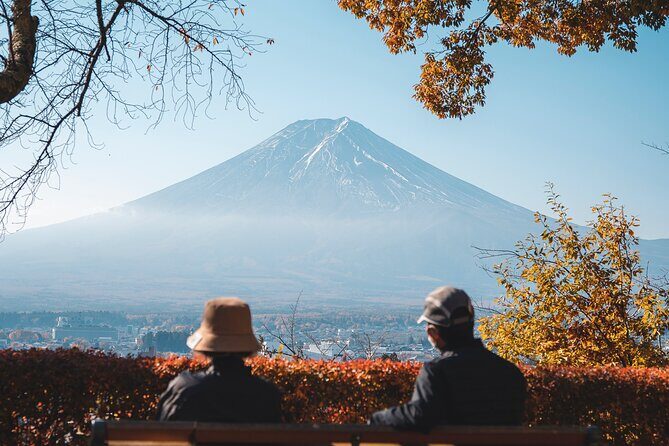
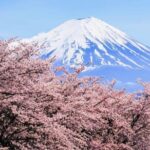
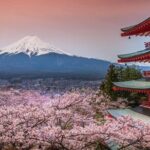
Your first major Fuji hit is Arakura Fuji Sengen Shrine, a place famous for getting Mount Fuji into your frame from a shrine setting. The tour gives you a substantial break—about an hour total at this stop, with around 45 minutes specifically built in for viewing and photos.
What I like about this stop is that it’s both scenic and manageable. You’re not just standing in one spot hoping the view works out. The shrine area lets you move and adjust angles, so you can try a few different compositions instead of one single shot.
Practical tip: plan your photo path before you start climbing or walking. Fuji days can include changing cloud cover and shifting light. If you wait until you’re halfway through to decide where you want your final shot, you can lose the best angle.
Possible drawback: this stop is timed, so if Arakura is the one place you care about most, treat it like your priority. Arrive ready to spend your “real attention” here, because the rest of the day won’t slow down to match your ideal pace.
Oshino Hakkai ponds: clear water and quiet village lanes
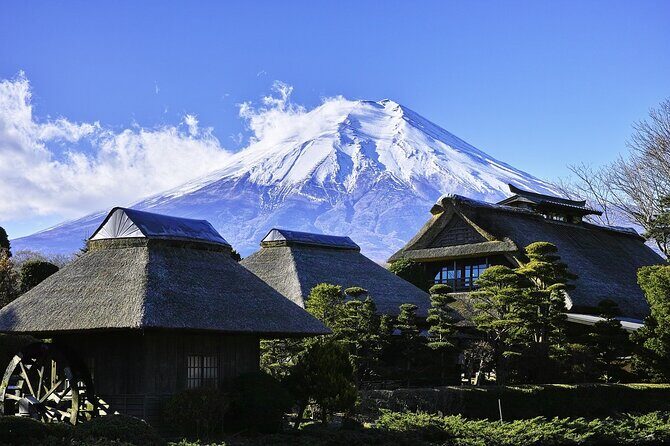
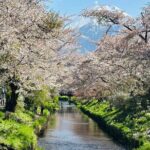
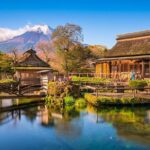
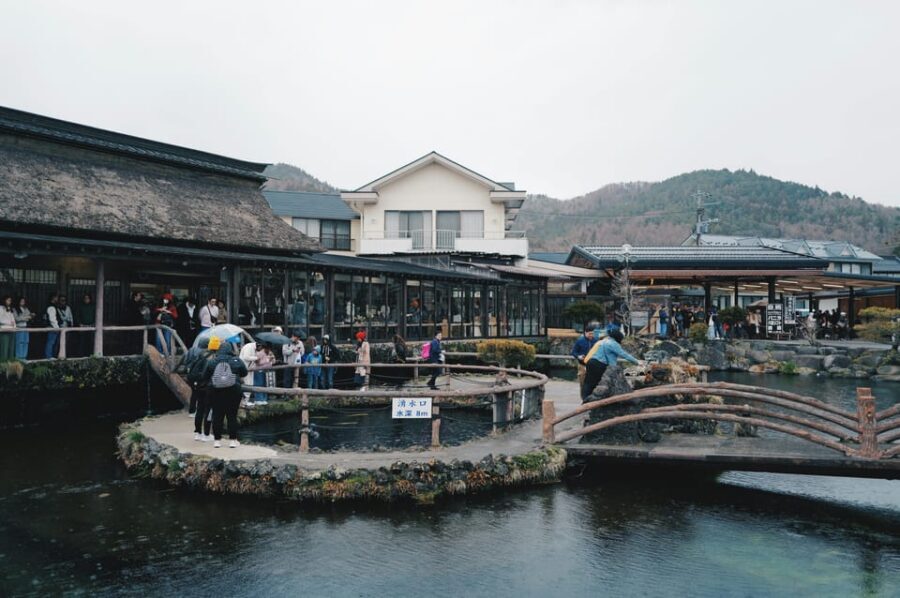
Next up is Oshino Hakkai, where you get about an hour total in the village area, including time to admire the crystal-clear ponds and traditional houses. Earlier, the pacing is described as a shorter window (around 30 minutes) to enjoy the ponds specifically, so treat your time here as a focused stroll rather than a long museum-style visit.
This stop is valuable for two reasons. First, it’s a contrast to the shrine viewpoint: more calm, more water, and more “slow eyes” sightseeing. Second, the reflections and clarity in the ponds create photo opportunities that feel different from the typical Fuji-at-a-distance shots.
What to do with your time: don’t try to see everything at once. Pick a couple of pond viewpoints, walk between them, and keep one “backup angle” in mind in case the lighting isn’t ideal where you first start. Clear water scenes can be sensitive to wind and foot traffic, so having a plan helps.
The only real consideration is crowds and foot traffic. Even when the village feels quiet, you’ll likely share the walkways. Since you have limited time, I’d keep your wandering efficient and leave yourself a few minutes at the end to return to your favorite pond.
Lake Kawaguchi and Oishi Park: two Fuji angles in one stretch
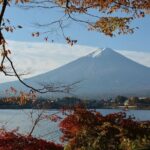
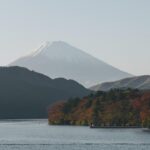
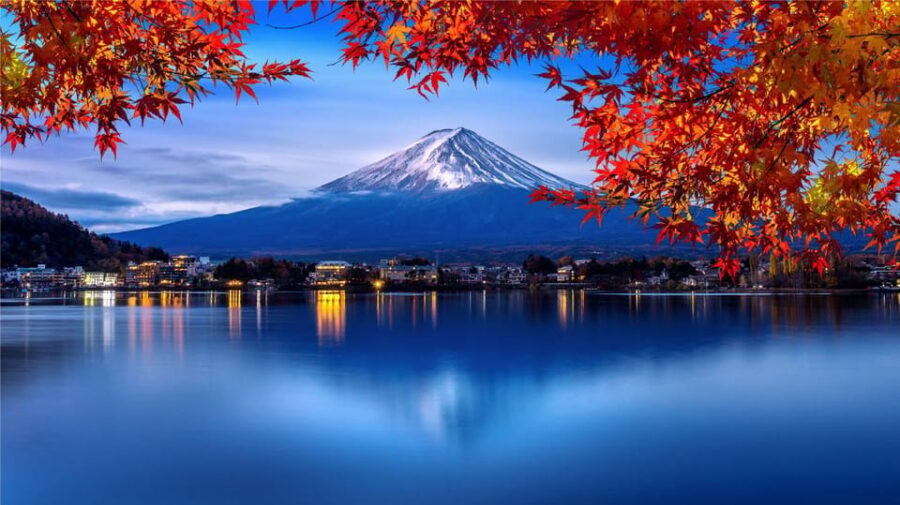
After Oshino Hakkai, you head to Lake Kawaguchi for about 1 to 1.5 hours. This is where the tour leans into classic “Fuji with water” photography. You get time to walk the lakeside areas, find sightlines, and shoot from angles that highlight both the lake and the mountain.
Then you continue to Oishi Park for about 30 minutes to 1 hour. The idea here is smart: rather than repeating the same view style, Oishi Park gives you a different platform for the same obsession. The tour also calls out colorful flowers with clear views of Mount Fuji, so you’re not just chasing a single composition—you’re chasing variety.
This two-stop combination is good value because it stacks options without making the day longer. If clouds appear, you can still have a decent chance of Fuji visibility across multiple locations. If the weather is perfect, you’ll get to try different foreground elements: water at Kawaguchi, and flowers and park viewpoints at Oishi Park.
Practical photo advice: shoot in bursts. Fuji visibility can change fast with passing cloud cover. Also, bring a light layer—lake and park areas can feel cooler than you expect.
The main drawback is time compression. If you want to do serious hiking or long walks, this schedule won’t be built for that. You’ll want to treat these as “scenic and photographic” stops, not full-day nature excursions.
Other Tokyo + Mt Fuji + Hakone combo tours we've reviewed
Saiko Iyashi-no-Sato Nenba: reconstructed village before the climb
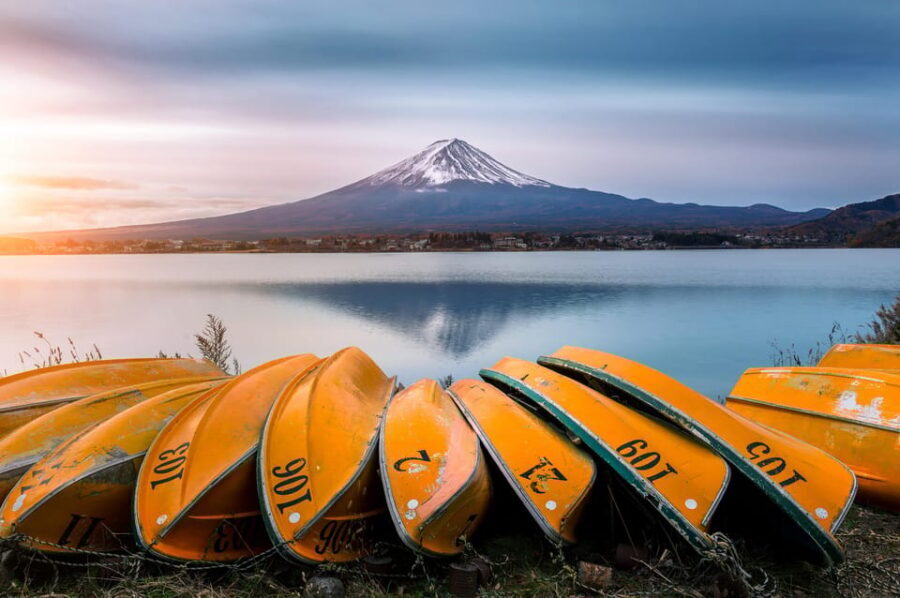
Then comes Saiko Iyashi-no-Sato Nenba, where you visit a meticulously reconstructed traditional Japanese village. You’re given about 45 minutes here, and the focus is cultural look-and-walk rather than a long guided experience.
I like this stop because it breaks up the “Fuji-only” feel of the earlier part of the day. After shrine steps, ponds, and lake views, this village gives your eyes something different: traditional house shapes, a sense of old village layout, and a quieter mood that makes the next highlight feel earned.
Since your time is short, it helps to be purposeful. Walk through at a pace that lets you spot a few key house structures, then slow down when you find an angle where Fuji (or the surrounding scenery) appears in the background. Even if the view isn’t dramatic at every corner, the design of the village gives you photo-friendly frames.
A consideration: entrance fees for optional attractions are not included, so if there are indoor areas or paid exhibits, you’ll need to decide what’s worth it for you. If you’re traveling with a small group, your driver can help you understand what to prioritize once you’re on site.
Mt. Fuji 5th Station: highest vehicle-access panoramas
The day’s centerpiece is Mt. Fuji 5th Station, which you spend about 45 minutes exploring. This is the highest point accessible by vehicle on this route, and the payoff is panoramic views.
This stop feels different from the earlier viewpoints because you’re no longer just framing Fuji—you’re experiencing the mountain at a higher altitude. Even if you’re not planning to hike, the air, the angles, and the “up there” feeling make this the most memorable moment for most people.
What I’d do with your time: give yourself a few minutes to stand and look before you start shooting. Panoramas are about orientation. Then take photos from one or two established viewing spots rather than walking every direction immediately. In limited time, a focused approach gets you better results.
Possible drawback: weather is a real factor. Higher altitudes can change quickly. If visibility is reduced, you’ll still get the station experience, but the “wow” photo may be limited. If this is your must-do highlight, dress in layers and keep your expectations flexible.
Hakone after Fuji: how to spend your three hours
After the Fuji portion, the tour shifts to Hakone with a 3-hour visit. That’s a good chunk of time, especially after a long day of viewpoints, because you can actually slow down a bit.
The tour data doesn’t specify the exact Hakone sites included within those 3 hours, so you should plan this part around your interests and the day’s conditions. Some people like Hakone for scenic walking and viewpoints. Others focus on classic Hakone atmosphere, shopping streets, or a transport-oriented experience. With a private driver, you should be able to steer your Hakone time toward what matters most to you—within the overall tour time.
One thing I appreciate about putting Hakone after Fuji is pacing. Fuji stops are the heavy hitters, so once you’re done chasing the big mountain shots, you can transition into something more flexible and human-scale.
Price and what you’re really paying for (private transport)
At $346 per group up to 6 for a 10-hour day, you’re paying for the biggest part of the experience: private transportation plus a driver. This is not a cheap “grab a bus and hope for the best” outing. You’re buying convenience, time control, and fewer logistics headaches.
Where the value shows up:
- You get private vehicle service for the whole day, including tolls, parking fees, and fuel costs covered. That means no surprise add-ons for getting between scattered spots.
- You get an English-speaking driver included (the driver is listed as English and Hindi), which is especially helpful when you’re asking questions on the fly or clarifying where the best photo angles are.
- You get free time at each stop instead of being herded nonstop.
Where you should be honest with yourself: the itinerary is structured and time-boxed. If you want long, slow, deep experiences at one location, you might feel rushed. But if you want a clean route that hits multiple iconic Fuji/Hakone points in one day, this format is exactly what you’re paying for.
Who should book, and who should skip this schedule
This tour fits best if you:
- Want iconic Mount Fuji views without self-planning the route
- Travel with a small group (up to 6) and can split the per-group cost
- Like photography and short walks at scenic spots
- Prefer comfort and a driver who can respond to needs during the day
It may not fit you if:
- You strongly dislike tight timing. The day is built from several stops with photo windows.
- You need long uninterrupted downtime. Each location is allocated limited time.
Also, it’s listed as not suitable for people over 95 years, which is worth respecting for comfort and pacing.
Should you book the Mount Fuji and Hakone Tour with Personal Driver & Transport?
If you’re trying to fit Mount Fuji and Hakone into a single Tokyo-based day, I think this is a strong option. The reason is practical: it stacks multiple high-impact stops—Arakura, Oshino Hakkai, Lake Kawaguchi, Oishi Park, Saiko Iyashi-no-Sato Nenba, Mt. Fuji 5th Station, then Hakone—under one private-transport umbrella.
I’d book it if your top priority is getting the shots and seeing the main sights without navigating transit transfers. I’d reconsider if you want leisurely exploration at fewer locations, or if you’re sensitive to a packed schedule.
If you do book, go in with a simple mindset: treat each stop like a mini assignment. Show up, enjoy your time window, take photos early, and move on before you start wondering what you’re missing. That approach matches how the day is designed—and it makes the whole experience feel satisfying instead of rushed.
FAQ
How long is the Mount Fuji and Hakone tour?
The duration is 10 hours.
Is this tour private?
Yes. It’s a private group with a personal driver and transport.
How many people can be in a group?
The pricing is per group up to 6 people.
Where can pickup happen?
Pickup is available from multiple Tokyo locations, with pickup options that include Kamakura, Tokyo, and Hakone.
Where are drop-offs available?
Drop-offs are available at convenient locations including Tokyo, Kamakura, and Hakone. Tokyo examples mentioned include Chiyoda, Edogawa, and Adachi.
What are the main stops during the day?
The tour includes Arakura Fuji Sengen Shrine, Oshino Hakkai, Lake Kawaguchi, Oishi Park, Saiko Iyashi-no-Sato Nenba, Mt. Fuji 5th Station, and a 3-hour visit in Hakone.
Is there an English-speaking driver?
Yes. The driver is listed as English and Hindi, and the tour includes an English-speaking driver.
Are meals included?
No. Meals and snacks are not included.
Are entrance fees included?
Optional attraction entrance fees are not covered.
Is bottled water included?
Yes. Complimentary bottled water is provided.
Is free cancellation available?
Yes. You can cancel up to 24 hours in advance for a full refund.
Is the tour suitable for seniors?
It is listed as not suitable for people over 95 years.