REVIEW · TOKYO
Mount fuji and Hakone Full day private sightseeing tour
Book on Viator →Operated by Tokyo Top Travel · Bookable on Viator
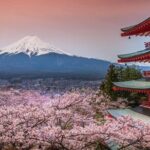
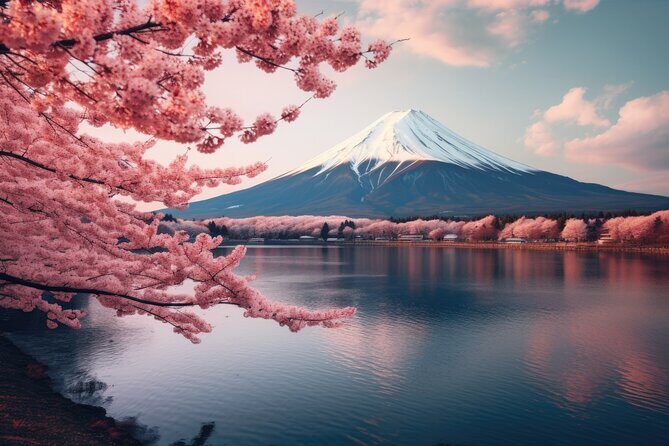
A day trip to Fuji feels like a time jump. This private route gets you out of Tokyo for Hakone volcanic scenery and Mt Fuji viewpoints, with an English-speaking guide and a driver who handles the hard parts. I like that the plan mixes iconic sites (Lake Ashi, Owakudani) with calmer stops where you can actually look around.
My favorite parts are the lake views and the way the day is set up for flexibility. One guide named Ali was praised for keeping the schedule efficient and helping people get Fuji from multiple angles, even when visibility was tricky. Still, here’s the big consideration: Mt Fuji can be fully clear or mostly hidden, depending on weather.
You’re paying for convenience, not miracles. When skies don’t cooperate, you still get a great Hakone-and-Fuji region day—but the mountain may not fill your camera.
In This Review
- Key things to know before you go
- A One-Day Route That Turns Tokyo Into Volcano Country
- Price and Value: What $380 Really Means for Your Group
- Private Pickup and an English-Speaking Guide (What You Gain)
- Stop-by-Stop: Shrine Roots, Fuji Springs, and Fuji-Side Atmosphere
- Kitaguchi Hongu Fuji Sengen Jinja Shrine (about 1 hour)
- Oshino Hakkai (about 1 hour)
- Saiko Iyashi no Sato Nemba: The Old-Style Thatched-Roof Village
- What to expect (about 1 hour)
- Hakone Jinja’s Torii on Lake Ashi and Owakudani’s Black-Egg Volcano Stop
- Hakone Jinja (about 30 minutes)
- Owakudani Kurotamago Kan (about 1 hour)
- Lake Ashinoko: Pirate-Boat Views Plus Ropeway and Cable Car Timing
- Lake Ashinoko and the boat ride (about 1 hour)
- Togendai Station General Information Center (about 30 minutes) and a cable car ride
- Hakone Ropeway note
- Hakone Open-Air Museum and Odawara Castle: Culture After the Volcano Heat
- Hakone Open-Air Museum (about 1 hour)
- Odawara Castle (about 1 hour)
- Mt Fuji Visibility: How to Think About Weather on This Day Trip
- Who This Tour Fits Best (and Who Might Want Something Else)
- Should You Book This Hakone and Mt Fuji Private Tour?
- FAQ
- How long is the Mount Fuji and Hakone full-day private sightseeing tour?
- What is the group size, and how is the $380 price structured?
- Does the tour include hotel pickup?
- Is the guide available in English?
- Are meals included?
- Are entry fees included?
- What does the tour include in Hakone?
- Is Mt. Fuji’s 5th Station part of the plan?
- What happens if the weather is poor?
- Can I cancel for a refund?
Key things to know before you go
- Private driver, one group only: up to 5 people, so you’re not stuck waiting on everyone else.
- Hakone by water plus volcano: Lake Ashi cruise and an Owakudani sulphur stop with the famous black eggs.
- A mix of free and extra-paid sights: several major stops are marked free, but some add-ons are not included.
- English-speaking guide time is baked in: you’ll have someone explaining what you’re seeing, not just transporting you.
- You can customize the day: the itinerary can shift based on what you care about most.
- Expect weather variability: the tour depends on good conditions for the best Mt Fuji experience.
A One-Day Route That Turns Tokyo Into Volcano Country
Hakone plus Mt Fuji in one day sounds ambitious. It is. But that’s also why it works: you’re packing together the region’s signature “volcanic Japan” atmosphere in a single 10-hour outing.
The flow here is practical. You start with a classic Fuji-side shrine, then move into Fuji-area spring views at Oshino Hakkai. After that, you shift into Hakone’s volcanic world with Owakudani’s sulphur and Lake Ashi’s big, cinematic water views. Then you end with cultural stops that slow the pace down a bit—like an outdoor sculpture museum and Odawara Castle.
This isn’t just sightseeing theater. It’s designed so you’re looking at the same mountain region from different angles. And if you don’t get perfect Mt Fuji at one point, you still have multiple shots later in the day—one reason people loved the way their guide prioritized the best views.
More Mt Fuji & Hakone tours we've reviewed
Price and Value: What $380 Really Means for Your Group
This tour costs $380 per group for up to 5 people. If you fill the group, the math is simple: about $76 per person. If it’s just two of you, it becomes about $190 per person.
So is it worth it? For me, value comes down to two things you’re buying here:
- Time saved by skipping public transport planning, transfers, and stress.
- A driver-guided route that can adapt if you hit crowds or weather changes.
If you were to DIY this, you’d still spend hours commuting from Tokyo, and you’d likely lose some flexibility—especially around Hakone and Lake Ashi where timing matters. The private setup also helps families and mixed-age groups keep the day from turning into a sprint.
One more value angle: the day includes bottled water, and the main highlights are built into the route. That means less cash scrambling for small essentials mid-day.
Private Pickup and an English-Speaking Guide (What You Gain)
Pickup is offered, and you’ll be with a driver and English-speaking guide for the day. That combination matters more than you’d think.
In Tokyo rush hour, public transport is workable but not pleasant when you’re headed straight to a long day trip. A private car cuts that friction. It also keeps your day from collapsing if a train connection goes sideways.
Guides were praised for safe, confident driving and for giving clear context at each stop. Names that came up include Ali, Hassan, Mukarram, and Asif. Across those different guides, the consistent theme was: they helped people see the best spots without wasting time.
That said, driving style can vary. If you’re sensitive to speed or tight turning in busy traffic, it’s smart to say something early and ask for a calmer pace.
Stop-by-Stop: Shrine Roots, Fuji Springs, and Fuji-Side Atmosphere
Kitaguchi Hongu Fuji Sengen Jinja Shrine (about 1 hour)
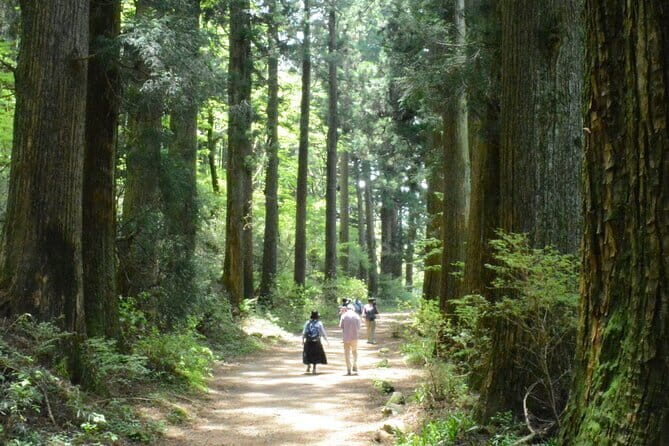
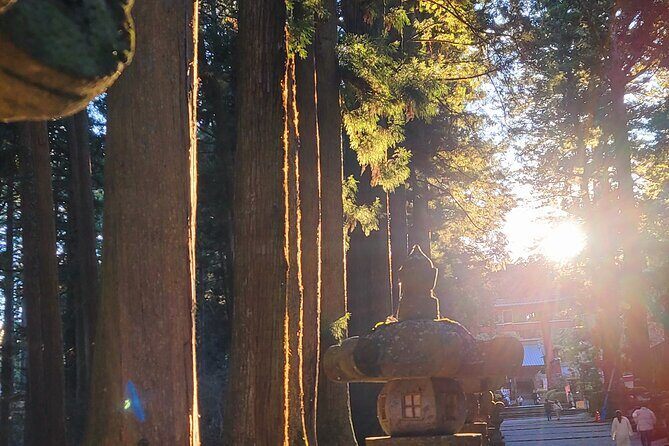
Your day begins at Kitaguchi Hongu Fuji Sengen Jinja, on the north side base area of Mt Fuji. The shrine is described as being built around 100 A.D., inside dense cedar and pine forest. You’ll also find very old cypress trees in the main hall.
This is a good first stop because it sets the theme. Instead of starting with crowds and souvenir streets, you get trees, shade, and a sense of why people built religious places connected to this mountain.
Watch for: it’s still an early, active site visit. Wear shoes that can handle uneven paths.
Other Tokyo + Mt Fuji + Hakone combo tours we've reviewed
Oshino Hakkai (about 1 hour)
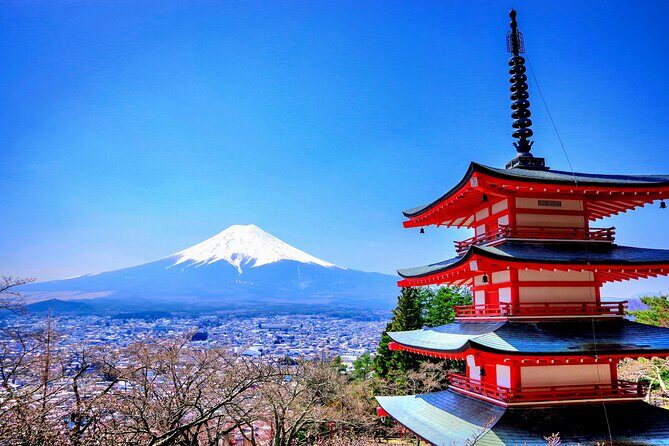
Next is Oshino Hakkai, a 300-year-old village known for eight natural spring water ponds. Koi fish are part of the scene, and you’ll pass classic souvenir stands and small food stalls with Mt Fuji views when visibility cooperates.
This is one of the best “easy wins” on a day trip. You get water, Fuji-facing viewpoints, and a walkable area without needing a lot of logistics.
Watch for: this is popular. If you want photos with less crowding, plan to move a few steps at a time and be ready to wait for the perfect angle.
Saiko Iyashi no Sato Nemba: The Old-Style Thatched-Roof Village
What to expect (about 1 hour)
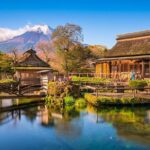
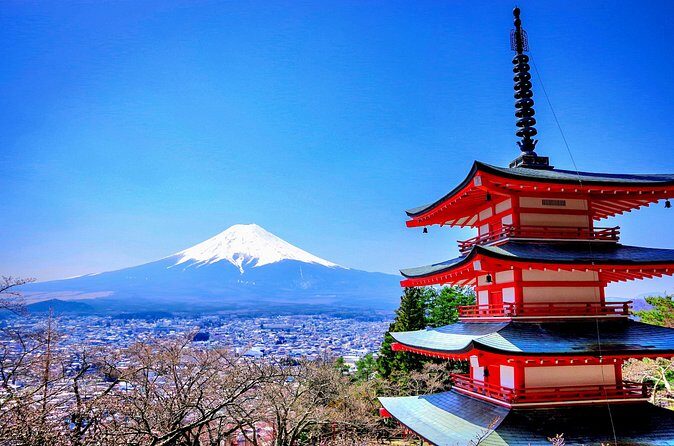
Saiko Iyashi no Sato Nemba is a traditional Japanese village setting in the Lake Saiko area, with thatched-roof houses and food stalls. There’s also an optional kimono experience mentioned here.
Why this stop works: it shifts the tone. After shrine-and-spring sightseeing, this is more “slow wandering.” You can snack, look at the architecture, and take breaks from standing at viewing points.
Potential drawback: the kimono experience isn’t included. If you’re interested in dressing up, budget extra time and money—especially if lines form.
Hakone Jinja’s Torii on Lake Ashi and Owakudani’s Black-Egg Volcano Stop
Hakone Jinja (about 30 minutes)
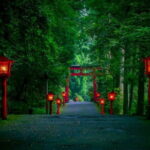
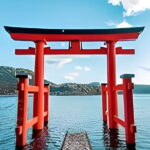
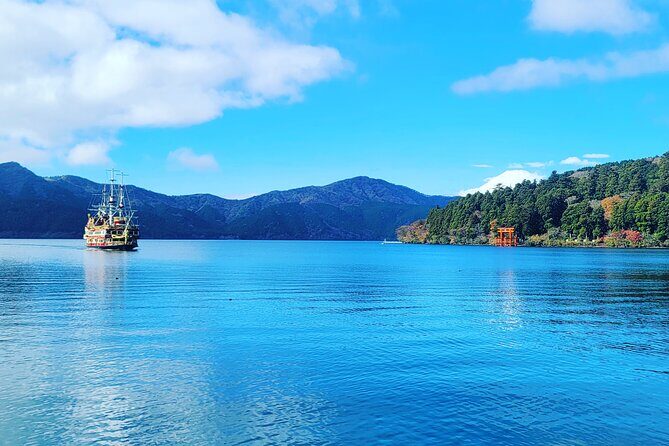
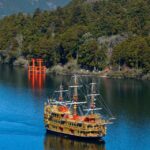
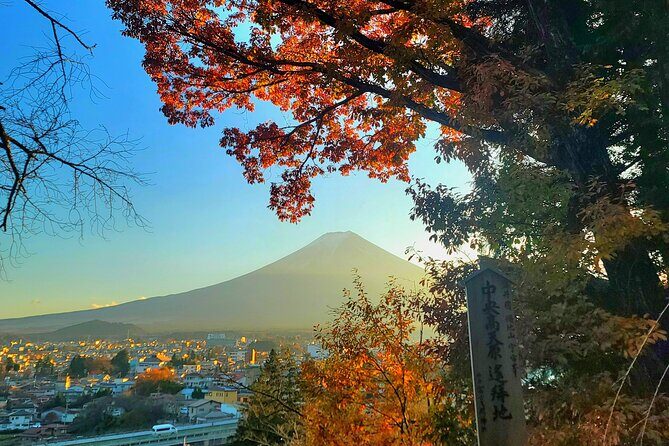
Hakone Jinja is known for its orange floating torii gate on Lake Ashi. It’s a short stop, but it’s very photo-friendly, and it gives you that instant “Hakone feeling” the minute you arrive near the lake.
This quick hit is useful on a day like this. You’re not spending half your day chasing one viewpoint—you’re stacking viewpoints.
Owakudani Kurotamago Kan (about 1 hour)
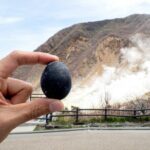
Then comes Owakudani, tied to a volcanic eruption described as happening nearly 3,000 years ago. You’ll smell sulphur, see the fumes, and learn the story behind the famous black eggs associated with this area.
This stop is the reason many people book Hakone at all. Even on a cloudier day, the sulphur and steam create atmosphere. And the black eggs are a fun, very specific local tradition.
Watch for: strong smells. If you’re sensitive to odours, bring a mask or at least be ready for an intense few minutes.
Lake Ashinoko: Pirate-Boat Views Plus Ropeway and Cable Car Timing
Lake Ashinoko and the boat ride (about 1 hour)
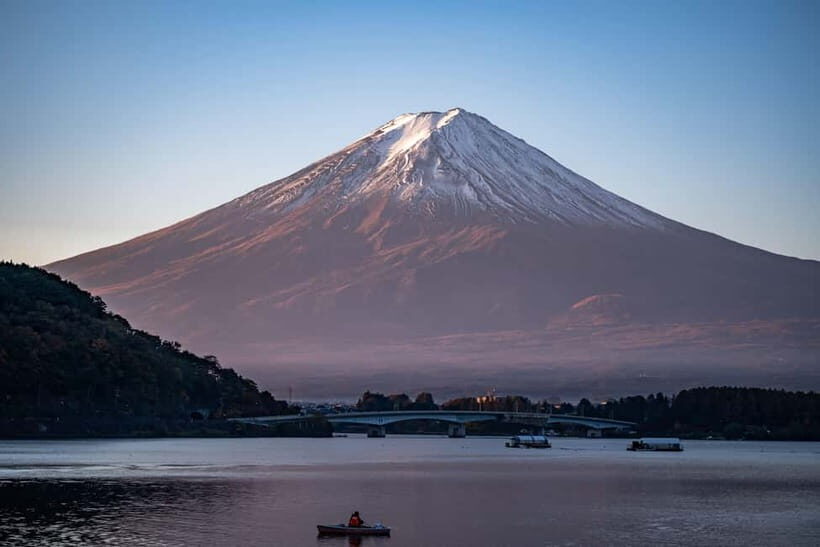
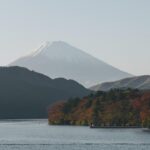
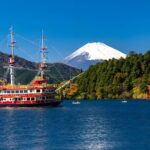
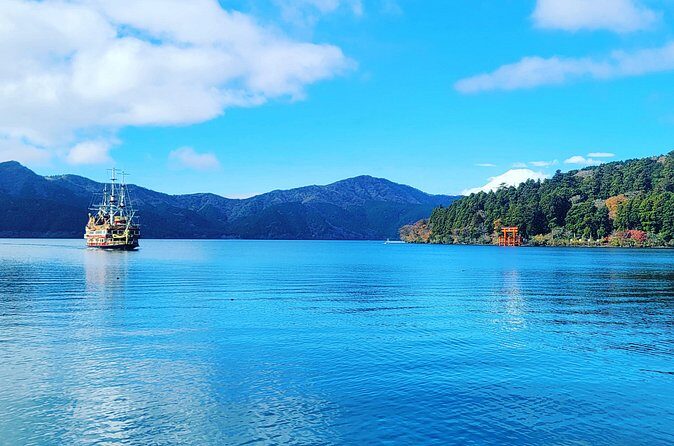
You’ll spend time at Lake Ashinoko, including a pirate boat ride on Lake Ashi with views toward Mt Fuji. The boat element is what turns “a scenic lake” into a moving viewpoint.
This is also a good time to slow down. You’re seated, the lake changes around you, and you get a different angle than the shoreline.
Togendai Station General Information Center (about 30 minutes) and a cable car ride
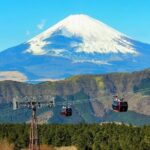
At Togendai Station, you can get a cable car ride with Fuji views. This is listed as not included, so plan for additional cost if you want it.
This part of the day is where timing becomes everything. Lake viewpoints and cable cars can get crowded. One of the best practical tips that came up: Ali was described as suggesting leaving earlier on crowded days and even skipping certain rides when waits are long. The point isn’t to follow his exact calls blindly—it’s to know that your driver may adjust the plan to protect your best viewing time.
Hakone Ropeway note
The overall tour highlights include the Hakone Ropeway. In practice, ropeway and cable car timing can vary with crowds and conditions. If you see a long wait, ask your guide what matters most for your day and whether switching order makes sense.
Hakone Open-Air Museum and Odawara Castle: Culture After the Volcano Heat
Hakone Open-Air Museum (about 1 hour)
The Hakone Open-Air Museum features an outdoor sculpture park and some indoor exhibits, plus mention of a natural hot spring. Admission is not included, so you’ll want to decide ahead of time if this is a must-do for your group.
Why it’s a smart pairing after Owakudani and the lake: it changes your pace. You move more slowly, look at art in open air, and get a breather from constant viewpoint scanning.
Watch for: if the weather turns, outdoor time can feel colder or wetter. Still, that’s also when indoor parts become useful.
Odawara Castle (about 1 hour)
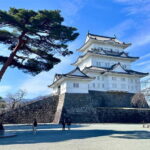
Odawara Castle rounds out the day. It’s described as a small, stalwart castle with exhibits and artifacts, plus tower views.
This final stop works well for two reasons:
- It gives a more “Japan” history stop before heading back toward Tokyo.
- It’s a good way to end without needing another long outdoor chase for Mt Fuji.
Practical tip: take your time at the tower. Even if Fuji is shy, you may still get broader views of the area.
Mt Fuji Visibility: How to Think About Weather on This Day Trip
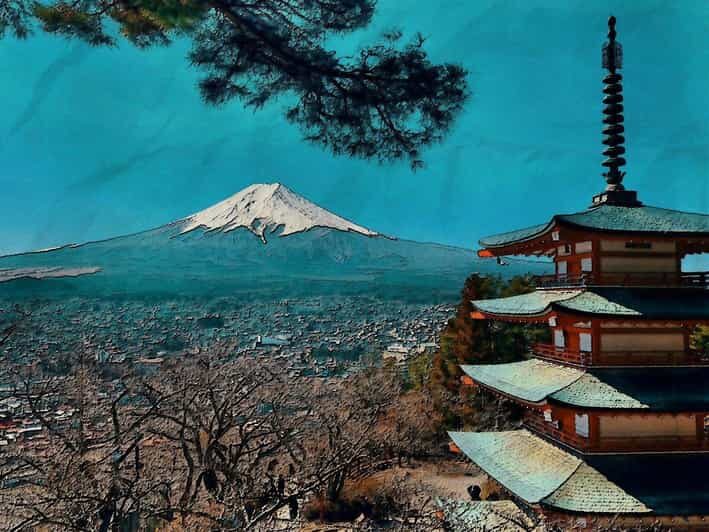
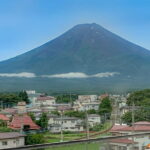
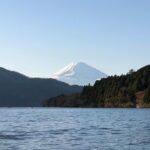
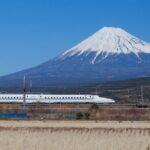
Mt Fuji is not a guarantee on any schedule. This one is explicitly weather-dependent, and that’s exactly what you should plan for.
Here’s the most useful way to think about it:
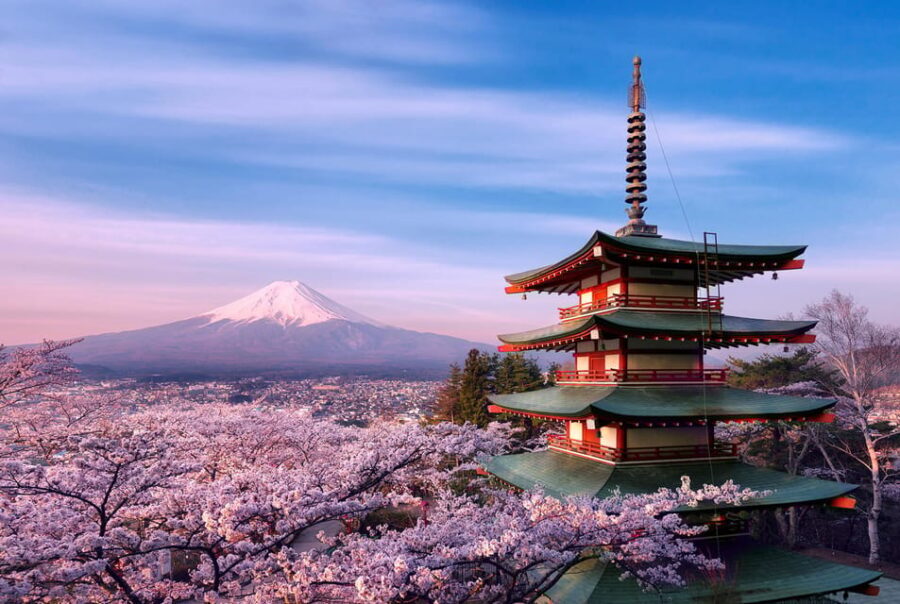
- If skies clear, you’ll likely get dramatic views from multiple stops.
- If clouds sit low, you may still enjoy Hakone’s sulphur, lakes, shrines, and village atmosphere, but the mountain could be only partly visible.
From guide behavior, there’s a clear pattern: strong drivers watch the day in front of them and prioritize. Ali was praised for helping people see Fuji from multiple angles and for recommending crowd-beating timing by suggesting leaving at 7:00 a.m. to avoid the worst congestion on sunny days.
If you want the best shot at full views, go into the day with flexibility. The most helpful mindset isn’t chasing a single photograph. It’s letting your guide steer you to where conditions look best at that hour.
Who This Tour Fits Best (and Who Might Want Something Else)
This is a great fit if you want:
- A private, stress-light day from Tokyo to Hakone and the Mt Fuji region.
- A route that includes both volcanic Hakone and Fuji-side classics.
- An English-speaking guide to explain what you’re seeing.
- Less time in transit and fewer decisions than DIY.
It may be less ideal if you’re the type who wants zero surprises. A private day trip depends on conditions, and some add-ons (like the museum and certain rides) cost extra. Also, the day is packed across nine stops, so you’ll want to keep your pace steady.
Should You Book This Hakone and Mt Fuji Private Tour?
I think this is a strong booking choice if you value convenience, a guided route, and the ability to adjust when the day gets crowded or the mountain hides behind clouds. The price makes the most sense when you’re splitting it across a full group, but it can still be reasonable if you’re paying to save hours of Tokyo logistics.
Before booking, decide what you’re optimizing for:
- If your priority is the best shot at Mt Fuji from multiple angles, this private setup helps.
- If you mainly want Hakone’s volcanic and lake atmosphere, you’ll still have a full, satisfying day even when Fuji is limited.
If you want one simple rule: bring expectations that are flexible, not fixed. With that mindset, this tour delivers a full, memorable slice of Japan beyond the Tokyo bubble.
FAQ
How long is the Mount Fuji and Hakone full-day private sightseeing tour?
The tour runs for about 10 hours.
What is the group size, and how is the $380 price structured?
It’s private, and the price is $380 per group for up to 5 people.
Does the tour include hotel pickup?
Pickup is offered.
Is the guide available in English?
Yes, the tour includes an English-speaking guide.
Are meals included?
No. Bottled water is provided, but meals are extra.
Are entry fees included?
Some stops are free, but meals and entry fees are extra overall. A few specific items listed as not included include the kimono experience, some cable car and museum admissions.
What does the tour include in Hakone?
You’ll have Hakone Ropeway as a highlighted activity, a Lake Ashi cruise/boat ride, Hakone Jinja with the torii on the lake, Owakudani with sulphur fumes and black eggs, and time at spots like Togendai Station and the Open-Air Museum.
Is Mt. Fuji’s 5th Station part of the plan?
The tour overview lists Mt. Fuji’s 5th Station as one of the highlights.
What happens if the weather is poor?
This experience requires good weather. If it’s canceled due to poor weather, you’ll be offered a different date or a full refund.
Can I cancel for a refund?
Yes. You can cancel up to 24 hours in advance for a full refund.