REVIEW · TOKYO
Tokyo Mt. Fuji Hakone Shrine, Owakudani, Lake Yamanakai Day Tour
Book on Viator →Operated by Scenic Bend · Bookable on Viator
Hakone and Mt. Fuji can feel like a cheat code. This full-day tour strings together volcanic Owakudani, classic shrine views, and Fuji Five Lakes stops with ride time organized tightly. I like how it uses real scenery, not just fast photo stops, and how the schedule mixes paid rides with free walking.
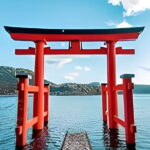
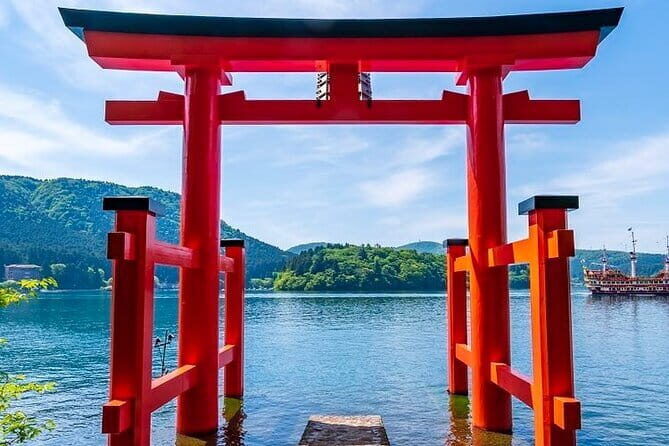
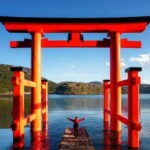
Two things I especially like are the Lake Ashinoko maritime torii setting (so you see Hakone Shrine’s famous red gate with Mount Fuji in the distance) and the fact that Owakudani is built around the volcano itself, including the option to try the region’s famous black eggs. It’s a strong sampler day if you want big sights without planning five separate legs.
One consideration: weather can make or break the day. If it’s pouring rain or windy, you may lose views of Mt. Fuji and even ropeway options, so you’ll want a rain plan and flexible expectations.
In This Review
- Key points worth knowing before you go
- Volcano views from Tokyo, without the multi-train headache
- Price and what your $76.96 covers (and what it doesn’t)
- Hakone Shrine and the Lake Ashinoko torii: the classic Fuji postcard angle
- Ropeway over Hakone’s crater country: when views are best
- Owakudani Valley: the volcano you can smell, plus black egg fun
- Lake Yamanaka Shiratorihama: swans and Fuji in the same frame
- Oshino Hakkai: eight springs fed by Fuji snowmelt
- How the 8 hours 20 minutes usually feels in real life
- Make the guide work for you: information, pacing, and optional add-ons
- Practical tips: shoes, cash, luggage, and Fuji-weather reality
- Footwear and rain gear
- Cash for the black egg moment
- Luggage rules (because Japan has tiny parking windows)
- Pickup reminders and guide contact
- Group size
- Should you book this Tokyo–Mt. Fuji–Hakone day tour?
- FAQ
- How long is the Tokyo Mt. Fuji Hakone Shrine, Owakudani, Lake Yamanakai day tour?
- What is the price per person?
- Does the tour include admission tickets?
- Are meals included?
- Is a mobile ticket used?
- How many people are needed for the tour to run?
- What is the group size limit?
- What about luggage? Can I bring it?
- When do I get pickup information?
- What are the rules for children?
- Can I cancel for a refund?
Key points worth knowing before you go
- Four-season volcanic drama at Owakudani: crater steam, poisonous hot springs called Big Hell, and black egg culture.
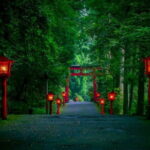
- Hakone Shrine on Lake Ashinoko: the red torii gate is the whole visual centerpiece.
- Ropeway segment is included: Togendai to the Owakudani course is built into the pricing.
- Lake Yamanaka Shiratorihama: swans + Mt. Fuji framing, often from the same spot.
- Oshino Hakkai is eight Fuji-snow springs: clear water reflections with Mt. Fuji in the background.
- Tight timing, about 8 hours 20 minutes: great if you like structure; less fun if you want slow travel.
Volcano views from Tokyo, without the multi-train headache
This is one of those day trips that feels like a greatest-hits reel, but it’s still grounded in real places. You leave Tokyo and spend your time in Hakone’s volcanic zone, then on to the Fuji Five Lakes area for two more signature stops.
What makes it practical is the way the route is built around variety: a shrine + lake photo icon, a ropeway look at the crater country, and then two Fuji-water experiences (Lake Yamanaka and Oshino Hakkai). In one day, you get a strong sense of why this part of Japan is famous for both geology and scenic framing.
More Mt Fuji & Hakone tours we've reviewed
Price and what your $76.96 covers (and what it doesn’t)
At $76.96 per person, the value comes from the transportation load. Your fee covers vehicle service fees, fuel, highway tolls, and the driver service time within the day window (within 10 hours under Japanese law). The tour also uses a mobile ticket, so you’re not digging through printouts in a pocket during transfers.
A second value piece: at least part of the most expensive transit in this region is included. The Hakone Ropeway section covering the Togendai-to-Owakudani course is included in the cable car fee.
What’s not included is also important for budgeting. Meals and personal spending are on you, and the tour is explicit that lunch time is part of the remaining hours. Also, black eggs and any snacks at Owakudani are at your own expense.
If you’re someone who hates surprise costs, plan ahead:
- Bring cash for small food purchases like black eggs.
- Be ready for optional add-ons if they’re offered on the day (you can always say no).
Hakone Shrine and the Lake Ashinoko torii: the classic Fuji postcard angle
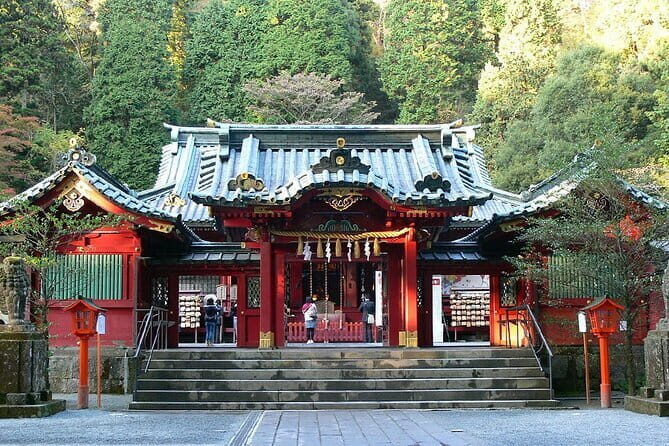
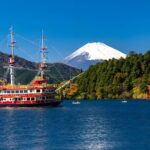
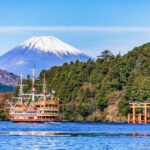
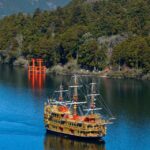
The first stop is Hakone Shrine with time at the Lake Ashinoko Maritime Torii. You get about 80 minutes total, including free time. The torii gate sits right out on the water, so it’s one of those visuals that looks like a set piece even though it’s real.
Here’s the context that makes it more than just a photo:
- The shrine was founded in 757 by Manmaki Kamimoto on Hakone Mountain.
- Hakone’s sacred mountain beliefs existed long before, and the shrine drew worship from powerful figures like Minamoto Yoritomo and Tokugawa Ieyasu.
- The shrine is considered the Kanto area’s chief guardian of Hakone, and it’s tied to beliefs about traffic safety, wishes, love, and clearing misfortune.
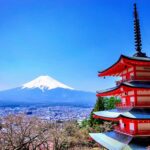
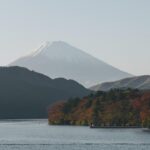
This is also where you’re most likely to catch Mount Fuji from a distance, because the lake view gives you a wide angle. Don’t assume it’ll be crisp every time—weather controls visibility—but this stop is clearly designed around the “Fuji in the background” look.
Tip: treat this as your calm start. Walk around, then come back to the water area when the light feels right.
Ropeway over Hakone’s crater country: when views are best
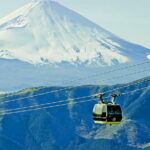
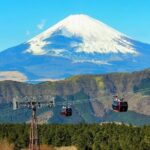
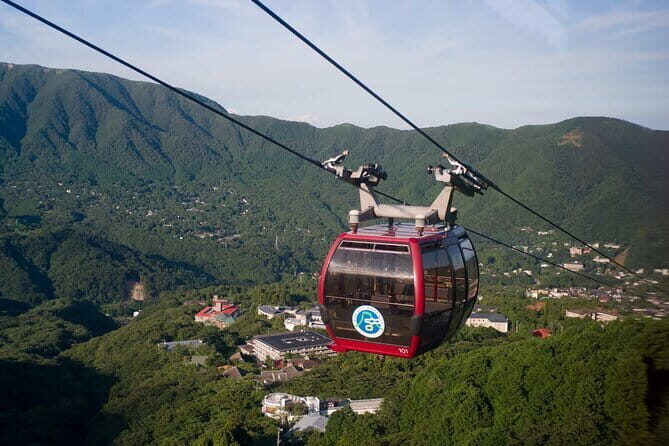
Next up is Hakone Ropeway, and you’ll ride the Togendai station to the Owakudani course (about 30 minutes). The ropeway fee for this course is included, so you don’t have to price out another ticket.
The tour is set up for one key advantage: the best views are near Owakudani, and the most beautiful stretch is between the sections because it can put Mount Fuji in view along with the volcanic crater lake area. That’s why this ride matters. You’re not just traveling—you’re gaining perspective.
But here’s the realistic part: bad weather can hit this hard. One past day had strong wind, and the rider wasn’t able to use the cabin/ropeway as expected, turning the day more bus-based. If you go on a day with high wind or heavy rain, keep your expectations flexible and be mentally ready for a different rhythm.
What you can control:
- Wear shoes with decent grip.
- Bring a compact rain layer.
- Keep your camera pocketed until you see a clearing.
Owakudani Valley: the volcano you can smell, plus black egg fun
Owakudani is where the day gets its punch. You’ll spend about 50 minutes with free time here, and you’re basically stepping into Hakone’s volcanic “big stage.”
A few facts that make the place click:
- Owakudani formed from volcanic activity in Hakone about 1,000 years ago.
- The area gets its reputation because spring water there is poisonous, sometimes called Big Hell.
- The name Owakudani comes from Emperor Meiji’s visit in 1868, after which it was renamed.
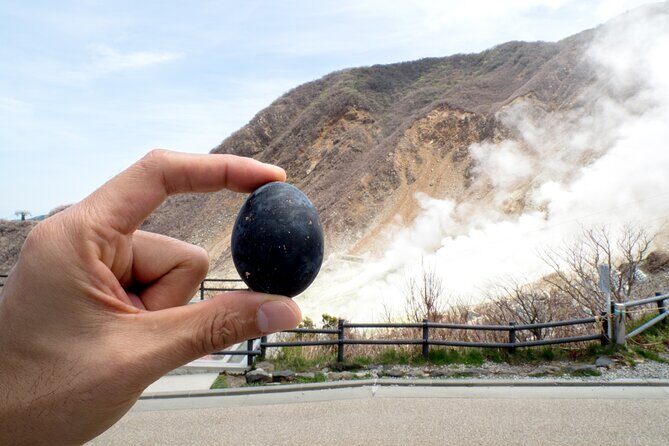
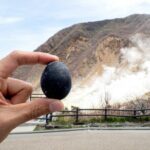
You’ll likely notice steam and hot-surface vibes as soon as you arrive. This is also where the tour nods to black eggs: the local tradition is to eat the eggs cooked in hot spring heat, and you can try them for your own money.
If you want a small walk without turning it into a hike day, you can take the trail route from the Nature Research Trail entrance. There’s a small spot called Tamago Tea House mentioned near the trail area, with smoke rising—very on-brand for this part of Hakone.
Also, keep your expectations realistic: this isn’t a walk-through museum. It’s a living volcanic zone, so the experience is sensory. If you want “pretty and quiet,” bring patience. If you want “science and steam,” you’ll probably have a great time.
Other Tokyo + Mt Fuji + Hakone combo tours we've reviewed
Lake Yamanaka Shiratorihama: swans and Fuji in the same frame
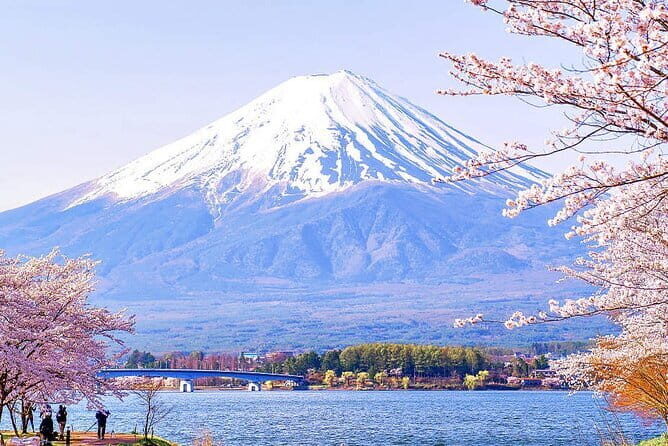
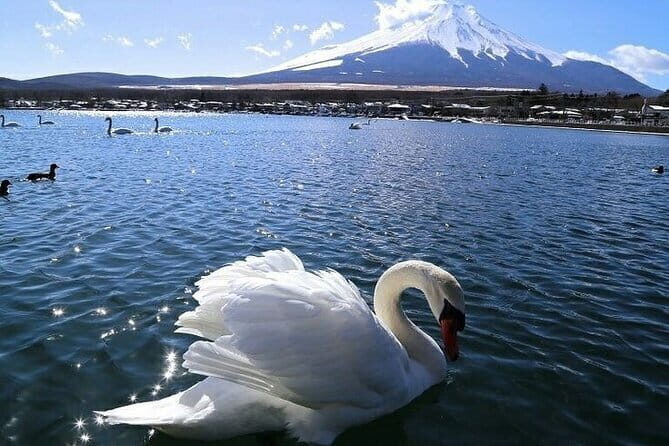
After Owakudani, the tour shifts from crater steam to lakeside scenic photography at Lake Yamanaka. You’ll have about 20 minutes at Shiratorihama, a shoreline area named for the swans.
This stop is built for one very specific photo idea: getting a swan and Mount Fuji in the same shot. The swans here are described as friendly because they’re often fed by tourists, which increases the odds you won’t need a wildlife documentary to get a good picture.
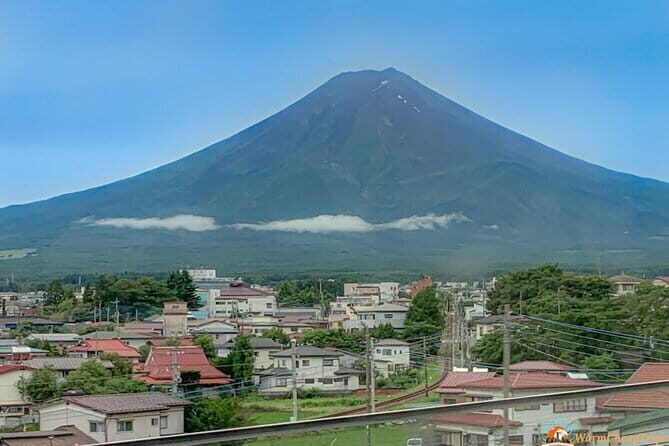
Is Mt. Fuji guaranteed? Not stated. The stop is designed around the view, but like all Fuji scenery, it depends on visibility. If it’s clear, this is a quick win. If it’s cloudy, at least you still get a calm lake break and a change of pace from the volcanic area.
Quick photo advice: arrive ready to shoot, but don’t stand in one spot forever. Change positions slightly to manage wind, glare, and line-of-sight.
Oshino Hakkai: eight springs fed by Fuji snowmelt
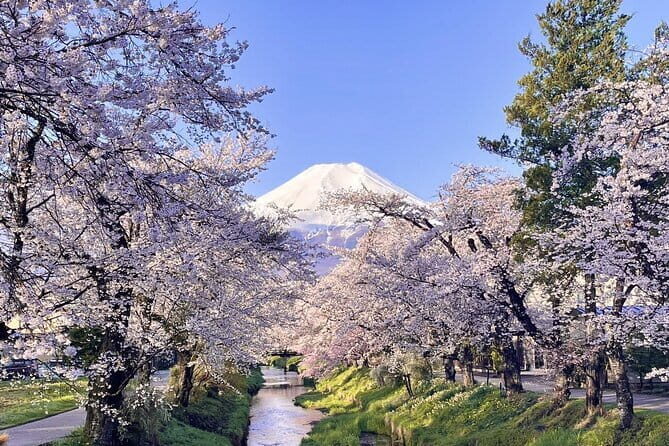
Your final scenery stop is Oshino Hakkai. You’ll have about 40 minutes here, which is a healthy chunk of time for walking, photos, and just watching the water.
What Oshino Hakkai actually is:
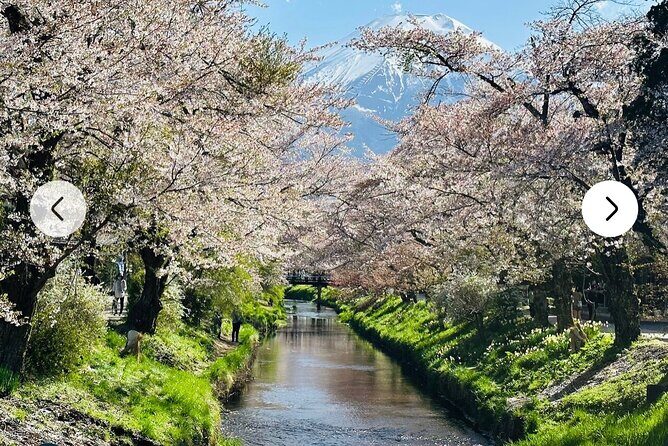
- People call it eight springs, and that’s because there are eight springs formed by snow water from Mt. Fuji flowing through the strata.
- It’s known for natural scenery and is described as a national natural monument.
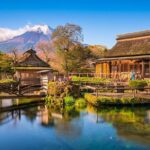
The visual hook is the reflective water. If Mt. Fuji is visible, the rippling pond surface can give you that mirror-like background that photographers chase. Even without a sharp Fuji peak, the water and the stream-fed channels still feel special because this is about how the water moves through the landscape.
This stop rounds out the day nicely. You go from steam and heat at Owakudani to cooled, filtered Fuji water here.
How the 8 hours 20 minutes usually feels in real life
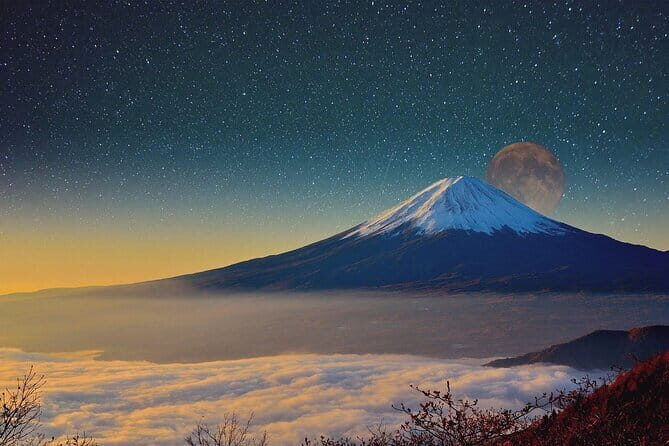
This is a structured, full day: roughly 80 minutes at Hakone Shrine, 30 minutes on the ropeway, 50 minutes at Owakudani, 20 minutes at Lake Yamanaka, and 40 minutes at Oshino Hakkai—plus time spent driving and for lunch.
So yes, there’s free time at each place, but it’s not a slow meander day. You’ll spend most of the time sightseeing, not figuring out transit. The tradeoff is that if you’re the type who wants long wandering windows, you’ll feel the clock.
This is also why a guide matters. When the guide is strong, the day feels like a guided route through meaning. When the guide is weak, it can feel like a series of drop-offs where you have to guess what to look for.
Past experiences include both ends. One guide named Kousei was described as super nice and the day felt amazing. Another guide named Jack was praised as friendly, fun, and informative. A different day had a guide named Tom, and the group still managed great sights and even got Mt. Fuji visibility during the wind-and-cable-car disruption.
My take: if you like short stops with good context, this schedule is efficient. If you want deep storytelling and unhurried time, you might feel rushed.
Make the guide work for you: information, pacing, and optional add-ons
Because you’re moving all day, the guide’s job is to:
- keep timing smooth,
- point you toward the best photo spots,
- and give just enough context so places feel connected.
You can also handle pacing yourself. If you see a line or a crowd, decide quickly whether you want the shot now or later. With limited time at Lake Yamanaka and Oshino Hakkai, waiting around can cost you opportunities.
One more realistic note: on some days, you may be offered optional add-ons or guided upgrades like a boat cruise style experience. One experience described an upsell that was hard to refuse, along with lunch upselling. You don’t have to accept anything you didn’t plan for—just be ready to make decisions quickly.
If you want to keep control of your spending, tell yourself ahead of time:
- I’ll take included sights only.
- I’ll budget for one snack purchase.
- If something costs extra, I’ll decide after hearing the price and how it affects timing.
Practical tips: shoes, cash, luggage, and Fuji-weather reality
This tour is clearly designed to be easy to join, but you still need to pack smart.
Footwear and rain gear
Bring a pair of shoes you’d wear on uneven ground. Owakudani and the lakeside areas can involve slippery patches, steam areas, and wet walkways when it rains. One past day started in heavy rain, and the visibility impact was real—so be ready.
Cash for the black egg moment
One highlight of Owakudani is trying black eggs, but it’s explicitly at your own expense. Cash comes in handy for quick purchases.
Luggage rules (because Japan has tiny parking windows)
This is a one-day itinerary and it’s not recommended to bring luggage. The tour allows 1 luggage per person, and it notes an extra 100 yuan per piece if more than one piece is brought or if it wasn’t clearly noted at booking.
Also, pickup can involve a bus waiting outside rather than long hotel parking. If pickup is at your hotel, you should wait out in front rather than inside the room.
Pickup reminders and guide contact
The night before, you receive a departure reminder email that includes the vehicle registration number, guide contact info, and pickup time. The guide doesn’t initiate contact, so show up where the email says and give yourself a few minutes buffer.
Group size
There’s a maximum of 15 travelers, and it requires at least 4 people to operate. A smaller group can make timing less chaotic and photo stops easier to manage.
Should you book this Tokyo–Mt. Fuji–Hakone day tour?
Book it if you want a high-sight-density day: shrine + iconic lake torii, a ropeway look at volcanic terrain, and two Fuji-water spots (swans at Lake Yamanaka and reflective springs at Oshino Hakkai). At $76.96, the value is strongest if you’d otherwise spend time coordinating transit and buying major rides on your own.
Don’t book it if you need a leisurely pace or if you hate the idea of weather changing the day. Because the plan depends on Mount Fuji visibility and ropeway conditions, rain and wind can reduce the “wow” factor. This is still Hakone’s volcano country with real sights, but the background peak might not show.
My final nudge: go into it with the right mindset. Think of it as a guided route through geology and Fuji scenery, not a stay-all-day picnic. If you pack for wet weather and keep your schedule flexible, you’ll likely come home with more memorable images than you expected from a single day trip.
FAQ
How long is the Tokyo Mt. Fuji Hakone Shrine, Owakudani, Lake Yamanakai day tour?
The tour runs for about 8 hours 20 minutes.
What is the price per person?
The listed price is $76.96 per person.
Does the tour include admission tickets?
Hakone Ropeway is included for the Togendai to Owakudani course. Hakone Shrine, Owakudani, Lake Yamanaka, and Oshino Hakkai are listed as free admission in the itinerary.
Are meals included?
No. Meals are not included, and lunch is part of the remaining time allocated in the schedule.
Is a mobile ticket used?
Yes, the tour uses a mobile ticket.
How many people are needed for the tour to run?
There is a minimum of 4 persons for the tour to proceed.
What is the group size limit?
The tour has a maximum of 15 travelers.
What about luggage? Can I bring it?
It is not recommended to carry luggage, but 1 luggage per person is allowed. If you did not note it at booking or bring more than 1 piece per guest, an extra 100 yuan per piece may be charged.
When do I get pickup information?
You receive a departure reminder email the night before the tour with pickup time and other vehicle details. The guide does not initiate contact, so you need to wait at the specified pickup location.
What are the rules for children?
Children under 3 years old are free of charge without occupying a seat. Children over 3 years old are treated as adults.
Can I cancel for a refund?
Yes. You can cancel up to 24 hours in advance for a full refund. Less than 24 hours before start time is not refundable.