REVIEW · TOKYO
Mount Fuji, Hakone & Lakekawaguchiko Private Group Tour by Car.
Book on Viator →Operated by Explora Japan · Bookable on Viator
Fuji is easier when your car does the work. This private group day trip is built to save you the stress of trains and transfers, with round-trip pickup from your Tokyo stay and a planned hit list of classic Fuji views. I love how it keeps the day simple while still giving you real variety—from the 5th station up high to lakes and temples. One thing to factor in: some stops involve extra fees and visibility can change fast, and in winter the 5th station can even be closed.
In practice, the experience rises or falls on the guide and the weather. I’ve seen guides like Ali help with photos and keep things moving at a calm pace, while Shoaib talked through the best timing to avoid crowds. If your guide focuses more on driving than explaining, you may feel like it’s partly a driver day—so plan to bring your own questions and photos in mind.
In This Review
- Key things I’d notice before booking
- Why a private Fuji day works better than fighting trains
- The 8–9 hour rhythm: how the day really flows
- Mt. Fuji Subaru Line 5th Station: the classic payoff (and a possible closure)
- Oishi Park: flowers, Fuji views, and an easy win
- Kitaguchi Hongu Fuji Sengen Jinja: a shrine with real age
- Chureito Pagoda: the stairs workout with a view at the top
- Oshino Hakkai: old structures and the Ninja Village nickname
- Lake Kawaguchiko: boats, lunch options, and the Fuji-lake mood
- Lake Yamanaka: feeding swans and a Fuji view when the sky cooperates
- Owakudani Valley: volcanic scenery if time allows
- Price and value: what you’re paying for at $414.59 per group
- Weather reality: when clouds change the whole day
- The guide factor: why some days feel like a tour, others like a driver
- Who should book this Fuji car tour
- Should you book this private Mount Fuji group tour?
Key things I’d notice before booking
- Door-to-door pickup in Tokyo, so you start the day calm instead of hunting platforms
- Fuji-focused route that includes viewpoints, shrines, and old village ponds, not just one photo stop
- Flexibility inside the time window, including adding or skipping Owakudani Valley if time permits
- 5th station altitude for big mountain impact, but it can close seasonally
- Lakes with different vibes: Kawaguchiko for boats and Yamanaka for feeding swans/fish
Why a private Fuji day works better than fighting trains
A Tokyo-to-Fuji outing can turn into a whole second vacation just to get to the start. This tour is designed to skip that. You’re picked up, driven out of the city, and brought back—so you can spend your energy on the scenery.
I also like the way the route mixes big sights with smaller texture. You’re not only chasing a single iconic view. You’ll also hit places like shrines and old village ponds, which makes the day feel more like a guided walk through Fuji’s world than a checklist.
The practical value: for a group, one car can be the right trade. The price is listed per group up to 6, and the vehicle can handle up to nine people, so you’re not stuck squeezing into tiny cars or splitting into separate rides.
More Mt Fuji & Hakone tours we've reviewed

The 8–9 hour rhythm: how the day really flows
This is an all-day outing, roughly 8 to 9 hours, with remaining time used for driving. That means each stop is timed so you don’t lose half the day in transit.
The key to enjoying it is to think like the schedule does:
- You’ll spend around 30 to 60 minutes at most stops.
- You’ll get real viewing time, but not so much that you feel stranded.
- If the weather changes, the guide may adjust what you can realistically enjoy.
I’ve learned from other similar day trips that Fuji conditions are everything. When clouds roll in, the tour’s worth depends on whether your guide can shift to worthwhile alternatives. In the reviews, guides like Zohan and Murad are praised for doing exactly that—making the most of the day even when the mountain wasn’t cooperating.
Mt. Fuji Subaru Line 5th Station: the classic payoff (and a possible closure)
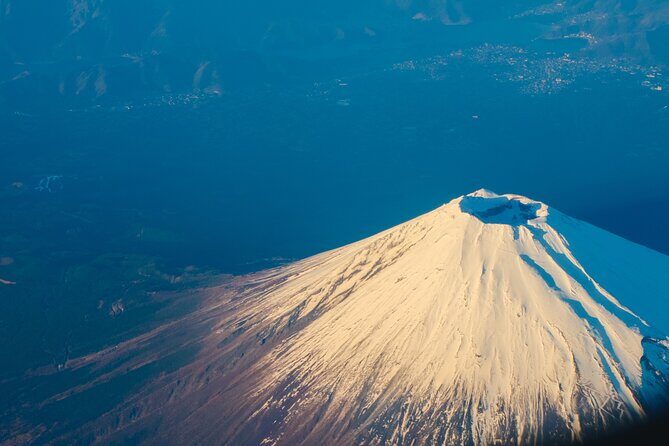
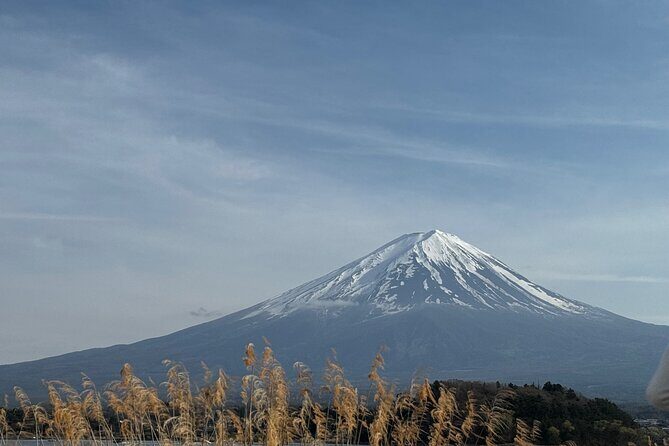
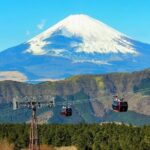
Your highest planned viewing moment is the Mt. Fuji Subaru Line 5th Station, about 7,500 feet up. Even if you’re not hiking, reaching this level changes how you see Fuji. The mountain feels less like a distant landmark and more like a real presence.
This stop is about 1 hour, and the 5th station fee is not included. Plan for an extra 2,100 yen here.
Winter is where you should be ready for reality. One review notes the 5th station was closed due to snow storm issues in January. When that happens, you’re not getting the same experience—so don’t anchor your expectations on one single viewpoint being guaranteed.
Tip for your planning mindset: treat 5th station as the headline, not the only reason you’re going. If you’re lucky with visibility, it’s spectacular. If you’re not, the rest of the route can still be a good day.
Oishi Park: flowers, Fuji views, and an easy win
Next up is Oishi Park, a stop that’s short enough to feel fun rather than rushed. It’s about 40 minutes, and it’s free.
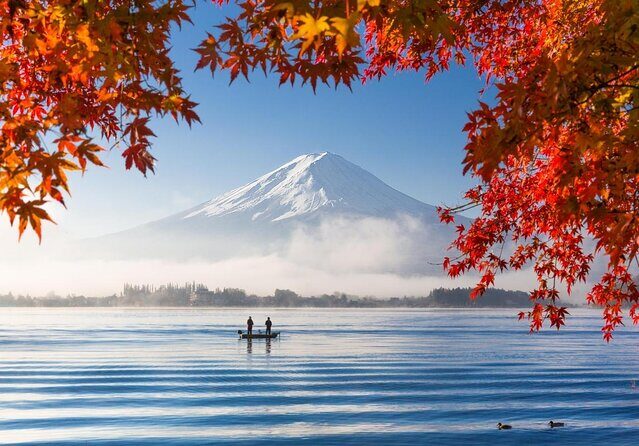
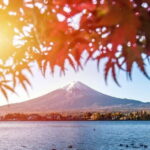
Why it matters: the whole point is framing. You get a strong chance at seeing Mount Fuji reflected and layered over Lake Kawaguchiko, often with colorful seasonal flowers around you. Even when Fuji isn’t crisp, the park still gives you a pleasant walk and a sense of place.
One practical note: if the weather is rainy or misty, keep your camera settings flexible. Fuji days can switch from “wow” to “soft blur” in the same hour.
Kitaguchi Hongu Fuji Sengen Jinja: a shrine with real age
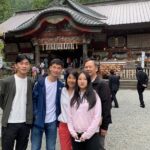
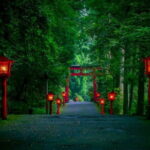
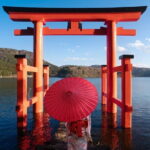
The tour goes to Kitaguchi Hongu Fuji Sengen Jinja, a shrine said to have been established in 100 CE. You’ll spend about 30 minutes here, and admission is free.
This stop adds context to what you’re seeing. Fuji isn’t just a mountain for photos in Japanese culture—it’s tied to worship, pilgrimage, and story. This shrine also ties to the legendary prince Yamato Takeru, who passed through on his journey toward Kai Province.
Even if you’re not a history buff, it’s a nice change of pace from viewpoints. You’ll walk through something calmer, quieter, and less crowded than the high-energy spots.
Other private car & van tours of Hakone
Chureito Pagoda: the stairs workout with a view at the top
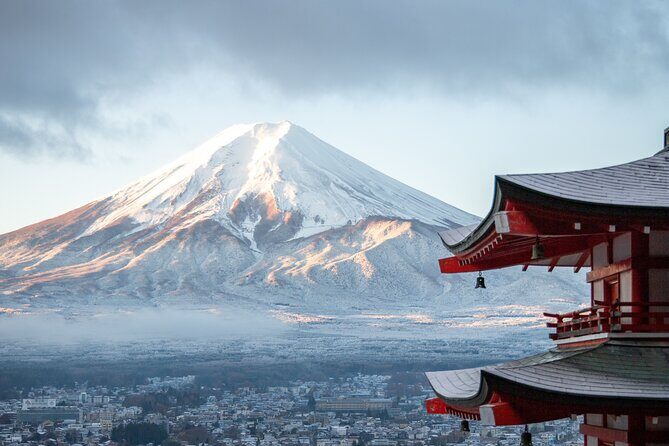
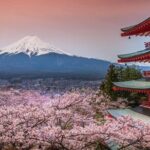
Then it’s Chureito Pagoda. Plan for more than 400 stairs, and a bit of effort to get there. The stop is about 40 minutes and free.
This is one of those places where you feel the difference between looking from below and seeing from the right angle. When visibility is good, the payoff is huge: the pagoda sits in the Fuji frame like it was designed for postcards.
When visibility isn’t good, you still get a memorable climb and a different perspective on the lake-and-mountain area. The climb can be tough for some people, so if stairs feel like a no-go, keep your pace conservative and take breaks.
Oshino Hakkai: old structures and the Ninja Village nickname
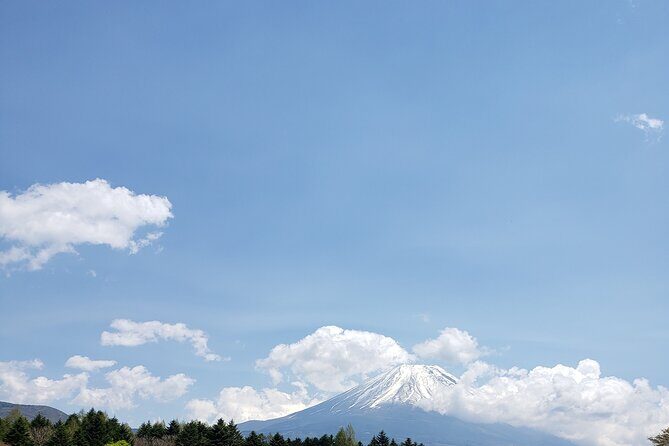
Oshino Hakkai takes you into preserved landscapes and old village atmosphere. Expect about 50 minutes, and admission is free.
This place is sometimes called Ninja village or the Old village. That nickname isn’t why you should go. The reason is the setting: preserved structures fed by springs, with that old Japan feel that’s hard to recreate in a city.
It’s also a good stop when the weather is mixed. Even if Fuji fades behind clouds, Oshino Hakkai still delivers a calm, scenic stroll and a break from the more viewpoint-heavy rhythm.
Lake Kawaguchiko: boats, lunch options, and the Fuji-lake mood
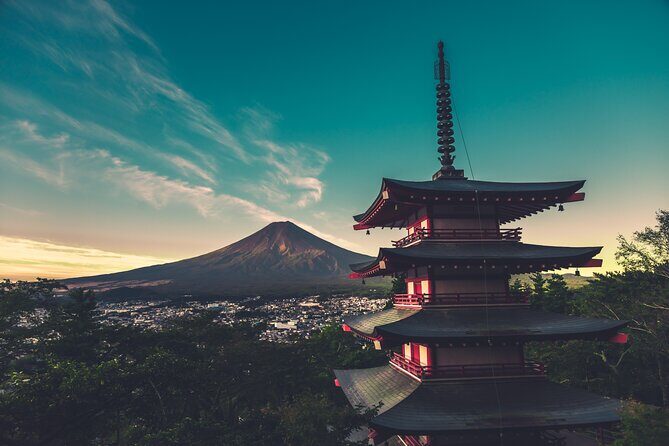
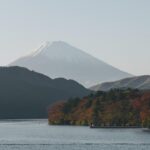
Lake Kawaguchiko is the big lake stop. You’ll spend about 1 hour here, and admission is not included.
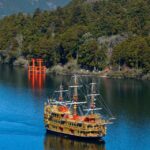
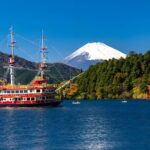
This is where the tour gets practical: you can choose to do a cruise or a boat option, or just hang out along the lake and grab lunch at nearby restaurants. The itinerary includes time for that lunch break, but lunch itself isn’t included in the tour price.
If you care about boats, think timing. It’s not a half-day on the water—it’s a deliberate stop—so you’ll want to pick a boat plan that fits the schedule. If you’d rather keep it simple, you can skip the boat and use the time for photos, lake walks, and resting your legs.
Lake Yamanaka: feeding swans and a Fuji view when the sky cooperates
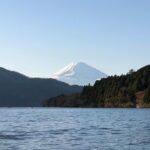
After Kawaguchiko, the tour heads to Lake Yamanaka, where you’ll spend about 30 minutes. Admission is free.
This stop is known for a few things at once: mountain views, plus the chance to feed swans and fish. It’s a short stop, but it adds a playful, slightly “off the brochure” moment that breaks up shrine-and-pagoda energy.
As always, Fuji visibility is weather-dependent. But even on softer days, lakes tend to feel rewarding because the whole area is built around watching the sky.
Owakudani Valley: volcanic scenery if time allows
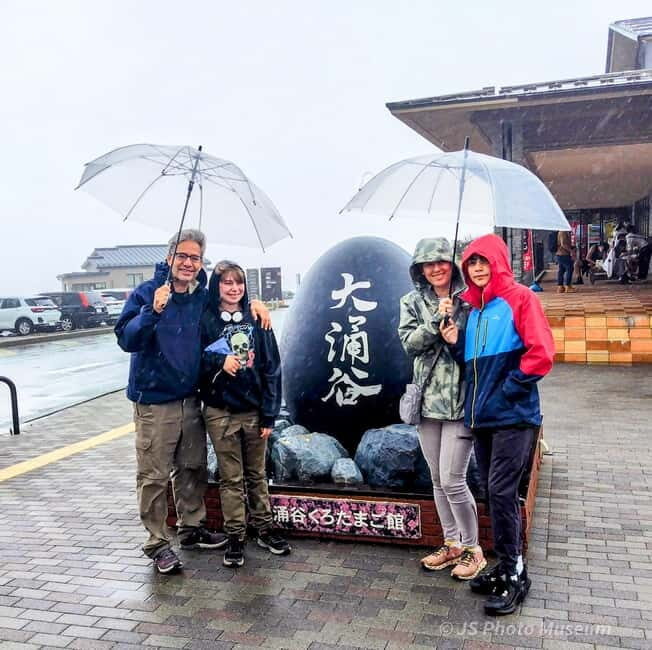
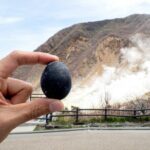
The tour includes Owakudani Valley when time permits. That’s part of the broader theme of volcanic Fuji surroundings.
Here’s the honest framing: because it’s not guaranteed, you should treat it as a bonus. If it fits, it’s a dramatic change of scenery from the lakes and shrines. If it doesn’t, the rest of the route is still strong and focused.
Price and value: what you’re paying for at $414.59 per group
The price is listed at $414.59 per group (up to 6), and you can book it about 38 days in advance on average.
Is that expensive? For a day trip from Tokyo, it can be a fair deal if you’re comparing it to:
- the cost of multiple tickets and transport hassle,
- plus time lost to transfers,
- plus the cost of private logistics if you tried to build it yourself.
What you’re really buying is time control and comfort. This is the kind of tour where the guide’s role matters: they help with timing, pacing, and steering you to the best moments. In the reviews, being on time and helping with photos is repeatedly praised, and that’s not a small thing when you’re dealing with Fuji visibility that can change quickly.
Also note the money gotchas:
- Lunch isn’t included
- The 5th station fee (2,100 yen) isn’t included
- Lake Kawaguchiko’s stop notes admission not included, and optional boat/cruise plans can add cost.
If you budget for those, the value story gets clearer.
Weather reality: when clouds change the whole day
This experience is very weather-dependent. One important point: it may be canceled due to poor weather, with an option to switch dates or get a full refund.
But even when it runs, clouds can flatten the mountain look. Several guides in reviews are praised specifically for how they handled cloudy conditions. That’s where private tours shine: you’re not stuck with rigid, photo-dependent timing.
If you want the best odds of seeing Fuji clearly, ask your guide about the best pickup timing to avoid the worst crowds at viewpoints. Reviews highlight that guides like Mani gave pickup timing advice to help with visibility and crowd levels.
Still, keep expectations flexible. Fuji days are not predictable like museum days. Your goal is to enjoy a full Fuji region loop even if the mountain only shows up in pieces.
The guide factor: why some days feel like a tour, others like a driver
Here’s the balanced take. Many reviews are glowing about drivers and guides being punctual, friendly, and helpful with photos. Names that come up include Ali, Mani, Sikandar M., Shoaib, Abdullah, Murad, and Zohan.
Common strengths:
- help taking photos
- calm pace with no frantic rushing
- local suggestions for where to go when conditions shift
- keeping the day organized and on time
But there are also caution flags:
- one review criticizes the guide for acting more like a driver with little on-site explanation
- another mentions car smell (cigarette smoke)
- some say the itinerary wasn’t followed exactly or the guide didn’t provide much information at stops
- a very small number of comments describe a no-show and refund problems
You can’t control everything, but you can reduce risk: communicate pickup details clearly, confirm your meeting spot, and set expectations that the schedule can adapt for weather and closures.
Who should book this Fuji car tour
This is a strong match if you:
- want door-to-door convenience from Tokyo
- prefer private pacing over bus schedules
- are visiting as a family or small group and want everyone together
- care about hitting classic Fuji landmarks in one day without planning each leg
It’s also a good fit if you like a mix of scenery and culture—views at 5th station and lakes, then shrines and old village ponds.
If you only want one viewpoint and hate stairs, you might find parts of the day less appealing. Chureito Pagoda’s 400+ steps are real. If you have mobility concerns, you’ll want to plan your pace and maybe skip the steep climbs.
Should you book this private Mount Fuji group tour?
I’d book it if you want a practical, low-stress way to see the Fuji region in a single day—especially if you value pickup convenience, multiple stops, and the chance to adapt when visibility isn’t perfect.
I’d think twice if you’re counting on the 5th station to be open or if you’re expecting a highly scripted, lecture-style guide at every stop. In winter, closures can happen. Guides also vary, and one or two reviews show what it feels like when the guide doesn’t explain much.
If your top priority is comfort and a well-paced day, and you go in with flexible expectations about Fuji visibility, this tour is one of the stronger ways to do Mount Fuji from Tokyo.