REVIEW · HAKONE
Hakone, majestic moment waiting!
Book on Viator →Operated by Fulfilling Inc. · Bookable on Viator
Steam, shrine bells, and lake views in one go. This private Hakone highlights tour strings together the big sights without the stress of figuring out trains, ropeways, and timings on your own, with an English-speaking pro to keep you oriented and informed. I like that it’s a private group, so the day feels paced for you instead of a rush through photo stops.
My favorite part is how the route hits three different Hakone moods in one morning: volcanic drama at Owakudani, slow beauty on Lake Ashinoko, and the Edo-era checkpoint stop at Hakone Sekisho. One thing to weigh carefully: some costs are not included, and you’ll still need extra tickets for things like the ropeway/train connections, the lake cruise, and the Hakone Checkpoint entrance fee.
In This Review
- Key Points You’ll Care About
- Why This Hakone Highlights Tour Works in One 6-Hour Morning
- Owakudani Hell Valley: Steam, Ropeway Views, and Black Eggs
- Lake Ashinoko Cruise: A Calm Reset After the Volcano
- Hakone Sekisho and the Museum: Edo-Era Checkpoint on a Tough Route
- Hakone Shrine (Kuzuryu Shrine) and the Old Trail Mood
- Pickup, Private Timing, and Why “Private” Can Be Real Value
- Price and What’s Actually Included (and Extra)
- What You’ll Want to Pack and How to Time Your Day
- Who This Private Hakone Tour Is Best For
- Should You Book This Hakone Private Highlights Tour?
- FAQ
- Where does the tour start?
- How long is the tour?
- Is pickup available?
- Is this a private tour?
- What’s included in the price?
- What isn’t included?
- Which stops are included?
- Can I cancel and get a refund?
- Is the tour accessible for most people?
Key Points You’ll Care About
- Private, English-speaking guide who helps you move through Hakone efficiently
- Owakudani ropeway views of the active volcanic zone and its sulfur steam
- Lake Ashinoko cruise connection that links major sightseeing points on the water
- Hakone Sekisho (checkpoint) museum showing how security worked in the Edo period
- Hakone Shrine + old trail vibes with a short walk area that feels like a breather
- Ticket planning matters since ropeway/train, cruise, and one museum fee are extra
Why This Hakone Highlights Tour Works in One 6-Hour Morning
Hakone can be confusing if you try to do it solo. You’re dealing with steep terrain, multiple transport modes, and attractions that sit in different corners of the area. This tour’s big value is that it builds a logical circuit, so you don’t lose your day waiting, backtracking, or translating your way through ticket windows.
The day is also compact enough to feel fun, not exhausting. Roughly 6 hours means you can see the headline sights—Owakudani, Lake Ashinoko, Hakone Sekisho, and Hakone Shrine—without turning your trip into a full-day logistics project. Pickup is offered, and the tour ends back at the meeting point, so you keep your options for what comes next.
For me, the best part is the pacing with a guide. You get context while you’re looking at the views, not after the fact. And if you’re the kind of person who likes to understand what you’re seeing—why it’s there, who built it, and what it used to mean—this kind of guided flow pays off quickly.
If you're still narrowing it down, here are other tours in Hakone we've reviewed.
Owakudani Hell Valley: Steam, Ropeway Views, and Black Eggs
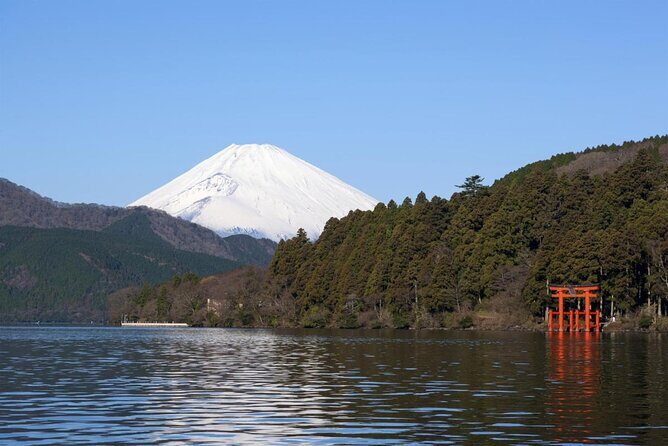
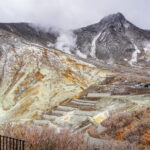
The day kicks off at Owaku-dani Valley, the active volcanic zone that earned Hakone its old nickname of Hell Valley. Even now, you can see sulfur gas and steam drifting across the mountain area. It’s dramatic in the real-world sense, not just a postcard moment.
Here’s what you’ll want to plan for: you’ll need to buy the mountain train and ropeway tickets before you ride. That’s not included in the tour price. The good news is that once you have those tickets, the experience is straightforward—you’re guided to the right connections and timing so you’re not hunting around.
At the ropeway pod, the views can feel like you’re peering into a living landscape. You’ll notice the volcanic activity up close, and it’s easier to understand the area’s reputation when you can see the steam yourself. Owakudani also has a local specialty: the black egg, a boiled egg steamed in hot spring water from the valley. If you try one, it’s part snack, part story.
Potential drawback: Owakudani can be a weather mood. If visibility is limited, your view from the ropeway may be less dramatic than you hoped. Going early helps, and having a guide keeps you from losing time if plans adjust.
Lake Ashinoko Cruise: A Calm Reset After the Volcano
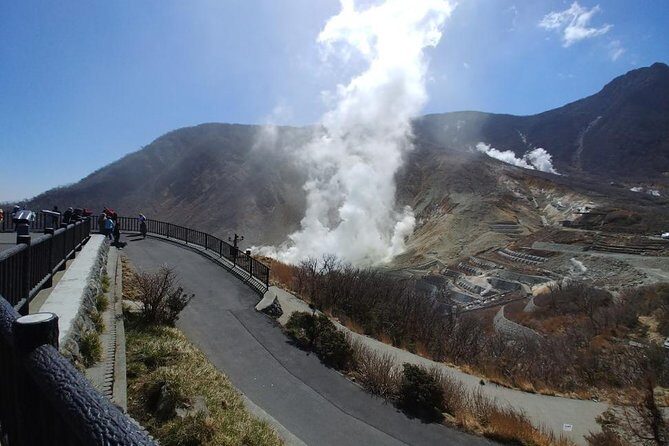
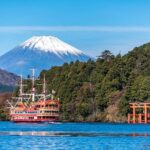
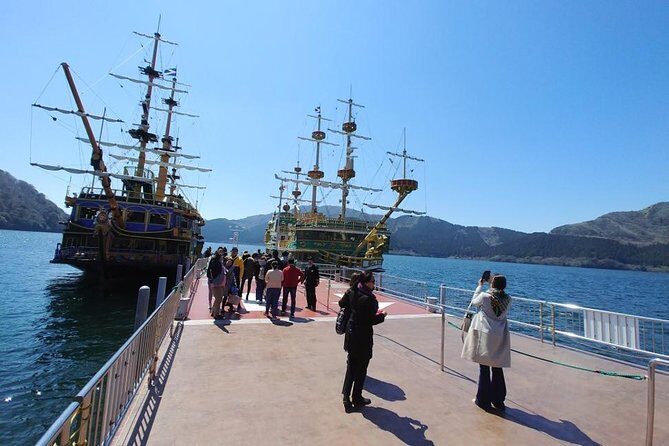
After the volcanic intensity, Lake Ashinoko feels like a breath of fresh air. From where you get off the ropeway pod, you can take a cruise ship around Lake Ashi. This is the “slow down” section of Hakone—the kind of ride where you watch the shoreline change and you get a break from stairs and ticket counters.
The cruise route is useful because it connects multiple major sightseeing points. If you’ve ever felt annoyed by the thought of hopping between scattered locations, this part helps. It also makes the water area more accessible, especially if you don’t want to keep switching transport modes.
Just like Owakudani, there’s an extra cost piece here: you need tickets for the cruise itself. The good value is that your guide ties the timing together with what you just did at the volcano, so you’re not sitting around wondering what to do next.
One practical note: plan to spend your time watching the lake and not chasing every stop. The cruise works best when you treat it as an experience, not a transfer. If you’re traveling with someone who’s tired of fast sightseeing, this section usually saves the day.
Hakone Sekisho and the Museum: Edo-Era Checkpoint on a Tough Route
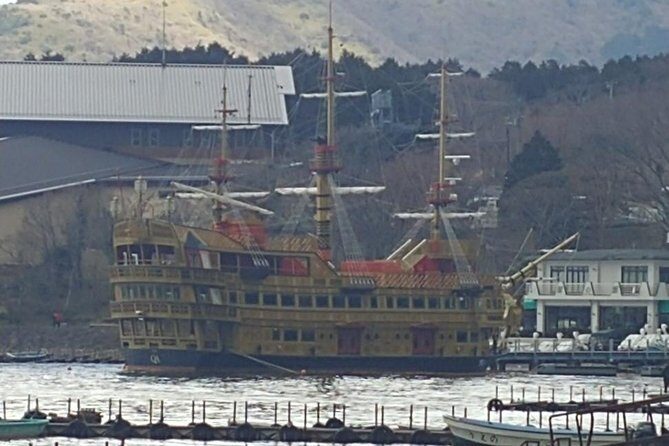
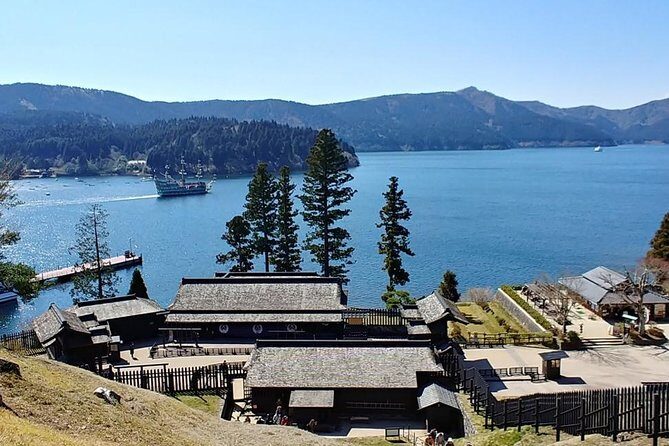
Next up is Hakone Sekisho and the Hakone Sekisho Museum. This wasn’t just a pretty historic site—it was a functioning checkpoint during the Edo period (1603 to 1868). Think of it as a security node built for a steep, difficult passage.
The buildings were restored in 2007 to reflect how the checkpoint used to look. That restoration detail matters because it changes the experience from vague “there used to be something here” into a more grounded sense of place. You get to observe the structures and understand how the checkpoint operated.
What you’re really learning here is how the Tokugawa feudal government managed movement. Hakone is steep, and the checkpoint was known as one of the toughest places to pass through. In a time when powerful local rulers could stir trouble, checkpoints like this were one way authorities monitored and controlled what crossed key routes.
This stop comes with one clear cost item: the Hakone Checkpoint entrance fee is not included. The museum time is about an hour, which is long enough to walk through and read what matters without feeling trapped inside.
Small consideration: if you’re not into historical sites, the checkpoint may feel less visually dramatic than Owakudani. But if you like how a place connects geography to politics and daily life, Hakone Sekisho is one of the most meaningful stops on the circuit.
Hakone Shrine (Kuzuryu Shrine) and the Old Trail Mood
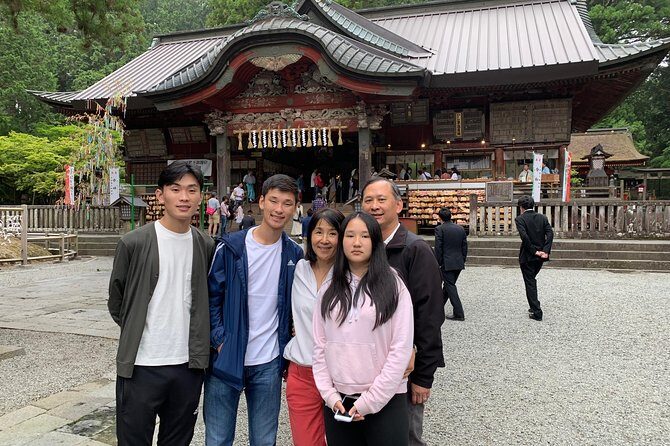
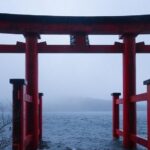
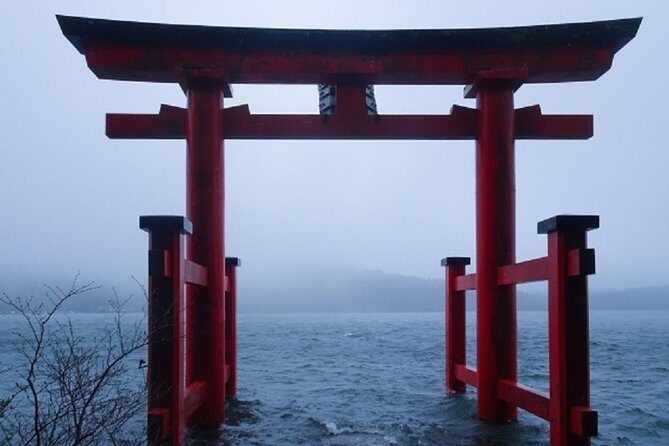
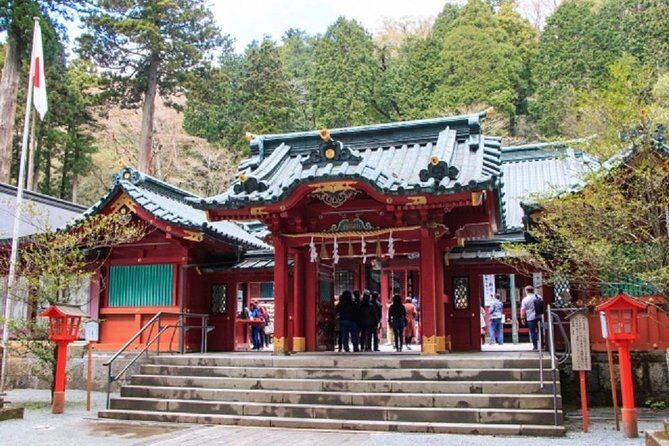
The final sightseeing highlight is Hakone Shrine, including the Kuzuryu Shrine Singû. Shinto worship here is part of daily local life, and it becomes especially busy around New Year’s Day, when thousands of visitors come to make it their first shrine visit.
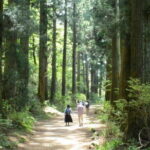
Even if you’re not visiting during New Year’s, you’ll still feel the rhythm of a shrine area: calm, walkable, and a nice contrast after the volcano and museum stops. There’s also a practical “bonus” element on the way to the shrine—you can stop at the old path of Hakone. That trail section gives you a sense of how hard travel used to be, when people had to push through steep terrain on foot.
Admission here is free, so you can spend your time without worrying about extra fees. The stop is short—about 30 minutes—which is ideal if you want a restful finish rather than a long, tiring day.
If you want photos, go early in the stop while the area is still settling. If you want quiet reflection, the best strategy is simply to wander a bit rather than stand at the first view point.


Pickup, Private Timing, and Why “Private” Can Be Real Value
This is a private tour, meaning only your group participates. That’s more than a marketing phrase. In Hakone, the difference shows up in how your day flows—how quickly you can move between spots, and whether you can slow down for a question or a viewpoint without holding up a large group.
You also get an English-speaking professional guide, and that can be the difference between “I saw a shrine and a lake” and “I understand why these places matter.” The guide helps with context, timing, and navigation through the area’s transportation maze.
One useful pattern from past experiences: guides can be especially helpful when you’re deciding what to do with free time or how to prioritize the stops around Lake Ashi and the water connections. If your guide is patient and gives clear recommendations, the whole day feels smoother.
A caution based on real-world feedback style you should keep in mind: if you end up with a guide who doesn’t connect the dots well, the tour can feel overpriced for what you get. Your best defense is curiosity. Ask questions early, and if something feels off, you can adjust your focus on the sights you care about most.
Price and What’s Actually Included (and Extra)
The tour is priced at $203.95 per person for about 6 hours, and it’s typically booked around 15 days in advance. A private guide plus a multi-stop circuit can feel like a bargain compared with building your own route from scratch—especially if you value time saved and less confusion.
Included in the price:
- English-speaking professional guide
- Private tour
Not included:
- Public transportation fees
- Hakone Checkpoint entrance fee
And in practice, you should expect additional ticket purchases for key transport activities:
- Ropeway and mountain train tickets for the Owakudani segment
- Cruise tickets for Lake Ashinoko
So is it good value? It can be, if you look at it as paying for “route design + guidance + context,” not just admission into attractions. If you already know Hakone well and don’t mind doing transport math and ticket lines, you might build a cheaper plan. But if you want a clean, guided flow that covers major highlights in one morning, the price starts to make sense.
What You’ll Want to Pack and How to Time Your Day
The tour starts at 9:00 am at Hakone-Yumoto Station and ends back at the meeting point. That means you’re likely to spend most of the day still in daylight hours, which is great for ropeway and lake visibility.
Pack for outdoor time: the volcanic zone is active and can involve cool air and occasional mist depending on weather. Comfortable shoes matter, especially around the shrine approach and any walking between transport stops. If you get motion-sick easily, the lake cruise may feel smoother than some ferries, but it’s still time on the water—so bring whatever helps you.
The biggest “timing” tip is mental: treat the day as four separate experiences. Volcano first (big visuals), then lake (slow pacing), then checkpoint museum (reading and context), then shrine (short reset). If you force it to become one single long grind, it will feel heavier than it needs to.
Who This Private Hakone Tour Is Best For
This tour is a strong fit if you:
- Want a guided intro to Hakone highlights without figuring out everything on your own
- Like learning context while you visit major sites
- Prefer private pacing over joining larger groups
- Have limited time and want Owakudani + Lake Ashi + Hakone Sekisho + Hakone Shrine in one run
It may be less ideal if you already have a detailed Hakone plan and you’re comfortable buying multiple tickets and navigating by yourself. And if you need strict “all costs included” simplicity, remember that several transport and one entrance fee are extra.
Should You Book This Hakone Private Highlights Tour?
I’d book it if your main goal is to see the headline Hakone sites with less friction. The combination of Owakudani’s steam-and-sulfur drama, a Lake Ashinoko cruise reset, and the Edo checkpoint story gives you variety in only about 6 hours. Add a private English guide and you get more than a checklist—you get a guided explanation of why Hakone shaped how people traveled through Japan.
Skip or reconsider if you’re traveling ultra-budget and you want every yen spent to go toward entrance fees only. Since ropeway/train and the cruise need tickets, plus the Hakone Checkpoint fee is extra, your total cost won’t be only the base price.
If you do book, a good strategy is to come with a couple of questions: what matters most to you—volcano views, lake scenery, or the Edo checkpoint story. Then you can steer your day around what you care about most, and the guide becomes a real multiplier.
FAQ
Where does the tour start?
It starts at Hakone-Yumoto Station (Yumoto, Hakone, Ashigarashimo District, Kanagawa 250-0311, Japan) at 9:00 am.
How long is the tour?
The duration is about 6 hours.
Is pickup available?
Pickup is offered.
Is this a private tour?
Yes. It’s private, and only your group participates.
What’s included in the price?
The tour includes an English-speaking professional guide and a private tour.
What isn’t included?
Public transportation fees and the Hakone Checkpoint entrance fee are not included. You’ll also need separate tickets for things like the ropeway/train connections and the Lake Ashi cruise.
Which stops are included?
You’ll visit Owakudani Valley, Lake Ashinoko (with a cruise), Hakone Sekisho and the Hakone Sekisho Museum, and Hakone Shrine (including Kuzuryu Shrine Singû).
Can I cancel and get a refund?
No. This experience is non-refundable and cannot be changed for any reason.
Is the tour accessible for most people?
The tour notes that most travelers can participate.