REVIEW · TOKYO
Mount Fuji and Hakone Private Tour from Tokyo (Customizable)
Book on Viator →Operated by Xplor Japan · Bookable on Viator
Seeing Mt Fuji from multiple angles feels like cheating.
This private day trip strings together the big-name sights with round-trip transfers and a flexible English-speaking guide, so you spend less time figuring out trains and more time actually looking at the mountain. I particularly like the pacing: you get a pagoda view, then a shrine stop, then spring water at Oshino Hakkai before heading into Hakone for the famous valley and lake views. One thing to consider: not every guide may match your expectations for nonstop guiding versus primarily driving, so it’s smart to set that expectation up front.
The itinerary is also built for real photos, not just quick look-and-leave stops. Chureito Pagoda, Kitaguchi Hongu Fuji Sengen Jinja Shrine, Hakone Ropeway, Owakudani, and Lake Ashinoko are all in the same day, with several admission tickets listed as free on the core stops. That said, the day isn’t fully all-in: Ropeway and any Lake Ashi cruise are extra.
If you want an easier Mt Fuji and Hakone day—especially with a small group—this is a strong value. The route is long (about 10 hours), so you’ll want good shoes, patience for traffic, and a bit of weather luck.
In This Review
- Key things I’d plan around before you go
- How the private Mt Fuji and Hakone day plan works from Tokyo
- Morning viewpoint power: Chureito Pagoda and Fuji Sengen Shrine
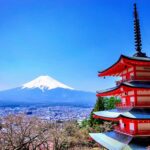
- Chureito Pagoda (about 1 hour, admission free)
- Kitaguchi Hongu Fuji Sengen Jinja Shrine (about 30 minutes, admission free)
- One practical tip for the morning
- Oshino Hakkai springs: what to expect at the Fuji water village
- Why this stop is worth your time (about 1 hour, admission free)
- What to watch for
- Hakone Ropeway and Owakudani Valley: sulfur steam and classic geothermal drama
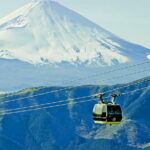
- Hakone Ropeway (30 minutes, ropeway fee ¥1,500 per person)
- Owakudani Valley (about 40 minutes, admission free)
- Lake Ashinoko: where you decide if you want the cruise
- What the stop offers (1 hour, admission not included)
- The optional pirate cruise (¥1,200 per person)
- Private guide vs driver-only: how to get real value from the guide
- How you can avoid that mismatch
- Price and what’s really included on the ground
- What you should expect to pay extra
- A realistic way to budget
- Timing, weather, and the Mt Fuji problem you can’t fully beat
- How to make your one shot at Fuji work
- Who this tour fits best (and who might want a different style)
- Should you book this private Mt Fuji and Hakone tour?
- FAQ
- How long is the Mt Fuji and Hakone private tour?
- What time does the tour start?
- How much does the tour cost and how many people can go?
- Is pickup from Tokyo included?
- Are the Hakone Ropeway and Lake Ashi cruise included?
- What’s included in the price?
- What food is included?
- What happens if the weather is bad for Mt Fuji?
Key things I’d plan around before you go
- Private transportation with an air-conditioned vehicle, plus tolls, gas, and parking included
- A flexible English-speaking guide, with past guides including Ryu, Haris, and Aaryen
- Classic Fuji and Hakone checklist stops: Chureito Pagoda, Fuji Sengen Shrine, Oshino Hakkai, Owakudani, Lake Ashi
- Extra costs on purpose: ropeway (¥1,500 per person) and Lake Ashi cruise (¥1,200 per person) are not included
- Photo-friendly timing, with multiple set-piece viewing spots and a full hour at Lake Ashi
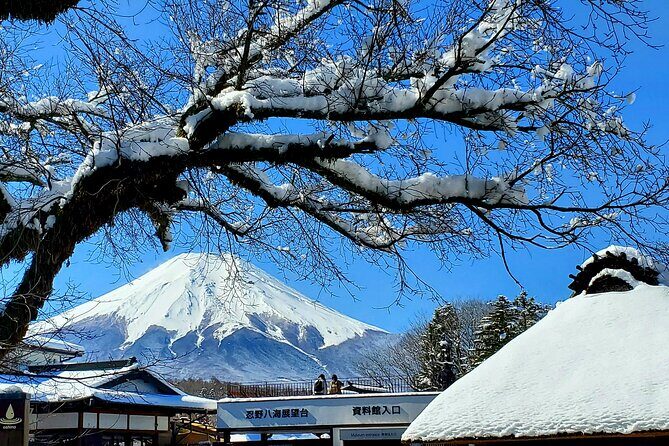
- Weather matters, since this experience depends on clear conditions for Mt Fuji views
How the private Mt Fuji and Hakone day plan works from Tokyo
This is a private, door-to-day style trip. You start at 8:00 am in Tokyo, ride in an air-conditioned car with pickup offered, and spend about 10 hours on the road and on foot at stops. Because it’s private (only your group), you’re not stuck with a rigid tour-group rhythm or scrambling to keep up on crowded transit.
The big practical win is that transport is handled end-to-end, including tolls and parking. That matters because getting Tokyo to Hakone smoothly (and then weaving between Hakone and the Fuji area) can eat up your time even when you know what you’re doing. With this setup, you’re basically paying to remove friction.
You’ll still handle a few things yourself. Lunch isn’t included, and two of the most famous Hakone add-ons cost extra: the Hakone Ropeway (¥1,500 per person) and the Lake Ashi pirate cruise ship fee (¥1,200 per person). The tour includes the travel to the right places, but it doesn’t try to force every optional activity into the price.
More Mt Fuji & Hakone tours we've reviewed
Morning viewpoint power: Chureito Pagoda and Fuji Sengen Shrine
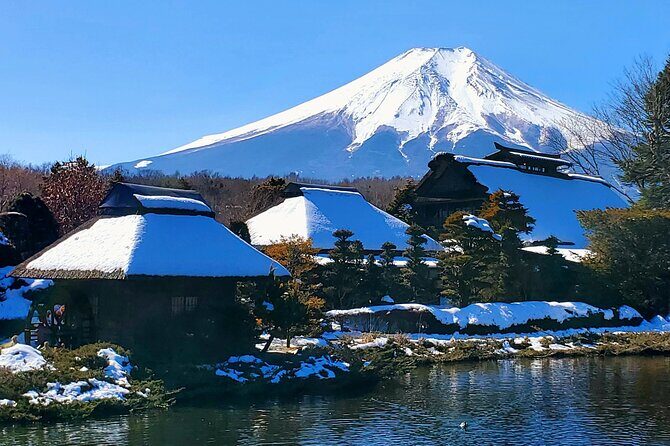
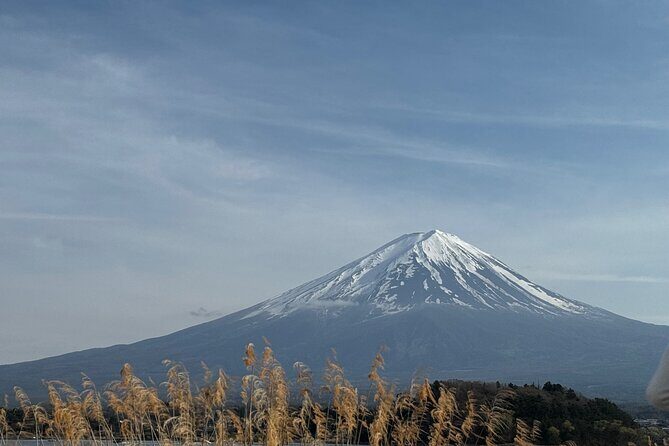
Most people dream about Mt Fuji, then immediately worry that they’ll miss the view. This morning block is designed to reduce that risk by giving you two iconic photo moments before you go deeper into Hakone.
Chureito Pagoda (about 1 hour, admission free)
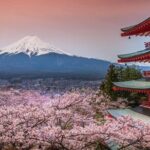
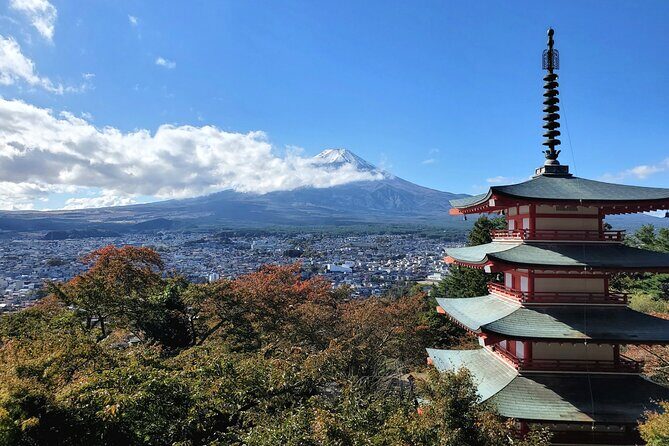
Chureito Pagoda sits in Fujiyoshida and is famous for the way the pagoda frames Mt Fuji. Expect an easy walk at a classic viewpoint, with time to take photos without feeling rushed. If the sky is clear, this is one of those moments where the mountain looks startlingly close.
If weather is gray, don’t panic. Fuji can hide fast, and clouds shift. Your best move is to keep shooting when it clears and then move on with the day rather than fixating on one angle.
Kitaguchi Hongu Fuji Sengen Jinja Shrine (about 30 minutes, admission free)
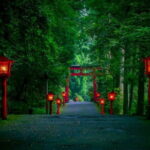
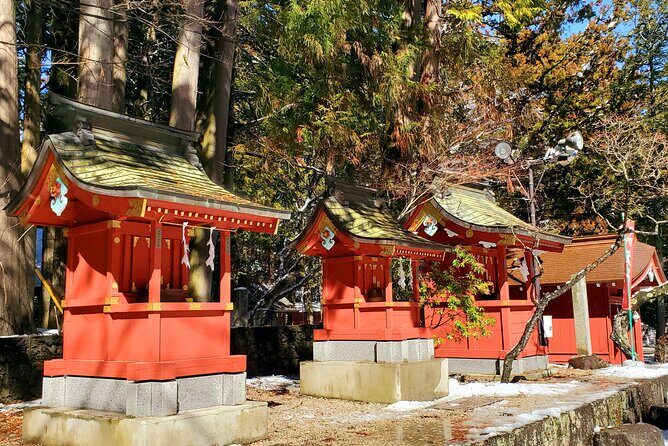
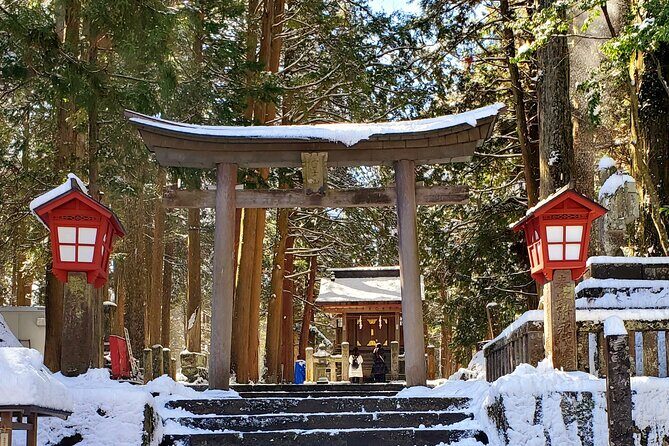
This Shinto shrine is on the northern slopes of Mount Arakura, and it offers a calmer, more local-feeling pause. It’s also a nice reset after the pagoda crowds, because you can slow down, look up at the shrine setting, and get a sense of the cultural context behind Fuji worship.
This part is short on purpose. You get enough time to walk around and absorb the vibe, but you’re not stuck there while the day drifts late.
One practical tip for the morning
If you care most about Mt Fuji photos, ask your guide about timing and photo spots for that day’s weather. One past driver shared an approach of leaving very early (before 5:30 am was mentioned) to reduce traffic and maximize sightseeing time. Even if your exact start time differs, the logic is solid: earlier often means fewer crowds and more flexibility.
Other Tokyo + Mt Fuji + Hakone combo tours we've reviewed
Oshino Hakkai springs: what to expect at the Fuji water village
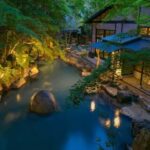
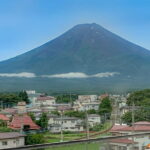
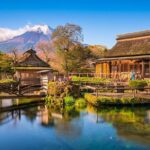
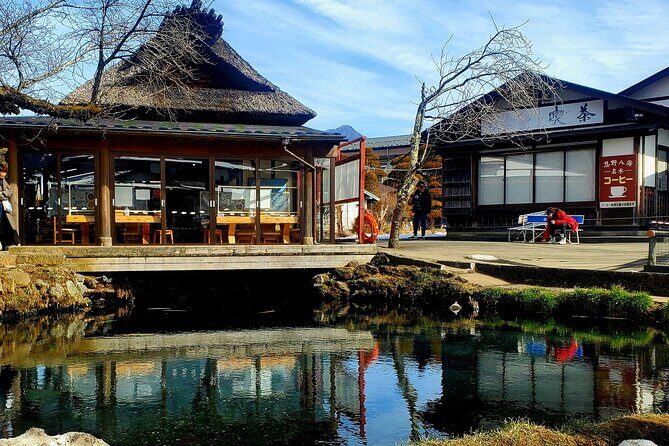
Next you’ll head to Oshino Hakkai, a place associated with Fuji’s spring-fed waters. The area is known for clear spring water and for a traditional village feel, including watermill-style details and small shops.
Why this stop is worth your time (about 1 hour, admission free)
Oshino Hakkai is visually different from the shrine and pagoda stops. Instead of chasing Mt Fuji’s silhouette, you’re dealing with water-level details—ponds, streams, and the surrounding village layout. It’s also a good breather mid-day because it’s not all steep walking and it’s easy to move at your own pace.
What to watch for
It’s an easy stop, but it can still be busy. If you want calm photos, go to the edges first and don’t wait for the main crush to thin.
Hakone Ropeway and Owakudani Valley: sulfur steam and classic geothermal drama
This is the heart of the Hakone “wow” factor. You’ll take the Hakone Ropeway (about 30 minutes on the schedule) and then move into Owakudani Valley (about 40 minutes).
Hakone Ropeway (30 minutes, ropeway fee ¥1,500 per person)
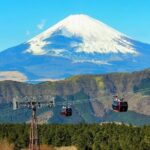
The ropeway segment is where you get elevated views on the way into Hakone’s geothermal zone. It’s also one of the reasons this tour works so well as a day trip: it adds variety without forcing you to research connections on your own.
Because it’s not included, budget for the per-person fee before you go. If you’re traveling as a small group, this is also where you’ll feel the price creep, so it helps to decide early whether you’ll do both ropeway and a cruise on Lake Ashi.
Owakudani Valley (about 40 minutes, admission free)
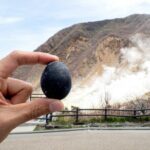
Owakudani is known for geothermal activity, hot springs, and the sulfurous fumes rising from the ground. This is the part that feels most different from the Fuji area stops earlier in the day. It’s not a quiet garden moment; it’s dramatic and a little funky in the best way.
Your time here is long enough to see it from multiple angles and take photos. Just be prepared for smells and keep your expectations realistic—geothermal zones aren’t designed for perfect air.
Lake Ashinoko: where you decide if you want the cruise
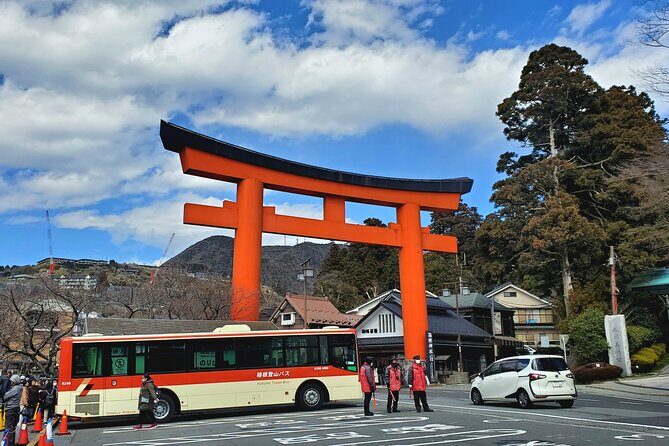
Finally, you’ll reach Lake Ashinoko (often written Lake Ashi). The plan gives you about 1 hour on the lake.
What the stop offers (1 hour, admission not included)
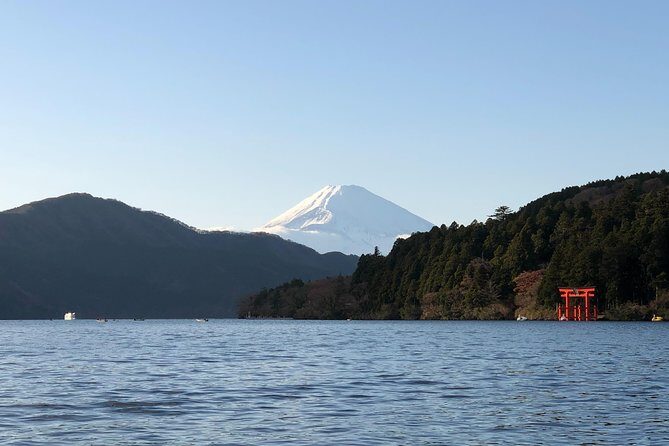
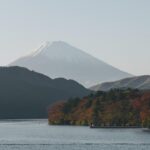
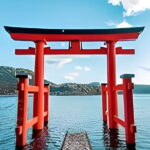
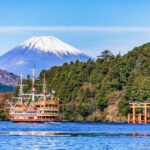
Lake Ashinoko is famous for Mt Fuji views across the water when conditions are right. You’ll also find that the area is geared toward lake activities, so the time is flexible: you can take photos, walk along viewpoints, and decide how you want to spend the hour.
The optional pirate cruise (¥1,200 per person)
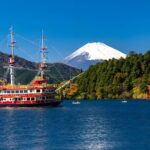
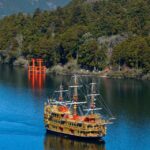
If you want the classic boat-on-the-lake experience, the Lake Ashi pirate cruise ship fee is listed separately at ¥1,200 per person. The tour includes getting you there, but the cruise itself costs extra.
If you’re deciding on the fly, use this rule: if the sky looks clear and the mountain is visible, a cruise can be a highlight. If clouds are thick, you might enjoy staying on shore where it’s easier to keep your timing flexible for Mt Fuji peeks.
Private guide vs driver-only: how to get real value from the guide
This is a private tour, but the word guide can mean different things in Japan. In general, the tour includes an English-speaking guide, and in past experiences guides such as Ryu, Haris, and Aaryen have been described as providing cultural context and helpful recommendations.
Still, one concern showed up in feedback about the difference between a guided experience and a driver doing transport. You’ll get the transportation value either way, but the “why this place matters” part depends on how your guide works.
How you can avoid that mismatch
Before the day, message or confirm expectations in plain terms:
- Ask if your guide will provide commentary at each stop or mostly handle logistics.
- Tell them what you care about most: Mt Fuji photography, shrine context, geothermal sights, or food recommendations for lunch.
- If you want more explanation, ask for it at the start of the day so it’s not a late realization.
When it goes well, this type of private day feels like you have a smart local translator plus a driver who knows where you’ll actually enjoy pausing for photos.
Price and what’s really included on the ground
At $448 per group (up to 5 people), you’re paying for a lot of convenience packed into one day. The included items are: air-conditioned vehicle, private transportation, an English-speaking guide, tolls, gas, and parking.
That can be excellent value if:
- You’re traveling with family or friends and want a single car rather than coordinating multiple trains.
- You’re short on time in Tokyo and want to hit both Fuji and Hakone without self-planning.
- You prefer a guided experience that reduces mental load when crowds and traffic hit.
What you should expect to pay extra
Not included:
- Lunch and drinks/snacks
- Hakone Ropeway: ¥1,500 per person
- Lake Ashi pirate cruise ship: ¥1,200 per person
The good news is that several major stops list admission as free, so you’re mainly paying for transportation and the two major “add-on” experiences.
A realistic way to budget
If you’re the type who will do the ropeway plus the cruise, your day will cost more than the base price. If you’re fine skipping one optional activity, you can keep costs steadier. Since ropeway and cruise are clearly itemized, you can make that decision before the day gets moving.
Timing, weather, and the Mt Fuji problem you can’t fully beat
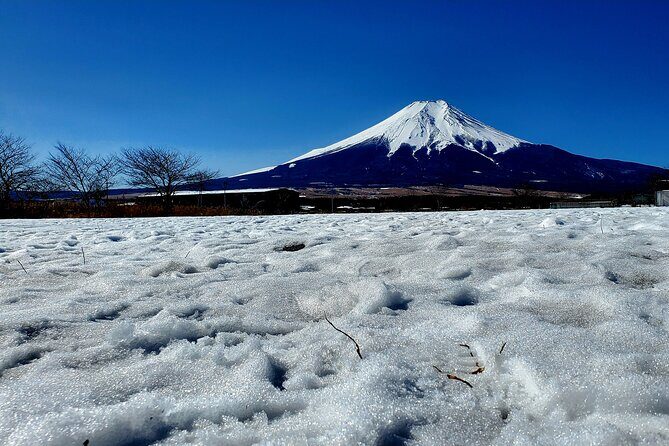
Mt Fuji is famous for being temperamental. Even with the right itinerary and early starts, clouds can wipe the view.
This experience is clear that it requires good weather. If conditions are poor, you’ll be offered a different date or a full refund. That’s important because it protects you from paying for a day that turns into mostly looking at fog.
How to make your one shot at Fuji work
- Bring layers. Morning starts can feel cool, and Hakone can shift in temperature.
- Keep your camera ready. Fuji may appear for minutes, not hours.
- Don’t treat one viewpoint as the only one. The day is built with multiple chances across Chureito Pagoda, shrine area views, and Hakone/Lake Ashi.
Even when visibility isn’t perfect, a good guide can help you land on decent photo angles and still enjoy the places for what they are: pagoda views, shrine atmosphere, spring water, and geothermal steam.
Who this tour fits best (and who might want a different style)
I’d point you here if you want:
- A private day trip that connects Tokyo to Fuji and Hakone without transit stress
- Enough time at key sights to actually enjoy them (not just pass through)
- A guide who can tailor the day a bit, especially if you want more time for photos
It may not fit as well if:
- You’re expecting a highly scripted, commentary-heavy guided tour at every stop and you need that to be guaranteed
- You want a fully included package where ropeway, lunch, and cruises have already been bundled in
If you do travel with kids, a private car often makes the day easier because you can manage bathroom breaks and timing without hunting for transit changes.
Should you book this private Mt Fuji and Hakone tour?
Book it if you value convenience, want a small-group private day, and like the idea of hitting the biggest Fuji-and-Hakone hits in about 10 hours with transport handled for you. The included car with tolls/parking, the English-speaking guide, and the free-admission core stops make it a solid way to buy time and reduce stress.
Skip or reconsider if you’re counting on an intense guided lecture style and you’ll feel disappointed if the guide is more hands-on with logistics than storytelling. If that’s you, message in advance with clear expectations and make sure the day you want matches the day you’re getting.
Either way, go with the right mindset: this is a one-day sprint across two iconic regions. When weather cooperates, it’s memorable. When it doesn’t, you still get a full slate of meaningful sights—pagoda views, spring water, shrine atmosphere, sulfur steam, and lake-time options.
FAQ
How long is the Mt Fuji and Hakone private tour?
The tour runs for about 10 hours.
What time does the tour start?
The start time is 8:00 am.
How much does the tour cost and how many people can go?
It’s $448.00 per group, up to 5 people.
Is pickup from Tokyo included?
Pickup is offered, and the tour includes private transportation in an air-conditioned vehicle.
Are the Hakone Ropeway and Lake Ashi cruise included?
No. The Hakone Ropeway costs ¥1,500 per person, and the Lake Ashi pirate cruise ship fee is ¥1,200 per person.
What’s included in the price?
Included are the air-conditioned vehicle, private transportation, an English-speaking guide, tolls, gas, and parking.
What food is included?
Lunch and drinks/snacks are not included.
What happens if the weather is bad for Mt Fuji?
The experience requires good weather. If it’s canceled due to poor weather, you’ll be offered a different date or a full refund.